Pick Your Own Apples At This Nebraska Orchard From August Through October
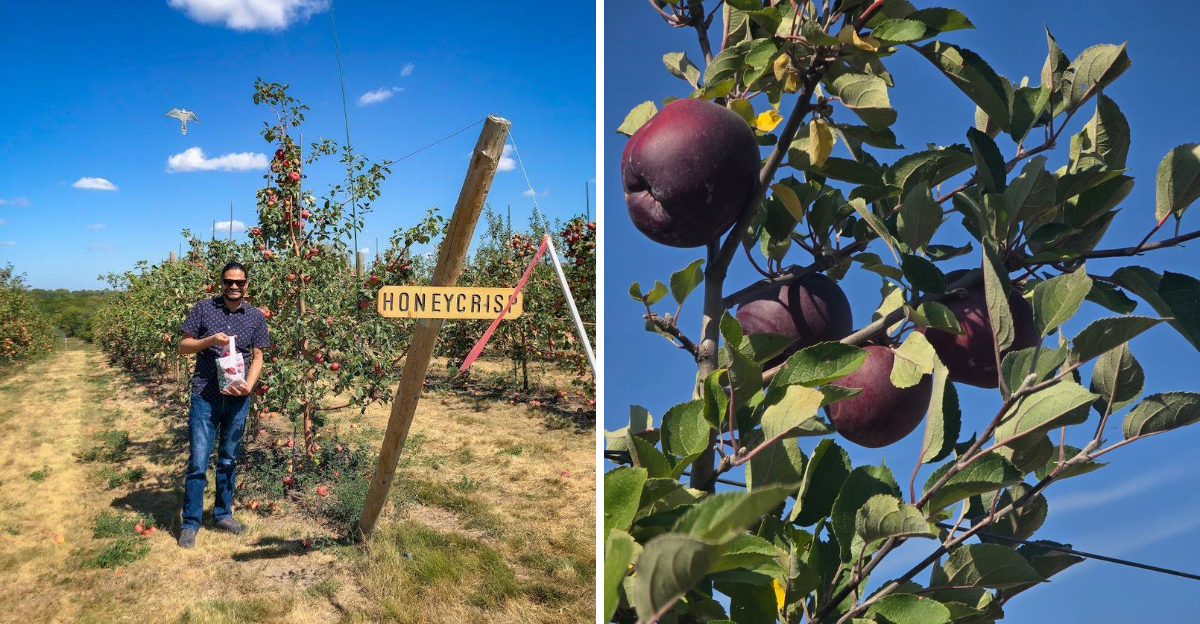
The best apples always seem to be hiding one branch farther in.
You reach past the easy ones, turn a piece of fruit in your hand, and decide whether it looks crisp enough to earn a place in the bag.
Before long, the rows begin pulling you deeper into the orchard and the quick stop you planned becomes a full afternoon.
Late summer quietly opens the door to apple season in Nebraska.
August brings the first chance to pick, while the weeks that follow offer new reasons to return as different varieties ripen.
There is no conveyor belt and no need to hurry. Just trees, open air, and the small satisfaction of choosing every apple yourself.
Bring sturdy shoes and more bags than you think you need. By October, you may have already found an excuse to come back.
Apple Picking Begins Earlier Than Most People Expect
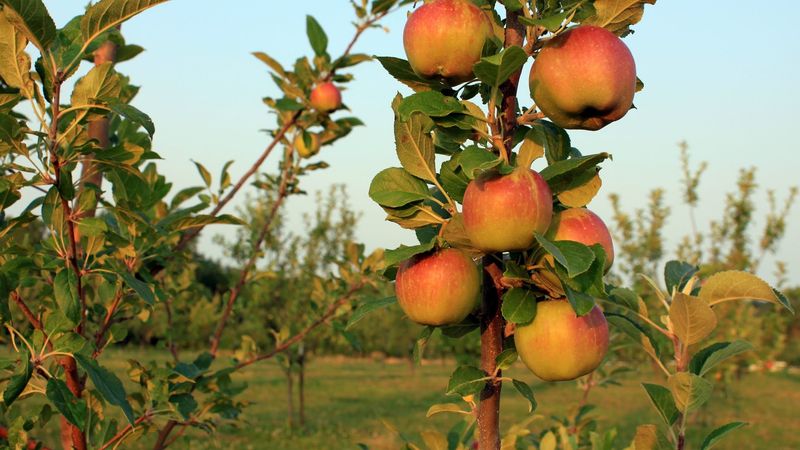
Most people associate apple picking with October, but at Picnic Hill Orchard, the season can get started as early as late July or early August.
Pristine apples, a variety that tends to ripen before most others, kick things off with a flavor profile that balances mild sweetness with a pleasant tartness and a satisfying crunch.
For anyone eager to get out to the orchard before the fall crowds arrive, this early window is worth knowing about.
Honeycrisp apples generally follow the Pristine variety, typically becoming available from August into September.
These two varieties alone give summer visitors a strong reason to plan a trip before the leaves begin to change.
The orchard waits until fruit reaches proper ripeness before opening specific rows, so whatever is available on a given visit has genuinely reached its best condition.
Checking the orchard’s Facebook page or Google listing before heading out is always a smart move, since ripening can shift based on weather and growing conditions.
Getting there early in the season means fewer crowds and the chance to taste varieties that many people never encounter because they sell out quickly.
The U-Pick Season Continues Through October
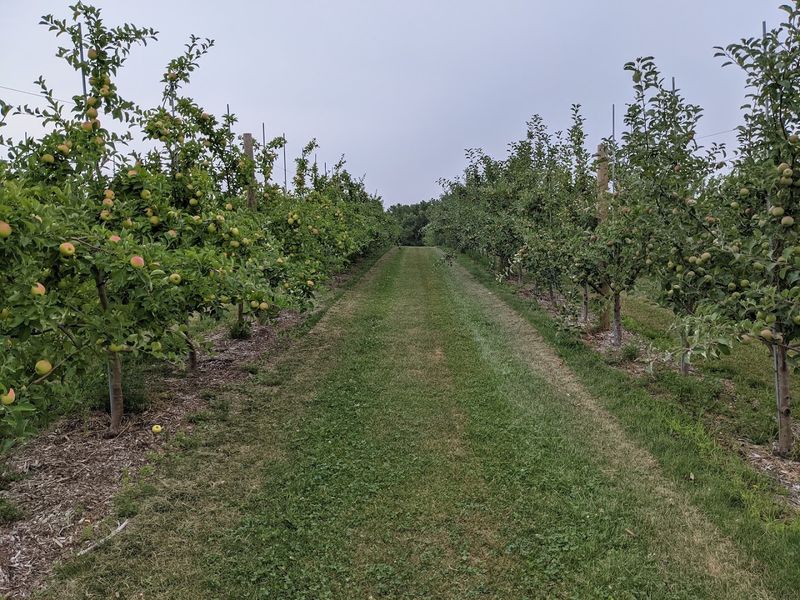
One of the more practical things to understand about Picnic Hill Orchard is that the picking season does not wrap up after a single rush.
Different apple varieties mature on different timelines, which allows the orchard to keep rows open for U-pick guests from August all the way through the end of October, as long as weather and crop availability cooperate.
That extended window gives visitors plenty of flexibility when scheduling a visit.
Families who cannot make it out in August still have weeks of opportunity ahead of them well into the fall.
Mid-September typically brings Cortland apples, while late September sees Ludacrisp becoming ready.
October opens up a whole new range of varieties that many people have never had a chance to try fresh off the tree.
The season length also means that repeat visits are genuinely worthwhile rather than just a nice idea.
Coming back in October to pick something entirely different from what was available in August makes the orchard feel like a place with real depth rather than a single seasonal event.
Hours do shift slightly between August and September, so confirming the schedule before visiting helps avoid any surprises.
More Than 25 Apple Varieties Grow Here
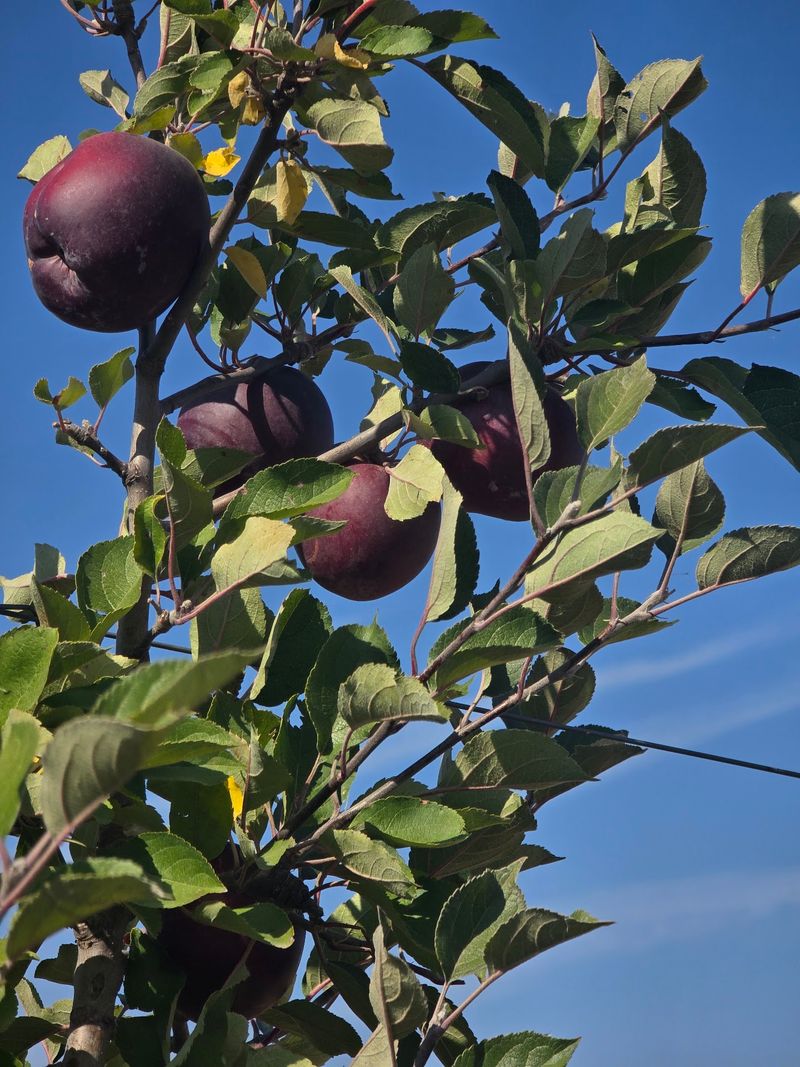
Walking through the rows at Picnic Hill Orchard feels different from standing in a grocery store produce section.
The orchard grows over 25 apple varieties across five acres, with more than 2,000 trees producing fruit at different points throughout the season.
That range goes far beyond the handful of common types most people have ever tasted, making a visit feel genuinely educational as well as enjoyable.
Familiar names like Honeycrisp, Fuji, Golden Delicious, and Granny Smith share space with less common varieties such as EverCrisp, Ludacrisp, Albemarle Pippin, Nova Spy, and Cripps Pink.
Each variety has its own flavor character, texture, and best use, whether that is fresh eating, baking, or storing.
Handmade signs near the rows help guests identify which trees they are picking from and which varieties are currently at peak ripeness.
Having so many options in one place also makes it easier to experiment.
Picking a bag of something unfamiliar alongside a known favorite is a low-stakes way to discover a new variety that might become a regular request.
The sheer number of choices is one of the most distinctive things about what Picnic Hill Orchard offers compared to more standard U-pick operations.
Admission To The Orchard Is Free
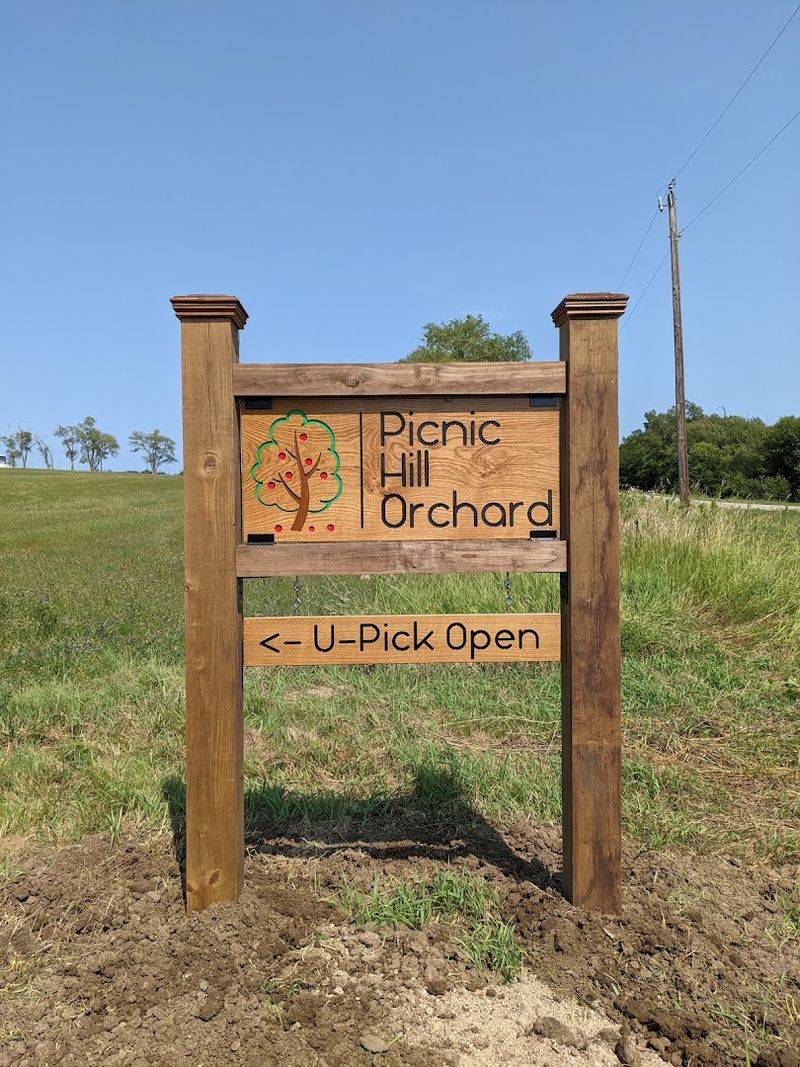
Getting into Picnic Hill Orchard does not cost anything on its own.
There is no general admission fee, which means visitors can arrive, take in the property, and decide how much fruit they want to bring home before spending a single dollar.
That approach makes the orchard feel accessible rather than transactional, especially for families trying to manage a budget while still enjoying a seasonal outing.
Costs come in when guests choose their picking bag. Bag sizes determine the price, and every apple variety is priced the same regardless of how sought-after it might be.
A quarter-peck bag runs $10 and holds roughly six to eight apples, while a half-peck bag is $16 and holds around twelve to fifteen.
A full peck, which holds approximately twenty-four to thirty apples, is priced at $28.
Pre-picked apples are also available for purchase in limited quantities, with online ordering offered for local pickup.
That option works well for anyone who wants fresh orchard apples without the walk through the rows.
Knowing the pricing structure ahead of time makes the whole visit feel more relaxed since there are no hidden costs or unexpected charges waiting at the end of the experience.
There Is A Small Picking Option For Children
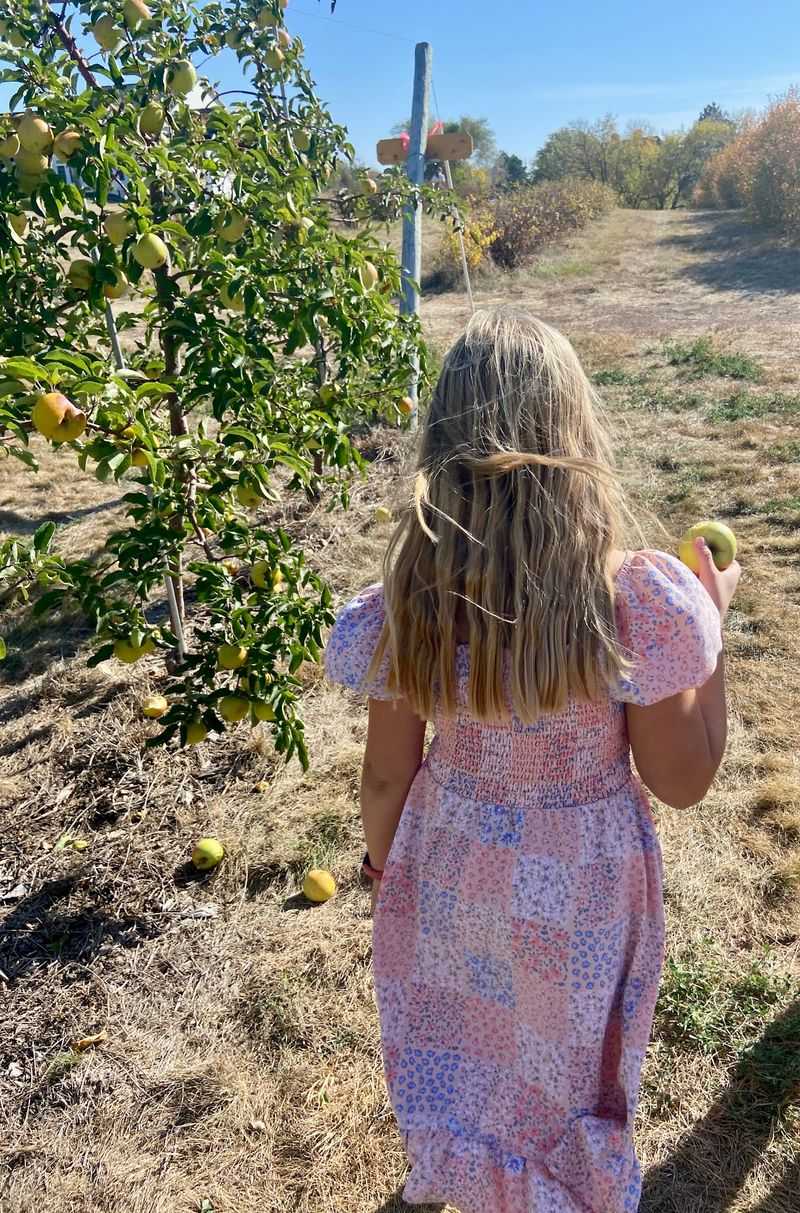
Kids tend to light up the moment they realize they get to pick their own fruit straight from a real tree.
Picnic Hill Orchard offers a dedicated option for children aged twelve and younger, a one-eighth-peck bag priced at $5 that holds approximately three to four apples.
It is just the right amount for a young child to carry and feel genuinely proud of by the end of the visit.
The smaller bag size also keeps things practical. Young kids can fill their own bag without getting overwhelmed, and parents do not end up with more apples than the family can reasonably eat before they turn.
For households with a mix of ages, children can use the smaller option while adults pick from the larger bag sizes, making it easy to customize the visit based on what each person actually wants.
Families are welcome to bring wagons or strollers, which helps when little legs get tired or when bags start getting heavy.
The picking rows are a short walk from the parking area, so getting everyone out to the trees does not require a long trek.
That combination of thoughtful sizing and easy access makes the orchard genuinely kid-friendly in a practical and not just promotional sense.
Every Apple Variety Costs The Same
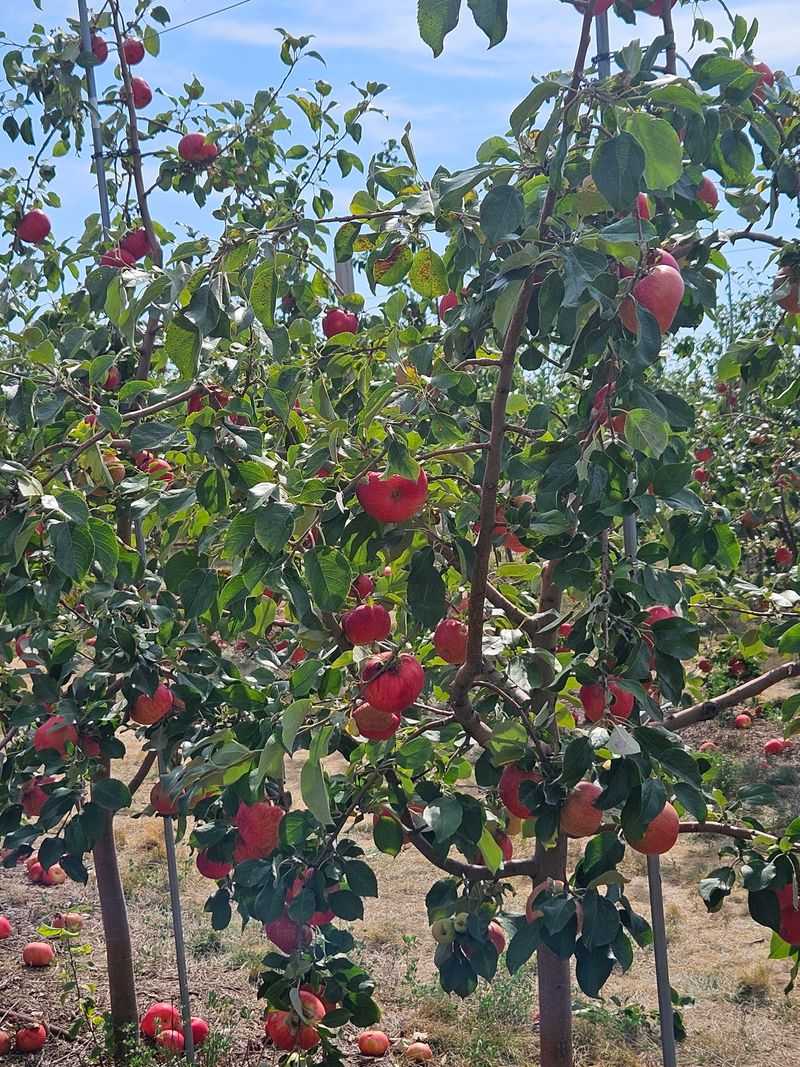
Some orchards charge premium prices for sought-after varieties like Honeycrisp, which can feel frustrating when guests are trying to explore something new without worrying about the bill climbing.
At Picnic Hill Orchard, all varieties are priced identically regardless of their market value or how unusual they might be.
That flat-rate structure encourages visitors to pick what actually looks and smells best rather than what seems safest for the wallet.
The bag sizes available are a quarter peck at $10, a half peck at $16, and a full peck at $28.
Those sizes hold roughly six to eight, twelve to fifteen, and twenty-four to thirty apples respectively, giving a reasonable sense of how much fruit each bag can carry.
Children aged twelve and under have access to the one-eighth-peck bag at $5, which holds three to four apples.
Knowing that an Arkansas Black or an EverCrisp costs the same as a Fuji takes the guesswork out of picking.
Guests can mix varieties freely, filling their bag with whatever catches their eye across different rows without mentally calculating premium charges.
That kind of straightforward pricing tends to make the whole experience feel more generous and less like a transaction carefully designed to maximize spending.
Signs Show Which Rows Are Ready For Picking
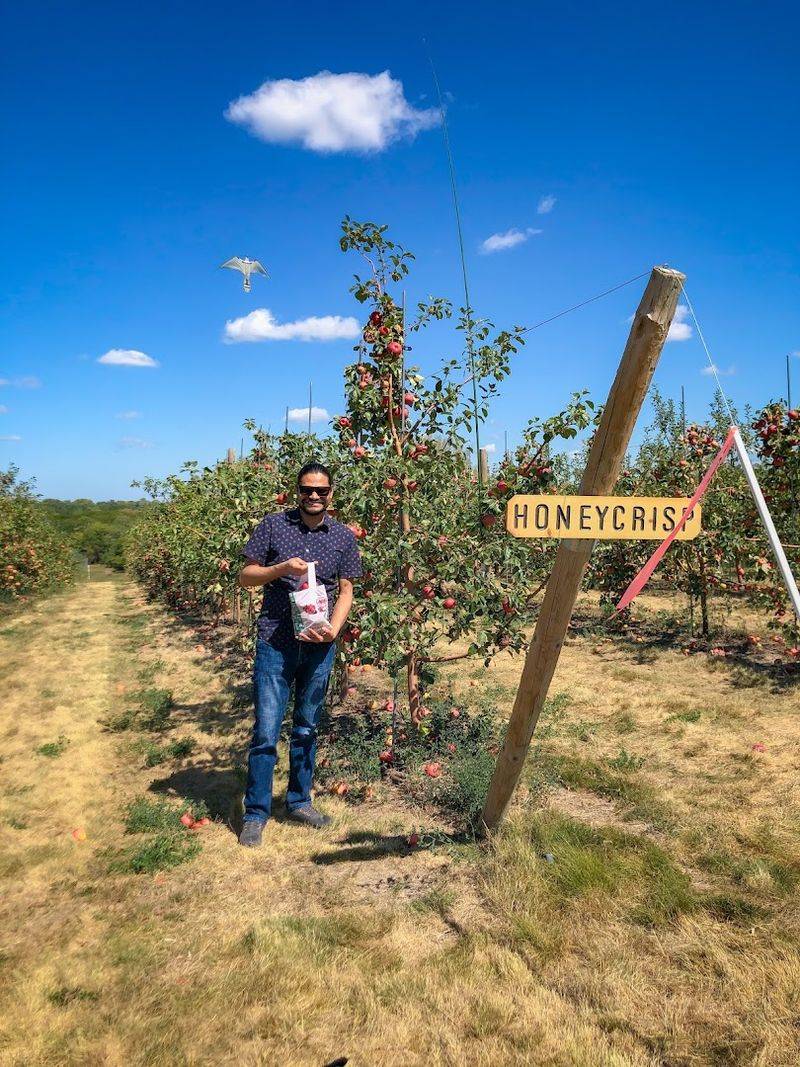
Not every apple on every tree ripens at the same time, and walking into an orchard without any guidance can lead to picking fruit that is not quite there yet.
Picnic Hill Orchard handles this with handmade signs placed near the rows to let guests know which varieties have reached peak readiness.
That simple system takes the uncertainty out of the experience and helps visitors make the most of their time in the rows.
The signs also serve as a quiet introduction to varieties that guests might not recognize by sight alone.
Seeing a name like Ludacrisp or Albemarle Pippin written out near the trees gives people a moment to decide whether they want to try something new or stick with what they already know.
For families with curious kids, the signs become a small learning moment built naturally into the activity.
Since ripening can shift based on weather and how quickly the trees are cleared by earlier visitors, the available rows can change from one weekend to the next.
Checking the orchard’s Facebook page or Google listing before arriving helps confirm what is currently open, but the on-site signage ensures that once guests arrive, navigating the orchard feels intuitive.
You Can Buy Pre-Picked Apples Instead
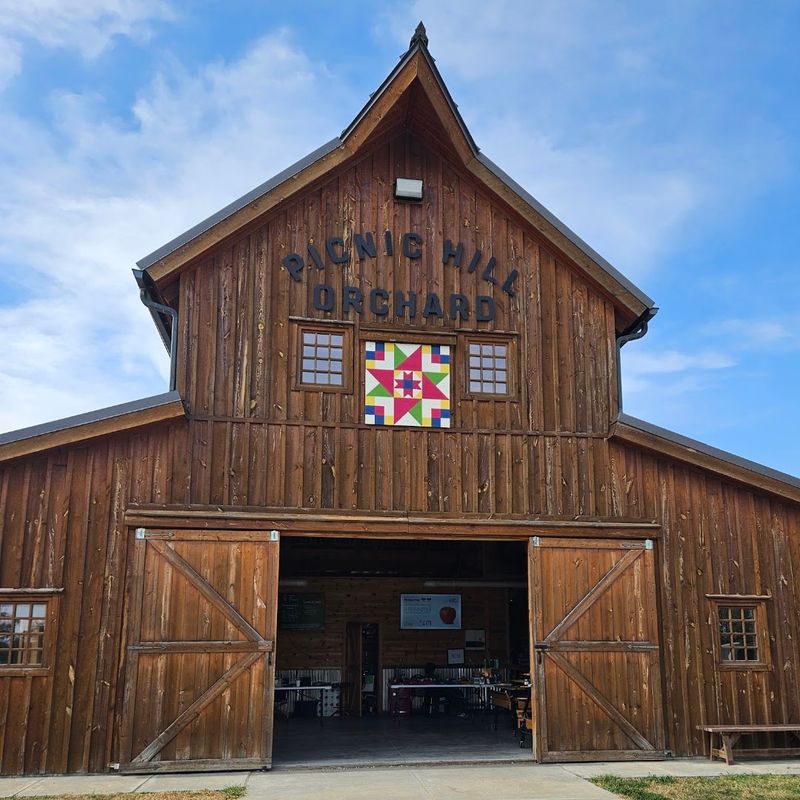
Not every visitor to Nebraska’s Picnic Hill Orchard wants to walk through the rows and fill a bag themselves, and that is a completely reasonable preference.
Pre-picked apples are available for purchase in limited quantities, giving guests the option to get fresh orchard fruit without spending time in the field.
Online ordering is also available for local pickup, which makes it possible to plan ahead and have apples ready to collect on arrival.
The pre-picked option works particularly well for people who want a specific variety they may have heard about but are not sure they want to commit to a full U-pick experience.
It also suits visitors who are short on time or who may find walking through orchard rows physically difficult.
Having both options available at the same location makes the orchard more flexible than operations that only offer one format.
Quantities of pre-picked fruit can be limited depending on what has been harvested and what remains after U-pick guests have moved through the rows.
Checking availability ahead of a visit is worthwhile if the pre-pick route is the primary plan.
August Visits Are Usually Scheduled Around Weekends
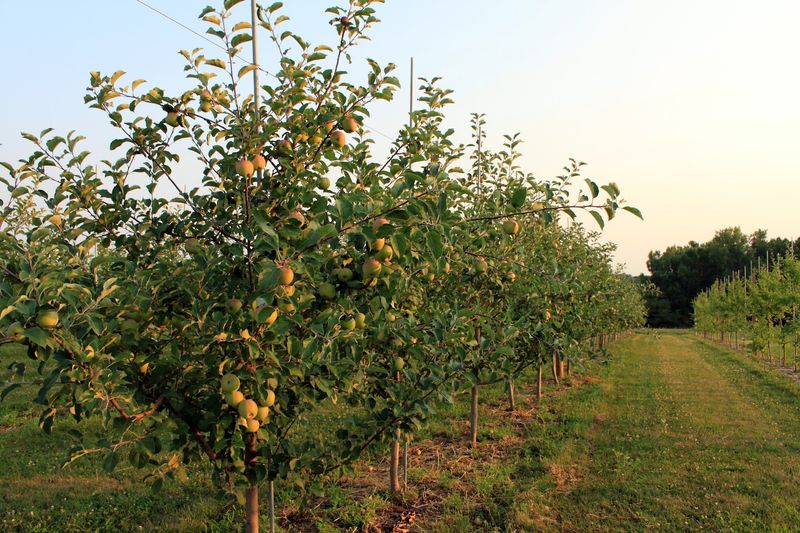
Timing a visit to Nebraska’s Picnic Hill Orchard in August requires a bit of planning since the hours are more limited than during the peak fall weeks.
General August hours run Friday from 5 to 8 p.m., Saturday from 10 a.m. to 5 p.m., and Sunday from 1 to 5 p.m.
Those windows are specific enough that arriving without checking the current schedule could mean a wasted trip, especially since hours can shift based on ripeness and how quickly the available varieties are picked through.
The Friday evening slot is a particularly appealing option for anyone who cannot get away during the weekend.
Late afternoon light in August tends to be warm and long, which makes walking through the rows feel comfortable even though summer temperatures can still be high.
Bringing water, sunscreen, and bug spray is genuinely recommended by the orchard for August visits, and those are not suggestions to dismiss lightly when the heat is still present.
September and October hours shift slightly, with Friday opening moving to 4 p.m. instead of 5 p.m. That adjustment reflects the earlier sunset as fall progresses.
Knowing the seasonal hour differences in advance helps with planning, particularly for families coordinating school schedules alongside the orchard’s picking windows.