You May Be Surprised America’s Least-Stressed Major City Is Right Here In Nebraska
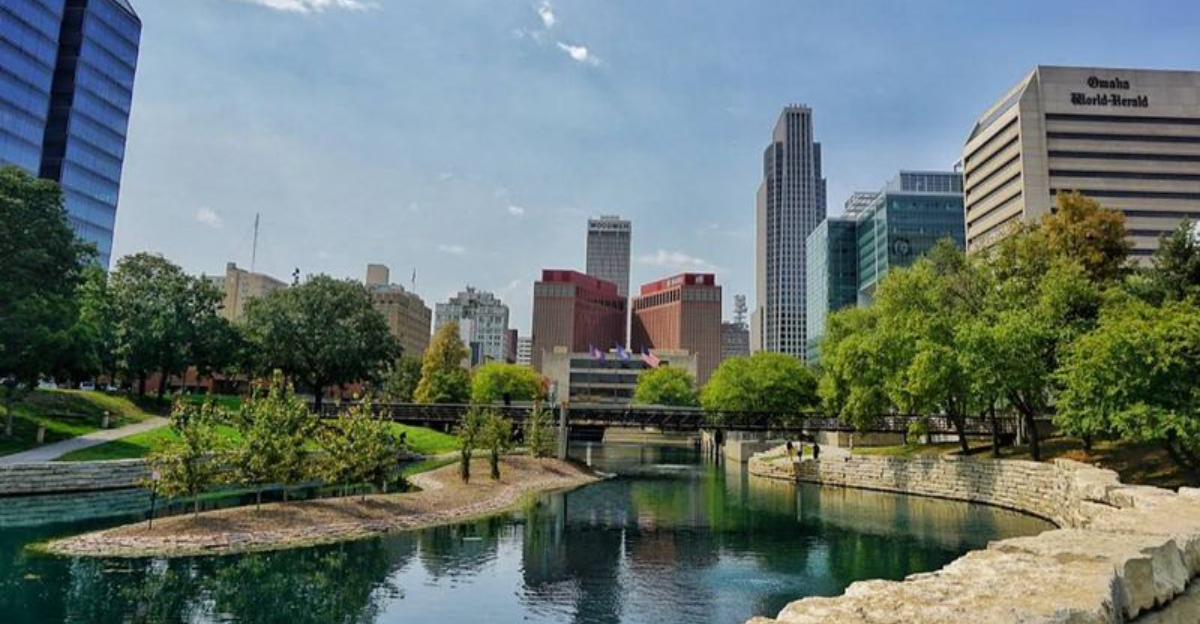
Stress rankings usually point toward sleepy beach towns or places where traffic barely exists.
A major city with busy neighborhoods, packed event calendars, and plenty of commuter traffic does not seem like the obvious winner. That is exactly what makes this result so unexpected.
Right here in Nebraska, one urban center has managed to earn recognition as America’s least-stressed major city.
The reasons may not announce themselves immediately. You notice them gradually, in manageable routines and a pace that feels active without becoming exhausting.
Life still moves. People still work, rush, plan, and complain about traffic. Yet something feels slightly easier here.
The ranking may surprise outsiders, but residents could argue the city has been quietly proving its point all along.
Omaha Took The No. 1 Spot In A 2026 Study
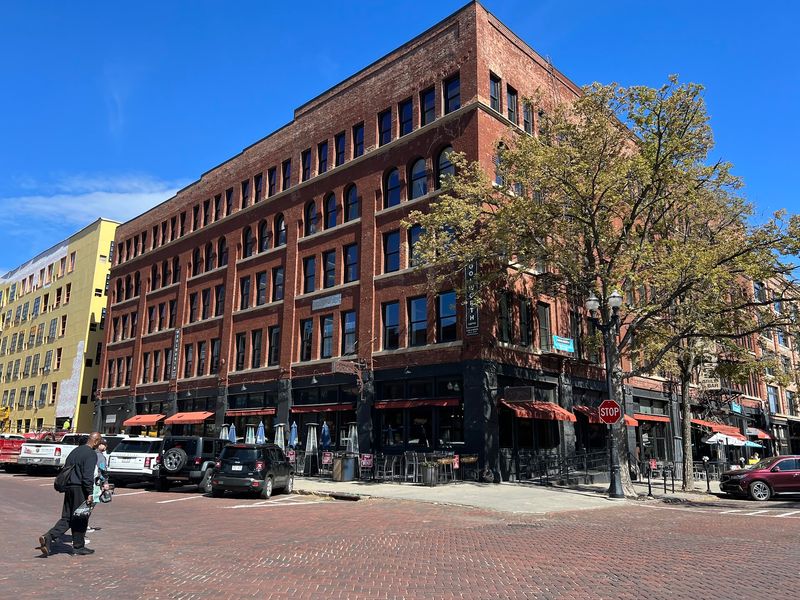
Landing at the top of a national stress ranking is not something most people associate with a Midwestern city, yet that is exactly what happened when Elevate Leadership released its 2026 findings.
The organization compared 100 of the largest cities in the United States across six major pressure categories: employment, finances, commuting, safety, housing, and family-related stress.
Omaha outperformed every other city on that list, earning an A+ grade overall.
The combination of factors that pushed it to the top was not dominated by any single standout number but rather by consistent strength across multiple categories.
Cities on the coasts often dominate national conversations about opportunity and quality of life, so a result like this one tends to generate genuine surprise.
The data behind the ranking reflects real, measurable conditions rather than subjective impressions, which gives the finding considerably more weight than a simple popularity poll.
For a city that rarely headlines national lifestyle coverage, reaching the number one position in a study of this scope is a meaningful result worth understanding in full detail.
Another National Ranking Reached A Similar Conclusion
Elevate Leadership was not the only organization to take notice of Omaha’s unusually low stress profile.
WalletHub’s 2026 “Most and Least Stressed Cities in America” report placed Omaha 159th out of 182 cities when ranked from most to least stressed.
That placement means only 23 cities in the entire analysis recorded lower overall stress scores than Omaha.
For a city of its size, that result is genuinely uncommon.
Most large urban centers tend to cluster toward the higher-stress end of such rankings due to cost-of-living pressures and congestion.
Having two separate national studies reach broadly similar conclusions adds credibility to the picture that emerges.
When different research teams using different methodologies arrive at comparable results, the pattern starts to look less like a coincidence and more like a reliable reflection of what daily life actually feels like in the city.
The Study Considered More Than Personal Feelings

Stress rankings can sometimes feel vague or overly subjective, but the WalletHub 2026 report took a notably data-driven approach to the subject.
Researchers examined 39 measurable indicators spread across four broad categories: work stress, financial stress, family stress, and health and safety stress.
Each indicator was chosen because it could be tracked with real numbers rather than survey opinions alone.
Factors like unemployment rates, commute lengths, housing costs, and access to healthcare all fed into the final scores in a structured and repeatable way.
That kind of methodological rigor matters when evaluating a city’s livability because feelings about stress can vary widely from one person to the next.
Anchoring the analysis to concrete data points helps produce results that reflect actual conditions rather than perception alone.
Omaha’s strong performance suggests the city is not simply benefiting from favorable public opinion but is instead delivering measurable advantages in areas that genuinely affect how pressured or at ease residents tend to feel on a daily basis.
Omaha’s Job Market Helped Its Performance
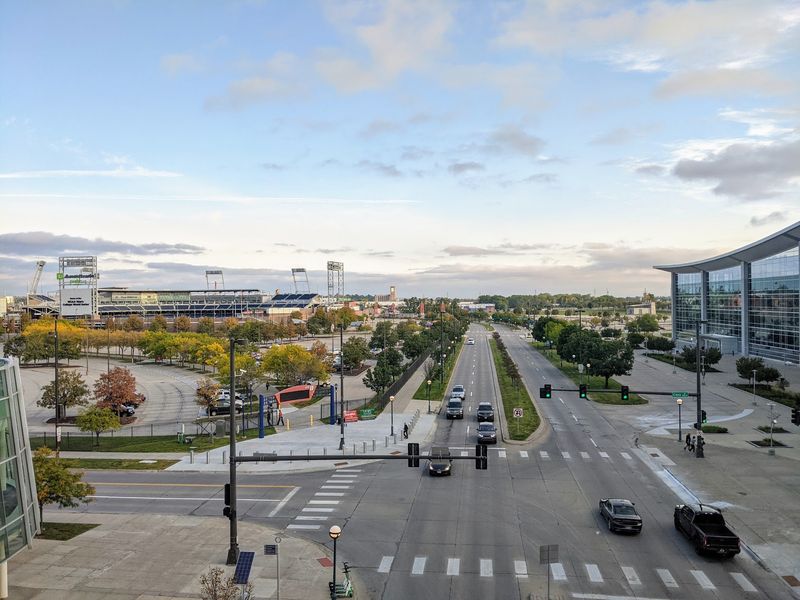
A city’s employment situation sits at the core of how stressed or secure its residents feel, and Omaha’s job market gave it a real edge in the 2026 Elevate Leadership analysis.
The study reported an unemployment rate of 3.6% for Omaha, placing it 11th among the 100 major cities included in that particular ranking.
Low unemployment tends to reduce financial anxiety across a broad portion of the population because more people have steady income and fewer households are scrambling to cover basic expenses.
That stability ripples outward into other areas of daily life, making it easier to plan ahead and feel grounded.
Healthcare, finance, and insurance are among the established professional sectors that have supported employment growth in the area.
Having access to multiple stable industries rather than relying heavily on a single employer or sector gives the local workforce a degree of resilience that smaller or more economically concentrated cities may lack.
That diversification appears to have contributed meaningfully to Omaha’s favorable position in both the employment and financial stress categories of the 2026 study.
Most Workers Do Not Face Enormous Commutes

Few daily experiences grind people down quite like a long commute.
Sitting in traffic for an hour or more each way adds up to real time lost and real frustration accumulated, which is why commute length consistently appears as a meaningful variable in quality-of-life research.
Omaha’s average commute was reported at approximately 20 minutes in the 2026 study.
That figure sits noticeably below the national average for large cities, where commutes often stretch well past 30 minutes each way in metropolitan areas with significant congestion.
A 20-minute drive means residents typically spend far less of their day in transit, which can free up time for rest, family activities, or personal pursuits.
That extra breathing room in a daily schedule tends to soften the edges of an otherwise demanding workday.
For workers who have relocated from larger cities where hour-long commutes were routine, the shift to a shorter drive can feel like a meaningful lifestyle upgrade that compounds over time into noticeably lower stress levels.
Rent Remains Lower Than In Many Major Cities
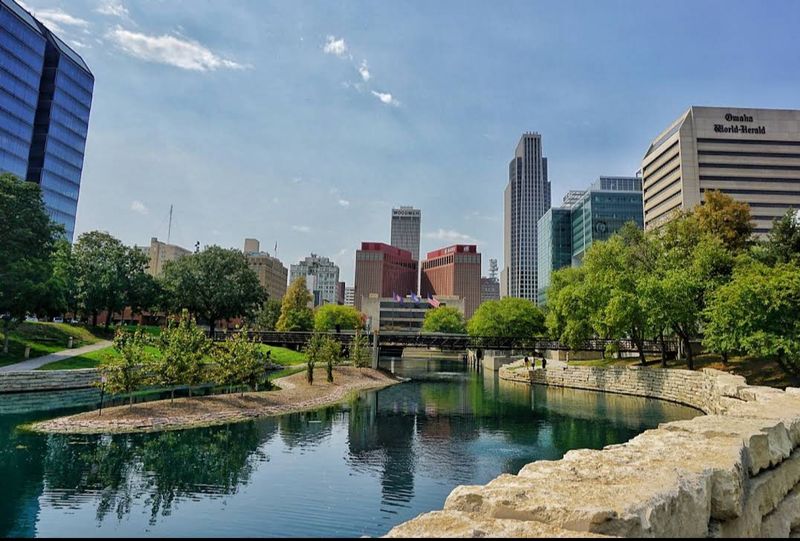
Housing costs have become one of the most significant sources of financial stress for urban residents across the country, making affordability a critical variable in any serious quality-of-life analysis.
Omaha’s median rent for a one-bedroom home was listed at roughly $1,000 in the 2026 Elevate Leadership study.
That figure does not mean housing is effortless for every resident, and individual circumstances vary considerably depending on income, neighborhood, and household size.
Still, $1,000 for a one-bedroom sits meaningfully below the median rents found in many coastal and Sun Belt cities where similar units routinely run $1,500 to $2,500 or more per month.
Lower housing costs leave more room in a monthly budget for savings, healthcare, childcare, and other expenses that tend to generate anxiety when money runs tight.
For households navigating modest or middle incomes, that extra financial margin can translate directly into reduced stress.
Omaha is not a place where housing costs have remained flat because of stagnation; rather, the city has managed to maintain relative affordability while still supporting a growing and diverse local economy.
Affordability Was One Of Omaha’s Biggest Advantages

Researchers did not simply note Omaha’s low rent in passing; they specifically highlighted the combination of housing affordability and employment strength as one of the city’s most significant competitive advantages in the 2026 analysis.
That pairing is harder to find than it might seem.
Many cities with strong job markets have seen housing costs surge in response to demand, creating a situation where workers earn decent salaries but still feel financially squeezed by the cost of a place to live.
Omaha has so far managed to maintain a balance where employment remains accessible and housing stays relatively manageable at the same time.
That balance is what insulated the city from the severe financial stress scores recorded in more expensive or economically struggling places.
When residents can afford their homes without exhausting the majority of their income, they tend to have more stability and more flexibility in how they manage their finances.
The researchers pointed to this combination as a structural advantage that goes beyond any single data point and reflects something more fundamental about how the city functions as a place to build a working life.
Omaha Also Performs Well In Work-Life Balance

Stress rankings and work-life balance analyses measure related but distinct things, which is why it is worth noting that Omaha performed strongly in both types of assessments in 2026.
A separate work-life balance analysis conducted by Elevate Leadership placed Omaha 11th among 100 major cities and awarded it an overall A grade with a score of 70.8.
Work-life balance reflects how well a city’s conditions allow residents to separate professional demands from personal time.
Shorter commutes play a role in that equation, as does the availability of affordable recreational options and the general pace of daily life in a given urban environment.
Finishing 11th out of 100 major cities in work-life balance while simultaneously ranking first in overall stress levels paints a coherent picture of a city where the daily grind tends to be less grinding than average.
These two results reinforce each other rather than contradicting, suggesting that Omaha’s low-stress profile is not the result of a single favorable metric but rather a broader pattern of livability that shows up consistently.
Recent Graduates Have Reasons To Consider Omaha
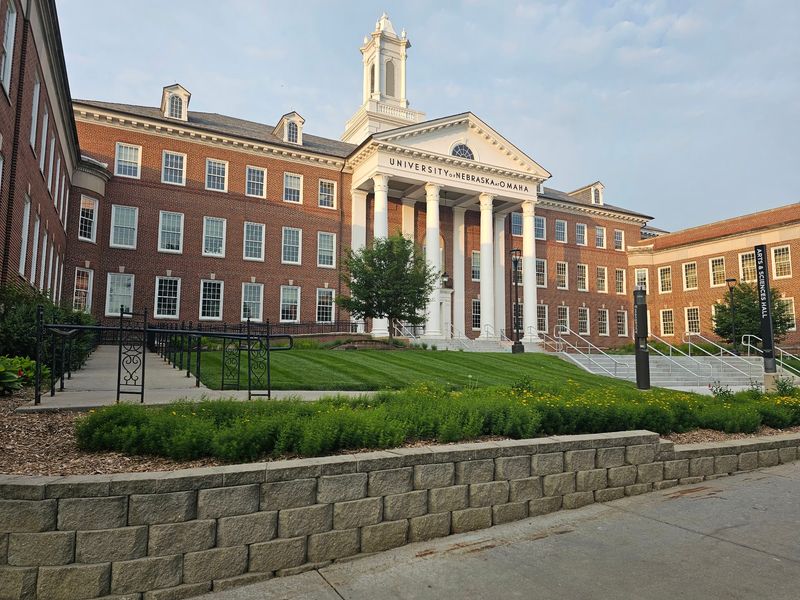
Finishing a degree and figuring out where to build a career is one of the more stressful transitions a young adult can navigate, and city choice plays a larger role in that process than it sometimes gets credit for.
A 2026 report highlighted by sources including CNBC ranked Omaha second among large U.S. cities for recent college graduates, citing job opportunities, affordability, and the overall experience of living in the city.
Reaching second place on a list of that kind is significant because it reflects conditions that matter specifically to people who are just starting out and may not yet have the financial cushion to absorb high housing costs or a weak job market.
Omaha’s combination of accessible employment in stable industries and relatively affordable rent makes it a practical landing spot for graduates who want to build savings while still living in a city with genuine professional prospects.
The recognition from multiple national sources in the same year suggests this is not an isolated observation but a pattern that data from several different angles has confirmed.