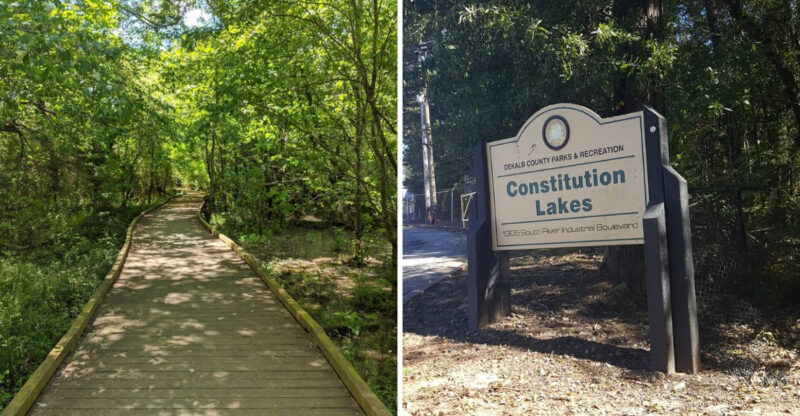
This 1.8-Mile Georgia Trail Crosses A Peaceful Wildlife Sanctuary Most Visitors Never Notice
I almost turned back after the first quarter mile. Nothing seemed special yet, just dirt and trees like a hundred other trails.
Then the birds got louder. The air got cooler.
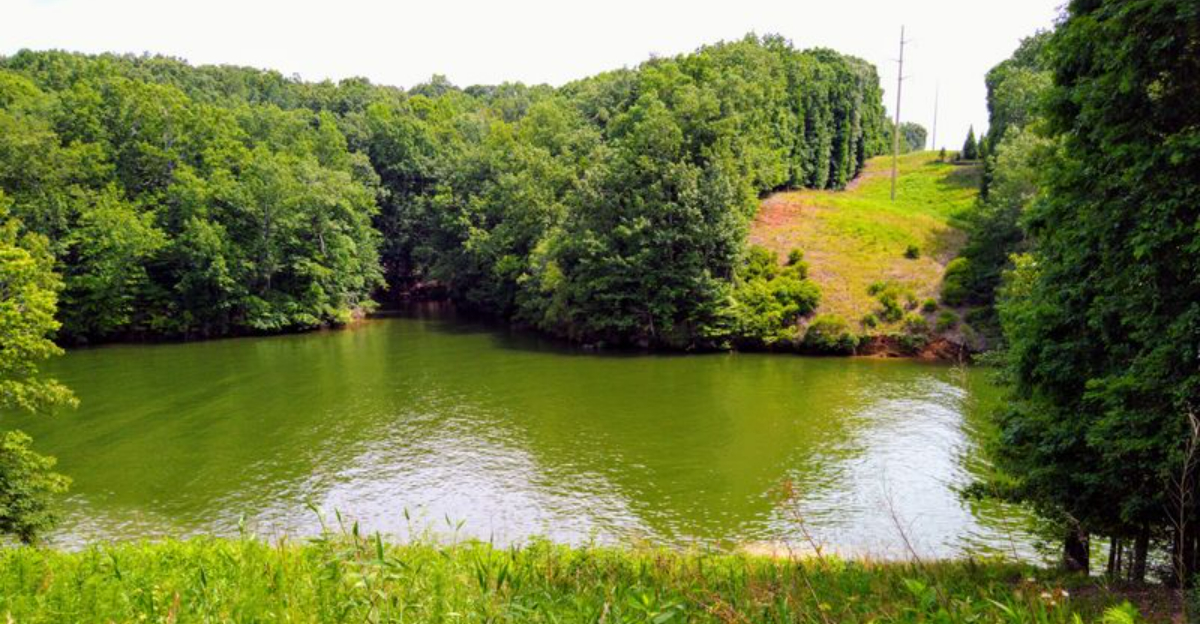
And suddenly I was standing next to water so still it looked painted. Georgia holds trails like this all over the state, the kind that never show up on postcards but stay with you longer than the famous ones.
This one barely stretches two miles, yet it packs in more quiet than trails three times its length. No crowds pushing past you.
No noise except wings and water. Just you, some trees older than your grandparents, and a sanctuary that most people drive by without knowing it exists.
Georgia keeps secrets like this scattered everywhere, if you’re willing to slow down enough to find them.
A 32-Acre Urban Forest That Feels Miles Away From Everything
Stepping onto a trail surrounded by towering oaks feels like pressing a mute button on the world. Linwood Nature Preserve packs 32 acres of forest, wetlands, and meadows into the middle of Gainesville, Georgia.
It sits right at 415 Linwood Dr, Gainesville, GA 30501, just a half block from busy Highway 129.
The contrast is almost funny. One minute you hear traffic, and the next you hear woodpeckers.
The preserve opened to the public in October 2015, following years of careful planning that started back in 2007.
Part of the land was donated by the Martin family, honored by the Lorene and Harry Martin Re-Creation Refuge trailhead. That personal history adds meaning to every step you take.
The trail network spans over two miles through oak-hickory-pine forests, prairie meadows, and wetland zones. Each ecosystem feels distinct as you move through the preserve.
It is the kind of place that rewards slow walkers who actually stop and look around.
Over 40 Bird Species Call This Sanctuary Home
Bird lovers, get ready to lose track of time completely. This preserve holds an official Atlanta Audubon Society Wildlife Sanctuary designation, which is a serious stamp of approval.
Over 40 species of birds have been recorded here, making it a genuinely productive spot for wildlife watching.
Pileated woodpeckers drum against the tall hardwoods with impressive energy. Barred owls are known to hang around the shadier sections of the forest.
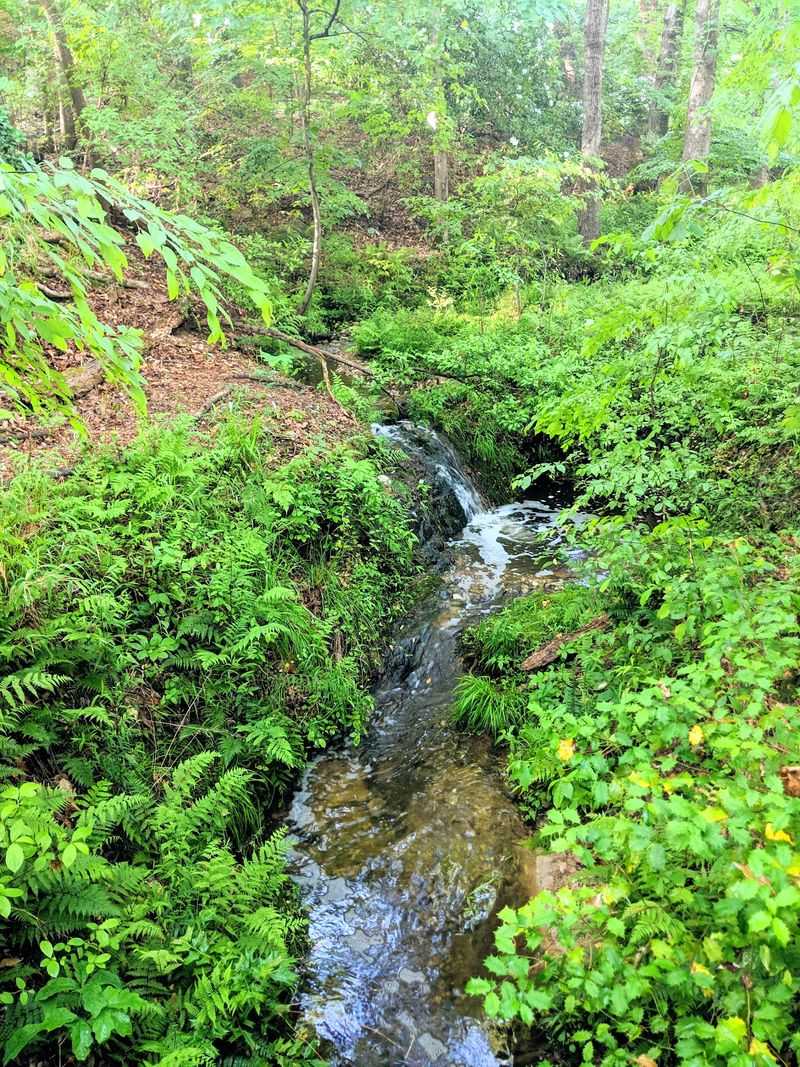
The varied habitats, including forest edges, creek corridors, and lake coves, give different species exactly what they need.
You do not need binoculars to enjoy the birds here, though they certainly help. Even casual visitors report spotting deer, turtles, and plenty of songbirds during a single short walk.
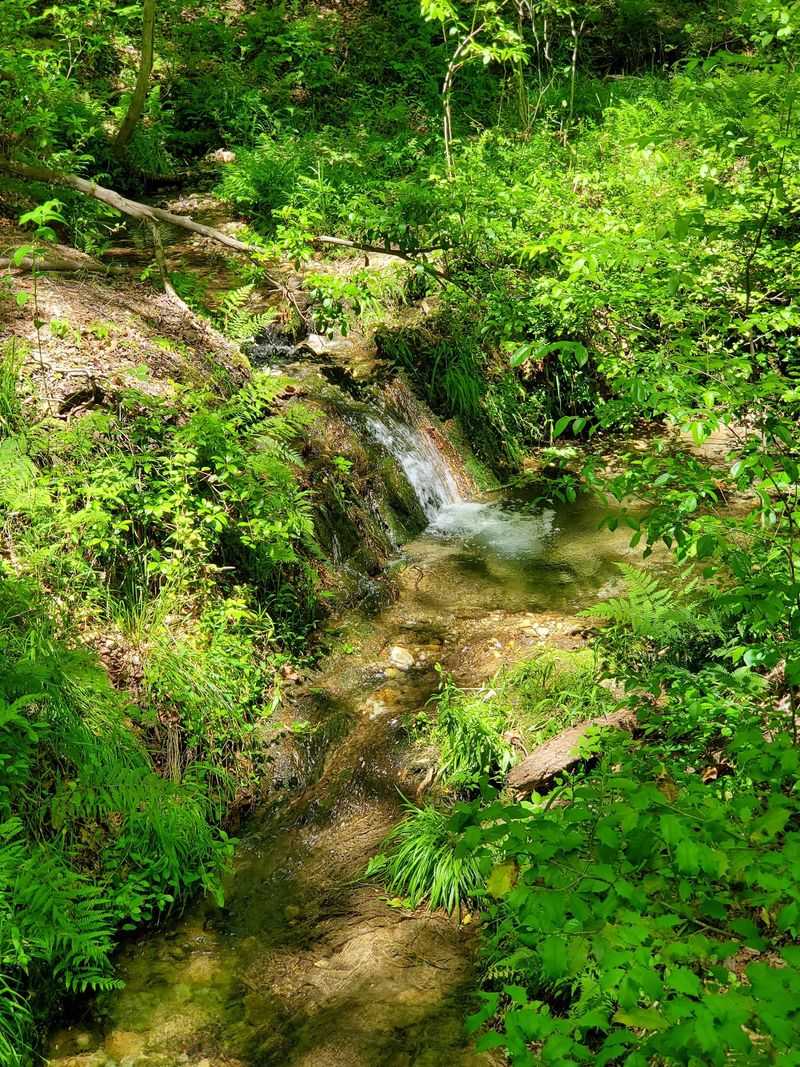
The prairie meadow sections attract butterflies and pollinators in warmer months. Salamanders favor the flowing streams on the preserve’s lower terrain.
Every habitat layer offers something new to notice. Bring patience, and the wildlife will not disappoint.
Trails Designed For Walkers Who Actually Care About Nature
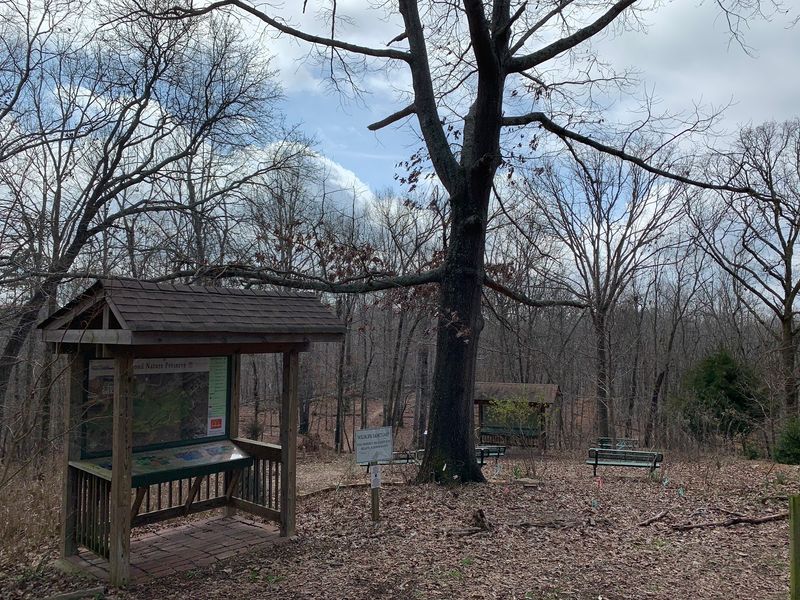
Not all trails are created equal, and this one proves the point well. The paths here were designed with environmental protection in mind, not just foot traffic flow.
Interpretive signs and kiosks appear along the routes, so you actually learn something while you walk.
Benches and nature-viewing decks are placed throughout the preserve for those who want to sit and soak it all in. The terrain includes some hilly sections with loose gravel and natural tree roots.
Sturdy shoes are genuinely recommended here, not just as a polite suggestion.
The trails wind through multiple ecosystems within a fairly compact area. You can move from shaded forest to open prairie meadow in just a few minutes of walking.
Labeled vegetation markers help you identify plants along the way. The preserve is open Monday through Friday from 7 AM to 8 PM, with Saturday hours extending to 9:30 PM.
Sunday hours also run 7 AM to 8 PM. Planning your visit around golden hour in the late afternoon is especially worth it.
Prairie Meadows Bursting With Wildflowers And Butterflies
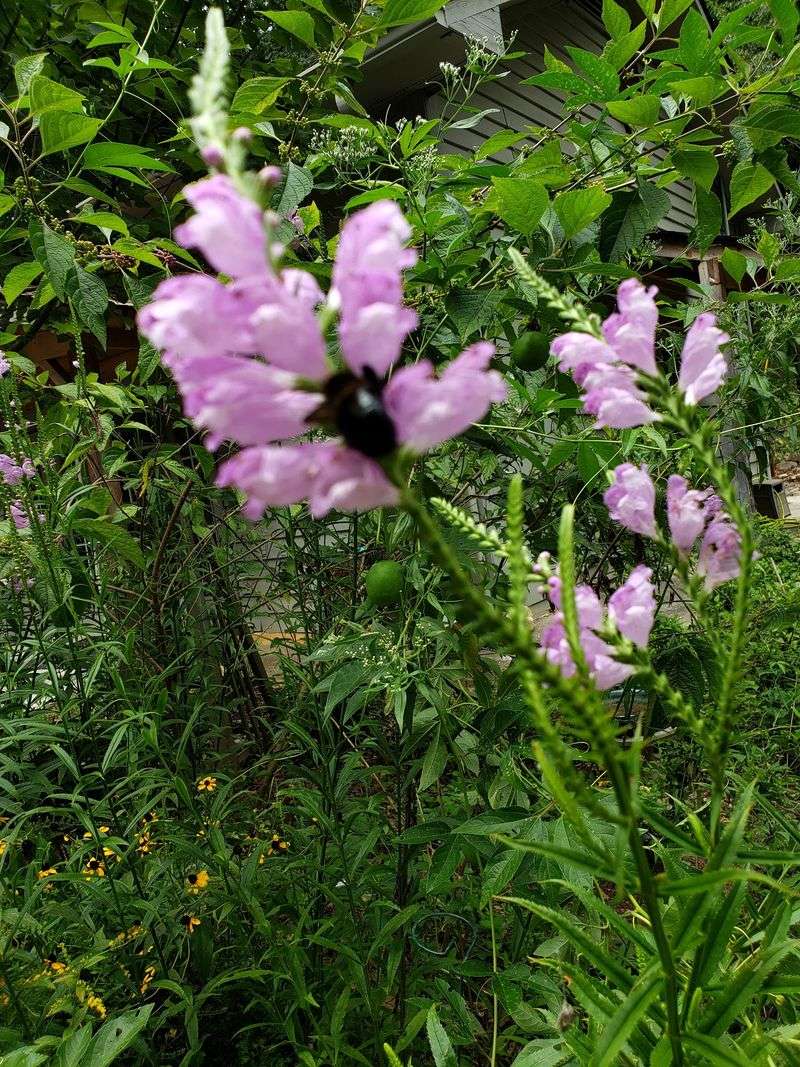
Prairie meadows inside a city park sound like a fantasy, but this place delivers the real thing. The open meadow sections of the preserve burst with native wildflowers during spring and summer months.
Butterflies move between blooms in a way that feels almost choreographed.
Spring visits are particularly rewarding for anyone who loves color and movement outdoors. The native plant specimen garden nearby adds even more variety to what you can see.
Indigenous trees, shrubs, and herbaceous plants are all labeled for easy identification.
The meadow areas contrast beautifully with the dense forest sections of the trail. Moving between these zones keeps the walk feeling fresh and visually interesting throughout.
Even in late summer, when flowers are past peak, the meadow buzzes with insect activity. Mushrooms pop up along the shadier trail edges after rain.
Fall visits bring a different kind of beauty, with golden leaves carpeting the paths. Every season offers a genuinely different experience at this preserve.
Returning multiple times throughout the year is easy to justify.
Rain Gardens And Native Plant Conservation You Can Actually See
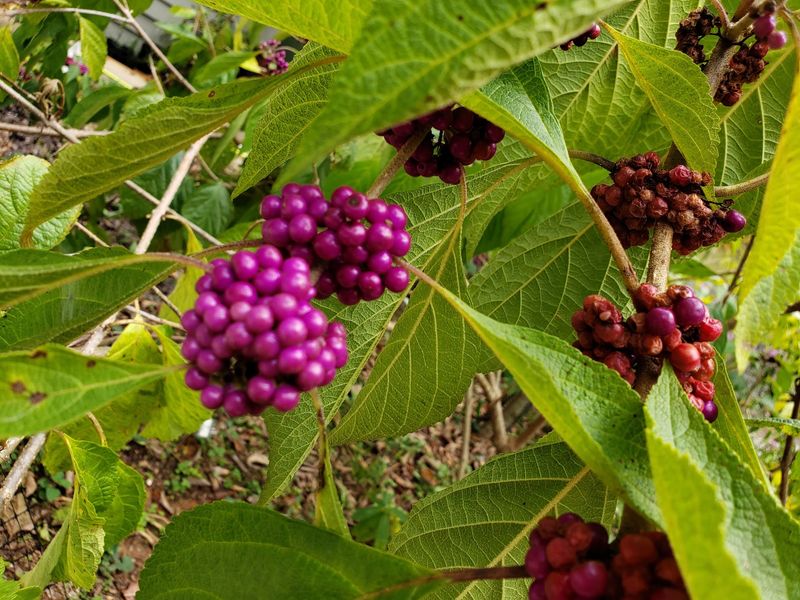
Conservation education does not have to be boring, and this preserve proves it. Rain gardens are built right into the landscape, showing visitors how stormwater runoff can be managed naturally.
Watching water move through planted channels is surprisingly satisfying.
The preserve is a public-private partnership between Gainesville Parks and Recreation and the Redbud Project. That collaboration keeps the focus on greenspace preservation and practical environmental education.
The Redbud Project also runs an ecology center at 118 Springview Drive NE, which serves as a second access point.
Educational exhibits throughout the preserve explain local ecosystems in clear, accessible language. The native plant specimen garden showcases trees, shrubs, and flowering plants that belong naturally in this region.
You can cross-reference what you see in the garden with plants spotted along the trails. This connection between learning and exploring makes the preserve feel purposeful.
It is not just a pretty walk; it is a functioning classroom. Families with curious kids will find plenty of questions answered before they even ask them.
The whole setup rewards curiosity.
Lake Lanier Views That Appear Suddenly Around A Trail Bend
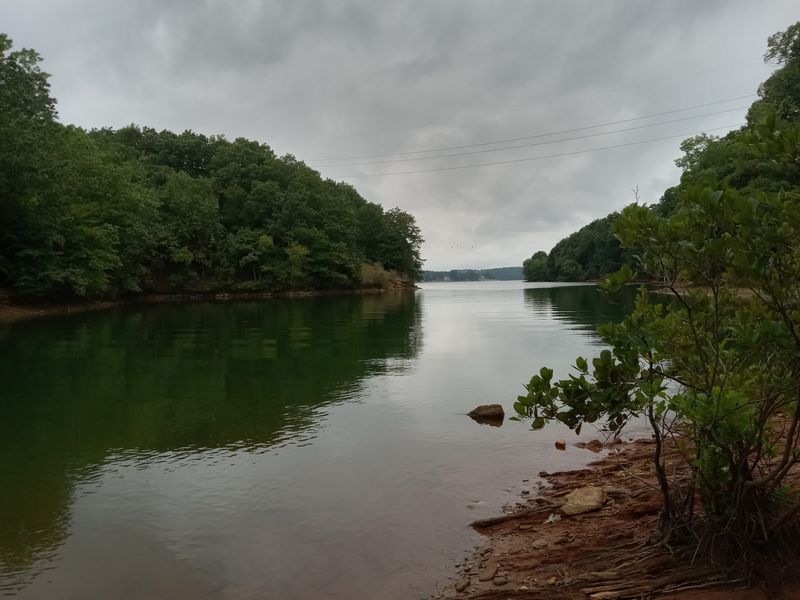
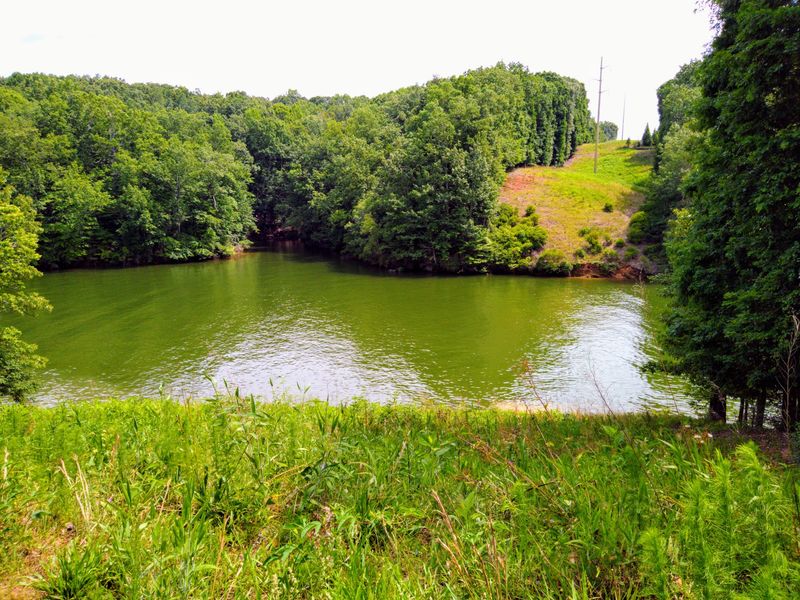
Few trail moments beat turning a corner and suddenly seeing a lake stretching out before you. The Lake Lanier Loop trail inside the preserve leads walkers right down to the shoreline.
The view appears with almost no warning, which makes it genuinely exciting every single time.
Lake coves along the preserve boundary support fish populations and provide excellent bird habitat. Great blue herons are commonly spotted standing completely still near the water.
The shift from dense forest to open lake view is one of the most satisfying moments on the entire trail.
Visiting on a clear morning means the lake surface reflects the sky in a way that looks almost too perfect. The trail down to the shoreline involves some incline, so take your time on the descent.
Multiple visitors have described the lake view as the highlight of their entire visit.
One Of Only Seven Community Forests In The Entire Country
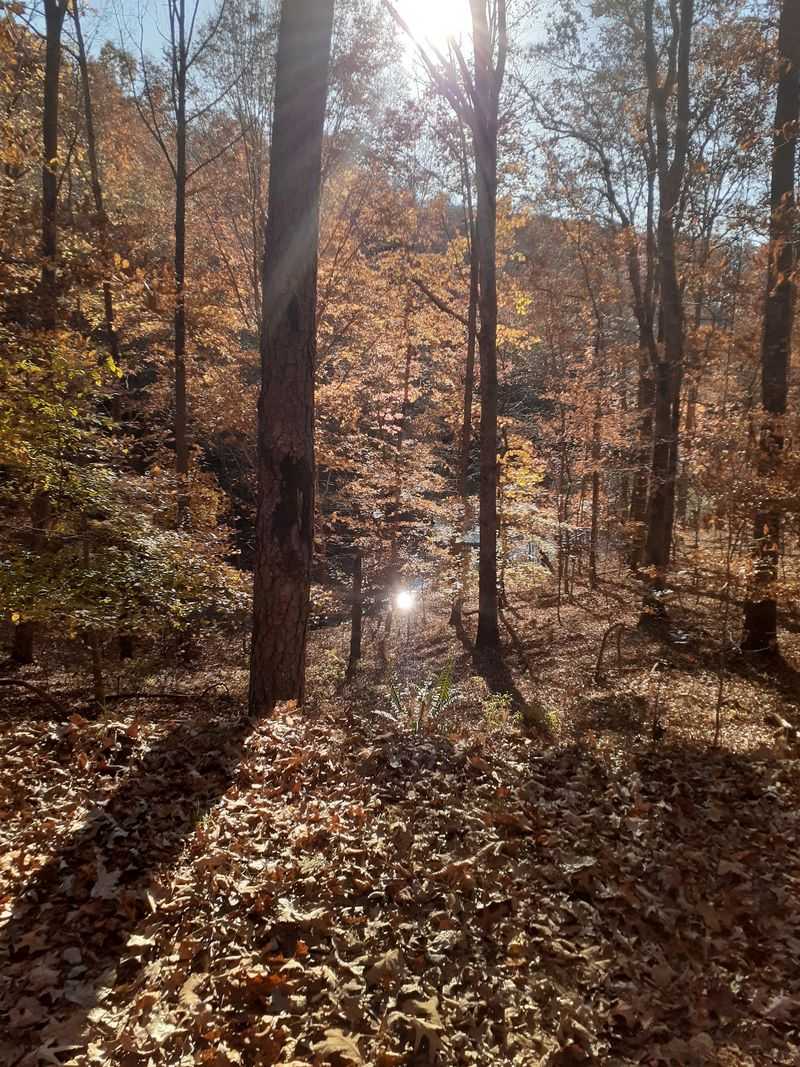
Most city parks are just parks. This place carries a much more significant title.
The preserve is recognized as a Community Forest by the Old-Growth Forest Network, highlighting its mature native forest and long-term conservation efforts.
That designation reflects the age and ecological integrity of the trees growing here. Old-growth characteristics mean the forest has developed over a long period without major human disruption.
Walking among these trees carries a different weight when you understand what they represent.
The oak-hickory-pine forest structure supports layers of biodiversity that younger forests simply cannot match. Understory plants, fungi, insects, and birds all benefit from the complex habitat an older forest creates.
Spotting the difference between mature and younger forest sections becomes easier the more time you spend here. Conservation organizations recognize this place as genuinely worth protecting.
The Old-Growth Forest Network designation is not handed out casually. Knowing you are walking through one of only seven recognized community forests in the country changes how you experience each step.
It adds a quiet sense of privilege to an already beautiful walk.
A Surprisingly Social Spot For Families, Dogs, And Solo Hikers
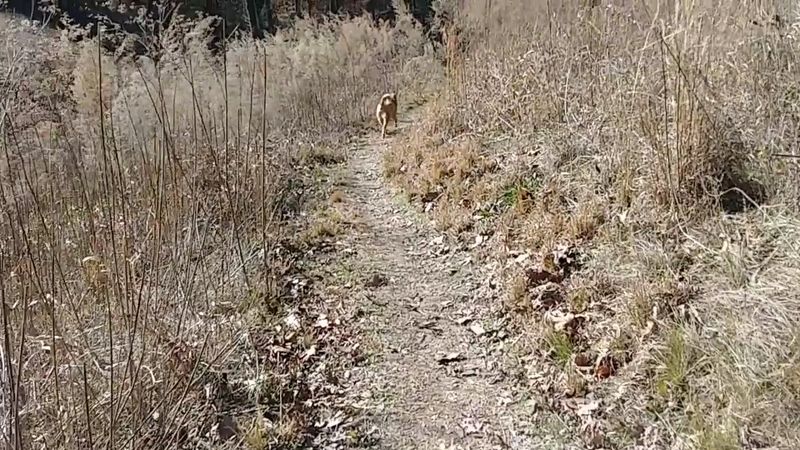
Some trails feel designed for serious hikers only. This one genuinely welcomes everyone who shows up.
Families bring young children who run ahead on the flat gravel sections without any worry. Dog owners appreciate the trail access, though leashes are strongly encouraged for everyone’s comfort.
Solo visitors find the quiet sections of the trail genuinely restorative. The preserve stays peaceful even on weekends, partly because parking is limited by design.
That built-in limit keeps crowds manageable and the atmosphere calm.
The ecology center at the Springview Drive location can even be rented for small group gatherings. It holds up to 50 chairs and includes basic amenities like a sink and central heat.
Wi-Fi is available with advance request, which makes it useful for community meetings or study groups. The preserve also sees Gainesville police drive through regularly, adding an extra layer of comfort for visitors.
Kids especially enjoy spotting wildlife like deer, turtles, and squirrels along the paths. The whole atmosphere encourages curiosity without pressure.
You set your own pace and explore however feels right to you.
Why This Trail Deserves A Spot On Your Weekend Plans
A 1.8-mile trail through an Atlanta Audubon sanctuary, an old-growth forest, and a Lake Lanier view is a lot to pack into one short walk. This preserve delivers all of that within a 32-acre space that most Gainesville residents have never explored.
That gap between what exists and what people know about is exactly what makes it worth visiting.
The preserve is free to access and open every day of the week. No reservations, no entrance fees, and no crowds waiting at the gate.
Just show up, lace up sturdy shoes, and start walking.
The best time to visit is spring for wildflowers, fall for leaf color, and early morning year-round for wildlife activity. The trail system rewards repeat visits because something always changes between seasons.
Mushrooms appear after rain. Deer browse the meadow edges at dusk.
Birds shift with migration patterns. Every visit feels slightly different from the last.
For anyone looking for a genuinely rewarding outdoor experience close to the city, this place delivers far more than its modest size suggests. Give it one visit, and a second trip will follow naturally.