The Largest Quilt Museum In Georgia Is A Hidden Treasure Worth Exploring
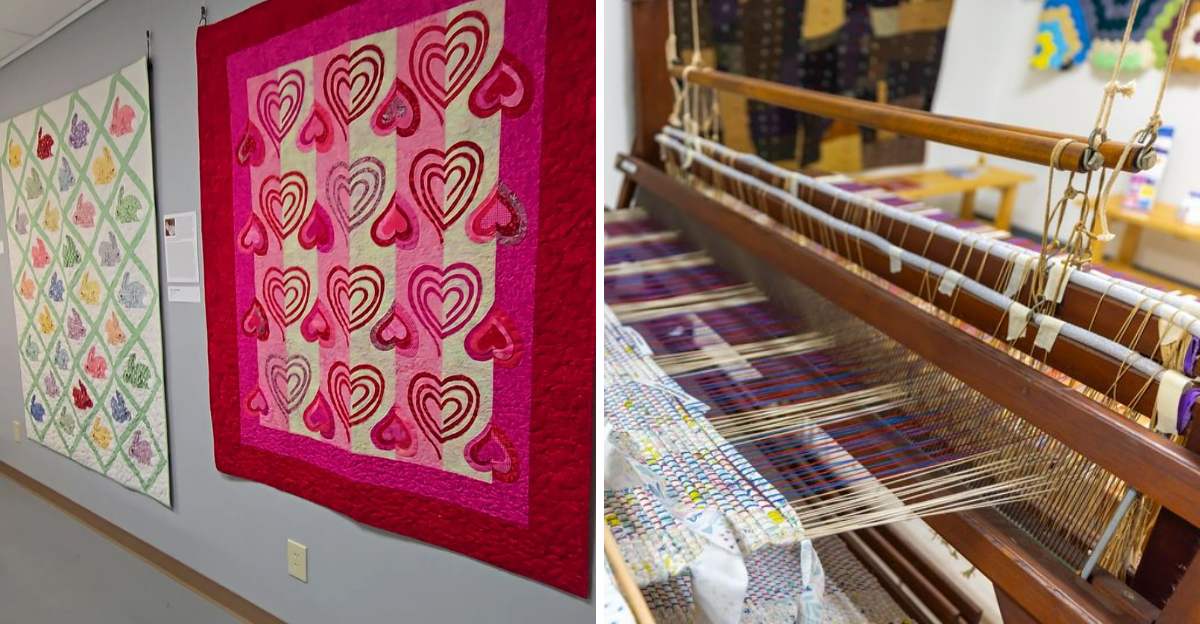
My grandmother used to say quilts hold more stories than most books ever will. I never quite believed her until I found this place.
I expected a small room, maybe a dozen faded blankets pinned to the wall. Instead I found an entire building packed with color, history, and stitching so precise it looked machine made, except every piece was done by hand.
Georgia doesn’t get enough credit for guarding traditions like this one. Thread by thread, patch by patch, decades of craft sit preserved here, and almost nobody talks about it.
I spent longer inside than I planned, moving from one quilt to the next, each one telling a different piece of someone’s life. Georgia holds onto its past in strange and beautiful ways, and this might be one of the best examples you’ll ever find of that.
Georgia’s Only Exclusive Textile Arts Museum
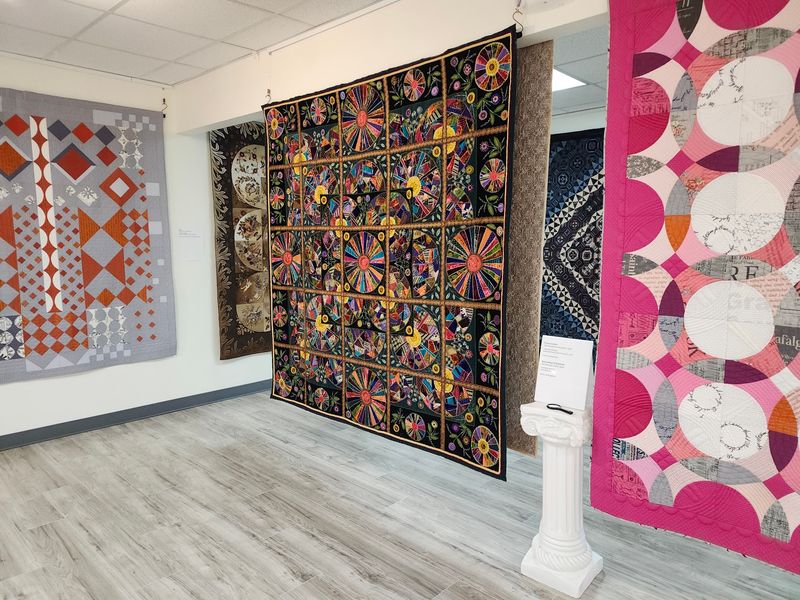
Not every state can claim a museum dedicated entirely to textile arts. Georgia can, and it does so proudly.
This is the only museum in the entire Southeast focused exclusively on quilts and textiles.
The Southeastern Quilt and Textile Museum opened in 2012 after years of planning by the Georgia Quilt Project and the Georgia Quilt Council. They chose Carrollton as its permanent home back in 2009.
That decision turned out to be a great one for the whole region.
The building itself is a repurposed historic cotton warehouse, which makes the setting feel deeply connected to the region’s textile roots. Every corner of this place carries meaning.
You are not just looking at art; you are standing inside history.
Find it at 306 Bradley St Ste C, Carrollton, GA 30117. The Southeastern Quilt and Textile Museum sits just 12 miles off Interstate 20, making it a very reachable destination for a day trip.
A Collection That Spans Three Centuries
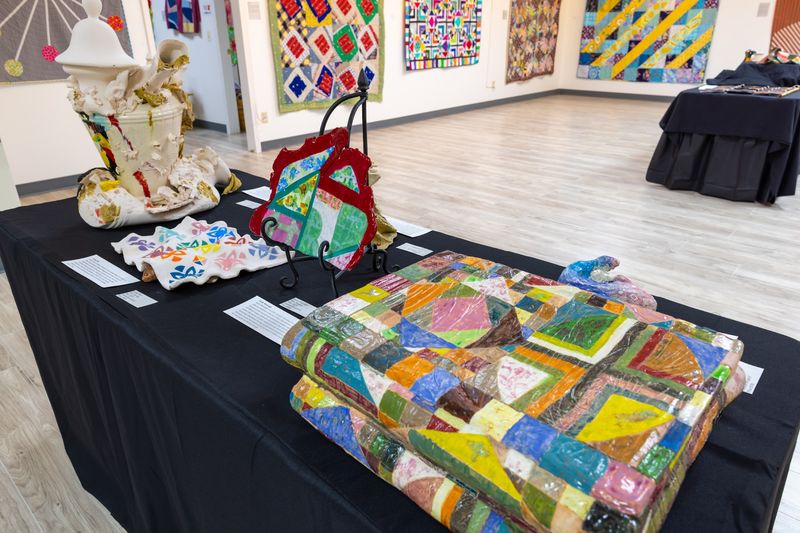
Three centuries of quilting history are waiting inside this place. The permanent collection holds over 200 quilts, with pieces dating from the late 1700s all the way through the early 2000s.
That range alone is enough to take your breath away.
Over 300 quilts from across the Southeast are part of the broader collection. Not all are on display at the same time, which keeps every visit feeling curated and intentional.
Each piece shown has a reason to be there.
Scrap quilts, art quilts, traditional patterns, and bold modern designs all share space here. The variety keeps your eyes moving and your brain working.
You start noticing details you never thought to look for before.
Seeing a quilt made in the 1790s up close is a different experience than seeing it in a book. The stitching, the fabric choices, the sheer patience involved, all of it lands differently in person.
This collection makes that kind of connection possible for anyone who visits.
Rotating Exhibits That Always Bring Something New
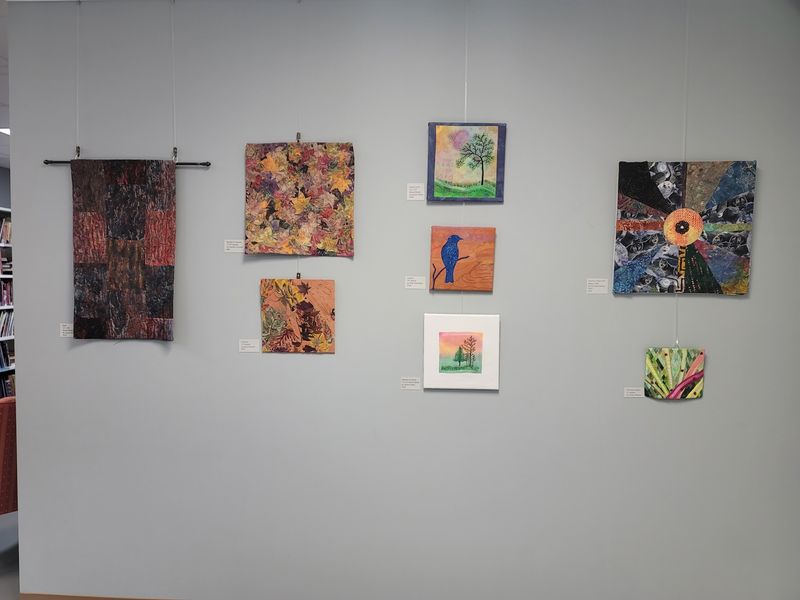
Boredom is simply not an option here. The museum features three rotating galleries plus a dedicated hallway, and the exhibits change every three months.
Returning visitors always find something fresh waiting for them.
Past exhibits have included “19th Century Blues – It’s More Than Indigo” and “Quilting Trends: 1945-1979.” These are not dusty academic displays. They are thoughtfully designed experiences that tell real stories through fabric and thread.
Recent exhibits have included “Sacred Threads,” featuring quilts that reflect personal and spiritual journeys. Another exhibit, “Georgia Mountains to Shores” by the Upcountry Fiber Artists, brought regional identity to life through textile art.
Each new show feels like a completely different museum.
“Small Expressions” is an annual juried show featuring small-scale fiber art, and it proves that great things really do come in small packages. The variety of themes across exhibits means there is always an angle that connects with something personal.
You will find yourself relating to quilts in ways you never expected.
The Gift Shop Filled With Local Artist Creations
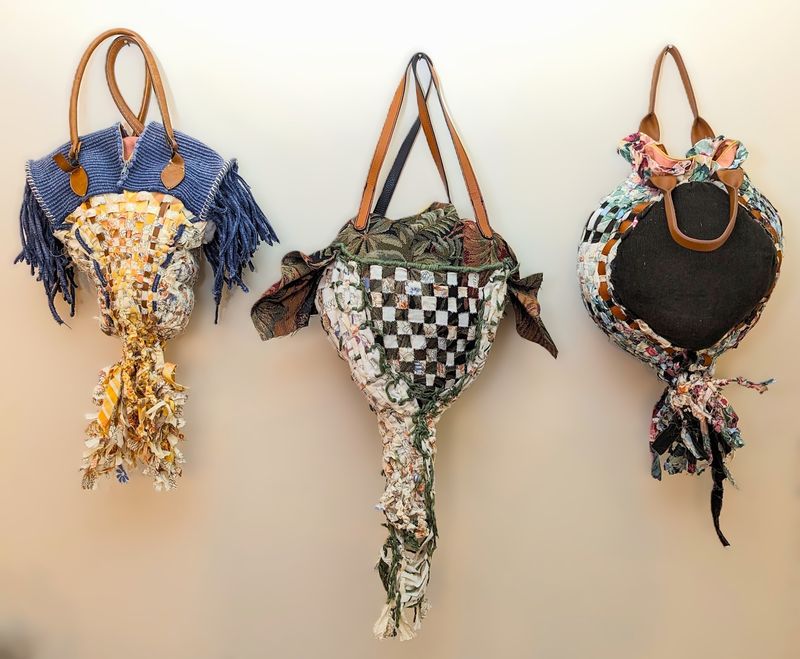
Some gift shops feel like afterthoughts. This one feels like a gallery extension.
The consignment-based shop features unique items crafted by local artists, which means everything you see is one of a kind.
Buying something here is not just picking up a souvenir. You are directly supporting an artist in the community.
That connection between the buyer and the maker gives every purchase a different kind of weight.
The items range from small textile pieces to wearable art and handcrafted goods. Nothing feels mass-produced or generic.
If you are looking for a meaningful gift that cannot be found anywhere else, this is the right place to browse.
I picked up something small on my visit, and every time I see it, I remember exactly where it came from and why it mattered. That is the mark of a good shop.
It sells things that carry a story, not just a price tag. The quality of the work on display reflects the same standard you see throughout the rest of the museum.
A Library With Over 2,200 Books On Quilting
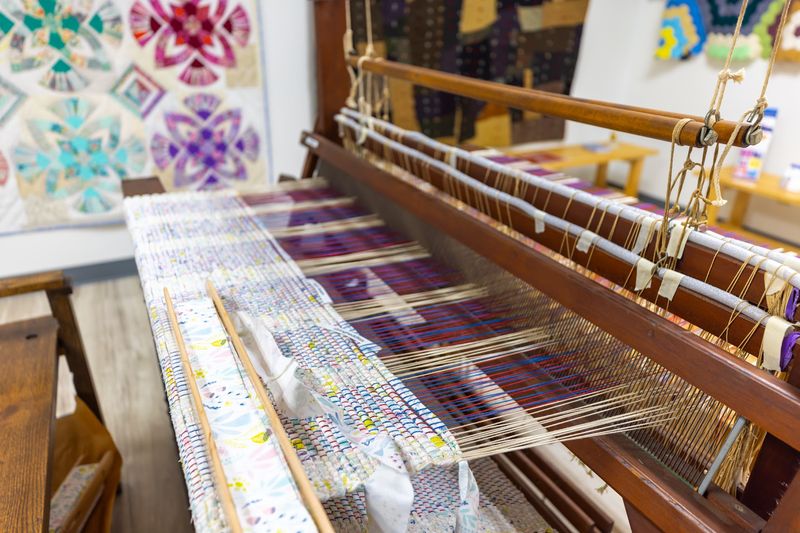
Most museums have a gift shop. This one has a library with over 2,200 books dedicated entirely to quilting and textiles.
That number is not a typo, and it is absolutely remarkable for a museum of this size.
The library serves as a research hub for serious textile enthusiasts. Tracing the history of a specific pattern or trying to identify a family heirloom both lead people straight to these shelves, and the resources available here are seriously impressive.
It is the kind of collection that takes years to build.
Members of the museum get access to this library as part of their benefits. Membership also opens doors to hundreds of other venues across the country, which makes the value proposition hard to argue with.
Supporting this place pays off in very practical ways.
For anyone who has ever fallen down a quilting rabbit hole online, this library feels like arriving straight at the source. The books cover everything from beginner techniques to deep historical analysis.
It is a quiet, welcoming space that rewards curiosity at every turn.
Affordable Admission For Families And Groups
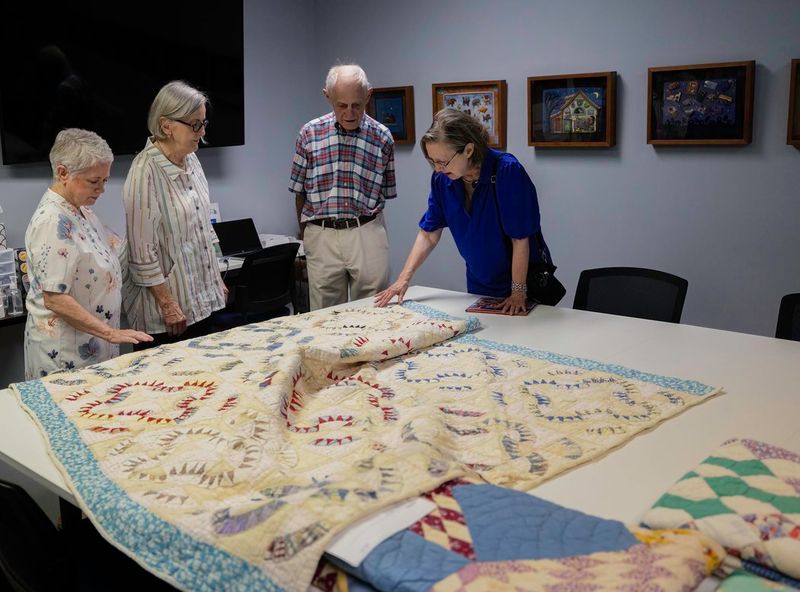
Great experiences do not have to cost a fortune. General admission here is just $8.00 per adult, which is a fair price for everything this place offers.
Seniors pay $7.00, and groups of ten or more get in for $6.00 each.
Children between the ages of 5 and 12 pay only $3.00. That makes a family outing here genuinely budget-friendly.
You can spend a full afternoon here without worrying about your wallet.
Compared to larger city museums, the pricing at this spot is refreshingly reasonable. The experience you get for that price is easily worth double.
Value like this is rare in the museum world.
Planning a group trip or a school outing? The group rate makes it a practical option for educators and organizers.
Textile history, art appreciation, and creative inspiration all in one place, at a price that does not require a fundraiser. That combination is hard to beat for any kind of organized visit, whether for families, school groups, or community clubs looking for a meaningful shared experience.
Fully Accessible Facility With Thoughtful Design
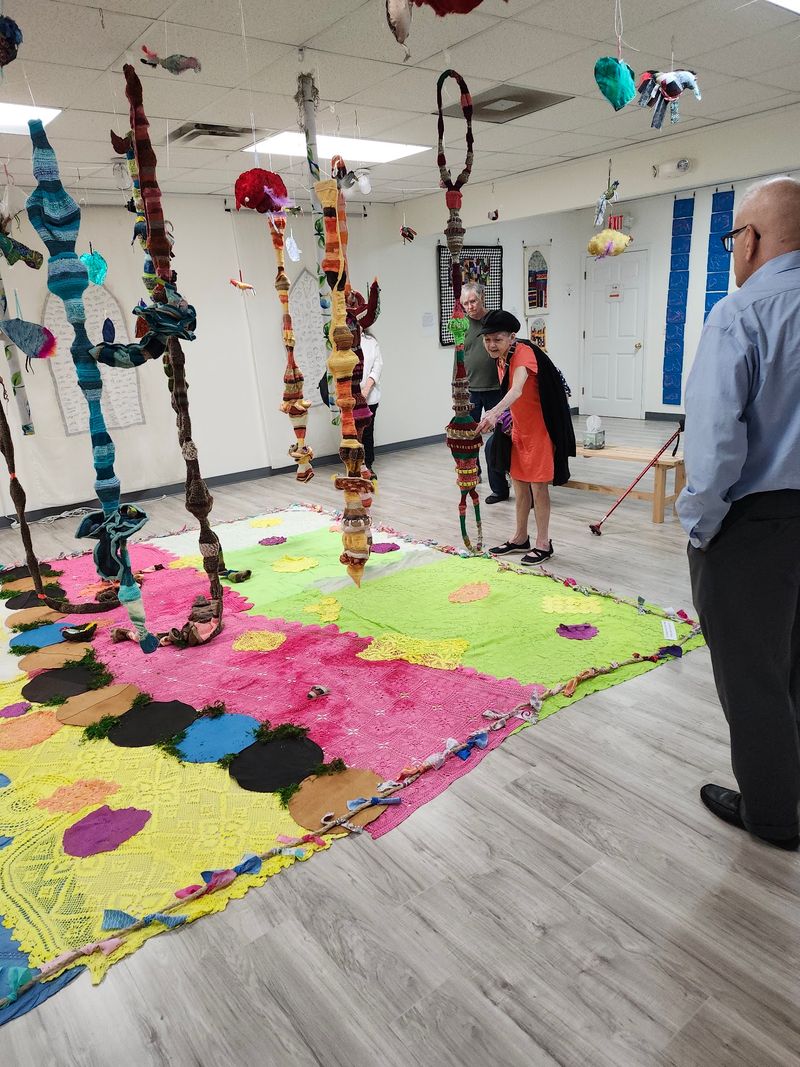
Accessibility is not an afterthought here; it is built into the experience. The museum features ramps at both entrances, making it easy for visitors with mobility needs to move through the space comfortably.
Designated handicapped parking spaces are available near the west door.
Staff assistance is also available upon request, which adds a personal layer of support that larger institutions sometimes miss. This place makes everyone feel genuinely welcome, not just technically accommodated.
That distinction matters more than most people realize.
The repurposed cotton warehouse that houses the museum has been thoughtfully adapted for modern use. The layout flows naturally between galleries, and the hallway exhibit space adds an extra dimension to the overall visit.
Nothing feels cramped or hard to navigate.
For visitors who have hesitated to explore museums due to accessibility concerns, this spot removes those barriers without making a big deal of it. The focus stays on the art and the experience.
Every detail of the physical space has been considered with care, and that thoughtfulness shows from the moment you arrive to the moment you leave.
Tuesday Through Saturday Hours Make Planning Easy
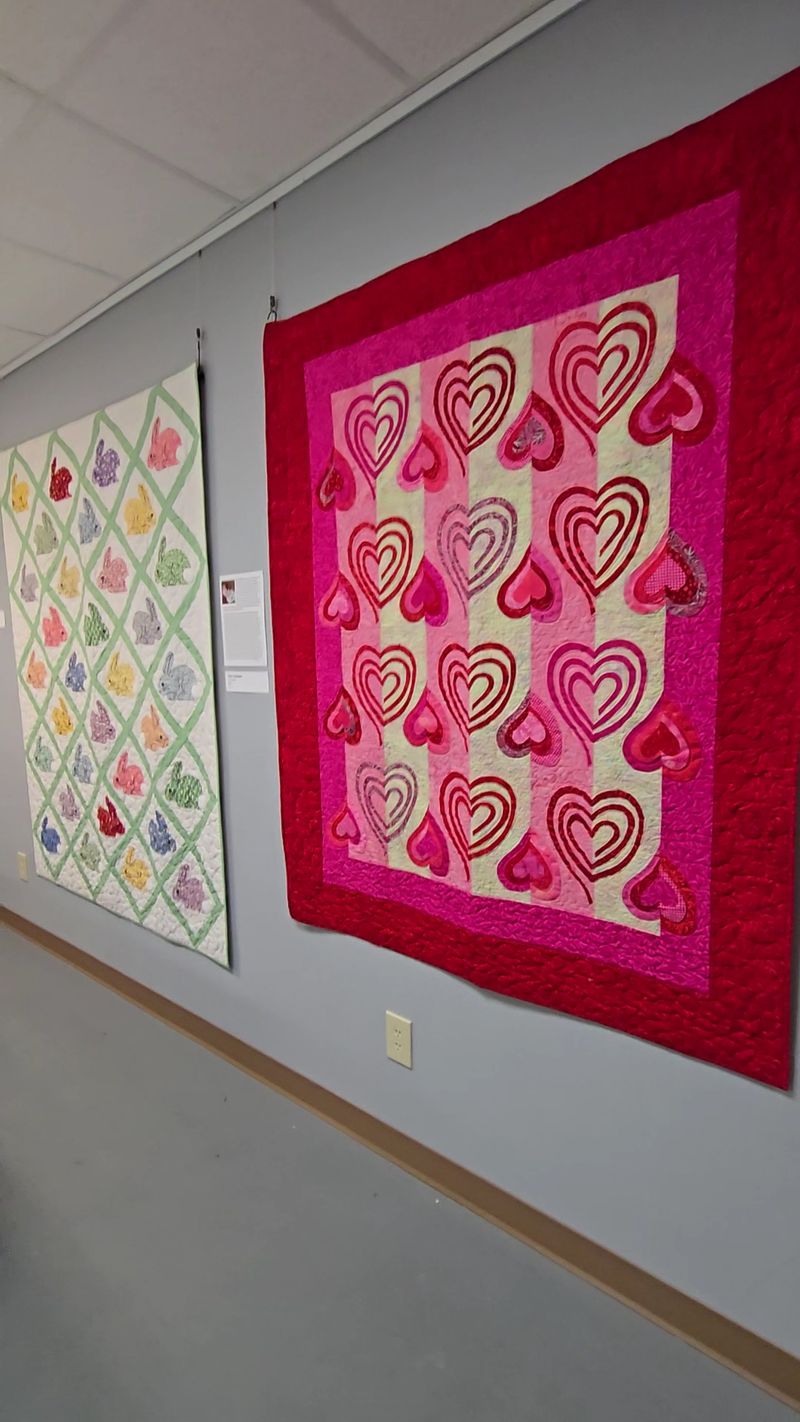
Planning a visit here is straightforward. The museum is open Tuesday through Saturday from 10 AM to 4 PM, giving you a solid window of time to explore without feeling rushed.
Sunday and Monday are closed, so keep that in mind when scheduling your trip.
The six-hour daily window is generous enough for a relaxed visit that includes the galleries, the library, and the gift shop. You are not going to feel pressured to speed through anything.
The pace here is calm and unhurried by design.
Located just off the town square in Carrollton, this attraction is easy to pair with lunch or dinner at one of several nearby restaurants within walking distance. Making a full day of it is very doable without much extra planning.
The surrounding area has its own charm worth exploring.
Knowing what is on display before you arrive adds to the anticipation. Every visit feels purposeful when you know what to look forward to, and this place always gives you something worth looking forward to.