One Of Idaho’s Most Stunning Botanical Gardens Is Still A Well-Kept Secret
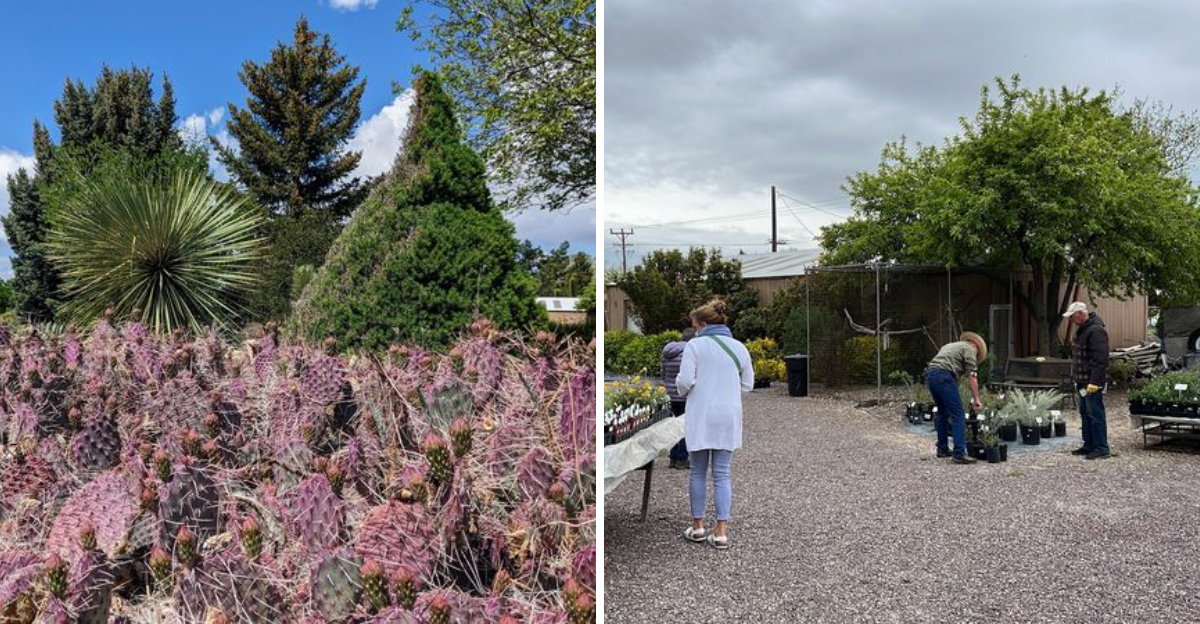
Desert plants are supposed to look tough. These somehow manage to look tough and beautifully arranged at the same time.
On five quiet acres in Idaho, a nonprofit garden has turned cold-hardy cacti and succulents into something far more surprising than most visitors expect. The setting feels peaceful, slightly wild, and carefully cared for without looking overly polished.
That balance gives the place its charm.
You can wander slowly, stop whenever something unusual catches your eye, and enjoy the rare pleasure of visiting a garden that does not demand an admission fee.
The gates open on Fridays and Saturdays from 9 a.m. to 6 p.m. during the warmer months, making timing important before planning the drive.
Some gardens impress with fountains and formal landscaping. This one lets spines, strange shapes, and Idaho-tested toughness do the talking.
By the end of the walk, even people who never considered themselves cactus fans may be wondering where one could fit at home.
Wander Through Gardens That Change With Every Season
Spring begins the garden’s most dramatic stretch of natural color. In May, visitors may find Simpson’s hedgehog cactus, arrowleaf balsamroot, mountain phlox, blue flax, pasque flowers, buckwheats, and several other high-desert plants in bloom.
June shifts the display toward prickly pears, claret cup cacti, yuccas, globemallow, evening primrose, and multiple penstemon varieties.
By July and August, desert willows, red yuccas, prairie zinnias, desert marigolds, hummingbird trumpets, and late-season penstemons add new shapes and warmer colors to the beds.
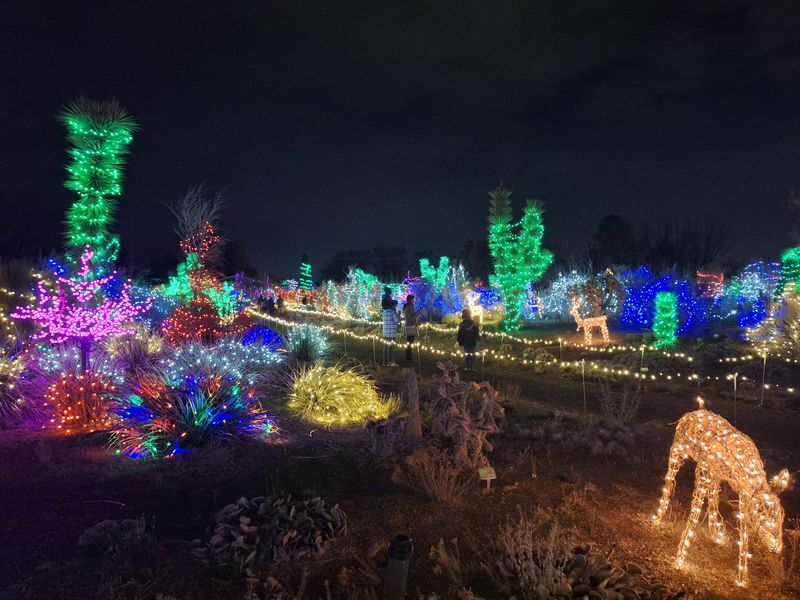
Bloom times still depend on temperatures and weather, so no two visits will look exactly alike. Winter brings a completely different experience when the garden hosts its Christmas in the Garden display, covering plants and rock features with multicolored lights during special evening hours.
That event follows its own seasonal schedule, making it important to confirm dates before driving over. Seeing the same paths in May, August, and December can feel like visiting three separate gardens.
Slow Down And Notice Plants You Rarely See Anywhere Else
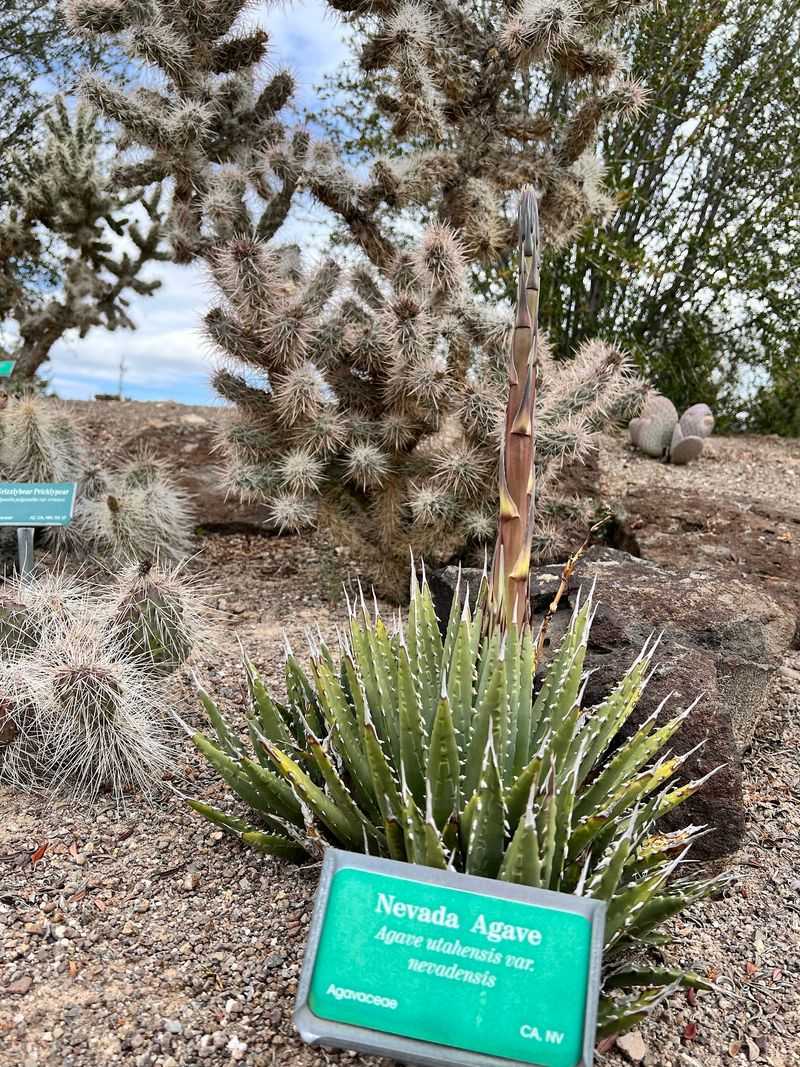
The collection includes more than 400 species and varieties chosen for conditions that many conventional garden plants would find difficult. Cold winters, hot summers, alkaline soil, and limited rainfall shape nearly every planting decision.
Cacti and succulents receive plenty of attention, but the garden also demonstrates Idaho natives, dry-climate shrubs, buckwheats, penstemons, yuccas, agaves, trees, and flowering perennials.
Some came from other dry regions of the United States and a small number originated in other countries, giving visitors plenty to compare as they follow the gravel paths.
Plant labels and educational material help explain why these selections work in south-central Idaho and how similar ideas might translate to a home landscape.
The property also serves as an official pollinator demonstration garden.
Twin Falls became a Bee City USA and Monarch City USA community in 2019, and the garden shows how carefully selected plants can support bees, butterflies, hummingbirds, moths, and other wildlife throughout the growing season.
Bring Your Camera Because Every Path Offers A New View
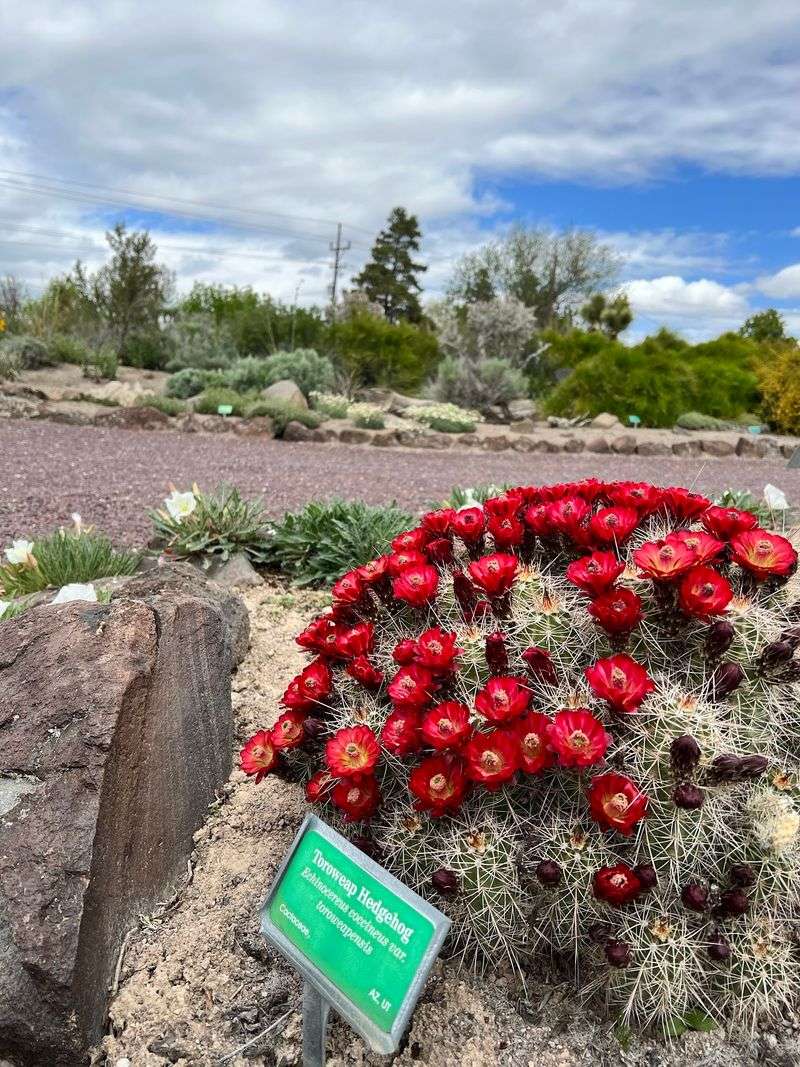
Sharp cactus spines, rounded boulders, delicate flowers, and wide high-desert skies create plenty of natural contrasts for photography. In spring, small cactus flowers can appear almost oversized against the compact plants carrying them.
Summer introduces tall penstemons, red yuccas, desert willows, and hummingbird trumpets, changing the height and movement within the beds.
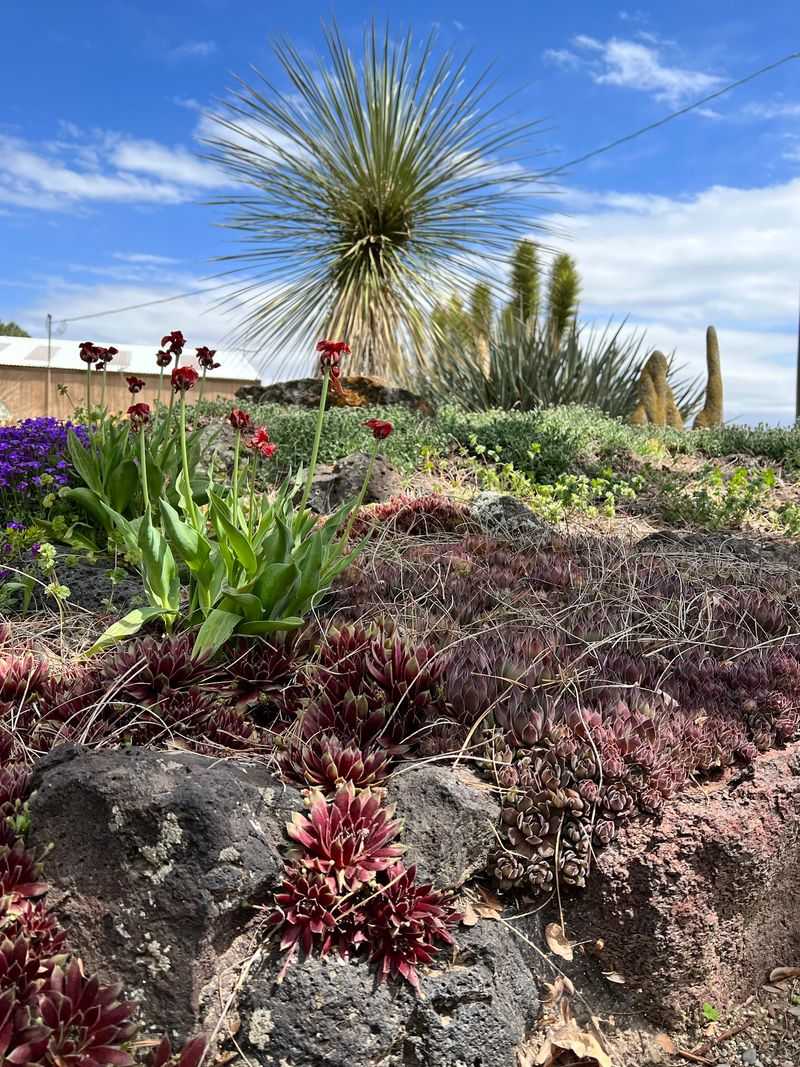
Rock gardens offer closer studies of leaf shape and texture, while broader views reveal how the individual collections fit together across the property.
Morning light can make the colors easier to capture before the strongest heat settles over the paths, and the garden’s 9 a.m. opening gives early visitors time to explore.
December offers another kind of scene when holiday lights shine across the cactus beds and rock formations after dark.
Stay on the established gravel walkways while choosing angles, since many plants grow close to the path and can be easily damaged.
The most interesting photograph may be a single bloom no larger than your hand, so slow observation often produces better results than trying to capture the entire five acres at once.
Find A Quiet Bench And Stay A Little Longer Than Planned
The pace naturally slows once you move beyond the entrance and begin following the gravel walkways. Benches appear about 50 yards inside the garden, and a gazebo provides another place to sit while looking over the surrounding plantings.
Additional seating is available along the farthest pathway, making it possible to pause more than once instead of treating the property as a continuous walk.
Visitors should know that the same gravel responsible for the garden’s informal high-desert character can make accessibility more difficult.
The garden recommends motorized wheelchairs because nonmotorized chairs may struggle on the loose surface. A portable restroom is available on the property.
Bring water and sun protection during hotter weather, since some sections are more exposed than others.
Once you find a comfortable seat, details that were easy to miss while walking begin to stand out: insects moving between flowers, changing shadows across the rocks, or a cactus bloom hidden low among its spines.
The garden rewards visitors who give themselves time to look twice.
See How Color And Texture Transform The Landscape
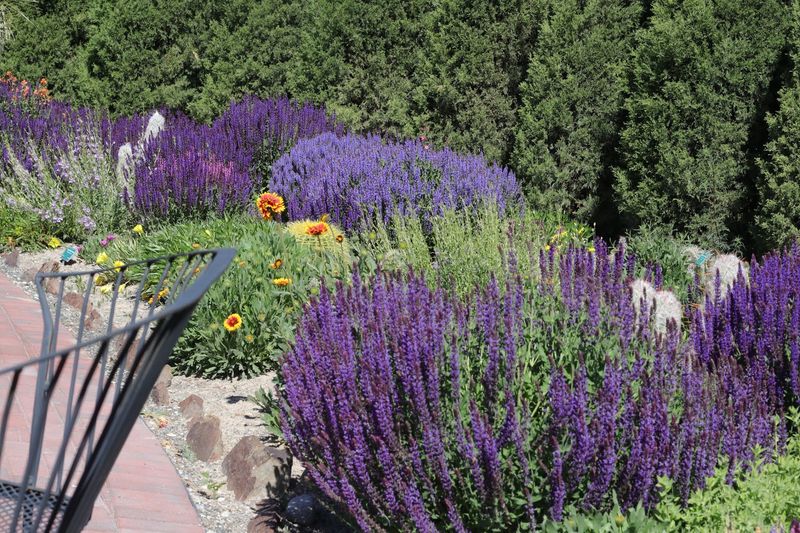
Xeriscaping takes center stage here, but the result looks far more varied than the word sometimes suggests. The garden sits along the northern edge of the Great Basin Desert, where average annual precipitation is only about 10 inches.
Its plantings demonstrate how thoughtful design, suitable soil, efficient irrigation, and drought-tolerant species can create a full landscape with relatively little water.
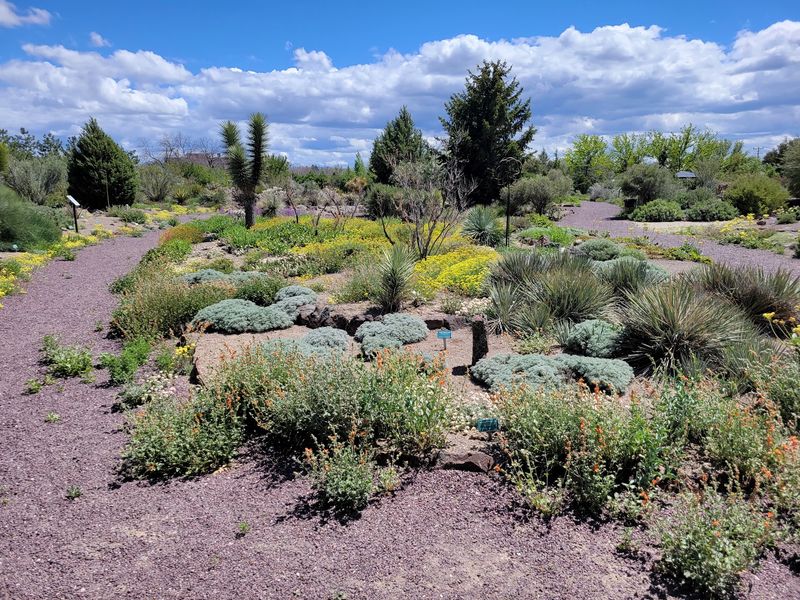
Separate areas include low-growing rock gardens, cactus collections, southwestern plantings with yuccas and agaves, traditional flower beds, pollinator habitat, native plant displays, shrubs, trees, and succulent beds filled with sedums and hens and chicks.
Large rocks help define the beds while echoing the surrounding desert environment. Spiky plants are balanced with rounded shrubs, fine grasses, low mats of flowers, and softer seasonal growth.
The variety makes the conservation lesson easier to understand because visitors can see that reducing water use does not require covering a yard with gravel and a few isolated plants.
Color, texture, habitat, and practicality can all occupy the same landscape.
Visit During Different Seasons For A Completely New Experience
May and June are especially useful for visitors hoping to see the widest range of cactus flowers, native blooms, and spring perennials.
Later summer places more emphasis on desert willows, red and yellow yuccas, sunflowers, hummingbird trumpets, prairie zinnias, and plants that tolerate prolonged heat.
September can bring a quieter final look at the garden before regular Friday and Saturday hours end for the year.
The gates reopen for special evening visits during the Christmas in the Garden display, when thousands of lights create a completely different route through the property.
Exact event dates and weather-related closures can change each winter, so the current schedule should be checked before making plans. Guided visits are also available by appointment from May through September on days other than Sunday.
The garden currently lists a fee of $5 per person for tours, while its ordinary Friday and Saturday visits remain donation-supported. Returning in another month gives you more than different flowers.
Light, plant height, insect activity, and the overall character of each garden section change along with the season.
Take Your Time Exploring One Garden Room After Another
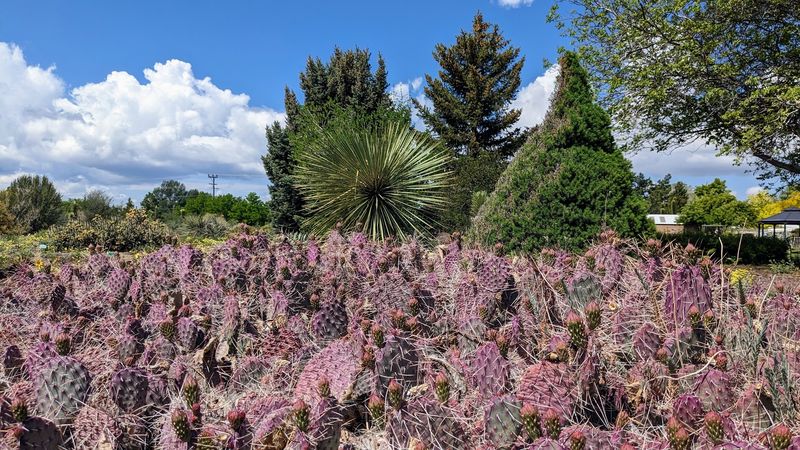
The property is organized into recognizable planting styles rather than one continuous cactus field. A rock garden highlights low-growing plants such as buckwheats, while dedicated cactus beds demonstrate species capable of surviving Idaho winters.
Southwestern sections bring together agaves, yuccas, desert shrubs, and additional cacti. Native gardens focus attention on plants adapted to the surrounding region, and pollinator areas show how overlapping bloom periods can provide food across several months.
Traditional flower beds, tree and shrub collections, and succulent displays introduce still more variation.
Gravel paths connect these sections across the five-acre property, allowing visitors to create their own route instead of following one required loop.
The address at 867 Filer Avenue West places the garden within Twin Falls, though the grounds feel more secluded once the entrance is behind you. Public hours continue through the end of September on Fridays and Saturdays from 9 a.m. to 6 p.m.
Visitors interested in deeper explanations of soil, water use, and plant choices can arrange a separate tour by calling ahead.
Leave Feeling Like You Discovered One Of Southern Idaho’s Hidden Gems
A modest entrance gives little indication that five acres and hundreds of plant varieties are waiting beyond it.
The garden began in 2001 as LaMar and Rosalie Orton developed a place for their growing plant collection, eventually opening the property so others could learn from it.
Today it operates as a 501(c)(3) nonprofit focused on drought-tolerant plants, native species, pollinator habitat, environmental education, and resource conservation.
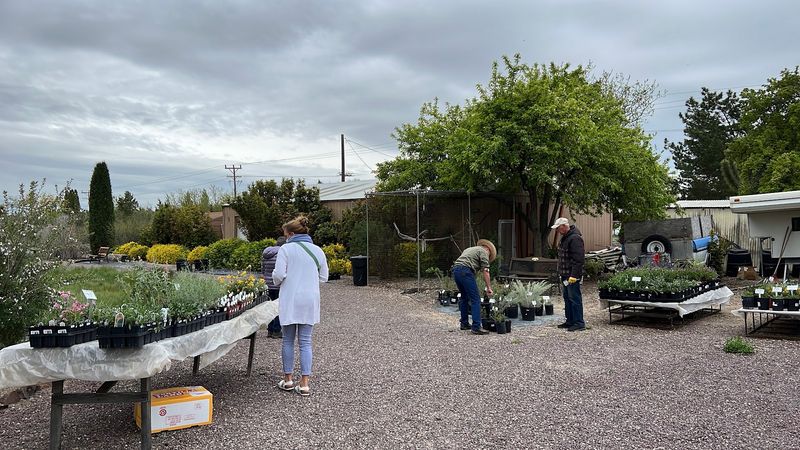
Donations remain central to its operation, and plants are also sold during selected events to support the garden and help visitors begin their own water-conscious landscapes.
There is no need for elaborate facilities or formal displays to make the visit worthwhile. Its appeal comes from seeing plants that look perfectly at home in the high desert, learning why they thrive, and realizing how much variety can fit into a landscape built around limited water.
Before leaving, a voluntary contribution can help support the paths, plant collections, classes, seasonal displays, and continuing work behind this quietly impressive Twin Falls garden.