8 Regions In Georgia With The Most Cottonmouth Activity This Summer
I still remember the exact second I saw it. A dark shape gliding across still water, moving slow like it owned the place.
That was my first cottonmouth, and it was not my last. Georgia summers turn quiet water into dangerous territory.
The heat pulls these snakes out of hiding and into creeks, ponds, and drainage ditches right where families fish, swim, and hike. Cottonmouths do not scare easily.
They stand their ground, coil back, and show that white mouth as a final warning. Some parts of Georgia see far more of this behavior than others, especially once temperatures climb past ninety degrees.
If you spend any time near water this summer, you need to know exactly where these encounters happen most often, and why.
1. Okefenokee National Wildlife Refuge, Folkston
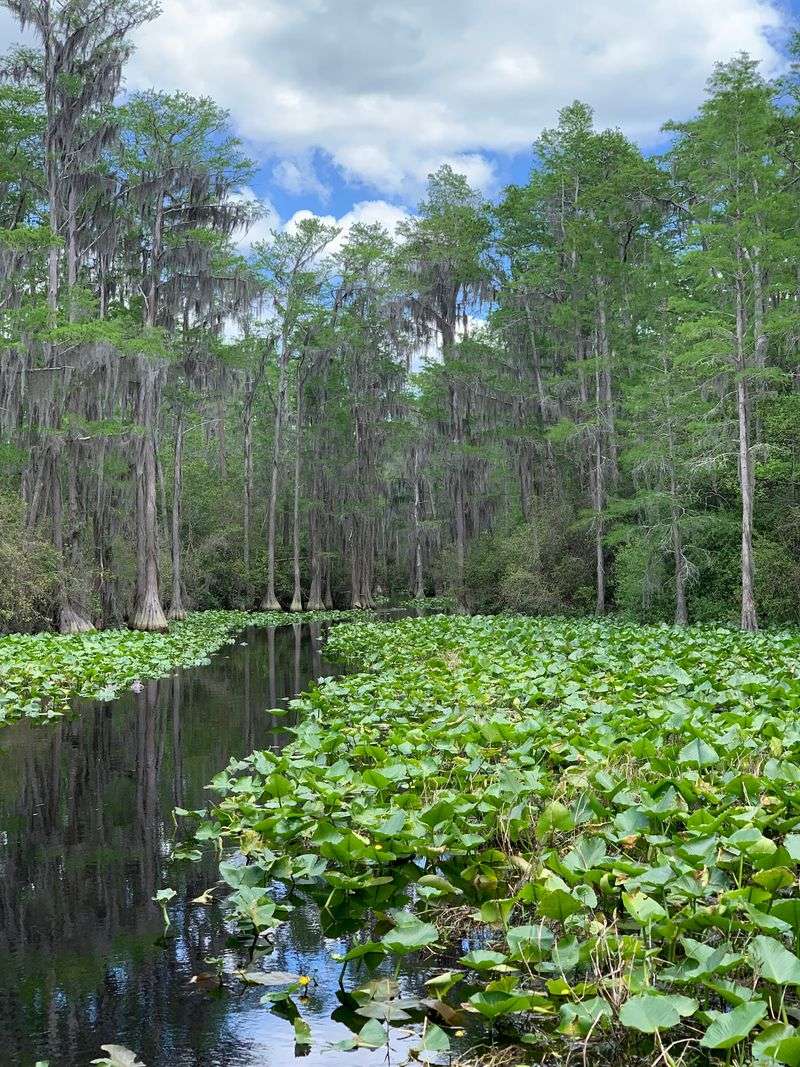
Few places on earth feel as wild and untamed as the Okefenokee Swamp. Stretching across the Georgia-Florida border, this blackwater wilderness is one of the most biodiverse swamps in North America.
Cottonmouths are commonly found here thanks to the refuge’s extensive wetland habitat. The dark, slow-moving water and dense vegetation create perfect conditions for these semi-aquatic snakes.
Visitors paddling the canoe trails at 4155 Suwannee Canal Road, Folkston, GA 31537, have reported spotting cottonmouths coiled on trail edges and swimming near boats. They move with surprising confidence in the water, often gliding past canoes without a hint of concern.
Cottonmouths here often bask on logs or stumps in the morning sun, soaking up heat before the day gets too warm to move much. They are not aggressive by nature, but they will stand their ground if startled.
Keeping a safe distance is always the smart move, especially since the murky water makes it easy to miss one until you are already close.
The refuge spans over 400,000 acres of swamp, prairie, and forest. That sheer size means cottonmouths have plenty of undisturbed territory to roam, far from foot traffic and noise.
Summer is when their activity peaks, so expect frequent sightings from June through August, particularly during early morning paddles when the water stays calm.
Bring binoculars and stay on marked paths. Wear closed-toe shoes if you plan to walk near the water’s edge.
The Okefenokee is a bucket-list destination for wildlife lovers, offering more than just snake encounters if you take your time exploring. Just keep your eyes low near the waterline.
2. Stephen C. Foster State Park, Fargo
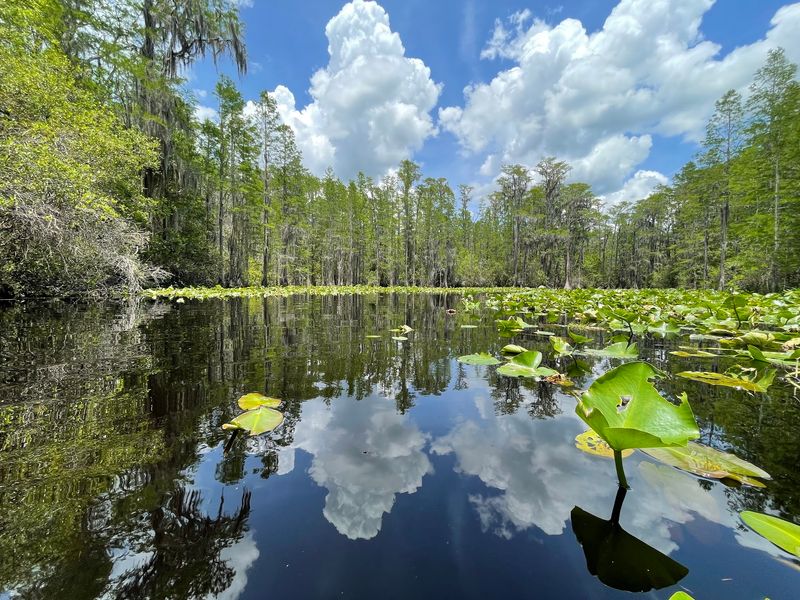
Stephen C. Foster State Park feels like a world that time forgot.
Spanish moss hangs from ancient cypress trees, and the water is the color of strong tea. This park serves as one of the main entrances to the Okefenokee Swamp, which means cottonmouth sightings are practically part of the experience.
The park sits at 17515 GA-177, Fargo, GA 31631, deep in the remote southern corner of the state. Getting here takes effort, but the wildlife rewards are real.
Cottonmouths have been spotted sunning on logs along the boardwalks and boat launch areas, often staying motionless long enough for a clear look.
During summer, these snakes may shift to more nocturnal activity on the hottest days. Early morning is often the best time to spot them basking near the water.
Rangers recommend watching your step around any fallen timber or vegetation near the shoreline, since cottonmouths blend in easily with the dark, still surroundings.
The park offers guided boat tours that give visitors a safe way to observe wildlife up close. Seeing a cottonmouth glide across the dark water is impressive to witness firsthand.
Their heads stay above the surface as they swim, which makes them easy to identify even from a distance.
Female cottonmouths give birth to live young in late summer. That means late July and August can bring extra activity in this swampy corner of the park, so visitors during these months should stay especially alert near the water’s edge.
3. Chattahoochee Bend State Park, Newnan
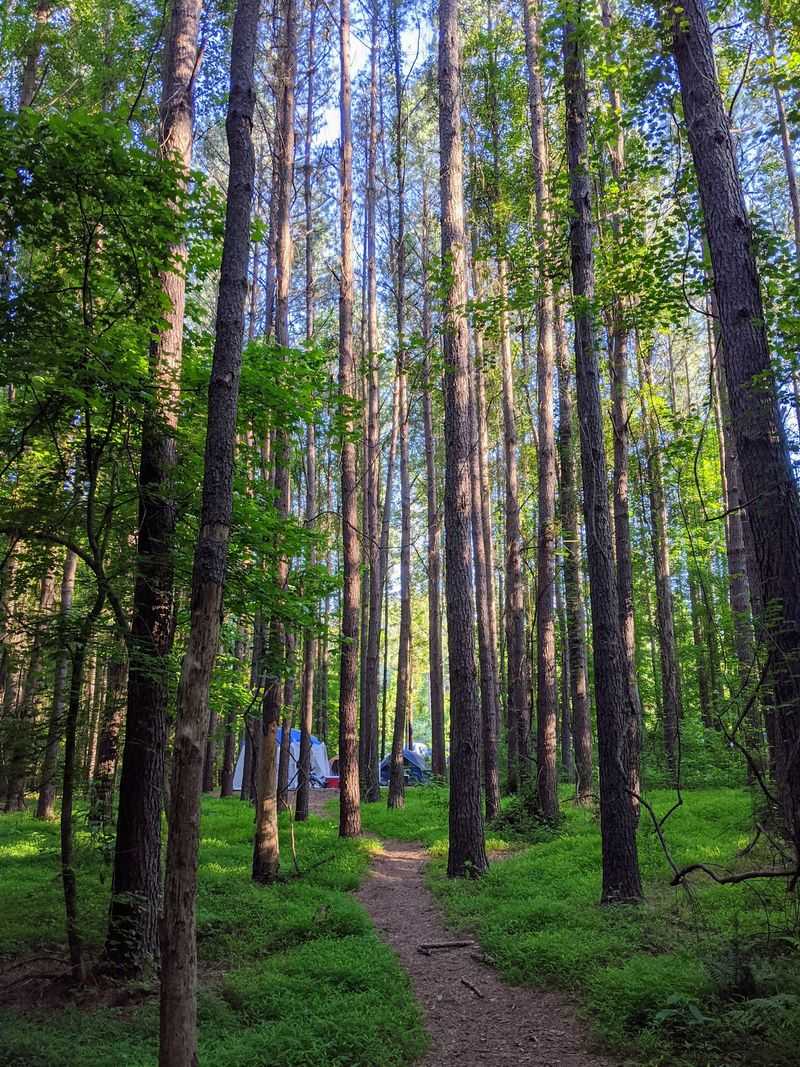
Most people think of cottonmouths as a deep-south, swamp-only snake. Chattahoochee Bend State Park challenges that assumption in the most interesting way.
Located at 425 Bobwhite Way, Newnan, GA 30263, this park sits in the west-central part of the state along the Chattahoochee River.
Cottonmouths are less common this far north, but they are absolutely present in the right microhabitats. Slow creek pools, flooded bottomlands, and weedy river edges provide the conditions these snakes prefer.
Hikers along the river trail have reported cottonmouth sightings, particularly near creek confluences.
The park covers over 2,900 acres and offers more than 20 miles of trails. That is a lot of ground to cover, and some of it passes right through prime snake territory.
Staying aware of your surroundings near any standing water is a good habit here.
Cottonmouths in this region tend to be slightly more secretive than their swamp-dwelling cousins further south. They use leaf litter and root tangles as cover when not basking.
Spotting one here feels like a genuine discovery rather than a routine sighting.
The park is a great place to learn that cottonmouth range is wider than most people expect. Respecting their space and keeping pets leashed near water makes for a safe and enjoyable visit.
4. Lake Blackshear Marina, Cordele
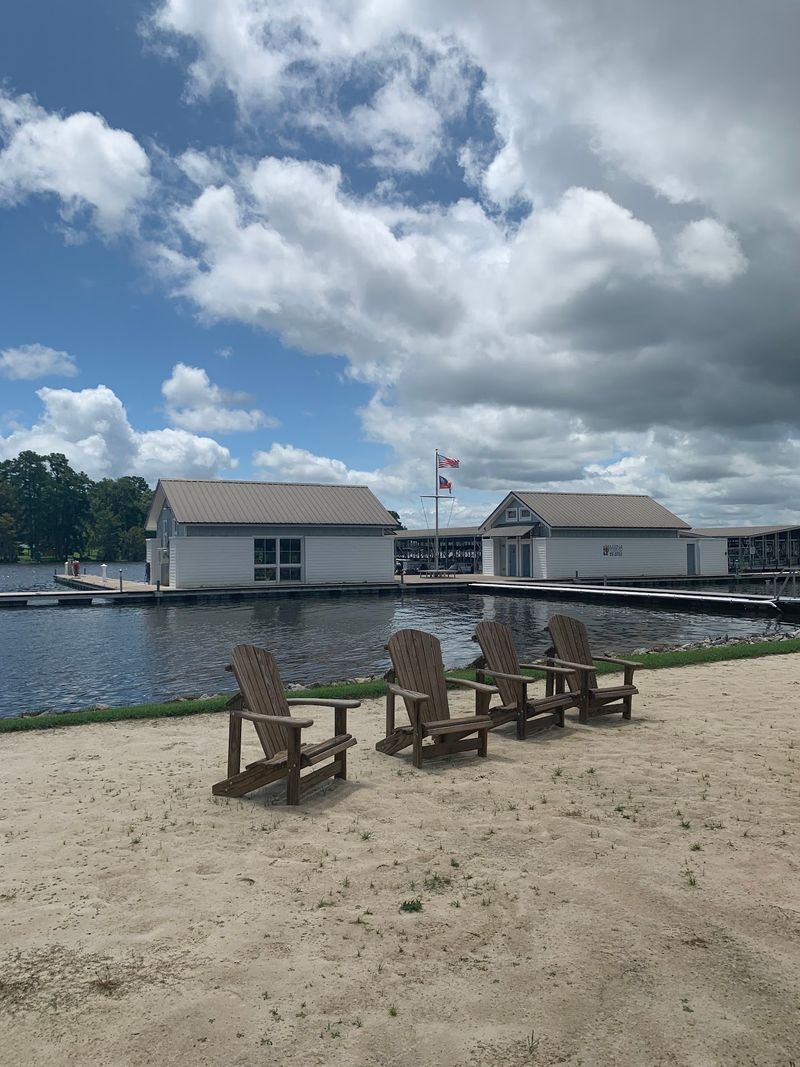
Lake Blackshear has a reputation among anglers for great fishing, but there is another resident worth knowing about. Northern cottonmouths patrol the weedy, vegetated shorelines of this reservoir with regularity during summer.
The lake’s shallow coves and flooded timber stands are prime cottonmouth real estate.
The marina at 2459 US-280, Cordele, GA 31015, sits right on the water’s edge. Boaters and kayakers who venture into the quieter inlets often spot cottonmouths basking on partially submerged logs.
Lily pad fields in particular seem to attract them during morning hours.
Lake Blackshear was formed by damming the Flint River, creating a mix of open water and sheltered backwaters. That variety of habitat supports a wide range of aquatic species, including these venomous snakes.
The standing timber left from the original floodplain gives cottonmouths excellent perches above the waterline.
Fishing from a bank or dock requires a little extra awareness during summer months. Always scan the area before sitting or placing gear near the water.
Cottonmouths are not looking for trouble, but they will respond if cornered or stepped on accidentally.
The lake is genuinely beautiful, and most visits pass without any snake encounters at all. Knowing they are present simply makes you a more informed and prepared visitor to this central Georgia reservoir.
5. Altamaha Regional Park, Brunswick
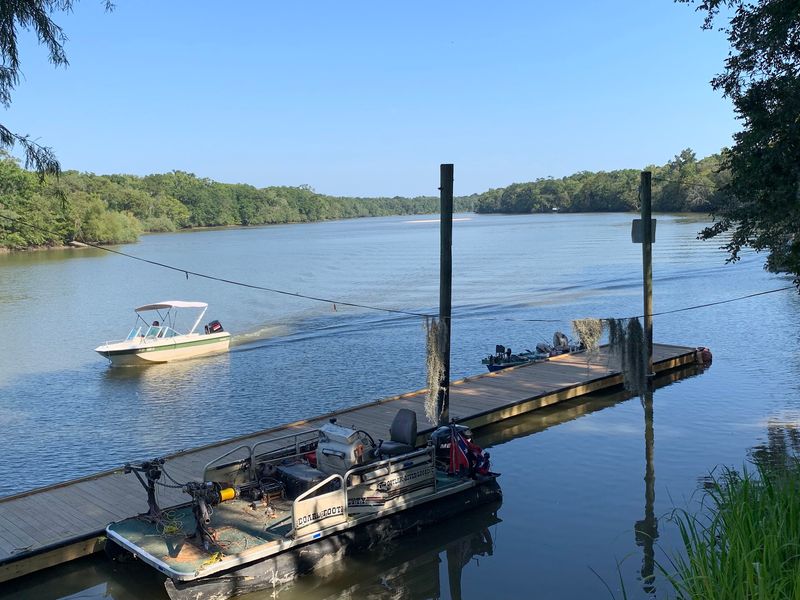
The Altamaha River is sometimes called the Amazon of the South, and that nickname is not an exaggeration. It carries more freshwater to the Atlantic than any other river on the East Coast south of the Chesapeake Bay.
Where there is that much water and vegetation, cottonmouths are never far behind.
Altamaha Regional Park at 1605 Altamaha Park Rd, Brunswick, GA 31525, gives visitors direct access to this remarkable river system. The quiet backwaters, oxbow lakes, and flooded sloughs throughout the area are exactly the kind of habitat cottonmouths prefer.
Fallen trees and overhanging branches provide ideal basking and ambush spots.
Kayakers exploring the river’s side channels frequently encounter cottonmouths draped over low branches above the water. They are not aggressive, but they can drop into the water if startled, which surprises paddlers every time.
Keeping a calm, steady pace and observing from a distance is the best approach.
The park also offers camping and fishing, making it a popular summer destination. Evening hours near the water tend to bring increased snake activity as temperatures cool slightly.
A headlamp and careful footing go a long way when walking near the riverbank after dark.
Wildlife here is genuinely abundant and impressive. The cottonmouth is just one piece of a much larger and wilder ecological puzzle along this coastal plain river system.
6. Ebenezer Creek, Rincon
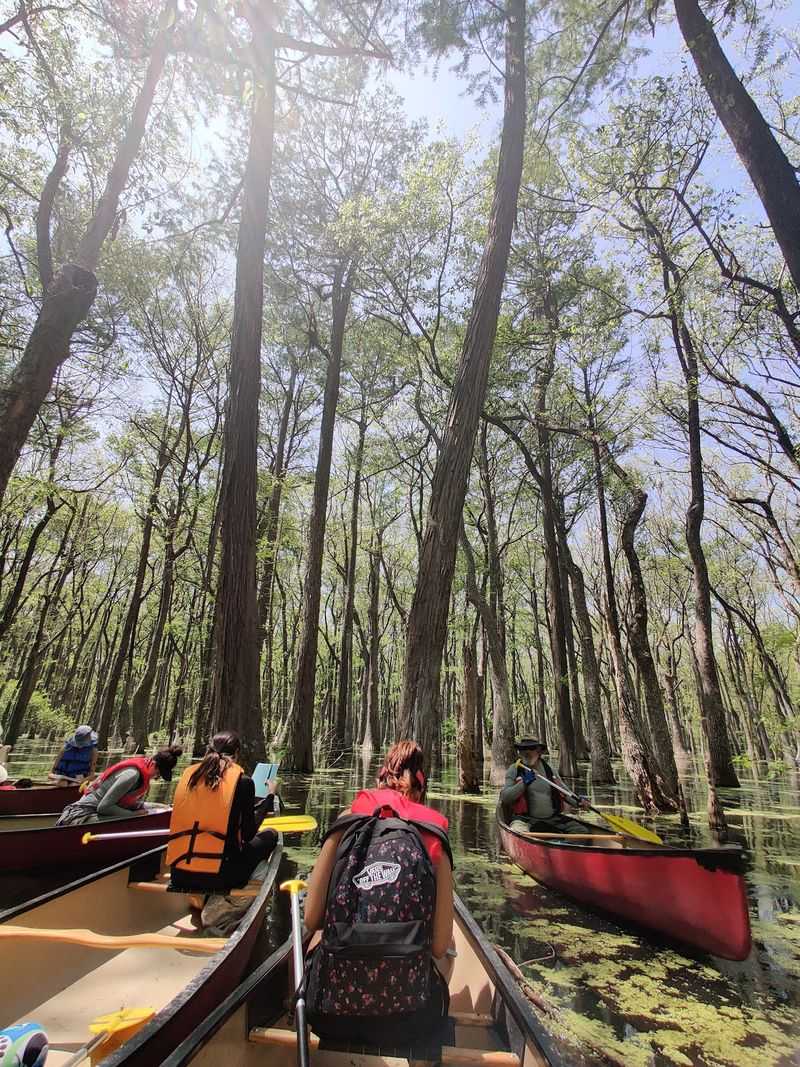
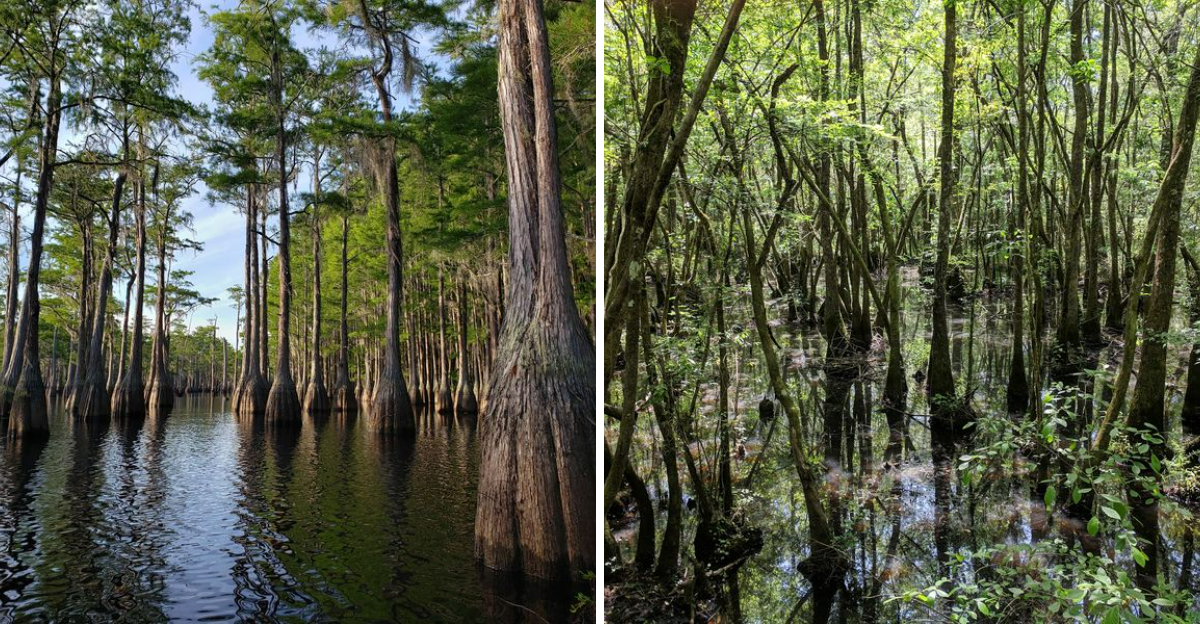
Ebenezer Creek is one of those places that feels genuinely wild the moment you push off from the bank. Located near Rincon, Georgia, this blackwater creek winds through a bald cypress swamp that looks almost prehistoric.
Cottonmouths are well established in this type of slow, murky creek environment.
The creek sits close to the Savannah River corridor, a region known for high cottonmouth presence throughout the warmer months. Wet, swampy habitat lines both banks, giving these snakes plenty of cover and hunting ground.
Turtles, frogs, and fish make up the bulk of their diet, and Ebenezer Creek has all three in abundance.
Paddlers who explore this waterway often report spotting cottonmouths on low cypress knees and along the muddy banks. The snake’s habit of holding its head above water while swimming makes it easy to distinguish from harmless water snakes.
That raised-head posture is one of the most reliable field identification clues.
Summer activity here peaks in June and July, when water temperatures warm and prey is plentiful. The creek is a designated National Natural Landmark, which speaks to its ecological significance.
Visiting with awareness and respect for the local wildlife makes for a memorable and safe experience.
Birding is also exceptional here, so bring a camera. You might come for the herons and leave talking about the cottonmouth you spotted near the launch.
7. George L. Smith State Park, Twin City
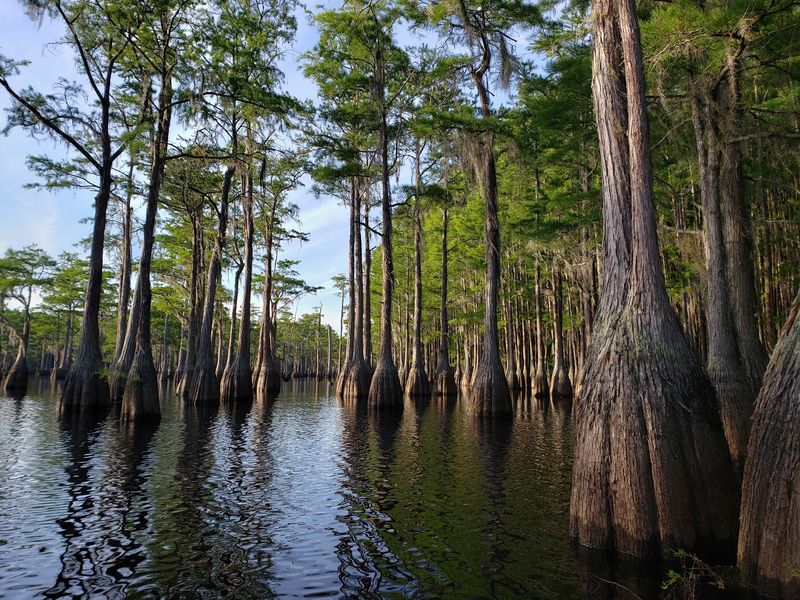
George L. Smith State Park might be the most visually stunning location on this entire list.
The centerpiece is a 412-acre mill pond that floods a bald cypress forest, creating a cathedral-like landscape of ancient trees rising from dark water. Cottonmouths have made this place home, and honestly, it is hard to blame them.
The park is at 371 George L Smith State Park Rd, Twin City, GA 30471, in the coastal plain region of the state. The flooded forest creates a labyrinth of roots, stumps, and submerged logs that cottonmouths use for both basking and shelter.
Visitors on canoe rentals have spotted them sunning on exposed root systems just inches above the waterline.
The tannin-stained water gives the pond a deep amber color that makes the snakes harder to spot from a distance. Moving slowly and scanning ahead of your paddle is good practice here.
The atmosphere is quiet and primeval, which makes any wildlife encounter feel extra dramatic.
Summer mornings are the best time to see cottonmouths actively basking before the heat pushes them into the shade. The park also has a historic grist mill and covered bridge, so there is plenty to explore beyond the water.
Wildlife photographers love this park for its moody, atmospheric light filtering through the cypress canopy.
Plan for at least half a day. This place rewards patience and slow exploration more than almost anywhere else in the region.
8. Reed Bingham State Park, Adel
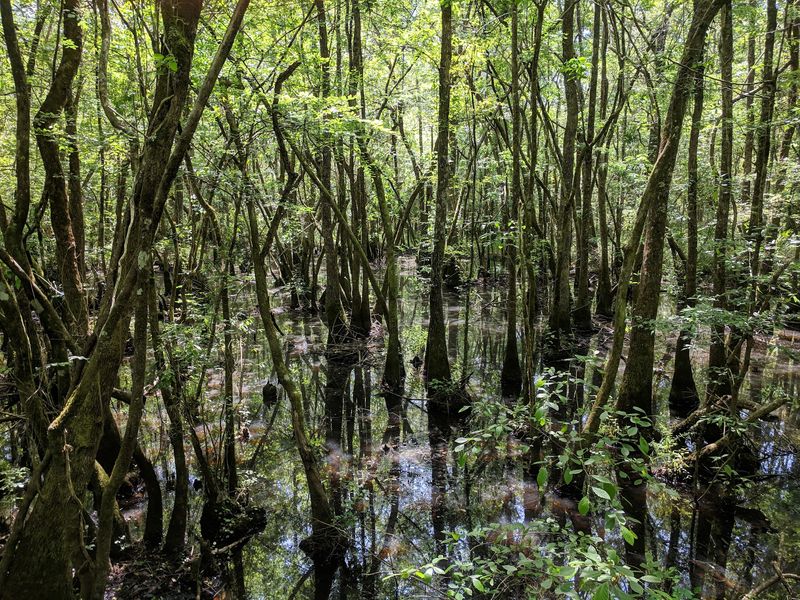
Reed Bingham State Park sits in the heart of the southern coastal plain, where cottonmouth habitat is practically everywhere you look. Lakes, streams, and swampy lowlands cover much of the park’s 1,600-plus acres.
This combination makes it one of the more reliable spots in the region for summer snake activity.
The park address is 542 Reed Bingham Rd, Adel, GA 31620, and it offers swimming, fishing, and camping alongside its wild reputation. Cottonmouths have been documented throughout the park’s wetland zones, particularly near the lake’s marshy edges and tributary streams.
Anglers working the shoreline during summer often encounter them basking on exposed roots and rocks.
One interesting behavior to watch for here is cottonmouth body posturing. When threatened, they flatten their bodies and expose the white interior of their mouth as a warning display.
That gaping white mouth is exactly where the name cottonmouth comes from, and seeing it once is unforgettable.
The park is also famous for its large vulture roosts in winter, but summer brings a completely different kind of wildlife spectacle. Wading birds, turtles, and aquatic snakes all share the same productive shoreline habitat.
Understanding that the cottonmouth is part of a healthy ecosystem changes how you feel about encountering one.
Wear closed-toe shoes and watch your step near the water. Reed Bingham is a genuinely rewarding outdoor destination when you visit with the right expectations.