10 Vermont Towns With The Highest Property Tax Rates In 2026
Nobody enjoys opening a property tax bill. You look at the number and then look away quickly.
Vermont makes this experience especially memorable. The state has towns where the education tax rate runs more than double the state average.
The gap between top and bottom is enormous. You might assume those are the struggling places.
You would be wrong about that. The highest rates in Vermont sit in ski country, among some of the most expensive real estate in the state.
There is a reason for that, and it involves assessments rather than greed. Towns that have not reappraised in years end up with rates that look alarming on paper.
The bills are not always as bad as the number suggests. That distinction matters more than most articles admit.
So here are the ten highest rates in this state. Read past the first number before you form an opinion.
1. Killington
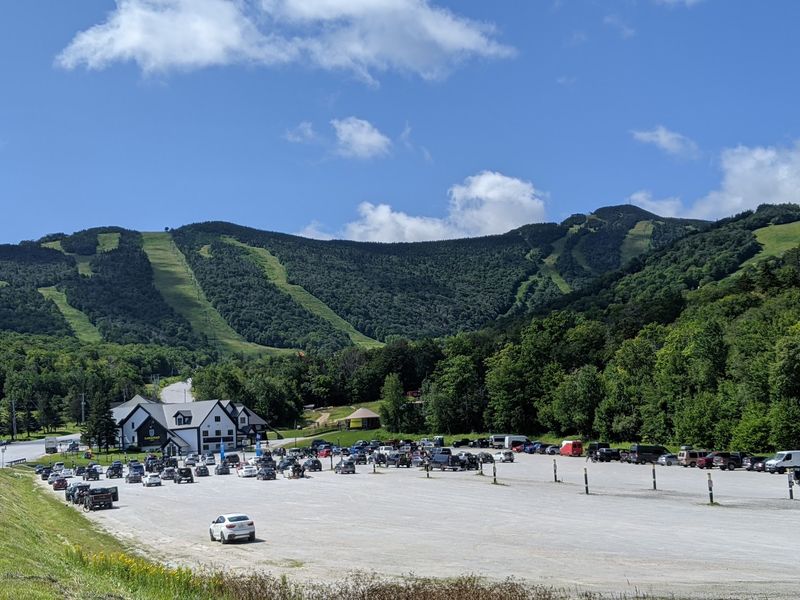
Killington is best known for its massive ski resort, but its property tax rate is just as impressive. Homeowners here face some of the steepest bills in the entire state.
The resort economy drives up property values, which in turn pushes tax obligations higher.
Vermont calculates property taxes partly based on the Common Level of Appraisal. In towns like Killington, where market values are high, that formula works against homeowners.
Many seasonal property owners are caught off guard when the tax bill arrives.
The town also funds local education through property taxes, adding another layer to the total rate. Killington’s combined municipal and education tax rate sits well above the Vermont average.
If you are shopping for a ski chalet here, factor in several thousand dollars annually for taxes alone.
Buyers often focus on the mountain views and forget about the tax reality. A financial advisor familiar with Vermont’s system can help you plan ahead.
Killington is worth it for many people, but only if the numbers make sense for your budget.
2. Plymouth
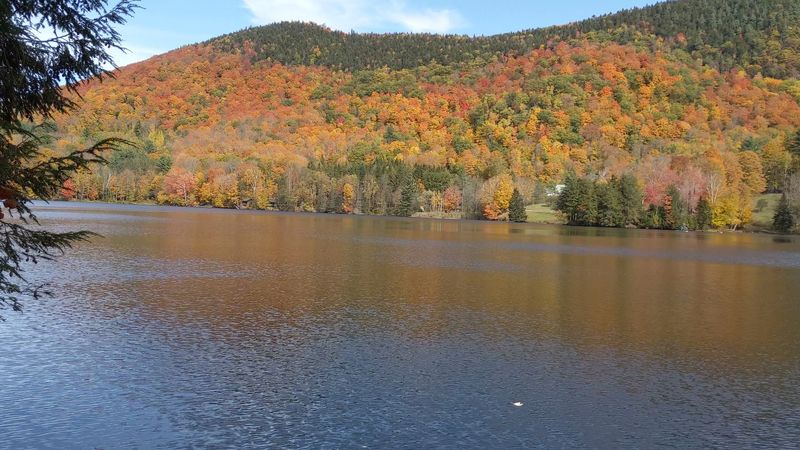
Plymouth is a small, quiet town that most people drive through without stopping. But its property tax rate is anything but forgettable.
The town carries a surprisingly high education tax burden relative to its modest size.
Vermont’s education funding formula spreads costs across all property owners, regardless of town population. Plymouth has a small tax base but still needs to meet state education spending requirements.
That combination pushes the per-property burden higher than you might expect.
The town is historically significant as the birthplace of President Calvin Coolidge. That charm does not offset the tax bill, though.
Many residents are long-time locals who have watched the rate climb steadily over the years.
If you are considering a rural Vermont property in Plymouth, do your research before signing anything. The assessed value of your home directly affects what you owe each year.
Even a modest farmhouse here can carry a tax bill that surprises first-time Vermont buyers.
Talk to the town assessor before purchasing. Understanding the local mil rate and how it applies to your specific property is essential.
Plymouth rewards patient, well-informed buyers who plan carefully.
3. Woodstock
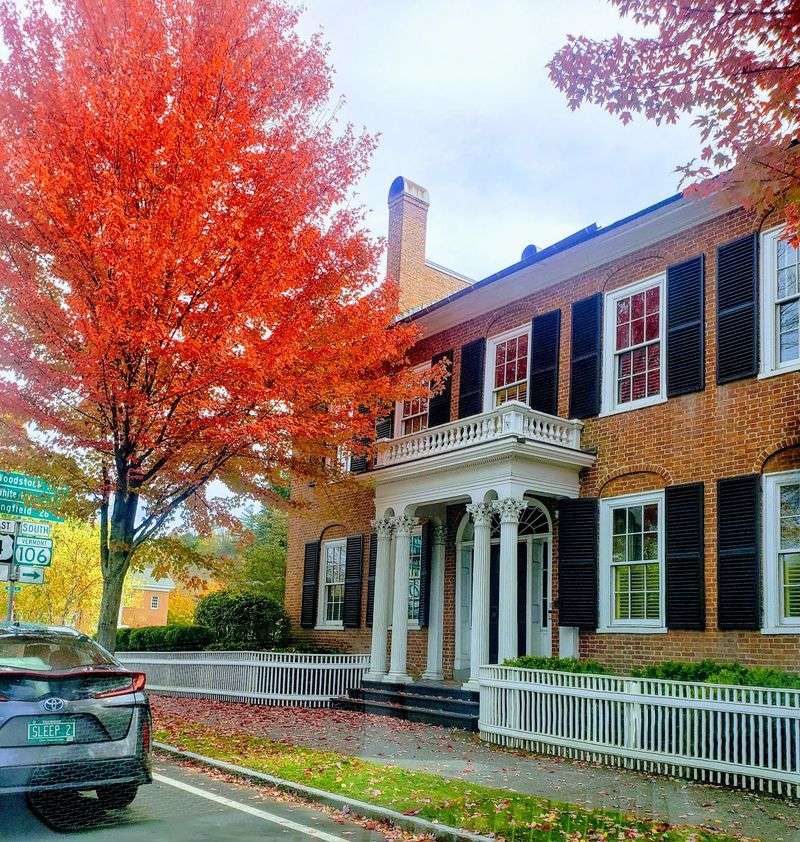
This town looks like a postcard, and it costs like one too. This is one of Vermont’s most photographed towns, and its property tax rate reflects the premium of living somewhere so desirable.
High property values mean high tax bills, simple as that.
The town draws wealthy second-home buyers who push up real estate prices. That benefits sellers but raises the baseline for everyone else.
Year-round residents sometimes feel the squeeze when assessed values jump after nearby sales.
Woodstock’s village center is beautifully preserved, with historic inns, boutique shops, and a strong arts community. The town invests in maintaining that character, and taxpayers fund much of it.
Quality comes at a price here, and property owners feel it every year.
Education taxes are a significant part of the total rate. Vermont’s Act 60 and its successors have tied school funding to property values statewide.
Woodstock’s high values make it a net contributor to that system.
If you love the idea of living in one of New England’s most scenic towns, Woodstock might be worth every penny. Just go in with clear eyes about the annual tax commitment.
The beauty is real, and so is the bill.
4. Hartland
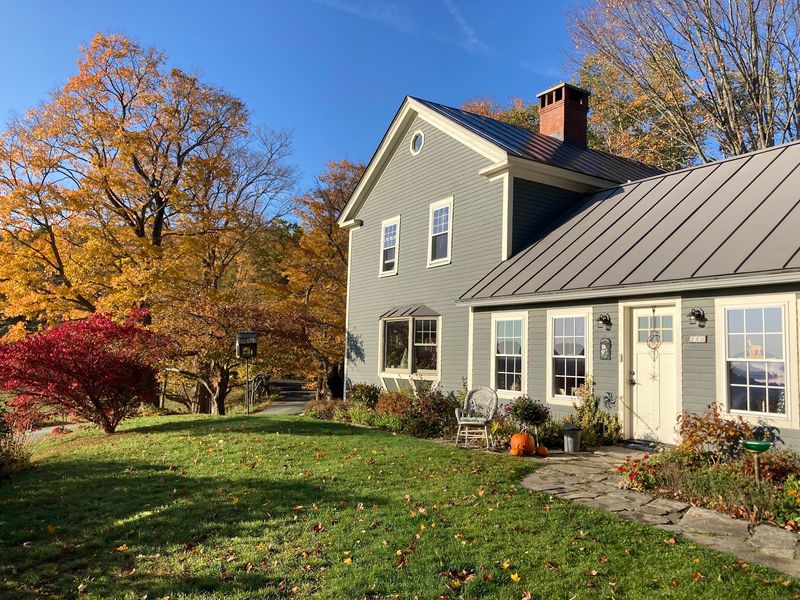
It sits quietly along the Connecticut River valley, and most people outside Vermont have never heard of it. But if you own property there, you know exactly how high the tax rate climbs.
The town consistently ranks among Vermont’s highest when it comes to property tax burden.
A small population means fewer taxpayers sharing the cost of local services and education. Vermont’s funding formula does not always favor small towns with modest commercial activity.
Hartland homeowners end up carrying more of that load on their own.
The town has a rural, agricultural feel with working farms and forested hillsides. It is the kind of place people move to for peace and space.
However, that peace comes with a property tax rate that demands attention.
I spoke with a local real estate agent who said buyers are often shocked at closing when they see the annual tax projection. The assessed values look reasonable at first glance.
The rate applied to those values is where the surprise comes in.
Hartland is a genuinely beautiful place to live. If you budget carefully and understand the tax structure going in, it can absolutely work.
Just do not let the pastoral scenery distract you from the numbers.
5. Jamaica
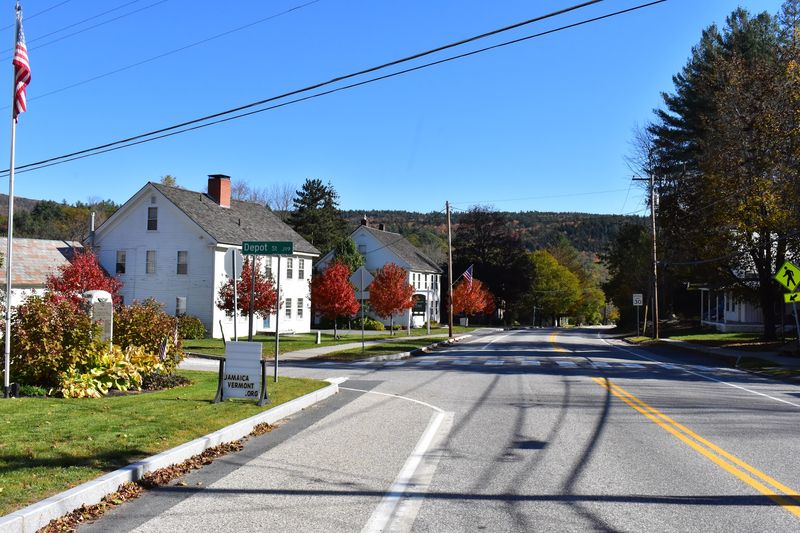
Jamaica, Vermont is not the tropical island, but it does have its own kind of warmth. The town is surrounded by state forest and attracts outdoor enthusiasts year-round.
What it also attracts, unfortunately, is a notably high property tax rate.
The town’s small size and limited commercial tax base put most of the funding burden on residential property owners. Education costs are shared across a wide area, but Jamaica’s local contribution per household is significant.
That pattern is common in small Vermont towns with big scenic appeal.
Seasonal homeowners make up a meaningful portion of Jamaica’s property rolls. They enjoy the hiking, swimming holes, and fall foliage.
They also write some pretty serious tax checks each year to the town.
The Windham County region, where Jamaica sits, has seen growing interest from buyers leaving larger cities. That demand has lifted property values, which affects assessed values and ultimately tax bills.
It is a cycle that does not always favor long-time residents.
Jamaica has a tight-knit community that takes pride in its schools and public spaces. The tax dollars do go somewhere meaningful.
For buyers who value that kind of investment, Jamaica can feel like a fair trade despite the high rate.
6. Warren
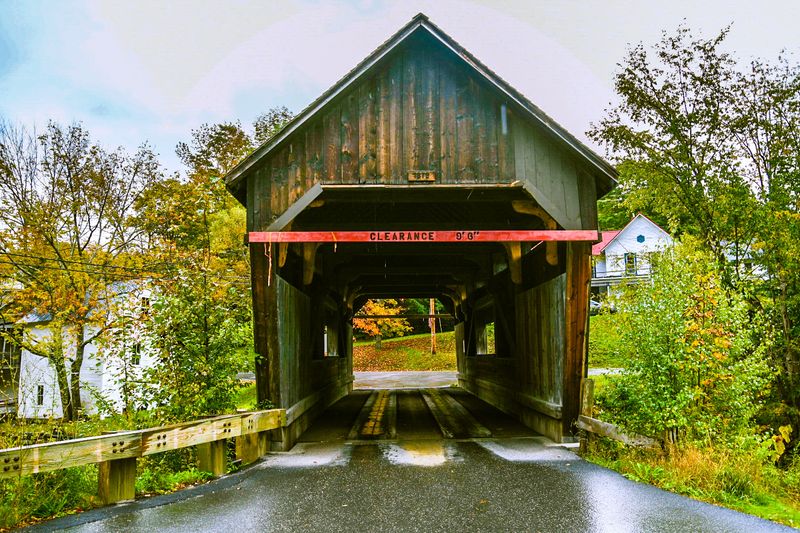
Warren sits in the Mad River Valley and shares a mountain with Sugarbush Resort. That proximity to a major ski area does wonderful things for tourism and property values.
It does less wonderful things for your annual tax bill.
High-end second homes and ski condos drive up assessed values across the town. When your neighbors are selling chalets for well over a million dollars, the whole town’s baseline shifts upward.
That shift flows directly into higher property tax obligations for everyone.
Warren’s village is genuinely charming, with a general store that has been a local landmark for decades. The community takes pride in its schools and outdoor recreation culture.
Funding that lifestyle requires real money, and property taxes are the primary source.
Vermont’s education tax system means that towns with higher property wealth contribute more per household to statewide school funding. Warren qualifies as one of those towns.
Residents essentially subsidize education costs beyond their own borders.
For ski lovers and mountain enthusiasts, Warren is a dream location. The access to trails, the community events, and the scenery are genuinely exceptional.
If your finances can absorb the tax rate, Warren delivers a lifestyle that is hard to match in Vermont.
7. Thetford

It is one of those Vermont towns that feels like it exists in a slower era. Dirt roads, old farmhouses, and a genuine sense of community define the place.
The property tax rate, however, is very much a present-day concern.
The town has several distinct villages within its boundaries, including Thetford Center, Post Mills, and Union Village. Each has its own character, but they all share the same tax rate.
That rate has been climbing alongside statewide education funding pressures.
Thetford Academy, the local high school, is a source of community pride. Supporting quality education in a small town requires a strong financial commitment from property owners.
Residents generally understand and accept that trade-off, though it is not always an easy one.
Orange County, where Thetford sits, has attracted buyers seeking a quieter alternative to Woodstock or Hanover across the river. That interest has raised property values over recent years.
Rising values combined with a high mil rate create a tax bill that grows year after year.
Thetford rewards people who love authentic Vermont living without the resort-town crowds. The tax rate is real, but so is the quality of life.
Buyers who go in informed tend to stay satisfied for the long haul.
8. Fayston
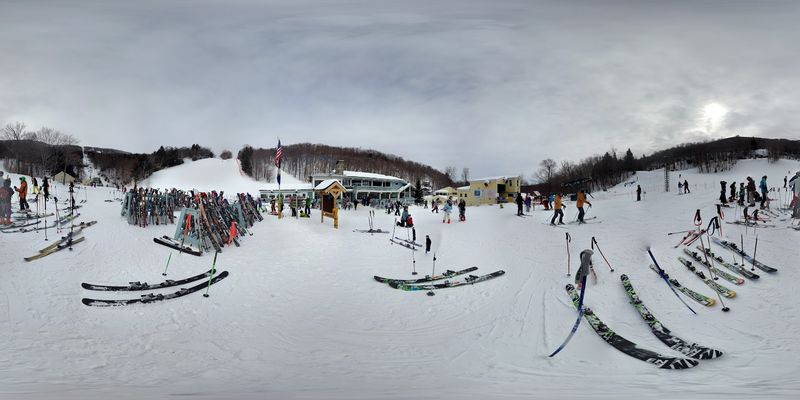
Fayston is the kind of place that skiers discover and never quite forget. It shares the Mad River Valley with Warren and Waitsfield, and it carries a similarly elevated property tax rate.
The mountain lifestyle here is real, and so are the financial obligations that come with it.
The town is largely residential with limited commercial activity. That means the tax burden falls almost entirely on homeowners and second-property owners.
With high-value vacation homes in the mix, assessed values stay elevated across the board.
Vermont’s property tax system links education funding to local property wealth. Fayston’s relatively high values mean its residents contribute generously to that statewide pool.
It is a feature of the system that surprises many newcomers from other states.
The scenery around Fayston is genuinely stunning. Ski runs, hiking trails, and quiet country roads make it a year-round destination for outdoor enthusiasts.
Many buyers accept the tax rate as part of the cost of access to that lifestyle.
If you are comparing Fayston to other Mad River Valley towns, the tax rates are similarly high across the region. Understanding the full cost picture before buying is the smartest move you can make.
Fayston is worth knowing about, financially and scenically.
9. South Hero
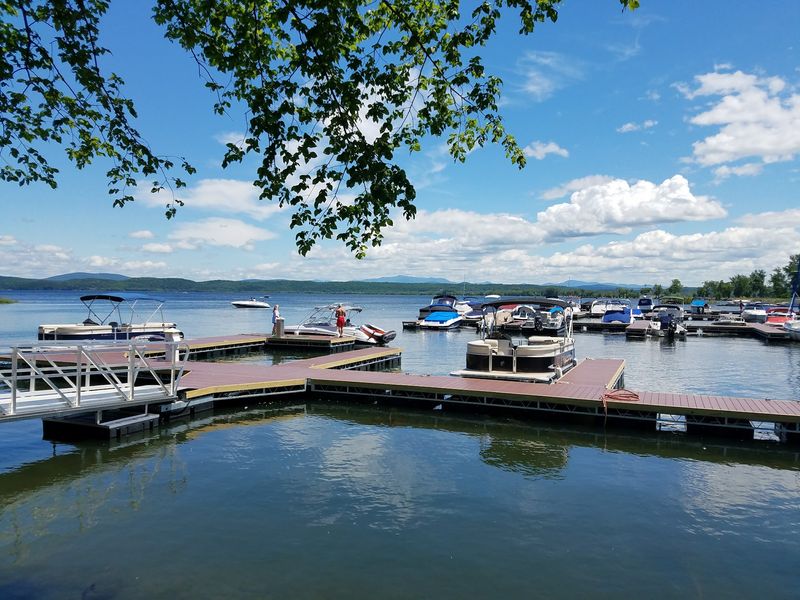
This town sits on Grand Isle in Lake Champlain, and it is one of Vermont’s most unique communities. The island setting gives it a character unlike any other town on this list.
It also gives it a property tax rate that island living tends to demand.
Waterfront and lake-view properties command serious prices here. Those values ripple through the entire town’s assessment rolls.
Even inland properties in South Hero carry elevated values compared to similar homes elsewhere in Vermont.
The town is known for its apple orchards, farm stands, and a relaxed agricultural pace. It attracts buyers from Burlington and beyond who want lake access without the city price tag.
Those buyers have steadily pushed values higher over the past decade.
Education funding requirements apply here just as they do everywhere in Vermont. South Hero’s relatively prosperous property base means its residents contribute at a higher rate per household.
That is simply how the state formula works.
South Hero has a genuine community spirit that is easy to appreciate. Farmers markets, local events, and a strong sense of place make it more than just a tax burden.
For buyers who can afford the full cost of ownership, it is one of Vermont’s most rewarding places to call home.
10. Waterbury
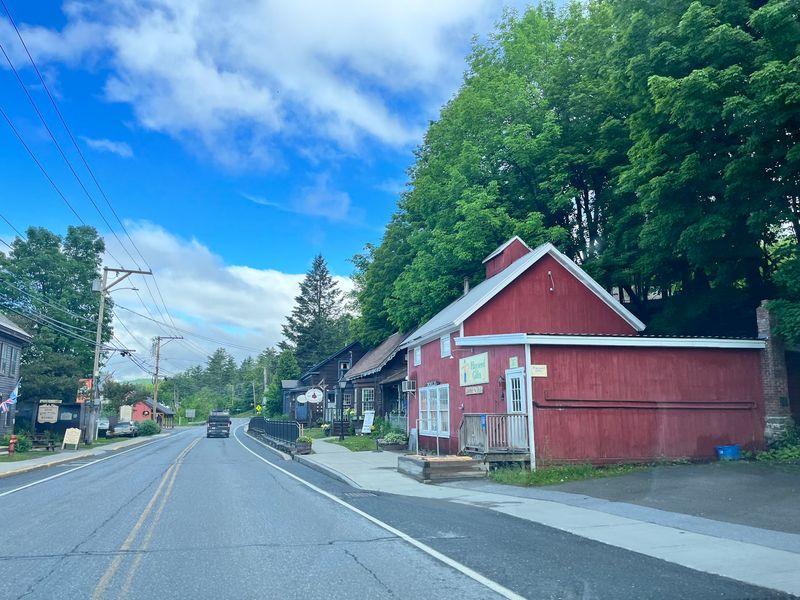
Waterbury has had quite a comeback story over the past decade. After serious flood damage from Tropical Storm Irene in 2011, the town rebuilt and reinvented itself.
Today it is a lively community with craft food businesses, a thriving downtown, and, yes, a high property tax rate.
The revitalization brought investment and rising property values. That is great news for homeowners looking to sell, but it adds to the tax burden for everyone staying put.
Waterbury’s assessed values have climbed steadily as the town’s reputation has grown.
Ben and Jerry’s factory sits just outside the village, drawing visitors year-round. The surrounding area has become a destination for foodies and outdoor enthusiasts alike.
All of that activity has a positive effect on the local economy but also on property values and tax obligations.
Vermont’s education tax system means Waterbury’s growing property wealth translates into higher per-household contributions to school funding. That is a trade-off residents have largely embraced given the quality of local schools.
The investment shows in the community.
Waterbury is one of the more dynamic towns on this list. It has energy, character, and genuine momentum.
If you are considering a move here, understand the tax picture fully and you will likely find it a worthwhile place to put down roots.