Ancient Rock Formations And Pioneer History Meet At This Idaho State Park
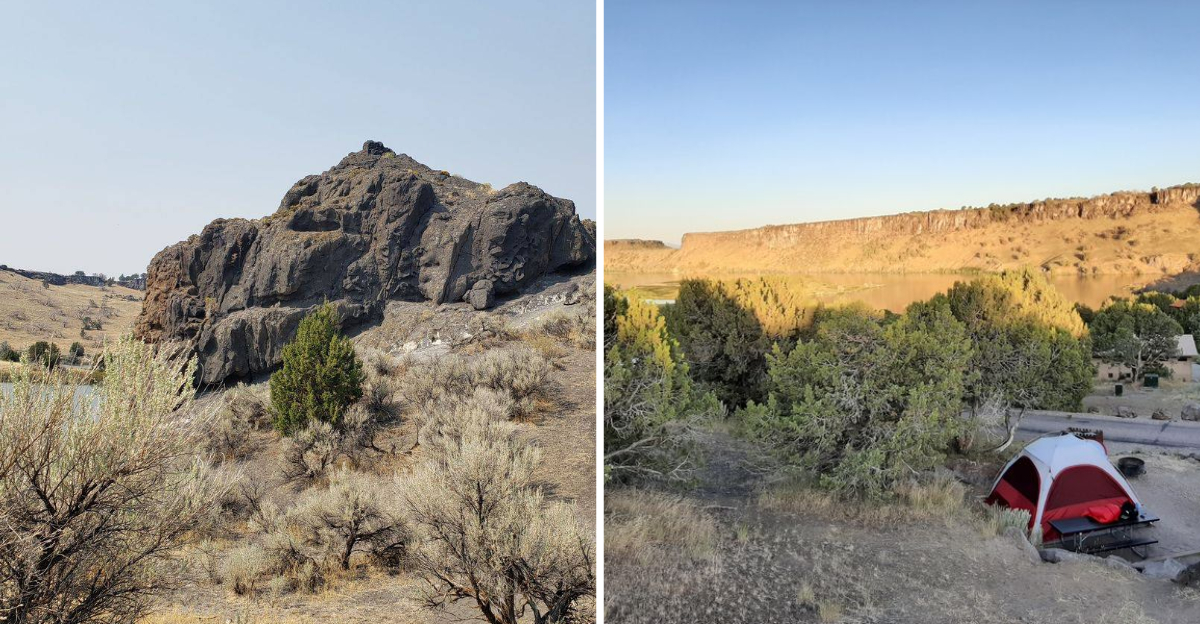
Some parks impress you with scenery. This one tells stories carved into the landscape itself.
Idaho is home to a remarkable place where towering volcanic rock formations rise above a winding river and wagon ruts left by pioneers still remain etched into the earth.
Walk a little farther and you’ll discover centuries-old emigrant signatures, dramatic canyon views, and wildlife quietly going about its day. It feels surprisingly untouched.
Every trail reveals another piece of history, while every overlook reminds you just how wild this landscape has always been.
Nature and the past blend together beautifully here.
Tracing Pioneer Footsteps Along The Oregon Trail
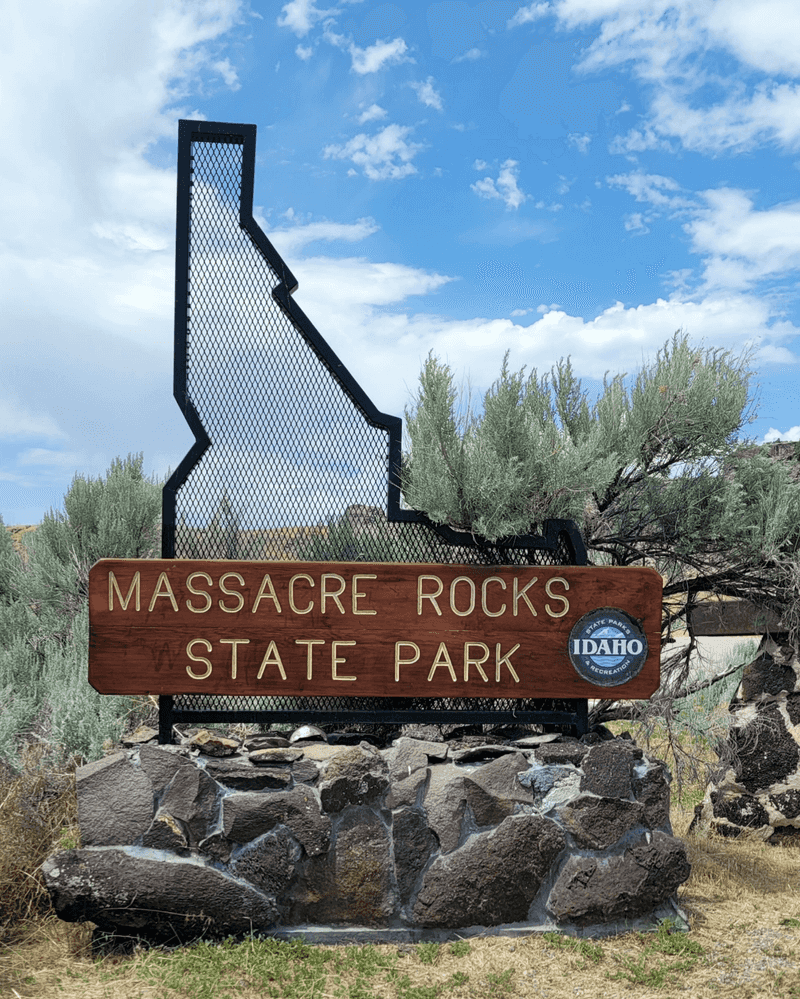
Carved names and dates etched into stone tell a story no textbook can quite replicate.
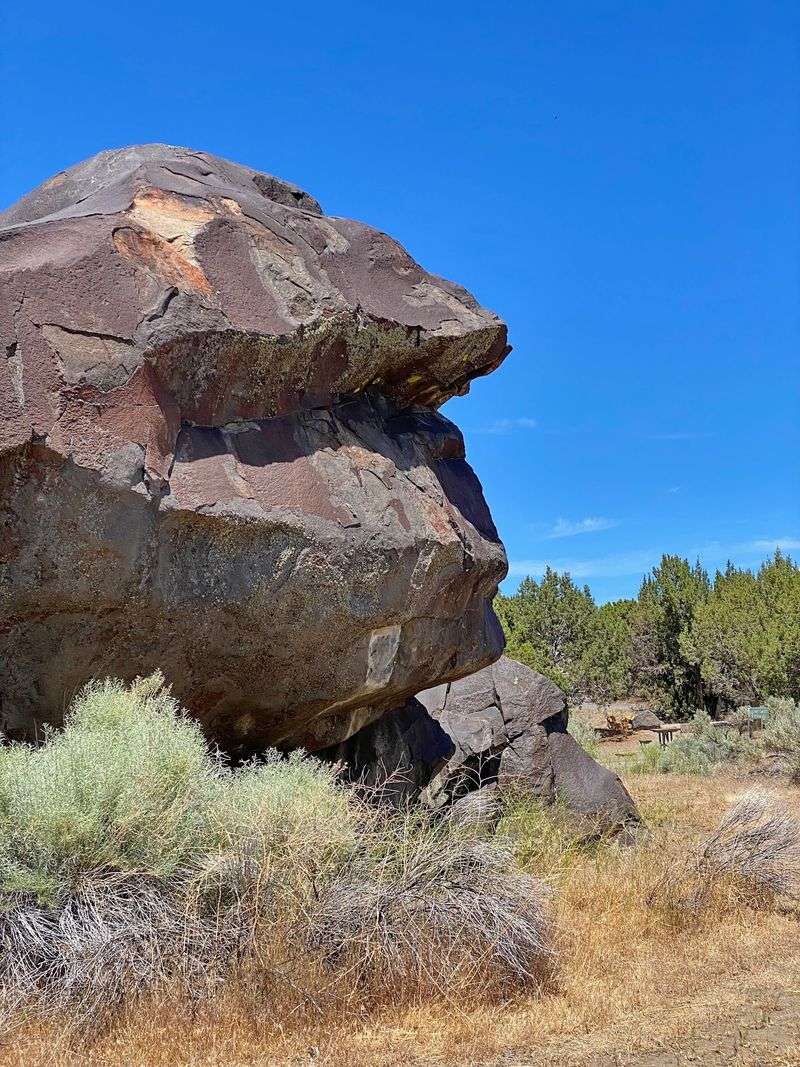
Register Rock, a large protected boulder inside the park, holds the handwritten marks of emigrants who passed through during the mid-1800s on the Oregon and California Trails.
Reaching out and reading those inscriptions feels like shaking hands with history across two centuries.
The narrow passage through the towering rock formations was once called the Gate of Death or Devil’s Gate, names that reveal just how anxious travelers felt navigating this stretch of terrain.
Wagon trains pushed through this corridor, fearing potential ambushes and uncertain ground ahead.
The most significant conflicts between Shoshone people and settlers actually occurred slightly east of the park in August 1862, which is where the park’s name originates.
Today, Interstate 86 follows nearly the same route those wagon trains once traveled, a quiet reminder that this corridor has guided people westward for generations.
The park’s visitor center at 3592 Park Ln, American Falls offers detailed exhibits that bring these emigrant stories to life.
Volcanic Geology Shaped By Catastrophic Floods
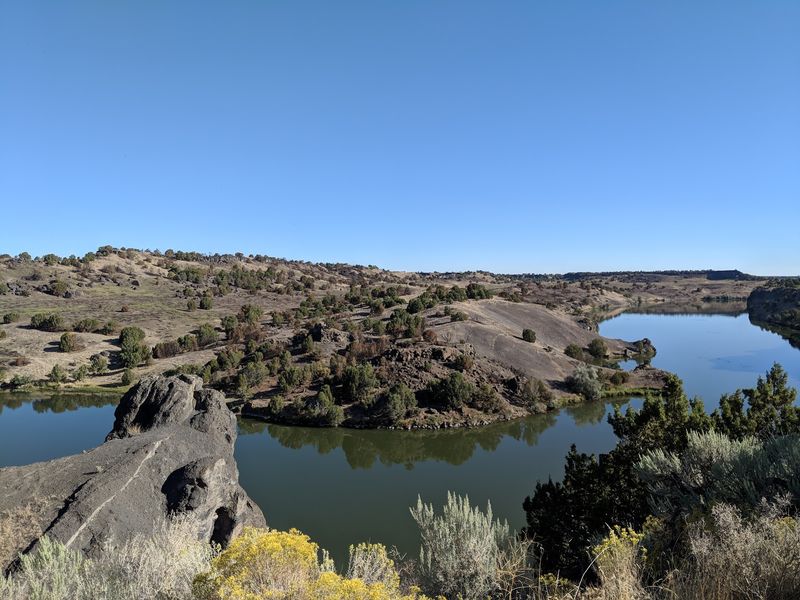
About 14,500 years ago, something almost unimaginable happened here.
Ancient Lake Bonneville breached its natural dam and sent a catastrophic wall of water surging down the Snake River, depositing enormous boulders across the landscape in what geologists consider the second largest flood in recorded geologic history.
The rounded, polished surfaces of those boulders are still visible throughout the park today.
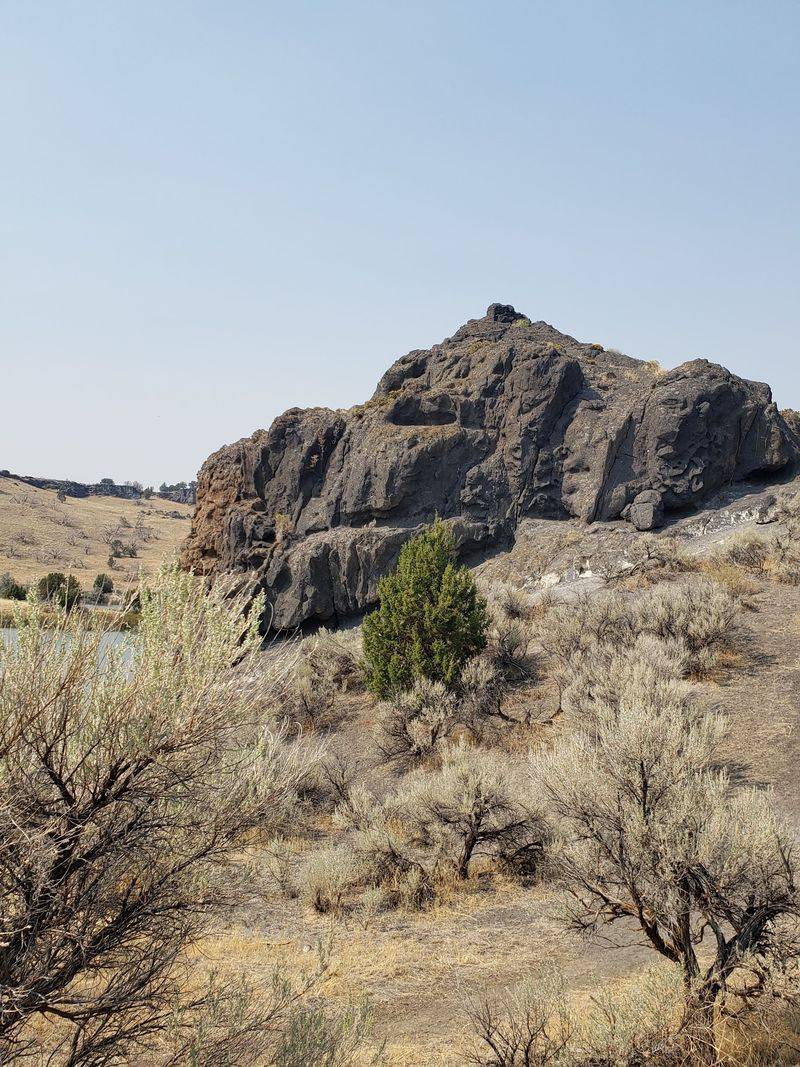
The rock formations themselves are remnants of repeated volcanic activity along the Snake River Plain, part of a volcanic belt stretching more than 400 miles across Idaho.
Devil’s Gate Pass, the narrow channel that once terrified pioneers, is actually all that remains of an ancient extinct volcano.
Across the river, a distinctive notch in the cliff marks where a powerful side channel waterfall once roared during that same catastrophic flood event.
Walking among these formations gives you a real sense of geological time. Each boulder has been smoothed and shaped by forces so massive they are hard to picture standing still in the quiet desert air.
The high desert setting amplifies the drama, with open skies stretching overhead and the Snake River cutting a turquoise path through it all.
Snake River Access And Water Recreation
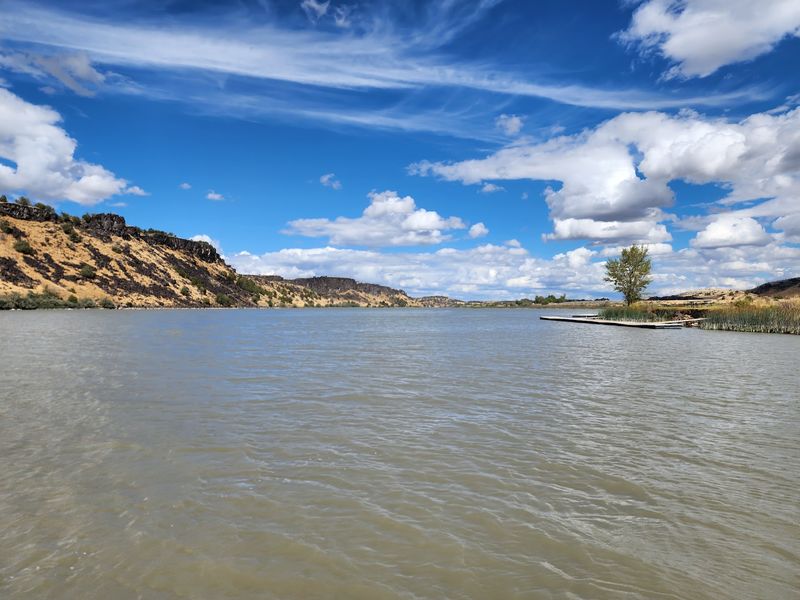
The Snake River does not just frame this park, it defines it.
Roughly four miles of shoreline wind through the property, giving visitors plenty of spots to sit, fish, paddle, or simply watch the water move.
The river’s turquoise color against the dark volcanic rock creates a visual contrast that stops you in your tracks every single time.
Fishing is one of the most popular activities here, and the park makes it easy with floating docks and a boat ramp available for use.
Canoeing, kayaking, and motorboating are all permitted, and if you forgot your fishing rod, the park headquarters will actually lend you one.
Swimming is not recommended due to strong currents and cold water temperatures, but paddling around the shoreline at a relaxed pace is genuinely magical.
Two small islands, Beaver Island and Goat Island, sit just offshore in the middle section of the park, adding a sense of discovery to any water-based outing.
Early morning and late evening are the best times to be on or near the water, when wildlife activity peaks and the light hits the cliffs at the most dramatic angles.
Hiking Trails Through Desert And History
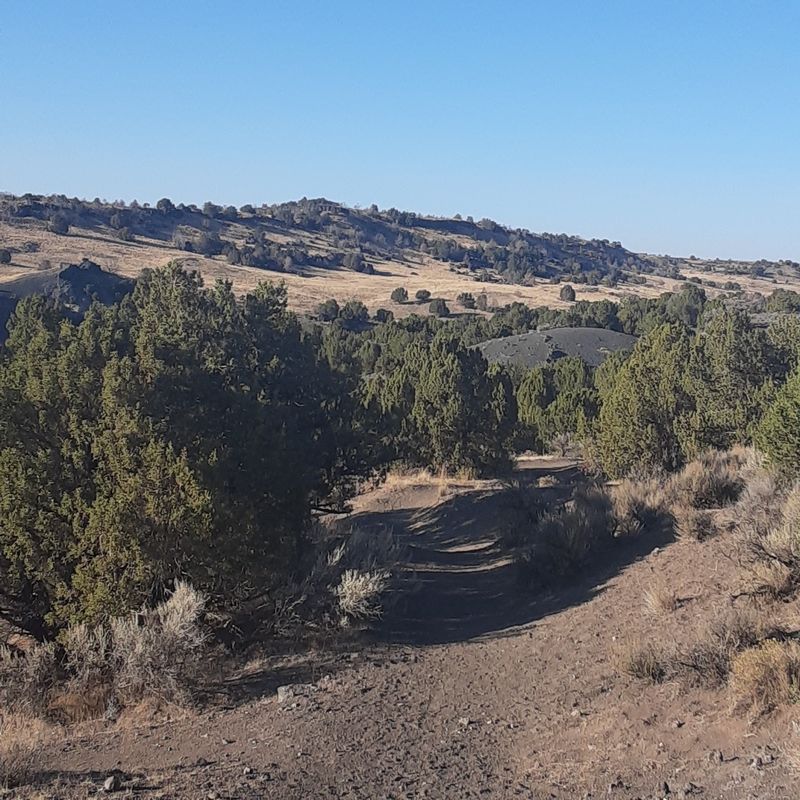
Over 7.5 miles of hiking trails thread through the park, ranging from flat riverside walks to more rugged paths that climb through volcanic terrain.
Interpretive waysides along many of the routes explain the geology and pioneer history you are walking through, turning a casual hike into something much more engaging.
The Snake River Walk is a favorite for its easy terrain and consistently beautiful river views.
One of the most memorable trail experiences involves walking through a tunnel beneath Interstate 86 to reach visible wagon ruts left by pioneer wagons more than 150 years ago.
Those deep grooves in the earth are surprisingly well preserved, and standing beside them puts the scale of westward migration into sharp perspective.
A nature trail and a geology trail both begin near the visitor center, making it easy to choose your adventure based on what interests you most that day.
The juniper woodland sections of the trail network offer welcome shade during warmer months, and the scent of sage after a brief rain shower is something you will not forget quickly.
Wildlife Watching In High Desert Habitat
More than 200 bird species have been recorded at this park, earning it a well-deserved spot on the Idaho Birding Trail.
Bald eagles, great blue herons, white pelicans, Canada geese, and western grebes all frequent the Snake River corridor, especially during migration seasons. Binoculars are not just a nice addition here, they are practically required equipment for a full visit.
The plant life supporting all this wildlife is equally impressive, with scientists having identified over 300 plant species within the park.
Sagebrush, Utah juniper, and rabbit brush dominate the landscape, creating a classic high desert environment that looks almost painterly in certain light.
This rich plant diversity forms the foundation of a surprisingly complex food web in what might initially look like a sparse, rocky landscape.
Mammals are present too, though they tend to stay out of sight during midday heat. Beavers, jackrabbits, cottontails, muskrats, and coyotes all call this park home, and patient observers at dawn or dusk will often spot them near the river’s edge.
Camping Options For Every Style
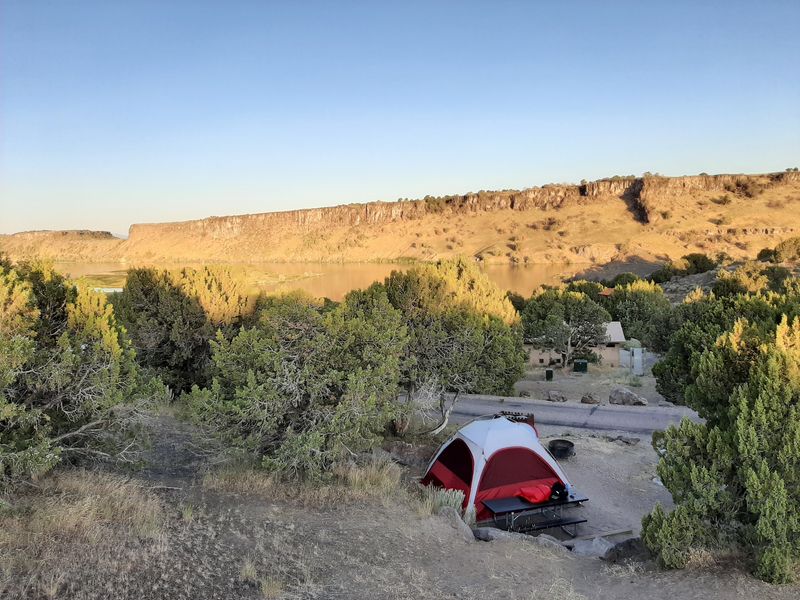
Spending the night here transforms the park experience entirely. The campground offers 42 sites spread across two loops, with full hookups including water and electricity available at every site.
The lower loop is widely recommended for its proximity to the river and its natural buffer from highway noise, making it the go-to choice for campers who want the full scenic experience without distraction.
Rentable cabins named after local wildlife and plants, like Cottontail and Juniper, offer a comfortable alternative to tent camping.
Each cabin sleeps up to five guests and comes equipped with bunk beds, a futon, a small refrigerator, a table, chairs, and a heater and cooler unit.
Bringing your own bedding is necessary, but the setup is otherwise quite comfortable for a rustic overnight stay in the Idaho desert.
The campground sits within a juniper woodland that provides natural shade and privacy between sites. Hot showers and clean restroom facilities are available throughout the park, which is a genuine luxury in a remote high desert setting.
Stargazing from the lower loop on a clear night is extraordinary, with minimal light pollution and wide open skies overhead.
World-Class Disc Golf In The Desert
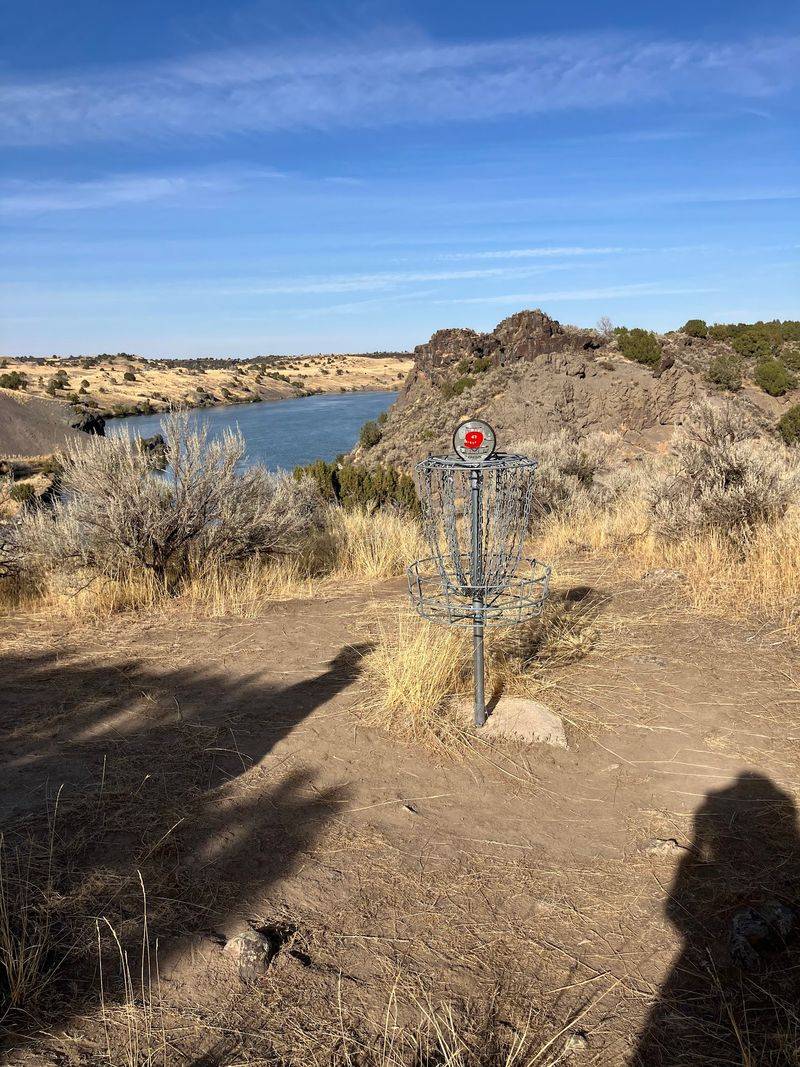
Few people expect to find a challenging disc golf course tucked into a high desert state park, but that is exactly what awaits at Massacre Rocks State Park.
The full 18-hole course is widely regarded as one of the most demanding in all of Idaho, and experienced players will quickly understand why once they see the layout.
Narrow fairways, dramatic elevation changes, and throws over deep ravines make every round genuinely thrilling.
The course winds through juniper and sagebrush terrain, using the natural landscape as both obstacle and backdrop.
Each hole presents a different challenge, and the volcanic rock formations that frame many of the targets add a visual drama that most disc golf courses simply cannot match.
A shorter course near the visitor center offers a more relaxed option for beginners or families looking for a fun introduction to the sport.
Discs are available for purchase at the visitor center, so forgetting your own is not a trip-ending problem. Playing a round here after a morning hike or a riverside paddle makes for a perfectly balanced day of outdoor activity.
Planning Your Visit
Late spring is the sweet spot for visiting this corner of Idaho, with daytime temperatures typically landing between 55 and 75 degrees Fahrenheit.
Wildflowers are blooming, migratory birds are active, and the park is not yet crowded with summer visitors.
Summer visits are absolutely doable, but packing extra water and sun protection is non-negotiable when temperatures climb across the exposed high desert terrain.
The park is open year-round and accessible via Interstate 86, with clear signage directing you toward the entrance. A vehicle entry fee applies for day visitors, and Idaho residents pay a reduced rate.
Camping and cabin reservations are strongly recommended during peak season and can be made online or by phone.
The visitor center is a worthwhile first stop, with exhibits covering the park’s geology and pioneer history, plus staff who are genuinely enthusiastic about helping you get the most from your time there.
Picnic areas are scattered throughout the grounds, with the area near Register Rock being particularly scenic and historically interesting. Pets are welcome in most areas of the park, though some restrictions apply near certain facilities.