Locals Say These Are The Coolest Places In Idaho Right Now
July has a funny way of making every cool breeze feel like a personal favor.
That is when Idaho starts showing off the places people talk about like summer secrets.
The best escapes here do not just lower the temperature. They change the whole day.
A hot afternoon can turn into a drive with better air, bigger views, and that rare feeling of relief arriving before the destination does.
Locals know which places actually feel worth leaving the house for when the heat gets bossy.
Not every pretty stop earns that kind of loyalty.
The good ones make people pause, breathe easier, and wonder why they waited so long to go.
When summer starts acting too confident, the Gem State has cooler corners ready to humble it.
1. McCall
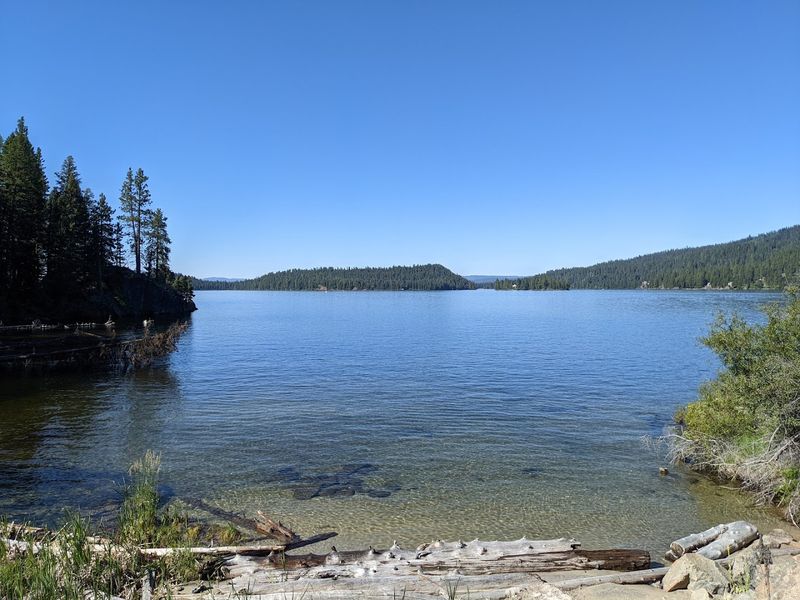
Payette Lake does most of the convincing before anyone even finds a parking spot. Sitting around 5,000 feet in the mountains, this glacial lake gives summer visitors cold water, pine shade, and a town built for easy wandering between swims.
Ponderosa State Park adds forested trails, lake overlooks, picnic space, and quiet places where the breeze feels like it was personally assigned to fix your attitude.
Swimming, paddleboarding, kayaking, boating, and beach lounging all fit naturally into a July day here, while local shops and restaurants keep the outing from feeling too remote.
That balance is the reason locals keep McCall in their summer rotation. You can chase a lake day without giving up coffee, lunch, rentals, or a real bathroom when someone suddenly needs one.
Weekends get busy, especially near popular beach areas, so an early start helps with parking and space. Still, the whole place makes cooling off feel almost effortless.
One minute the valley heat is winning. A few hours later, cold lake water and mountain air have completely changed the scoreboard.
2. Stanley
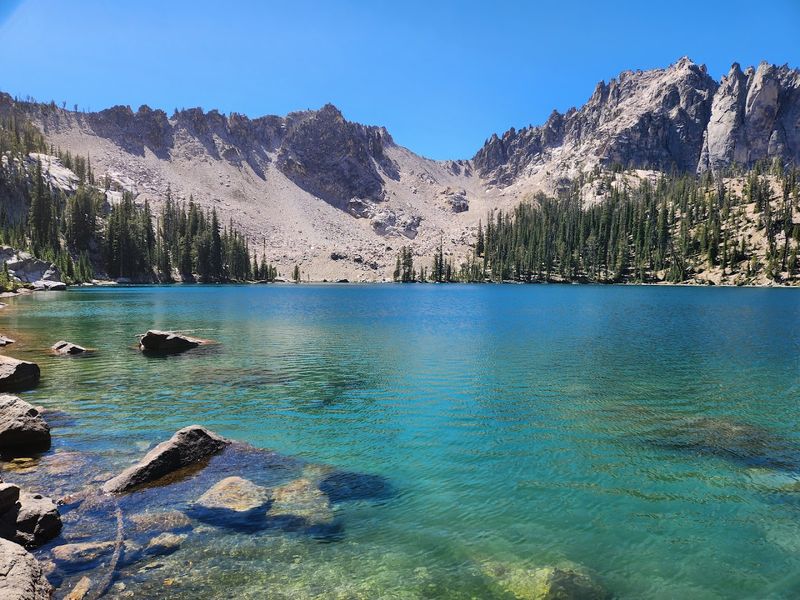
Sharp peaks and cold mornings give this tiny town a summer advantage that feels almost unfair.
The Sawtooth Mountains rise behind it with enough drama to make visitors forget whatever they were complaining about earlier, and the high elevation keeps the air noticeably fresher than Idaho’s hotter valleys.
Outdoor options stack up quickly here: rafting, fishing, hiking, backpacking, scenic drives, nearby hot springs, and lake trips into the Sawtooth National Recreation Area.
Redfish Lake sits close enough to become part of almost any visit, while the Salmon River brings movement, sound, and that unmistakable high-country energy.
The town itself stays small, which is part of the appeal. A handful of restaurants, outfitters, and gathering spots are enough when the landscape is doing this much heavy lifting.
July days can be bright and warm, but evenings cool down beautifully, making campfires, stargazing, and slow dinners feel extra satisfying. Locals love Stanley because it does not try to turn wilderness into a performance.
It simply sits beneath the Sawtooths and lets the mountains make the argument.
3. Redfish Lake
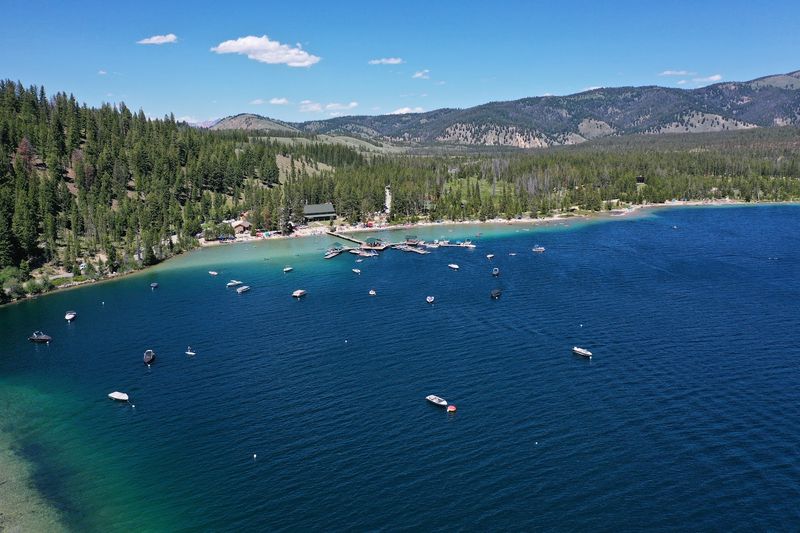
Cold, clear water below jagged peaks is a hard summer formula to beat.
This Sawtooth National Recreation Area favorite draws locals for swimming, paddling, boating, fishing, beach time, and those ridiculous mountain reflections that make every phone camera feel underqualified.
The lake sits near Stanley, which means visitors can pair a beach day with high-country restaurants, trailheads, scenic drives, or a longer Sawtooth adventure.
Sandy shoreline areas make it easy to settle in for a few hours, while the lodge area offers rentals and supplies that help turn a quick stop into a full outing.
Hikers can use the area as a launch point for deeper trails, but nobody needs a backpacking plan to appreciate the view. A towel, water bottle, snacks, and a willingness to get into chilly lake water are enough.
July weekends fill quickly, so early arrival is the difference between relaxed and mildly chaotic. The whole scene feels classic Idaho in the best way: blue water, granite peaks, pine forest, cool air, and enough beauty to make leaving feel rude.
4. Sun Valley
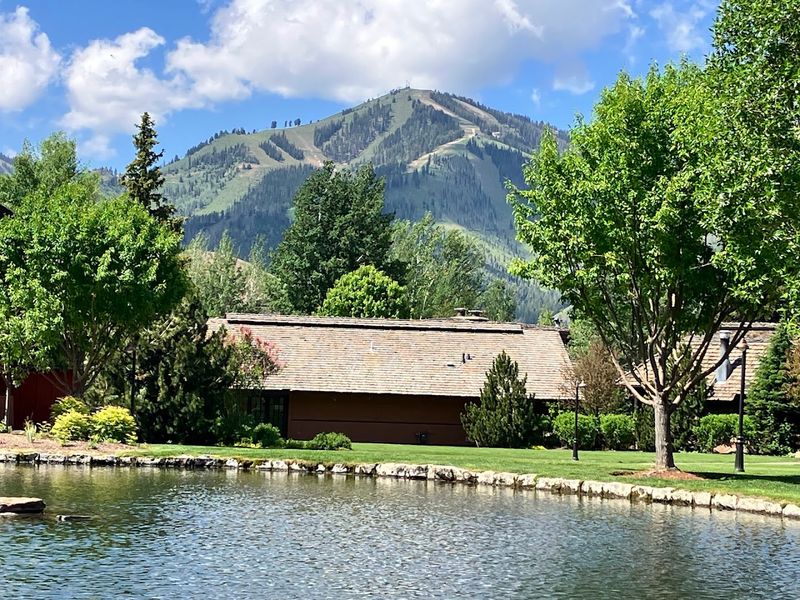
Resort polish meets mountain relief here in a way that still feels surprisingly natural. Summer turns the area into a playground of hiking, biking, fly fishing, rafting access, scenic lifts, golf, concerts, patios, and evening air that behaves much better than the heat down below.
Trails range from casual walks to serious mountain routes, giving visitors plenty of ways to earn dinner without needing to suffer dramatically for it.
The cultural calendar adds another layer, with music, arts events, and outdoor performances keeping the town lively after the daytime adventure crowd comes back dusty and hungry.
This is not Idaho’s cheapest summer escape, and it does not pretend otherwise. The appeal is the combination of scenery, comfort, activity, and style.
You can spend the morning on a trail, cool off at higher elevation, eat somewhere with a view, then end the night with music or a slow patio dinner. Locals and regulars return because the place makes summer feel active without feeling rough around the edges.
Sun Valley stays cool by making mountain life look polished but still believable.
5. Ketchum
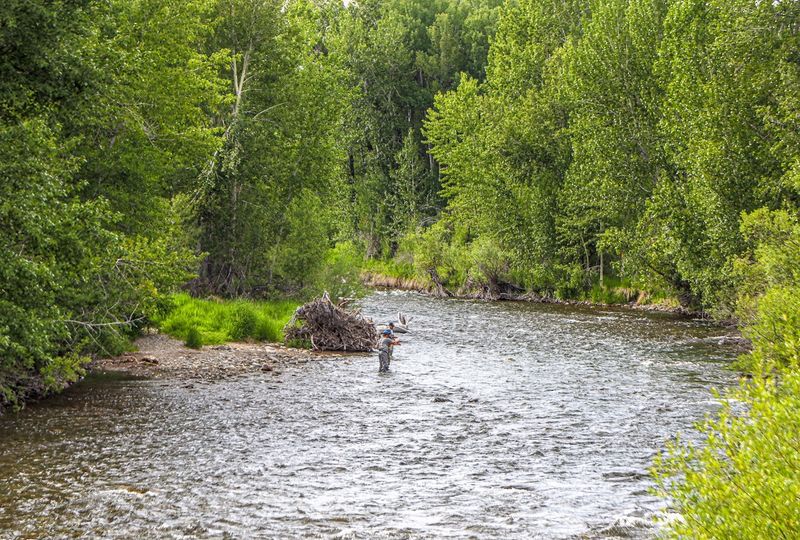
Walkable streets give this mountain town its own kind of pull. Just beyond Sun Valley’s resort energy, Ketchum brings independent restaurants, galleries, bakeries, outfitters, bars, and trail access into a downtown that feels compact but full of personality.
A July morning can start with coffee, turn into a hike or bike ride, drift through shops, and end with dinner while cooler air slides down from the surrounding hills.
That easy connection between town life and outdoor access is what makes Ketchum feel so useful in summer.
Visitors do not have to choose between culture and scenery because both are right there. Art galleries and local events add texture, while the Wood River Valley offers trails, river corridors, mountain views, and quick routes toward higher-elevation relief when the afternoon gets warm.
Anyone who treats Ketchum as only a Sun Valley side stop misses the quieter details: the patios, side streets, local businesses, and casual conversations that make the town feel personal. Its coolness comes from confidence rather than flash.
Good food, mountain air, art, and walkability do the job without needing a hard sell.
6. Priest Lake
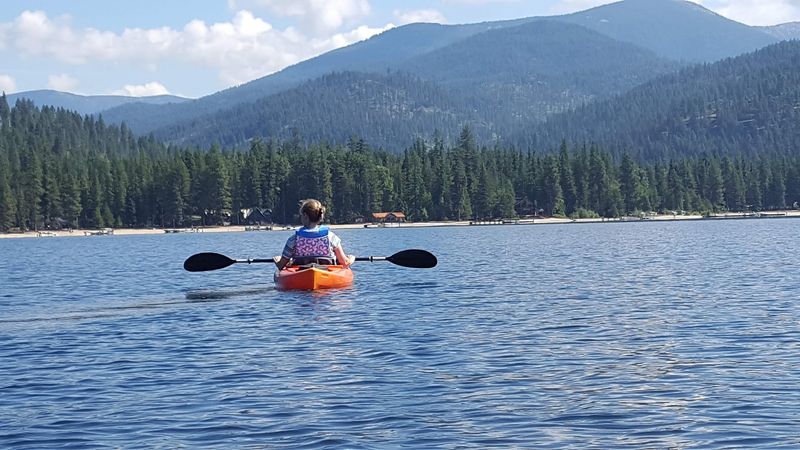
Northern Idaho slows down beautifully along this deep, forested water.
Beneath the Selkirk Mountains, Priest Lake stretches for miles with cold water, shady shoreline, campgrounds, cabins, boat ramps, docks, and beaches that make summer feel calmer almost immediately.
The lake is long, deep, and scenic enough to give boaters, paddlers, swimmers, anglers, and quiet floaters plenty of room to find their version of a good day. Forests surrounding the shore add that shaded, unplugged feeling locals crave when busier lake towns start getting loud.
The Thorofare toward Upper Priest Lake gives paddlers and boaters an even wilder-feeling route, while the state park units provide practical access for camping, picnicking, hiking, and water time.
July still brings crowds at popular beaches and campgrounds, so planning ahead matters, especially for overnight stays.
Even with other people around, the lake has a way of feeling spacious. That is its best trick.
Priest Lake does not need flashy attractions or constant entertainment. Cold water, mountain views, tall trees, and enough silence between boat motors make it feel like a real reset.
7. Lake Coeur d’Alene
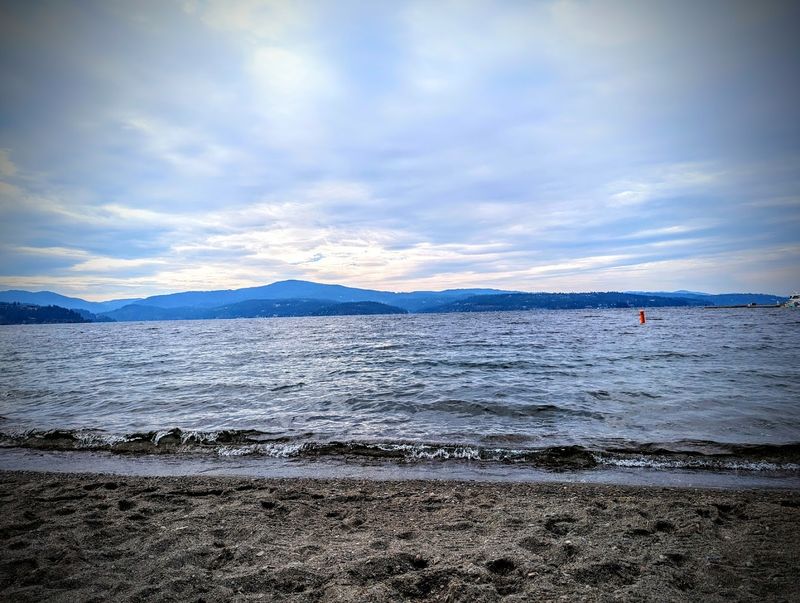
Big water and an easy downtown make this one of Idaho’s most convenient summer escapes. Visitors can swim, paddle, boat, cruise, rent gear, stroll the shoreline, eat near the lake, shop downtown, or simply sit somewhere with a view and pretend that counts as a full plan.
The forested hills rising around the water give the lake plenty of visual drama, while Coeur d’Alene’s walkable center keeps the experience simple for families, couples, and first-time visitors.
City Beach and nearby shoreline areas get lively during hot weekends, but the lake’s size gives people options with a little planning.
Boat launches, marinas, cruises, and rental choices make it easy to turn a standard afternoon into a bigger outing. The coolest thing here is the balance.
This lake can feel polished, outdoorsy, social, scenic, or relaxed depending on how you use it. You can build the day around swimming and snacks, or you can make it about a boat ride and dinner with a view.
Either version works. Lake Coeur d’Alene keeps showing up on local summer lists because it is beautiful without being difficult.
8. Blue Heart Springs
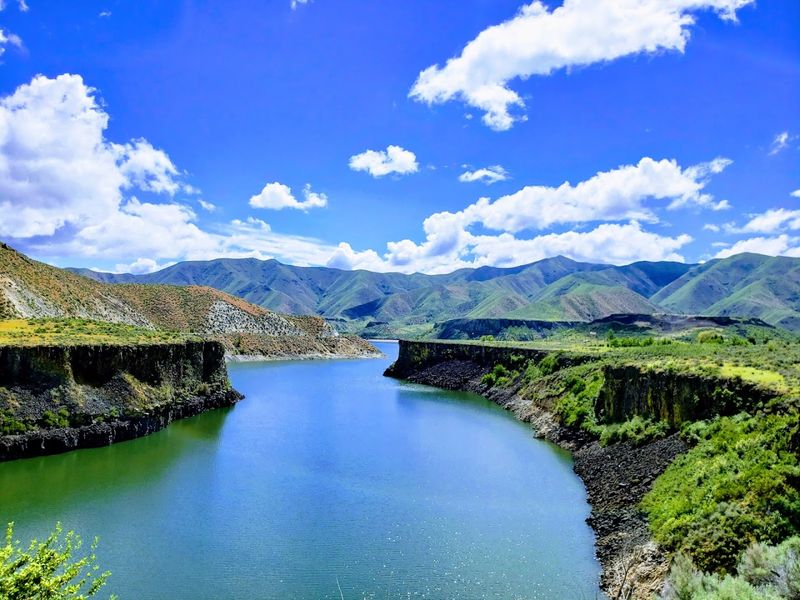
Electric-blue water hidden inside a basalt canyon feels like Idaho decided to show off secretly. Reaching this spring-fed cove usually requires a kayak, paddleboard, canoe, or other watercraft, which keeps the reveal from feeling too easy.
Many visitors launch near Banbury and paddle along the Snake River toward the narrow passage that leads into the glowing spring water.
The route is part of the experience, with canyon walls, clear water, and quiet stretches that build anticipation before the color suddenly turns unreal.
The spring itself stays cold and strikingly clear, making it a dream for paddlers who want a summer cool-down that feels more adventurous than a standard beach day. Early mornings are best for calmer water, softer light, and fewer people crowding the cove.
Respect matters here because the beauty is fragile. Visitors should pack out everything, avoid damaging the area, and treat the spring like a natural treasure instead of a party spot.
The reward is one of southern Idaho’s most memorable sights: blue water so bright it almost looks edited before the photo is even taken.
9. Ritter Island
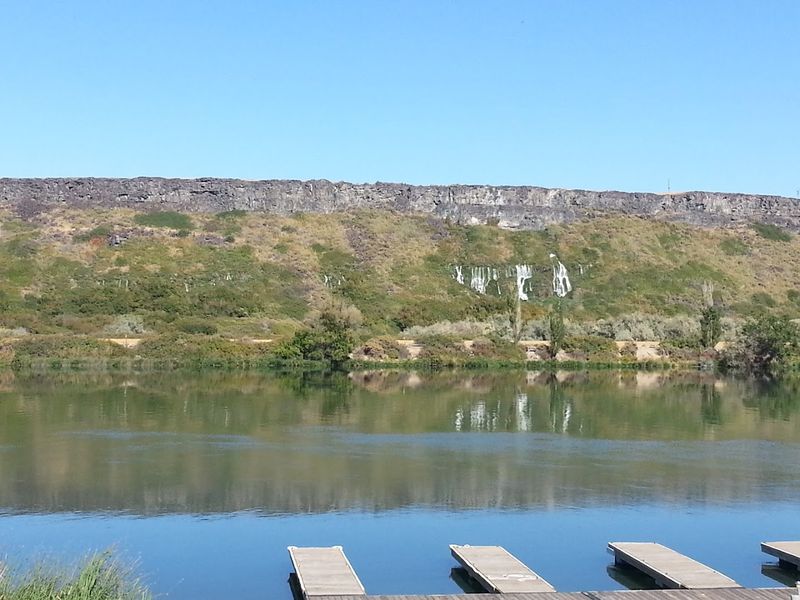
Spring-fed water and quiet paths make this Thousand Springs spot feel like a deep breath. Based near Wendell, Ritter Island gives visitors river views, historic buildings, birdwatching, picnic areas, walking routes, and a softer pace than some of southern Idaho’s louder canyon attractions.
The scenery comes from the surrounding Snake River landscape, where clear spring water moves through basalt country and turns the area unexpectedly green.
Families can stroll without committing to a difficult hike, photographers can chase reflections and old farm details, and anyone tired of July heat can find shade and water nearby.
The historic dairy-farm setting adds texture, giving the island a sense of place beyond pretty scenery. This is not the stop for someone looking for a giant adrenaline rush.
It is the place for a slow picnic, a quiet walk, and a few hours of letting the sound of water do most of the work. Nearby Thousand Springs units can add more adventure if the day needs it, but Ritter Island holds up on its own.
Its coolest quality is restraint. It does not shout for attention, and that is exactly why it feels so refreshing.
10. Box Canyon Springs Preserve
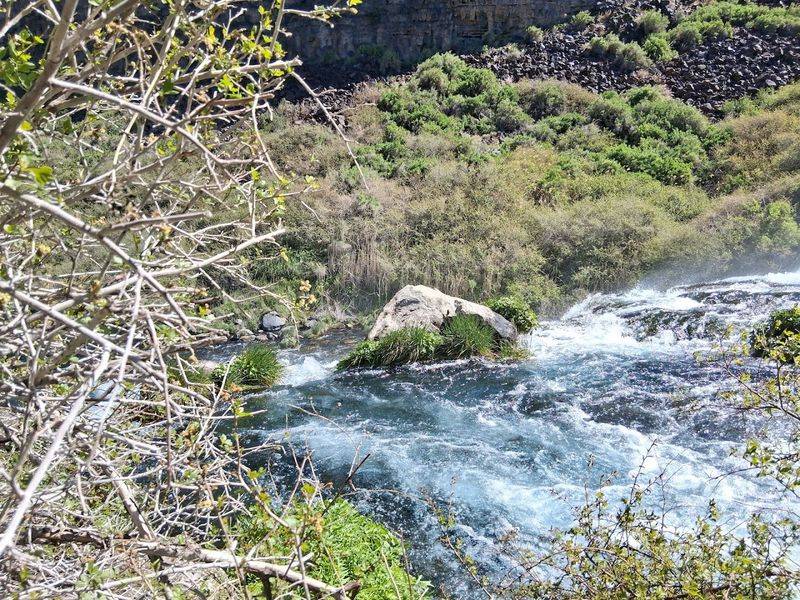
Cold spring water gives this canyon its whole personality. Part of Thousand Springs State Park near Wendell, Earl M.
Hardy Box Canyon Springs Nature Preserve is known for clear blue water, steep basalt walls, wildlife, and one of the largest springs in North America.
The views from the rim are impressive, but the route closer to the water can be rugged, steep, hot, slippery, or challenging depending on conditions.
This is not the place for flimsy sandals and wishful thinking. Sturdy shoes, sun protection, water, and realistic pacing matter.
The payoff is a raw southern Idaho scene where spring water cuts through volcanic terrain and makes the canyon feel cooler, wilder, and more powerful than expected.
Visitors who prepare properly get a much richer experience than those who treat it like a quick roadside stop.
The preserve rewards effort without needing a long expedition, and that is part of its appeal. You can look down into a stunning blue canyon, feel the force of spring-fed water, and still be back in the car the same day.
Box Canyon stays cool because it feels untamed enough to make people pay attention.
11. Mesa Falls
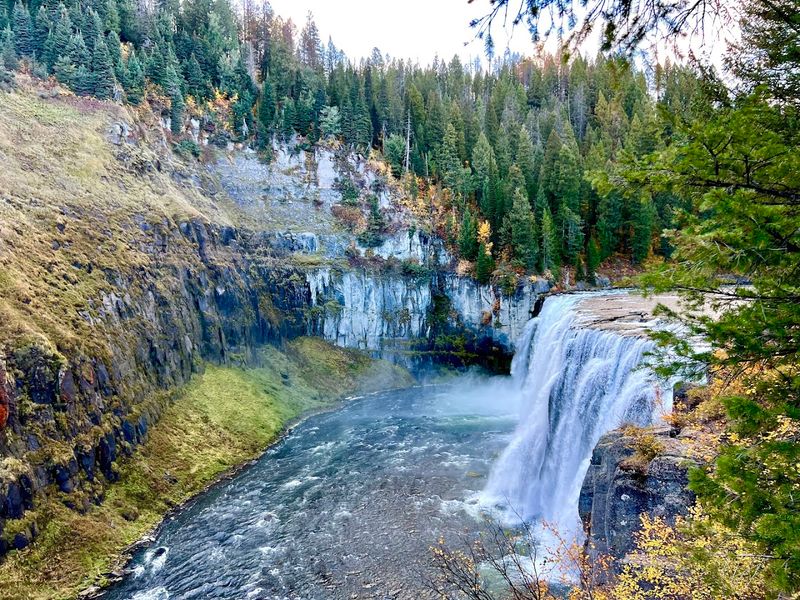
Waterfall mist solves a lot of July problems fast. Upper Mesa Falls sits along the Mesa Falls Scenic Byway near Ashton, where the Henrys Fork drops about 114 feet in a broad, thundering curtain surrounded by forest.
A short boardwalk leads to viewing platforms, so the payoff is huge without requiring a long hike. That accessibility makes the falls popular, but it also makes them one of eastern Idaho’s easiest answers to summer heat.
The roar fills the air before the full view even appears, and the spray drifting through the trees gives the area an instant cooling effect.
The historic Big Falls Inn serves as a visitor center when open, adding context about the forest, geology, and surrounding landscape.
Lower Mesa Falls is nearby too, making the scenic byway feel like a fuller outing rather than one quick stop. Mornings usually bring softer light and fewer crowds, while midday delivers maximum sparkle and plenty of visitors doing the same smart thing you are.
Mesa Falls earns its place because it feels dramatic, refreshing, and surprisingly easy to reach. Stand near the overlook long enough, and the whole day feels less hot.
12. Idaho’s Mammoth Cave
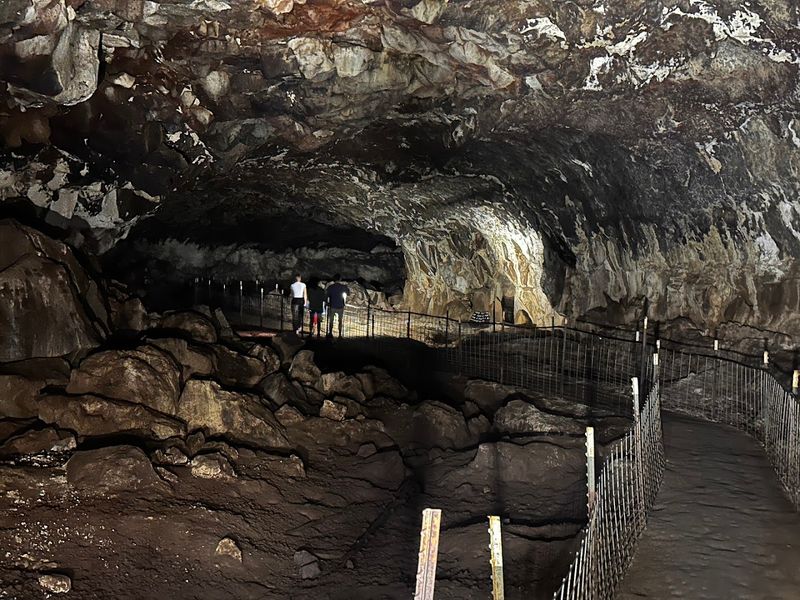
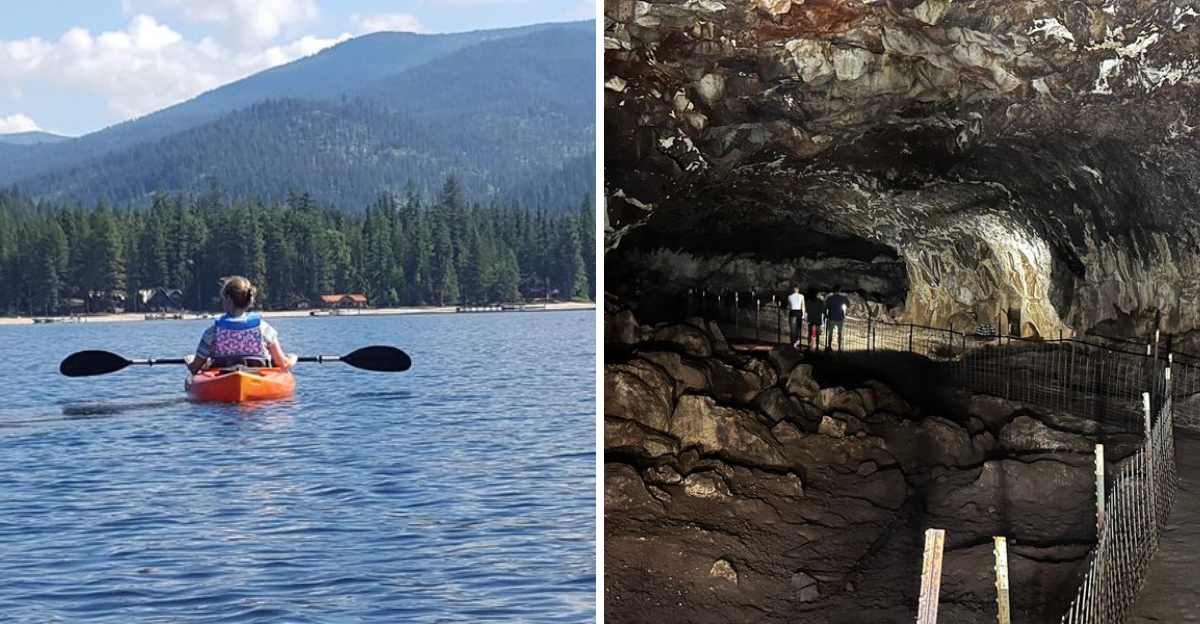
Underground shade hits differently after a hot drive through southern Idaho. Near Shoshone, Idaho’s Mammoth Cave offers a self-guided lava tube experience that trades open sky for darkness, volcanic rock, and a sudden temperature shift that feels like natural air conditioning.
The cave formed from ancient lava flows, leaving behind a passage visitors can walk through while getting a closer look at the region’s volcanic past.
A museum on-site adds more context, making the stop part roadside attraction, part geology lesson, and part summer survival strategy.
Most cave visits do not take all day, which makes this an easy addition to a southern Idaho route with other nearby stops. A light jacket can be useful because the contrast between surface heat and underground cool can catch people off guard.
Good shoes matter too, since cave floors are not the place for careless footwear decisions. This is not the same kind of cool as an alpine lake or waterfall overlook.
It is stranger, darker, and more unexpected. Idaho’s Mammoth Cave works because it lets visitors escape the heat by stepping into the state’s volcanic history.