This Enormous California Seafood Buffet Features Over 100 Items And Is Worth A Cross-State Road Trip
Do not make the rookie mistake of filling your first plate too quickly. Take a lap.
Check the seafood. Inspect the hot dishes. Make mental notes about what deserves round one and what needs to wait until you have a better strategy.
With more than 100 choices in play, enthusiasm can become a serious logistical problem.
This California buffet gives seafood fans the kind of stop that can justify a very long drive when variety is the whole point.
Start with the things you cannot get everywhere. Save room for the dishes that keep disappearing fastest.
If someone at your table finds something better than what you picked, absolutely steal a bite and adjust the next plate accordingly.
The fun is not just eating a lot. It is building the perfect combination without reaching dessert already defeated.
Come hungry and accept one important truth: you are probably going back for “just one more plate” at least twice.
More Than 100 Items Fill The Buffet
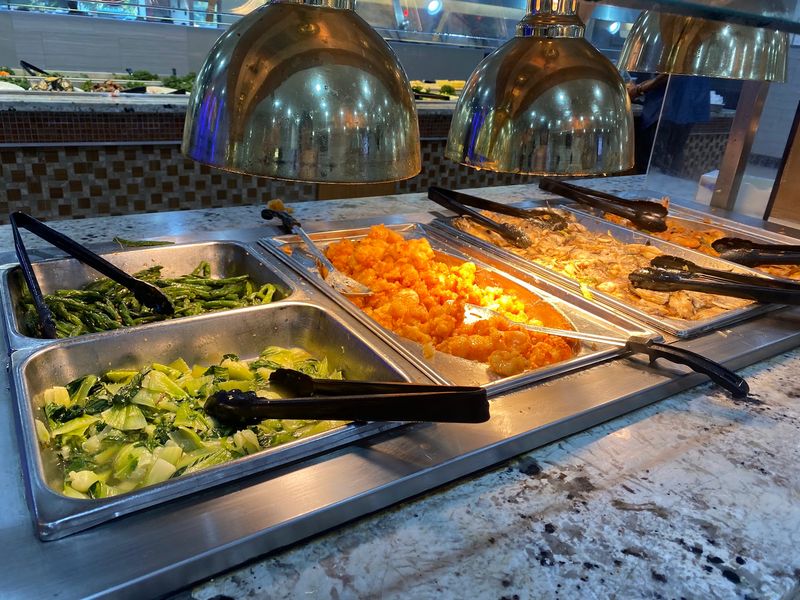
Few things get buffet fans more curious than a promise of real variety, and Ichiban Buffet builds much of its appeal around that idea.
The restaurant promotes more than 100 items, which is a large number for one meal and a useful clue about the overall scale of the place.
Diners who like to sample small portions from many stations may find that a single trip past the counters barely covers the options.
A big spread also helps lower the usual buffet problem of everyone fighting over the same few dishes.
Some guests can head for seafood first, while others start with soup, salad, sushi, or hot entrees.
That mix makes the experience feel less narrow and more flexible, especially for mixed groups with different tastes and comfort levels around seafood.
Smart planning helps here. Taking a first walk around the room before filling a plate can save space for harder to find items and prevent the common mistake of loading up too early on rice or fried food.
Since choices can rotate and timing can affect what is out, slower and more careful pacing often leads to a better meal than rushing straight to the first tray in sight.
Snow Crab Legs Get Plenty Of Attention
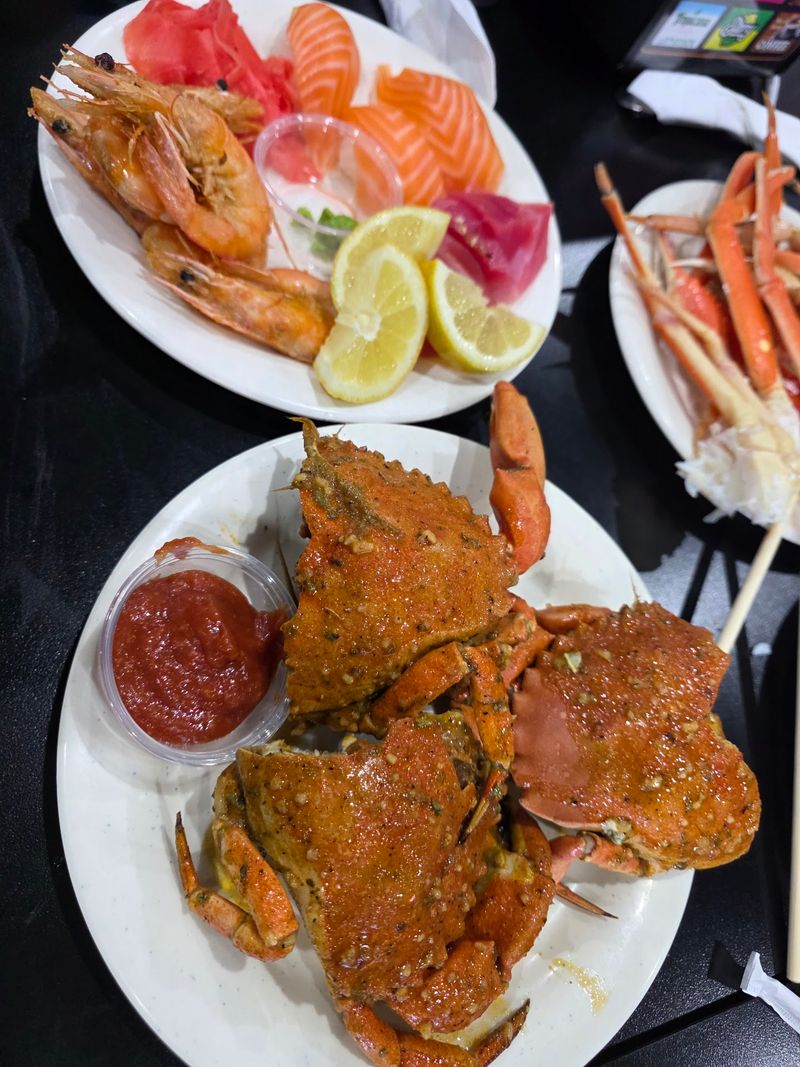
Snow crab legs often become the headline item at a seafood buffet, and that seems true here as well.
Among the many choices at Ichiban Buffet, crab legs are one of the most talked about offerings and a major reason some diners choose dinner or a weekend visit instead of a quieter lunch.
Their presence gives the buffet a stronger special occasion feel.
Crab legs also change how people move through a buffet. Instead of treating the meal like a quick lunch stop, guests often slow down, crack shells carefully, and spend more time at the table.
That slower pace can make the whole visit feel more relaxed, especially when the goal is to enjoy a few premium bites instead of rushing through many average ones.
Practical timing matters with crab. Dinner and weekend periods tend to be the moments when crab gets the most attention, so arriving too late can mean joining a busier crowd around the trays.
Going in with patience helps. A small plate, a clean spot at the table for shells, and a willingness to wait for the next refill can make the experience smoother than hovering around the station and feeling rushed.
Live Crab Adds Another Seafood Option
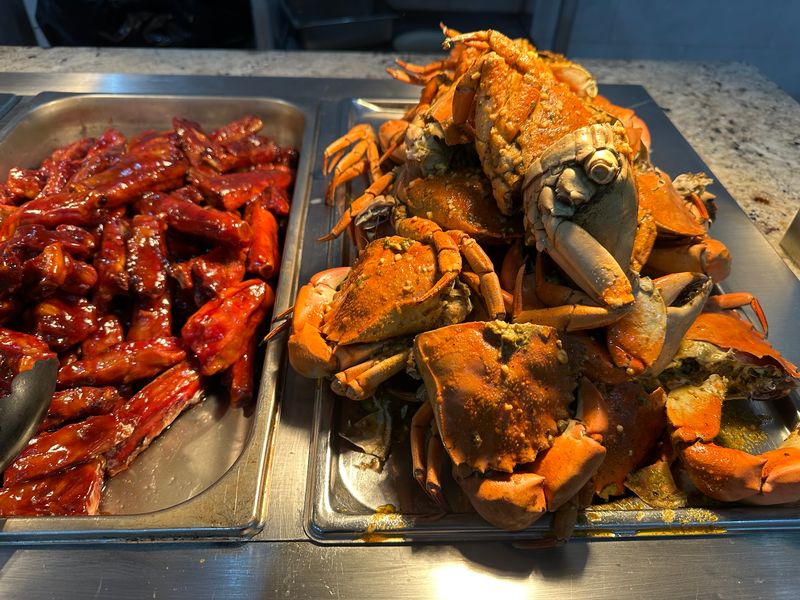
Some buffets lean on a few familiar seafood basics, but Ichiban Buffet stands out by also highlighting steamed live crab.
That extra option helps separate it from smaller everyday buffets that stick to safer and cheaper picks. For diners who want more than fried shrimp or a small sushi corner, live crab adds another layer of interest.
Whole crab changes the feel of the meal because it asks for time and attention.
Eating it is more hands on than grabbing a spoonful of noodles, and that simple difference can make the buffet feel more like a destination meal than a casual stop between errands.
It also gives seafood fans a reason to look beyond the usual crowd favorites and try something that feels more substantial.
A little table strategy goes a long way here. Keeping napkins close and leaving plate space for shells helps avoid clutter, especially when the table already has other dishes on it.
Guests who are new to whole crab may want to start with a modest amount first, then return if it fits their taste and effort level.
That approach saves room for the rest of the buffet and keeps the meal balanced instead of overly heavy.
Cajun Seafood Brings A Richer Flavor
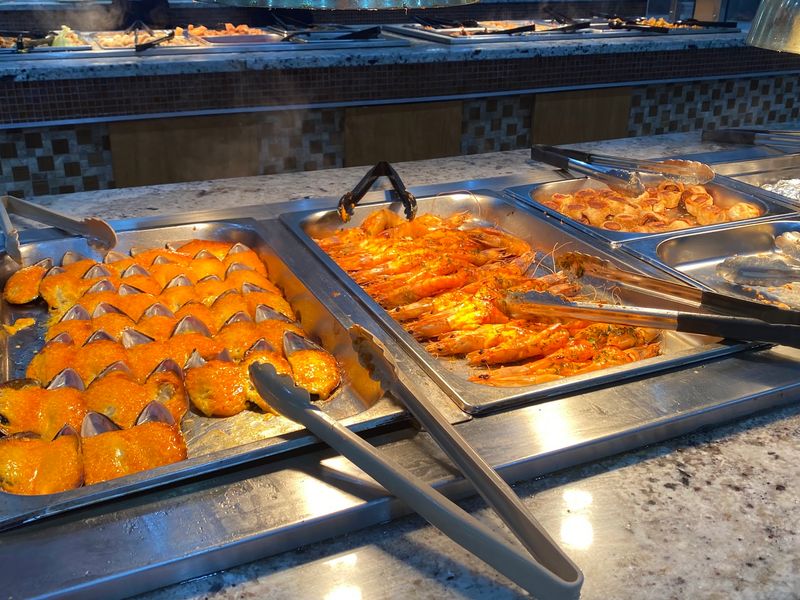
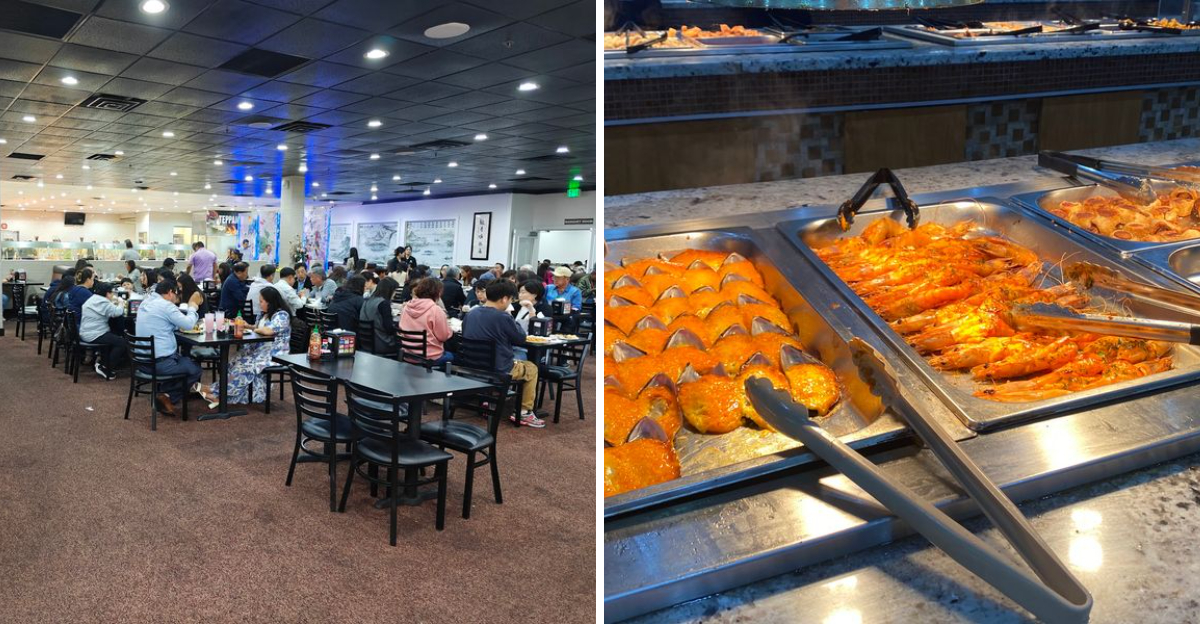
Not every seafood plate needs to be plain and simple, and the Cajun style offerings at Ichiban Buffet add a bolder turn to the meal.
Rich seasoning gives diners another path if steamed items feel too mild or if cold seafood is not what they want that day. A section like this can break up the buffet nicely by adding spice, color, and stronger aroma.
That richer flavor also helps create balance across a large spread. After a few neutral dishes, seasoned seafood can wake up the plate and keep the meal from blending into one long line of similar textures.
Diners who like variety often enjoy moving between lighter seafood, fried bites, and a more seasoned option instead of staying in one lane.
Pacing matters with Cajun style items because bold seasoning can fill a plate fast. Starting with a small portion makes sense, especially for younger diners or anyone who prefers milder food.
Water and simple side dishes can help keep the meal comfortable if the seasoning feels stronger than expected.
Trying it alongside plain seafood or rice may also make it easier to enjoy the contrast without losing room for sushi, soup, or dessert later.
Sushi And Sashimi Expand The Cold Side
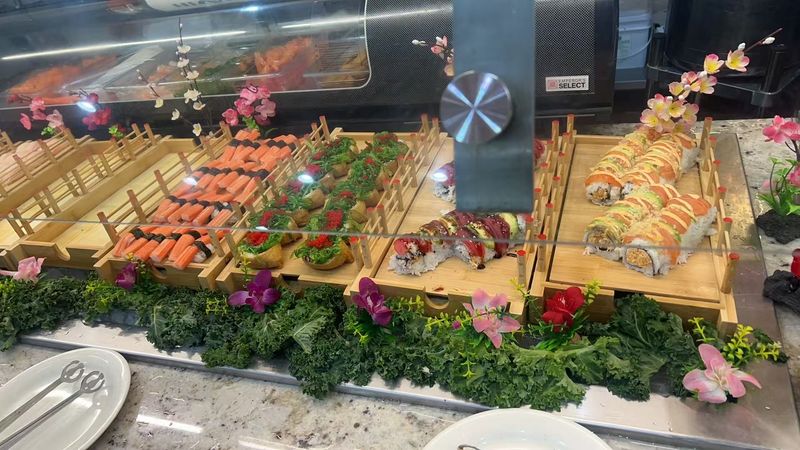
Cold food can be easy to overlook in a huge buffet, yet the sushi side at California’s Ichiban Buffet adds an important second track to the meal.
Sushi is regularly part of the spread, and restaurant listings and diner descriptions often mention sashimi and tempura style rolls as well.
That wider cold selection matters because it gives guests something different from fried foods and heavy hot entrees.
Sushi also changes the rhythm of a buffet visit. A plate of rolls or a few pieces of sashimi can feel lighter and cleaner than a first round of noodles, breaded items, or creamy dishes.
For many diners, that makes sushi a smart starting point because it lets the palate stay fresh before moving into richer flavors later in the meal.
Careful serving makes the sushi station more enjoyable. Small portions are a good idea since cold rice and fish can fill space faster than expected, especially when other seafood options are waiting.
Looking over the full selection before choosing can help diners avoid duplicate flavors and leave room for more interesting picks.
Pairing sushi with soup or salad instead of fried sides may also keep the meal balanced and easier to enjoy from start to finish.
Hot Dishes Go Well Beyond Seafood
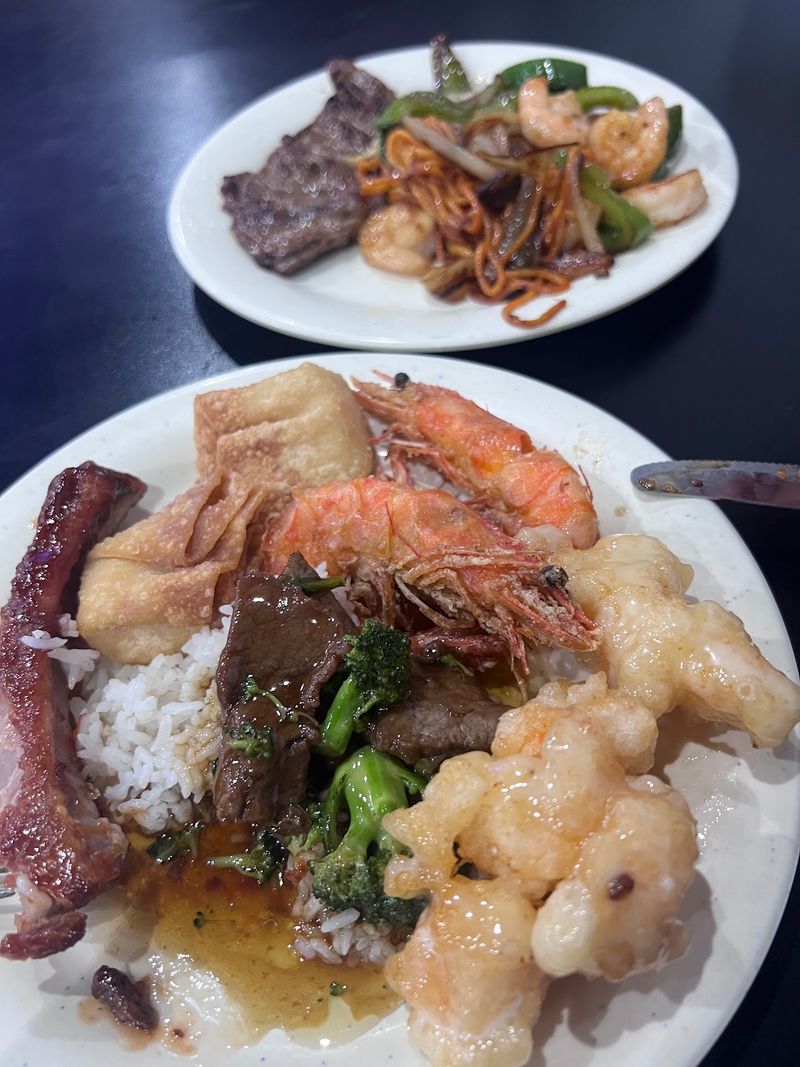
A seafood focused buffet works better when it still respects people who want something else, and Ichiban Buffet seems to understand that.
The wider spread includes hot and sour soup, orange chicken, chicken wings, fried shrimp, salad, miso soup, and other hot and cold dishes.
That range can make a seafood heavy restaurant feel less limiting for families with mixed tastes.
Non seafood options also give the meal a sense of comfort. Familiar foods help younger diners or cautious eaters settle in before trying crab, sushi, or shellfish for the first time.
Soup can warm things up at the start, while a salad or simple chicken dish can offer a break from richer trays that start to feel heavy after several rounds.
Building a balanced plate helps guests enjoy the full spread instead of getting tired halfway through.
A smart order might start with soup or salad, move into seafood or grilled items, and then finish with one or two comfort dishes rather than stacking everything together.
That keeps textures clearer and leaves enough appetite to notice what stands out.
Room For Around 300 Diners Gives It Real Scale
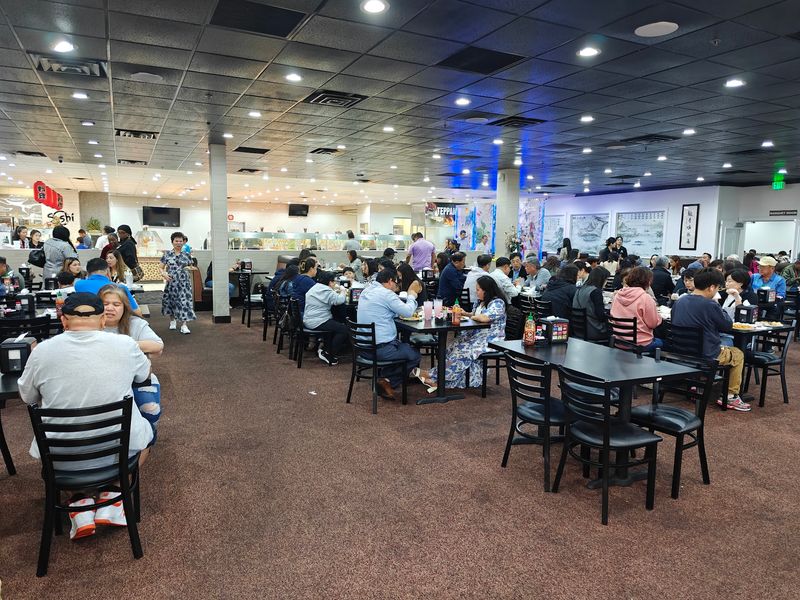
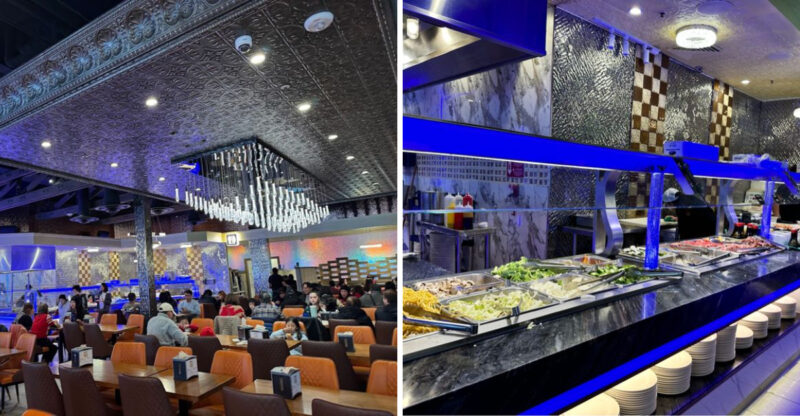
Size is not only about the food line, and Ichiban Buffet appears to carry that large scale into the dining room too.
The restaurant describes itself as able to accommodate around 300 diners, which helps explain why the buffet feels built for crowds, families, and bigger group meals.
A room that large can support the huge spread without making every table feel squeezed against the next one.
Seating capacity affects comfort more than many people expect. In a smaller buffet, the line may back up into the tables and make the whole meal feel noisy and rushed.
A larger room has a better chance of spreading people out, which can help movement feel easier even when the restaurant is busy.
That matters for diners carrying full plates, parents helping children, or older guests who prefer a calmer path to the buffet.
Large rooms also call for simple table awareness. Picking a seat that allows a clear walk to the buffet can make repeat trips easier and reduce crowding near service areas.
Groups may want to gather plates and utensils neatly so the table stays workable through several rounds of food.
Dessert Deserves Its Own Plate
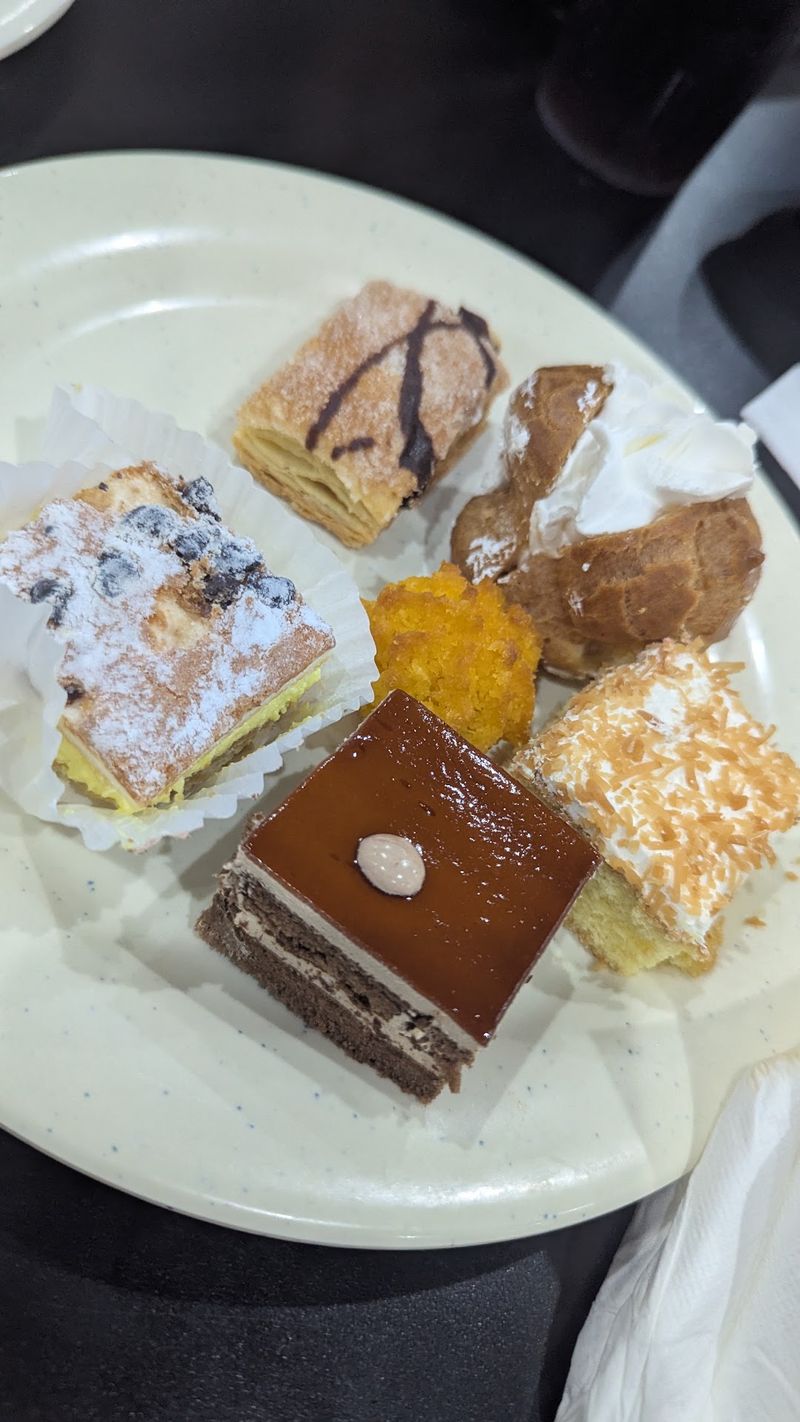
Saving room for dessert is not just a polite idea at a big buffet like this one.
After seafood, sushi, soup, and grilled food, the sweet side at Ichiban Buffet gives the meal a softer finish with fruit, ice cream, cakes, cannoli, and other desserts that appear regularly in descriptions of the spread.
A separate dessert round can make the end of the meal feel more complete.
Sweet choices also help balance the salty and savory parts of a long buffet visit. Fresh fruit can lighten things up after heavy crab or fried food, while cake or ice cream leans more toward comfort.
That range is useful because not everyone wants a rich dessert after a full meal. Some guests want only a few pieces of fruit, and others want a full final plate.
A clean reset usually improves dessert. Clearing the table a bit and taking a fresh plate helps the last course feel intentional rather than piled on top of earlier flavors.
Small portions make sense here too, especially after several trips to the buffet line.
Sampling two or three sweets often works better than grabbing a large amount of one item. It leaves space to end the meal pleasantly instead of feeling uncomfortably full on the drive home.
Long Daily Hours Help With Planning
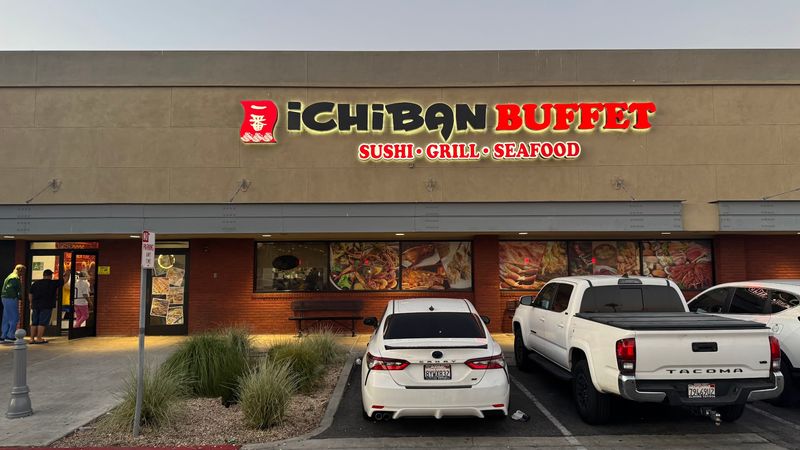
Road trip worthy meals are easier to plan when the hours are simple, and Ichiban Buffet keeps a straightforward daily schedule.
ICHIBAN BUFFET is located at 1230 W Redondo Beach Blvd, Gardena, California 90247, and it is currently listed as open every day from 11 a.m. to 9 p.m.
That kind of consistency can help both local diners and travelers fit the stop into lunch, early dinner, or a meal after a long drive.
Reliable hours matter more for buffets than for many other restaurants because people often time visits around appetite and traffic.
A place that opens daily at the same time is easier to build into a day plan without a lot of guesswork.
It also helps groups avoid confusion when some members are arriving from different parts of the area and need a clear meeting window.
Even with steady hours, timing still shapes the experience.
Lunch may feel more practical for a shorter stop, while dinner can be the better choice for diners focused on premium seafood items that get the most attention later in the day.
Checking the current listing before leaving home is still wise since hours can change on holidays or for special events. A quick confirmation can save a long drive from ending at a locked door.