The Massive Colorado Reservoir Island Where You Can Boat, Camp, And Wander For Hours In 2026
Colorado has one lake bigger than all the others, and sitting out in the middle of it is an island you can actually sleep on. That last part surprises most people.
The Park Service allows camping out there, up to fourteen nights if you have the vacation days and the nerve. Bring absolutely everything.
There is no toilet, no picnic table, and no fire ring, which is exactly why it stays so quiet. Here is the silver lining for this summer.
The water is low, so the island is larger than usual and there is more shoreline to wander than most years. Hand carried boats are having the best season out there, so a kayak or canoe is your friend right now.
Check the water level, pack more snacks than seems reasonable, and paddle out. You will have an island.
That sentence alone should be enough to get you moving.
Colorado’s Largest Body Of Water
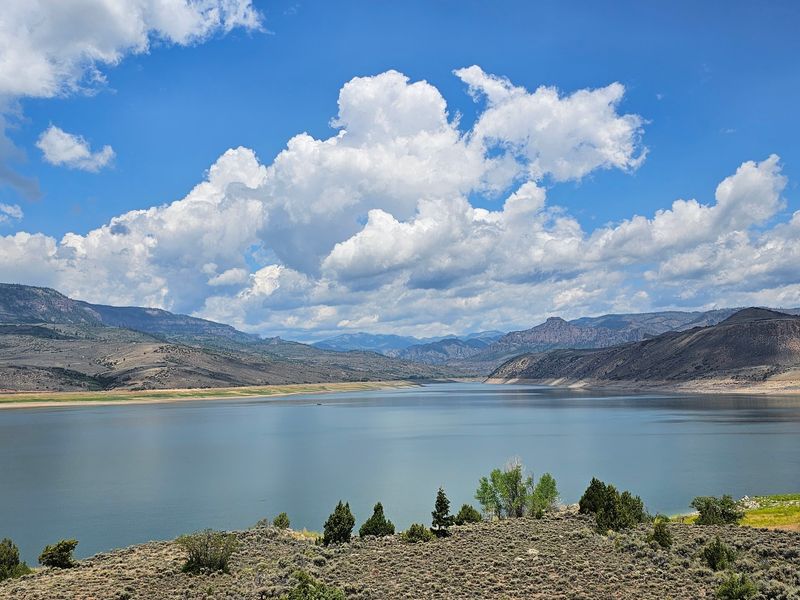
Blue Mesa Reservoir sits inside Curecanti National Recreation Area, near Gunnison, Colorado, along US Highway 50. At roughly 20 miles long, it is the largest body of water in the entire state of Colorado.
That alone should get your attention.
The reservoir was created in the 1960s when the Gunnison River was dammed. Since then, it has become one of Colorado’s most visited outdoor destinations.
The sheer scale of it catches most people off guard the first time they see it.
What makes Blue Mesa special is how much variety it packs into one place. You get open water, canyon walls, sagebrush flats, and surprising wildlife all in the same view.
The elevation sits at around 7,519 feet, which means the air is crisp even in summer.
Visitors come from all over the country to fish, camp, and explore. The reservoir holds some of Colorado’s best lake trout and kokanee salmon fishing.
If you have never been, this is the year to change that.
Elk Creek Island
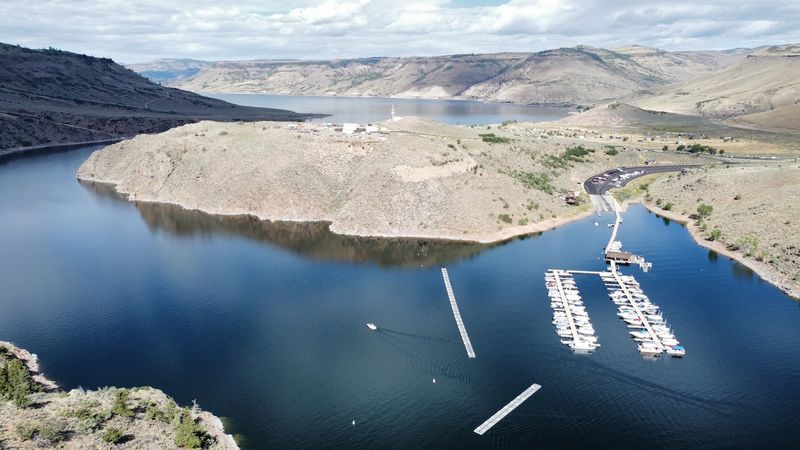
Not everyone knows that Blue Mesa Reservoir has a boat-access island near the Elk Creek area that rewards the curious and the adventurous. It is the kind of place you only discover by actually getting out on the water.
The island sits in the middle of the reservoir and feels completely removed from the campgrounds and parking lots nearby. You can anchor your boat, step ashore, and suddenly feel like you have the whole Colorado wilderness to yourself.
That feeling is genuinely hard to find anywhere else in the state.
The terrain on the island is rugged and natural. Sagebrush, rocky outcroppings, and open sky define the landscape.
There are no trails, no signs, and no crowds pushing you along.
Wandering here feels more like exploration than tourism. You might spot mule deer tracks, hear hawks overhead, or find a perfect flat rock to sit on and stare at the water for a while.
It is the kind of afternoon that resets your entire mood. Pack a lunch, bring good shoes, and plan to stay longer than you think you will.
Wide Open Water With Big Rewards
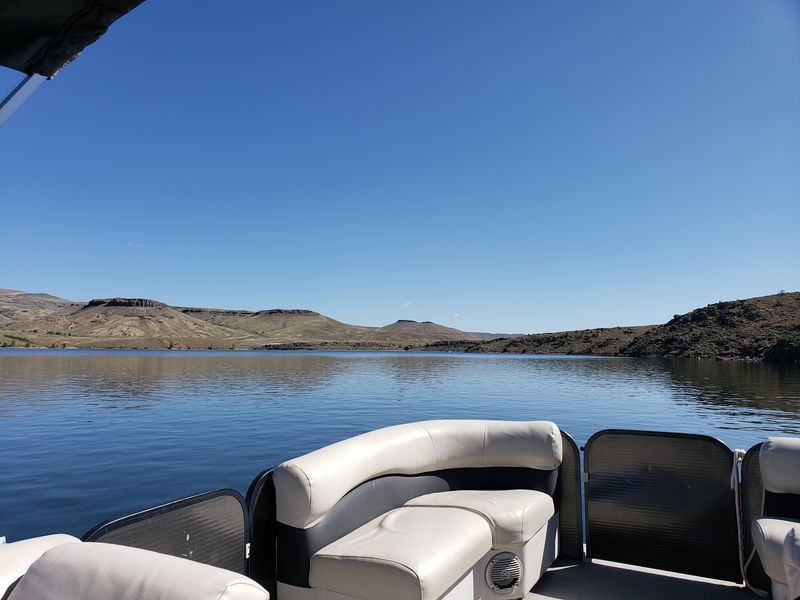
Boating on Blue Mesa Reservoir feels like driving across a small inland sea. The water stretches so far in every direction that you almost forget you are in the middle of Colorado.
It is genuinely impressive every single time.
There are three boat ramps available at the reservoir, located at Elk Creek, Lake Fork, and Cimarron. Each one gives you access to different sections of the water.
Elk Creek is the most popular and the best starting point for reaching the island.
The reservoir handles everything from kayaks and canoes to powerboats and pontoons. Jet skis are welcome too.
Wind can pick up fast in the afternoon, so morning launches tend to give you calmer, smoother conditions on the water.
Fishing from a boat here is a completely different experience than shore fishing. You can cover far more water and reach the deeper spots where the big lake trout hang out.
Kokanee salmon fishing is especially popular in the fall. Rental boats are available near the marina if you did not bring your own.
Either way, the water is the main event.
Camping Options That Deliver On The Views
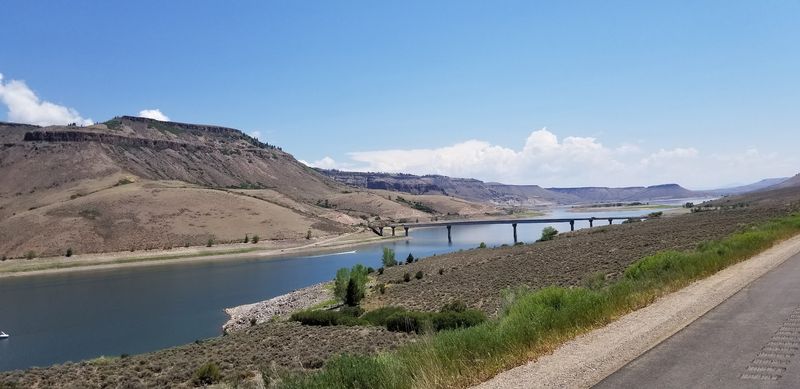
Camping at Blue Mesa Reservoir is not roughing it in the miserable sense. The sites here come with real scenery and the kind of quiet that city people forget exists.
Elk Creek Campground is the largest and most full-featured option on the reservoir.
Elk Creek has over 160 sites and offers hookups for RVs as well as tent-only spots. There are flush toilets, a camp store, and even a marina nearby.
It is comfortable enough for families but still feels like you are genuinely in nature.
Lake Fork Campground sits at the western end of the reservoir and is smaller and quieter. It draws serious anglers and people who prefer fewer neighbors.
The views from the Lake Fork sites are some of the best on the entire reservoir.
Cimarron Campground is near a historic narrow-gauge railroad display, which makes it a fun stop if you have kids in tow. All campgrounds operate on a first-come, first-served basis or through reservations at recreation.gov.
Summer weekends fill up fast, so booking early is a smart move. Waking up to that water view is worth every bit of the planning effort.
A Sport Fisherman’s Favorite Stop
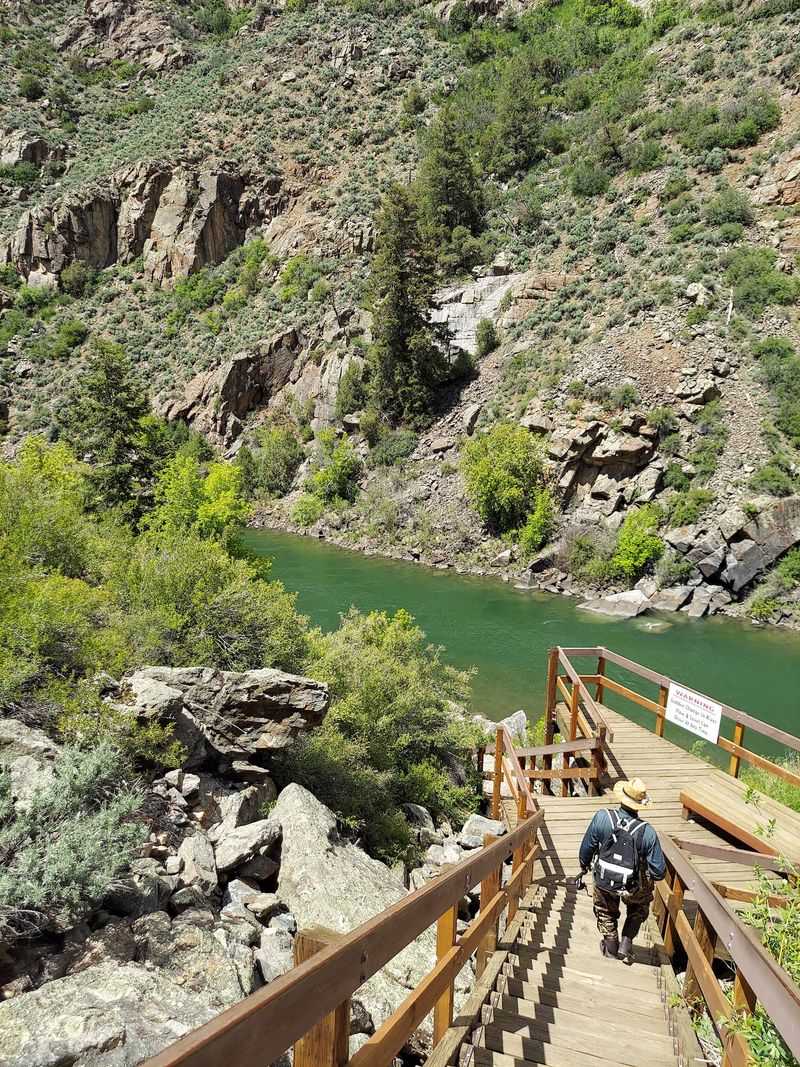
Ask any serious Colorado angler about Blue Mesa and watch their eyes light up. The reservoir is famous for its trophy lake trout, and it consistently produces some of the biggest catches in the state.
That reputation is well-earned.
Kokanee salmon fishing draws massive crowds each fall during the spawn. Shore fishing is productive near the dam and along rocky points.
Boat fishing opens up the deeper channels where the large lake trout prefer to stay during summer months.
Rainbow trout and brown trout are also present throughout the reservoir. The variety keeps things interesting no matter what season you visit.
A Colorado fishing license is required, and size and bag limits apply, so check current regulations before you cast.
The National Park Service and Colorado Parks and Wildlife both provide updated fishing reports for Blue Mesa. The water clarity here is excellent, which is both a blessing and a challenge since the fish can see you too.
Using lighter line and more natural presentations tends to help. Early morning and late afternoon are consistently the most productive times.
If you have ever wanted to catch a truly big trout, this reservoir gives you a realistic shot at it.
Wildlife Watching Around The Reservoir Shores
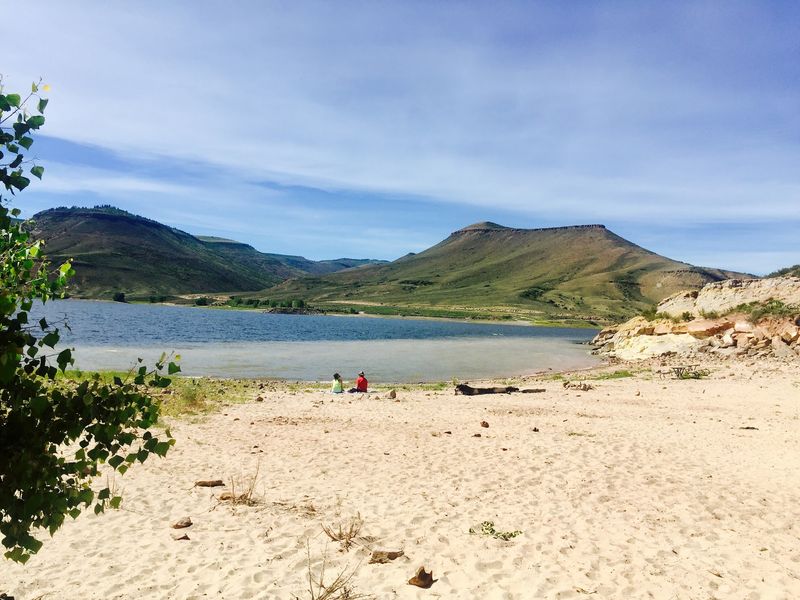
Blue Mesa Reservoir is not just about the water. The surrounding landscape inside Curecanti National Recreation Area supports a surprisingly rich variety of wildlife.
Mule deer are common and often spotted near the shoreline in the early morning hours.
Bald eagles nest in the area and can frequently be seen soaring over the water or perching in trees along the canyon walls. Osprey are also regular visitors and are fun to watch as they dive for fish with remarkable precision.
You do not need binoculars, but they definitely help.
Pronghorn antelope graze the open sagebrush flats surrounding the reservoir. They are fast and skittish, so spotting one up close feels like a small victory.
Coyotes are active at dawn and dusk and often heard before they are seen.
Waterfowl gather on the calmer sections of the reservoir, especially during spring and fall migration periods. Pelicans, herons, and various duck species all pass through.
The diversity of wildlife here makes every visit feel a little different from the last. Bring a camera with a decent zoom lens and keep your eyes moving.
The reservoir rewards patient observers every single time.
Hiking The Curecanti Creek Trail Near The Reservoir
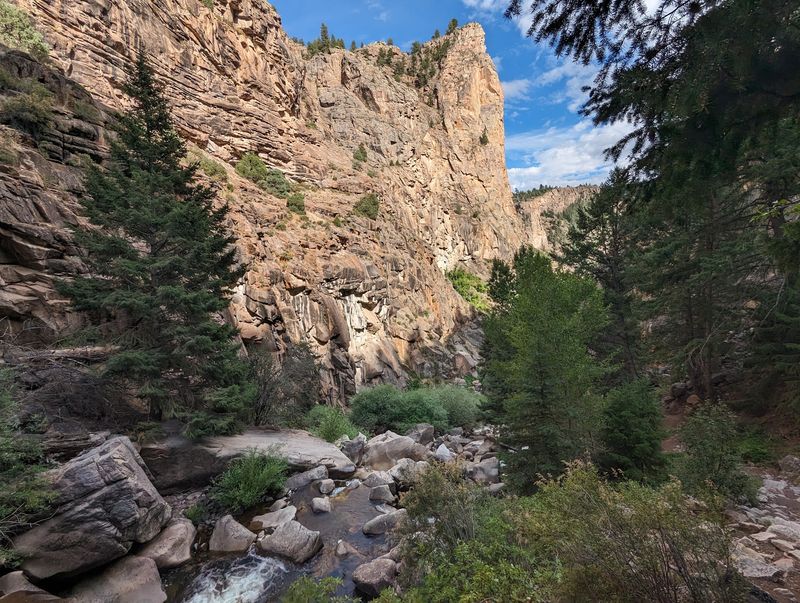
Most people come to Blue Mesa for the water, but the trails around the reservoir deserve equal attention. The Curecanti Creek Trail is one of the best short hikes in the entire national recreation area and very few visitors actually do it.
The trailhead sits off US Highway 50 between Gunnison and Montrose. The hike drops down into a narrow canyon carved by Curecanti Creek before reaching the reservoir’s edge.
The total round-trip distance is about 3 miles with a noticeable elevation change on the way back up.
The canyon walls on this trail are dramatic and close together in places. The creek runs alongside much of the path, which keeps the air cool even on warm summer days.
It feels like a completely different world from the open reservoir above.
At the bottom, the canyon opens up to a small beach where the creek meets the reservoir. You can swim, fish, or just sit and absorb the scenery.
Very few people make it down here, which makes it feel genuinely remote. The climb back up is the hardest part, but nothing unmanageable.
Wear sturdy shoes and bring more water than you think you need for this one.
Planning Your 2026 Visit
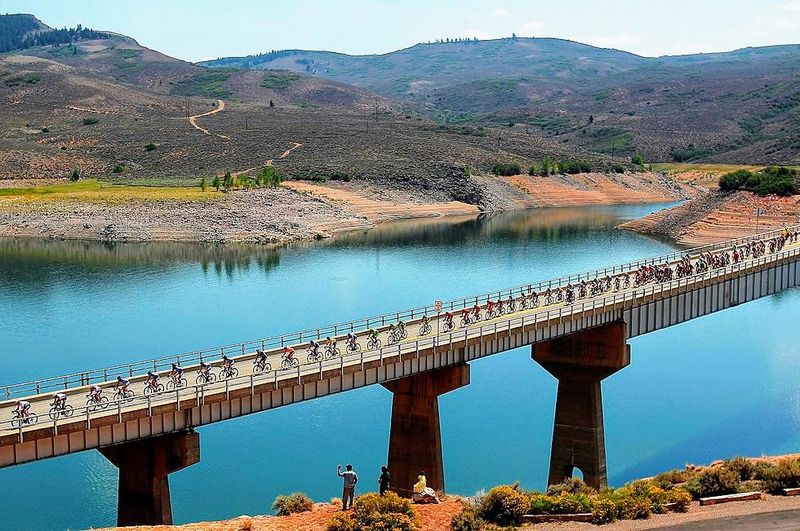
Showing up to Blue Mesa Reservoir without any preparation is a gamble you probably do not want to take. The reservoir is popular, the campgrounds fill up, and cell service is limited in several areas.
A little planning goes a long way here.
The best time to visit is late May through early September for boating and camping. Fishing is excellent in spring and fall.
Summer brings the most visitors, but the reservoir is large enough that it rarely feels truly overcrowded once you get out on the water.
Entrance to Curecanti National Recreation Area is free, which is a genuine bonus. Reservations open several months in advance at recreation.gov, and popular spots go fast.
Gunnison is the nearest town and has grocery stores, gas stations, and gear shops. Stock up there before heading to the reservoir since options on-site are limited.
The drive along US Highway 50 through the Black Canyon area is itself a beautiful experience. Give yourself at least two full days to feel like you actually saw the place.
One day is never enough at Blue Mesa.