Georgia’s Largest Lake Has Become The Focus Of A Growing Water Debate
Every morning, millions of people turn on a faucet without thinking twice, and none of them know how close that water came to running dry. I still remember the first time someone told me three states have been fighting over one lake for almost thirty years.
Courtrooms, governors, lawyers, entire cities all pulled into a single fight over who gets to keep the water flowing. This state built its largest reservoir to power a growing region, and now that same reservoir sits at the center of a battle that could reshape everyone’s future.
Millions rely on it. Few understand it.
This state’s water security hangs on a fight most residents never see coming, and once you learn the real story, you will never look at a faucet the same way again.
Three States One Lake One Endless Fight
Few arguments in the American South have lasted longer or run deeper than this one. Three states have been locked in what experts call the Tri-State Water Wars since 1990.
That is over three decades of courtrooms, negotiations, and frustration.
The conflict centers on two major river systems: the Apalachicola-Chattahoochee-Flint Basin and the Alabama-Coosa-Tallapoosa Basin. These rivers cross state lines, meaning one state’s water use directly affects another’s supply.
Sharing water sounds simple until millions of people and entire industries depend on getting their fair share.
One state sits upstream, which gives it a geographic advantage but also a legal target on its back. The two downstream states argued for years that their neighbor was drawing too much water for its growing population.
The disagreement sparked a series of lawsuits that climbed all the way to the U.S. Supreme Court.
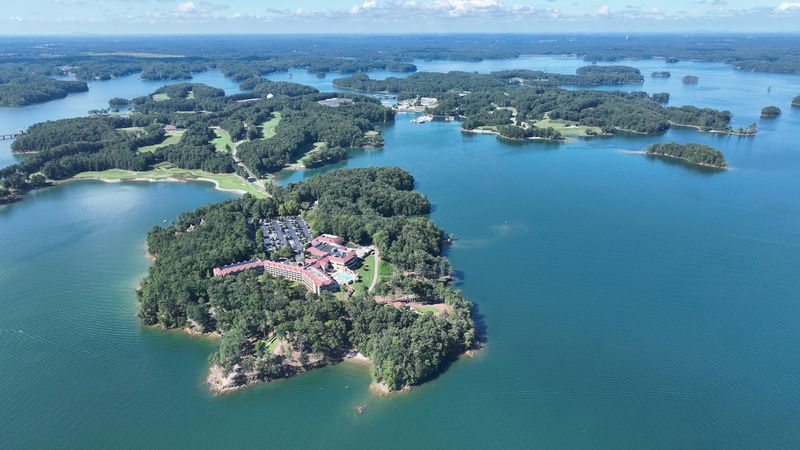
Lake Lanier, located at Gainesville, became the central flashpoint in this ongoing regional standoff.
How Buford Dam Created A Reservoir That Changed Everything
Back in the 1950s, the U.S. Army Corps of Engineers had a focused mission.
Build a dam, control flooding, generate hydropower, and support river navigation downstream. Nobody fully predicted what the reservoir behind that dam would eventually become.
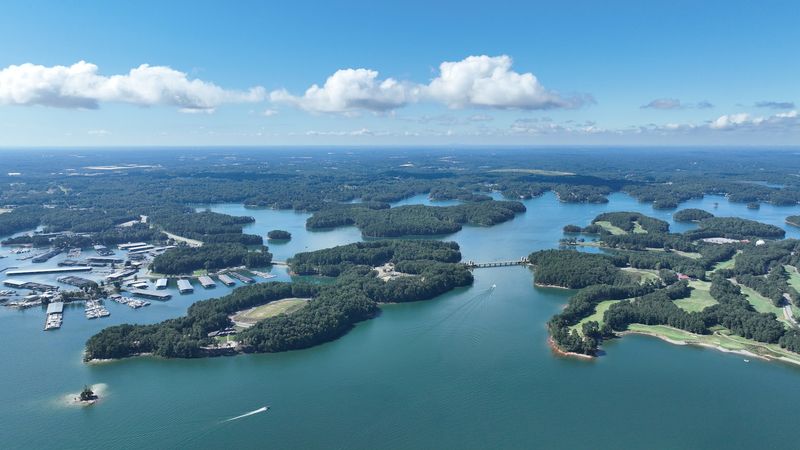
Buford Dam was completed in 1956, and the water that backed up behind it formed Lake Lanier. The lake is fed by the Chattahoochee and Chestatee Rivers, giving it a steady natural supply.
When full, the reservoir covers approximately 38,000 surface acres and stretches across multiple Georgia counties.
What started as an engineering project became something far larger over time. Metro Atlanta’s explosive population growth turned this flood-control reservoir into the primary drinking water source for millions of residents.
Today, the lake holds over 60 percent of the water stored across the entire ACF river basin. That single fact explains why every legal battle over this water carries such enormous stakes for Georgia and its neighbors downstream.
Why 70 Percent Of Atlanta Depends On One Lake
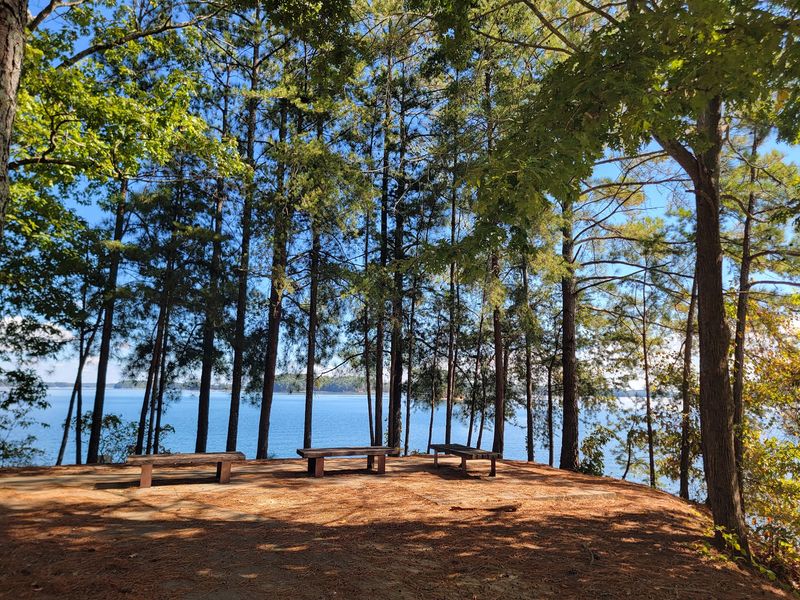
Imagine relying on one single source for nearly all of your drinking water. That is exactly the reality for metro Atlanta residents every morning they turn on a faucet.
Roughly 70 percent of the region’s drinking water comes directly from this one reservoir.
Atlanta’s population has grown dramatically over the past several decades. More people means more water demand, and that demand keeps climbing with no sign of slowing down.
The pressure this places on Lake Lanier is significant and measurable.
Water managers must constantly balance how much the lake holds against how much the city withdraws each day. During dry spells or droughts, those calculations get stressful fast.
Georgia secured a contract with the Army Corps of Engineers in January 2021 worth 70 million dollars for long-term water storage access. That deal allows the state to store up to 222 million gallons of water per day in the reservoir.
It does not guarantee the water will always be there, but it does lock in Georgia’s legal right to use the storage space. For a region this size, that contract was a very big deal.
Downstream States Push Back Hard
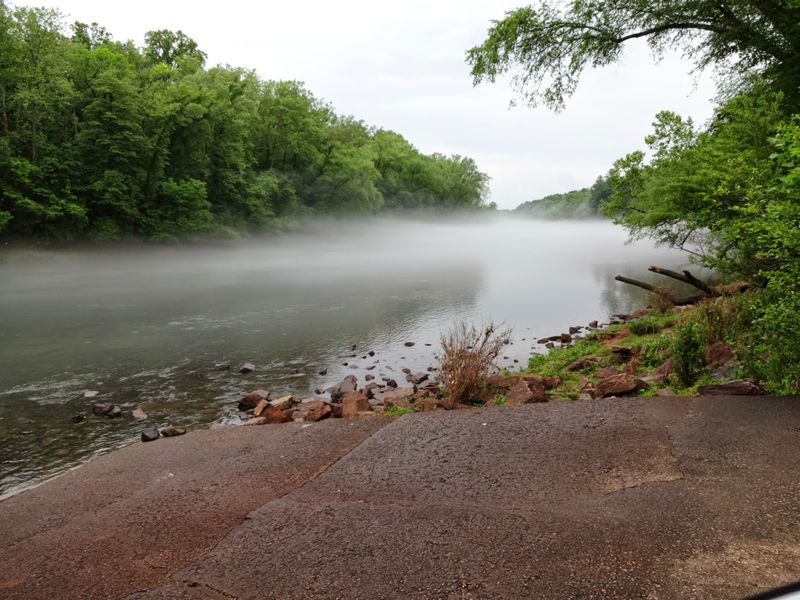
Alabama and Florida did not sit quietly while Georgia drew water upstream. Both states argued loudly and legally that Georgia’s consumption was hurting their communities and ecosystems.
Their frustration was completely understandable from where they stood.
Florida pointed specifically to the Apalachicola Bay oyster industry, a vital part of the state’s coastal economy. Reduced water flow from upstream affects salinity levels in the bay, which directly harms oyster populations.
When the oysters suffer, the fishing communities that depend on them suffer too.
Alabama raised concerns about its own river-dependent industries, municipal water supplies, and protected species living in these waterways. Endangered freshwater mussels and fish rely on consistent flow levels to survive.
Cutting that flow to feed a growing city hundreds of miles away felt deeply unfair to downstream communities.
Both states pursued legal action repeatedly over the years. Their argument was consistent: Georgia was taking more than its share.
The courts heard these complaints multiple times, and the outcomes shaped the entire modern framework for how southeastern states negotiate water rights today.
The Legal Battles That Defined Decades
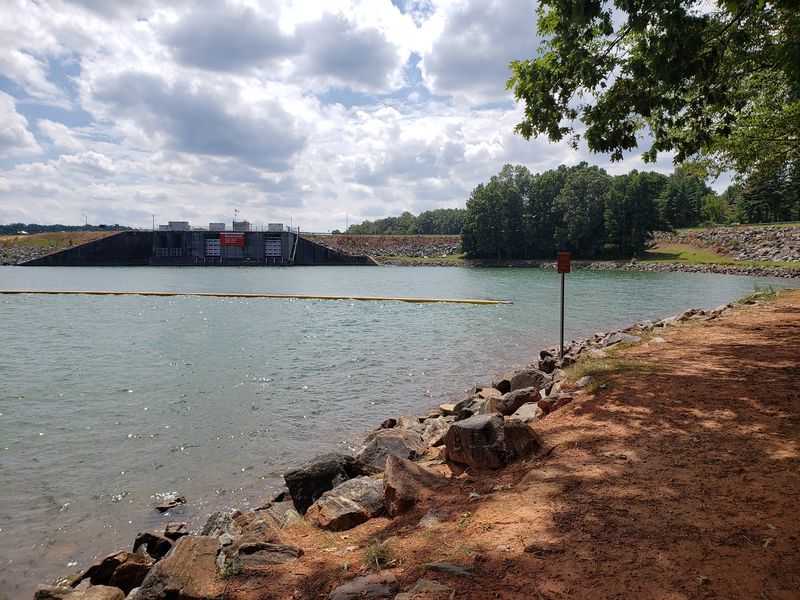
Few water disputes in U.S. history have generated as many court filings as this one. The legal fight kicked off in earnest around 1990 and has barely paused since.
Lawyers on all three sides have argued before federal judges, appeals courts, and ultimately the nation’s highest court.
A major turning point came in 2009 when a U.S. District Judge ruled against the upstream state.
The judge decided that water supply was not an originally authorized purpose for Lake Lanier. That state was given three years to negotiate a solution or face restrictions on withdrawals.
That ruling sent shockwaves through state government and water planning offices across the region.
Two years later, the Eleventh Circuit Court of Appeals reversed that decision entirely. The appeals court ruled that Congress had always intended the lake to serve as a water supply for the growing Atlanta metro area.
The upstream state exhaled, but the fight was not over. Its downstream neighbor escalated its case to the U.S.
Supreme Court in 2013, alleging that the state’s water use was damaging the Apalachicola River ecosystem. In April 2021, the Supreme Court sided with the upstream state, delivering a landmark victory after more than thirty years of litigation.
New Threats Are Already Emerging
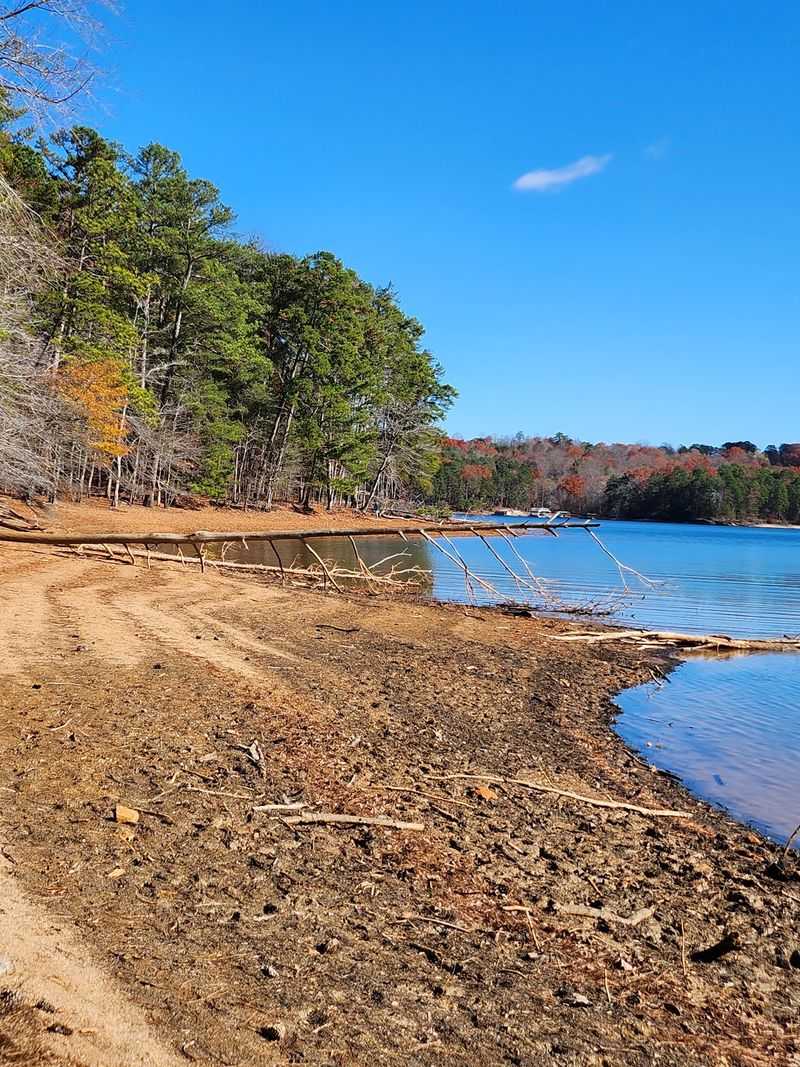
Winning at the Supreme Court did not close the book on Lake Lanier’s water challenges. New disputes are already forming, and water managers are watching closely.
Alabama appealed a 2021 federal ruling related to the Army Corps of Engineers’ Water Control Manual, keeping the legal pressure alive.
There are also growing concerns about proposed changes to downstream navigation plans. These plans could require significantly increased water releases from Buford Dam.
More releases mean lower lake levels, which creates real problems for a reservoir already under heavy withdrawal pressure.
Climate patterns add another layer of uncertainty to an already complicated picture. Droughts in Georgia have become more frequent and more severe in recent years.
When rainfall drops and demand stays high, the lake’s ability to recover between dry spells becomes a genuine concern. Water planners do not have the luxury of hoping for the best.
They need concrete solutions, and the current legal and environmental landscape makes long-term planning extremely difficult. The debate around this lake is far from settled, and the next chapter may be written sooner than anyone expects.
The Problem Nobody Wants To Talk About
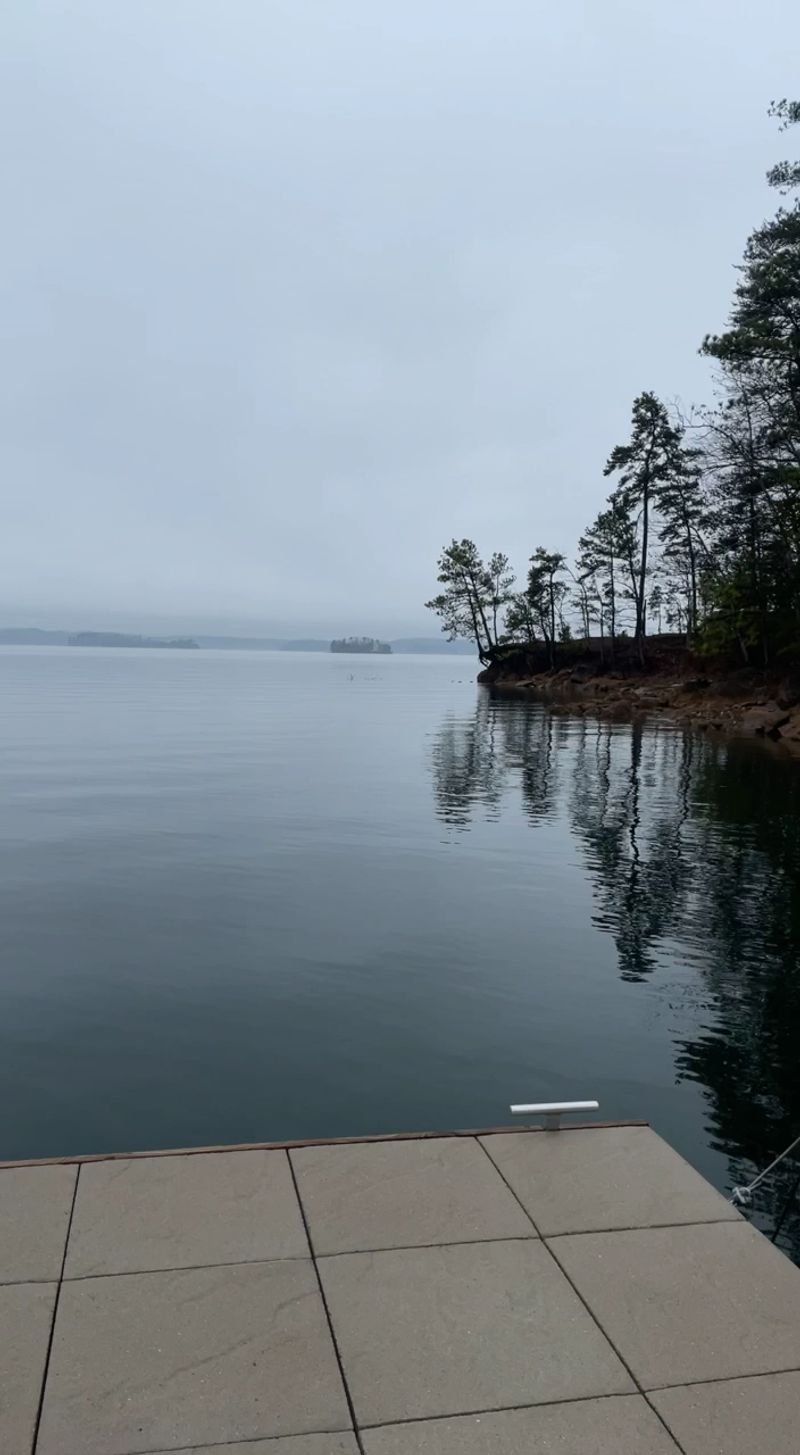
Water quantity gets most of the headlines, but water quality deserves equal attention. Reports of musty taste and unpleasant odor in Lake Lanier’s drinking water have raised eyebrows among residents and officials alike.
These issues are not just annoying; they signal real underlying problems.
A proposed state study budgeted at two million dollars was specifically designed to investigate these taste and odor problems. The study aimed to identify sources and develop solutions.
The proposal sparked discussion among state lawmakers, though funding decisions have continued to evolve during the budget process. That decision frustrated environmental advocates who had been pushing for answers.
Pollution from sewage treatment plant discharges adds another layer of concern. Stormwater runoff, wastewater discharges, and excess nutrients contribute to ongoing water quality challenges within the Lake Lanier watershed.
Phosphorus in particular feeds algae blooms, which can affect both water taste and overall ecosystem health.
Managing a reservoir of this scale requires constant investment and monitoring. Cutting scientific studies to save budget dollars in the short term can create far more expensive problems down the road.
Clean water is not something you can afford to take for granted when millions of people drink from the same source every single day.
Recreation Versus Resource A Billion-Dollar Balance
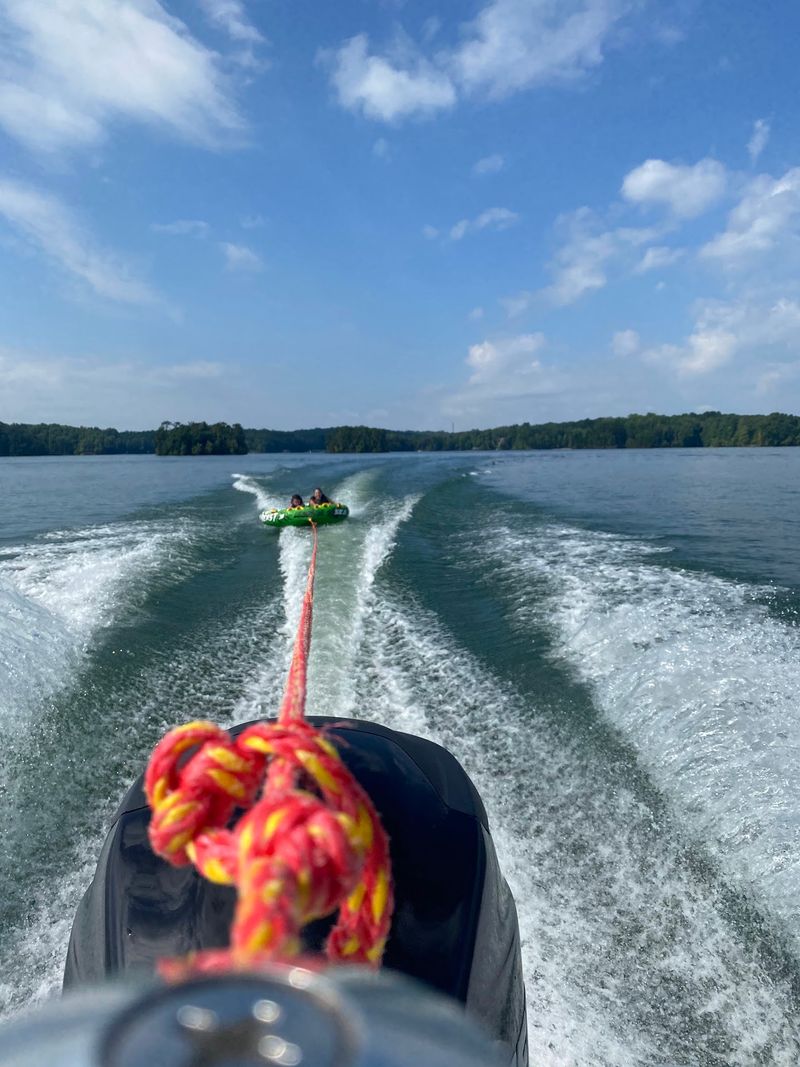
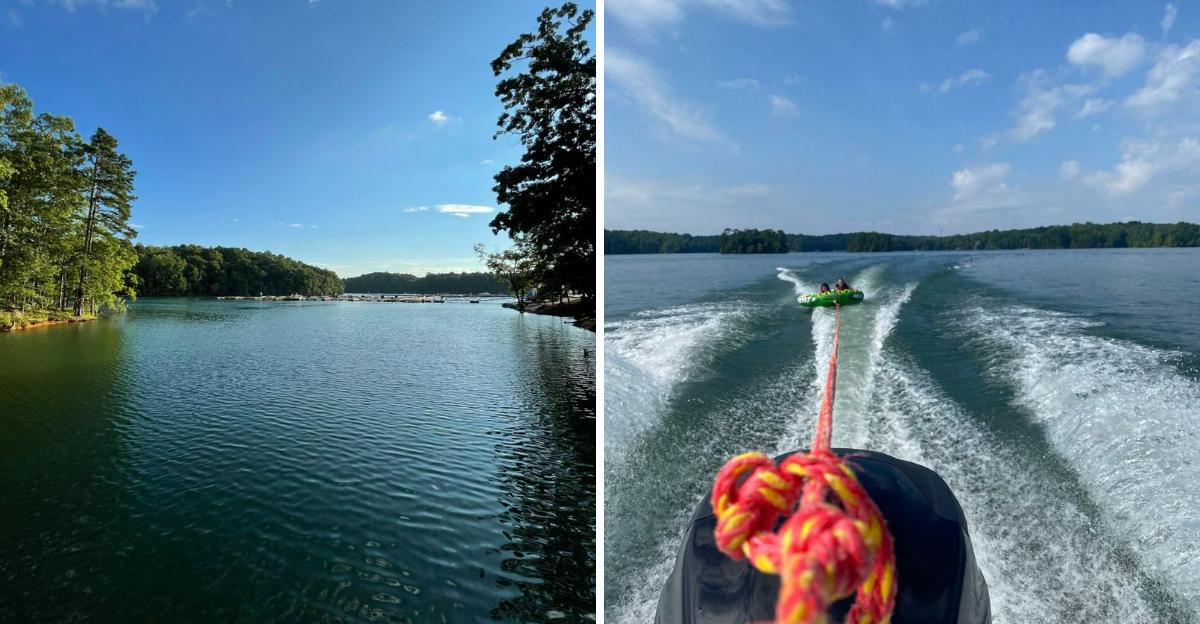
Not everything about this lake involves courtrooms and water pipes. Over ten million visitors come to enjoy this reservoir every single year, making it one of the most visited lakes in the entire country.
Boating, fishing, kayaking, and swimming are all part of the daily scene here.
The recreational economy built around this lake generates over one billion dollars annually. Marinas, waterfront resorts, boat rentals, and lakeside restaurants all depend on healthy water levels and good water quality to stay in business.
When the lake drops or quality suffers, that economic engine slows down noticeably.
Anglers specifically love this place for its impressive variety of fish. Largemouth bass, spotted bass, striped bass, crappie, catfish, and white bass all thrive in these waters.
Below Buford Dam, cold water releases even support stocked trout populations, giving fishing enthusiasts a rare freshwater bonus.
Balancing recreational use with the lake’s role as a critical drinking water supply is a genuine management challenge. Too much development along the shoreline increases pollution runoff.
Too many withdrawals lower the water levels that make recreation possible. Every decision affects multiple stakeholders at once, which is exactly what makes managing this lake so incredibly complicated.
What The Future Of Lake Lanier Actually Looks Like
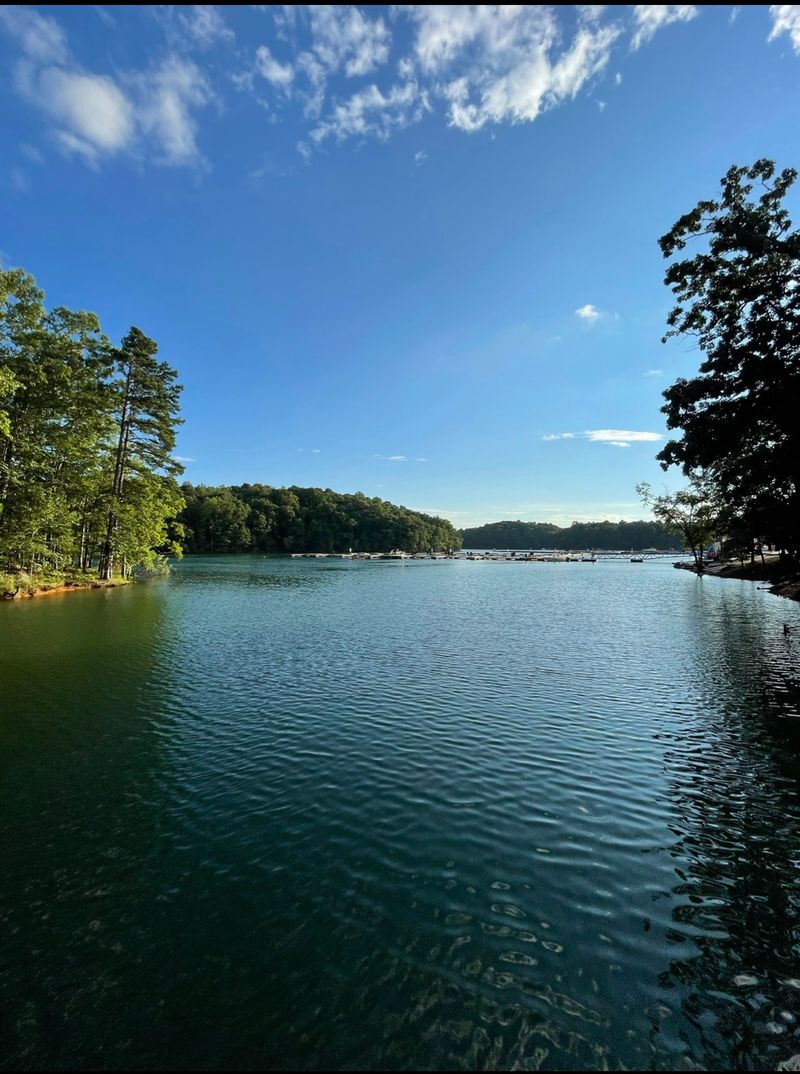
Georgia’s legal victories have secured water rights, but they have not solved the deeper challenge of long-term sustainability. Population projections for metro Atlanta show continued growth for decades ahead.
More people will mean more demand on a reservoir that is already stretched.
Regional water planning efforts are underway, and Georgia has invested in expanding water infrastructure beyond just Lake Lanier. Conservation programs, alternative water sources, and efficiency upgrades at treatment facilities all play a role in reducing pressure on the lake.
Progress is happening, even if it moves slowly.
Cooperation between Georgia, Alabama, and Florida remains a possibility, even after decades of conflict. Water experts consistently argue that negotiated agreements work better than courtroom battles for everyone involved.
The resources spent on litigation could fund meaningful conservation and infrastructure improvements instead.
The story of this lake is ultimately a story about growth, responsibility, and the limits of natural resources. Every person who fills a glass of water in Atlanta is connected to this debate whether they know it or not.
Understanding where your water comes from is the first step toward protecting it. Lake Lanier’s future depends on informed communities, smart policy decisions, and a genuine willingness to share one of the South’s most valuable natural resources.