These 9 Old Georgia Schoolhouses Are Worth Pulling Over To See
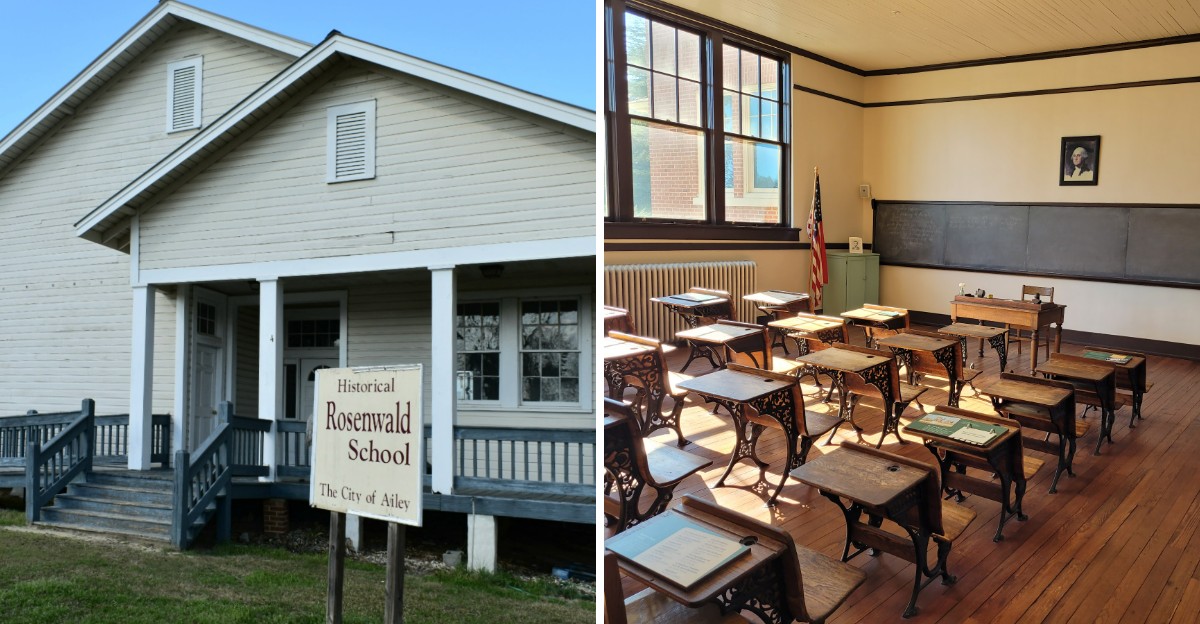
School used to look very different. One room.
One teacher. A wood stove in the corner and a bell that called kids in from the fields.
Students of every age shared the same benches and the same lessons.
Across Georgia, a surprising number of those buildings are still standing. Some have been lovingly restored.
Others lean a little, worn by time but full of character.
Their second lives are just as interesting. A few now hold small museums packed with local history.
Others host art shows or community markets. A handful simply sit along the road, waiting for someone curious enough to stop.
Each one offers a small window into how rural communities once learned, gathered, and grew together. Next time a road trip through Georgia feels long, keep an eye out.
History might be waiting just past the next curve.
1. Noble Hill-Wheeler
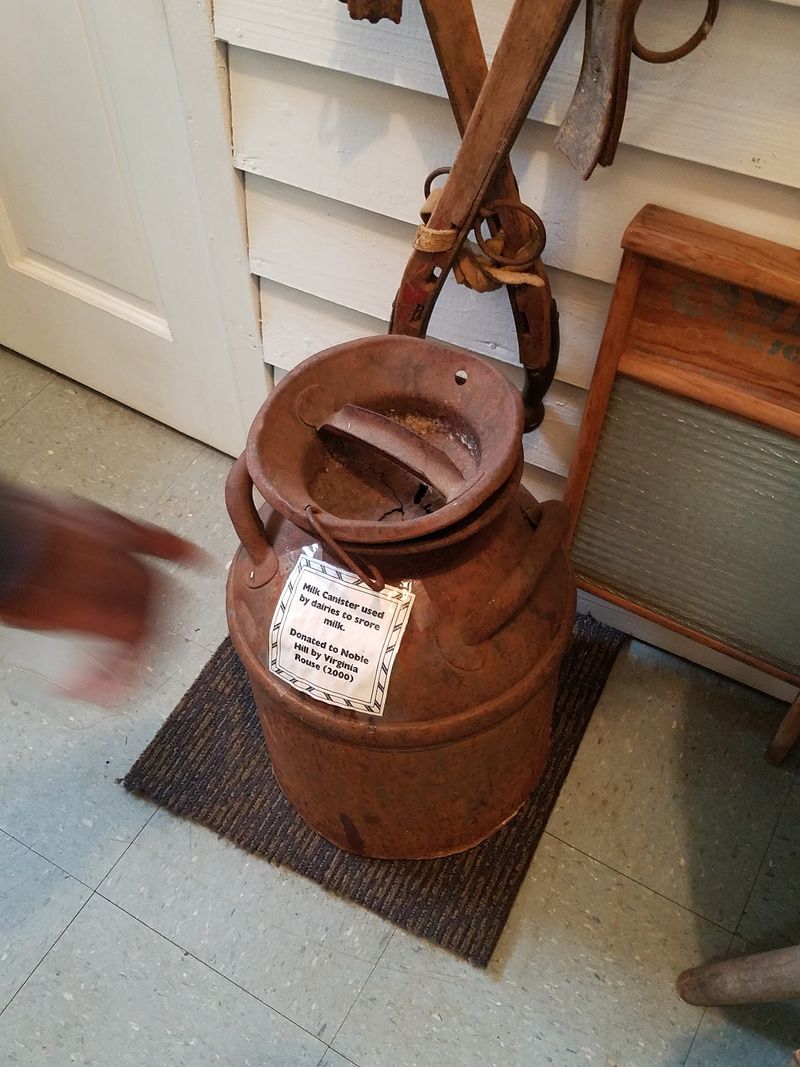
A small school can carry a remarkably big story. Noble Hill began teaching African American children in Bartow County in 1923.
Its place in local history is unusually clear. It was the county’s first Rosenwald school built specifically for African American students.
Rosenwald schools grew from a wider effort to improve education across the rural South. Local communities helped make those classrooms possible and gave them lasting meaning.
Picture a lesson starting with more than a textbook. For many families, the building represented access to education their children deserved.
The school later gained another purpose instead of fading from use. As the Noble Hill-Wheeler Memorial Center, it preserves stories of local learning and community life.
Inside a history museum, details can reward patient visitors. Take time with photographs, documents, and displays whenever those materials are available.
Names and dates matter, but ask a larger question as you explore. What did families do to support schooling in their own neighborhood?
That question gives the building a human scale. A school is never only its walls, even when the walls survive for generations.
Head to 2361 Joe Frank Harris Pkwy NW, Cassville, GA 30123. Check opening hours before traveling, since smaller museums may have limited public access.
Bring a curious friend or an older child who enjoys history. Talking afterward can help connect the exhibits with school experiences today.
Before getting back on the road, pause to look at the school from outside. Its modest size makes its lasting importance feel even more striking.
2. Dorchester Academy
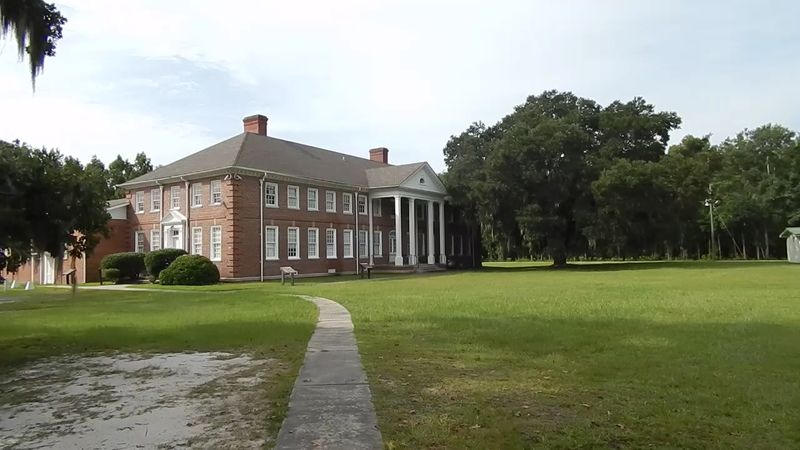
Classrooms sometimes change a community; Dorchester Academy helped shape a national movement. Its story reaches back to 1869, when educational work began at the site.
During the Civil Rights Movement, leaders used Dorchester for meetings and planning. Dr. Martin Luther King Jr. was among the people who met there.
Think about how many ideas can start around one table. The academy reminds us that careful planning matters as much as public speeches.
Today, the site preserves its educational and civil rights history. A museum visit can help put those two connected stories together.
Start with the school’s purpose before moving to its national role. That order makes the later meetings easier to understand and appreciate.
Children may recognize a famous name before they grasp the bigger picture. Ask them why a place for learning could also support important conversations.
Look closely at the grounds instead of rushing toward the next stop. Historic places often make more sense when you notice their size and setting.
The address is 8787 E Oglethorpe Hwy, Midway, GA 31320. Confirm current tour options and hours before making a special trip.
Bring questions, not just a camera. Museum displays can offer answers, but good questions make their details stick longer.
Leave with one idea worth sharing at the next rest stop. A former academy became a place where learning helped people work for change.
3. Sautee Nacoochee
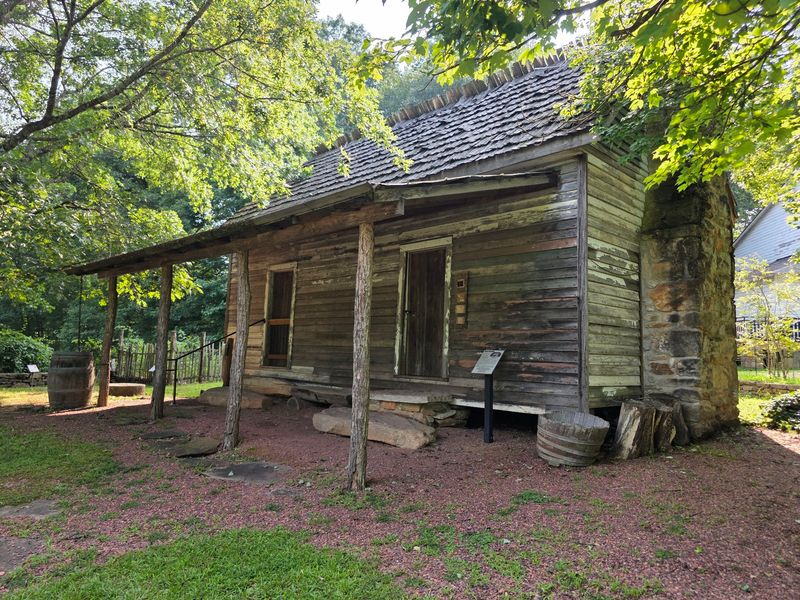
Paintings in an old school sound like an art assignment with excellent timing. The Sautee Nacoochee Cultural Center gives a former school an active second life.
The building dates to 1928 and once served students in the Nacoochee Valley. Now its rooms support art, local history, education, and performances.
That mix makes the stop useful for different kinds of travelers. One person can study an exhibit while another enjoys work by local artists.
Keep an eye on the building between displays. Its earlier purpose is part of what makes today’s creative activity feel special.
Mountain culture is more than scenery outside a car window. The center offers a way to learn about the people and traditions of these valleys.
Galleries can change, so check the current schedule before setting out. You may find a performance, a class, or a different exhibition than expected.
For families, try a simple gallery game without making it feel like homework. Let each person choose one artwork and explain what caught their eye.
Small observations can start the best conversations. A color, material, or familiar landscape might become the detail everyone remembers.
Find the center at 283 GA-255, Sautee Nacoochee, GA 30571. Confirm which spaces are open, especially if a particular event interests you.
Save a few minutes for a look at the school exterior. The change from lessons to lively public gatherings is easier to picture there.
A stop here does not ask you to choose between past and present. Both share the building, and that combination keeps the old school busy.
4. Old School History Museum
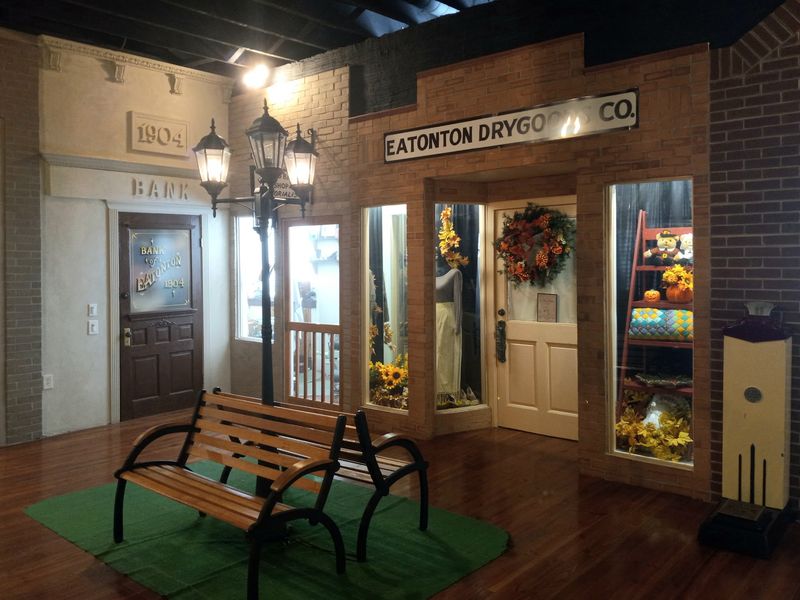
A brick school full of local history sounds almost too fitting. Eatonton’s Old School History Museum uses a former school building to share Putnam County’s past.
The structure once served as a main school for the city. Its new role lets visitors trade daily lessons for a wider local story.
Museum displays cover subjects that helped shape the area, including agriculture. They also introduce notable people connected to the community.
Do not rush past an object that looks ordinary. Tools, photographs, and papers can explain daily life better than a long list of dates.
Try picking one exhibit and following its story carefully. Ask who used its objects and how their lives compare with yours.
For children, this can turn a museum visit into a small detective game. Look for clues about work, school, and family life.
Even the setting adds a useful clue. A former classroom makes the idea of learning from local records feel wonderfully direct.
The museum sits at 305 N Madison Ave, Eatonton, GA 31024. Look up current hours before visiting rather than assuming every school day is museum day.
Allow time to read labels at a comfortable pace. A quick lap may miss the connections between one exhibit and another.
If a display sparks interest, write down its topic for later. A library search can turn one roadside stop into a longer discovery.
Before leaving, give the brick building another glance. It once held lessons for local children and now holds lessons about their community.
5. Plains High School
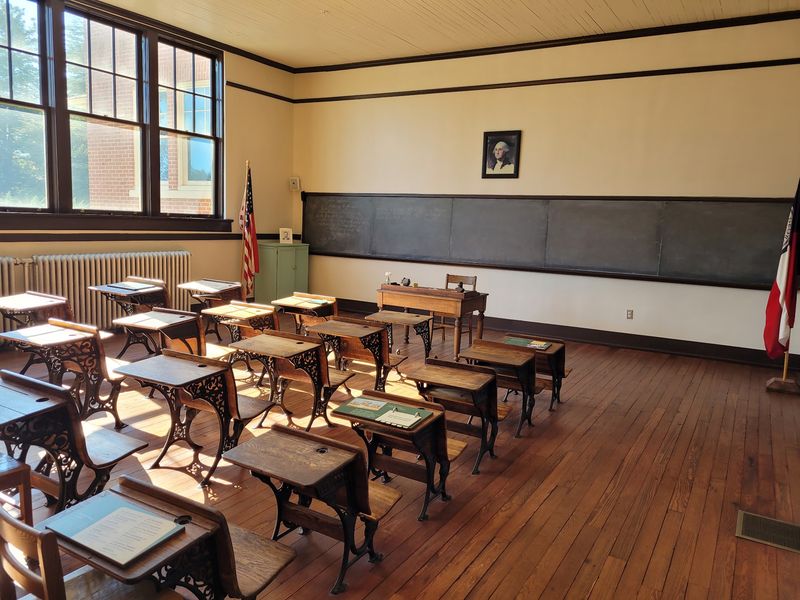
Homework feels different when a future president once carried his books through the same school. Plains High School taught Jimmy Carter and Rosalynn Smith Carter throughout their public school years.
The building opened in 1921 and served children from first through eleventh grade. Back then, students finished school after eleventh grade, a detail likely to surprise young visitors.
Here is the fun part: the classrooms did not vanish when regular lessons ended. After closing in 1979, the school reopened as the Jimmy Carter National Historic Site visitor center.
Step inside, and the restored classroom offers more than rows of desks. Imagine trying to focus while the principal’s office waits just down the hall.
For a fuller picture, look beyond the displays about the Carters. Exhibits also explain what school life meant in a small town.
One teacher made an especially lasting mark on Jimmy Carter. He often spoke about English teacher Julia Coleman and the lessons she taught him.
The auditorium adds another way to explore the story. Ask about the short film on Carter’s life before planning your visit.
History rarely fits neatly inside one display case. The school became racially integrated in 1966, a key date in its long story.
In 1997, the state named it the State School of Georgia. That honor gives an everyday school building a rather grand report card.
Find the entrance at 300 N Bond St, Plains, GA 31780. Check current visitor center hours before leaving home, since access can change.
Leave enough time to notice the building itself, not just its famous former students. Its rooms connect national history to the ordinary school days that helped shape it.
6. Hiram Rosenwald School
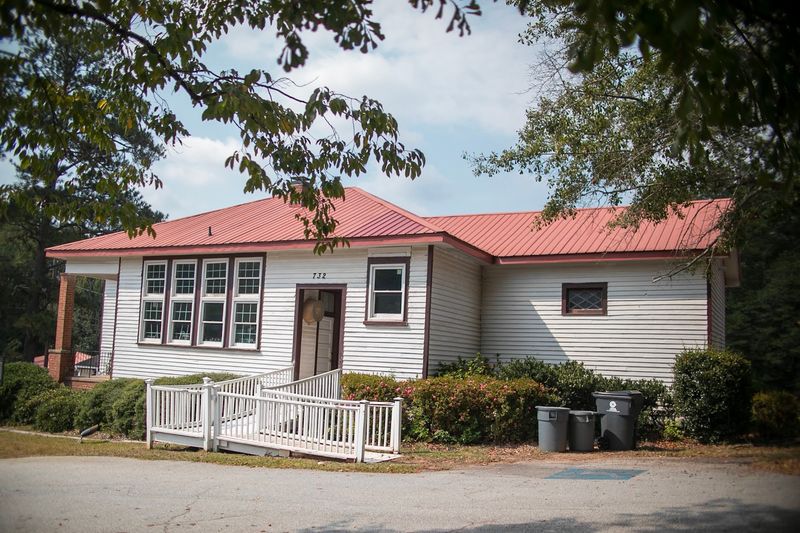
Some school buildings tell you as much about neighbors as students. The Hiram Rosenwald School grew from an effort to expand education for African American children.
It once served as the area’s only public school for those children. That fact gives every surviving part of the building added meaning.
Rosenwald schools were built through a partnership involving funding and local support. The wider program helped create thousands of schools across the South.
Community effort is not an abstract phrase here. Families wanted better opportunities, and a school offered children room to learn.
Today, the preserved building serves as a museum and cultural center. Its displays share stories tied to students, teachers, and local education.
Read those stories with the school building in mind. A familiar room can make a difficult chapter of history easier to understand.
For younger visitors, begin with a simple comparison. What would feel familiar here, and what would be different from school today?
That question opens a conversation without turning the visit into a quiz. Let the exhibits guide you toward the answers they support.
Find it at 732 Hiram Douglasville Hwy, Hiram, GA 30141. Check access and museum hours before planning a stop.
Take a moment outside before moving on. Seeing the whole building helps connect its small scale with its large community role.
The lasting lesson is about more than one school. It is about people making sure children had a place to study and grow.
7. Historic Newborn Schoolhouse
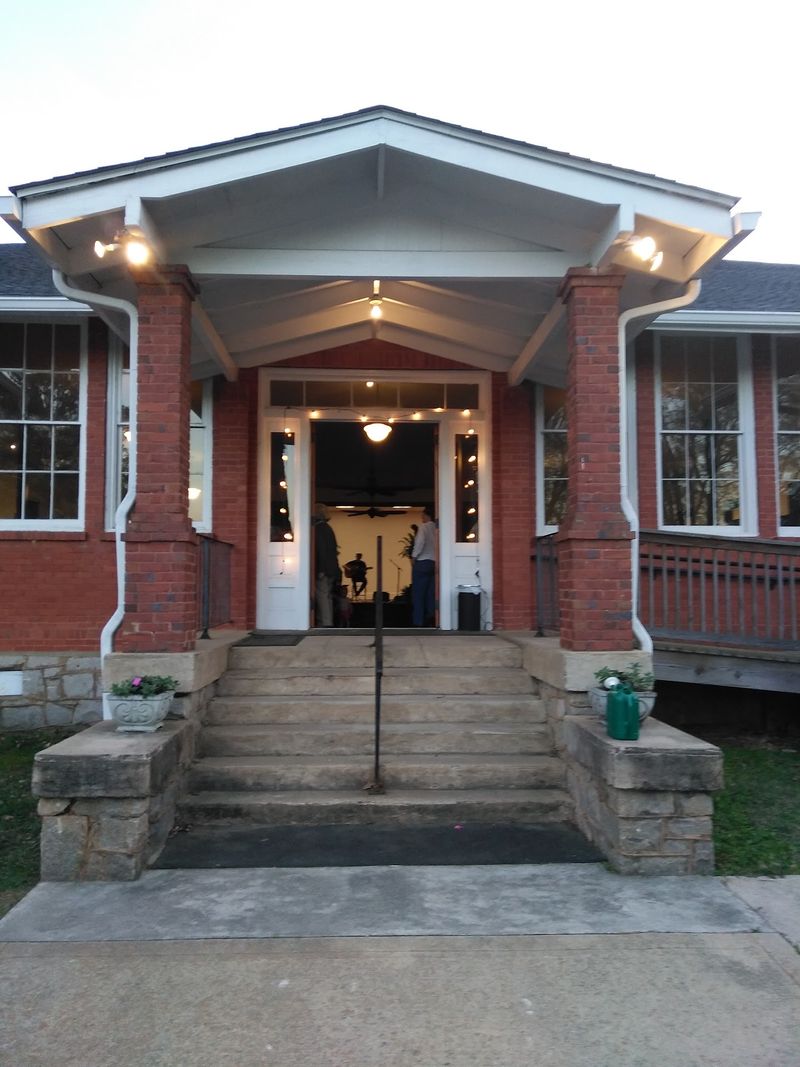
An old wooden school can make a map stop feel wonderfully personal. The Historic Newborn Schoolhouse recalls a time when local classrooms shaped daily community life.
Its simple form helps visitors picture rural education. Look at the building’s scale and imagine how different a school day might feel there.
Students once came here for lessons, but the building still brings people together. It is maintained for community use and gatherings.
That change is worth noticing. A classroom’s purpose can shift while the place remains important to its neighbors.
Unlike a large museum, this stop may be best appreciated from outside. Do not assume the interior is open unless an event allows access.
Find the schoolhouse at 4326 GA-142, Newborn, GA 30056. Check local information before going, especially if you hope to attend a gathering.
Bring a young traveler into the conversation. Ask what they would miss most about their own school building.
The answers may start with familiar things, like friends or a favorite room. That makes the past easier to picture without pretending it was simple.
Notice the materials and the building’s size during your stop. Those details offer clues about how a small community used its space.
Keep photographs respectful if an event is taking place. A living community space deserves the same care as any historic site.
Afterward, the schoolhouse may stay in your mind for its everyday purpose. It shows how a place for lessons can keep serving people.
8. Ailey’s Old Rosenwald School
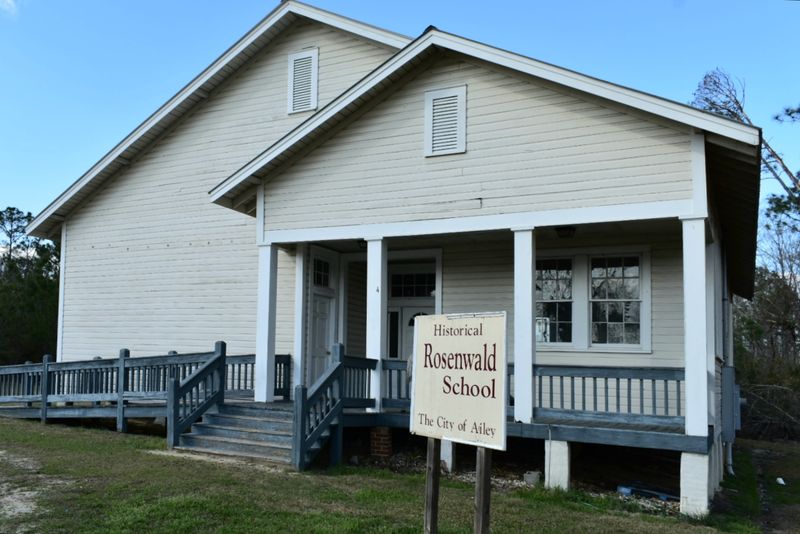
A building does not need a grand entrance to make you pause. Ailey’s Old Rosenwald School represents a major effort to expand education across the rural South.
Rosenwald schools served African American students during segregation. Their construction drew support from the Rosenwald Fund and the communities that needed them.
That shared work matters when you look at a surviving school. The building speaks to the value families placed on their children’s education.
Unlike an active museum, a historic building may offer limited access. Check current preservation and visiting information before making plans to see Ailey’s school.
The address is 324 N Pine St, Ailey, GA 30410. Respect signs, boundaries, and any restrictions you find when you arrive.
A view from a public area can still prompt useful questions. Who gathered the resources to build a classroom here?
How did students and teachers use that space each day? Those questions help turn a quick look into a more thoughtful stop.
For context, read about the wider Rosenwald school program beforehand. Knowing its purpose makes this local building easier to understand.
Notice what can be seen without guessing about what cannot. Preservation efforts and public access can change over time.
If you travel with children, explain why an old school deserves care. It holds evidence of people working to create learning opportunities.
Leave the site exactly as you found it. The best roadside history stops let the next curious traveler learn something too.
9. The Schoolhouse Vendor Market
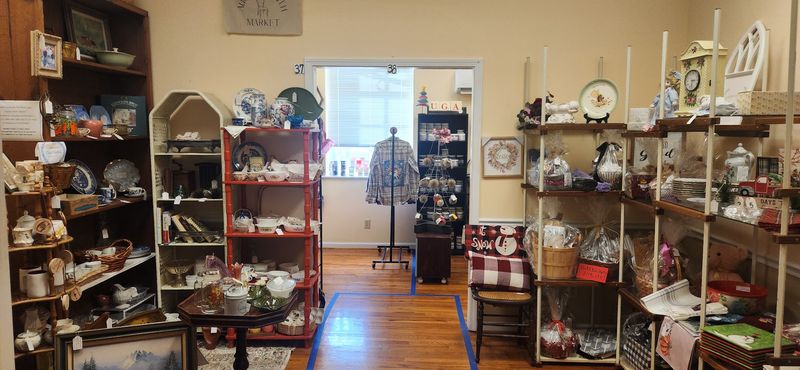
Chalkboards have made room for shopping at this former school. The Schoolhouse Vendor Market gives an old building a lively new purpose.
Vendors now use the space to offer goods instead of lessons. That change makes the building an example of reuse you can actually browse.
Look around as you shop, not just at the tables. The setting is part of the interest, even if the stock changes between visits.
Markets reward a little patience and a curious eye. One stall might catch your attention while another holds a practical gift.
Because vendors and goods can change, avoid planning around one promised find. Enjoy the surprise instead, and check current market details before going.
The address is 2332 Mize Rd, Toccoa, GA 30577. Confirm opening hours so your schoolhouse stop does not become a parking-lot tour.
A short visit can support small sellers while giving you a look inside. That makes the stop different from a museum visit.
Ask permission before photographing a vendor’s display. Browsing feels better when everyone has room to enjoy the space.
If you bring children, set a small budget before entering. Searching for one thoughtful purchase can be more fun than grabbing the first item.
Keep an eye out for clues to the building’s earlier use. Its school past adds a second story to an ordinary shopping trip.
Leave with or without a purchase, but take the bigger idea along. Old classrooms can keep serving a community in unexpected ways.