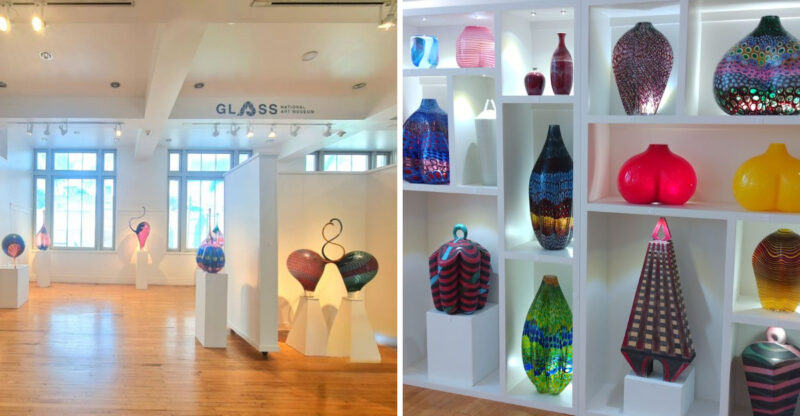
This Small Kentucky Town Is Where You Watch Artists Actually Make Things
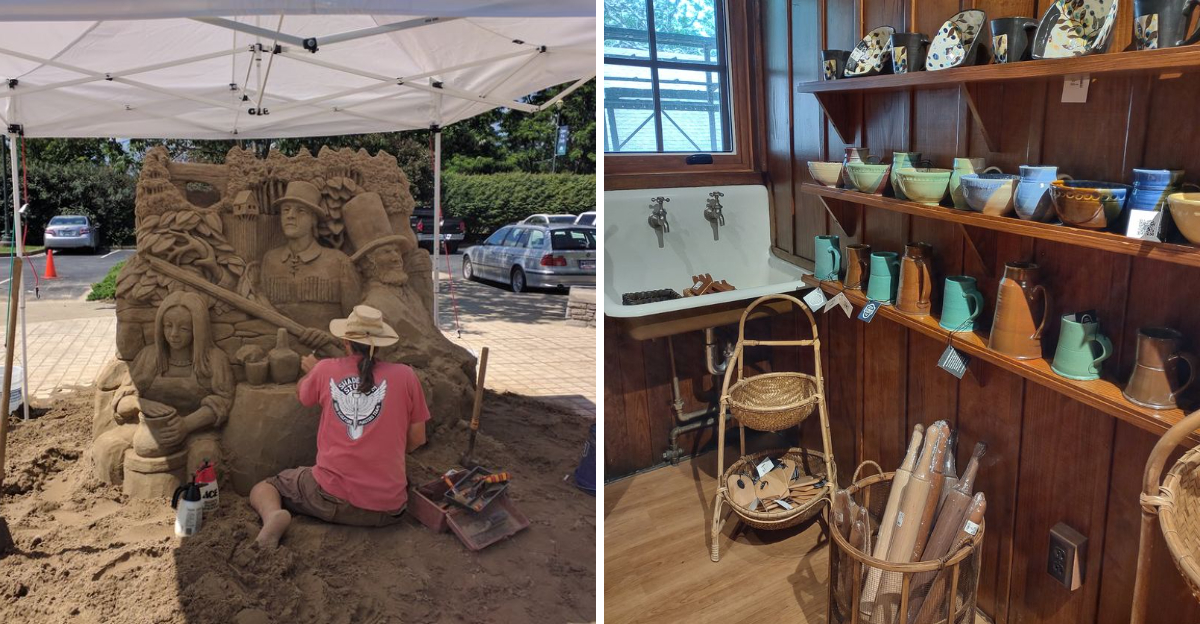
Most craft towns sell you the finished object and keep the interesting part out of sight. This one does the opposite.
You get to stand there and watch somebody’s hands doing the work, which is far more absorbing than anybody warns you about. Twenty minutes disappear before you notice.
The state made it official years ago and named this place the Folk Arts and Crafts Capital of Kentucky, a title nobody else has managed to take off them since.
There is a college here that has been teaching these skills for generations, so the tradition did not arrive as a marketing idea. It simply never left.
You will go in planning to look and come out holding something you did not intend to buy. That is not a warning.
Bring cash and a little patience, and give yourself longer than you think you need.
The Craft Capital Of The South
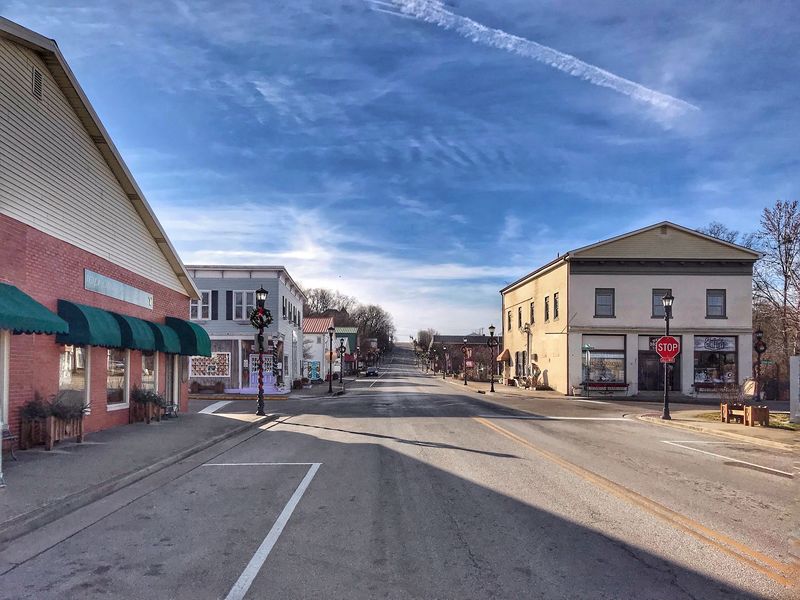
Berea, Kentucky calls itself the Folk Arts and Crafts Capital of Kentucky, and it earns that title every single day. The town sits at the edge of the Appalachian foothills, about 40 miles south of Lexington.
It is small, walkable, and packed with working studios.
What makes Berea different from other artsy towns is that the artists are actually there. You do not just see finished pieces behind glass.
You watch potters throw clay, weavers thread looms, and woodworkers sand joints by hand. The whole town feels like one big open workshop.
Berea has been a center for Appalachian crafts since the 1800s. Berea College, founded in 1855, built its entire student work program around traditional crafts.
That spirit never left. Today, over 40 studios and galleries line the streets of the small downtown area.
First-time visitors often say they planned to stay two hours and ended up spending the whole day.
The Berea Welcome Center And Where To Start Your Visit
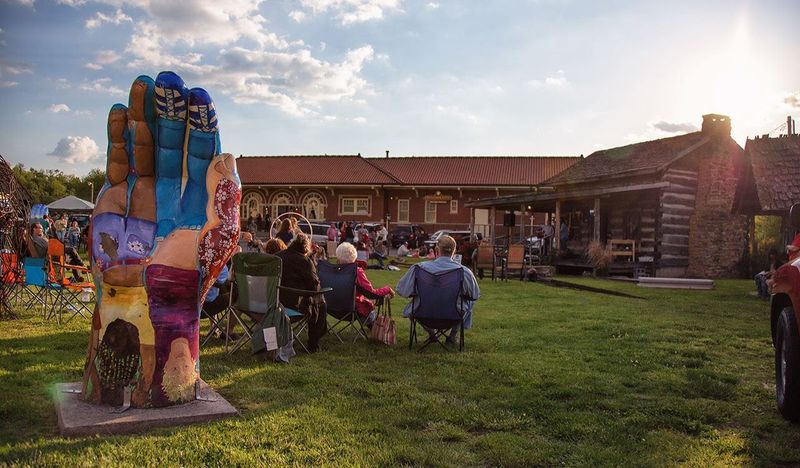
Nobody wants to wander a new town completely lost. The Berea Welcome Center on North Broadway is the smartest first stop you can make.
It is free, friendly, and genuinely useful.
The staff there know every studio in town by name. They hand you a printed map that marks all the working craft studios, galleries, and shops.
The map is color-coded by craft type, which is a small but brilliant touch. You can plan your whole route in about ten minutes.
The Welcome Center also has a small exhibit space that shows off local work. You get a preview of what the town makes before you even step outside.
Broom makers, jewelry artists, glassblowers, and furniture builders all show up on those walls.
One thing worth noting: Berea is very walkable from the Welcome Center. Most of the main studios are within a short stroll.
Parking is easy and free in several lots nearby. Starting here saves you time and keeps you from accidentally missing the best spots.
Think of it as the cheat code for enjoying Berea properly.
Watching Potters Work At Kentucky Artisan Center
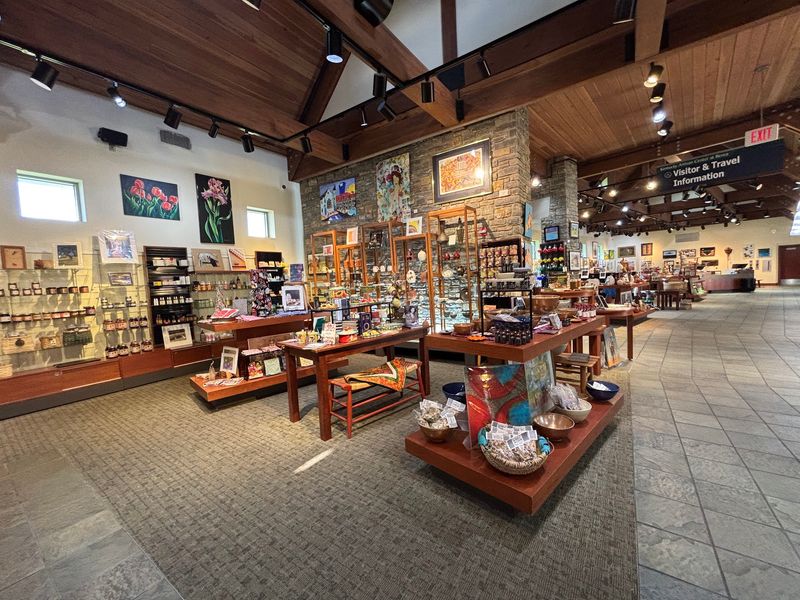
Pottery in Berea is not a hobby. It is a serious, practiced craft that some families have passed down for generations.
The Kentucky Artisan Center on the edge of town is a great place to see this up close.
The center features live demonstrations where working potters shape bowls, mugs, and vases right in front of you. Watching a lump of clay become something useful in under five minutes is genuinely impressive.
Even kids who are normally glued to their phones tend to stop and stare.
The gallery inside sells finished pieces from over 700 Kentucky artists. Prices are fair and clearly marked.
You can find hand-thrown mugs for around fifteen dollars and larger decorative pieces for more. Everything sold there is made in Kentucky, which feels meaningful when you have just watched someone make it.
The building itself is worth a mention. It is modern, clean, and well-lit.
There is also a cafe inside where you can grab lunch before continuing your studio tour. The Kentucky Artisan Center is open daily and sits right off Interstate 75, making it an easy stop even if you are just passing through.
Handwoven Traditions At Weaver’s Bottom Craft Studio
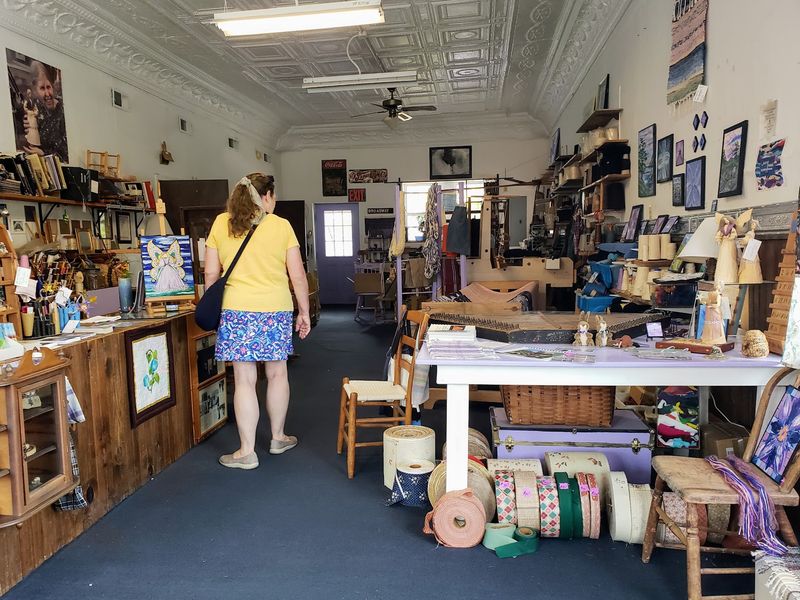
One of the most rewarding stops in Berea is Weaver’s Bottom Craft Studio, where visitors can watch traditional weaving practiced by artists who have spent decades perfecting their craft.
Located at 140 North Broadway in the heart of the Old Town Artisan Village, the studio has been welcoming visitors since 1989 and remains one of Berea’s best places to experience handmade textiles up close.
Husband-and-wife artists create their work on site, giving guests a chance to see looms in action while learning about the weaving process that turns simple threads into colorful scarves, blankets, table runners, and home décor.
The steady rhythm of the loom and the careful attention paid to every detail make it easy to appreciate the skill and patience behind each finished piece.
Beyond woven textiles, the studio also features Mary Colmer’s handcrafted corn husk dolls and whimsical fairy houses, adding even more variety to the collection.
Visitors are often encouraged to ask questions, and the artists enjoy sharing stories about their techniques, materials, and creative process.
Rather than simply browsing shelves of finished products, you get to connect with the people who made them.
That personal experience is exactly what makes Berea’s craft community so memorable and why Weaver’s Bottom Craft Studio continues to be one of the town’s most worthwhile stops.
Old Town Berea And The Studio Stroll Experience
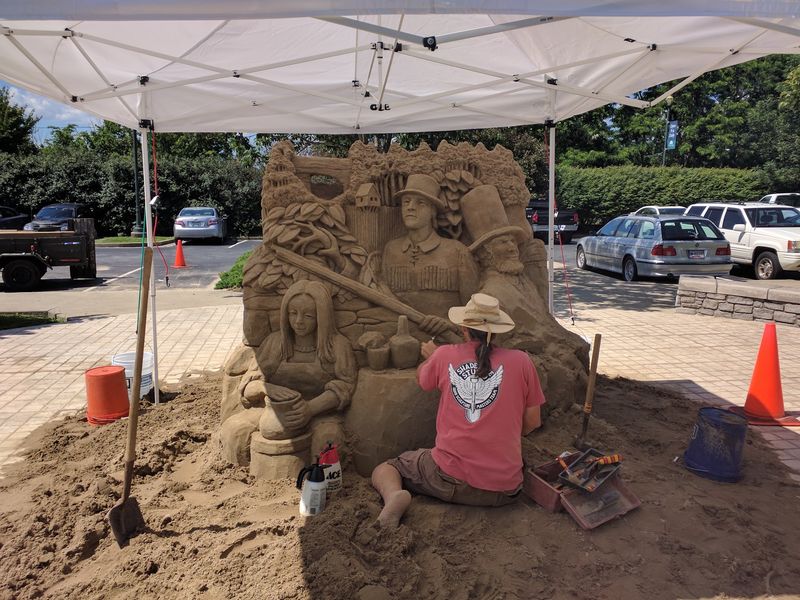
Old Town Berea is where the real magic happens on foot. The neighborhood clusters around College Square and stretches along a few short blocks packed with independent studios.
Almost every door is open to visitors during business hours.
Each studio has its own personality. One shop smells like sawdust and linseed oil.
The next one has the sharp mineral scent of fresh glaze. A third plays old bluegrass softly from a speaker in the corner.
The sensory variety keeps you alert and curious the whole time.
Artists here are used to visitors and genuinely seem to enjoy talking about their work. I asked a woodturner once how long a particular bowl took to make.
He paused, thought about it, and said three days if you count the drying time. That kind of honest answer sticks with you.
The Studio Stroll is also an official event held twice a year in spring and fall. During those weekends, even more studios open their doors and artists give extended demonstrations.
If you can time your visit around one of those weekends, do it. The energy is different and the access is deeper than a regular weekday visit.
Berea College Student Craft Program
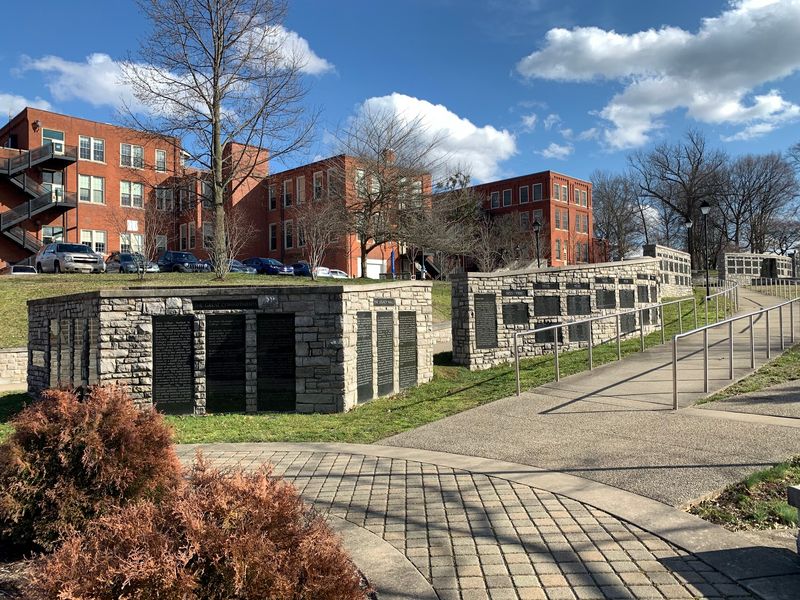
Berea College has a genuinely unusual model. Every student works in exchange for their tuition.
Many of those work assignments are in the craft program, which produces furniture, ceramics, brooms, and weaving sold to the public. The crafts are not a side project.
They are central to how the college operates.
Visitors can tour the student craft workshops on campus and watch students learn traditional techniques under the guidance of master craftspeople. The skill level varies by student, but the dedication is consistent.
These are not hobbyists. They are earning their education one finished piece at a time.
The Log House Craft Gallery on campus sells student-made work at very reasonable prices. A handwoven scarf or a turned wooden bowl bought here supports a student directly.
That is a different kind of souvenir than most towns offer.
Berea College also holds open craft fairs and events throughout the year where you can meet students and hear about the program firsthand. The campus itself is beautiful and worth a short walk.
The combination of education, craft, and community that Berea College represents has been influencing this town for over 150 years and shows no sign of slowing down.
Shopping For Handmade Goods Without The Tourist Markup
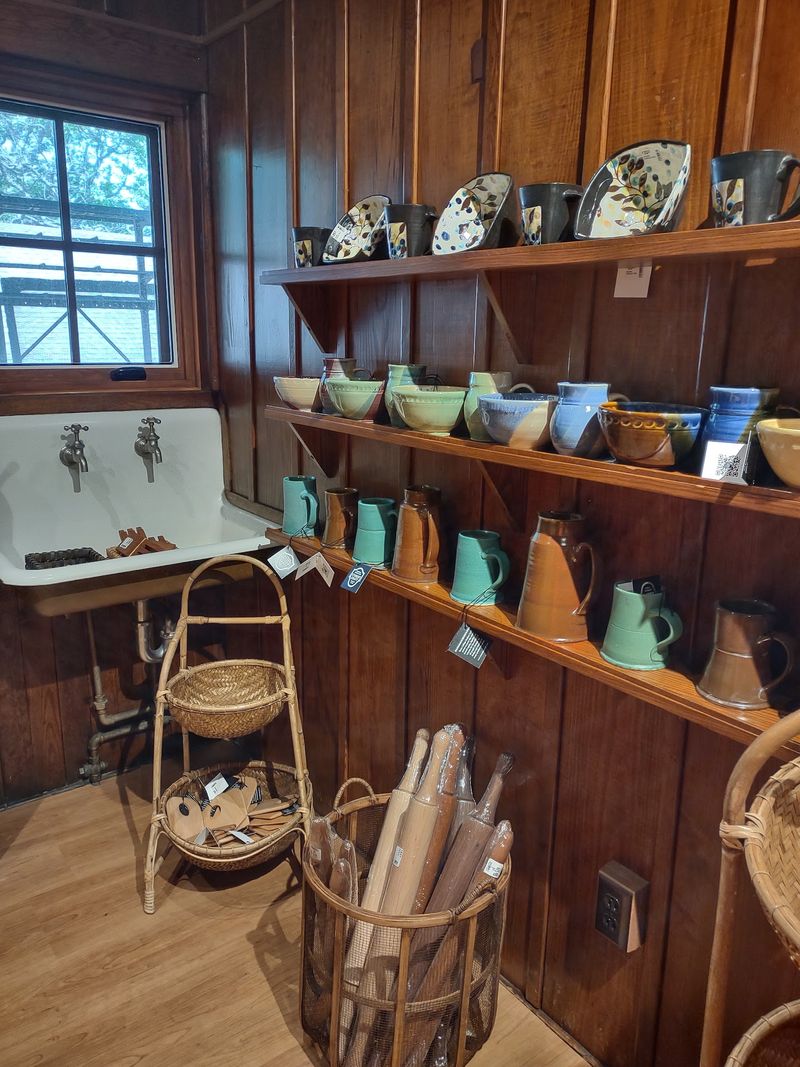
One of the best surprises about Berea is the pricing. You might expect a famous craft town to charge big-city prices, but most studios keep things accessible.
Handmade does not automatically mean expensive here.
Brooms are a great example. Berea has a strong broom-making tradition, and a well-made corn broom from a local maker costs around twenty to thirty dollars.
It will outlast three cheap ones from a big-box store. That math is easy to like.
Pottery is similarly priced with intention. Most studios offer a range from small affordable pieces to larger statement works.
You can find a hand-thrown mug for fifteen dollars or a large decorative bowl for eighty. Neither price feels like a rip-off when you have watched someone make it that morning.
One tip: bring cash to smaller studios. Some of the one-person operations prefer it, and a few do not take cards at all.
An ATM near the Welcome Center makes this easy to manage. Also, do not be shy about asking artists if they have anything in the back or anything in progress.
Sometimes the best pieces are not on display yet. Asking nicely almost always works.
Why It Stays With You Long After You Leave

Most travel experiences fade pretty quickly. You see a place, take a photo, move on.
Berea works differently. Something about watching real people make real things by hand changes how you think about objects in general.
After spending a day here, you start looking at everyday items differently. A bowl is not just a bowl anymore.
It is hours of work and a specific set of hands. That shift in perspective is one of the more unexpected gifts Berea gives its visitors.
The town also has a sense of continuity that feels rare. Craft traditions here go back generations, and younger artists are actively learning them.
It does not feel like a museum preserving the past. It feels like a living community that genuinely values making things well.
Berea is about three hours from Nashville, two hours from Cincinnati, and less than an hour from Lexington. It is an easy day trip or a comfortable overnight stay.
Several small inns and bed-and-breakfasts sit near the craft district. If you have never been, the drive is worth it.
If you have been before, you already know exactly what I mean.