This Giant Georgia Landmark Has Been Welcoming Visitors For Decades
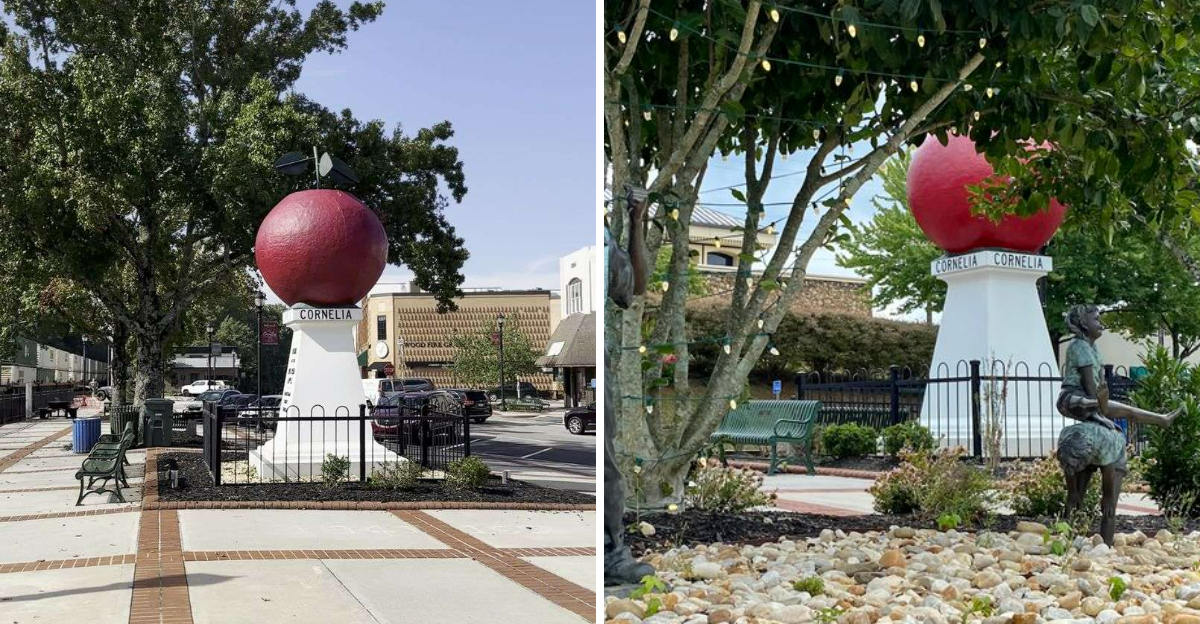
Some landmarks do not need explanation, they just need one glance to stop traffic. I remember rounding a bend and seeing something so oversized and unexpected that I actually pulled over just to be sure my eyes were not playing tricks.
Georgia has a way of hiding surprises in plain sight, right between ordinary storefronts and quiet streets. This one has stood tall for decades, watching generations of visitors do exactly what I did.
Kids point. Parents laugh.
Strangers strike up conversations about how something this massive ended up right here. Georgia keeps landmarks like this scattered across the map, each one a little stranger than the last.
Once you see this one in person, you understand why people still make the detour just to stand beside it.
A Monument Born From Apple Country Pride
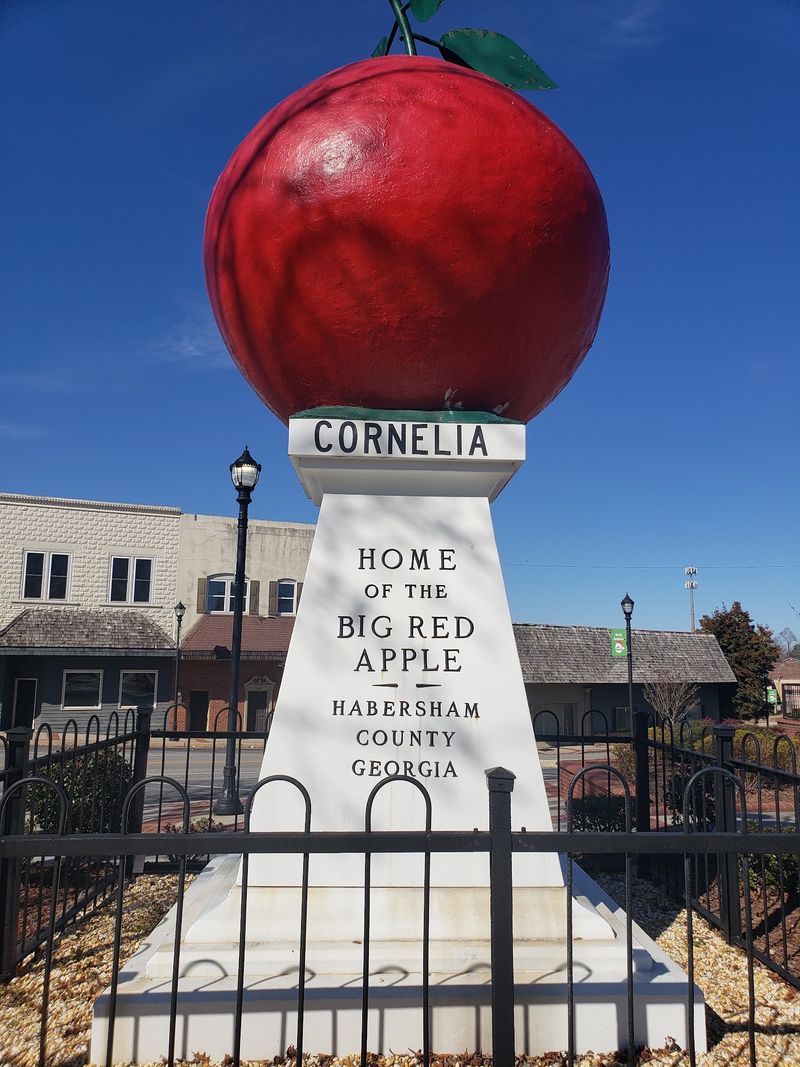
Few monuments in Georgia carry as much agricultural pride as this bold, brick-red structure. The story behind it starts with a simple but powerful idea.
A local apple grower named J. Frank Beck wanted to honor the industry that built his community.
The apple industry in Habersham County was once a major economic force in Northeast Georgia. Beck believed the region deserved a tribute that matched its significance.
His idea turned into something the whole town still talks about today.
The monument was molded in Winchester, Virginia, and then shipped by train to its permanent home. The Southern Railway donated the structure to the city as a generous gift.
It arrived in 1925 and has stood tall ever since.
Officially dedicated on June 4, 1926, the unveiling was a major town celebration. The community gathered with real pride, knowing this moment mattered.
You can find The Big Red Apple at 141 Clarkesville St NW, Cornelia, GA 30531, beside the historic Cornelia Depot in downtown Cornelia, where it continues to welcome curious visitors year-round.
The Numbers Behind This Impressive Structure
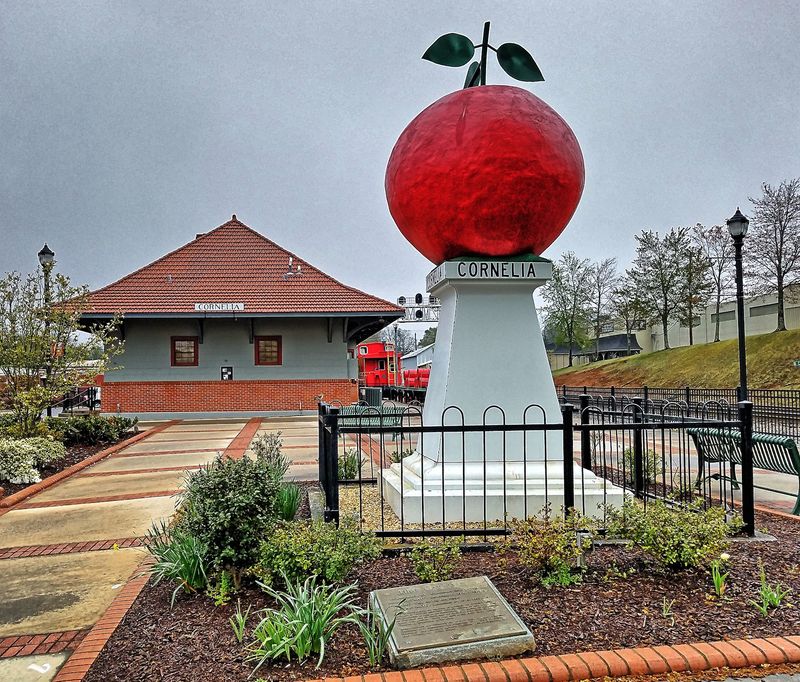
Seven feet tall and twenty-two feet around, this is not your average roadside curiosity. The sheer scale of it surprises most first-time visitors.
Standing on an eight-foot concrete pedestal, the total height commands serious respect.
The apple weighs a jaw-dropping 5,200 pounds. Steel and concrete form its core, giving it the durability to survive nearly a century of Georgia weather.
This is one fruit that is never going out of season.
The combination of materials was a smart engineering choice for the era. Builders wanted something permanent, something that would outlast trends and time.
They clearly succeeded in spectacular fashion.
The pedestal alone adds dramatic presence to the structure. When you stand at its base and look up, the scale genuinely impresses.
It is the kind of thing you photograph from multiple angles just to capture the full effect.
Every measurement feels intentional, like the creators wanted future generations to take notice. They wanted the monument to feel worthy of the industry it represents.
By every measure, they delivered exactly that.
What The Apple Actually Represents
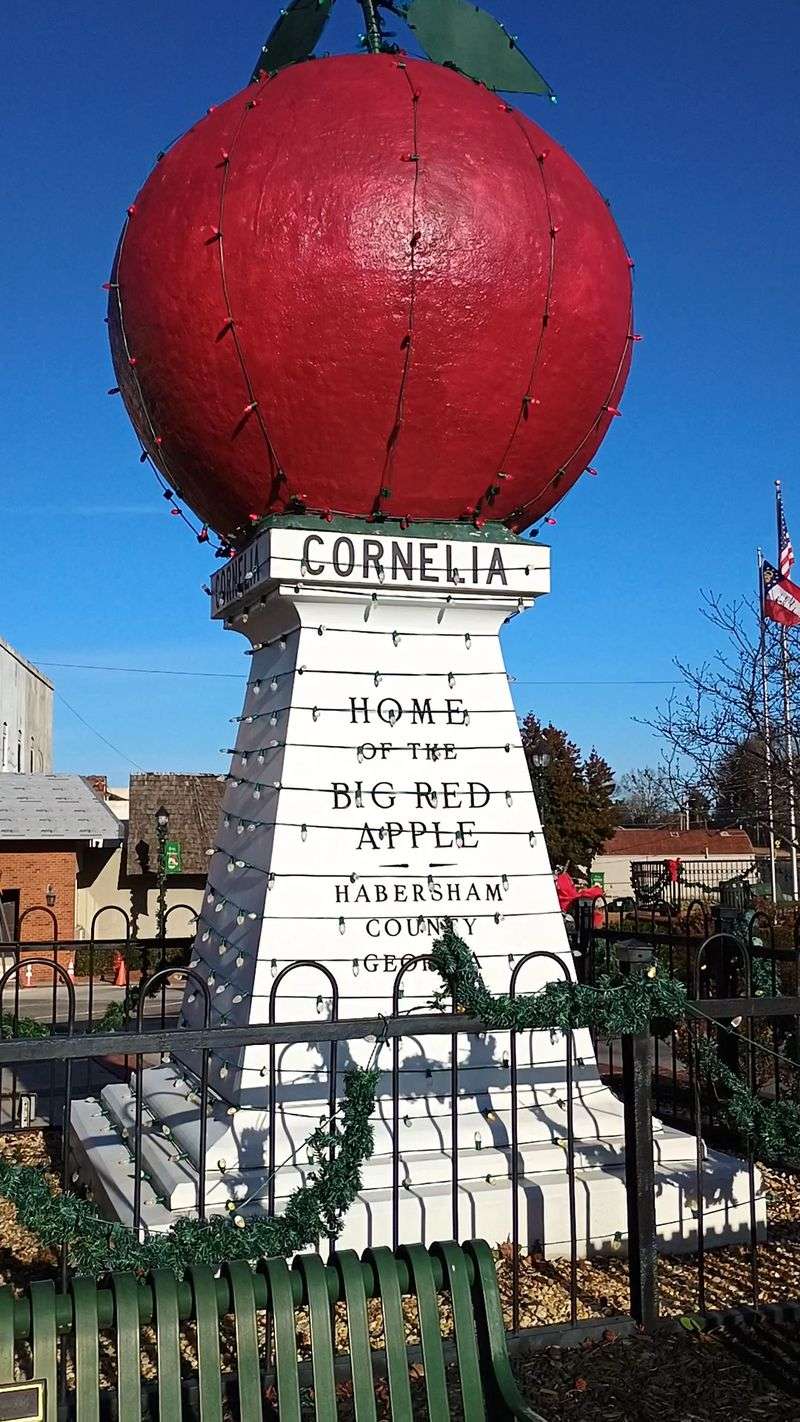
Apples were not just a crop in this part of Georgia. They were a way of life, a livelihood, and a source of deep community identity.
The monument exists to honor every farmer who worked the orchards of Habersham County.
Northeast Georgia’s apple industry was thriving when this monument was conceived. The region produced apples that traveled far beyond state lines.
Local growers took enormous pride in their harvests and their reputation.
The phrase “The Home of the Big Red Apple” was already known to residents before the monument even arrived. That tells you everything about how central apples were to the local culture.
The monument simply made that identity visible and permanent.
Generations of families in the area built their lives around the harvest season. The monument connects modern visitors to that rich, working history.
It is agricultural storytelling carved in steel and concrete.
Standing in front of it, you feel the weight of that heritage. This spot honors real people and real labor.
That depth of meaning is what separates a true landmark from a simple decoration.
The Plaza That Surrounds It All
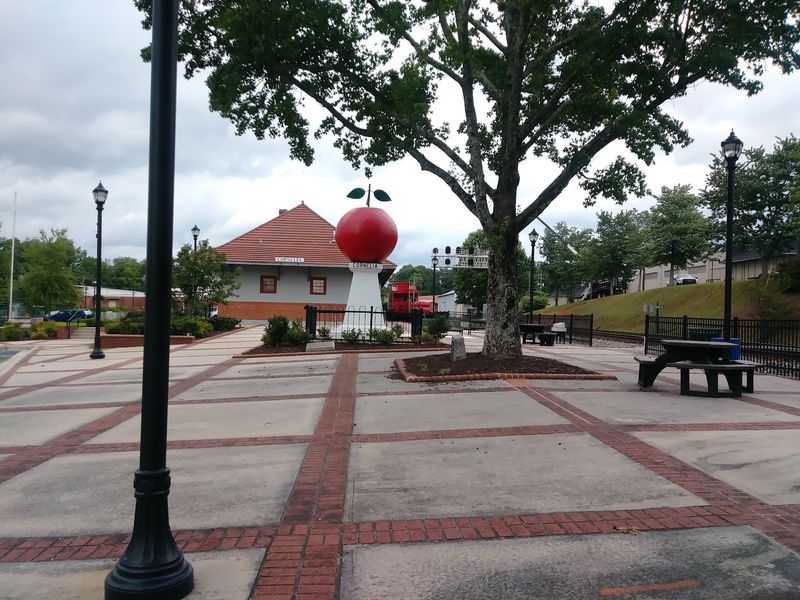
The monument does not sit alone on a plain patch of concrete. A thoughtfully designed plaza wraps around it, making the whole visit feel intentional.
Benches, flowers, and a small fountain create a genuinely pleasant atmosphere.
The space invites you to slow down rather than snap a photo and leave. Spreading a blanket on the grass is a completely reasonable choice here.
Plenty of people treat it like a peaceful afternoon destination.
The plaza is clean, well-maintained, and open around the clock every day of the year. There is no admission fee, no ticket booth, and no crowds blocking your view.
Just show up and enjoy it at your own pace.
Families bring kids, couples bring cameras, and solo travelers bring curiosity. The atmosphere feels relaxed without feeling neglected.
Someone clearly cares about keeping this place in good shape.
Parking is easy to find nearby, which is a welcome bonus in any small town. The layout makes the whole area walkable and comfortable.
It is the kind of plaza that makes you glad you stopped instead of driving past.
The Historic Train Museum Right Next Door
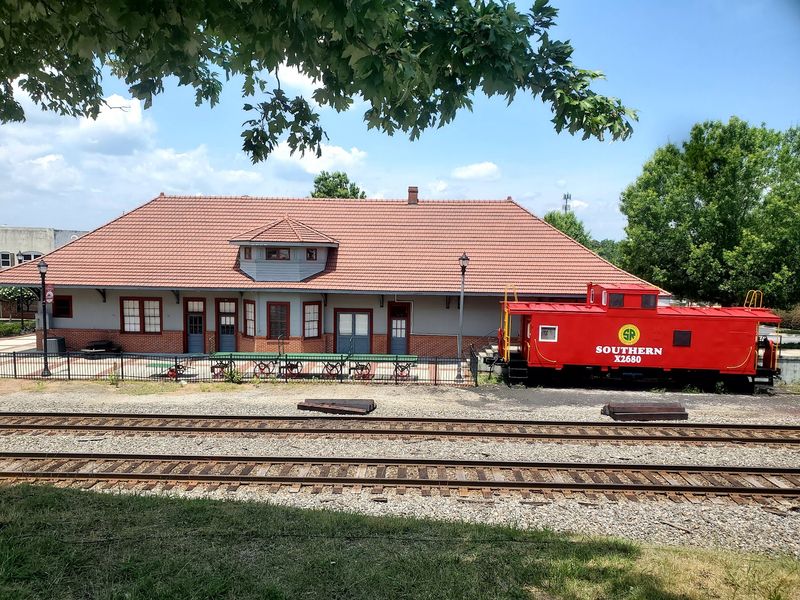
Right beside the apple sits one of the area’s most underrated attractions. The restored historic railroad depot now serves as both a train museum and a welcome center.
It is the kind of bonus discovery that makes a road trip feel rewarding.
Vintage train cars sit outside, giving visitors a closer look at the area’s railroad history. For anyone who loves trains, this is a serious treat.
The hands-on access makes it far more engaging than a typical museum exhibit.
Rail fans have an extra reason to linger here. Actual trains still pass through the area, and catching one adds an unexpected thrill.
Early morning Amtrak trains have been spotted rolling through by eagle-eyed visitors.
The depot building itself has historical significance beyond its current use. It connects this spot to the railroad era that shaped small-town Georgia.
The Southern Railway connection to the apple monument ties the two histories together neatly.
Admission to the museum area is free, making it an easy add-on to any visit. The combination of the monument and the depot creates a genuinely full experience.
You get history, architecture, and a great photo opportunity all in one stop.
The Annual Festival That Keeps The Tradition Alive
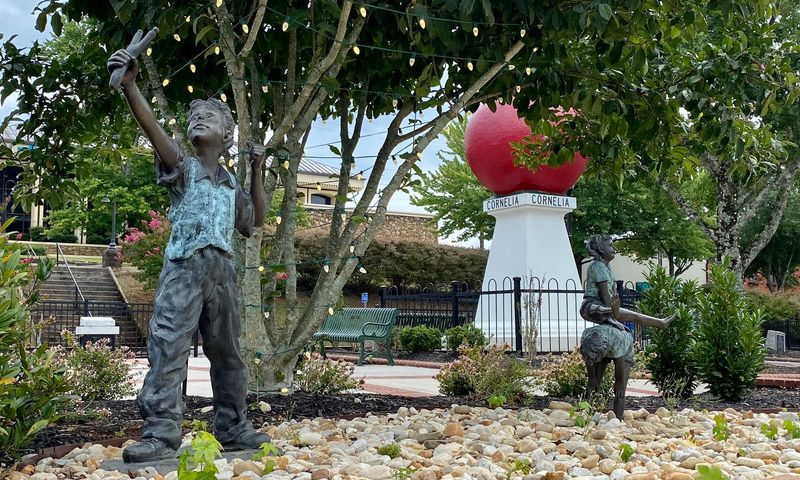
Once a year, the plaza around this landmark transforms into something even more lively. The Big Red Apple Festival draws crowds to celebrate the region’s apple heritage.
It is a tradition that has been running for years and shows no signs of slowing down.
The festival takes place right on the depot plaza, keeping the celebration close to its roots. Community spirit runs high during this event, and the energy is genuinely contagious.
People travel from surrounding areas just to be part of it.
Local pride is the main ingredient that makes the festival work. The event connects current residents to the agricultural history that shaped the town.
That sense of continuity is rare and worth appreciating.
Beyond the apple theme, the festival atmosphere offers a chance to explore the area on foot. Several restaurants sit within easy walking distance of the plaza.
Grabbing a meal after the festivities is a natural and satisfying way to end the day.
The festival keeps the monument relevant for younger generations who might otherwise overlook it. By celebrating the landmark annually, the community ensures its story keeps getting told.
That kind of dedication is what turns a monument into a true institution.
Christmas At The Plaza Is Something Special

If you happen to be passing through during the holiday season, pull over immediately. The plaza around this landmark gets dressed up beautifully for Christmas.
Lights, decorations, and a festive atmosphere make it feel like a scene from a holiday movie.
Visitors have noted how thoughtfully the space gets decorated each year. The effort put into the holiday display is obvious and appreciated.
It turns a daytime landmark into an evening destination worth the detour.
The Christmas setup draws families who want a low-key, charming outing. There is no admission charge, no long lines, and no commercial pressure.
Just a beautifully lit small-town plaza doing what small towns do best.
A live manger scene has even appeared here during past holiday seasons. That kind of community tradition adds warmth that no marketing campaign can manufacture.
It feels genuine because it is genuine.
Combining the holiday lights with the nearby train display makes the visit feel complete. Kids especially love the combination of festive decor and real train cars.
Plan the timing right and this stop becomes a holiday memory worth keeping.
The Centennial Celebration And Fresh Restoration
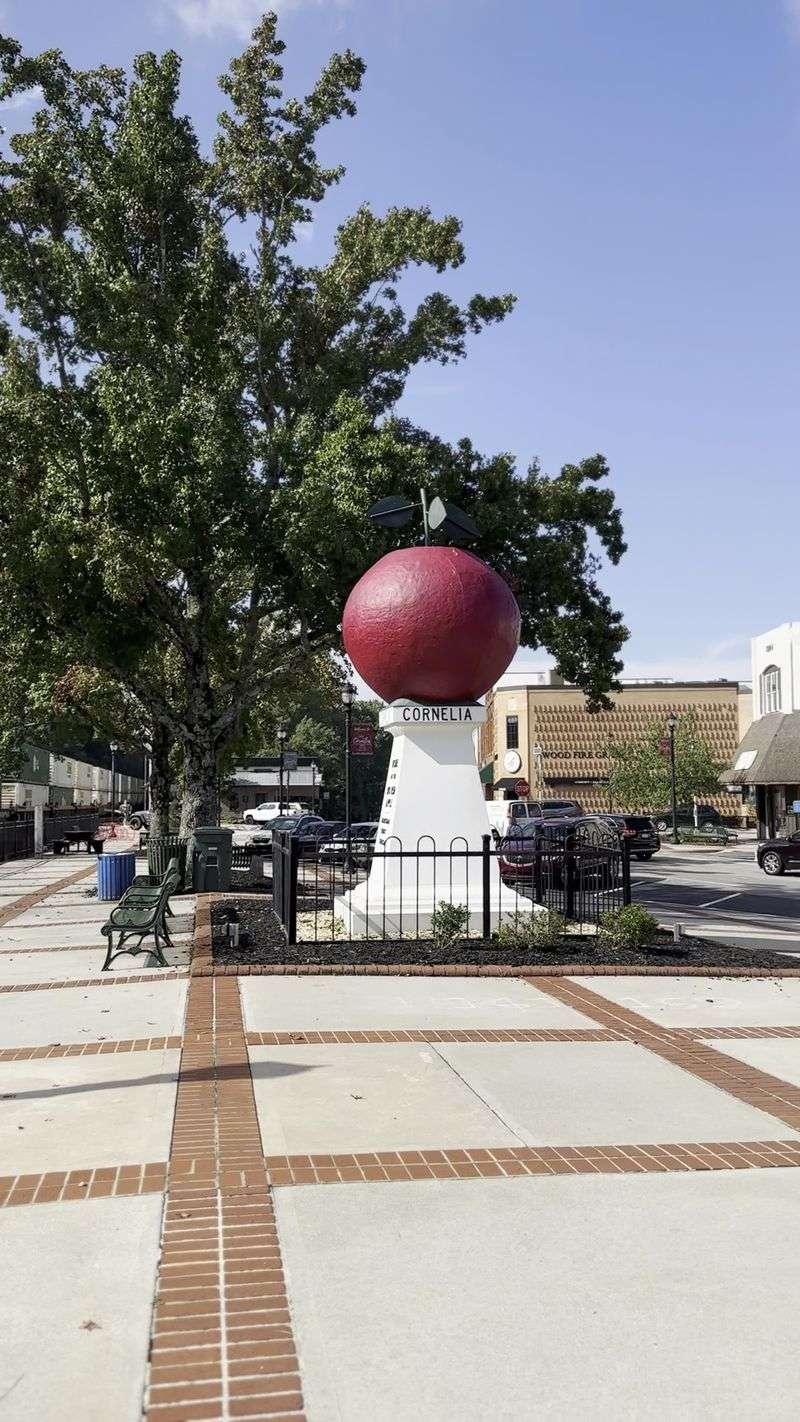
Reaching one hundred years is not something every landmark gets to celebrate. This one earned it with a full centennial event on June 6, 2026.
The community gathered to mark the milestone in proper style.
As part of the centennial, the monument received a fresh restoration. Newly painted gold leaves and a gold stem gave it a striking updated look.
The refreshed details made the already bold structure even more eye-catching.
The original dedication happened on June 4, 1926, so the timing of the centennial felt meaningful. A century of standing in the same spot, welcoming the same curious visitors, is genuinely impressive.
Very few roadside landmarks reach that kind of milestone intact.
The restoration work signals that the community is committed to preserving this piece of history. Keeping a hundred-year-old steel and concrete structure looking sharp takes real effort.
The results speak clearly for themselves.
Seeing the restored monument with its gold accents adds a new layer to the visit. It feels both historic and freshly relevant at the same time.
A centennial is a great excuse to see something old with completely new eyes.
Why This Landmark Deserves A Spot On Your Road Trip List
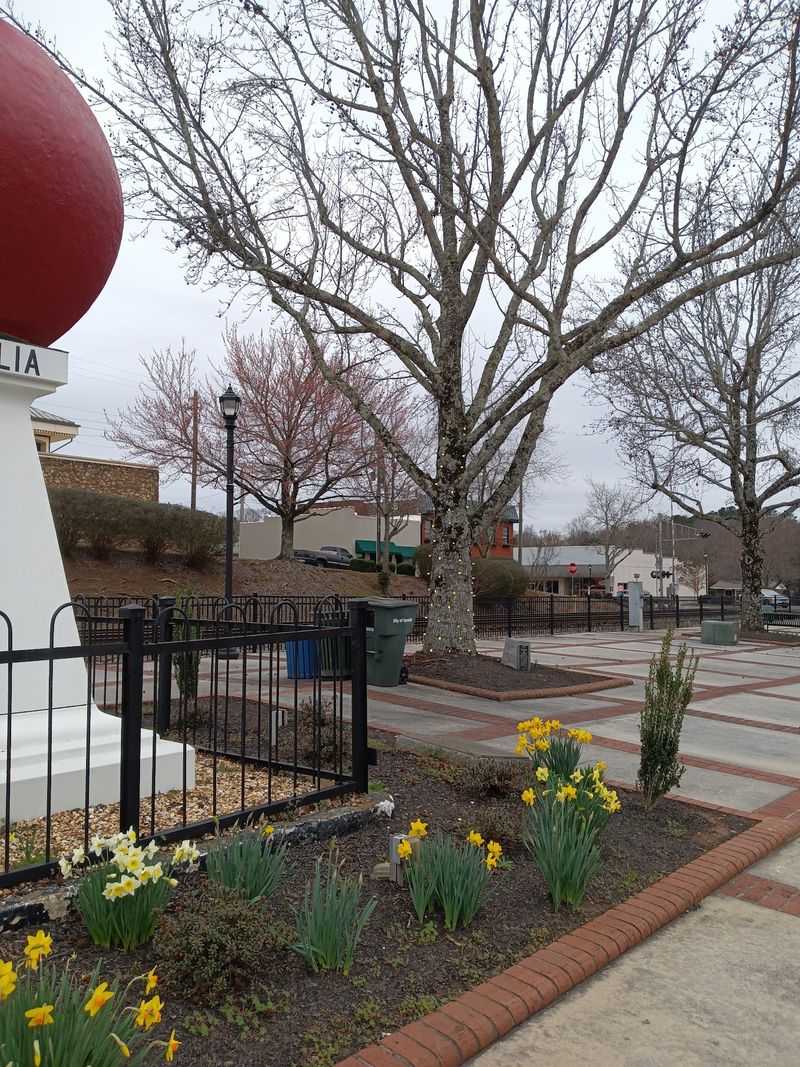
Road trips are made better by unexpected stops that deliver more than expected. This landmark checks that box with surprising ease.
What looks like a quick photo opportunity turns into a genuine half-day adventure.
The monument is open every single day, twenty-four hours a day, with no cost to visit. That kind of accessibility is rare for a historical landmark with this much character.
There is never a bad time to swing by.
The surrounding area adds real value to the stop. Walkable restaurants, a train museum, a charming plaza, and a welcoming small-town vibe all come as part of the package.
You leave feeling like you actually experienced something.
President George W. Bush even visited this area, which adds a notable footnote to the location’s history.
That kind of detail makes you look at the place with fresh appreciation. Not every small-town landmark can claim that kind of distinguished visitor.