This North Carolina City Is So Stressful To Drive In, Even Locals Brace For The Traffic
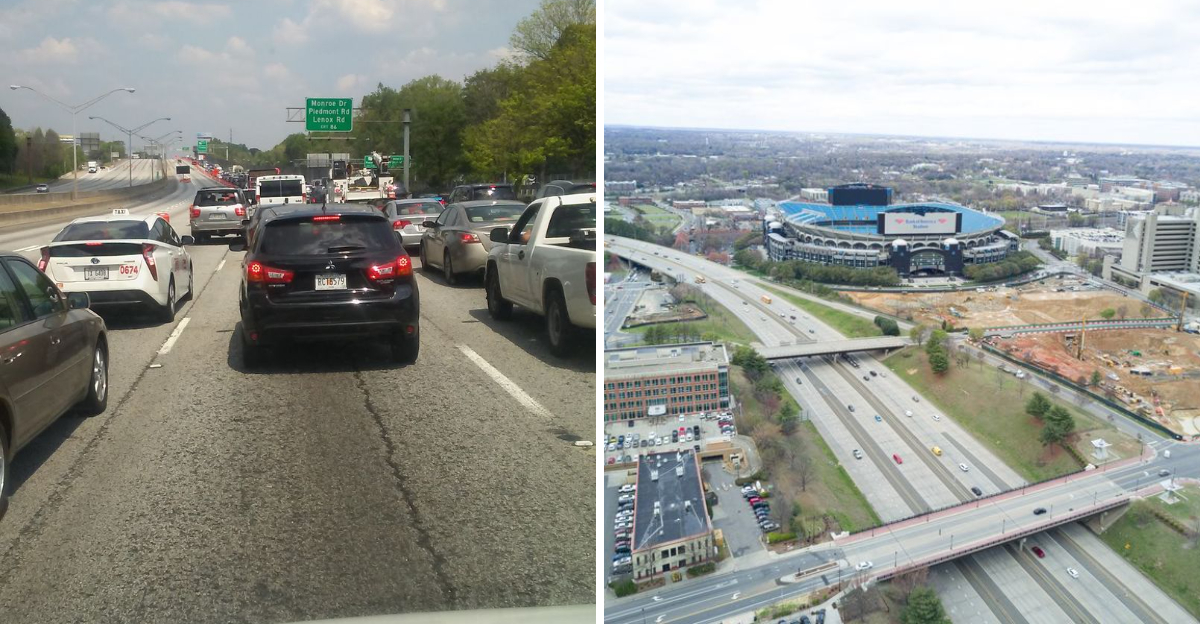
I have learned not to trust a short drive around here.
The map can say 15 minutes, and I still leave early because experience has taught me better. One slowdown turns into another, somebody changes lanes at the worst possible moment, and suddenly that quick trip across town feels like a full commitment.
This part of North Carolina has grown fast, and you can feel it most when you are behind the wheel.
The roads get crowded in a hurry. Familiar routes can change from easy to frustrating depending on the time of day, and locals usually have at least one street they avoid whenever possible.
After a while, you stop measuring distance in miles.
You measure it by how annoyed you expect to be when you get there.
See Why A Quick Drive Across The Town Can Take Much Longer Than Expected
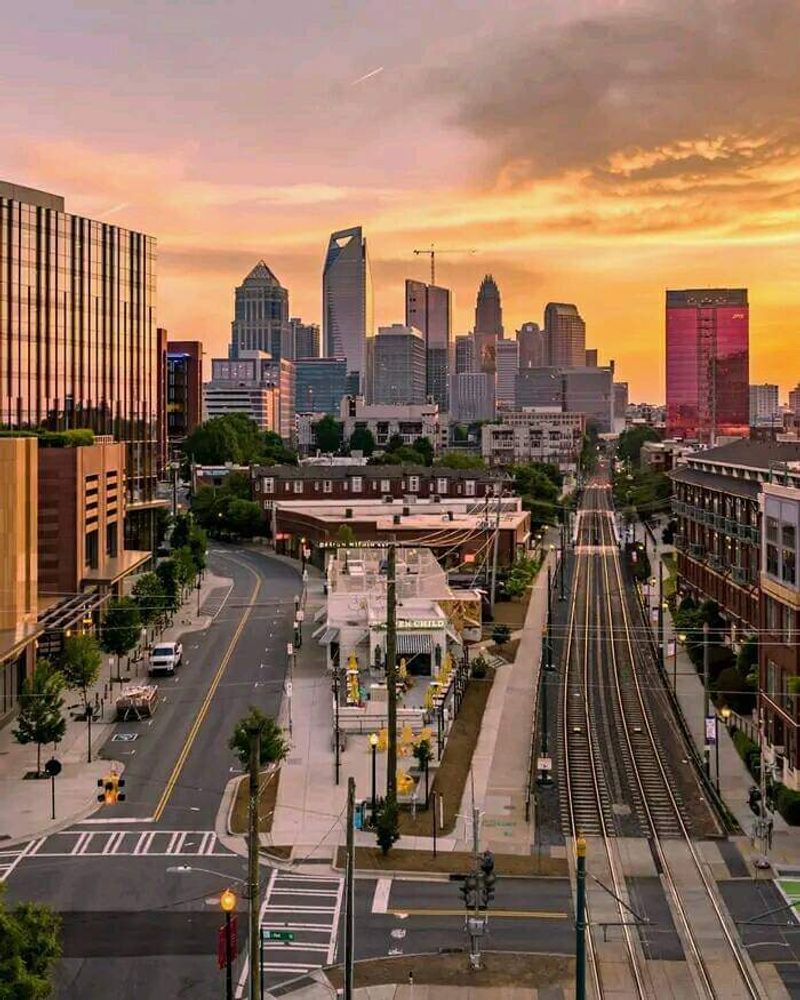
Distance can be misleading when planning a Charlotte trip. TomTom recorded an average 2025 congestion level of 34.8 percent across the city.
During morning rush hour, traveling 10 kilometers took about 15 minutes and 35 seconds. Evening traffic stretched that same distance to roughly 18 minutes and 21 seconds.
Average rush-hour speeds fell to around 22 miles per hour. Drivers collectively lost 49 hours to peak-period congestion during the year.
That was more than an hour worse than 2024. The numbers help explain why a route that looks short on a map can feel much longer after work.
Charlotte’s official commute figure is less dramatic. Census estimates show an average trip to work of 24.7 minutes for city residents.
That number blends easy commutes with difficult ones. It also cannot predict crashes, construction, weather, or event traffic.
Give yourself a buffer when arrival time actually matters. Ten extra minutes can feel excessive while leaving home.
It feels much smarter once the brake lights appear.
Brace For I-77 When Rush Hour Starts Building
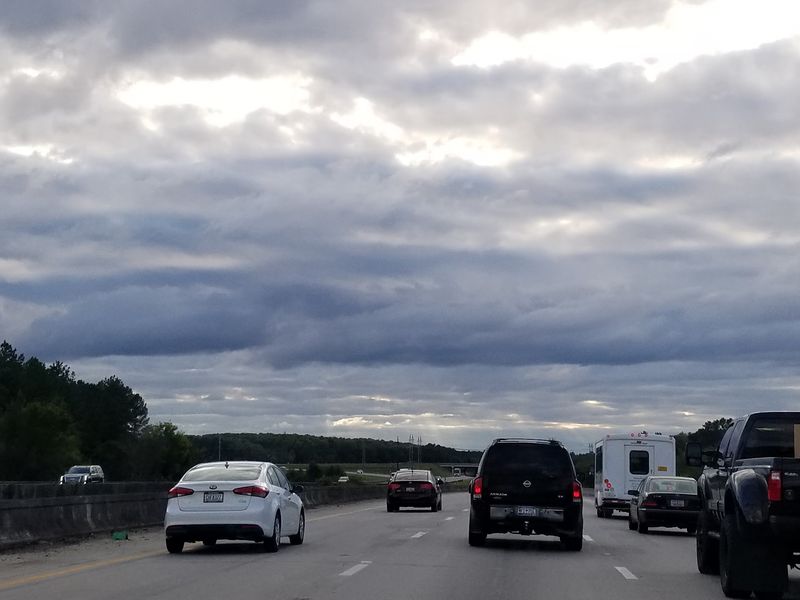
I-77 earns its reputation because it connects some of the region’s busiest destinations. NCDOT describes the southern corridor between I-277 and the South Carolina line as one of the state’s most congested routes.
North of Uptown, express lanes already run toward the Lake Norman area. The current system stretches roughly 26 miles from the Brookshire Freeway toward N.C. 150.
Drivers can pay to use those dedicated lanes when general traffic slows. Vehicles carrying three or more people can qualify for free HOV travel.
The driver must properly activate HOV status before entering. More construction is happening too.
A 2026 project is improving ramps at five I-77 interchanges between north Mecklenburg and south Iredell counties. Work includes Sunset Road, Harris Boulevard, N.C. 73, Griffith Street, and Williamson Road.
Most lane closures are scheduled overnight because the interstate carries so much traffic during the day. Completion is expected in spring 2027.
Give I-77 extra respect during the commute. One slow merge can quickly turn into several miles of brake lights.
Expect I-85 To Slow Down Around Major Interchanges
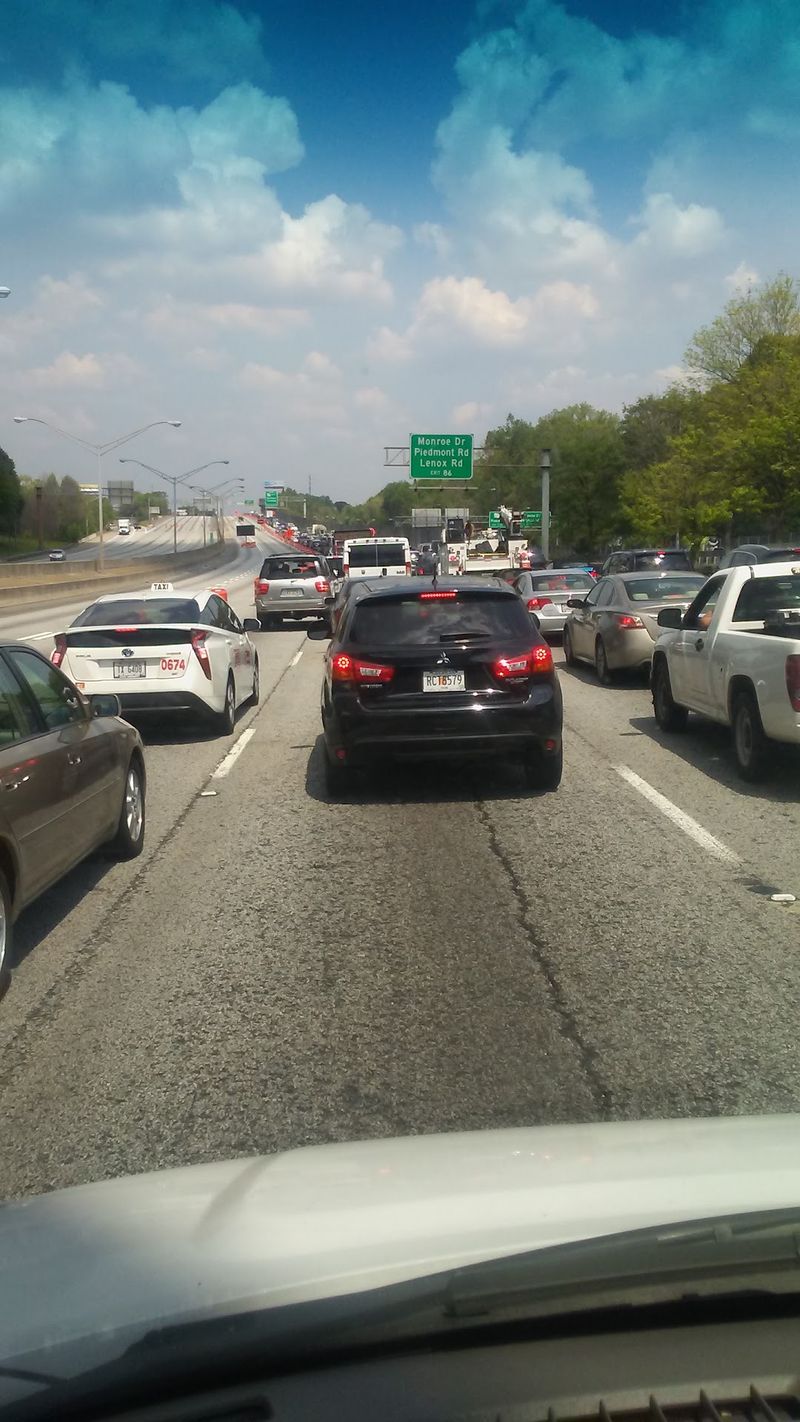
West Charlotte contains a junction that transportation officials already treat as a serious congestion problem. The I-85 and I-485 interchange sits near Charlotte Douglas International Airport.
NCDOT calls it a choke point for commercial traffic and everyday drivers. The agency says congestion can appear throughout the day, not only during traditional rush hour.
A $45 million improvement project is now underway. Crews are widening the bridge that carries traffic from I-485 toward I-85 South.
A new roadway will give merging vehicles more room. Sam Wilson Road is also getting a new bridge and a relocated ramp.
The work should eventually improve flow, but active construction can create its own complications. Lane shifts and closures will continue as different project stages move forward.
That makes real-time traffic information especially useful before entering the corridor. I-85 also carries travelers between Uptown, the airport area, Gaston County, and communities northeast of the city.
Heavy volume can build quickly around major ramps. Missing one bad interchange may save more time than finding a clever shortcut after traffic has already stopped.
Give Yourself Extra Time On Independence Boulevard
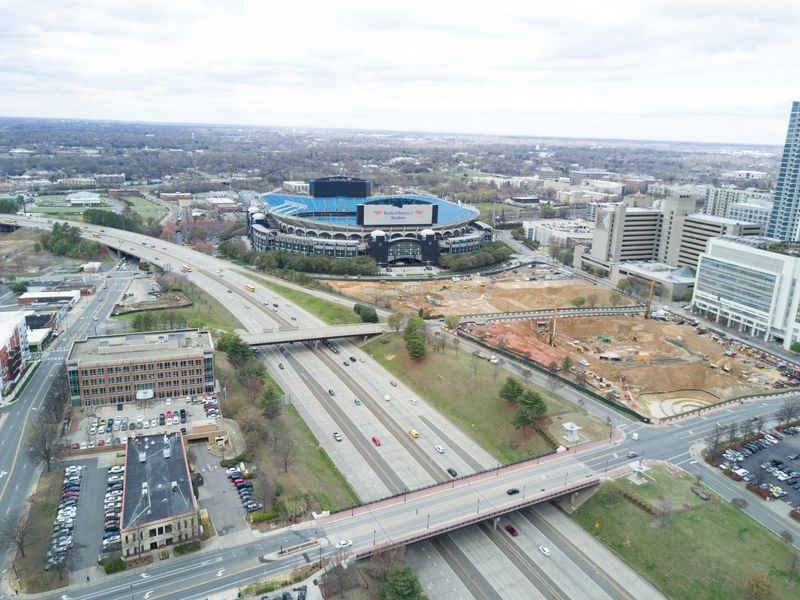
Independence Boulevard carries enormous responsibility for one road. U.S. 74 serves as a major gateway between Uptown and southeastern Mecklenburg County.
Drivers from the Matthews area also depend heavily on the corridor. NCDOT has identified congestion strongly enough to plan two major express-lane projects along it.
One proposal would convert about five miles of existing median bus lanes between I-277 and west of Idlewild Road. Another would widen the road between Idlewild Road and I-485.
That section would eventually gain additional general-purpose and express lanes. The improvements are still being developed in stages, so they are not an immediate fix for today’s commute.
Drivers still have to work with the current corridor. Traffic can become especially frustrating when an incident blocks one of the major travel lanes.
The road also feeds directly toward Uptown, where congestion can stack up around additional interchanges. Check conditions before committing to U.S. 74.
An alternate route may help on some days. On others, staying put and accepting the slowdown may still be faster than weaving through unfamiliar side streets.
Watch Uptown Traffic Change Fast During Events And Commutes
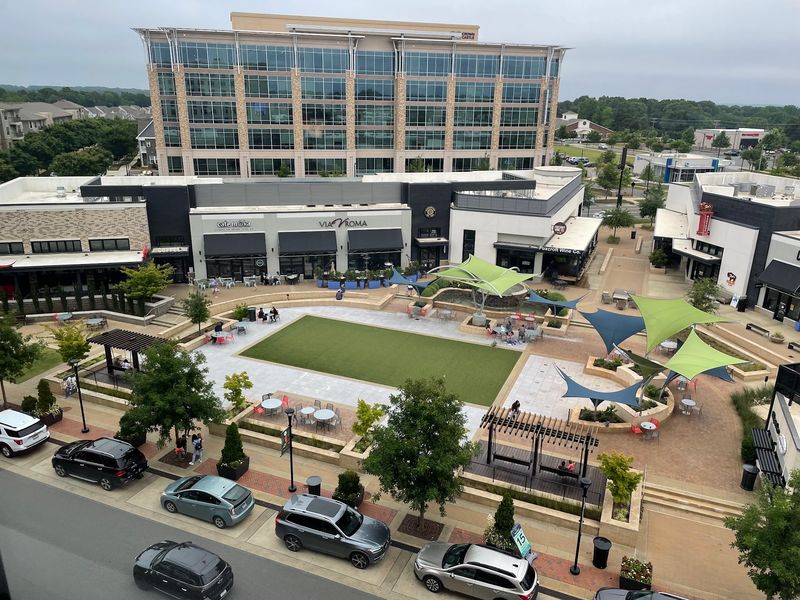
A normal Uptown drive can become something completely different once an event begins. Charlotte regularly closes streets for festivals, parades, games, and other gatherings.
The city notes that even relatively small closures can disrupt the downtown street network. One-way streets make rerouting especially complicated.
Bus routes sometimes require several-block detours when a major street closes. Recent 2026 events have triggered temporary changes to multiple CATS routes throughout Uptown.
That means game nights and festival weekends deserve more planning than a regular dinner reservation. Parking is available, including more than 1,800 on-street spaces in Center City.
Finding one close to the destination can still become harder as crowds arrive. Light rail and other CATS services can remove the need to drive directly into the busiest streets.
They become especially useful around large sporting events. Check current service alerts first because events can affect transit too.
Arriving earlier also helps. Uptown is much easier to navigate before thousands of people begin looking for parking at nearly the same moment.
Prepare For South End Streets To Get Crowded Quickly
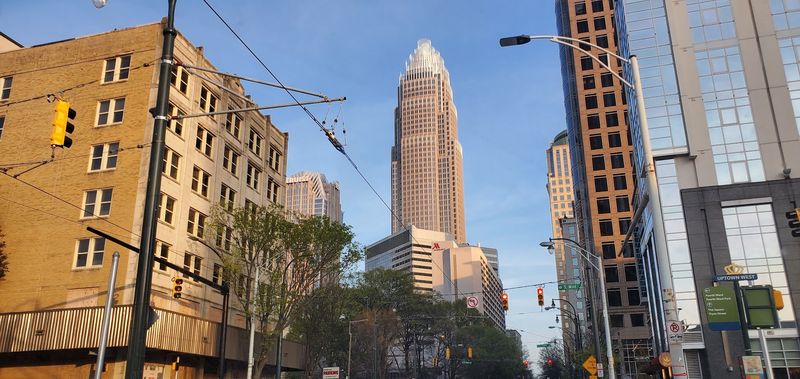
South End has grown quickly enough that the transit system is adding another light-rail station to serve it. New apartments, offices, restaurants, and shops have increased activity throughout the neighborhood.
That density puts plenty of pressure on South Boulevard and the surrounding streets. August 2026 brings an additional complication.
Southbound South Boulevard is closed between Clanton Road and Old Pineville Road through August 14. Drivers are being detoured through Clanton Road, Tryon Street, and Woodlawn Road.
Blue Line service is also operating with temporary adjustments through August 9 because of drainage work. Those conditions make this an unusually tricky time to drive through the southern part of the corridor.
The Blue Line still provides a practical alternative for many South End trips. CATS maintains multiple park-and-ride stations farther south, and parking is free at those designated facilities.
Once construction ends, the neighborhood will still be busy. Its growing density makes that unavoidable.
Parking once and walking can save plenty of frustration when several South End stops are on the same afternoon plan.
Plan Airport Trips Carefully When West Charlotte Backs Up
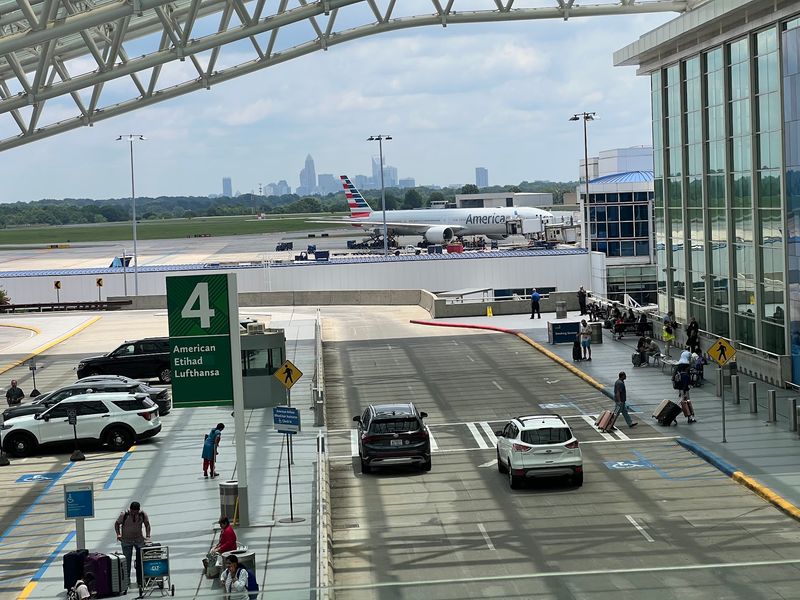
A flight departure is the wrong time to discover how unpredictable Charlotte traffic can become. Charlotte Douglas handled 53.6 million passengers in 2025, its second-busiest year ever.
Preliminary global rankings placed CLT seventh in aircraft operations during that year. That does not mean it was the seventh-busiest airport by passengers.
It ranked 35th worldwide for passenger activity. The difference matters, but both numbers show how active the airport is.
Road traffic gets another complication from the nearby I-85 and I-485 construction zone. Airport officials recommend being inside the terminal at least two hours before domestic flights.
International travelers should allow three hours. Anyone parking should aim to reach the parking facility about 30 minutes before the planned terminal arrival.
Pickups and drop-offs can use either terminal level during busy periods. The airport even recommends reversing the usual pattern when traffic builds.
Dropping someone at Arrivals or collecting them at Departures can sometimes reduce roadway pressure. The free Cell Phone Lot also keeps pickup drivers from endlessly circling the terminal.
Time Your Drive Like A Local Before Charlotte Traffic Takes Over
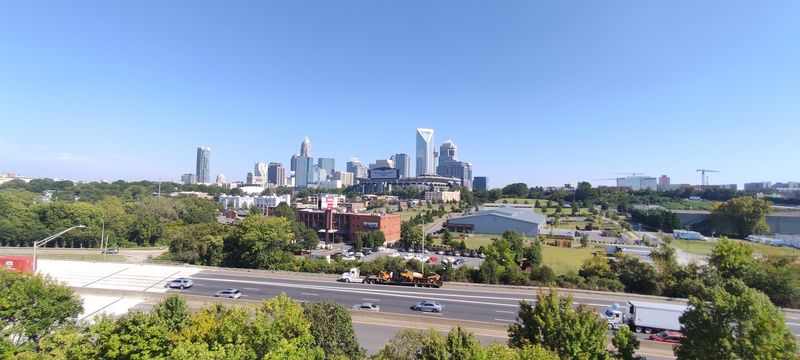
The easiest Charlotte traffic trick costs nothing. Change the departure time when your schedule allows it.
TomTom’s 2025 data shows evening rush hour was noticeably worse than morning traffic. Congestion averaged 71.7 percent in the evening compared with 51.6 percent during the morning rush.
Average speeds dropped to roughly 20 miles per hour during the evening period. That makes shifting an optional errand away from the after-work window a sensible move.
New infrastructure provides another option on certain routes. The I-485 Express Lanes opened in February 2026 between I-77 and U.S. 74.
They add one tolled express lane in each direction along roughly 17 miles of southern Charlotte. A new general-purpose lane was also added between Rea Road and Providence Road.
Still, no single shortcut works every day. Construction, crashes, weather, and events can rewrite the traffic map within minutes.
Check live conditions shortly before leaving instead of relying on yesterday’s commute. Charlotte, North Carolina traffic becomes much easier to tolerate once “How far is it?” stops being the only question you ask.