8 Massive North Carolina Islands Where Summer Explorers Lose Track Of Time
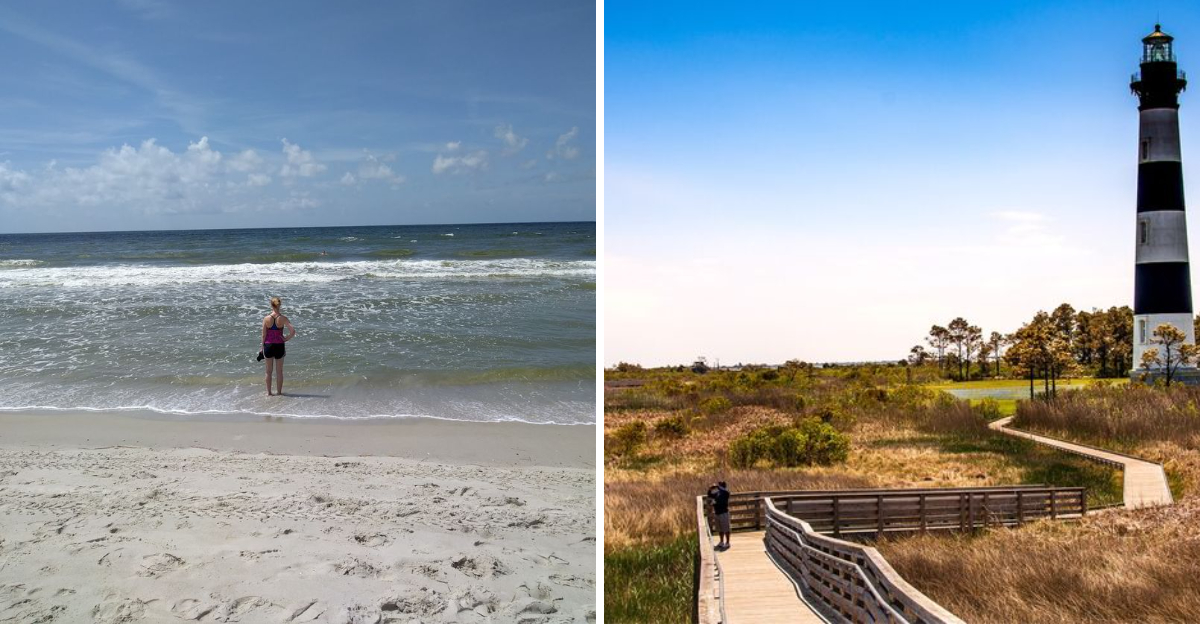
Somewhere off the North Carolina coast, your sense of time is about to become completely useless.
A ferry arrives. A bridge disappears behind you.
The mainland gets smaller and the day suddenly stops behaving like a normal day.
That is when these islands start working their magic.
One minute, you are checking directions. Later, you are wondering how several hours vanished without permission.
The trick is that none of these places feels exactly the same once you reach them. Each has its own rhythm, and each can pull you farther into the day than expected.
Summer only makes the temptation worse.
Long daylight encourages bad scheduling decisions, and “we should probably head back” becomes a sentence nobody wants to finish.
These eight North Carolina islands are built for that kind of trouble.
Just do not blame the clock when dinner ends up happening much later than planned.
8. Hatteras Island, Outer Banks
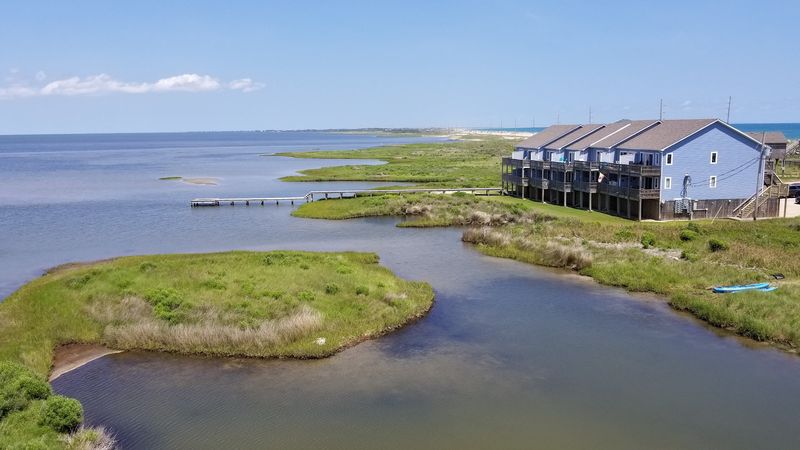
Fifty miles of barrier-island scenery gives you plenty of opportunities to forget what time dinner was supposed to happen.
Hatteras Island runs through communities including Rodanthe, Waves, Salvo, Avon, Buxton, Frisco, and Hatteras Village, with Cape Hatteras National Seashore protecting much of the coastline.
Beaches, sound access, surf fishing, paddling, kiteboarding, and windsurfing can easily fill several days. Pea Island National Wildlife Refuge adds prime birding territory along the northern stretch.
History deserves time too. The Graveyard of the Atlantic Museum explores the island’s maritime story, while the Frisco Native American Museum is celebrating its 40th anniversary in 2026 and maintains a short outdoor nature trail.
Cape Hatteras Lighthouse remains one of the island’s unmistakable landmarks, although climbing is unavailable throughout 2026 while restoration continues. The grounds remain accessible.
Food gives you several excuses to stop in Buxton. Diamond Shoals serves breakfast, lunch, and dinner daily and is known for local seafood and clam chowder.
Orange Blossom Bakery opens early for its famous Apple Uglies, while Café Pamlico pairs regional seafood with Pamlico Sound views. One beach can turn into another very quickly here, so treating Hatteras as a single-day attraction rarely feels sufficient.
7. Ocracoke Island, Outer Banks
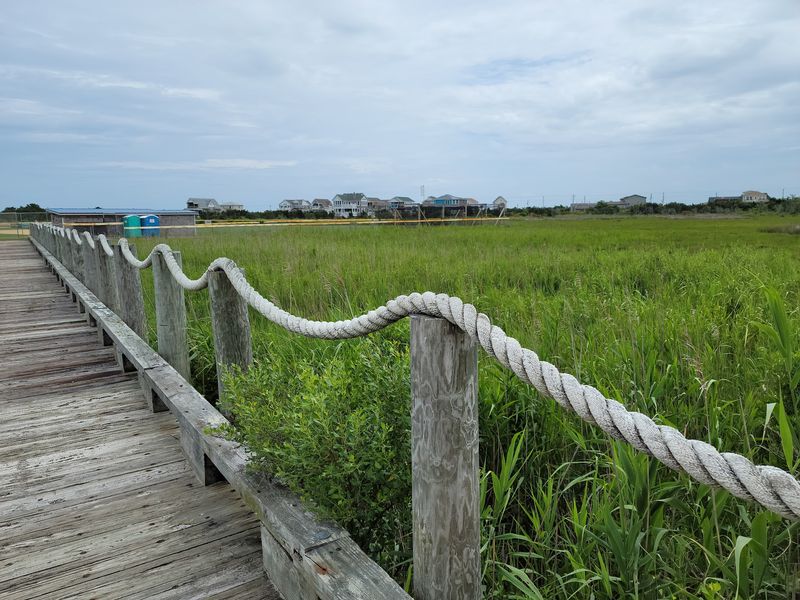
The trip starts on the water because no highway connects Ocracoke directly to the mainland. A free ferry runs from Hatteras, while longer vehicle ferries connect the island with Cedar Island and Swan Quarter.
Once ashore, roughly 16 miles of barrier island give you a wonderful split between developed village life and long stretches of Cape Hatteras National Seashore.
Bikes and golf carts work especially well around Ocracoke Village, where Silver Lake Harbor, galleries, shops, and restaurants cluster within a relatively compact area.
Farther out, beach accesses, the Pony Pen, and Hammock Hills Nature Trail make it easy to spend most of the day outside. The white Ocracoke Lighthouse dates to 1823 and remains the oldest operating lighthouse in the state.
It cannot be climbed, although the base opens during limited daytime hours in the warmer season. Evening naturally pulls visitors back toward the harbor.
SmacNally’s reopened for the 2026 season and serves casual seafood from an open-air waterfront setting overlooking Silver Lake. Dajio provides another current dinner option in the village.
Do not overbook this island. Ferry rides, beach walks, harbor wandering, and spontaneous food stops work better when nobody is checking a watch every twenty minutes.
6. North Core Banks, Cape Lookout National Seashore
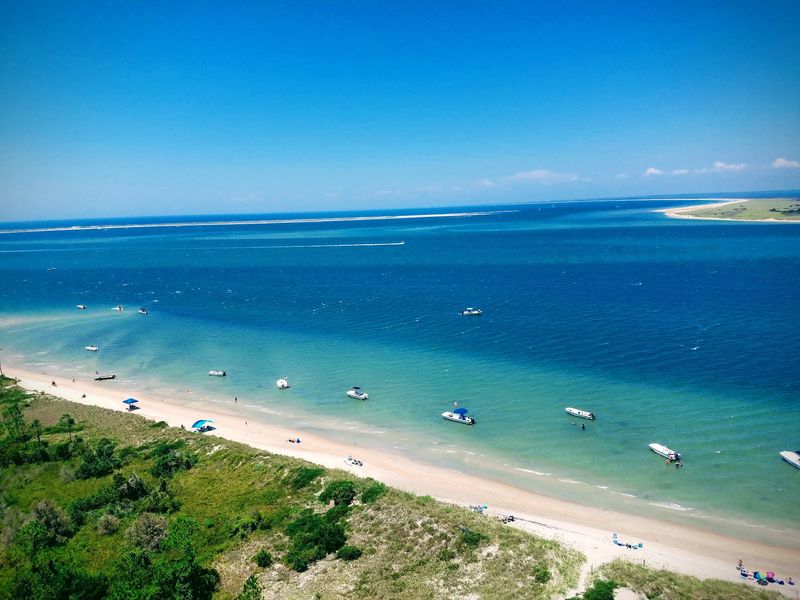
Getting here requires enough effort that the ordinary beach-day routine disappears before your feet touch the sand. North Core Banks stretches about 21 miles between Portsmouth Village and Ophelia Inlet, with the Atlantic on one side and Core Sound on the other.
There are no paved roads connecting this barrier island to the mainland. Access is by boat, and visitors bringing vehicles can use a ferry from Atlantic before driving on sand with the required off-road vehicle permit.
Primitive camping remains available, giving well-prepared travelers the option of staying much longer than an afternoon.
Shelling and surf fishing are major attractions, but simple beach exploration can occupy hours when the shoreline stretches into the distance with almost no conventional development.
Preparation matters considerably more here than on Hatteras or Topsail. North Core Banks has no potable water, no restaurant district, and no convenience store waiting around the corner.
Seasonal restrooms and showers provide limited amenities. Pack food, drinking water, sun protection, and everything else you expect to need before boarding the ferry.
Once there, the lack of commercial distractions becomes the entire point.
5. Bodie Island, Outer Banks
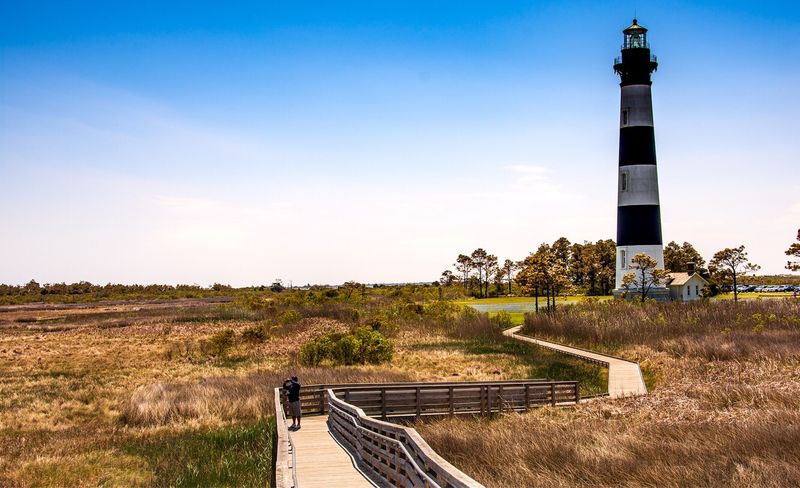
History has made the name slightly confusing, which only adds to the character of this Outer Banks stretch. Bodie Island was once separated by inlets, but changes in the coastline eventually connected its northern landmass to the barrier peninsula above it.
The name survives around the southern Nags Head area and Cape Hatteras National Seashore, where marsh, sound, beach, and lighthouse scenery dominate the landscape. The striped Bodie Island Lighthouse is the obvious place to begin.
Unlike Cape Hatteras Lighthouse, it is open for climbing during the 2026 season. Current climbs run through October 12, with tickets released the morning of the visit and timed climbs offered throughout the day.
Head north afterward and the options multiply quickly. Jockey’s Ridge State Park in Nags Head protects the tallest living natural sand-dune system on the Atlantic coast, with kite flying and sunsets drawing visitors across its enormous slopes.
Wright Brothers National Memorial in Kill Devil Hills opens daily from 9 a.m. to 5 p.m. and runs seasonal ranger programs through early October. Dinner can keep the sound views going at Basnight’s Lone Cedar Café, currently serving locally sourced seafood on the Nags Head causeway.
This area works best as a roaming day rather than one destination. Lighthouse stairs, giant dunes, historic sites, and waterfront dinner can make daylight disappear surprisingly fast.
4. South Core Banks, Cape Lookout National Seashore
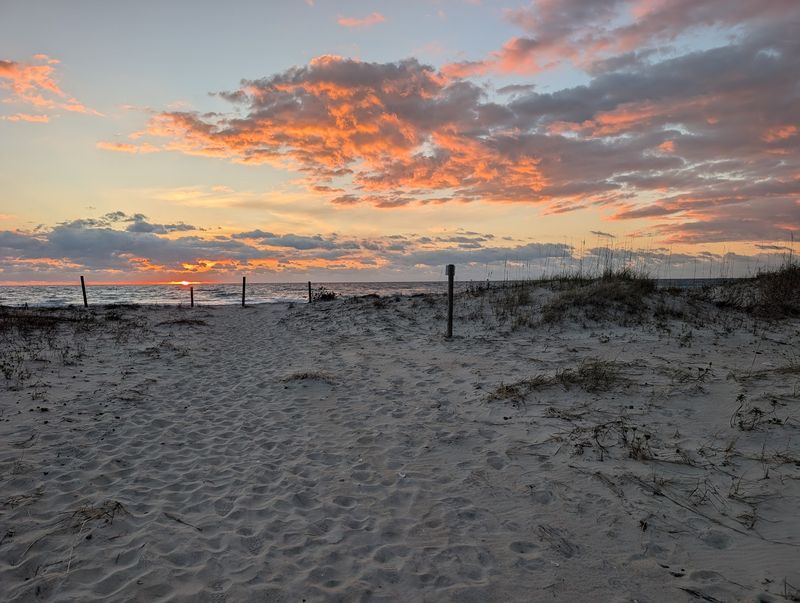
Leave pavement behind and the coastline suddenly feels much larger. South Core Banks extends roughly 21 miles from Cape Point to Ophelia Inlet inside Cape Lookout National Seashore.
Passenger ferries can carry visitors toward the lighthouse area, while travelers bringing suitable vehicles can use the vehicle ferry from Davis and continue across sandy island routes. The black-and-white Cape Lookout Lighthouse gives the island its most recognizable landmark.
Its tower is closed for climbing in 2026 while restoration work continues, but the surrounding light-station area remains well worth exploring. The Keeper’s Quarters operates seasonally as a museum, and a boardwalk leads toward a vehicle-free section of beach near the lighthouse.
Anyone wanting more than a day trip has two very different options. Primitive beach camping is permitted, while Great Island’s rustic cabins are open from March 12 through November 30 in 2026.
Great Island also has seasonal showers, restrooms, drinking water, gas, and ice. There are still no ordinary restaurants or supermarkets spread along the barrier island, so food planning belongs on the pre-ferry checklist.
Surf fishing, shelling, swimming, birding, and very long beach walks provide most of the entertainment. No lifeguard is stationed on South Core Banks.
Give this place enough time and the absence of a normal town starts feeling remarkably freeing.
3. Topsail Island, Southeastern North Carolina
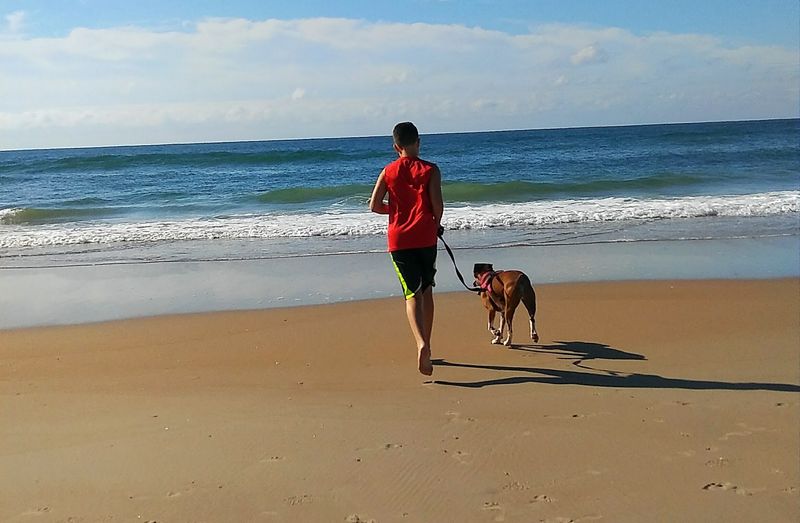
Twenty-six miles gives beach lovers room to keep changing scenery without leaving the same barrier island. North Topsail Beach occupies the upper end, Surf City provides the busiest commercial center, and Topsail Beach keeps things quieter toward the south.
Mornings can start with an Atlantic walk before the day shifts toward fishing, kayaking, shopping, or hunting for shark teeth along the sand. Sea turtle conservation is a particularly strong part of the island’s identity.
The Karen Beasley Sea Turtle Rescue and Rehabilitation Center operates just off the island in Surf City, and 2026 visits require advance reservations for guided tours. Those tours frequently sell out.
Down in Topsail Beach, the Missiles and More Museum explores the island’s unusual history, including the Operation Bumblebee guided-missile testing program that operated here from 1946 through 1948. Food stops can stretch the day even further.
Daddy Mac’s Beach Grille currently serves lunch and dinner overlooking the ocean in Surf City. Sears Landing sits just before the high-rise bridge on the mainland side, where boats can dock directly behind the restaurant and diners can eat beside the Intracoastal Waterway.
Sugar Island remains another current Surf City option for baked treats and coffee. Between three towns, 26 miles of sand, conservation stops, and two sides of water, Topsail makes staying put surprisingly difficult.
2. Bogue Banks, Crystal Coast
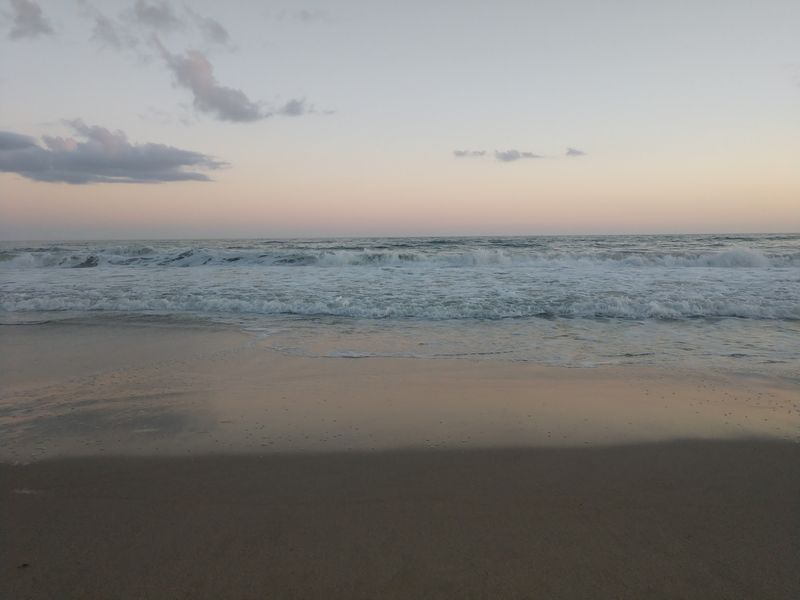
Picking one beach town becomes the first challenge on this long Crystal Coast barrier island. Emerald Isle anchors the western end, while Indian Beach, Pine Knoll Shores, and Atlantic Beach continue east toward Fort Macon.
Each community provides its own access to the Atlantic, soundside scenery, restaurants, and summer activities. Fort Macon State Park makes a strong eastern-end destination.
The historic fort and surrounding park are free for day use, while the swimming beach is staffed by lifeguards from Memorial Day through Labor Day when personnel are available. The park stays open until 9 p.m. during June, July, and August, leaving plenty of time for an evening shoreline walk.
Emerald Isle Woods Park changes the scenery completely at the opposite end. Its 41 acres contain hiking trails, a disc-golf course, birding habitat, a pier, and floating dock.
Food can easily become another island project. Crab’s Claw in Atlantic Beach currently opens daily and pairs Caribbean-influenced seafood with an oceanfront location beside the boardwalk.
Amos Mosquito’s remains active nearby, while The Trading Post gives Emerald Isle visitors a Southern-style breakfast option farther west. Add the North Carolina Aquarium at Pine Knoll Shores, and a simple beach day can turn into an island-wide drive with several worthwhile detours.
1. Oak Island, Brunswick County
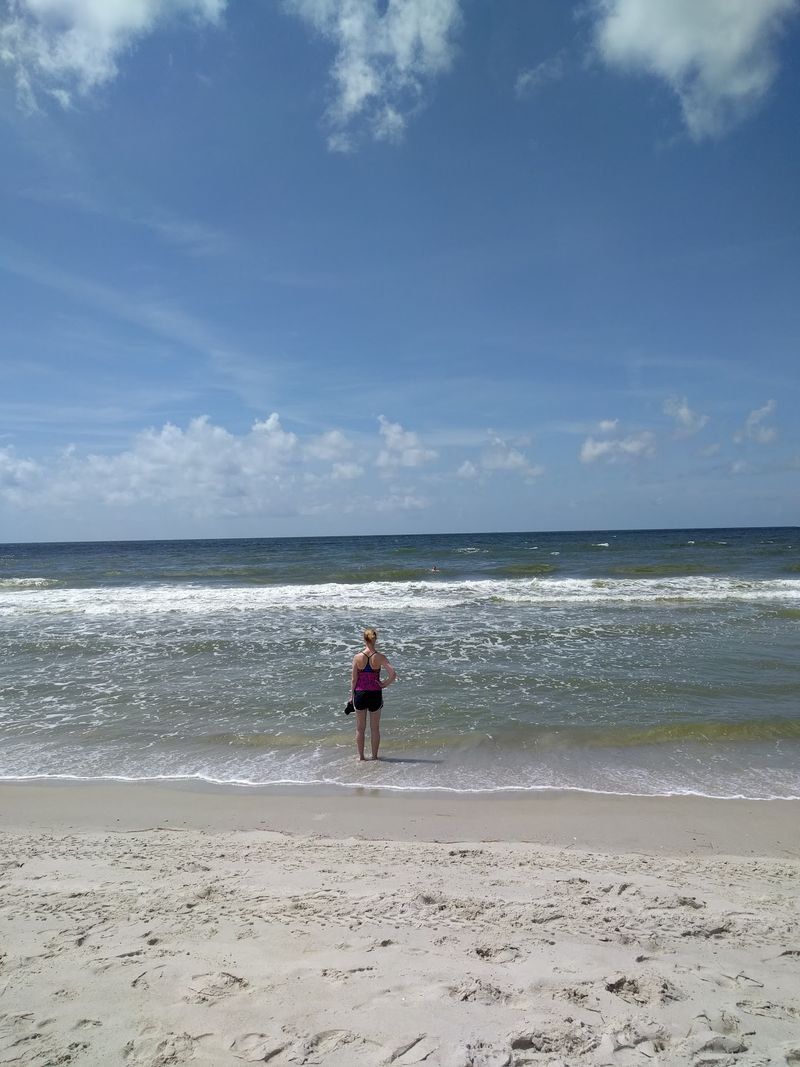
Sunrise and sunset can both appear over the ocean here because this 12-mile-long barrier island runs unusually close to east-west. Nearly 10 miles of beachfront line the Town of Oak Island, and more than 100 public access points make reaching the water surprisingly straightforward.
Fishing provides another way to lose several hours. Oak Island Pier stretches 880 feet into the Atlantic and rises 27 feet above the water, making it the highest pier in the state.
It is open year-round, and there is no charge simply to walk out and enjoy the view. Ocean Crest Pier gives anglers another option farther west.
The Oak Island Lighthouse rises at Caswell Beach on the island’s eastern end, adding a completely different landmark to a day of beach exploring. Middleton Park keeps summer activity going away from the surf.
Its Farmers & Artisans Market runs Monday mornings through August 31 in 2026, bringing produce, baked goods, crafts, and handmade pieces together in one place. Current dining options range considerably too.
Shagger Jacks serves casual American food at 8004 East Oak Island Drive, Fixins OKI handles breakfast and lunch, and Island Way remains a favorite for a longer oceanfront seafood-and-steak dinner.
One important current change affects families visiting Middleton Park: the splashpad is temporarily closed under local water restrictions, so build the day around the playgrounds, beach, market, piers, and other outdoor stops instead.
Disclaimer: Island access, ferry schedules, lighthouse tours, park facilities, and restaurant hours can change throughout the year. Summer weather, maintenance, and local restrictions may also affect plans.
Some destinations require ferry reservations, advance tickets, permits, or special vehicle preparation. Check official park, ferry, attraction, and business websites before traveling.
Confirm current hours, closures, fees, and access rules before setting out. Remote islands may have limited services, so bring enough food, water, sun protection, and other essentials for the day.