14 Southern California Beach Towns Where Sunshine And Coastal Charm Steal The Show
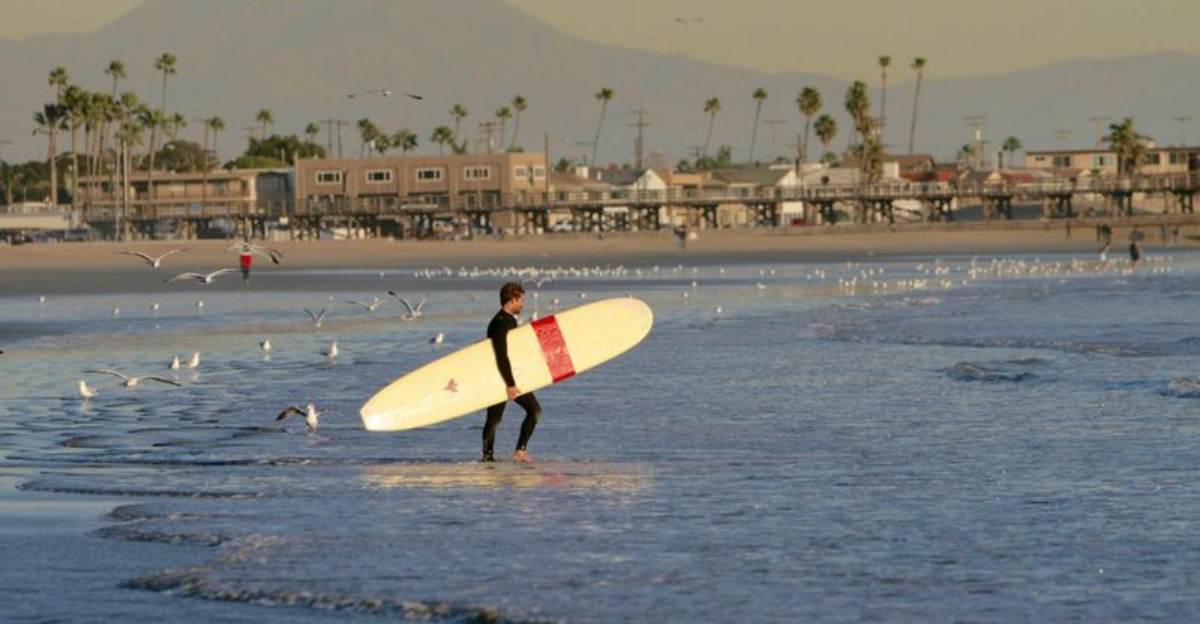
Pick a beach town based on your mood, not the map.
Maybe you want a slow morning with coffee near the sand. Or perhaps would you rather wander a pier and spend the afternoon barefoot with no real plan beyond finding somewhere good to eat?
The coastline changes personality from town to town.
One stop feels polished and breezy. Another is casual, surfy, and a little nostalgic. A few are best explored on foot, especially when the ocean keeps tempting you to stop and look around again.
Give yourself time to wander instead of racing through a checklist.
Grab something cold. Follow the boardwalk. Duck into a shop you did not plan to visit. Stay for golden hour even if it means getting home later.
It’s easy for Southern California’s beach towns to turn ordinary coastal days into easy escapes filled with sunshine and laid-back local character.
1. Laguna Beach
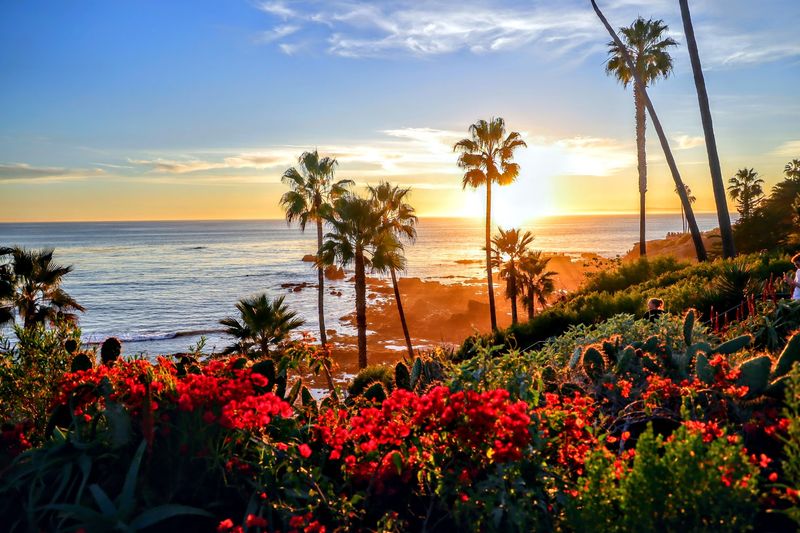
Art and ocean meet in a way that feels completely natural in Laguna Beach, where more than 100 galleries sit within walking distance of the shoreline.
The Laguna Art Museum focuses exclusively on California artists from the 19th century to the present, making it a genuinely regional experience rather than a generic stop.
Monthly First Thursdays Art Walks run from 6 to 9 pm and give visitors a lively way to move through the gallery scene without a formal itinerary.
The coves here are some of the most varied in Southern California.
Shaw’s Cove draws snorkelers with its clear turquoise water and accessible reefs, while Victoria Beach is known for a 60-foot stone tower that rises from the sand near the waterline.
Thousand Steps Beach holds a sea cave that becomes accessible during low tide, rewarding visitors who plan their timing carefully.
Heisler Park runs along the bluff above the water and offers gardens, overlooks, and a gazebo with unobstructed ocean views.
The downtown area around Main Beach has a relaxed energy that suits a slow morning walk just as well as a full afternoon of shopping and gallery browsing.
2. San Clemente
Red-tiled roofs, white stucco walls, and arched doorways give San Clemente a visual consistency that feels deliberate rather than accidental.
The Spanish Colonial Revival style was built into the town’s original design, and it has held up well enough that walking through the downtown area still feels like stepping into a carefully preserved coastal village.
Casa Romantica Cultural Center and Gardens sit on a bluff above the ocean and serves as one of the best examples of this architectural tradition.
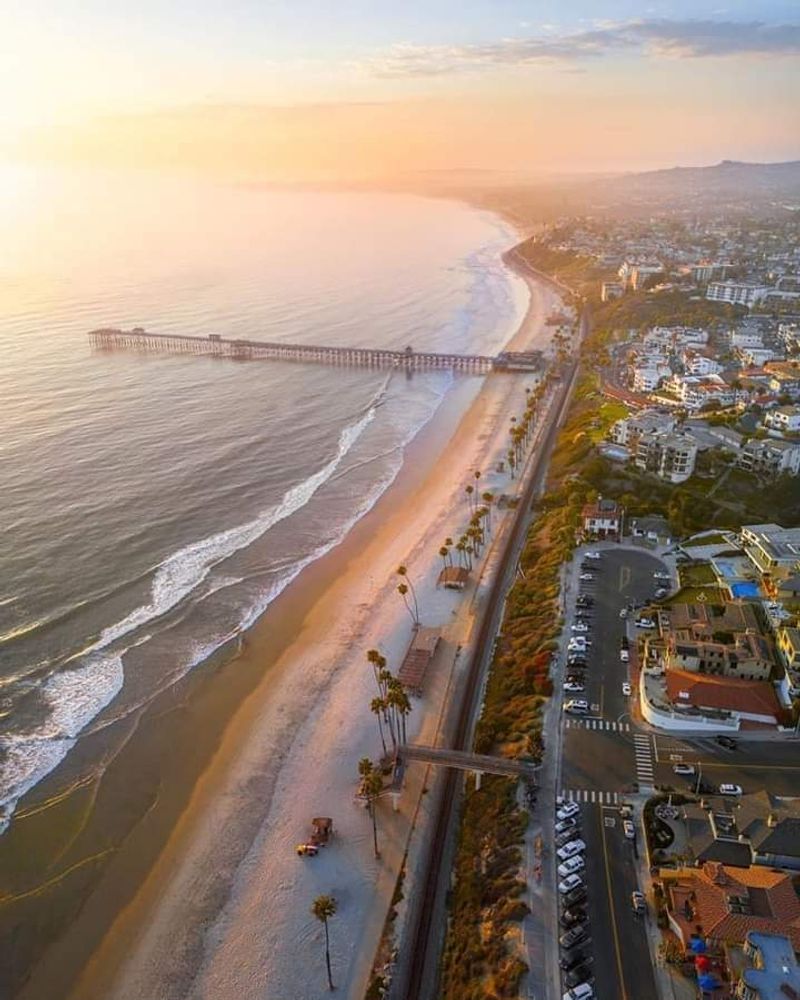
The San Clemente Pier stretches 1,296 feet into the Pacific and remains one of the more peaceful spots to spend a late afternoon.
Fishing, walking, and watching the sun drop toward the horizon are the main draws, and the surrounding area has enough dining options to make an evening of it.
The beach trail running along the sand below the bluffs connects several access points and works well for an easy walk without much elevation change.
Trestles, located just south of town, is widely recognized as one of the best surf breaks in California.
The easygoing atmosphere that defines the downtown boutiques and coffee shops carries through to the beach culture here, making San Clemente feel genuinely unhurried.
3. Dana Point
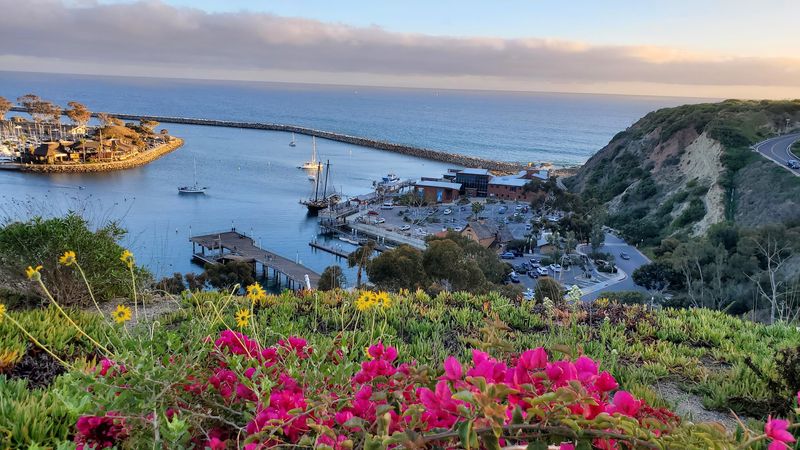
The harbor at Dana Point has a calmer energy than many coastal destinations in Orange County, and that quality tends to attract visitors who prefer watching pelicans from a dock to navigating crowded boardwalks.
Whale watching trips, paddleboard rentals, sailing excursions, and fishing charters all operate from the harbor, giving the waterfront a steady but relaxed rhythm throughout the week.
Baby Beach, tucked inside the harbor, offers shallow and calm water that works particularly well for families with young children.
Coastal bluffs define much of the land above the water. The Dana Point Headlands Conservation Area contains over three miles of walking trails with views that stretch across the Pacific on clear days.
Salt Creek Beach sits below scenic bluffs and draws surfers for its consistent waves, while Doheny State Beach offers wider lawns, camping areas, and amenities suited for longer visits.
The overall pace here tends to run slower than nearby Laguna Beach or San Juan Capistrano.
Strands Beach provides a more secluded stretch of sand with a scenic boardwalk, and Capistrano Beach offers a quieter option for beachcombing.
4. Coronado
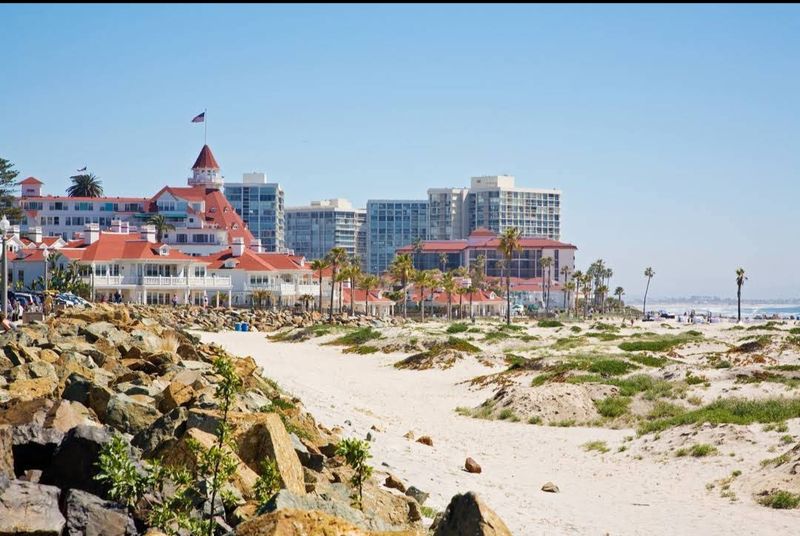
Crossing the bridge from San Diego into Coronado produces a noticeable shift in atmosphere. The streets are quieter, the architecture is older, and the pace slows in a way that feels almost deliberate.
Coronado Beach consistently ranks among the finest beaches in the country, offering a wide expanse of golden sand and gentle surf that draws both locals and visitors on weekday mornings when crowds are lighter.
The Hotel del Coronado, established in 1888, stands as a National Historic Landmark and remains one of the most photographed buildings on the California coast.
Its iconic red turrets and Victorian-era detailing are visible from the beach, and the surrounding grounds are open to the public for walking.
Orange Avenue serves as the main commercial street, lined with mature trees and a mix of independent shops, cafes, and local restaurants that give the area its village-like character.
Spreckels Park adds a green, landscaped gathering point at the center of the residential area, and the broader streetscape features homes built in Victorian, Craftsman, and Spanish Revival styles between 1890 and 1930.
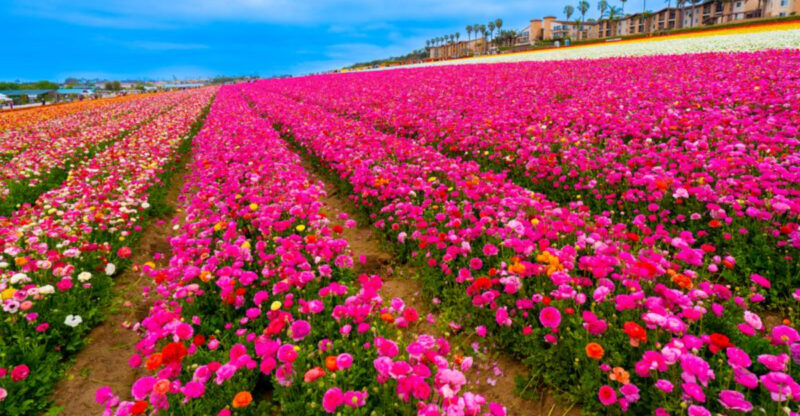
5. Carlsbad
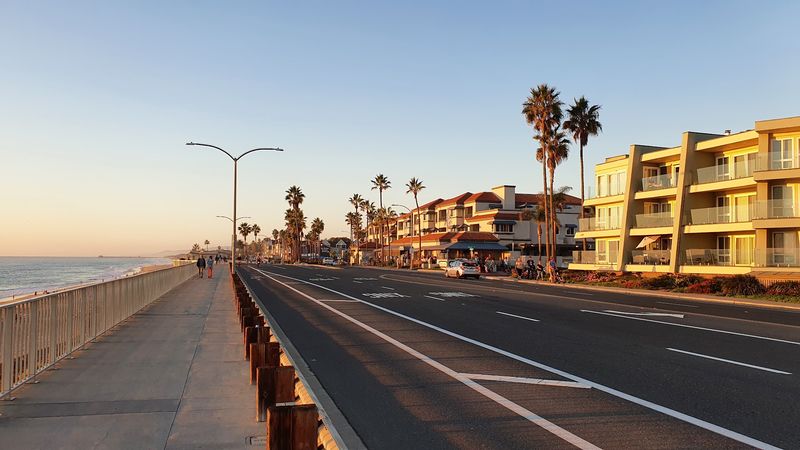
Earning its reputation as one of the most walkable coastal downtowns in San Diego County is Carlsbad.
The area functions as the city’s densest pedestrian corridor, where shops, cafes, restaurants, and boutiques sit close enough together that an afternoon of browsing rarely requires a car.
Public beach access points near the village lead directly to Carlsbad State Beach and the quieter North Carlsbad beaches, making the transition from coffee to sand a matter of a short walk.
Village Faire at the intersection of Carlsbad Boulevard and Carlsbad Village Drive hosts over 36 businesses under one roof, including dining, retail, and services.
The State Street Farmers Market brings local produce and artisan food vendors to the area on a regular schedule, adding a community rhythm to the commercial activity.
Murals painted throughout downtown give the streets a creative energy that feels organic rather than manufactured.
Annual events like Flicks at the Fountain and Taste of Carlsbad Village draw locals and visitors alike, and the New Village Arts Theater provides live performances throughout the year.
The combination of beach access, walkable streets, and a genuinely active arts and dining scene makes Carlsbad a well-rounded coastal stop rather than a single-attraction destination.
6. Encinitas
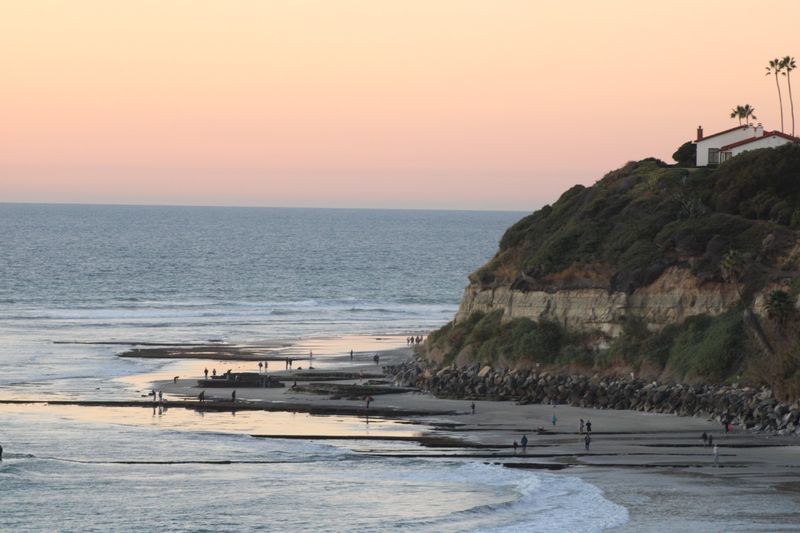
Encinitas carries its surf-town identity with a confidence that comes from decades of consistency.
Swami’s Beach is the most iconic break in town, known for its long right-hand point wave that rewards patient surfers willing to wait for the right set.
Cardiff Reef, D Street Beach, and Beacon’s Beach round out a lineup of spots that cater to different skill levels and conditions, giving the coastline a variety that keeps regulars coming back through every season.
Moonlight State Beach functions as the social hub of the shoreline, with a wide sandy cove, fire pits, and recreational facilities that suit families and groups.
The San Diego Botanic Garden brings a different kind of outdoor experience to the area, with themed gardens spread across 37 acres that feel genuinely removed from the beach atmosphere.
Encinitas earned the designation of Flower Capital of the World through its long history of commercial flower growing, and that identity still shows in the landscaping throughout the community.
The downtown area along Coast Highway 101 blends surf shops, coffeehouses, and contemporary restaurants in a strip that moves at a comfortable pace.
The Self-Realization Fellowship Temple, perched above Swami’s Beach with its distinctive golden domes, adds an unexpected visual landmark to the blufftop scenery.
7. Solana Beach
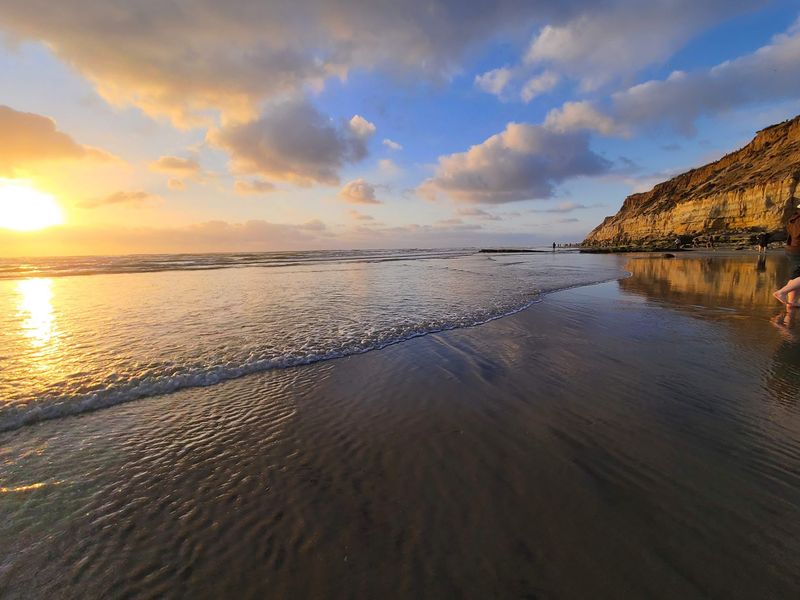
The coastal cliffs at Solana Beach have a raw, textured quality that sets the town apart from the smoother shorelines to the north and south.
Ocean waves have carved small caves into the sandstone bluffs over time, and the dramatic vertical faces catch the late afternoon light in a way that rewards a slow walk along the water.
Fletcher Cove, also known as Pillbox, serves as the main beach access point and sits at 111 S Sierra Ave, offering a playground, grassy picnic areas, and restrooms at the base of the bluffs.
The Cedros Design District pulls visitors inland from the coast with a concentrated stretch of independent showrooms, galleries, boutiques, and dining options spanning roughly 2.5 blocks.
More than 85 businesses operate within this pedestrian-friendly corridor, and the atmosphere tends toward the curated and personal rather than the commercial and generic.
The Belly Up Tavern anchors the district with a live music presence that has made it a regional institution over several decades.
The compact size of Solana Beach works in its favor, allowing visitors to cover the cliffs, the beach, and the design district all in a single relaxed afternoon.
8. Del Mar
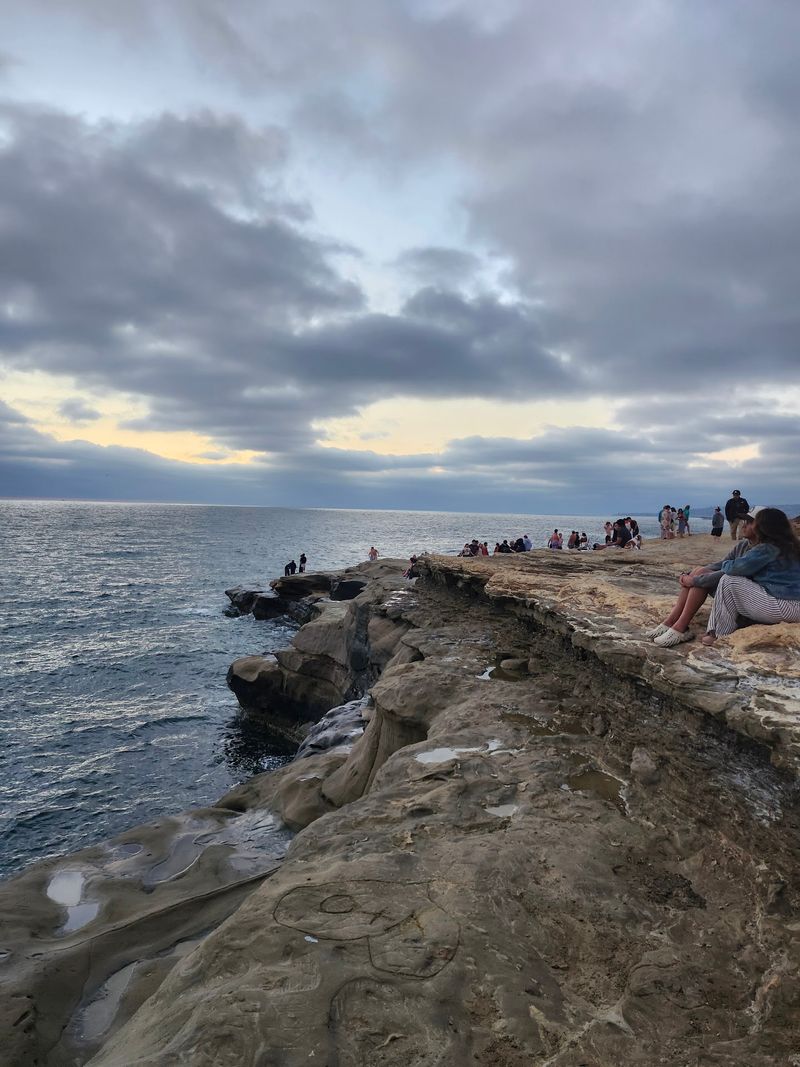
Sitting above the water on a grassy bluff with the Pacific stretching out in every direction is one of the simpler pleasures Del Mar offers, and it requires no planning at all.
Seagrove Park and Powerhouse Park both sit above the beach and provide open lawn space for picnics, with views that extend across the water on clear days.
Scripps Bluff Preserve offers a higher vantage point with 360-degree perspectives of the coastline and the inland lagoons behind it.
The beaches themselves stretch for over two miles, with Del Mar City Beach drawing surfers and sunbathers near the river mouth and North Beach serving as an off-leash area for dogs.
The Sea Cliff Coastal Bluff Trail connects several of these viewpoints with a walking path that stays close to the edge of the cliffs without requiring much physical effort.
Del Mar Plaza functions as a European-style open-air marketplace with ocean views from its upper level, and the surrounding village streets hold a mix of independent restaurants and boutiques that reflect the town’s upscale but unpretentious character.
9. La Jolla
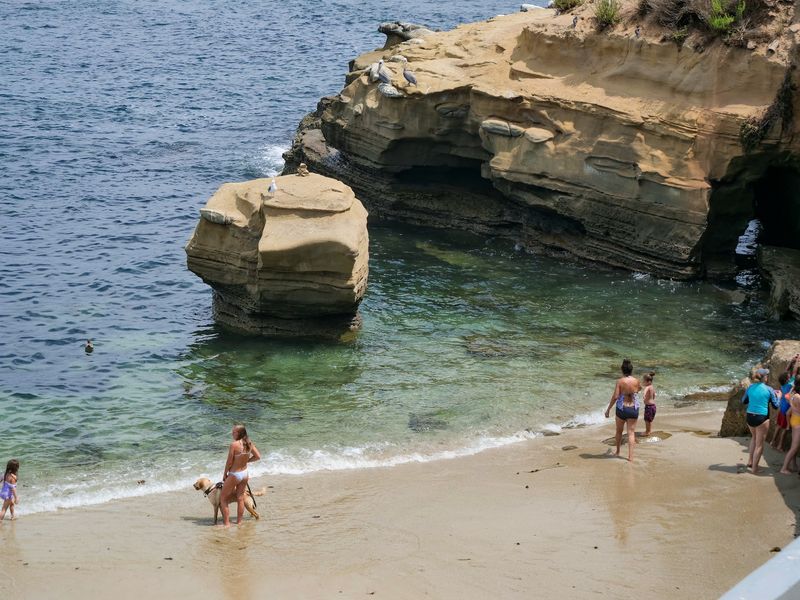
Rocky sandstone cliffs drop directly into clear water at La Jolla Cove, creating one of the most visually striking stretches of California coastline accessible by foot.
Sea lions occupy the lower rocks near the cove year-round, and their presence adds an unpredictable, lively quality to any visit.
Sunny Jim Sea Cave offers the only land-accessible sea cave in California, reached through The Cave Store, and the experience of descending into it through a carved tunnel is genuinely unlike anything else on the coast.
La Jolla Shores provides a wide sandy beach better suited for swimming and kayaking, while Windansea Beach attracts surfers with powerful reef breaks and photographers with its rugged, photogenic rock formations.
The La Jolla Coast Walk Trail runs along sandstone bluffs between La Jolla Shores and La Jolla Cove, offering elevated views of the water without requiring significant physical effort.
The village center along Prospect Street and Girard Avenue carries a polished atmosphere, with luxury boutiques, art galleries, and specialty shops filling the blocks closest to the water.
Torrey Pines State Beach sits a short drive north, backed by 300-foot sea cliffs and the rare Torrey pine trees that grow nowhere else in the world at sea level except this stretch of San Diego County coast.
10. Seal Beach
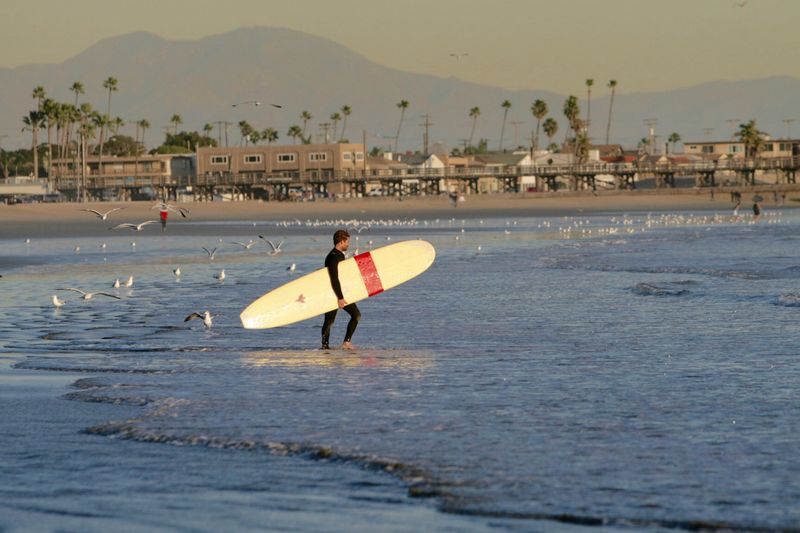
At 1,865 feet long, the Seal Beach Municipal Pier is the second-longest wooden pier in California, and walking its full length on a quiet weekday morning has a timeless quality that feels increasingly rare.
Fishermen set up along the railings in the early hours, and the wooden planks creak underfoot in a way that feels like part of the experience rather than a maintenance concern.
The pier sits at the foot of Main Street, which makes the transition from a walk on the pier to a browse through the shops entirely effortless.
Main Street itself is lined with tree-lined sidewalks and cobblestone accents that reinforce the old-fashioned coastal-town character the community has maintained for decades.
The shops and eateries here tend toward the independent and locally owned, giving the street a personality that distinguishes it from the more developed commercial strips found in neighboring beach cities.
Seal Beach operates at a genuinely slower pace than much of coastal Orange County, and that quality is part of its appeal.
The beach is wide and sandy, the neighborhood is quiet, and the overall atmosphere leans toward the unhurried and unpretentious.
Visitors looking for a classic California beach town experience without the crowds often find exactly what they were hoping for here.
11. Malibu
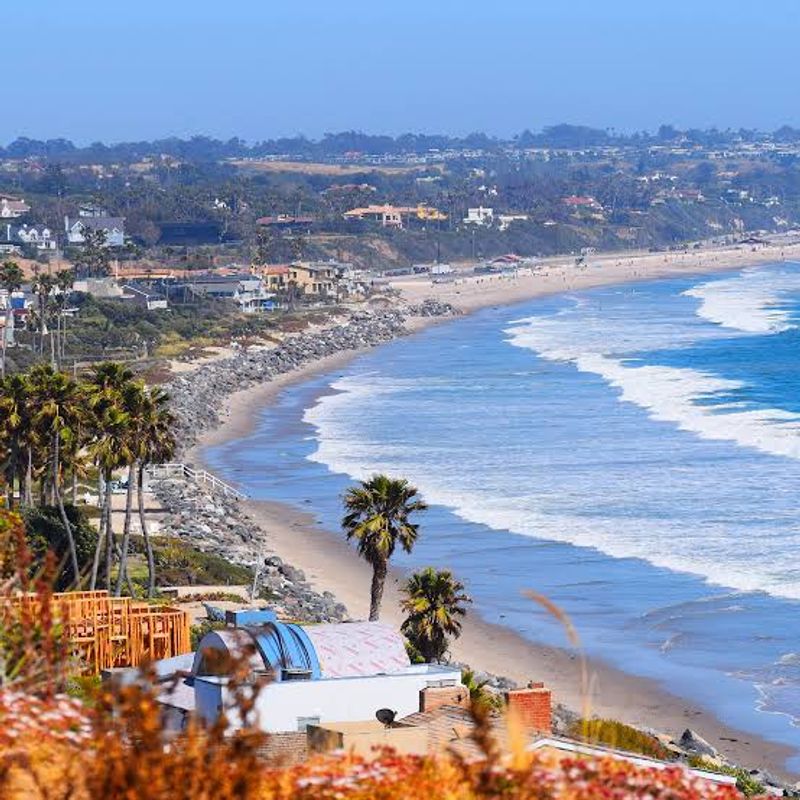
The tension between wild mountains and open ocean is what gives Malibu its particular character.
It shows up most clearly when driving the Pacific Coast Highway with the Santa Monica Mountains rising sharply to the right and the Pacific spreading out to the left.
Surfrider Beach sits near the Malibu Pier and is recognized as one of the birthplaces of modern California surf culture, drawing both longboarders and spectators on weekends.
Zuma Beach stretches for nearly two miles and offers a broader, more open experience with consistent waves and enough space to find a quiet patch of sand even during busy periods.
The canyon roads that cut through the mountains behind the coast offer some of the most scenic driving in Southern California.
Malibu Canyon Road connects the coast to the San Fernando Valley through dramatic cliff scenery, while Latigo Canyon Road and Mulholland Highway wind through quieter terrain favored by cyclists.
The coastline along the PCH includes numerous public access points that are easy to miss if not specifically searched out, but they open up stretches of beach that feel far less populated than the main named beaches.
The combination of accessible shoreline and rugged backcountry gives Malibu a range of experiences that few coastal destinations in the state can match.
12. Avalon
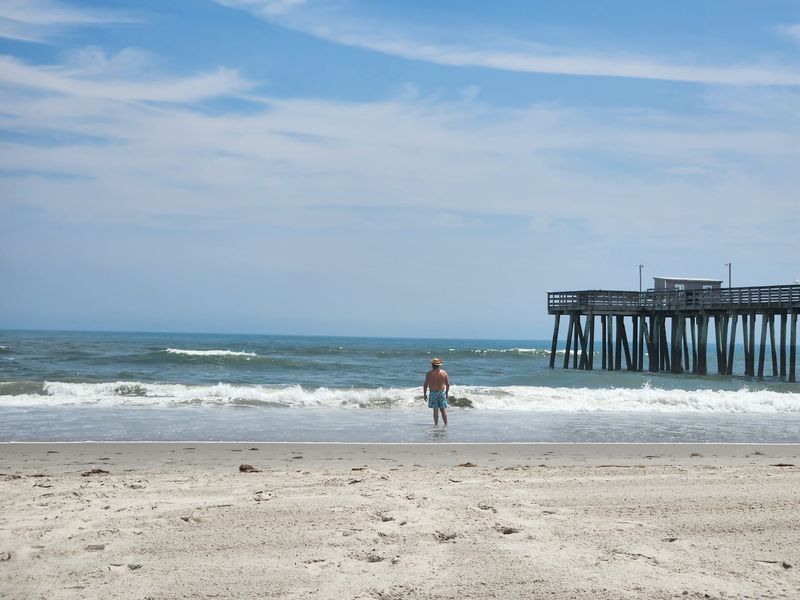
Getting to Avalon requires a ferry ride across the San Pedro Channel, and that physical separation from the mainland is a large part of what makes the town feel so different.
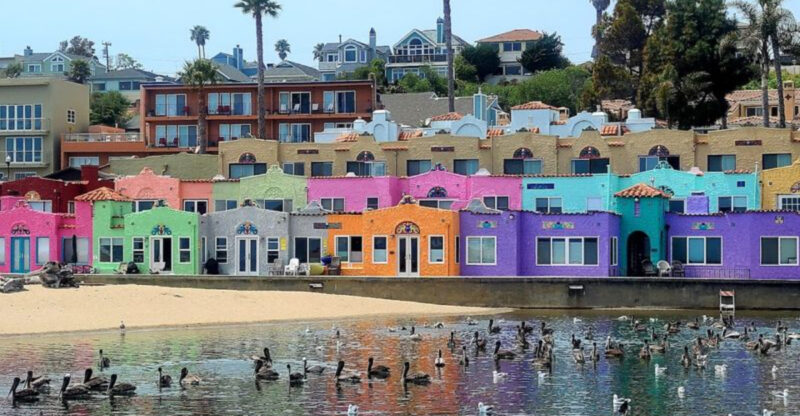
The harbor greets arrivals with a crescent of colorful buildings stacked against a hillside, with small boats anchored in clear turquoise water directly in front of the main street.
Golf carts replace cars as the primary mode of transportation for most visitors, which eliminates road noise and gives the streets a quieter, more pedestrian-friendly quality.
Avalon Casino, the large circular Art Deco building that sits on a point at the north end of the harbor, is one of the most recognizable landmarks on Catalina Island and remains open for tours and events.
The building was completed in 1929 and has never actually operated as a gambling establishment, despite its name.
The interior ballroom and movie theater have been maintained and continue to host events throughout the year.
The beaches within Avalon are small but accessible, and the water clarity around the island tends to be noticeably better than at mainland beaches.
13. Ventura
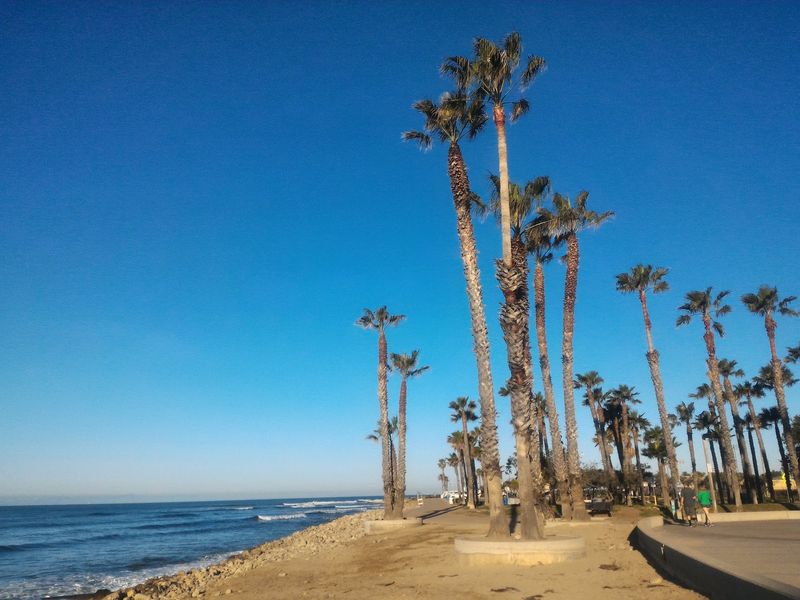
The Ventura Pier has a claim that no other pier on the California coast can make: originally built in 1872, it holds the distinction of being the oldest pier in the state.
The current structure at 750 E Harbor Blvd has been rebuilt and repaired over the decades, but it remains a working pier where fishing, strolling, and watching the sun set over the water are the main activities.
On clear days, the Channel Islands are visible from the end of the pier, providing a compelling visual reminder of how close the islands actually are.
The beachfront promenade running along the sand connects the pier area to the broader shoreline and provides a flat, accessible path that works for walking, jogging, and cycling.
Events like Pier Under the Stars take place adjacent to the pier and draw community gatherings throughout the warmer months.
The historic downtown area sits a short walk inland and holds a mix of independent shops, restaurants, and museums along Main Street.
Island Packers operates ferry service to the Channel Islands National Park from Ventura Harbor, making the city a practical base for day trips to Santa Cruz Island or Anacapa Island.
The combination of historic infrastructure, accessible beaches, and genuine proximity to a national park gives Ventura a depth that rewards more than a single afternoon visit.
14. Oceanside
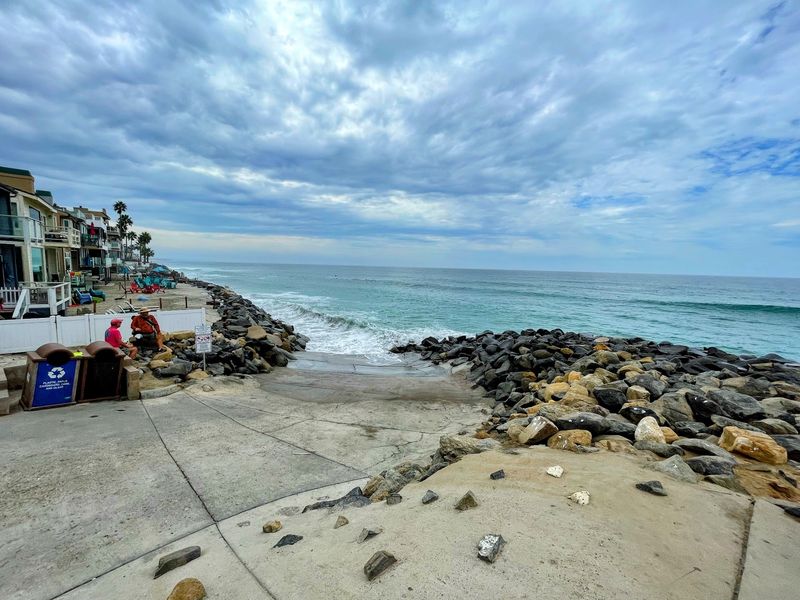
Stretching 1,942 feet into the Pacific, the Oceanside Pier ranks among the longest wooden piers on the West Coast and serves as the visual and social anchor of the city’s coastline.
Surfers ride waves on either side of the pier on most mornings, and the view from the end looking back toward the shore gives a useful sense of just how wide and open the Oceanside beach actually is.
More than 3.5 miles of white sandy beach back the pier, with Harbor Beach to the north and Oceanside City Beach running south along The Strand.
The historic character of the city adds texture to a visit that goes beyond the beach.
Mission San Luis Rey, founded in 1798, is California’s largest mission and sits a few miles inland, with serene gardens and a museum that traces the region’s early history.
Heritage Park Village and Museum preserves several of the city’s original buildings, including the first post office and an old jailhouse, offering a grounded look at early Oceanside life.
The downtown area near the water has developed noticeably in recent years. The Oceanside Cultural District features the Oceanside Museum of Art, live theater, galleries, and restaurants.
Artist Alley between Mission Avenue and Pier View Way brings rotating murals and art installations to a short pedestrian stretch that rewards a slow walk.