8 Maine Restaurants Over 90 Years Old That Are Still Worth The Visit
Plenty of restaurants come and go, right? Nothing new.
These restaurants in Maine have survived for generations, and that’s never an accident.
Every dining room has collected decades of family celebrations, road-trip memories, and recipes that people refuse to let disappear. You can feel it the moment you sit down.
The menus aren’t chasing trends because they don’t have to. Loyal customers have already decided what keeps them coming back.
Order the house specialty, take your time, and imagine everyone who’s done exactly the same thing before you.
Some meals fill your stomach, these also tell a story.
1. Boone’s Fish House & Oyster Room, Portland
Not many seafood restaurants can claim they invented a dish that still draws crowds more than a century later.
Boone’s Fish House & Oyster Room has been welcoming guests since 1898, making it one of the oldest continuously operating seafood restaurants in New England.
Alexander Boone founded it here on Portland’s working waterfront, and the baked stuffed lobster he created remains the dish people talk about most.
The interior carries a dignified rusticity, with original Douglas Fir beams stretching overhead and cherry wood accents lining the walls. Exposed brick adds texture and warmth to the space.
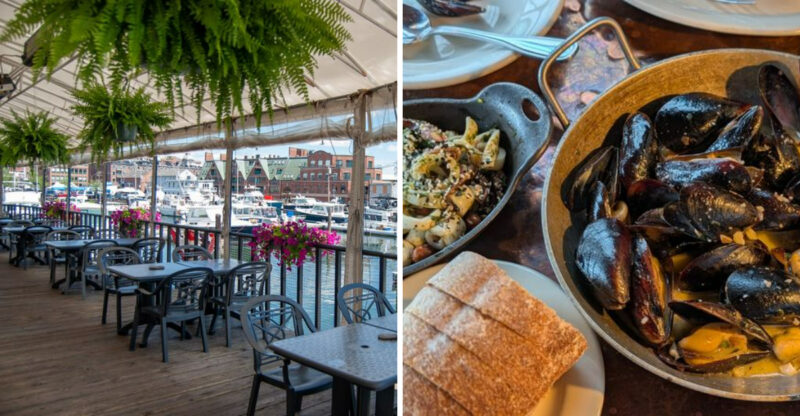
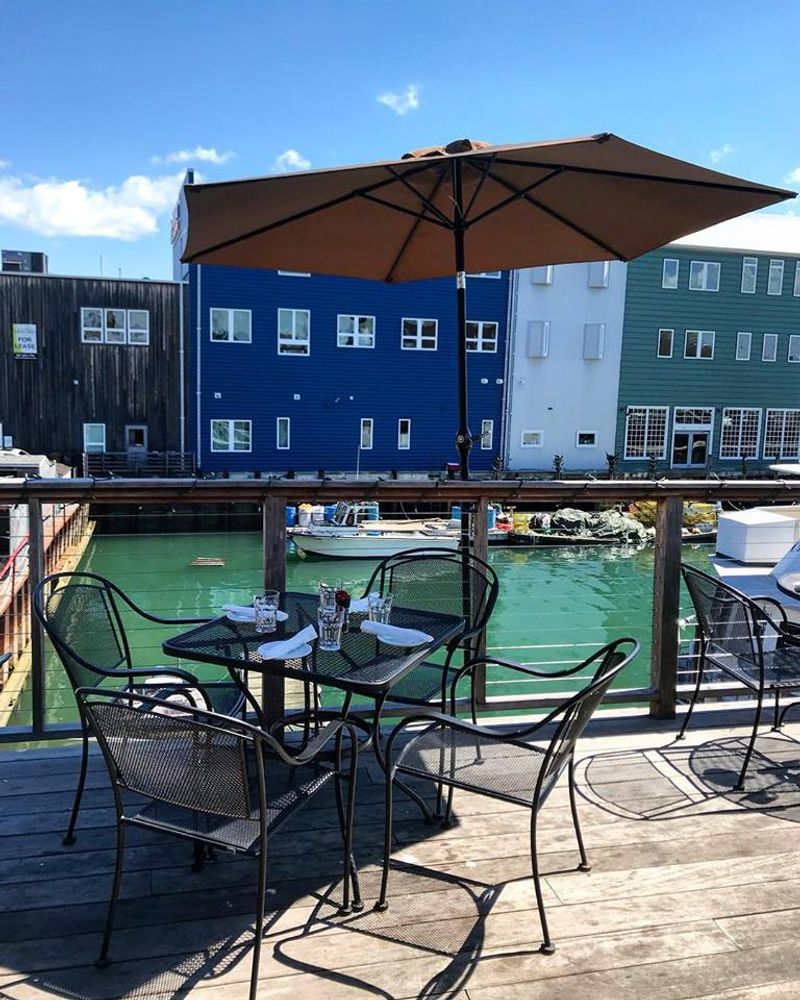
Two outdoor decks extend directly over the water, giving diners a front-row seat as lobster boats return with their daily hauls.
The raw bar deserves serious attention. Fresh-shucked oysters pulled from Casco Bay are a recurring highlight.
Twin lobster dinners and lazy lobster sauteed in butter round out the menu alongside crispy fried clams that taste exactly like the coast smells. You can find this enduring seafood institution at 86 Commercial Street on Custom House Wharf in Portland.
What makes this restaurant worth the trip is not just the food but the feeling of continuity. Generations of families have sat at these tables, watching the same harbor, eating the same lobster.
The kitchen has not chased trends or reinvented itself with every passing decade.
2. Simones’ Hot Dog Stand, Lewiston
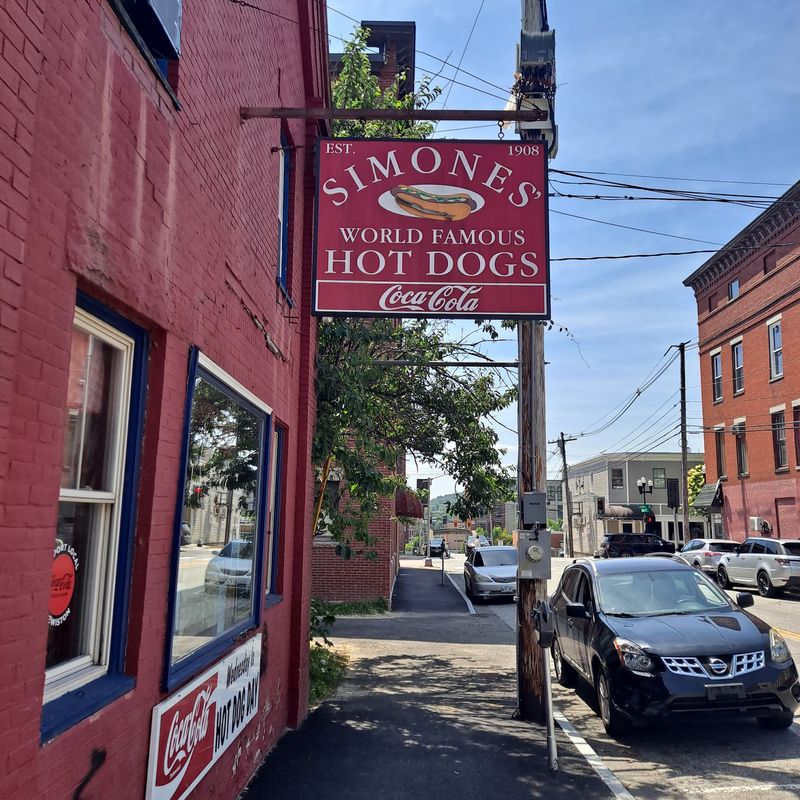
There is something quietly remarkable about a hot dog stand that has outlasted two world wars, the Great Depression, and every fast food chain that ever opened nearby.
Simones’ Hot Dog Stand in Lewiston has been doing exactly that since 1908, making it one of the oldest continuously operating food stands in the entire state.
James Simones, a Greek immigrant, built the original stand from wooden soda crates with just four counter stools.
The setup today is not dramatically different from what it once was. The dining area is compact and intimate, with the kind of close-quartered seating that naturally turns strangers into neighbors.
The smell of sizzling red snappers greets you the moment you step inside, and it is the kind of scent that bypasses logic and goes straight to appetite.
Maine’s red snapper hot dog is its own tradition, and Simones’ has been central to that tradition for over a century. The bright red frankfurters have a distinctive snap when you bite into them, whether you prefer them steamed, boiled, or griddled.
Breakfast options also keep early risers well fed throughout the morning hours.
You can track down this Lewiston landmark at 99 Chestnut Street, tucked into a neighborhood that has changed dramatically around it while the stand itself has stayed steady.
What keeps people coming back is not novelty. It is the comfort of knowing exactly what you are going to get and having it delivered without fuss.
Simones’ has never needed a rebrand or a reinvention.
3. Amato’s, Portland
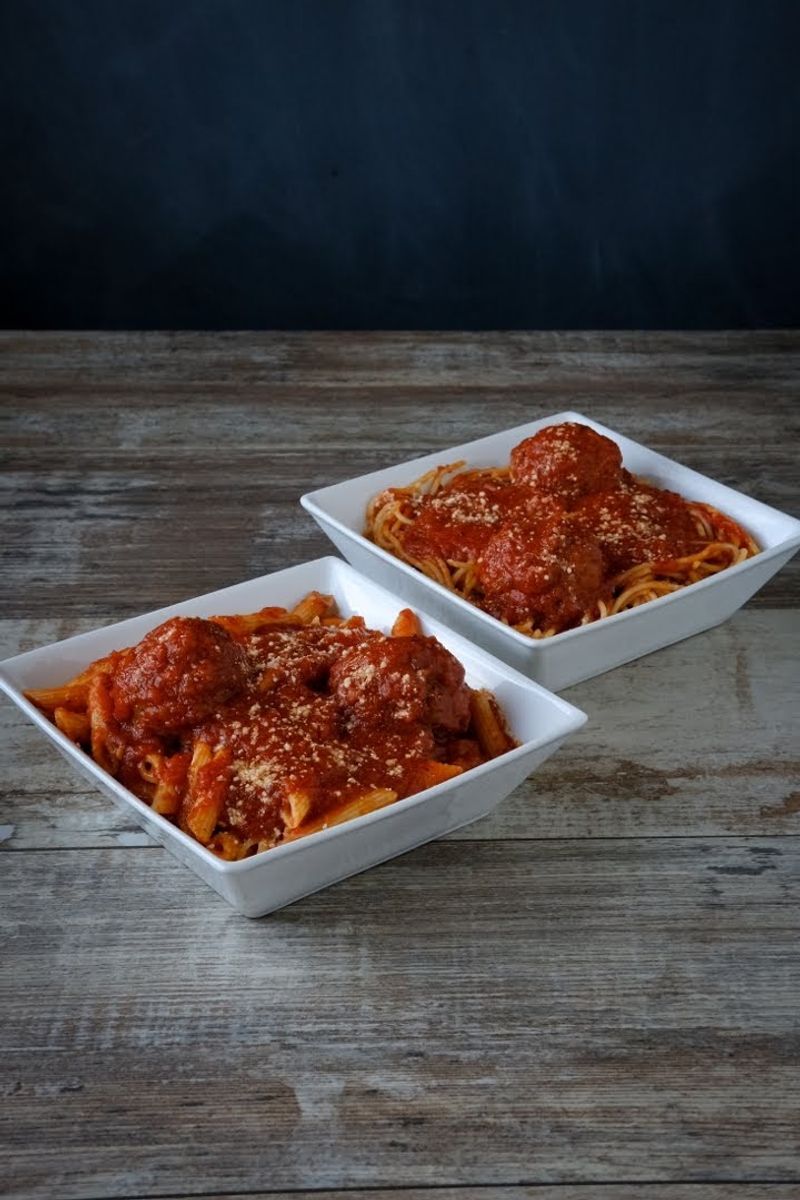
Some sandwiches are just lunch, but the one Giovanni Amato started selling on Portland’s fishing docks in 1902 became something much larger than a meal.
Amato’s Italian sandwich, built from a soft roll layered with ham, American cheese, tomatoes, onions, green peppers, olives, and a drizzle of oil, is widely credited as the original Maine Italian. It is a regional icon hiding in plain sight.
Giovanni arrived from Naples as an immigrant and began selling his creations directly to the dockworkers who needed a filling, affordable meal.
The simplicity of the recipe was its genius. Later ownership expanded the formula, adding Greek olives, sour pickles, and a distinctive oil blend that gave it a sharper, more complex character.
The atmosphere at Amato’s is casual and unpretentious, the kind of place where you order at the counter and find a seat without ceremony. There is nothing flashy about the setup, and that is entirely the point.
The focus has always been on the food itself rather than the surroundings. You will find the Portland location at 312 St John Street, a short distance from the waterfront neighborhood where it all began.
Beyond the signature sandwich, the menu also covers pizzas and pasta dishes that carry the same straightforward, satisfying quality.
Amato’s has grown into a regional chain over the decades, but the original recipe has never strayed far from Giovanni’s first version.
4. WaCo Diner, Eastport
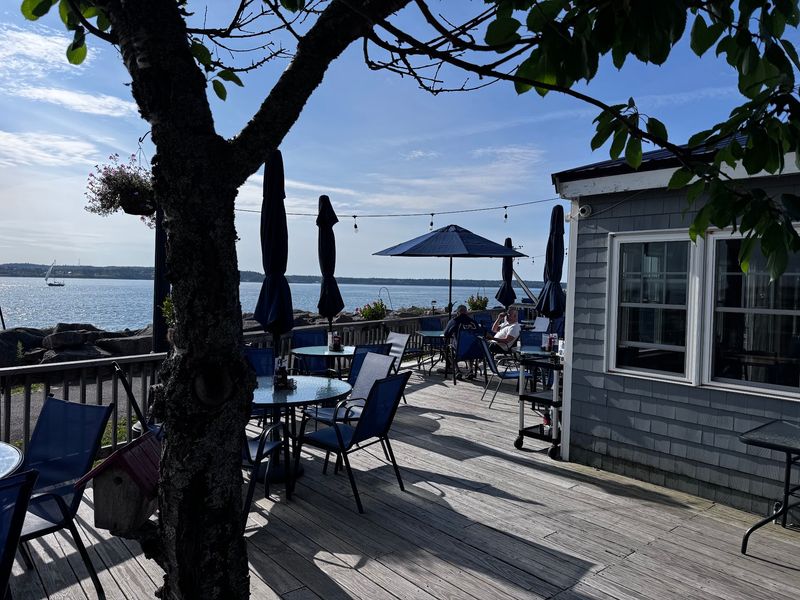
Picture a diner that has watched sardine factories rise and fall, fishing fleets come and go, and a whole coastal town reshape itself across a hundred years.
That kind of staying power belongs to the WaCo Diner in Eastport, founded in 1923 when Nelson Watts and Ralph Colwell converted a simple lunch wagon into a permanent fixture.
They named it by combining syllables from their own surnames, a practical choice that turned out to be memorably distinct.
The first public mention of the WaCo appeared in the Eastport Sentinel in April 1924, placing it firmly in the historical record of this remote coastal community.
The one-story wooden structure has changed hands many times over the decades, but its role as a community anchor has never wavered. The interior carries a no-nonsense warmth that suits a working waterfront town well.
The menu leans into classic diner staples and regional seafood with equal confidence. A lobster roll here is not dressed up or reimagined; it arrives the way coastal Maine expects it to.
The Cajun-style fried haddock sandwich has earned its own following among regulars.
Breakfast items cover the traditional bases with the same reliable execution. The diner sits at 47 Water Street in Eastport, placing it right in the heart of a town that has always depended on the sea for its livelihood.
Eastport is a long drive from most of the state’s more visited corridors, and that distance is part of what makes stopping at the WaCo feel earned.
5. Palace Diner, Biddeford
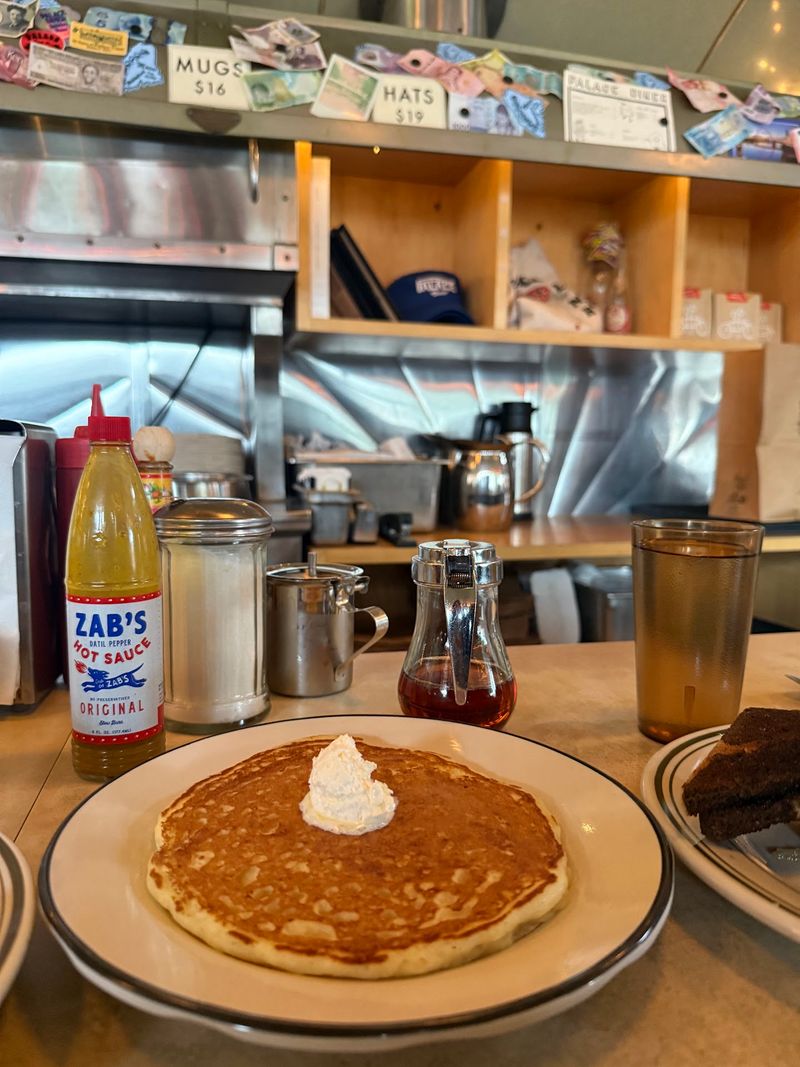
Not many restaurants can claim their entire dining room arrived by rail, but the Palace Diner in Biddeford has that distinction.
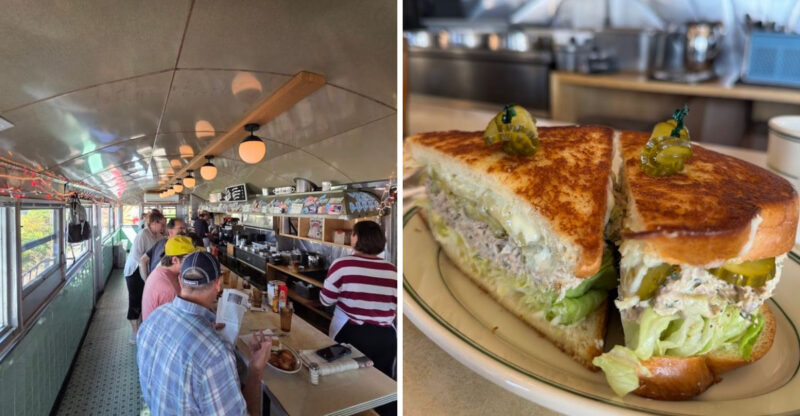
It operates out of a 1920s Pollard dining car, one of only two still in existence, and the interior has been preserved with an almost stubborn fidelity to its original character.
Mint-green floor tiles, steel backsplashes, and a worn countertop give the space a texture that no renovation could manufacture.
The diner first opened in 1927, and its modest size, seating just a handful of guests at a time, has never been a limitation. If anything, the intimacy has become part of the appeal.
Every seat feels like a front-row position in a culinary performance built around scratch cooking and locally sourced ingredients.
That commitment earned the Palace a James Beard Award nomination, which is a remarkable achievement for a converted train car.
The Diner Sandwich and fluffy flapjacks have become signature items that regulars return for repeatedly.
Palace Potatoes, the rich tuna melt, and a deeply satisfying corned beef hash round out a menu that blends traditional diner comfort with a more considered approach to ingredients.
You will find this historic dining car at 18 Franklin Street in Biddeford, tucked into a neighborhood that has been experiencing its own revival in recent years.
The Palace Diner does not try to be more than it is, and that restraint is its greatest strength. It serves breakfast and lunch with precision and care inside a space that has barely changed in nearly a century.
6. Moody’s Diner, Waldoboro
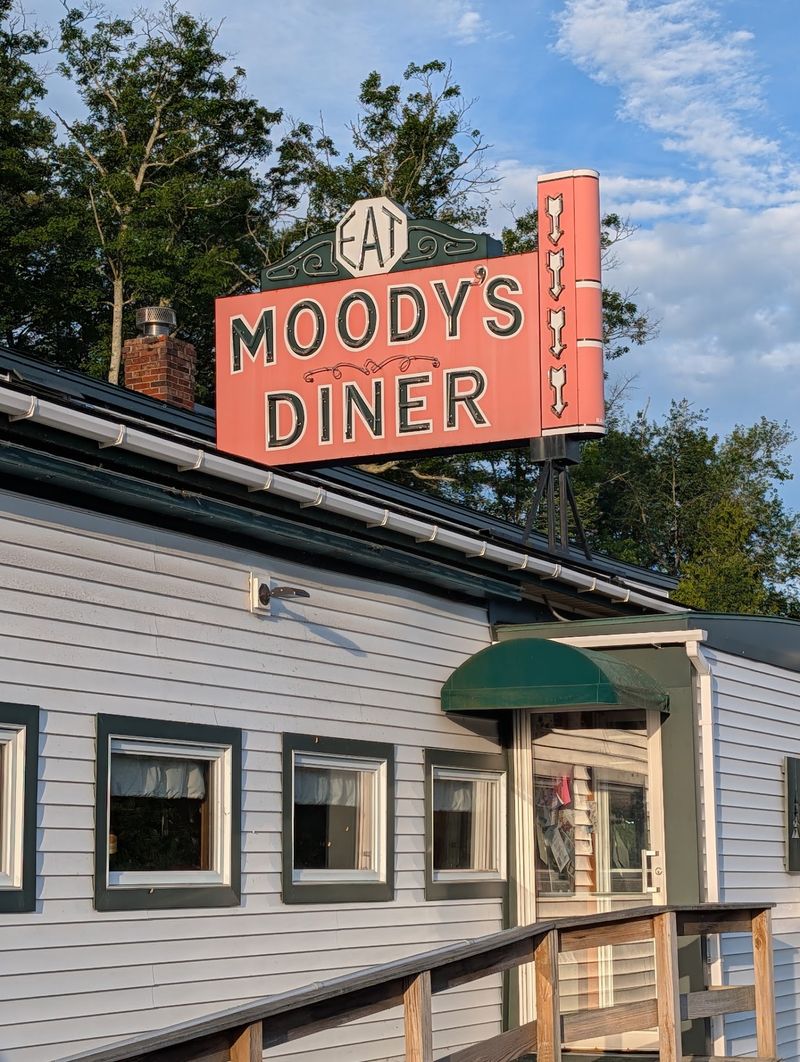
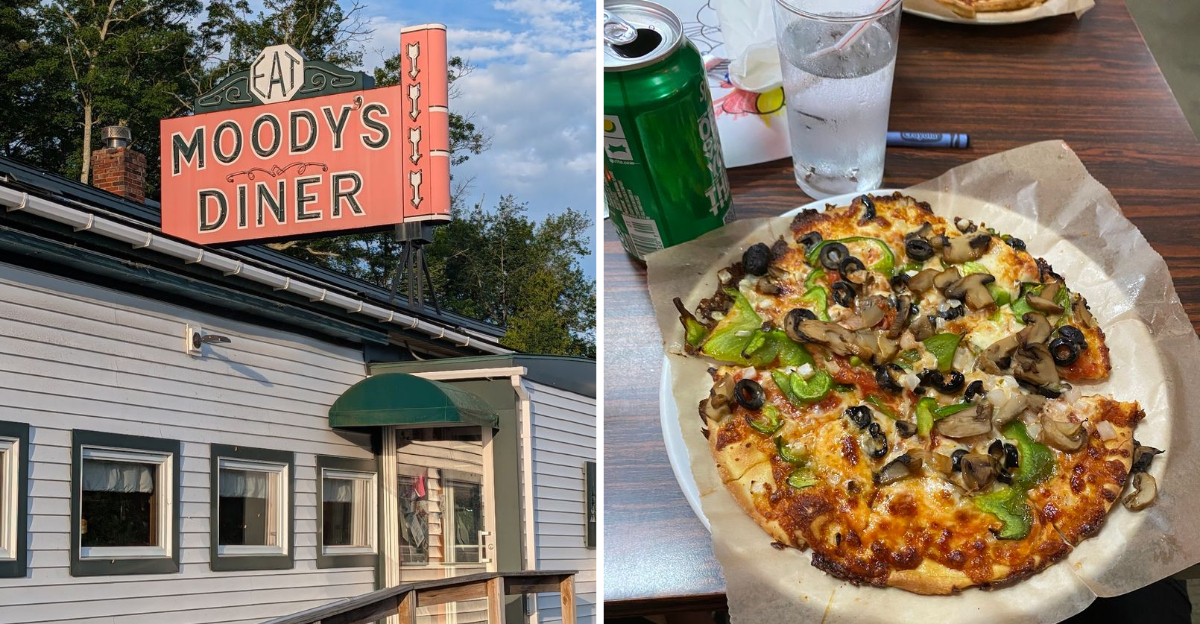
Few neon signs in Maine carry as much meaning as the one glowing above Moody’s Diner on Route 1 in Waldoboro.
Percy and Bertha Moody founded the operation in 1927, starting with modest roadside cabins before adding a dining room to serve the travelers passing through.
What began as a practical addition to a lodging business eventually became the main event, growing into the sizeable clapboard building that travelers have recognized for decades.
The interior offers counter seating and booths in equal measure, creating a relaxed and unpretentious setting that has always been more focused on feeding people well than impressing them with decor.
A gift shop selling Moody’s merchandise and local products adds a small but charming dimension to the experience. The sense of history here is not performed; it has simply accumulated over nearly a century of daily operation.
Moody’s is especially celebrated for its pies, and the blueberry pie in particular has taken on an almost legendary status among regulars and road-trippers alike.
Maine blueberries have a tartness and depth that translates beautifully into a well-made pie crust. The broader menu covers classic New England fare including lobster rolls, baked beans, boiled dinner, roast turkey, and Yankee pot roast.
The diner can be found at 1885 Atlantic Highway in Waldoboro, making it an easy and rewarding stop on any coastal Route 1 journey.
This is the kind of restaurant that rewards repeat visits because the menu changes with the seasons and the specials reflect what is fresh and available locally.
7. Deluxe Diner, Rumford
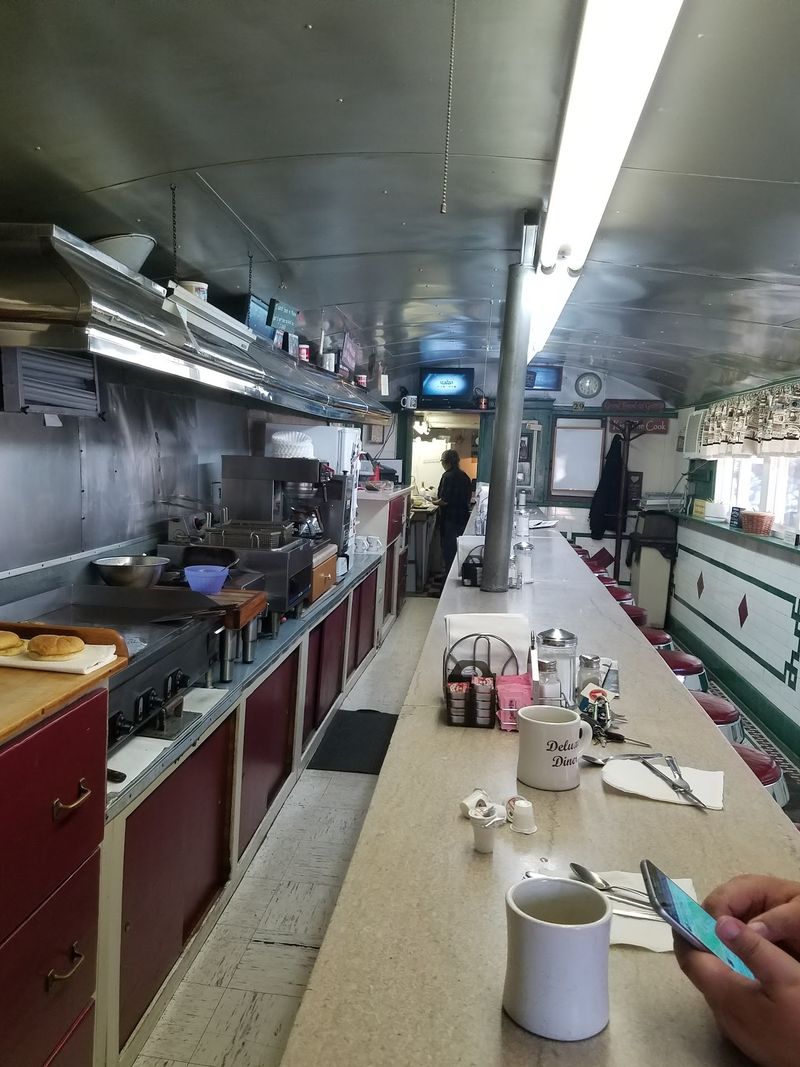
Sixteen seats. One long counter. A marble top that has seen nearly a century of elbows, coffee cups, and early morning conversations.
The Deluxe Diner in Rumford arrived by rail in 1929 as a 1928 Worcester Dining Car, lowered onto a hand-dug basement, and has not moved since.
It wears its greasy spoon identity without apology, and that honesty is a large part of what makes it worth seeking out.
The original German silver hood still hangs above the cooking area, and the marble countertop remains intact, both functioning as quiet proof that good materials and good construction outlast trends by generations.
Swivel stools line the counter at close intervals, encouraging the kind of side-by-side conversation that booth seating tends to discourage. There is no public restroom, a detail that adds to the no-frills character rather than detracting from it.
The menu is straightforward and deeply satisfying. Eggs cooked to order are a consistent draw, and the home fries made from an original recipe have their own devoted following among regulars who have been coming here for years.
The diner built much of its early reputation serving millworkers from the paper industry that once defined Rumford’s economy. That working-class foundation is still evident in the generous portions and the unpretentious approach to every plate.
The Deluxe Diner sits at 29 Oxford Avenue in Rumford, a short distance from the river that powered the mills that once fed the whole town. Visiting the Deluxe Diner feels less like dining out and more like stepping into a living artifact.
8. Pat’s Pizza, Orono
It started as an ice cream and hot dog counter in 1931, which makes what Pat’s Pizza eventually became all the more surprising.
Carl D. Farnsworth opened Farnsworth’s Cafe in Orono with a simple menu aimed at the college crowd nearby.
It was not until 1953 that he added pizza to the offerings, a decision that quietly changed the culinary identity of the entire region. The cafe became Pat’s Pizza, and the rest is food history.
The interior has held onto its old-school character with visible pride. Cozy booths line the walls, tabletop jukeboxes sit at the ends of counters, and the overall atmosphere leans into nostalgia without feeling forced.
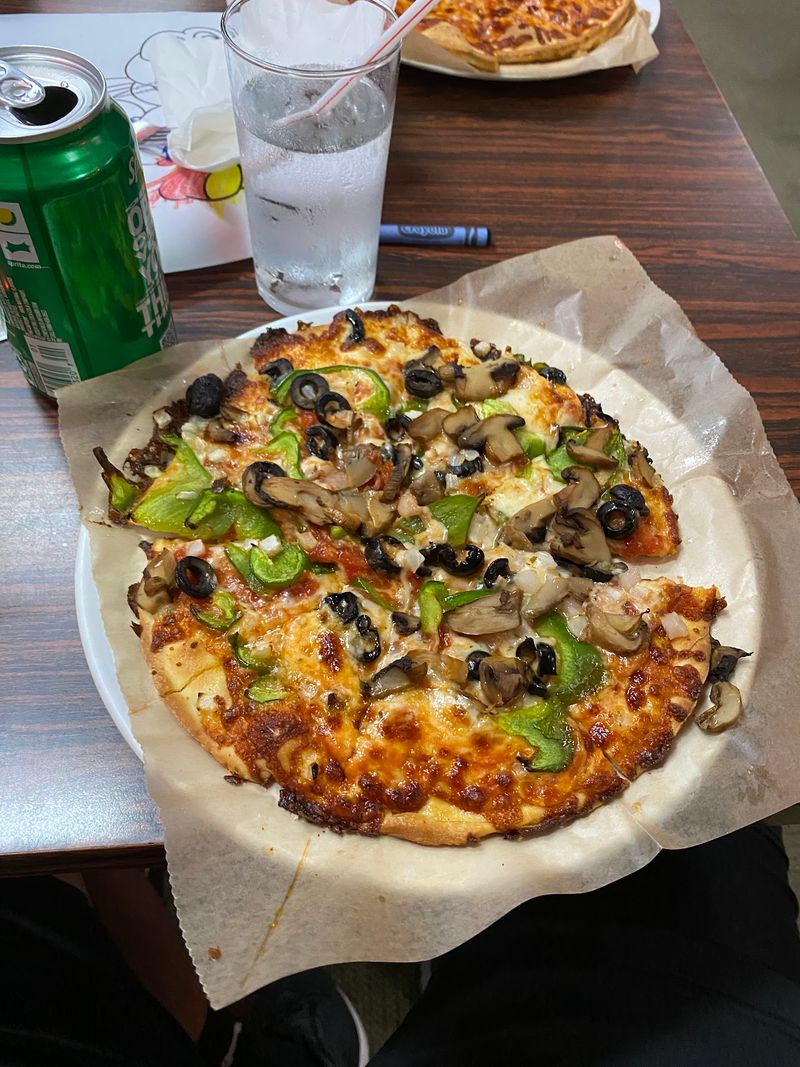
Pat and his wife Fran developed the pizza sauce together, a recipe that gives the fresh dough pies a subtly sweet, distinctly recognizable flavor that no other pizzeria has managed to replicate convincingly.
Pat’s has become deeply intertwined with life at the University of Maine, and many former students describe their time in Orono as inseparable from the memory of eating here.
The pizza itself is considered a unique regional style within Maine, not quite like anything found elsewhere in New England.
You can find this beloved Orono institution at 11 Mill Street, just a short walk from the university campus that has sent generations of loyal customers through its doors.
What Pat’s represents is something beyond a good pizza. It is a case study in how a single menu addition, made at the right moment with the right recipe, can anchor a business for nearly a century.