Nebraska Scenic Drives That Truly Belong On Every 2026 Bucket List
Forget the fastest route.
Pick the road that curves a little more or disappears toward a horizon you cannot quite read from the map. That is usually where the memorable part begins.
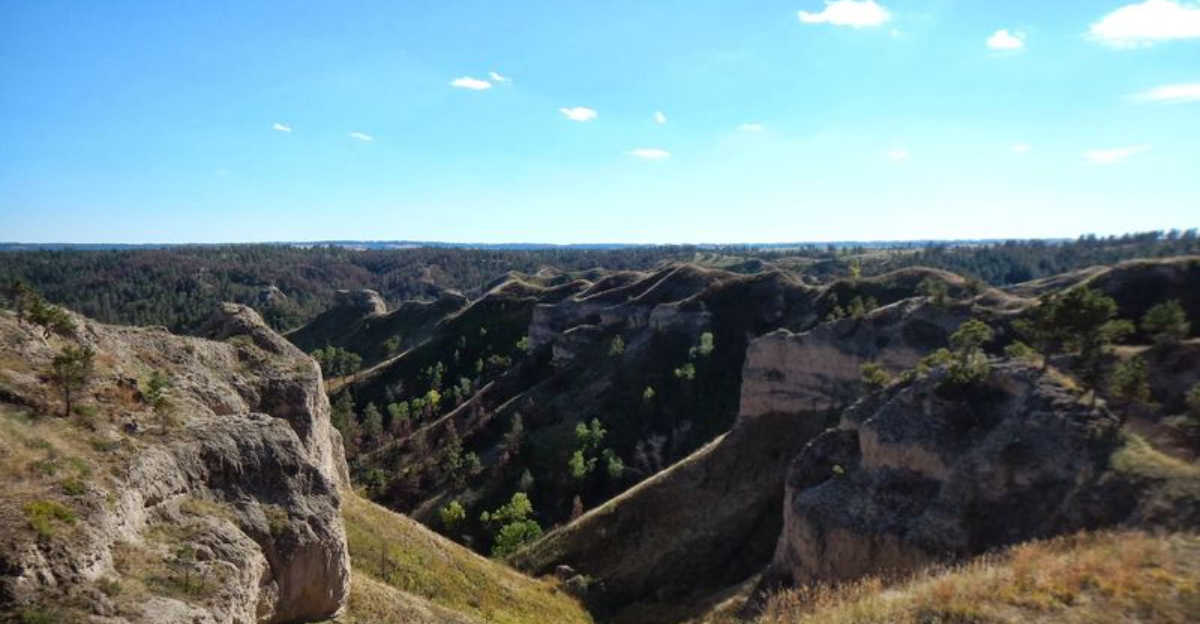
Nebraska’s most scenic drives reveal a much wilder mix of landscapes than many travelers expect.
You might pass rolling Sandhills, river valleys, wooded bluffs, open prairie, and stretches where the sky seems to take up half the world.
Roll the windows down when the weather cooperates. Pull over when the view earns it. Let lunch happen late if a lookout keeps you longer than planned.
These drives are about noticing what happens between the start and the destination.
So build a little extra time into the day and give yourself permission to take the long way around in 2026.
1. Sandhills Journey National Scenic Byway, Grand Island To Alliance
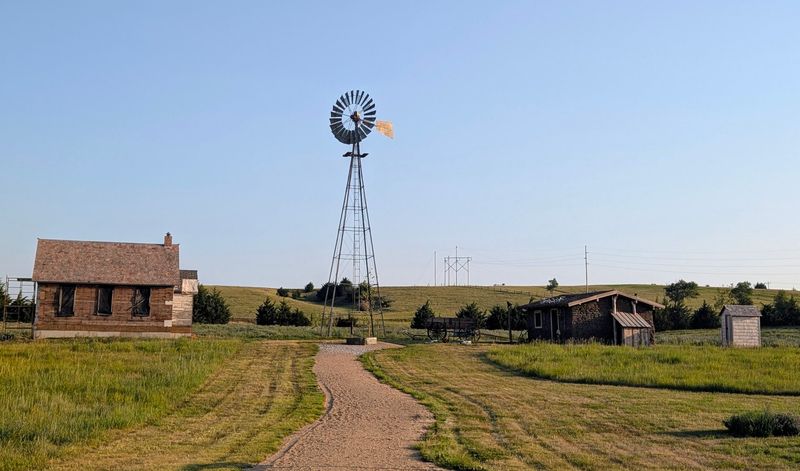
Rolling across 272 miles of Nebraska Highway 2, the Sandhills Journey National Scenic Byway is the kind of drive that resets the mind with its sheer, unhurried emptiness.
The road moves through one of the largest grass-stabilized sand dune systems in the world, where the horizon seems impossibly wide and the sky takes on a presence all its own.
Small ranching communities dot the route, each one offering a quiet glimpse into a way of life that has changed very little over generations.
A worthwhile stop near Grand Island is the Stuhr Museum of the Prairie Pioneer where visitors can walk through an authentic 1890s railroad town and explore a preserved prairie farmstead.
The museum brings the early settler experience to life in a tangible, walkable way that goes far beyond static displays.
Further west, Carhenge offers a surprising and lighthearted encounter with a full-scale replica of Stonehenge built entirely from vintage American automobiles.
The Nebraska National Forest, Bessey Ranger District adds an unexpected chapter to the drive, as the largest hand-planted forest in the northern hemisphere rises dramatically from the surrounding Sandhills.
2. Outlaw Trail Scenic Byway, South Sioux City Area To Valentine
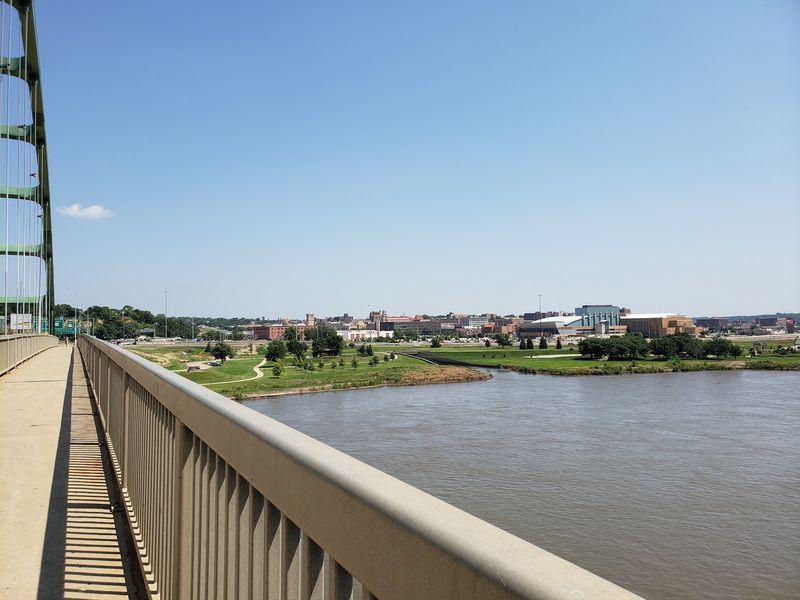
Running 231 miles along Nebraska Highway 12 from the South Sioux City area to Valentine, the Outlaw Trail Scenic Byway follows the northern edge of the state through some of its most rugged scenery.
The Niobrara River corridor anchors much of the route, with wooded bluffs giving way to open grasslands that feel genuinely wild.
Wildlife sightings are common, and the rhythm of the drive encourages slow travel and frequent stops.
Fort Niobrara National Wildlife Refuge provides one of the most memorable stops on the byway, where bison, elk, and white-tailed deer roam across protected lands.
Auto tour routes and hiking trails wind through the refuge, offering close but respectful encounters with the animals that call this area home.
The sounds of the grassland, from bird calls to rustling grasses, create a sensory backdrop that feels far removed from everyday life.
Niobrara State Park sits at the confluence of the Niobrara and Missouri rivers, offering elevated bluff views and a range of outdoor activities including horseback riding and fishing.
The park’s varied terrain makes it an easy place to spend a full afternoon without running out of things to explore.
3. Western Trails Scenic and Historic Byway, Ogallala To Tahe Wyoming Border
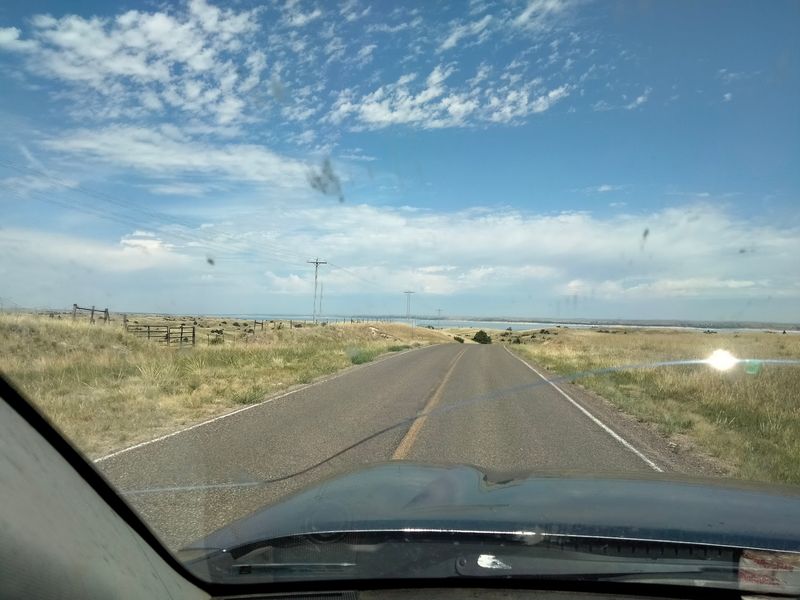
Covering 144 miles along U.S. Highway 26 and Nebraska Highway 92, the Western Trails Scenic and Historic Byway connects travelers to some of the most iconic landmarks in the story of American westward expansion.
The landscape itself feels cinematic, with broad, flat stretches of high plains giving way to geological formations that pioneers once used as navigation beacons.
History is literally visible from the road on this route, which is part of what makes it such a compelling bucket-list drive.
Chimney Rock National Historic Site stands as one of the most recognized landmarks on the Oregon, California, and Mormon Trails, its clay and volcanic ash spire visible from miles in every direction.
Walking the grounds near the monument offers a quiet, grounding experience that connects visitors to the hundreds of thousands of pioneers who passed this way.
Scotts Bluff National Monument provides sweeping summit views and interpretive displays about the overland trail experience.
Ash Hollow State Historical Park preserves visible wagon ruts at Windlass Hill and an interpretive center that tells the layered story of prehistoric inhabitants and overland emigrants who found shelter in this quiet canyon.
4. Bridges to Buttes Scenic Byway, Valentine To The Wyoming Border
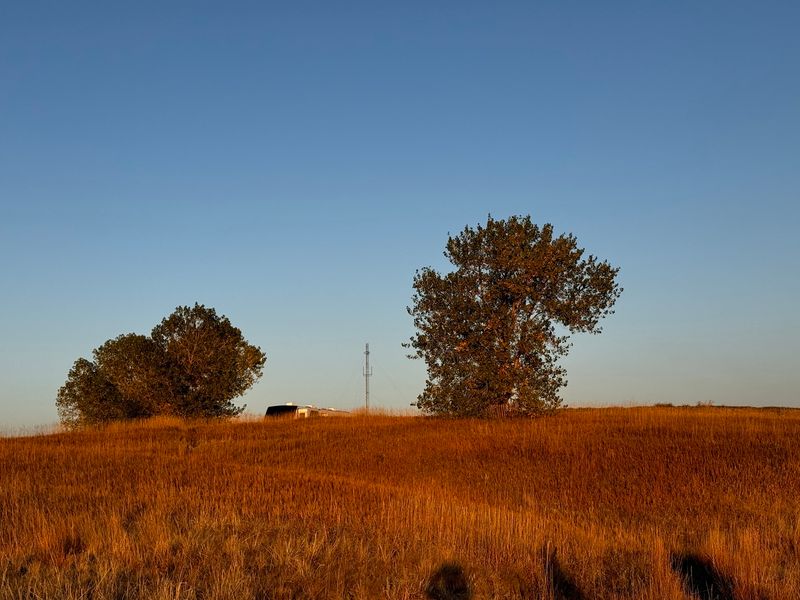
The Bridges to Buttes Scenic Byway covers 197 miles along U.S. Highway 20, beginning in Valentine and heading west toward the Wyoming border with a gradual and dramatic shift in scenery.
Early sections of the drive roll through classic Sandhills country, with grass-covered dunes and wide ranching vistas that feel both ancient and alive.
As the route pushes further west, the terrain grows more rugged, with ponderosa pine forests and rocky buttes replacing the softer grassland contours.
Smith Falls State Park is an early highlight, home to Nebraska’s tallest waterfall, a 63-foot cascade that drops into the Niobrara River below.
Accessible trails lead to the falls, and the sound of rushing water carries through the canyon in a way that feels genuinely refreshing after miles of open road.
The park also serves as a popular put-in point for canoeists and kayakers exploring the Niobrara.
Chadron State Park established in 1921 as Nebraska’s oldest state park, sits within the Nebraska National Forest and offers hiking, swimming, and horseback riding amid ponderosa pines and Pine Ridge escarpment views.
The shaded trails stay noticeably cooler than the open highway, making the park a welcome mid-drive stop during summer months.
5. 385-Gold Rush Scenic Byway, South Dakota Border To Colorado Border
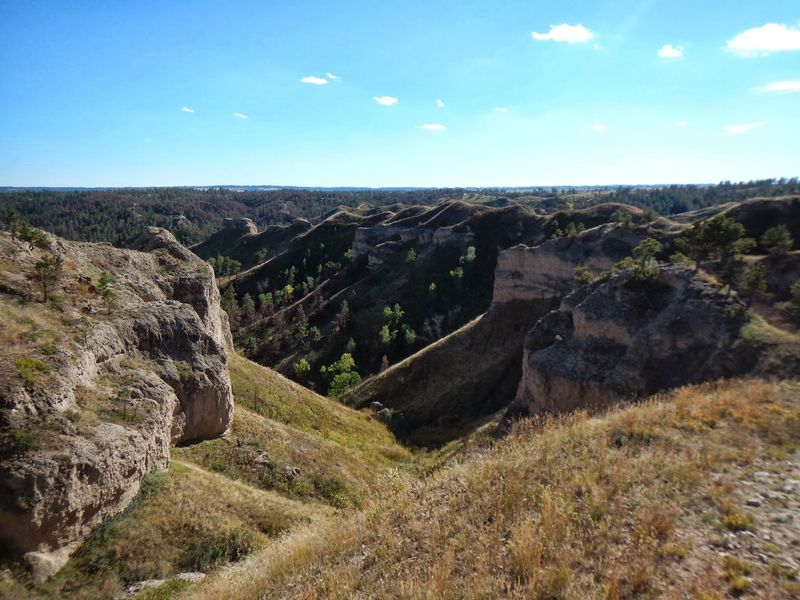
Stretching 158 miles through the Nebraska Panhandle along U.S. Highway 385, the 385-Gold Rush Scenic Byway delivers a side of the state that surprises most first-time visitors.
The Pine Ridge landscapes here feel ancient and textured, with rocky formations and dense grasslands creating a visual language entirely different from the eastern part of Nebraska.
The quiet of the open country on this route can be quite striking, especially in the early morning or late afternoon light.
Fort Robinson State Park is one of the most historically layered destinations in the state, with roots going back to the Indian Wars and later use as a military K-9 training center.
Extensive hiking and biking trails cross the park’s rugged terrain, and on-site museums interpret the complex history of the site with care and detail.
The preserved military buildings add a tangible, atmospheric quality to any visit.
Agate Fossil Beds National Monument adds a completely different dimension to the drive, with internationally recognized Miocene epoch fossil sites and American Indian artifacts from the Cook Collection on display.
Miles of walking trails lead through mixed-grass prairie to historic excavation sites, and the visitor center provides clear, well-organized context for what visitors are seeing in the landscape around them.
6. Loup Rivers Scenic Byway, Wood River To Dunning

There is something quietly satisfying about the Loup Rivers Scenic Byway, a 150-mile route along Nebraska Highways 11 and 91 that connects Wood River to Dunning through farmland, river valleys, and increasingly remote Sandhills terrain.
The drive does not announce itself with dramatic landmarks right away, but instead builds a sense of calm and remoteness that grows more pronounced the further west the route travels.
Tiny communities appear at regular intervals, each one offering a small but genuine window into rural Nebraska life.
A standout cultural stop accessible from this byway is the Harold Warp Pioneer Village which houses more than 50,000 historical items across 26 buildings arranged in chronological order from 1830 to the present.
The collection spans everything from a Pony Express Station and sod house to antique machinery and household goods, creating a sprawling and immersive record of American ingenuity.
The layout encourages a relaxed, self-paced exploration that works well for visitors of all ages.
The river valleys along the byway carry their own appeal, with the gentle sound of moving water and the scent of wildflowers or freshly tilled soil marking the passage of seasons in a way that feels genuinely connected to the land.
The increasing sense of remoteness as the route nears the Sandhills makes the final stretch feel like a genuine discovery.
7. Lewis and Clark Scenic Byway, Omaha To South Sioux City
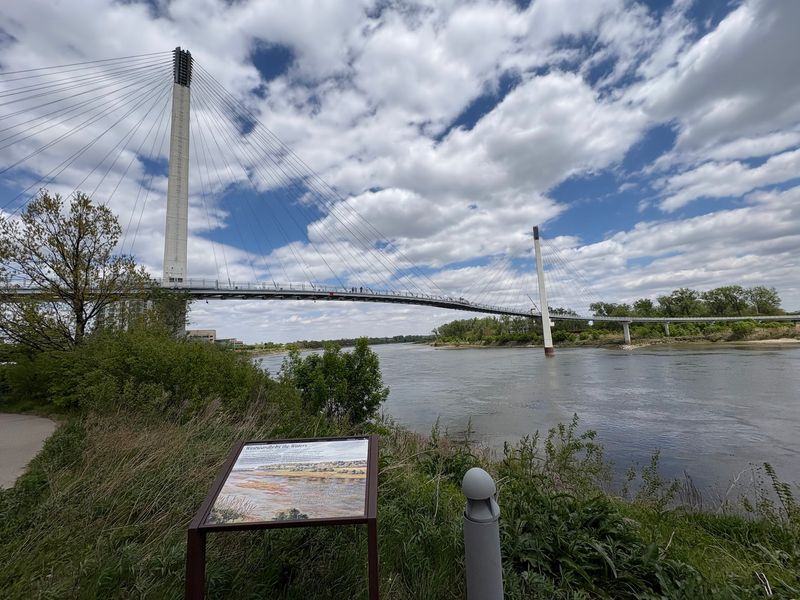
Tracing the Missouri River corridor for approximately 98 miles along U.S. Highway 75 from Omaha to South Sioux City, the Lewis and Clark Scenic Byway blends natural riverine beauty with historical significance.
The broad sweep of the Missouri River accompanies much of the drive, and the bluff country that lines the route creates a varied and visually engaging landscape.
Historic communities along the way carry a tangible sense of the past, with architecture and local museums that reflect the region’s layered story.
Eugene T. Mahoney State Park sits conveniently between Omaha and Lincoln and offers a wide range of activities including an aquatic center, horseback riding, hiking trails, and year-round lodging accommodations.
The park’s terrain varies enough to support both gentle strolls and more active outdoor pursuits, making it a practical stop for travelers with different energy levels.
The observation tower provides a particularly rewarding view of the surrounding bluffs and river country.
The Strategic Air Command and Aerospace Museum sits near the state park and houses a remarkable collection of military aircraft and space exploration artifacts within a 300,000-square-foot facility.
The well-lit hangars allow for clear, close-up views of the machines, and the interactive children’s galleries make the stop engaging for younger travelers as well.
8. Heritage Highway Scenic Byway, Brownville To Edison
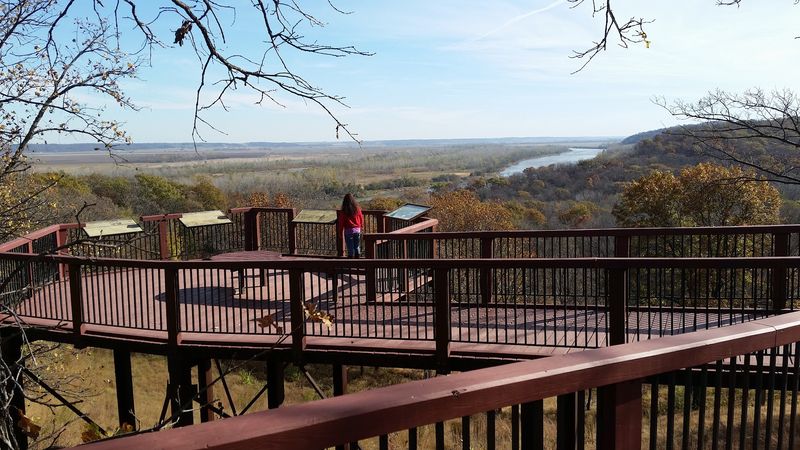
Winding 238 miles across southeastern Nebraska along U.S. Highway 136, the Heritage Highway Scenic Byway moves through rolling farmland and small towns with classic Main Streets that have a lived-in quality.
The pacing of this drive tends to feel relaxed almost immediately, with the gentle curves of the road and the pastoral views encouraging spontaneous stops and easy conversation.
Each community along the route carries its own character, shaped by agriculture, history, and the rhythms of rural life.
Indian Cave State Park occupies more than 3,300 acres along the Missouri River and features 22 miles of hiking trails through mature hardwood forests, along with the famous Indian Cave containing ancient petroglyphs.
The dense tree canopy keeps the trails noticeably shaded, creating a cooler and more immersive walking experience during warmer months.
Primitive and RV camping options allow visitors to extend their stay and experience the park across different times of day.
Rock Creek Station State Historical Park preserves deep Oregon and California Trail wagon ruts along with reconstructed Pony Express buildings and an interpretive center.
Homestead National Historical Park honors the Homestead Act of 1862 with a modern Heritage Center, a tallgrass prairie, and the historic Palmer-Epard Cabin, offering a grounded and contemplative stop for history-minded travelers.
9. Lincoln Highway Scenic and Historic Byway, Across Nebraska
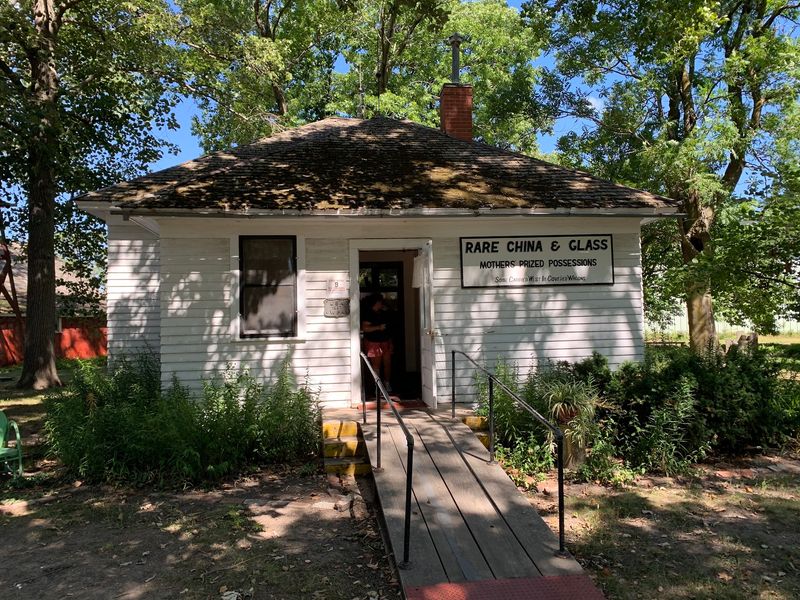
At roughly 400 miles across Nebraska along U.S. Highway 30, the Lincoln Highway Scenic and Historic Byway holds the distinction of being the state’s longest designated scenic drive.
The drive is a journey through American history as much as through geography, passing prairie landscapes, historic railroad towns, the Platte River corridor, and the rugged character of western Nebraska.
Historic markers and preserved architecture appear regularly, providing context for the road itself and the communities it once connected.
The Stuhr Museum of the Prairie Pioneer anchors the eastern portion of the byway with its walkable 1890s railroad town and preserved prairie farmstead, offering a hands-on encounter with the realities of early settler life.
The pathways through the outdoor exhibits are easy to navigate, allowing for a relaxed and absorbing pace of exploration.
Further west, the Harold Warp Pioneer Village continues the historical thread with 26 buildings holding more than 50,000 artifacts arranged chronologically from 1830 to the present.
The western stretches of the byway open into broader, quieter landscapes where the Platte River country flattens and the sky grows enormous, providing a fitting and memorable conclusion.