11 California Dog Rescues And Shelters Making A Difference In 2026
You do not need to adopt a dog today to make one animal’s week better.
Start smaller. Share a rescue post. Drop off supplies. Volunteer for a shift. Cover part of a medical bill. Tell a friend about a dog that has been waiting far too long for the right home.
Across California, dedicated rescues and shelters keep doing the daily work that rarely makes headlines but changes lives anyway.
That work can mean bottle-feeding puppies, helping frightened dogs trust people again, transporting animals to safety, or simply giving an older dog a warm place to sleep.
Before scrolling past another hopeful face, stop for a second.
Read the story. Check the wish list. See what the organization actually needs. You may discover that helping takes less time, money, or effort than expected.
These 11 groups deserve more attention in 2026, especially from anyone looking for a practical way to turn compassion into something useful.
1. San Francisco SPCA
Few animal welfare organizations in Northern California carry the kind of community trust that the San Francisco SPCA has built over decades of hands-on work.
At 250 Florida St, San Francisco, CA 94103, the adoption center welcomes visitors Tuesday through Thursday from 1 PM to 7 PM, Friday and Saturday from 11 AM to 7 PM, and Sunday from 11 AM to 6 PM.
The schedule gives working adults and weekend visitors a real chance to stop by without rushing.
The SF SPCA operates as a fully independent nonprofit, meaning no government funding drives its programs.
Donations and community support keep the adoption center running, along with medical care and outreach efforts for dogs and cats in need.
The organization earned a Candid Guidestar Platinum Seal for 2026, which reflects strong financial transparency.
Dogs available for adoption tend to vary widely in age, size, and personality, so a visit rarely feels predictable.
Staff can walk potential adopters through the process calmly and honestly, matching dogs to households thoughtfully rather than rushing placements.
For anyone in the Bay Area ready to add a dog to the family, this is a solid and well-respected starting point.
2. Marin Humane
Just north of the Golden Gate Bridge, Marin Humane has been quietly doing some of the most community-centered animal welfare work in the Bay Area.
Beyond standard adoptions, Marin Humane runs a genuinely broad range of services that set it apart from smaller shelters.
In 2026, the organization hosted a Mobile Adoption Event in Novato in August, a Community Clinic in Marin City offering free vaccinations and microchipping to low-income families, and a Tails by Twilight fundraiser in September.
The range of programming reflects how seriously the team takes its role in the wider community.
Animal services at Marin Humane also cover wildlife calls, stray animal response, and pet licensing, which means the organization functions almost like a full municipal animal control partner in some respects.
The facility at 171 Bel Marin Keys Blvd in Novato is open Tuesday through Sunday from 10 AM to 5:30 PM, offering a comfortable window for families, couples, and solo visitors to explore adoptable dogs at a relaxed pace.
Visiting the campus feels calm and well-organized, with staff focused on making sure both animals and potential adopters feel comfortable throughout the process.
3. Humane Society Silicon Valley
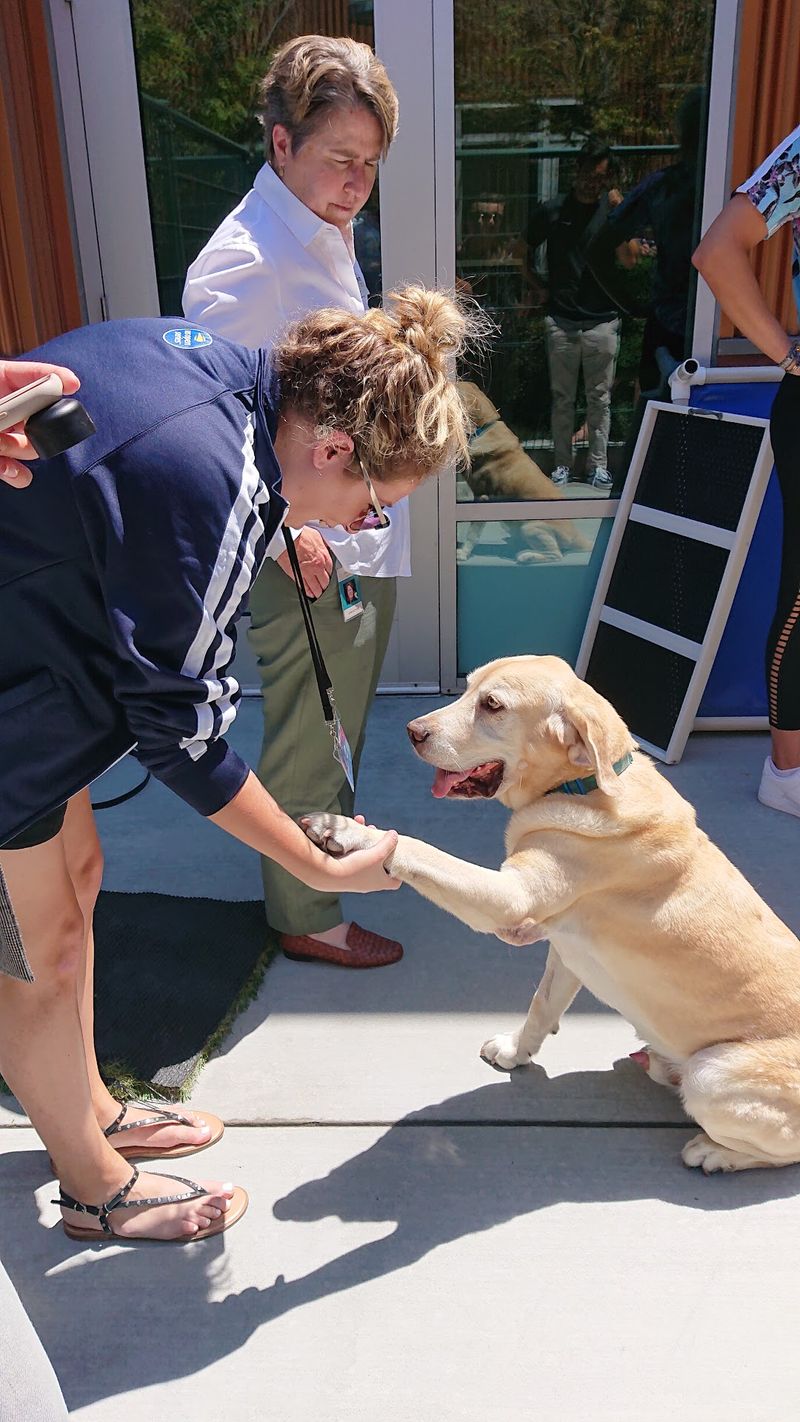
Founded in 1929, Humane Society Silicon Valley has nearly a century of animal welfare experience behind every program it runs today.
The main campus sits at 901 Ames Avenue in Milpitas, and in 2026, the organization is in the middle of a Rebuild Initiative that includes reopening its dog adoptions floor in late summer.
That kind of active investment in the physical space signals a long-term commitment to doing this work well.
The programming calendar for 2026 is packed with meaningful events.
Champions for Pet Health in May offered free spay and neuter surgeries for eligible pets, and The Fur Ball fundraiser brought the community together in a celebratory setting.
Weekly vaccine clinics run throughout the year, and training classes including a hybrid Beginning Puppy Training session starting in August give new dog owners practical tools from day one.
Workshops on leash handling and polite greetings round out the educational side of what HSSV offers, making it more than just a place to find a dog.
The atmosphere on campus tends to feel busy but purposeful, with a staff culture that leans toward education and long-term support rather than one-time transactions.
4. Humane Society Of Sonoma County
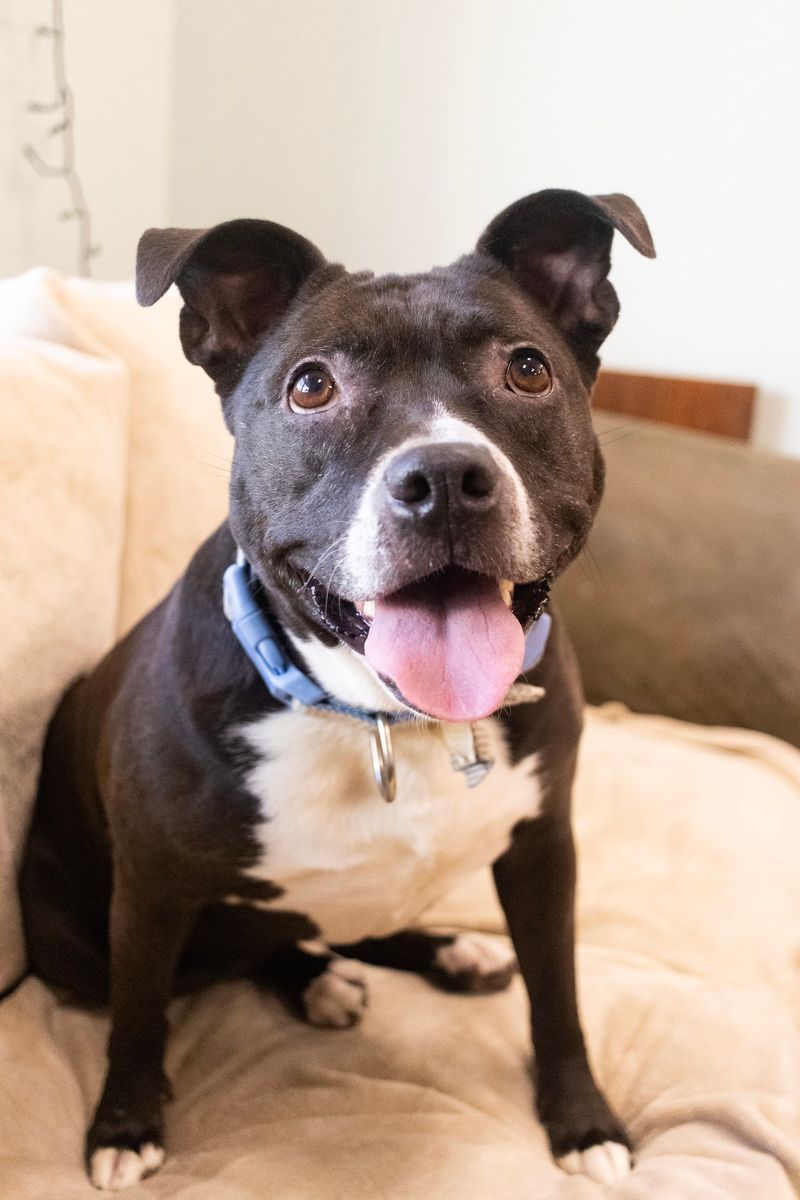
Running two campuses across Sonoma County takes real organizational commitment, and the Humane Society of Sonoma County handles it with consistency.
Dog and cat adoptions are the heart of what the organization does, but the support programs surrounding those adoptions add genuine depth.
Owner support services help people work through challenges before surrendering a pet, which reduces unnecessary intake and keeps more dogs in their original homes.
Dog training classes and humane education programs extend the organization’s reach into schools and neighborhoods throughout the region.
Both a Community Veterinary Clinic and a Spay and Neuter Clinic operate through the organization, making affordable pet healthcare more accessible across Sonoma County.
The donor-supported model keeps the focus on animal welfare rather than volume, and that philosophy tends to show in how the staff engages with visitors and potential adopters.
The Santa Rosa campus at 5345 Highway 12 West and the Healdsburg campus at 555 Westside Road together serve a wide geographic area, giving residents from different parts of the county a convenient way to visit adoptable dogs without a long drive.
5. Sacramento SPCA
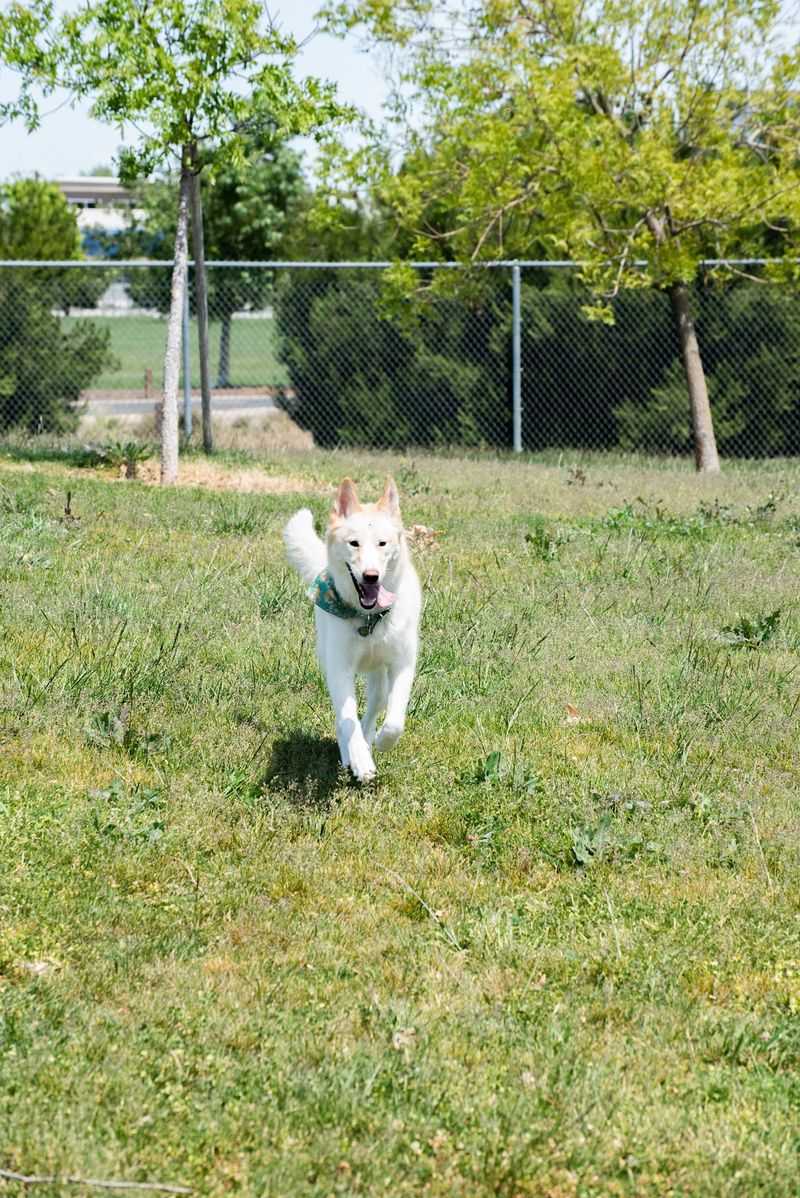
Found at 6201 Florin Perkins Rd in Sacramento, the Sacramento SPCA operates one of the most consistently active adoption centers in the Central Valley.
The center is open Tuesday through Saturday from 10:30 AM to 5:30 PM, and the mid-morning opening makes it easy to plan a visit without rearranging an entire day.
Dogs available for adoption tend to cycle regularly, so repeat visits often turn up new faces.
Medical services at the Sacramento SPCA include vaccination clinics, microchipping, and spay and neuter procedures, all of which support responsible pet ownership across the region.
Youth programming like Camp Kindness gives younger community members a chance to engage with animal welfare in a structured and age-appropriate way, planting seeds of empathy that tend to stick well into adulthood.
Live online events showcasing available animals ran throughout 2026, which broadened the reach of the adoption program beyond people who could physically visit the center.
That kind of digital outreach reflects a modern approach to shelter management that many organizations are still figuring out.
6. Bradshaw Animal Shelter
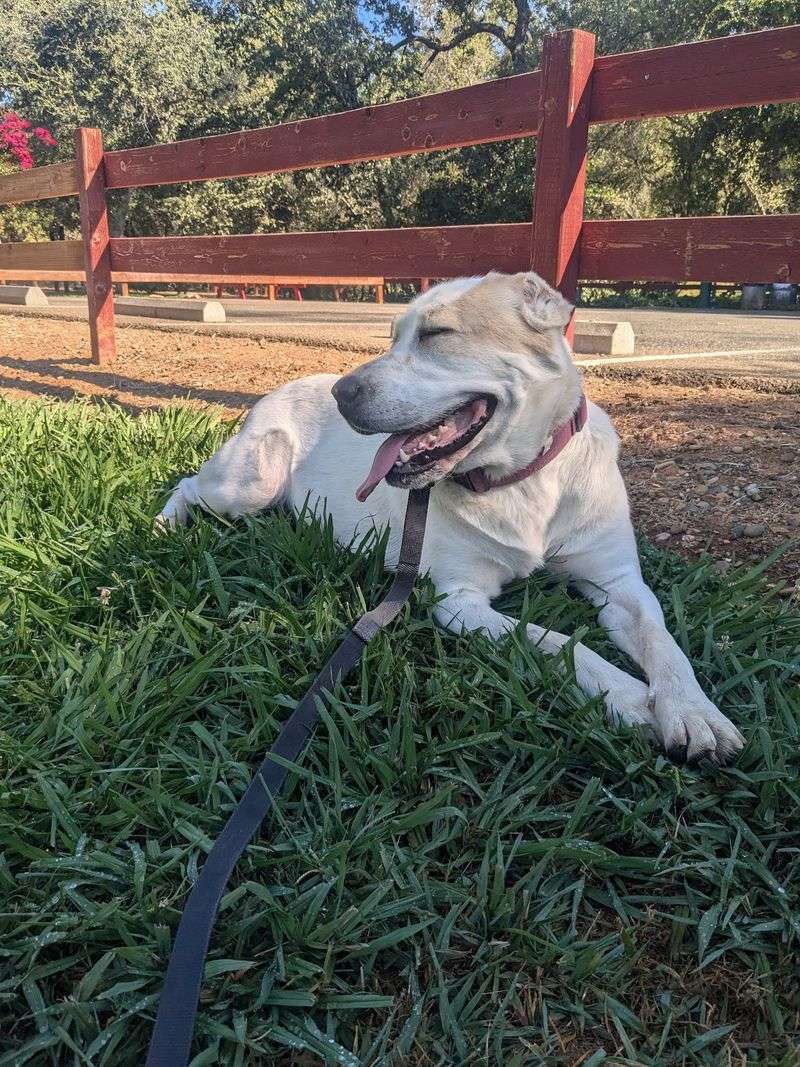
Ranking among the largest shelters in Northern California is no small distinction, and Bradshaw Animal Shelter earns that status through sheer scale and steady community service.
Run by Sacramento County, the shelter at 3839 Bradshaw Road processes adoptions Tuesday through Sunday from noon to 5 PM, with extended hours until 6 PM on Wednesdays, giving working adults a bit more flexibility.
The size of the facility means the variety of dogs available at any given time can be quite broad, from young puppies to senior dogs with calm, settled personalities.
County-operated shelters like Bradshaw often serve animals that come in through animal control channels, which means the population can shift quickly and visiting more than once is genuinely worthwhile.
Community programs at the shelter reflect Sacramento County’s investment in animal welfare as a public service rather than a niche cause.
Past participation in large-scale adoption events like the North Shore Animal League America’s Tour for Life demonstrates the shelter’s willingness to collaborate on a regional and national level.
For families in the greater Sacramento area, Bradshaw offers an accessible and no-frills adoption experience backed by county-level resources.
7. Woods Humane Society
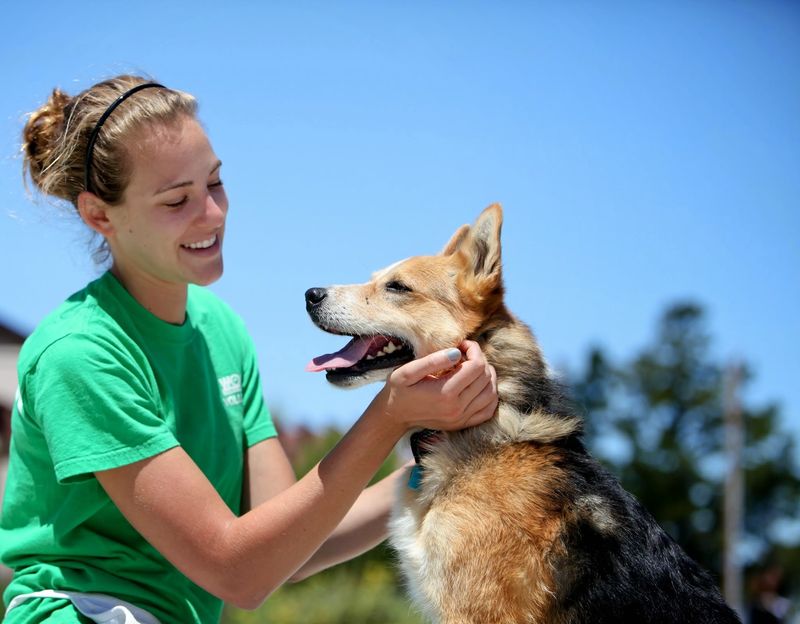
Along the Central Coast, Woods Humane Society operates with the kind of independent nonprofit spirit that tends to attract deeply committed staff and volunteers.
With locations at 875 Oklahoma Ave in San Luis Obispo and 2300 Ramona Rd in Atascadero, the organization covers a meaningful stretch of the Central Coast.
Adoption hours run daily from noon to 4 PM at both campuses, which keeps the schedule consistent and easy to remember.
On June 6, 2026, Woods Humane Society participated in the 3rd Annual California Adopt-a-Pet Day with fee-waived adoptions, a move that reflects the organization’s enthusiasm for removing financial barriers to adoption when the opportunity arises.
The two-campus model means the organization can serve a broader population without stretching any single location too thin.
Dogs at Woods Humane tend to receive attentive care while they wait for placement, and the nonprofit structure keeps the focus on long-term outcomes rather than throughput.
8. Santa Barbara Humane
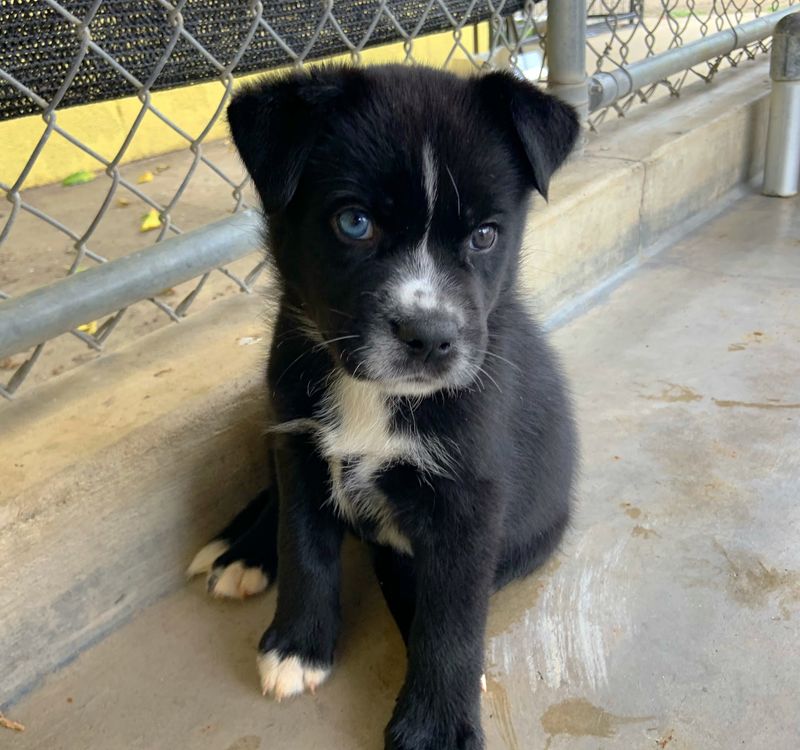
Celebrating 139 years of operation in April 2026, Santa Barbara Humane brings a depth of institutional history that very few animal welfare organizations anywhere in the country can match.
A special free adoption day marked the 139th birthday celebration at both campuses, which drew community attention and gave more dogs a chance at placement in a single day than a typical week might allow.
The organization was also nominated in the Best of Santa Barbara 2026 Readers Poll for Best Place to Adopt a Pet, a recognition that reflects strong local goodwill built over many years of consistent service.
Active expansion plans at the Santa Barbara campus include a new community intake center, a dog behavioral center, and additional play yards, all of which point toward a facility that is growing to meet increasing community need.
The Santa Barbara campus at 5399 Overpass Road and the Santa Maria campus at 1687 West Stowell Road together serve a wide swath of Santa Barbara County, with adoption centers open daily except Wednesdays from noon to 4:30 PM.
Low-cost veterinary care, dog training, and pet rehoming services round out a program list that goes well beyond basic adoption.
9. Pasadena Humane
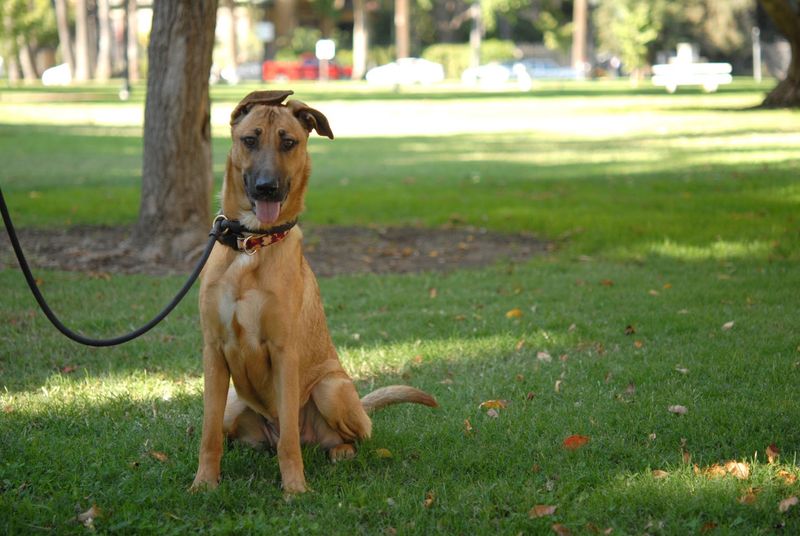
Donor-supported and community-rooted, Pasadena Humane has built a reputation in the San Gabriel Valley as a place where animal welfare is taken seriously at every level of the organization.
The facility at 361 S. Raymond Ave in Pasadena offers walk-in adoptions every day from 9:30 AM to 5:30 PM, making it one of the more accessible adoption centers in the greater Los Angeles area.
Throughout 2026, the organization has featured Pets of the Week highlights in May, July, and August, drawing community attention to individual dogs waiting for homes.
A fee-waived adoption event planned for July 27, 2026, lowered the financial barrier for families considering adoption during the summer months, when shelter populations can climb.
Fostering programs, veterinary services, and pet-support resources extend the organization’s reach beyond the adoption floor, creating a fuller safety net for dogs and the people who care for them.
The daily walk-in schedule removes the need to plan far in advance, which suits spontaneous visitors as well as those who have been researching for weeks.
Pasadena Humane tends to feel like a place that genuinely wants every dog placed, not just processed, and that distinction comes through clearly on a visit.
10. spcaLA
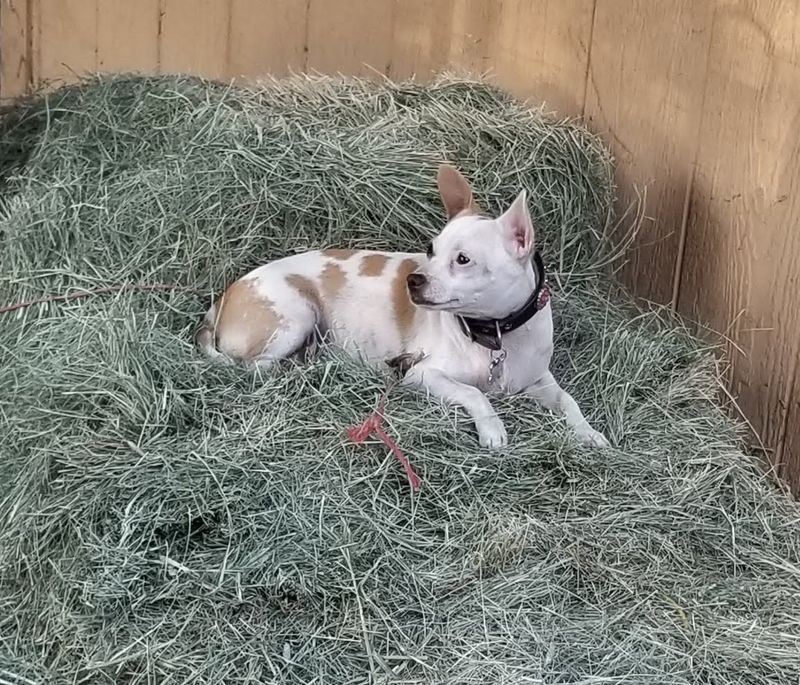
With a history stretching back well over a century, spcaLA stands as one of the oldest and most established animal welfare organizations in Southern California.
The Los Angeles Pet Adoption Center at 5026 W Jefferson Blvd serves as the flagship location.
The South Bay center at 12910 Yukon Ave in Hawthorne and the P.D. Pitchford Companion Animal Village at 7700 East Spring St in Long Beach extend the organization’s geographic reach considerably across the region.
Foster training classes scheduled for August, September, and October 2026 reflect a deliberate effort to build a wider network of temporary caregivers for dogs waiting on permanent placement, which is especially valuable during high-intake periods.
Dog training classes and vaccine clinics run throughout the year, giving adopters practical support well after the initial placement.
The multi-campus model means that Los Angeles-area residents have options depending on which part of the city or county they live in, and each location carries the same organizational standards.
For a city as large and dog-loving as Los Angeles, having an organization of spcaLA’s scale and experience makes a real difference.
11. San Diego Humane Society

Caring for more than 40,000 pets and wildlife animals annually puts San Diego Humane Society in a category of its own among California shelters.
Preparing for its 40th annual Fur Ball in 2026 reflects the kind of long-term fundraising tradition that sustains large-scale operations year after year.
A community pet pantry, dog licensing services, low-cost veterinary care, and pet training resources fill out a program list that addresses animal welfare from multiple angles simultaneously.
The scale of the organization means the variety of dogs available at any given time can feel almost overwhelming in the best possible way, from small breeds to large working-type dogs with varying energy levels and backgrounds.
Staff across all three campuses tend to approach the adoption process with patience and genuine care for long-term compatibility.
The main San Diego campus at 5500 Gaines St handles adoptions and serves as the organizational hub, while the Oceanside campus at 572 Airport Road and the Escondido campus at 3500 Burnet Drive extend services deep into North County.