10 Northern California Cities Where Retiring On $1,200 A Month Can Still Feel Within Reach
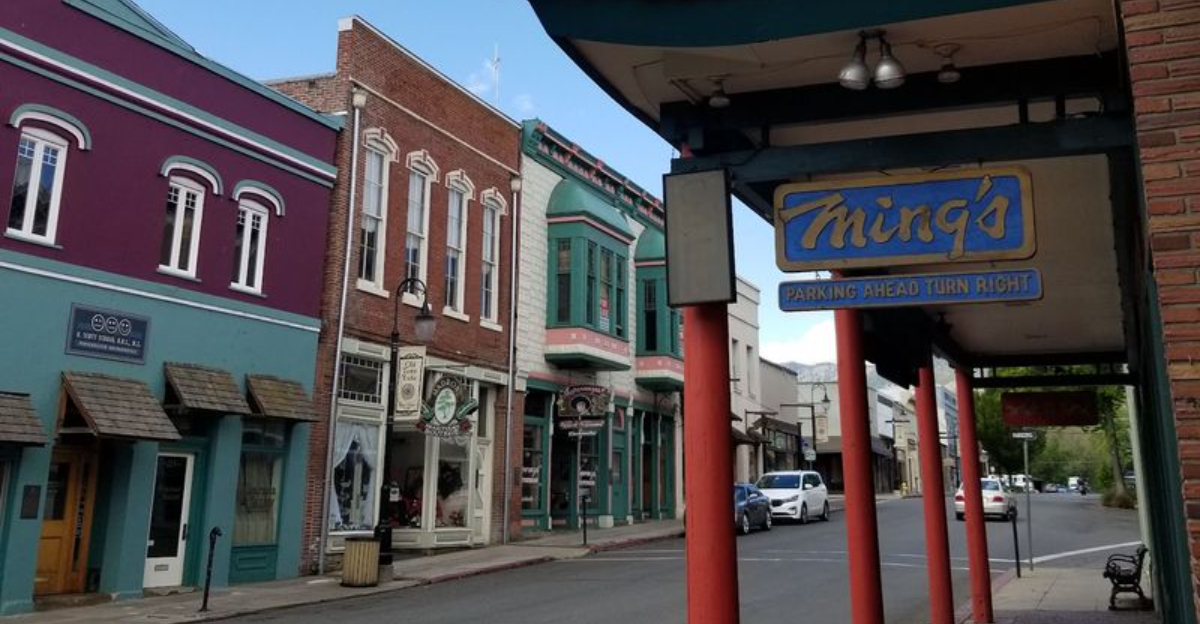
Let’s see how far $1,200 can actually stretch.
Start with housing. Add groceries, utilities, transportation, and the little expenses that somehow multiply before the month is over.
Choosing where to retire suddenly becomes less about postcard views and more about making the numbers cooperate.
Northern California still has smaller cities where retirees on tight budgets may find costs more manageable than in the state’s famously expensive coastal metros.
That does not make $1,200 a magic number. Your actual budget will depend heavily on housing arrangements, healthcare, transportation, taxes, and other personal expenses.
But looking beyond the obvious retirement destinations can uncover communities where everyday costs have a better chance of staying within reach.
1. Susanville, California
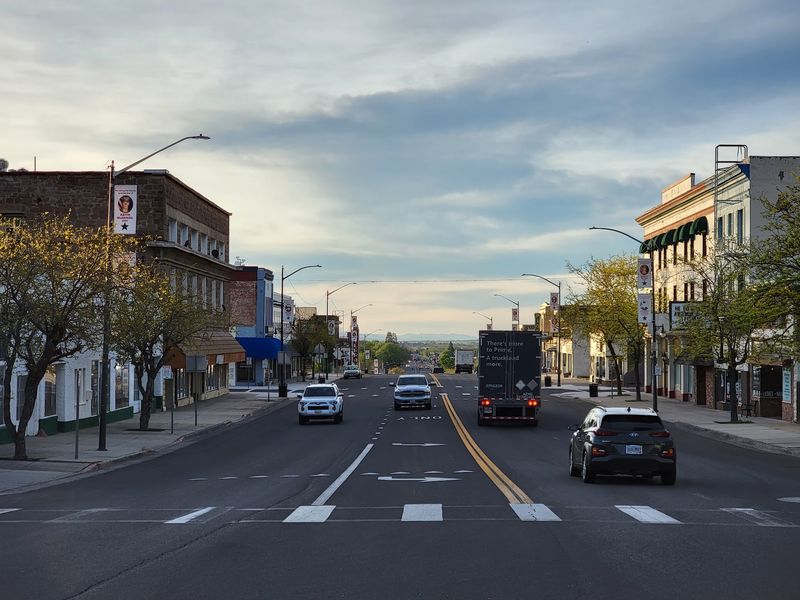
Sitting at the edge of the Sierra Nevada near the Honey Lake Valley, Susanville carries a frontier spirit that feels both grounding and refreshing.
The high-desert setting means wide open skies and crisp air that many retirees find genuinely restorative after years of city noise.
Housing costs here tend to run well below the California average, with rental options that could realistically fit within a modest monthly budget.
Diamond View Park offers a pleasant spot for morning walks, and the Susan River Recreational Trail provides a flat, shaded path along the river for those who enjoy gentle outdoor movement.
Downtown Susanville has a handful of locally owned shops and a farmers market during warmer months that give the area a connected community feel.
Memorial Park includes a skate area, picnic tables, and a pedestrian bridge leading to Roop’s Fort, a historic log cabin from 1854 that is open to visitors.
The pace here is unhurried, and the cost of everyday essentials like groceries and utilities tends to be reasonable.
2. Red Bluff, California
Perched along the Sacramento River in Tehama County, Red Bluff carries a relaxed, sun-soaked character that suits a retirement lifestyle quite naturally.
The town sits far enough from major metros to avoid sky-high prices, yet close enough to Redding for access to larger medical facilities and shopping when needed.
Rent for a modest apartment or small house tends to be considerably lower here than in urban California.
Kelly-Griggs House Museum preserves Victorian-era furnishings and local history in a beautifully maintained setting that is open to visitors.
The Sacramento River and surrounding recreation areas provide ample opportunity for fishing, birdwatching, and riverside walks that cost little to nothing.
William B. Ide Adobe State Historic Park, situated at 21659 Adobe Road, offers a quiet, scenic visit with interpretive exhibits about early California settler life.
The local farmers market and community events throughout the year give Red Bluff a social rhythm that retirees often appreciate.
Summers are warm and long, and winters are mild compared to much of the country.
3. Yreka, California
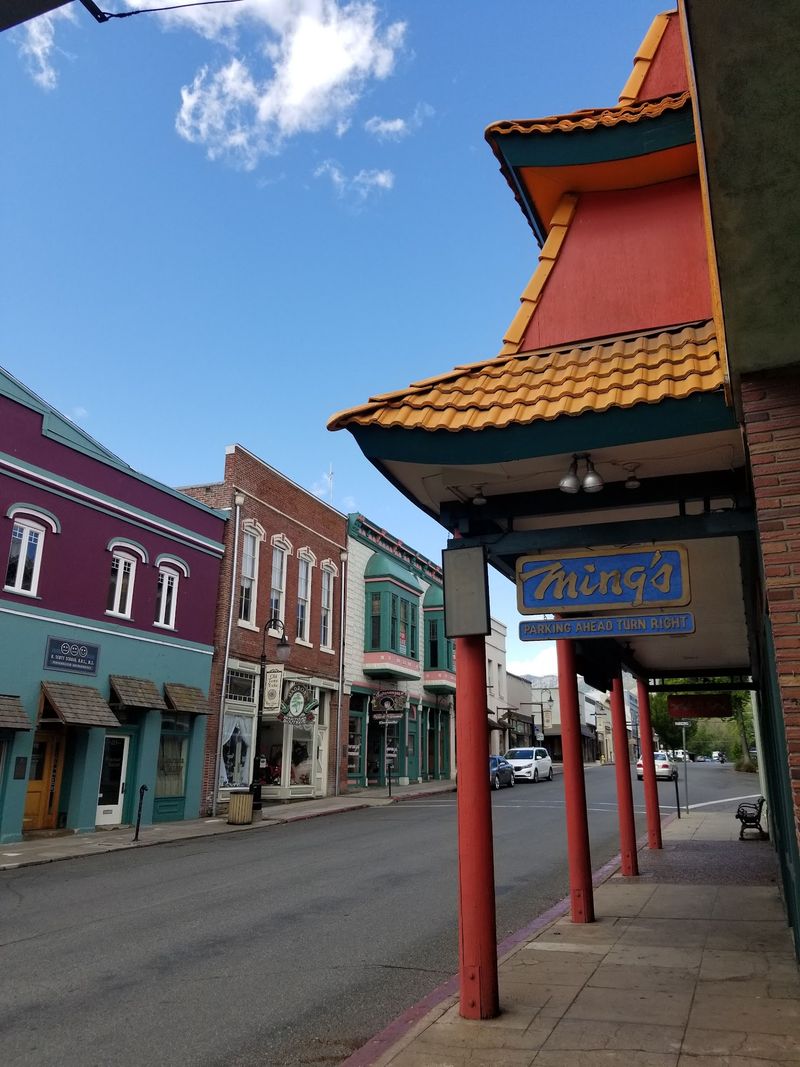
Near the Oregon border in Siskiyou County, Yreka is a small city with deep Gold Rush roots and a surprisingly affordable cost of living that often catches budget-conscious retirees off guard.
The surrounding landscape of mountains, rivers, and forests gives the area a rugged, scenic quality that feels far removed from the crowded pace of coastal California.
Housing costs here are among the lowest in the state, making it possible to rent a comfortable space without financial strain.
The Siskiyou County Courthouse, a historic landmark in the downtown core, anchors a walkable stretch of shops, a local museum, and community gathering spaces.
The Yreka Western Railroad, known locally as the Blue Goose, operates seasonal excursion trains through the scenic Shasta Valley, offering a charming and affordable outing.
Greenhorn Park provides a peaceful setting for outdoor relaxation, and the nearby Klamath River corridor is popular for fishing enthusiasts.
The Siskiyou County Museum houses a rich collection of regional artifacts and is open to the public with a modest admission.
4. Oroville, California
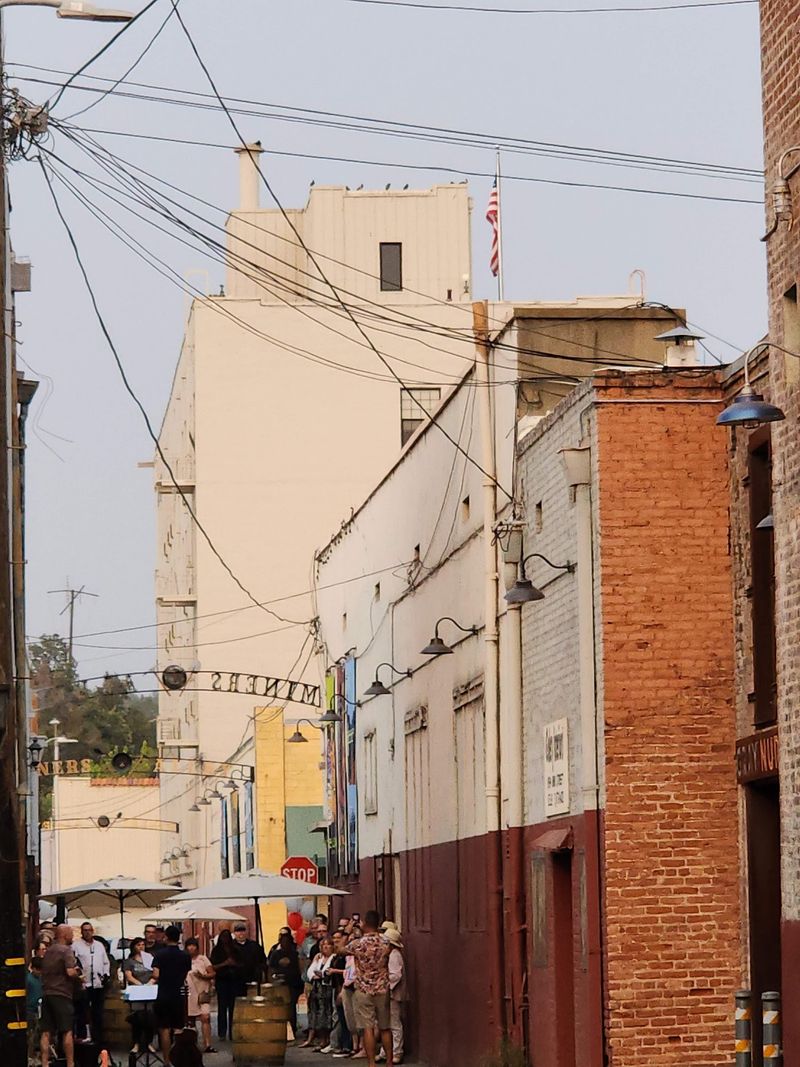
Gold Rush history runs deep in Oroville, a Butte County city set at the base of the Sierra Nevada foothills along the Feather River.
The city carries a lived-in, unpretentious quality that many retirees find refreshing, and its cost of living tends to sit well below the California median.
Grocery stores, pharmacies, and essential services are all locally accessible without requiring long drives.
Lake Oroville, one of California’s largest reservoirs, provides a stunning backdrop for kayaking, fishing, and shoreline walks, all of which are low-cost or free depending on access point.
The Feather River Nature Center, located near Old Ferry Road, features educational exhibits on local wildlife and trails that overlook the river in a serene setting.
The C.F. Lott Historic Home is a beautifully preserved Victorian mansion open for guided tours at a modest fee, surrounded by the free and lushly landscaped Sank Park.
Downtown Oroville has seen gradual revitalization, with local eateries and small businesses contributing to a neighborhood feel that is growing steadily warmer.
5. Corning, California
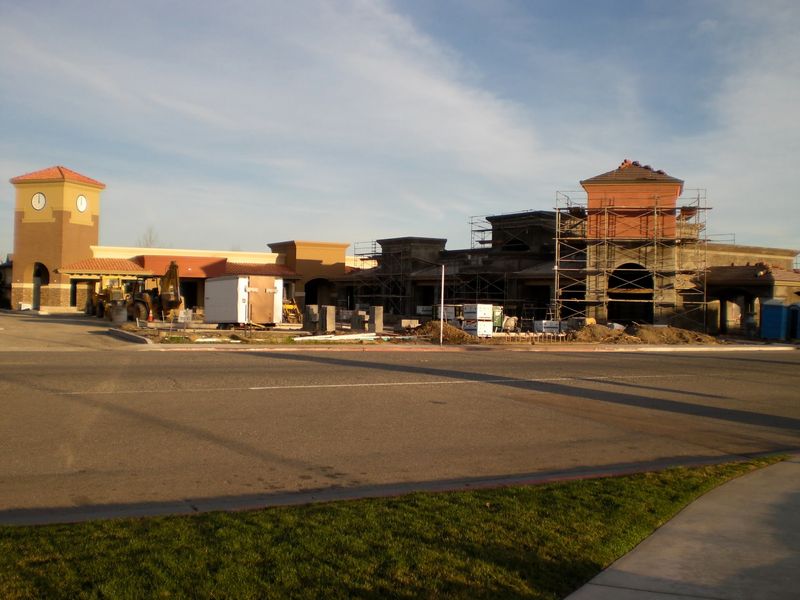
Known affectionately as the Olive City, Corning sits in Tehama County surrounded by acres of olive groves that give the area a distinctly Mediterranean agricultural character.
Life here moves at a gentle pace, and the cost of living reflects the rural setting in a way that makes monthly budgeting feel far less stressful than in larger California cities.
Rent tends to be modest, and the town’s small footprint means most errands are close at hand.
The Olive Pit is a beloved local institution where visitors can sample dozens of olive varieties and browse specialty food products in a comfortable, unpretentious space.
Corning Community Park spans 18 acres and includes walking paths, picnic areas, and a skate park, offering free outdoor recreation for residents of all ages.
Woodson Bridge State Recreation Area provides scenic riverside trails through riparian forest along the Sacramento River, ideal for birdwatching and peaceful afternoon walks.
The local farmers market and annual events connect neighbors in a way that feels organic rather than organized.
6. Marysville, California
Set at the confluence of the Yuba and Feather rivers, Marysville carries a layered history that stretches back to the Gold Rush era, and its compact downtown still holds echoes of that past in its brick storefronts and tree-lined streets.
Housing costs here can be meaningfully lower than in Sacramento, which sits roughly an hour to the south. For retirees on a fixed income, that gap in cost can translate directly into a more comfortable daily life.
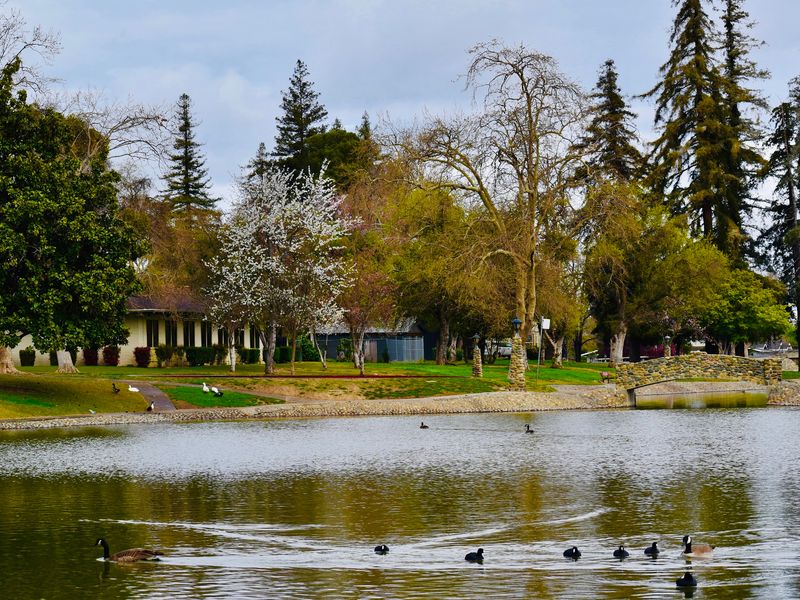
Ellis Lake, a man-made lake surrounded by a beautifully landscaped park with paved paths and old-fashioned lighting, sits near the center of town and offers a genuinely lovely spot for morning and evening walks without any entry fee.
The Bok Kai Temple is one of the oldest continuously operating Chinese temples in North America and stands as a fascinating cultural landmark that speaks to the city’s diverse heritage.
The Mary Aaron Memorial Museum occupies a Gothic Revival mansion built in the 1850s and offers free tours on select dates, providing an intimate look at local pioneer history.
Community events along the riverfront and at local parks give Marysville a social calendar that keeps residents connected throughout the year.
The overall cost of living here tends to support a modest monthly budget more reliably than many California alternatives.
7. Anderson, California
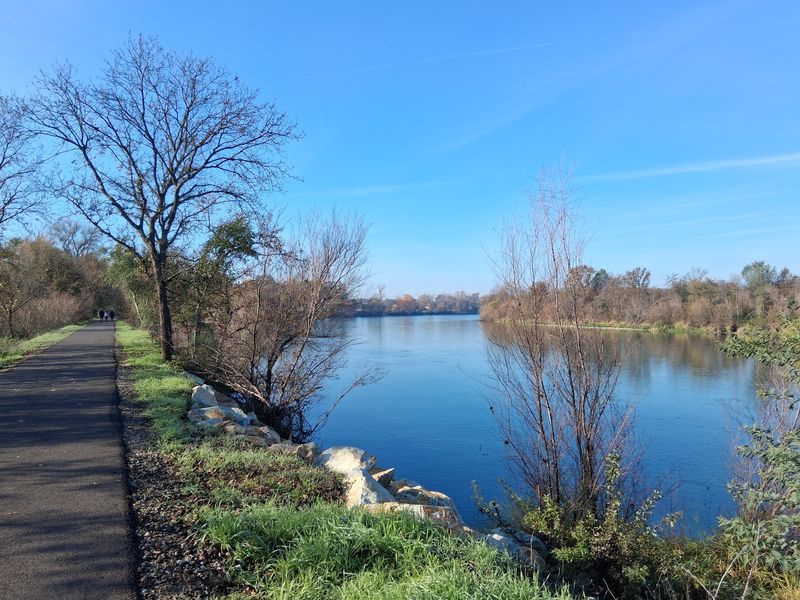
Anderson sits just south of Redding along the Sacramento River, offering residents access to a natural setting without the higher price tag that Redding’s growth has brought in recent years.
The town has a low-key, community-focused atmosphere where neighbors tend to know each other and local events draw consistent participation.
Rent for a one-bedroom unit or small house can often fall within a range that leaves room in a tight monthly budget for other necessities.
Anderson River Park is one of the most impressive free recreational spaces in the region, covering 440 acres with miles of shaded trails, bocce ball courts, tennis courts, and direct access to the Sacramento River for fishing.
The park rarely feels overcrowded and provides a daily outdoor option that costs nothing to use.
The California Welcome Center offers free maps, travel resources, and an indoor trout pond that makes for an unexpectedly enjoyable stop for visitors and new residents alike.
Essential services including grocery stores, pharmacies, and medical clinics are all accessible within the town itself.
Anderson’s combination of low overhead, outdoor access, and community warmth makes it a quietly practical choice for retirees managing a careful monthly budget.
8. Redding, California
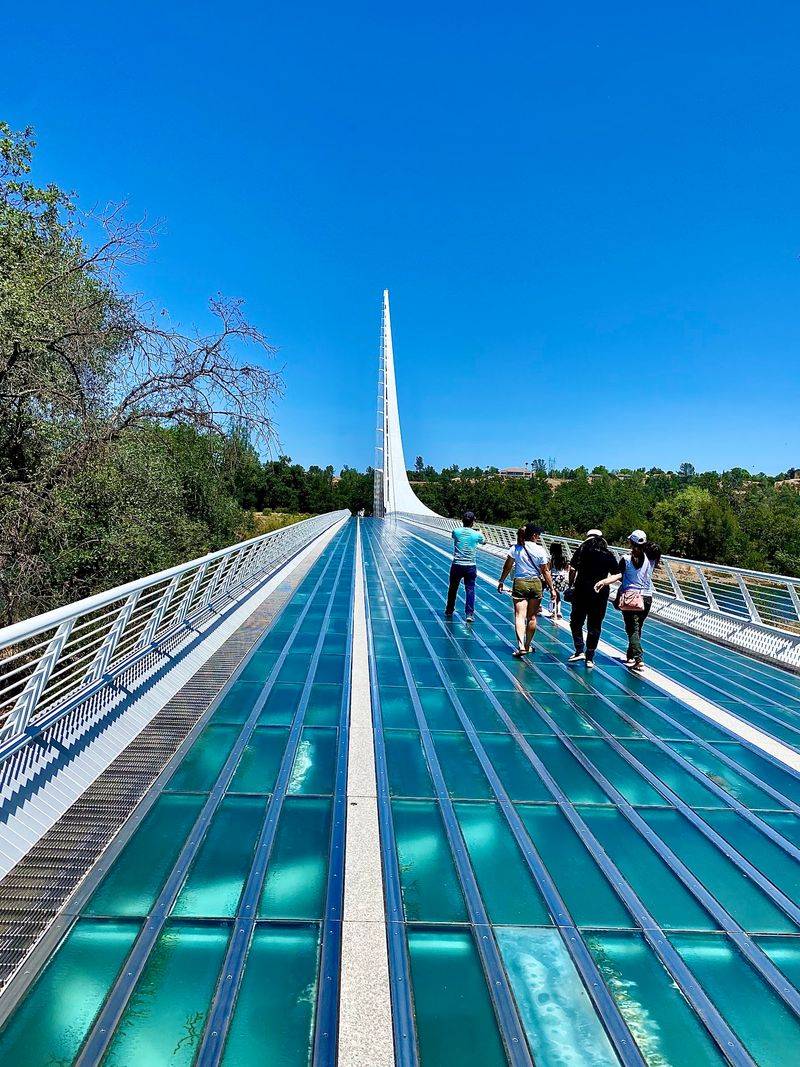
As one of Northern California’s larger regional hubs, Redding offers a wider range of services and amenities than most small towns on this list, yet its cost of living remains considerably lower than the Bay Area or Sacramento metro.
Medical facilities, specialty grocery stores, and cultural venues are all accessible without a long drive, which can be an important factor for retirees managing health needs.
Housing costs vary across the city, but affordable options do exist particularly in quieter residential neighborhoods.
The Sundial Bridge is a globally recognized pedestrian landmark that spans the Sacramento River and connects to miles of free walking and cycling trails along the Sacramento River National Recreation Trail.
Turtle Bay Exploration Park, sharing the same address, includes the McConnell Arboretum and Botanical Gardens, with many outdoor areas free to enter and a museum that charges a modest admission fee.
Shasta State Historic Park preserves Gold Rush-era ruins including a restored courthouse museum and old jail, with free outdoor access and a small fee for museum entry.
Summers in Redding are hot, so early morning outdoor activity tends to be the most comfortable approach during July and August.
9. Crescent City, California
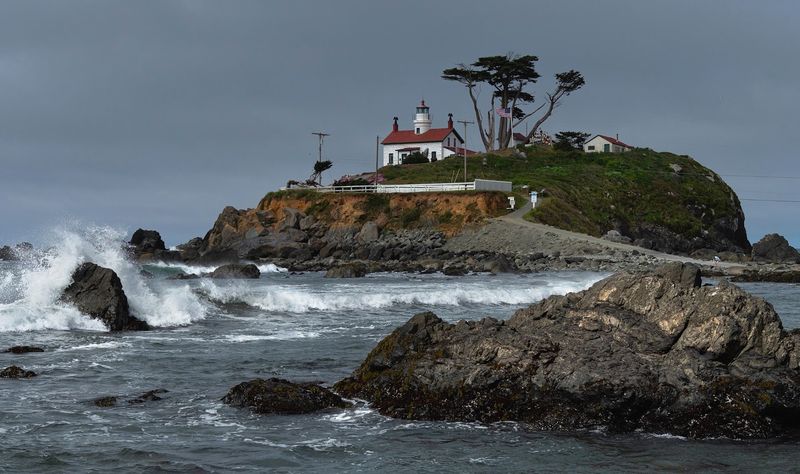
In the far northwest corner of California just south of the Oregon border, Crescent City is a coastal town where the Pacific Ocean and ancient redwood forests define daily life in equal measure.
The cool, misty climate keeps summer temperatures mild, which suits retirees who prefer to avoid extreme heat.
Housing costs here tend to be among the most affordable of any California coastal community, making it a rare find for budget-conscious residents.
Jedediah Smith Redwoods State Park, part of the Redwood National and State Parks complex, sits just east of town and provides access to some of the tallest and oldest trees on Earth along well-maintained trails that are free to walk.
Battery Point Lighthouse, located at the end of A Street in Crescent City, is one of California’s oldest lighthouses and offers tours at low cost during low tide when the causeway is accessible.
The Crescent City Harbor offers a working waterfront where fresh seafood is sold directly from local vendors, providing an affordable and flavorful way to eat well.
Del Norte County Historical Society Museum on H Street preserves the region’s maritime and Native American heritage in an accessible, community-run setting.
10. Paradise, California
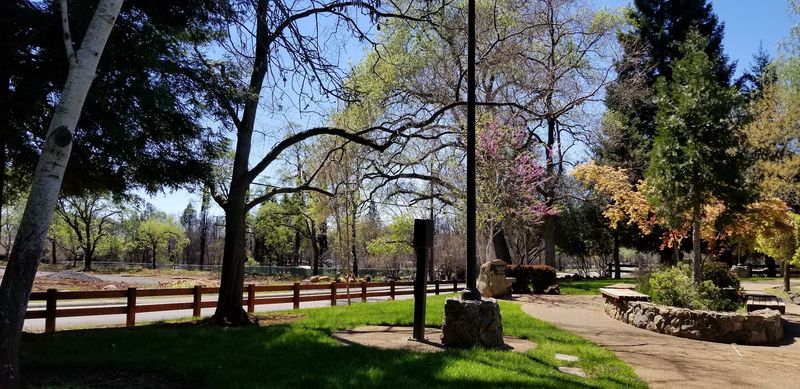
Paradise sits in the Sierra Nevada foothills of Butte County at an elevation that keeps summers noticeably cooler than the valley below, a quality that many retirees find deeply appealing.
The town is actively rebuilding following the devastating 2018 Camp Fire, and that ongoing recovery has created a community spirit that is both resilient and genuinely welcoming to newcomers.
Housing costs in Paradise are currently lower than many comparable foothills towns, partly as a result of rebuilding efforts still in progress.
Magalia Reservoir and Norfork Lake provide nearby spots for fishing and quiet outdoor reflection that cost little to access.
The Feather River Canyon, reachable within a short drive, offers dramatic scenery along winding roads and accessible overlooks that are free to enjoy at any time of year.
Skyway, the main road through Paradise, now features rebuilt local businesses including grocery stores, pharmacies, and small restaurants that serve the daily needs of residents without requiring a trip to the valley.
Community events and local volunteer organizations have helped knit the town back together in ways that create a strong sense of belonging.