This Beautiful Nebraska Trail Leads Across A Boardwalk Into A Wildlife-Filled Wetland
The boardwalk changes everything.
One moment you are following an ordinary trail. Then the ground gives way to wide-open wetland, with a wooden path carrying you straight into scenery that would otherwise be difficult to explore.
Nebraska’s wetlands can feel remarkably alive when you slow down long enough to notice what is moving around you.
So stop walking for a minute.
Listen for wings overhead. Scan the waterline. Watch the grasses for movement you nearly missed.
Depending on the season, waterfowl and other wildlife can turn a quiet stretch of trail into an unexpected viewing spot.
You do not need to cover serious mileage here. The reward comes from paying attention.
Bring binoculars, keep the camera ready, and resist filling every quiet moment with conversation. The longer you look, the more the wetland seems to reveal.
Walk The 3-Mile Funk Peterson Wildlife Trail
Few backcountry loops in Nebraska offer the kind of immersive, unhurried experience that the Funk Peterson Wildlife Trail delivers across its full three-mile route.
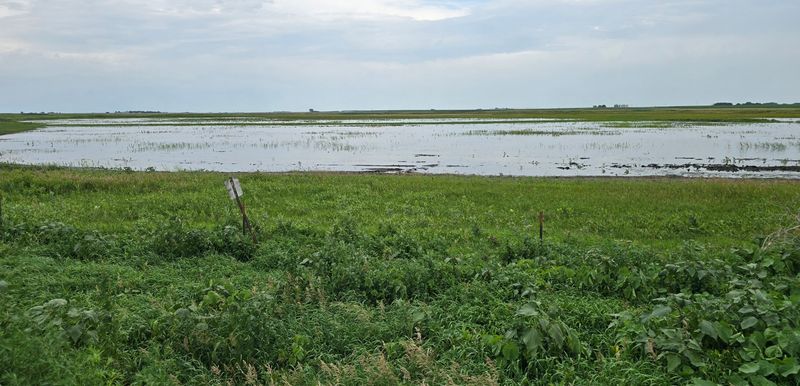
The path circles through the Funk Waterfowl Production Area, blending wetland edges with stretches of restored grassland in a way that keeps the scenery shifting as visitors move along.
It is a relatively flat and manageable walk, making it accessible to a wide range of hikers without requiring specialized gear or significant physical conditioning.
The trail is listed as open year-round from sunrise to sunset, so early morning visits tend to offer the most active wildlife sightings before the midday heat quiets things down.
Sturdy, comfortable footwear is a practical choice since parts of the trail may feel soft or uneven depending on recent rainfall and seasonal water conditions.
Bringing binoculars along can transform a pleasant walk into a genuinely memorable wildlife encounter.
The loop design means visitors return to the trailhead without retracing their steps, which gives the experience a satisfying sense of completion.
Planning for at least two hours allows enough time to pause at the boardwalk, read the interpretive signs, and stop at the viewing blind without feeling rushed through the landscape.
Step Onto A 150-Foot Wetland Boardwalk
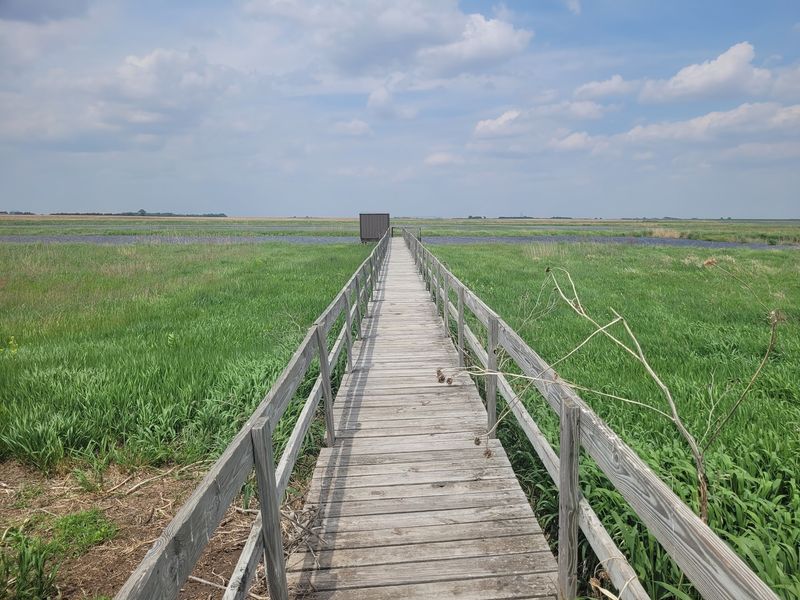
Walking out onto the 150-foot boardwalk that extends directly into the wetland habitat is one of those quietly thrilling moments that sticks with visitors long after the trip ends.
The wooden structure carries hikers over the water’s surface, placing them in the middle of a living marsh environment rather than simply beside it.
From this vantage point, the sounds of the wetland become much more present, with the rustle of cattails and the calls of waterfowl surrounding the experience on all sides.
The boardwalk provides a stable, dry surface even when the surrounding ground is saturated, which means visitors can observe aquatic plants and water birds up close without worrying about muddy footing.
Photographers especially tend to appreciate the unobstructed sightlines the boardwalk offers over the open water, particularly during golden hour when the light catches the surface in warm, low tones.
Keeping movement slow and quiet on the boardwalk increases the chances of spotting wildlife that might otherwise retreat at the approach of footsteps.
Frogs, turtles, and various wading birds are among the creatures that may be visible from this elevated walkway depending on the season and water levels present at the time of the visit.
Explore Nebraska’s Rainwater Basin
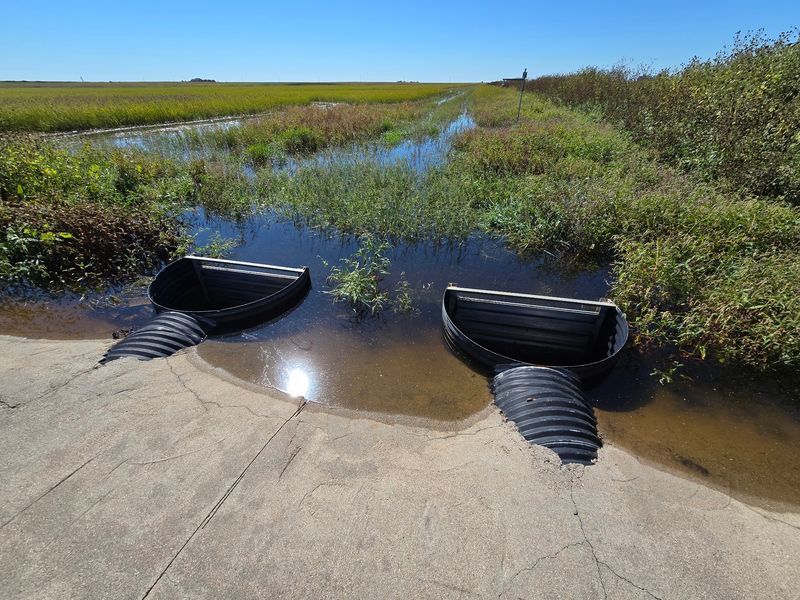
The Rainwater Basin is a geographic region unlike anything else in the Great Plains, and the Funk Peterson Wildlife Trail puts visitors directly inside it.
Spanning a 21-county area across south-central Nebraska, the basin is made up of shallow playa wetlands that fill with snowmelt and spring rains before gradually drying as summer progresses.
This natural cycle of wetting and drying has shaped a unique ecosystem that supports an extraordinary range of plant and animal communities across the seasons.
The Funk Waterfowl Production Area holds the distinction of being the largest Waterfowl Production Area within the entire Rainwater Basin, making it a flagship site for understanding what this landscape looks like when it is actively managed.
Visiting here offers a ground-level perspective on why conservation efforts in this region matter so much to wildlife populations that depend on these shallow basins during long migratory journeys.
The basin sits at a critical pinch point along the Central Flyway, which is one of North America’s major migratory bird routes running north to south through the continent’s interior.
Understanding this geography adds real meaning to even a short visit, turning a walk through a quiet Nebraska field into a connection with a much larger continental story.
Watch For Huge Seasonal Bird Migrations
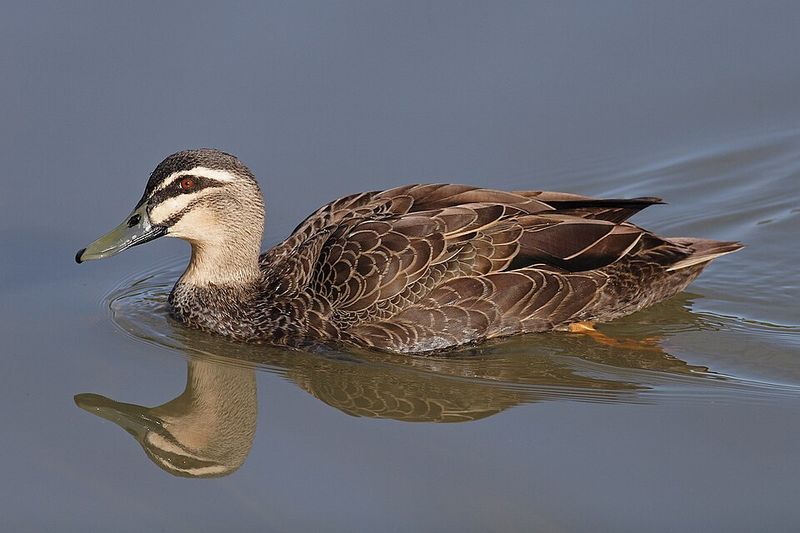
Timing a visit to coincide with the seasonal bird migrations can turn a routine nature walk into something genuinely extraordinary.
The Rainwater Basin region sits at the narrowest point of the Central Flyway, which funnels enormous concentrations of birds through a relatively compact geographic corridor during both spring and fall migrations.
Estimates suggest that somewhere between 7 and 9 million ducks and 2 to 3 million geese may pass through this region during a single spring migration season.
The sheer volume of birds in the sky and on the water during peak migration periods creates a sensory experience that is difficult to fully prepare for in advance.
The noise alone, with thousands of wings and calls layering over one another, can feel almost overwhelming in the best possible way.
Waterfowl of many species share the basins with shorebirds and wading birds, creating an ever-changing mosaic of movement across the water surface.
Spring migration typically peaks from late February through April, while fall migration brings another wave of activity from late summer through November.
Follow A 650-Foot Wildlife Track Walkway
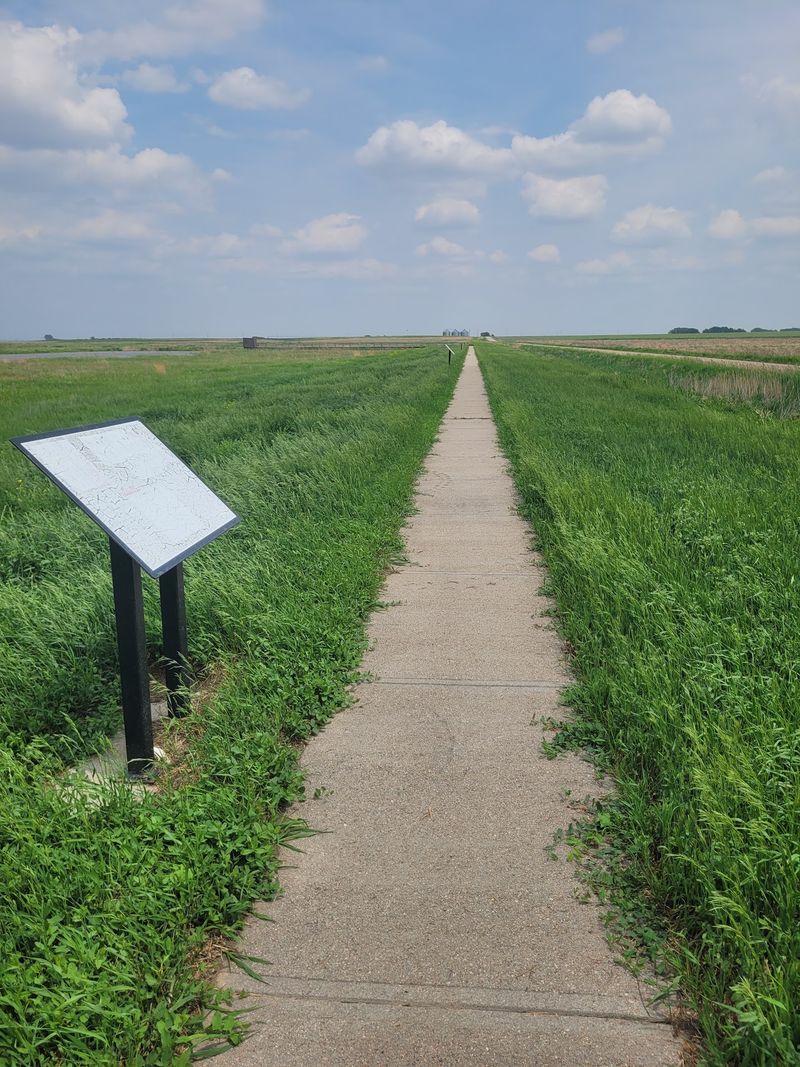
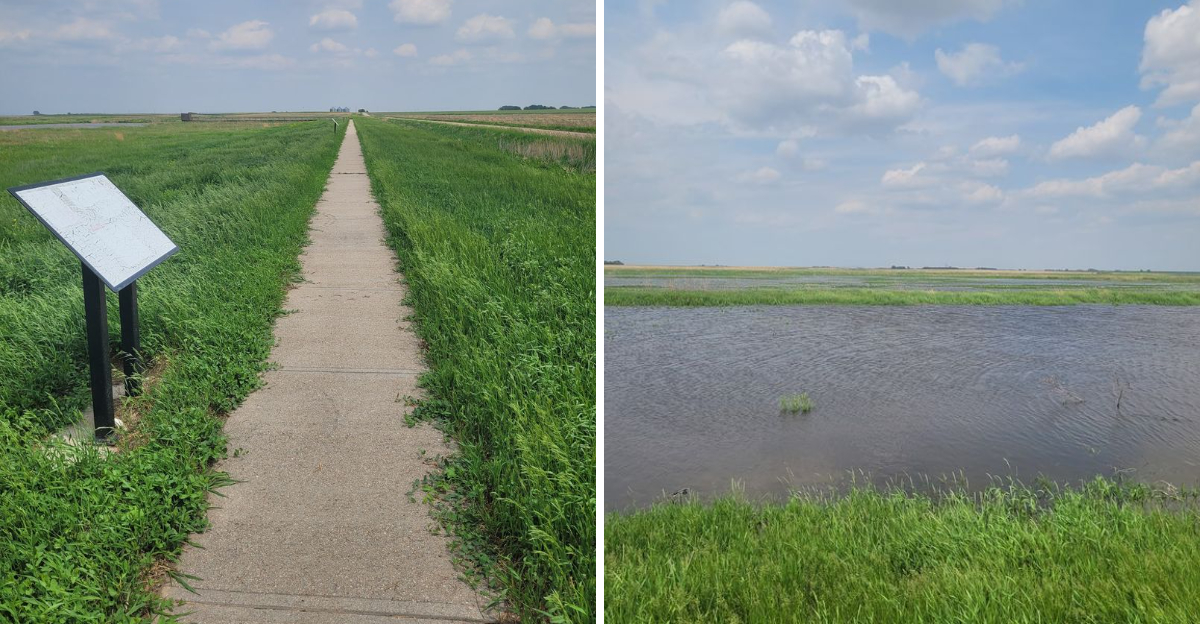
One of the most creatively educational features along the Funk Peterson Wildlife Trail is a 650-foot concrete walkway embedded with the tracks of local wildlife.
Rather than simply describing the animals that live in the area through signs or illustrations, this walkway lets visitors literally walk alongside the imprinted footprints of the creatures sharing this landscape.
The effect is quietly engaging, especially for younger visitors who may not yet have a strong sense of the diversity of animal life present in a managed wetland and grassland system.
The embedded tracks represent a range of species found in and around the Funk Waterfowl Production Area, from the distinctive hoofprints of deer to the smaller impressions left by shorebirds and other wetland inhabitants.
Walking the full 650 feet of this section at a slow pace allows time to notice the differences between species and to consider the animals that move through this landscape without being seen by most daytime visitors.
This feature adds an interpretive layer to the trail that feels hands-on rather than passive, which makes it stand out from the more typical trailside signage found at many wildlife areas.
Bringing a field guide to animal tracks along for the walk could add another dimension to the experience for those with a curious streak.
Read The Interpretive Signs Along The Route
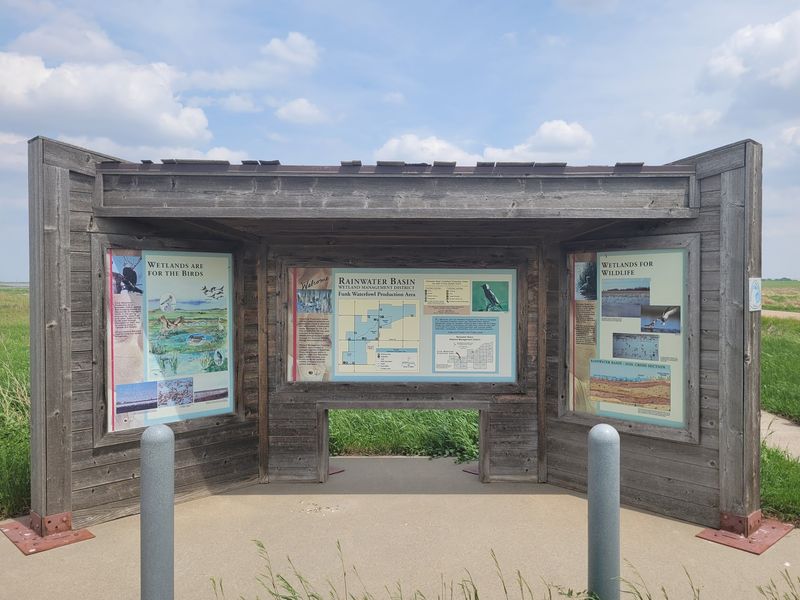
Scattered strategically along the Funk Peterson Wildlife Trail, a series of interpretive signs quietly does the work of turning a pleasant walk into a genuinely informative experience.
The signs cover topics ranging from the specific bird species that use the area during migration to the ecological mechanics of how a managed playa wetland functions across different seasons.
Reading through them at a relaxed pace adds meaningful context to the sights and sounds encountered along the route.
What makes these signs particularly effective is that they address the underlying question of why this quiet corner of Nebraska matters at all to the broader natural world.
The Rainwater Basin might look understated to an unfamiliar eye, but the signs help reveal the outsized ecological role these shallow basins play for millions of birds traveling along the Central Flyway each year.
That shift in perspective can make the surrounding landscape feel suddenly much more significant.
Children and younger visitors often respond well to the illustrated graphics and straightforward language used on the signs, making the trail a solid option for family outings with an educational component.
Slowing down at each sign rather than skimming past them tends to produce a noticeably richer overall experience, and the information provided stays relevant across multiple visits since the ecological content does not change with the seasons.
See Nearly 1,000 Acres Of Managed Wetland Habitat
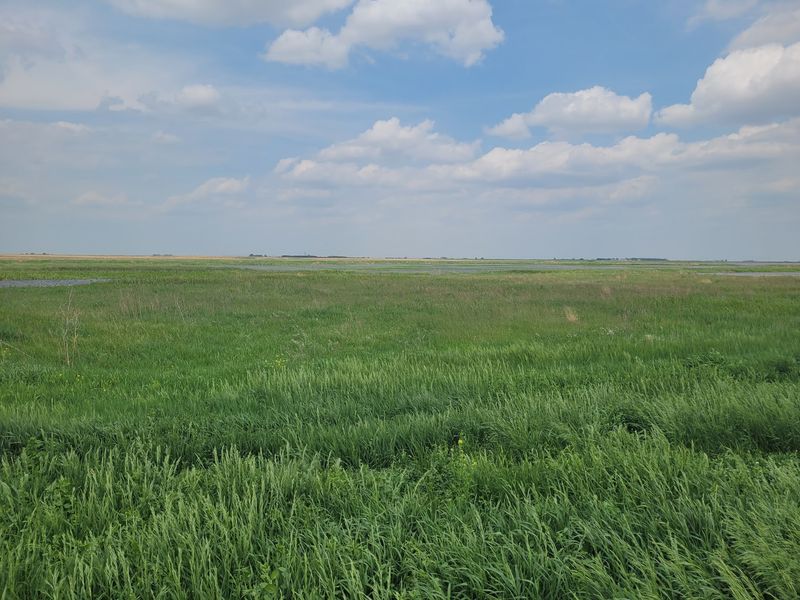
The scale of the Funk Waterfowl Production Area becomes more impressive the more time a visitor spends within it.
Approximately 983 acres of the property are maintained as managed wetlands, with more than 1,000 additional acres restored to native grassland, bringing the total managed landscape close to 2,000 acres.
That kind of acreage represents a significant commitment to conservation in a region where wetland loss has historically been a serious concern.
The wetland management involves a network of dikes and water control structures that allow land managers to raise or lower water levels across different basins depending on the seasonal needs of the wildlife using the area.
This active management approach is what allows the property to function as a reliable stopover for migrating birds year after year, rather than simply depending on natural rainfall patterns that can vary considerably across seasons.
Walking the trail through this managed landscape offers a subtle education in how human intervention and conservation goals can work together productively.
The restored grassland sections visible from the trail path are not simply empty fields but functioning habitat for ground-nesting birds and grassland-dependent species that have lost significant acreage across the broader region.
Seeing both components side by side gives the visit a layered sense of ecological purpose that goes beyond simple birdwatching.
See How The Landscape Changes With Water Levels
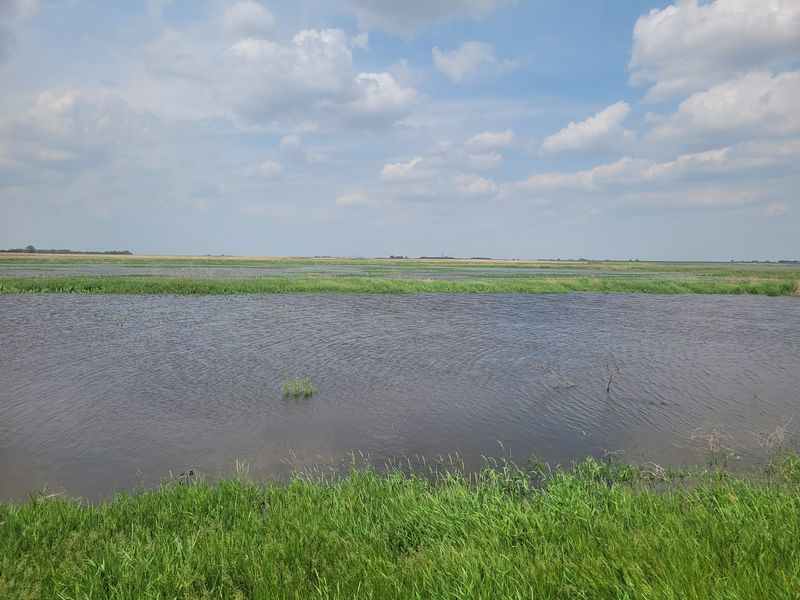
Returning to the Funk Waterfowl Production Area across different seasons reveals a landscape that can look and feel almost entirely different from one visit to the next.
The property contains several distinct wetland basins and management units, each of which responds differently to rainfall totals, snowmelt inputs, and the active water management decisions made by wildlife managers throughout the year.
A basin that holds several feet of water in early spring may be largely dry and cracked by midsummer.
This variability is not a flaw in the system but rather a feature of how playa wetlands naturally function.
The wet-dry cycle creates different habitat conditions that benefit different species at different times, supporting a wider overall range of wildlife than a consistently flooded wetland would.
Shorebirds, for instance, often prefer the muddy edges of partially dried basins, while diving ducks need deeper open water to feed effectively.
Checking current water conditions before a visit can help set realistic expectations and may influence which part of the trail offers the most active wildlife sightings on a given day.
The U.S. Fish and Wildlife Service manages the Funk Waterfowl Production Area and may have current habitat condition updates available through their regional office or online resources.