This Florida Science Museum Features America’s Second-Largest Planetarium And A Moon Colony Simulator
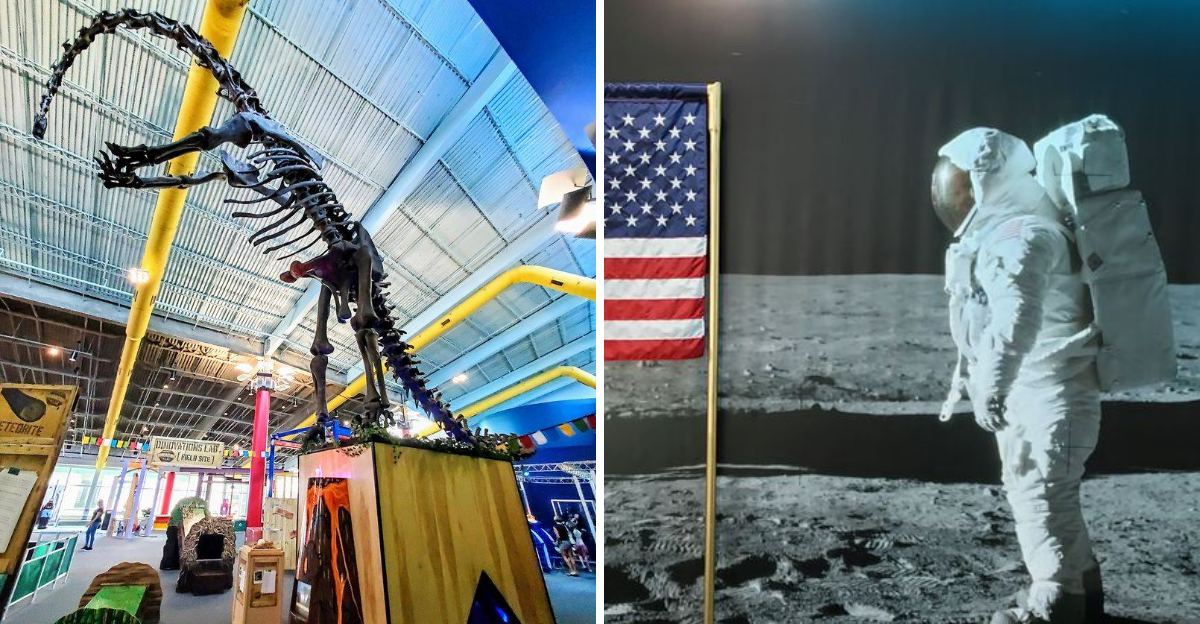
Your kid asks how the moon works, and you say something vague about gravity. That answer was not great.
Tampa, Florida, has a much better one. It puts you inside a dome eighty-two feet across, second in size only to one planetarium in New Jersey.
The screen stands eight stories tall and seats more than three hundred people. An astronomer walks you through the night sky before the movie even starts.
Then you head to Mission Moonbase, where you run a lunar colony with real decisions and real controls. Things go wrong on the moon, which is the fun part.
Kids grab the panels first and negotiate later. You will pretend you are supervising while pushing every button within reach.
The rest of the museum keeps that energy going through physics, biology, and a butterfly garden. There is even science themed mini golf outside.
Nobody leaves early.
The Big Dome That Swallows Your Whole View
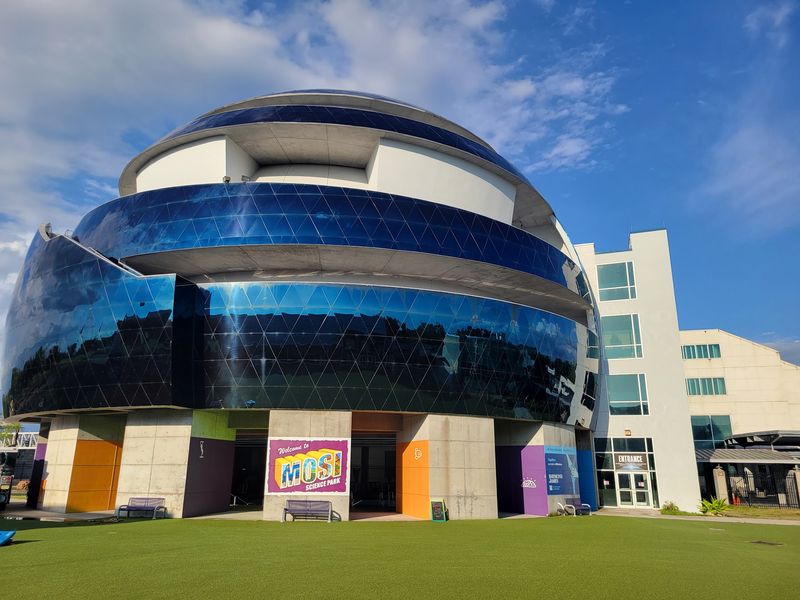
The Museum of Science & Innovation, better known as MOSI, hides one of the biggest planetarium domes in the country.
The screen curves above you and past your shoulders, so your eyes stop finding edges.
Seats lean back at a lazy angle. Within a minute my neck relaxed and my brain quietly gave up arguing with the illusion.
The projection wraps around the room instead of sitting flat in front of you. Stars appear where the ceiling should be, and the effect is genuinely disorienting.
Kids gasp. Adults do too, though they pretend it was a cough.
Shows rotate through space topics, planets, and deep sky objects. Narration stays clear and simple, which helps younger visitors follow along.
I recommend checking the daily show schedule when you arrive. Times shift, and the best seats fill first.
Bring a light jacket. The theater runs cool, and stillness makes cool air feel colder.
Honestly, the dome alone justifies the drive. Everything else becomes bonus material.
It sits at 4801 E Fowler Ave, Tampa, Florida, right across from a busy university campus.
Living On The Moon, Minus The Rocket Ride
Ever wondered how humans would actually survive on the Moon? MOSI answers that with a walk-through lunar colony experience.
The space feels part habitat, part workshop. Gray surfaces, module shapes, and equipment displays set the mood quickly.
Visitors explore how a colony handles air, water, food, and shelter. Each station tackles one problem at a time.
What struck me was the practicality of it all. Space living turns out to be less laser guns, more plumbing and recycling.
My nephew spent ten minutes on the water reclamation idea alone. He now lectures the family about wasting tap water.
Hands-on panels let you test choices and see results. Failure is allowed, which is half the fun.
Signage stays short and readable. That matters when you are herding excited children through a room.
Older visitors get plenty too. The engineering details reward slower reading.
Plan around twenty to thirty minutes here if you want the full loop. Rushing it wastes the best parts.
Go on a weekday morning if possible. Fewer crowds mean more time at each station.
It leaves you thinking about Earth differently. That is a strange souvenir to carry home.
Hands-On Rooms Where Touching Is Encouraged
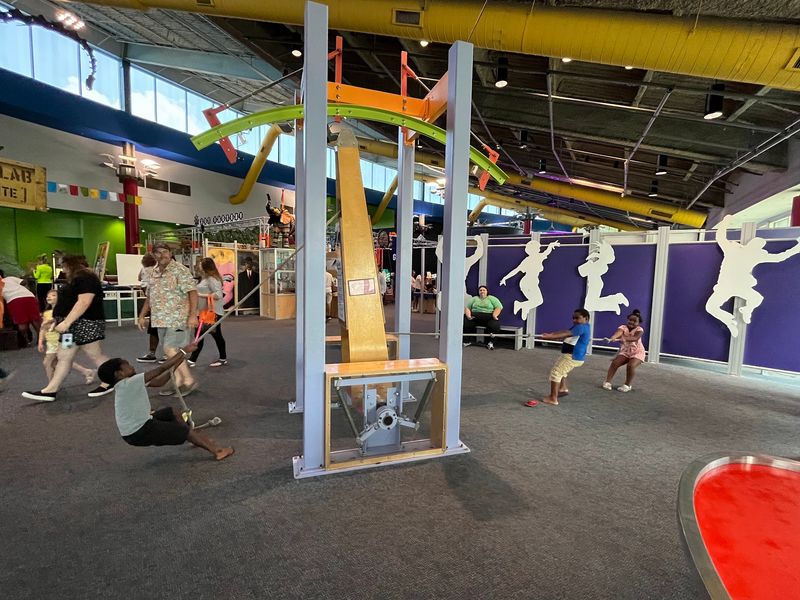
Most museums whisper do not touch. MOSI practically dares you to press every button in sight.
Galleries are built around doing rather than watching. Levers, cranks, air jets, and pulleys fill the floor.
One station lets you lift a heavy load using simple machines. Suddenly physics class makes sense.
I watched a kid discover leverage and immediately try to lift his father. Science advanced that day.
Exhibits explain themselves through action. You pull something, something moves, and the lesson lands.
Staff and volunteers float around answering questions. They ask good questions back, which keeps curiosity going.
Noise levels rise on busy weekends. That energy actually helps, since enthusiasm spreads fast.
Comfortable shoes matter more than you expect. Concrete floors and long loops add up.
Parents, pace yourselves. Let children lead for a while and you will cover more ground happily.
Photography is easy here since the rooms are bright. Action shots turn out surprisingly well.
I left with chalky hands and a genuinely better grasp of friction. Not a bad trade for an afternoon.
Bring water. Curiosity is thirsty work.
Weather Demonstrations With Real Florida Attitude
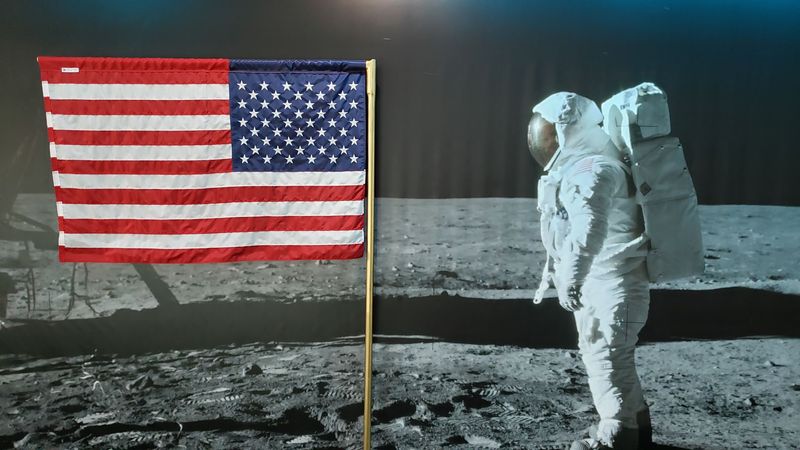
Floridians talk about storms the way other people discuss sports. MOSI turns that obsession into a lesson.
Weather exhibits explain how hurricanes form and why the Gulf region gets so much attention. Maps, models, and instruments do the heavy lifting.
Wind demonstrations are the crowd favorite. Hair gets rearranged, dignity briefly suffers, and everyone laughs.
My glasses nearly took flight during one demo. Worth it, honestly.
Displays break down pressure, temperature, and moisture in plain language. The science stops feeling like homework.
Local relevance makes it stick. Visitors realize these systems shape everyday life in Tampa.
Preparedness information appears alongside the fun. Families walk away with useful habits, not just laughs.
Younger children may find the noise startling. Standing nearby before joining in helps them warm up.
Ask staff when demonstrations run. Timed presentations often beat self-guided browsing here.
Photos are tricky mid-wind, so film instead. The reaction videos are gold.
Even lifelong residents learn something. I certainly stopped confusing storm categories after this visit.
It is entertaining first, educational second, which is exactly the right order.
Human Body Displays That Skip The Boring Charts
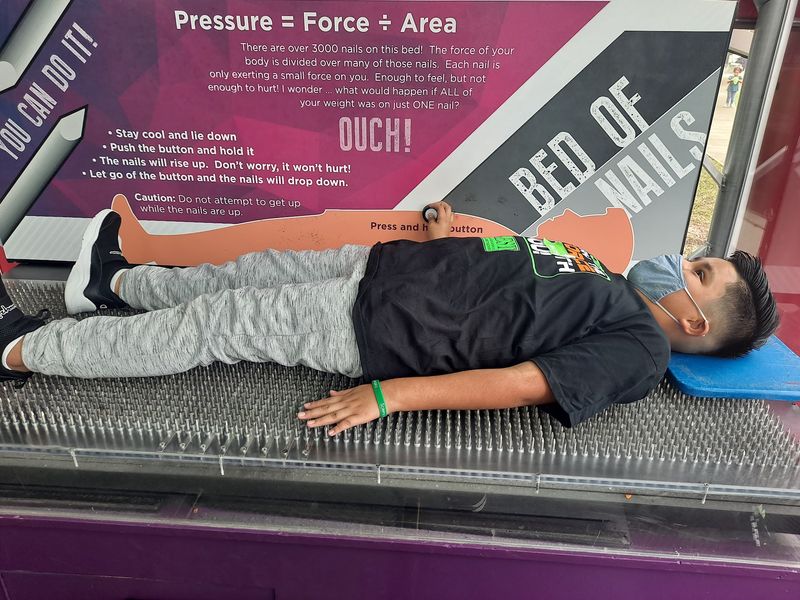
Anatomy lessons usually involve a poster and a sigh. Here, the body becomes something you can poke at.
Exhibits cover bones, muscles, hearts, and lungs through models and interactive stations. Scale helps enormously.
Oversized parts let you see structures clearly. A giant model beats a textbook diagram every time.
Testing stations measure grip, reaction time, and balance. Competitive families should prepare for arguments.
My reaction time humbled me against a nine year old. She was gracious about it, mostly.
Explanations stay friendly and free of jargon. Complicated words appear only when they matter.
Health habits get woven in gently. Nothing preachy, just clear cause and effect.
Teachers will notice how well this pairs with classroom units. Field trip groups move through steadily.
Quiet corners exist if someone needs a break. Sensory overload is real in busy museums.
Allow fifteen minutes minimum. Longer if your crew loves competing on the test stations.
I walked out weirdly proud of my own skeleton. Strange feeling, but a good one.
Simple, clever, and memorable without gimmicks.
Space Artifacts And Rockets Up Close
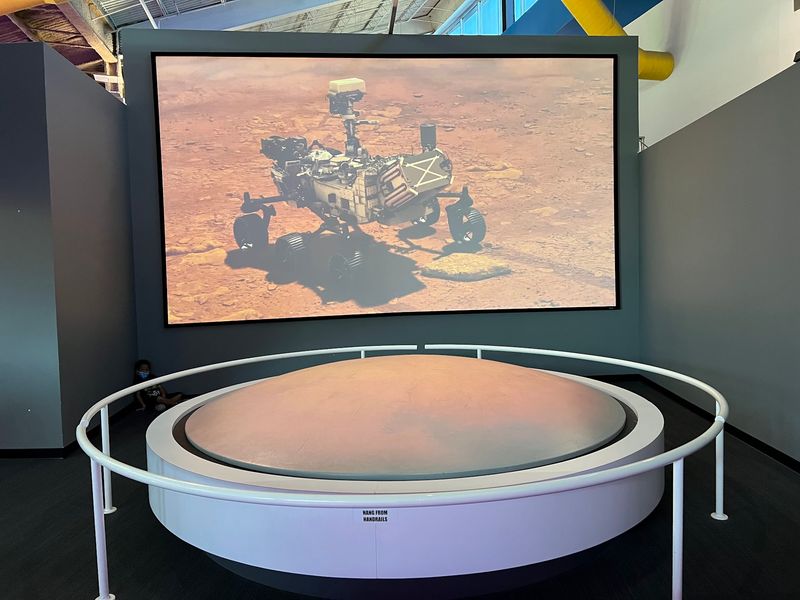
Florida launches rockets, so Florida museums take space seriously. MOSI leans right into that heritage.
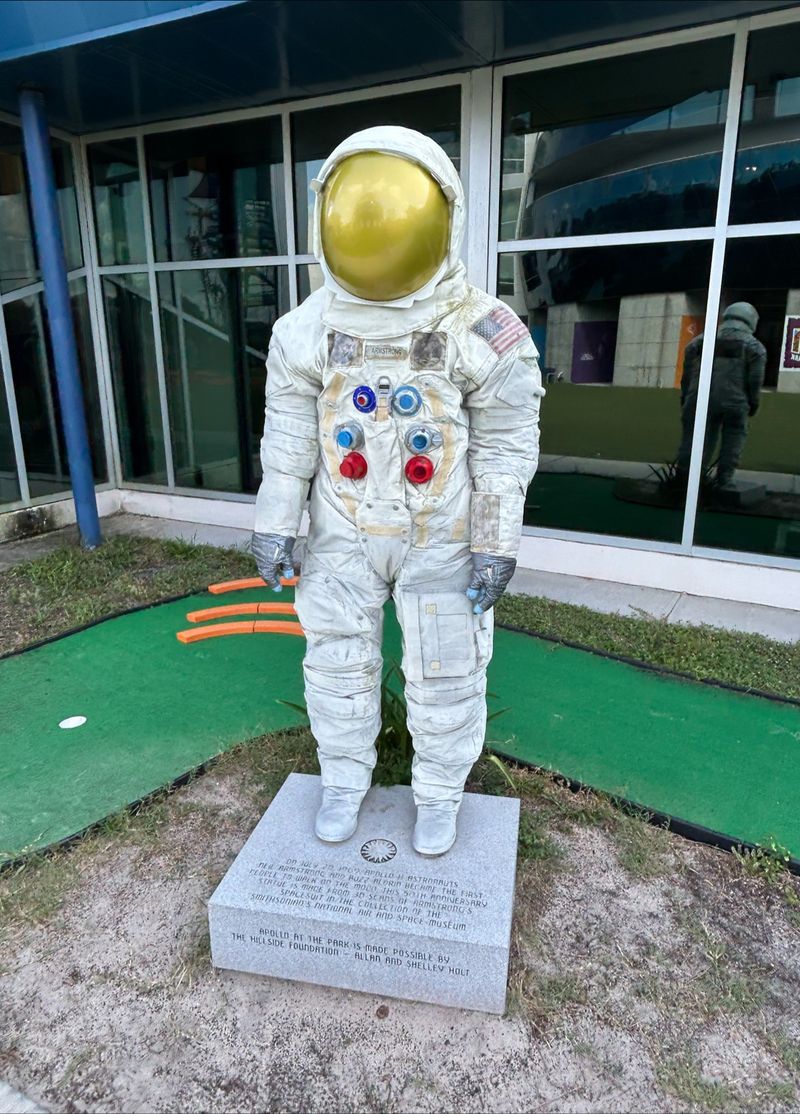
Space galleries feature mission hardware displays, spacesuit exhibits, and rocket models. Seeing the scale changes your perspective fast.
Photos never prepare you for how bulky flight suits look. Astronauts wear entire buildings.
Panels explain launch stages and orbital basics. The information builds gradually, so nothing feels overwhelming.
Kids gravitate toward the biggest hardware, naturally. Adults linger over the mission details.
I overheard a grandfather describing watching launches decades ago. His grandson listened without checking a phone once.
The exhibit connects nicely with the planetarium shows. Visit space displays first for extra context.
Lighting is dramatic, which looks great in photos. Turn off your flash for better results.
Read a few panels even if you skim the rest. The numbers involved are genuinely wild.
Space fans could easily spend half an hour here. Casual visitors still leave impressed.
Cape Canaveral sits a few hours east, and this makes a great primer. Suddenly launch schedules become interesting.
Traveling Exhibits Worth Checking Before You Go
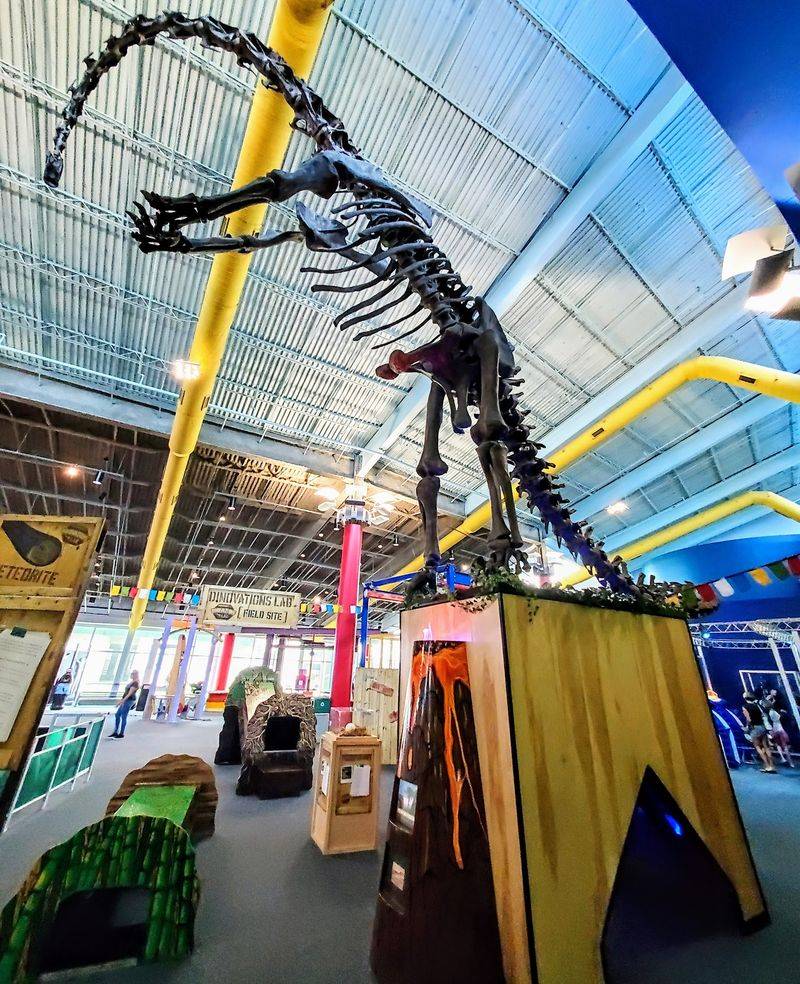
Repeat visits usually mean repeat exhibits. MOSI dodges that problem with rotating traveling shows.
The special exhibition space hosts limited-run displays throughout the year. Themes change, so no two seasons match.
Some runs focus on dinosaurs, others on technology or engineering. Variety keeps locals coming back.
I visited twice in one year and saw completely different content. That surprised me, pleasantly.
Ticket structures sometimes differ for special exhibits. Checking the website first saves confusion at the counter.
Popular shows draw weekend crowds. Early arrival remains the smartest strategy.
Members often get first access to new openings. Frequent visitors do the math quickly.
Ask staff how long the current exhibit runs. Deadlines motivate action better than good intentions.
These shows often include hands-on elements too. Passive viewing is rare here.
School groups schedule around them, so weekday mornings can get lively. Afternoons tend to calm down.
My advice is simple. Look up the current lineup before planning your route through the building.
A little research turns a good visit into a great one.
Practical Tips For A Smooth Visit
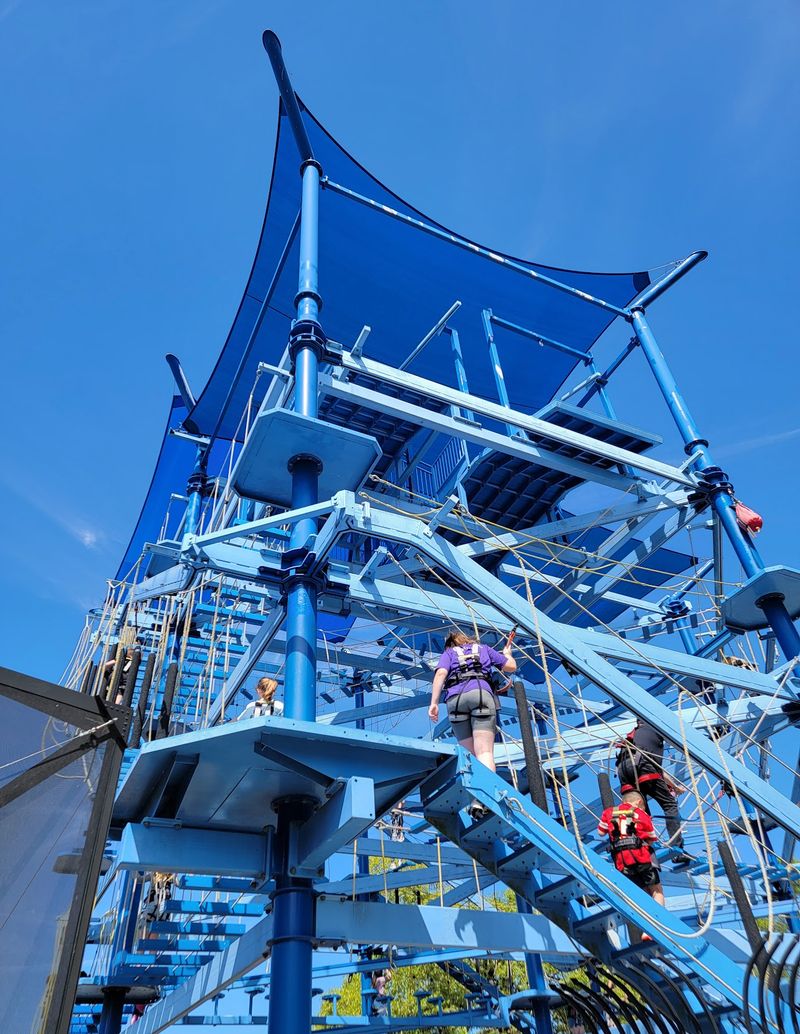
Great museums get ruined by bad planning. A few small choices make this one effortless.
Parking sits on site, which spares you the usual downtown hunting. Arrive early for shaded spots.
The location on East Fowler Avenue puts you near campus traffic. Weekday rush hours can slow the approach.
Buy tickets online when you can. Skipping the line matters most on rainy days.
Rain, ironically, is the perfect excuse to come. Everything worthwhile here sits indoors.
Give yourself three hours minimum. Two feels rushed once planetarium showtimes enter the picture.
Strollers roll fine through most galleries. Wide aisles help enormously with young families.
Snacks and water make a difference. Curious kids burn energy faster than expected.
Wear layers since theater spaces run cooler than exhibit halls. Small detail, real comfort.
Check show schedules first thing and build your route around them. Everything else fits between.
I now recommend this stop to visiting friends before beaches. That surprises them every time.
Come curious, leave slightly smarter. Fair deal for an afternoon in Tampa.