This Gorgeous Georgia Coastal Town Might Just Be The Most Beautiful Small Town On The Coast
Some places you find. Others find you, usually when your stomach starts making decisions for you.
I was driving through Georgia with zero plans, windows down, chasing whatever smelled good. A gust of salt air changed my whole afternoon.
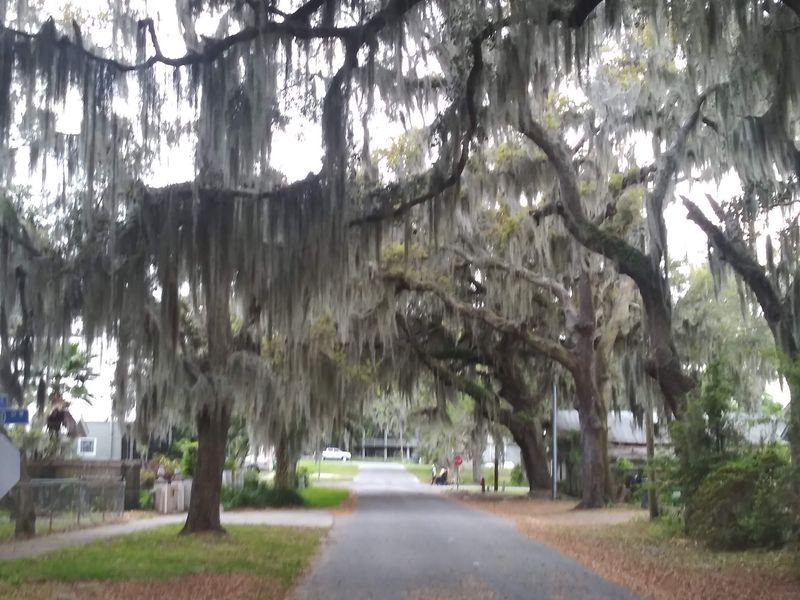
I followed it past oak trees dripping with moss until the road just stopped at the water. Boats bobbed like they had nowhere else to be.
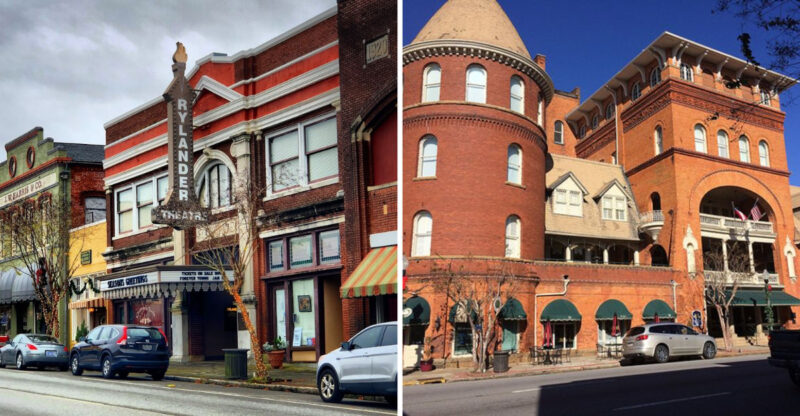
Old buildings leaned into each other like they were sharing gossip from decades ago. I sat on a bench meant for someone else and ate lunch I didn’t plan for.
Hours passed before I noticed. Georgia has small towns, but this one felt like it was keeping a secret just for me.
I left with sand in my shoes and zero regrets.
A Riverside Seafood Stop Worth Building Your Day Around
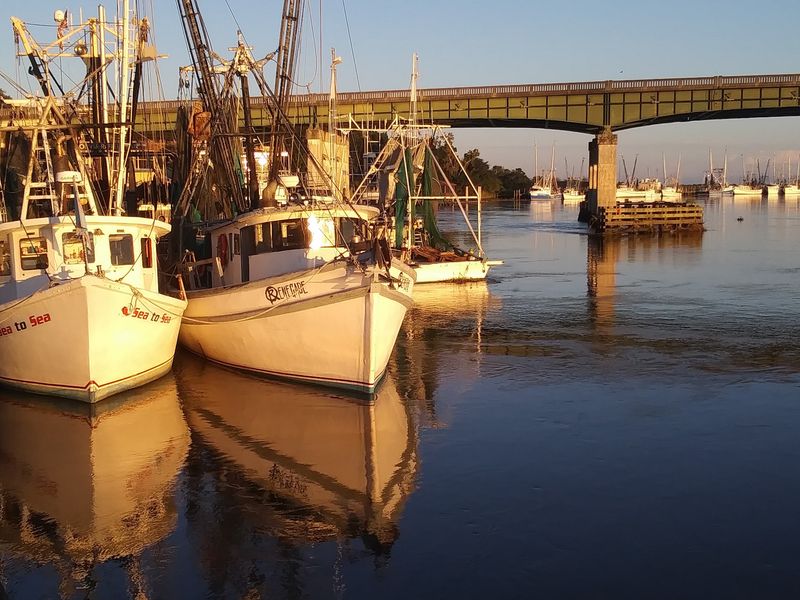
The parking lot was half gravel and completely full, which told me everything. Fresh seafood has a smell that beats any billboard advertising.
Wild Georgia Shrimp shows up on menus all over this stretch of coast, and it earns the attention. The shrimp fleet docks close enough that you can watch the boats from your table.
Inside, the mood leaned casual and unhurried, with river light coming through the windows. Nobody rushed me, and nobody minded that I kept staring at the water instead of my plate.
Fried, grilled, or piled into a basket, the local catch tastes different when it travels a short distance. That difference is the whole reason people pull off the highway here.
Sweet tea, hushpuppies, and a view of working boats make a simple lunch feel like an event. I ordered more than I needed and regretted none of it.
If you want the same detour that started my whole day, the address is Skipper’s Fish Camp, 85 Screven St, Darien, Georgia. Come hungry and plan to linger by the railing afterward.
Scottish Highlanders Built This Place In 1736
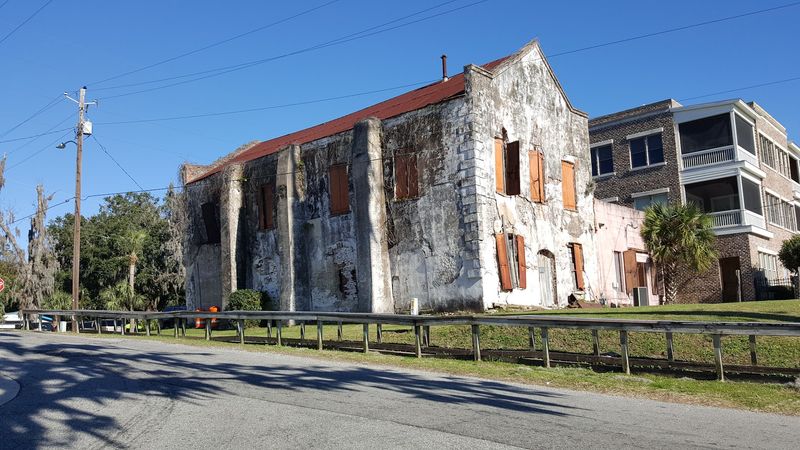
Bagpipes and Georgia marshland do not seem like natural neighbors. Yet Scottish Highlanders founded this town in 1736 and named it New Inverness.
They were brought over to help guard the young colony’s southern edge. Their settlement sat right where the river meets the tidal flats.
That makes the community Georgia’s second oldest city, a fact that surprises almost everyone who hears it. Savannah gets the fame, but this small port came along just three years later.
Walking the streets, you notice the layout still follows an old, orderly plan. Historic markers fill in the gaps without turning the place into a museum exhibit.
The Scottish roots have not faded either. Local heritage groups keep the connection alive through events and family history research.
What I liked most was how casually the history sits here. No velvet ropes, no long lines, just a working town that happens to be nearly three centuries old.
Bring comfortable shoes and read the markers as you go. The story unfolds in small pieces, and the walking distances are short and shady.
The Altamaha River Delta Is A Genuine Natural Wonder
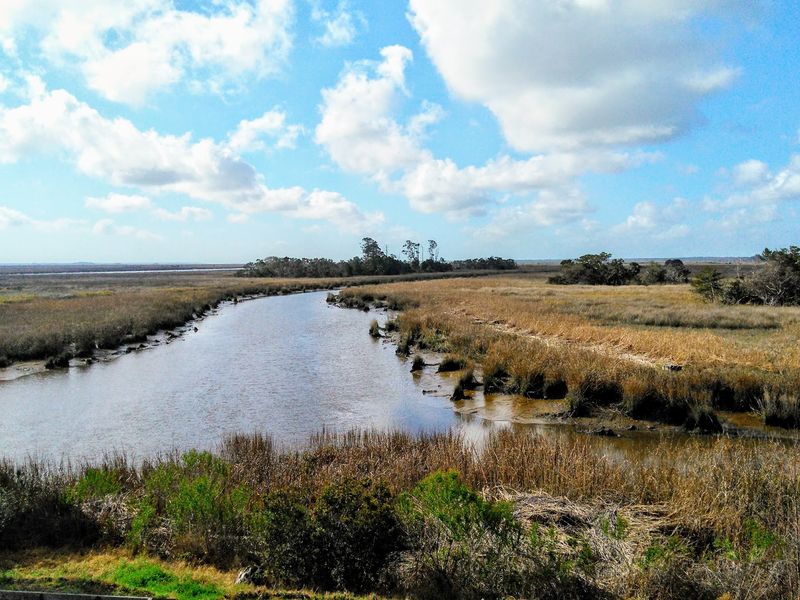
Some rivers just pass through. The Altamaha spreads out into a delta so wide it changes the whole horizon.
The Nature Conservancy has recognized the Altamaha River as one of “America’s Last Great Places” because of its exceptional ecological diversity. Grass runs to the tree line in every direction.
The river drains a huge swath of Georgia before emptying here into tidal creeks and salt marsh. That mix of fresh and salt water feeds an enormous amount of life.
Tides shift the view by the hour. Morning might show you glassy channels, and afternoon might show you mudflats crowded with birds.
Kayak launches and boat ramps make the delta reachable for regular visitors, not just researchers. Even a short paddle gets you into quiet water fast.
I found the best light near sunset, when the marsh turns copper and the wind drops. Photos rarely capture it, but you will try anyway.
Pack water, sunscreen, and bug spray for warm months. The delta is generous with beauty and equally generous with mosquitoes.
Shrimp Boats And Spanish Moss At The Waterfront Park
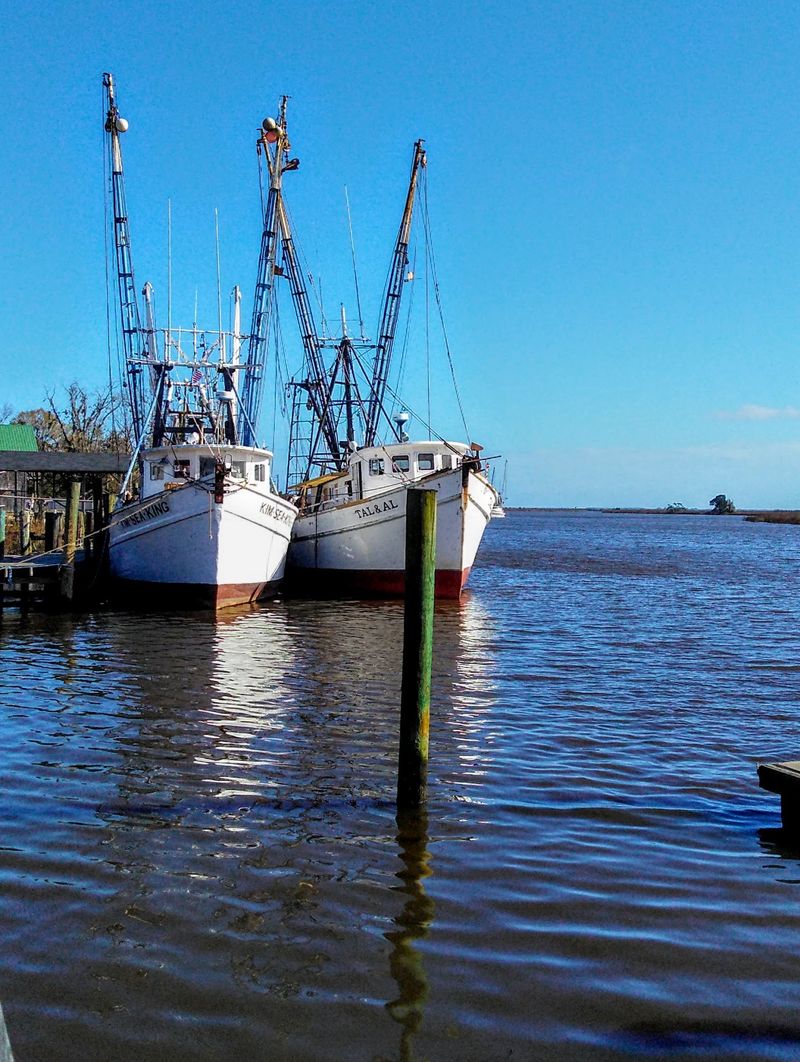
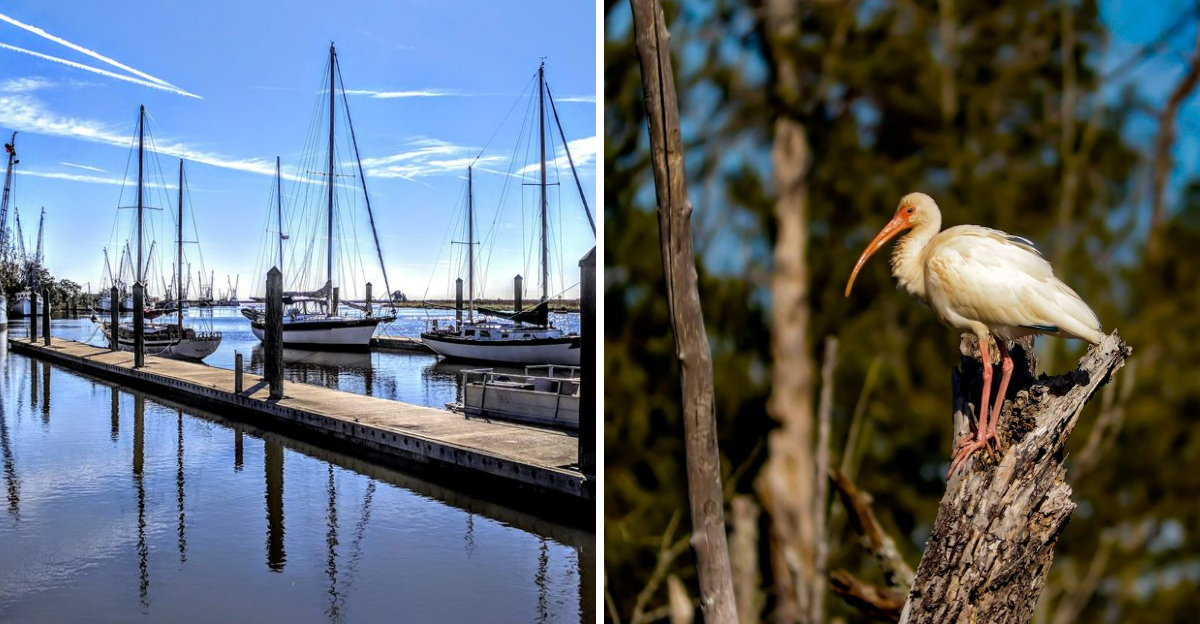
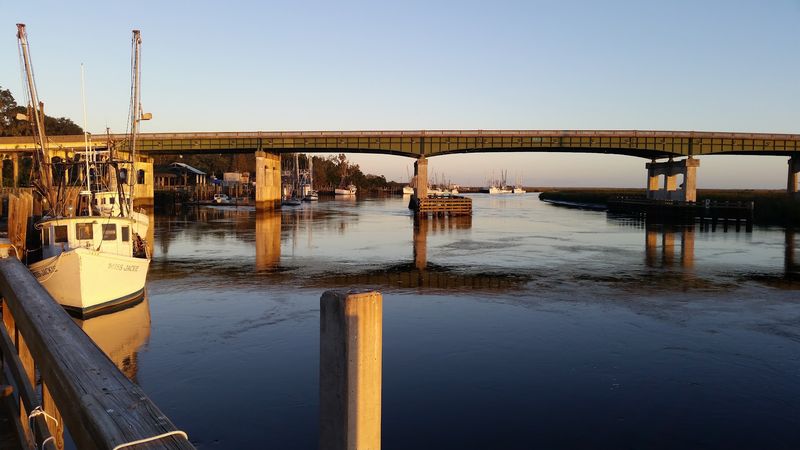
Working boats beat postcards every time. The waterfront park here frames a row of shrimp trawlers against river, marsh, and moss-draped oaks.
Benches face the water, and the whole setup invites you to sit longer than planned. Nets hang from booms like giant folded wings.
Mornings bring activity as crews prepare gear and ice. Evenings bring quiet, with reflections stretching across the channel.
The park also serves as the natural center of town events and gatherings. Grassy space, shade, and a boat ramp keep it busy year round.
Photographers love the combination of rusted hulls and soft green marsh. The colors change constantly as clouds pass over the delta.
I watched a boat ease out toward open water and lost fifteen minutes without noticing. That is the pace here, and it is contagious.
Parking sits close by, and the walk to shops and restaurants takes only minutes. It makes a good first stop before you plan the rest of your day.
Sunset is the standout hour. Arrive early and claim a bench facing west.
Fort King George Guards Georgia’s Oldest English Story
A tall wooden blockhouse rising above the marsh is not what most people expect on the Georgia coast. Established in 1721, Fort King George is the oldest English fort site remaining on Georgia’s coast, with reconstructed buildings showing how the outpost once looked.
British soldiers held this outpost years before the colony of Georgia officially existed. Their job was watching the river for approaching ships.
The reconstructed blockhouse lets you climb up for a view over the water and trees. From the top, the strategic logic becomes obvious immediately.
Earthworks, a moat outline, and cannon positions fill out the grounds. An on-site museum covers the fort’s history, early cultures, Scottish settlement, and the timber era that followed.
Costumed programs and living history weekends bring extra detail during certain months. Even on a quiet weekday, the interpretive signs do a solid job.
Trails lead toward the marsh edge, where the breeze does most of the cooling. I appreciated the shade after climbing the tower stairs.
Admission is modest and the site rarely feels crowded. Give yourself about ninety minutes to see it without rushing.
A Ferry Ride To Sapelo Island Changes The Pace
There is no bridge to Sapelo Island, and that is the best part. The passenger ferry departs from the Sapelo Island Visitors Center in nearby Meridian, about eight miles from downtown Darien.
The crossing takes a short while but shifts your whole mindset. Cell signal fades and marsh takes over the view.
Sapelo holds wide undeveloped beaches, maritime forest, and one of the country’s important estuarine research reserves. The Gullah Geechee community of Hog Hammock also calls the island home.
Advance arrangements are essential because public access is restricted and visitors generally need reservations for an authorized island tour. Check schedules ahead of time and arrive early at the dock.
Tour itineraries vary by day and may include Hog Hammock, the lighthouse, Reynolds Mansion, or parts of the island’s shoreline. Visitor transportation is limited, and authorized tours typically explore the island by shuttle or bus.
I noticed how quickly the sound of engines disappears once you step onto the sand. Wind and birds fill the space instead.
Bring food, water, and everything you need, because services are minimal. Plan a full day and treat the ferry ride as part of the attraction.
Birdwatching Here Fills A Notebook Fast
My binoculars were an afterthought until the first egret lifted off the mudflat. Then they never left my hands.
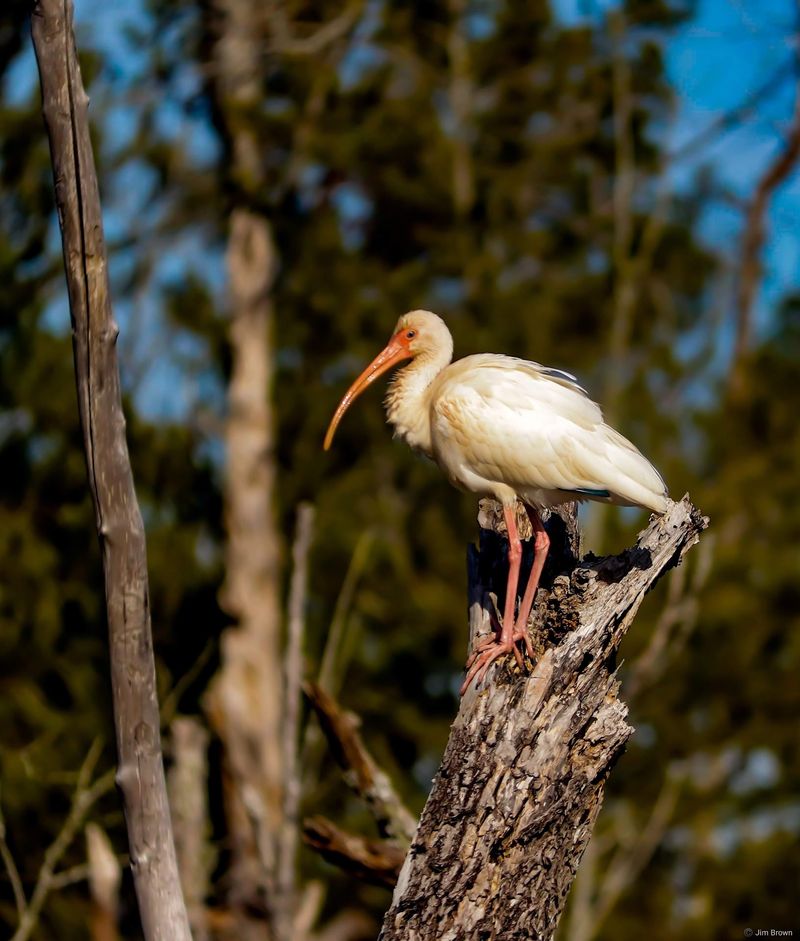
The delta and surrounding marshes attract wading birds, shorebirds, and migrating species in impressive numbers. Herons, egrets, ibis, and osprey are regular sights.
Tidal timing makes a real difference. Falling tides expose feeding grounds, and birds gather where the food appears.
Nearby wildlife management areas and refuge lands add more habitat to explore. Boardwalks and dikes give you dry footing over wet ground.
Spring and fall migration bring the biggest variety, though winter has its own crowd of visitors. Summer rewards early risers who beat the heat.
Alligators, dolphins, and manatees also appear in the right waters, so keep your eyes moving. A river cruise or kayak trip improves your odds considerably.
Quiet movement matters more than expensive gear. I saw more standing still for ten minutes than walking for an hour.
Download a bird ID app before you go. Cell service can be patchy out on the marsh roads.
The Old Jail Art Center And Museum Keeps Local Stories
Turning a former jail into an art gallery takes a certain sense of humor. The Old Jail Art Center and Museum did exactly that.
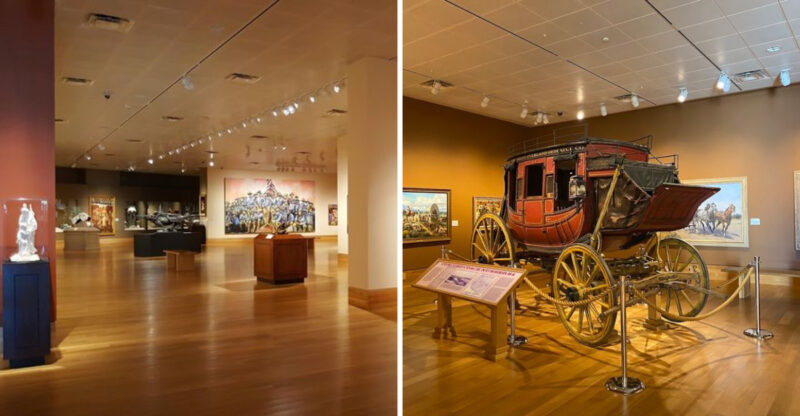
Inside, rotating exhibits feature regional artists alongside displays about county history. Old photographs and artifacts fill the smaller rooms.
The building itself is worth the visit, with thick walls and a layout that hints at its earlier purpose. Architecture and art share the space comfortably.
Local timber history, shipping records, and family stories appear throughout the exhibits. Those details connect neatly to the forts and river you see elsewhere in the area.
Admission tends to be free or donation based, and volunteers often staff the front desk. Ask questions, because they know the stories behind the objects.
Hours can be limited, so checking ahead saves disappointment. A visit fits easily into a morning of walking downtown.
I left with a better understanding of why this small port mattered so much. Art and history make a better pair than I expected.
Gift shop items lean local, which makes souvenir shopping simple.
Slow Coastal Living Fifty Miles South Of Savannah
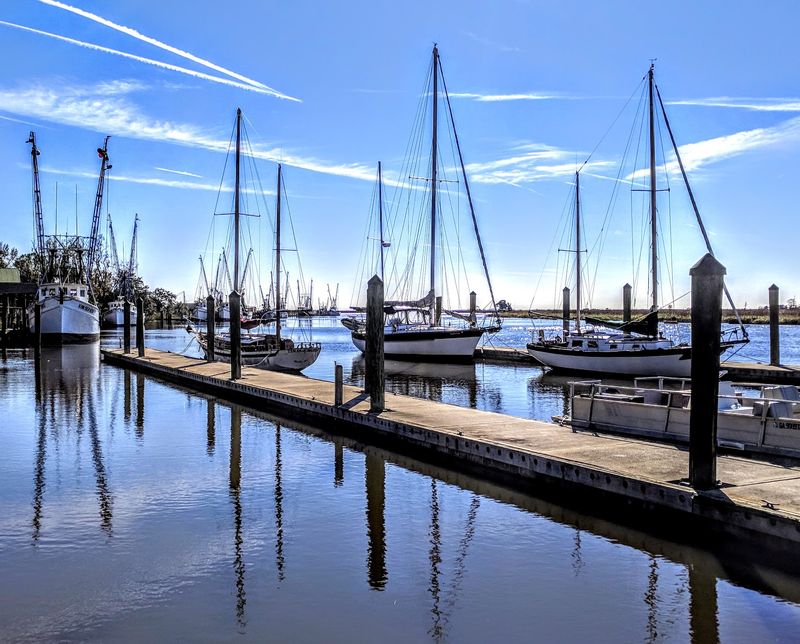
Fifty miles separates this town from Savannah, but the pace difference feels bigger. Traffic here means waiting for a boat trailer to back down the ramp.
Front porches, oak canopies, and short walking distances shape daily life. The county seat of McIntosh County keeps its small scale on purpose.
Inns and vacation rentals sit close to the water, so waking up to marsh views is realistic. Several lodging options put you within walking range of restaurants.
Shops lean toward local goods rather than souvenir chains. Conversations with shopkeepers happen naturally and without pressure.
Interstate 95 runs nearby, which makes the town an easy stop between Savannah and Jacksonville. Many travelers pass by without realizing that downtown Darien sits only a few minutes from the interstate.
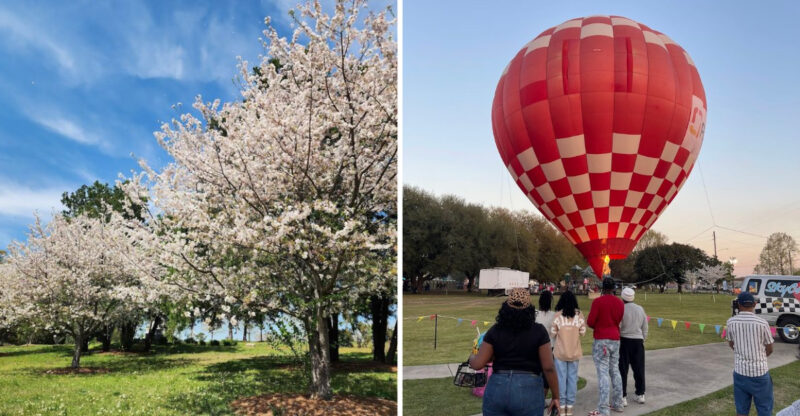
Seasonal festivals celebrate the shrimp fleet and the Scottish heritage, filling the waterfront with music and food. Timing a visit around one is worth the effort.
My advice is simple. Stay overnight instead of stopping for lunch, and let the tide set your schedule.
Beauty here is quiet, steady, and genuinely hard to leave.