11 Georgia Beaches And Coastal Shores Seeing Jellyfish Warnings This Summer
Salt on my lips and a sting I didn’t expect. That’s how my Georgia summer started this year.
I waded in ankle deep, laughing with my kids, and within minutes a purple flag went up on the lifeguard stand. Nobody warned me jellyfish season could hit this hard.
Now I check the flag color before I even unpack the cooler. Georgia’s coast still has that slow, salty charm I grew up loving, but this year it comes with a catch.
Some shores are quietly dealing with more stings than swimmers can shake off. I learned the hard way which beaches to watch and which ones to skip entirely.
If you’re planning a coastal trip soon, you’ll want this list before you pack your sunscreen and towels.
1. North Beach, Tybee Island
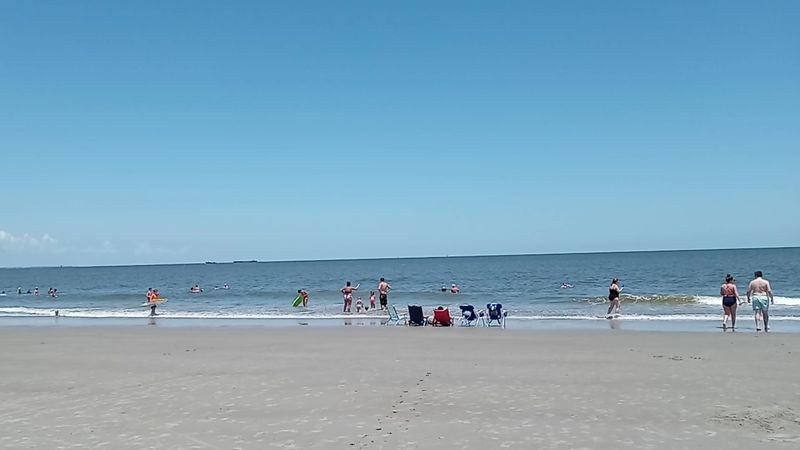
Purple flags went up at North Beach on July 18, 2026, and that was not a color anyone was hoping to see. Tybee Island Ocean Rescue raised the warning after spotting jellyfish in the water.
Yellow flags were also flying, signaling moderate surf conditions on top of everything else.
Stinging jellyfish are the ones to really watch for here. They are nearly transparent in the water and can deliver a painful sting.
Moon jellies are also present and cause a milder reaction, but still not something you want brushing against your leg.
The good news is that lifeguards at North Beach typically carry vinegar during stinging season. If you get stung, find a lifeguard fast.
Rinse the area with seawater, not fresh water, and skip anything like ammonia or meat tenderizer since those make it worse.
North Beach sits at Railwood Ave, Tybee Island, GA 31328. It is one of the most visited stretches of sand on the island.
Jellyfish season here peaks from late July through mid-August, so plan your splash time with that in mind.
2. Tybee Island Beach, Tybee Island
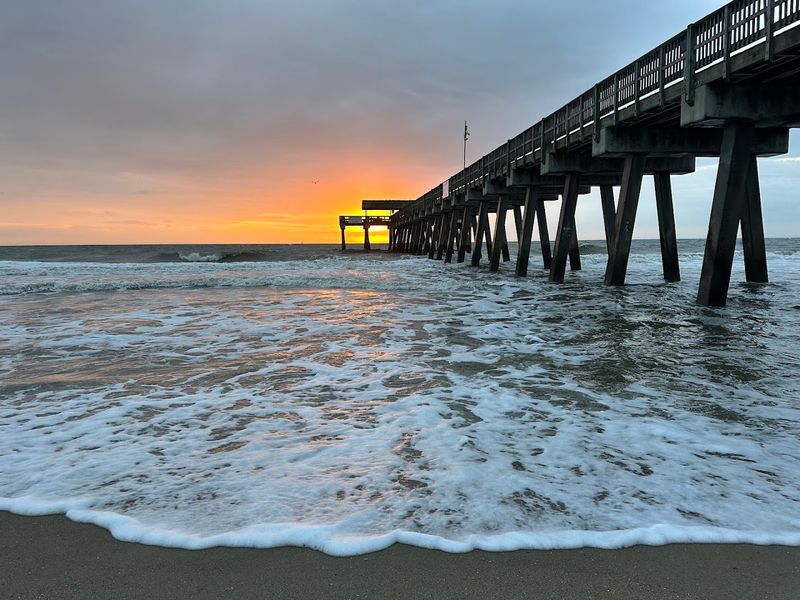
Tybee Island Beach is the kind of place where the ocean looks irresistible right up until something translucent floats past your knee. Jellyfish season peaks here from late July into mid-August, which lines up perfectly with peak summer vacation season.
Timing is everything at this beach.
Cannonball jellyfish are around year-round and are generally harmless. They look like small bowling balls drifting in the surf.
Stinging jellyfish, though, are a different story. They are hard to spot because they are nearly transparent, and their sting can be quite painful.
Tybee Island, GA 31328, draws huge summer crowds, so the beach can get packed fast. More people in the water means more chances of accidental jellyfish contact.
Lifeguards monitor conditions closely and use the flag system to communicate risks in real time.
If you spot a purple flag flying, take it seriously and stay shallow or stay out. Vinegar spray is often available at lifeguard stations for sting treatment.
Moon jellies also appear regularly and cause mild stings, so keep your eyes open and enjoy the water with a little extra caution this summer.
3. Mid Beach, Tybee Island
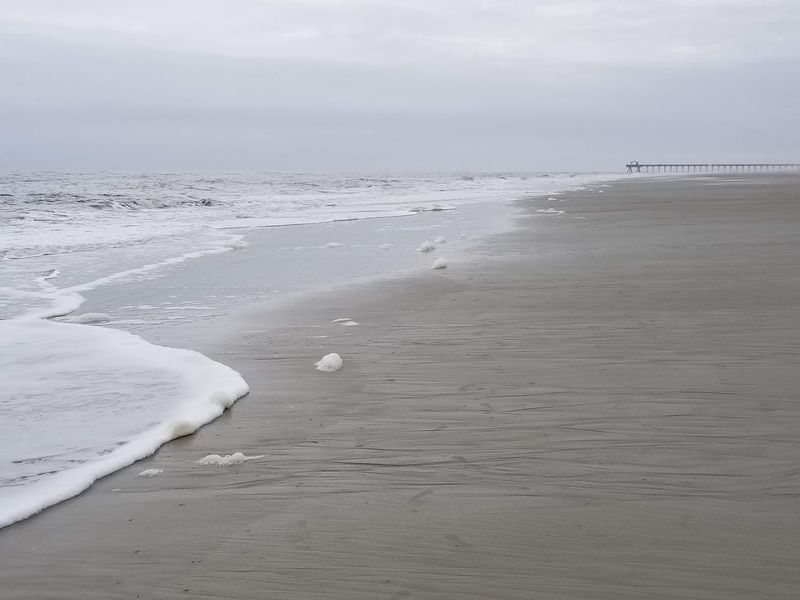
Sandwiched between the busier ends of the island, Mid Beach has a slightly quieter vibe. But quieter does not mean jellyfish-free.
The same warning conditions affecting the rest of Tybee Island apply here, and the same species are showing up in the water.
Stinging jellyfish are the most concerning. Their transparent bodies can make them difficult to spot before contact, and their stings can be painful, so staying alert is your best defense when wading in.
Moon jellies are also common at Mid Beach during summer. They tend to wash in with the tide, so the shoreline itself can become a minefield of soft, disc-shaped blobs.
Cannonball jellies are harmless and look like round white domes floating just below the surface.
Mid Beach is located on Tybee Island, GA 31328, and is a solid spot for families who want a less crowded experience. Watch the flag colors before getting in the water.
If the purple flag is up, it means dangerous marine life has been spotted. Lifeguards are your first resource if a sting happens, and vinegar is usually on hand at stations across the island.
4. Driftwood Beach, Jekyll Island
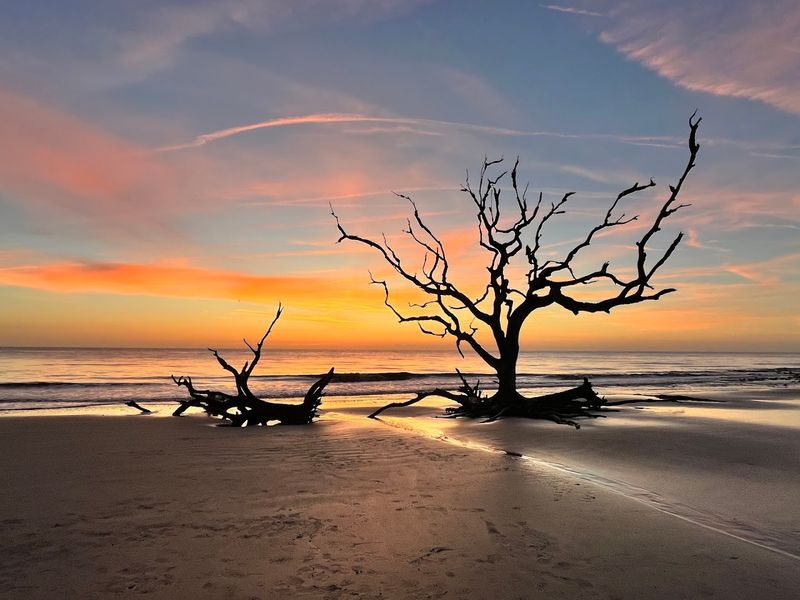
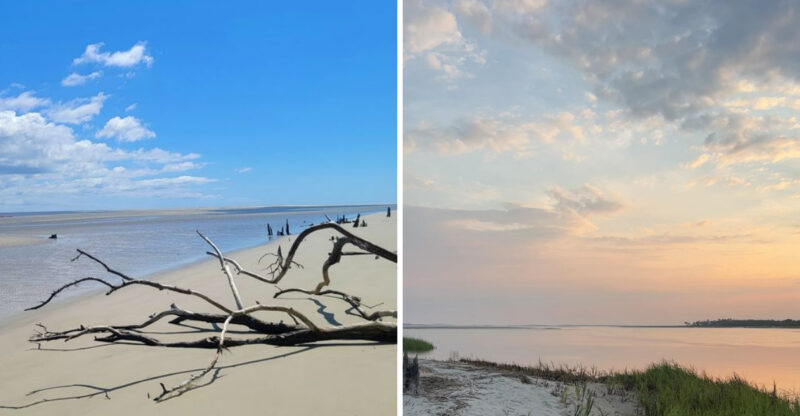
Driftwood Beach is one of the most photographed stretches of coastline in the southeastern United States. Twisted, bleached tree trunks rise from the sand like natural sculptures, making it a surreal place to walk.
The ocean here, though, shares the same jellyfish patterns as the rest of the coast.
Cannonball jellyfish are the most frequent visitors to Jekyll Island waters. They are round, firm, and mostly harmless, often washing up in clusters along the tideline.
Spotting a few on the sand is normal and nothing to panic about during summer months.
Jekyll Island falls within Glynn County, which uses a flag warning system at its beaches. A purple flag means dangerous marine life has been detected nearby.
Keeping an eye on posted flags before entering the water is a smart habit here.
Driftwood Beach is located on Jekyll Island, GA 31527, and is accessible year-round. The beach is more of a walking and photography destination than a swimming spot, which actually makes jellyfish encounters less likely.
Still, if you wade in at the edges, stay alert. The water is warm in summer, which tends to attract more jellyfish closer to shore than you might expect.
5. East Beach, St. Simons Island
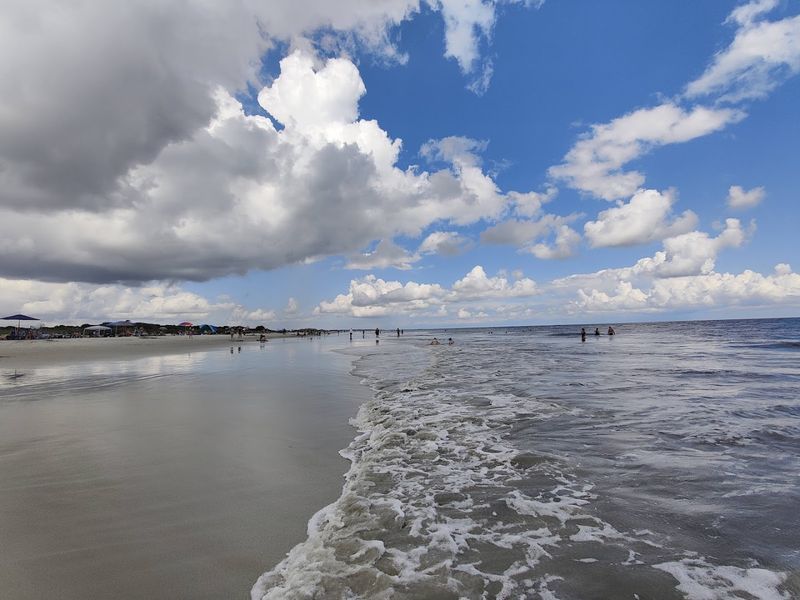
East Beach is one of the most active swimming beaches on St. Simons Island, and lifeguards here are well-prepared for jellyfish season. The Coast Guard Beach section of East Beach has staffed lifeguard towers during summer, and they are equipped to handle sting situations quickly.
That kind of coverage makes a real difference.
Stinging jellyfish are most commonly reported from late July into mid-August, which coincides with the busiest part of the summer season. Their nearly transparent bodies can make them difficult to spot in the water.
Moon jellies also show up regularly and cause mild stings that are uncomfortable but manageable with proper treatment.
Glynn County uses a purple flag system to signal the presence of dangerous marine life. When that flag is flying at East Beach, the recommendation is to stay out of the water or stay very close to shore.
Lifeguards can provide vinegar spray for sting treatment when needed.
East Beach is located at 4202 1st St, St Simons Island, GA 31522. The beach stretches along a beautiful section of coastline with soft sand and steady Atlantic breezes.
Cannonball jellyfish are also present year-round and are generally harmless, but their sheer numbers in summer can be surprising to first-time visitors at this spot.
6. Jekyll Island Oceanview Beach Park, Jekyll Island
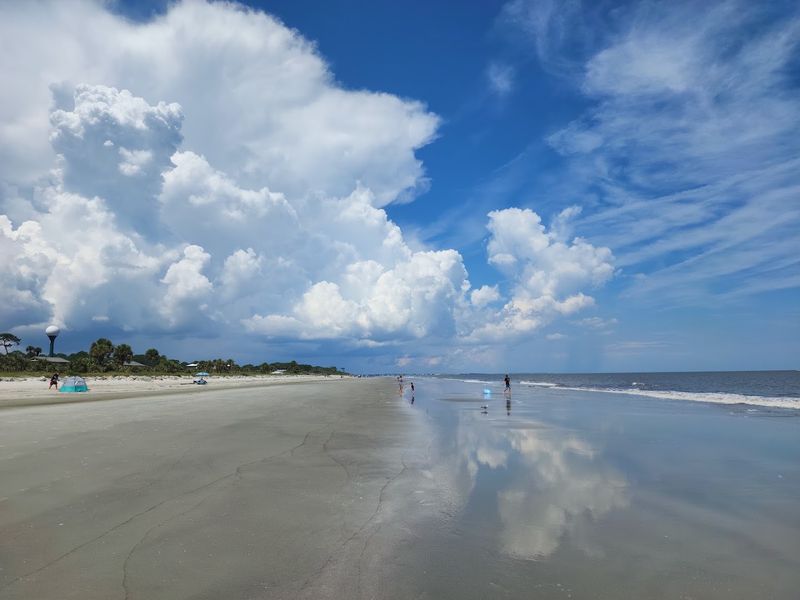
Few beach parks along the coast offer the kind of open ocean views that Oceanview Beach Park delivers. The park has easy access, parking, and a long stretch of Atlantic shoreline that gets busy during summer.
With that activity comes the need to stay informed about jellyfish conditions in the area.
Cannonball jellyfish are a constant presence in Jekyll Island waters throughout summer. They are usually harmless and often wash up on the sand in noticeable numbers.
While they look a little alarming in large groups, they rarely cause any real discomfort if touched.
Glynn County monitors beach conditions and uses a color-coded flag system. A purple flag at this park means marine life, including jellyfish, has been spotted in the area.
Always check the flags before heading into the surf, especially during peak summer heat when water temperatures rise.
Jekyll Island Oceanview Beach Park is located at 549 Beachview Dr N, Jekyll Island, GA 31527. Warmer summer water temperatures are often associated with increased jellyfish activity closer to shore, particularly during July and August.
Rinsing with seawater after any sting and removing tentacles carefully with a towel are the first steps to feeling better fast.
7. St. Andrews Beach, Jekyll Island
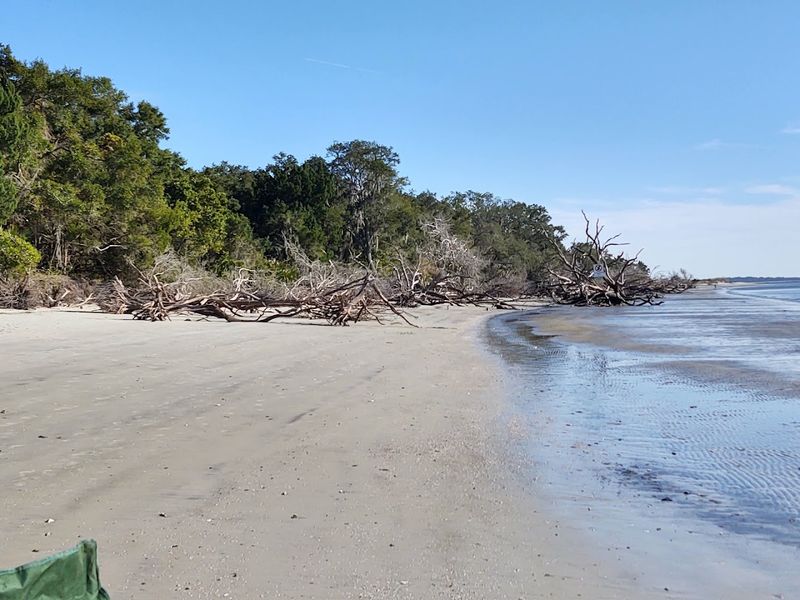
Sitting at the southern tip of Jekyll Island, St. Andrews Beach has a more remote feel than the busier park areas. The shoreline here is wide, wild, and often less crowded.
But the jellyfish do not care about crowd levels, and they show up just like everywhere else along this stretch of coast.
Cannonball jellyfish are regulars here throughout summer. They tend to cluster near the shoreline, especially when tides shift.
Their round, mushroom-cap shape makes them easy to identify, and they pose very little threat to swimmers who accidentally brush against them.
Water temperature plays a big role in jellyfish activity across this part of the coast. Warmer summer water temperatures are often associated with increased jellyfish activity closer to shore, particularly during July and August.
That happens most often in July and August, which are also the most popular months for beach visits.
St. Andrews Beach is located at 100 St Andrews Dr, Jekyll Island, GA 31527. Glynn County flag warnings apply here, so checking the color of posted flags before swimming is always a good call.
If a purple flag is displayed, marine life including jellyfish has been reported nearby. Seawater rinsing is the recommended first response to any sting at this location.
8. Little Tybee Island, Tybee Island
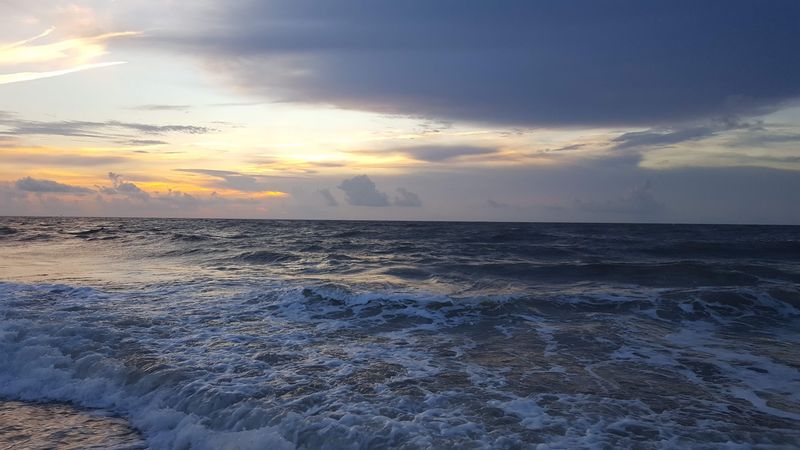
Getting to Little Tybee Island requires a kayak or boat, which already puts it in a different category from the other beaches on this list. The island is completely undeveloped, with no lifeguards, no facilities, and no flag warning system to alert you to jellyfish.
That makes personal awareness even more critical here.
The same jellyfish species that affect the main Tybee Island beaches are present in the surrounding waters. Sea Wasp jellyfish are particularly hard to see and deliver a sharp sting.
Moon jellies drift through these waters regularly during summer, and Cannonball jellies are present year-round in the area.
Portuguese man o’ war have occasionally been reported around Tybee Island, so visitors to Little Tybee should remain alert as well. They are not true jellyfish but deliver extremely painful, toxic stings.
Their blue, bubble-like float is visible above the water surface, so keeping your eyes open pays off.
Little Tybee Island, GA 31328, is a stunning place to explore, but preparation matters. Bring a first aid kit, know sting treatment basics, and rinse any sting with seawater immediately.
Avoid fresh water on a sting site, as it can make the reaction worse. This island rewards the prepared visitor.
9. Cumberland Island National Seashore, St. Marys
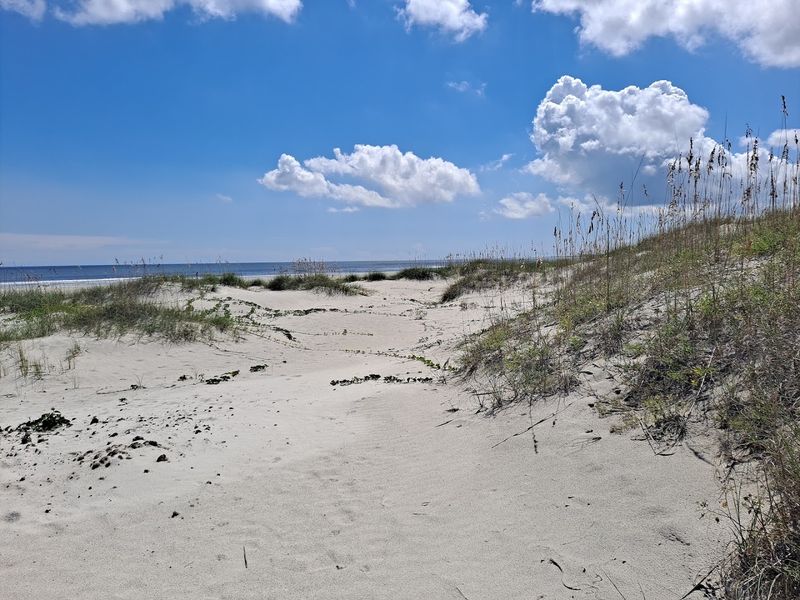
Cumberland Island National Seashore is one of the most breathtaking and remote stretches of coastline in the entire southeastern United States. Wild horses roam the island freely, and the beaches are wide, pristine, and largely untouched.
Reaching it requires a ferry from St. Marys, which already adds adventure to the trip.
Cannonball jellyfish have been observed washing ashore here, which is consistent with patterns seen across the coast during summer. The National Park Service monitors conditions and can post alerts when necessary.
At the time of writing, no specific jellyfish warnings had been officially posted for this seashore.
That said, jellyfish are present along the coast during summer regardless of formal warnings. Water temperatures rising toward 85 degrees Fahrenheit bring more of them closer to shore, and Cumberland Island is not immune to that pattern.
Swimming here means accepting that marine life is part of the experience.
The seashore is located off Plum Orchard Dr, St Marys, GA 31558. There are no lifeguards on duty at Cumberland Island beaches, so visitors must be self-reliant.
Carrying a small kit with tweezers and knowing to rinse with seawater rather than fresh water are basic but important preparations for anyone planning to swim here this summer.
10. St. Simons Public Beach, St. Simons Island
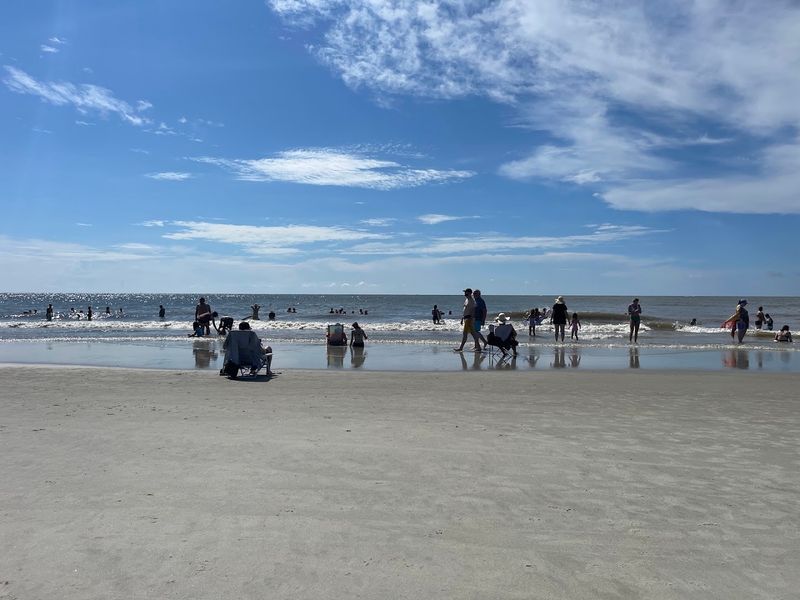
St. Simons Public Beach is the kind of spot where families spread out early and stay all day. The access is easy, the parking is manageable, and the Atlantic stretches out wide in front of you.
Summer here also means jellyfish season is in full swing, and the beach sees the same species patterns as the rest of the island.
Cannonball jellyfish are the most common species and cause very little trouble. Moon jellies appear regularly and can produce a mild, uncomfortable sting.
Stinging jellyfish deserve the most attention. They are most commonly reported from late July into mid-August and can be difficult to spot because they are nearly transparent in the water.
Glynn County’s purple flag system is active at St. Simons Public Beach throughout summer. When that flag goes up, marine life has been confirmed in the area.
Lifeguards are equipped to assist with sting treatment, and vinegar spray is one of the recommended tools for neutralizing toxins after contact.
The beach is located at 4000 1st St, St Simons Island, GA 31522. If you get stung, rinse with seawater and carefully remove any visible tentacles with a towel or tweezers.
Avoid rubbing the area, which spreads the sting. Hydrocortisone cream can help reduce inflammation and discomfort once the tentacles are cleared.
11. Massengale Park, St. Simons Island
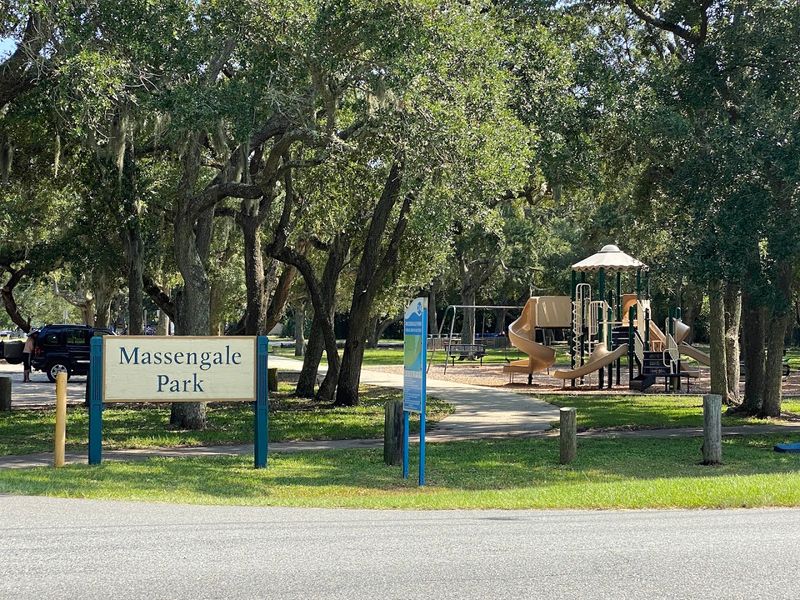
Massengale Park Beach sits just down the road from the main public beach access and offers a slightly more relaxed atmosphere. Lifeguards are on duty here during summer, which is a genuine comfort when jellyfish warnings are active across the island.
Having trained staff nearby changes the experience significantly.
Stinging jellyfish are among the most concerning marine animals swimmers may encounter from late July through mid-August. Their clear bodies blend into the water almost perfectly, making them easy to miss until contact happens.
A sting is sharp and immediate, so quick access to a lifeguard station matters here.
Moon jellies are also common at Massengale during summer months. They cause milder stings but are still worth avoiding.
Cannonball jellyfish, which are round and harmless, are present year-round and often wash up along the tideline in clusters that can look a little startling at first glance.
Massengale Park is located at 1350 Ocean Blvd, St Simons Island, GA 31522. The Glynn County purple flag system is in effect here, and lifeguards are trained to respond to sting incidents quickly.
Seawater rinsing is the first step, followed by careful tentacle removal. Hydrocortisone cream applied after treatment helps reduce lingering irritation and makes the rest of your beach day far more comfortable.