Hikers Are On High Alert At This Southern California Canyon After A Surge In Rattlesnake Encounters
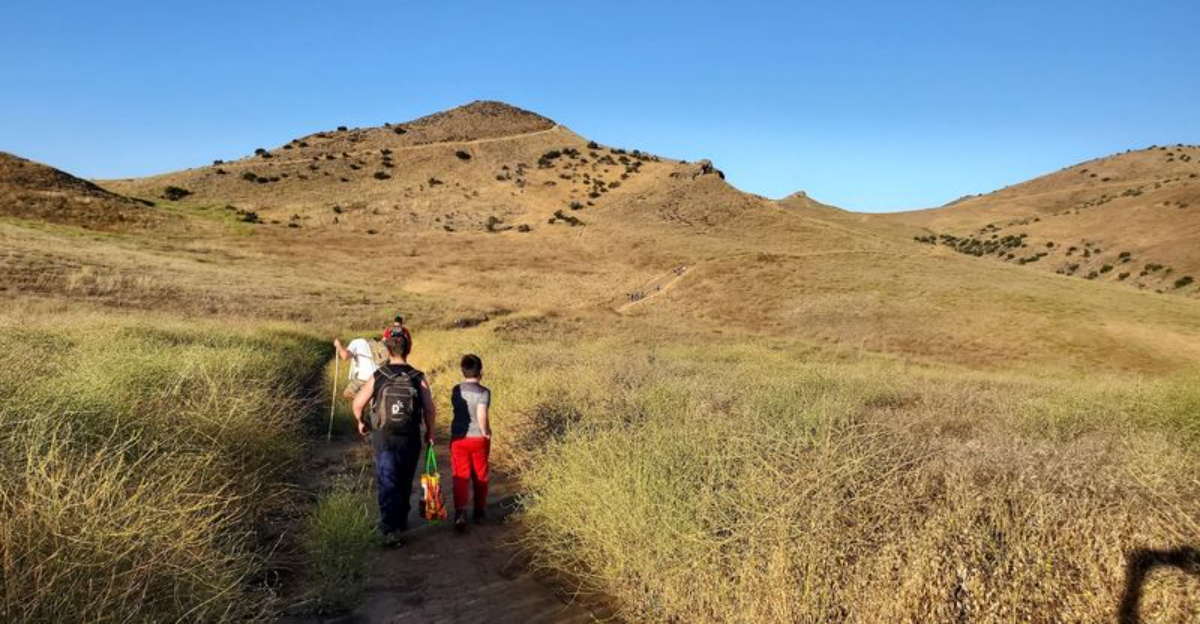
That rustle beside the trail deserves your attention.
Keep walking, but watch where you place your feet. Scan the rocks before stepping over them. Give brushy edges a little extra space.
This is one hike where daydreaming your way through the canyon is not the smartest move.
Southern California hikers have been getting fresh reminders that rattlesnake season can turn serious very quickly.
This does not mean the trail suddenly belongs to snakes. It does mean awareness matters.
Stay on the path, keep your hands away from places you cannot see, and do not step blindly over rocks or logs. Then enjoy the hike without treating every twig like an emergency.
The canyon is still beautiful. You just want to admire it with your eyes open.
A Rattlesnake Bite On The Trail Triggered An Air Rescue
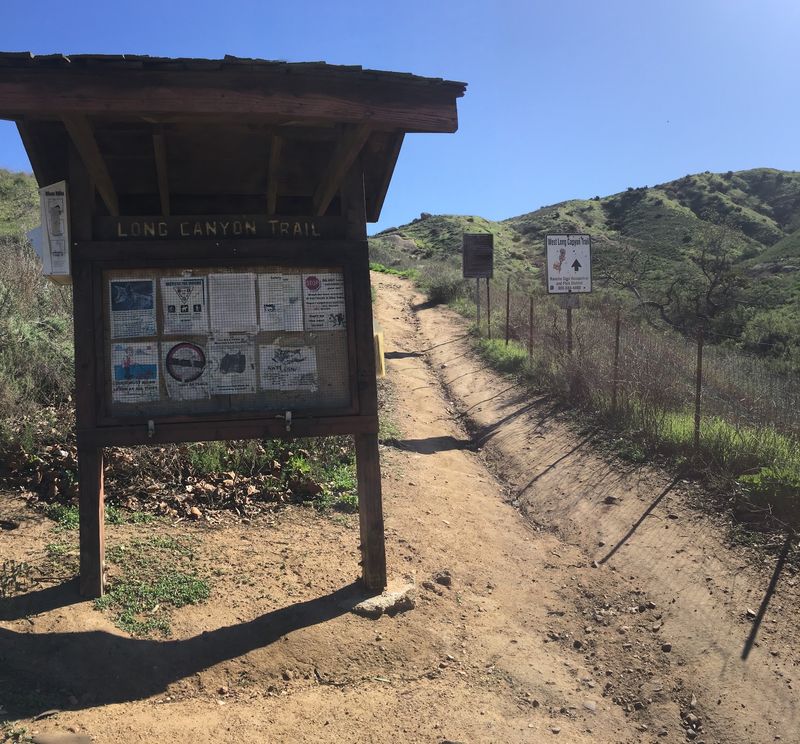
Few hiking emergencies escalate as quickly as a rattlesnake bite, and on April 30, 2026, that reality hit hard on Long Canyon Trail in the Wood Ranch area of Simi Valley, California.
A hiker was bitten and the situation required more than a standard ambulance response.
Emergency crews airlifted the individual to Los Robles Regional Medical Center, where anti-venom treatment was administered.
The hiker was reported to be in stable condition, which is a relief given how quickly venom can affect the body.
Anti-venom works best when delivered promptly, and the speed of the air rescue likely played a meaningful role in that outcome.
Trails with limited vehicle access can make ground transport slow and difficult, which is why aerial response becomes such a critical tool in these situations.
Knowing that an air rescue is even a possibility on a local trail is a sobering reminder that rattlesnake bites are genuine medical emergencies.
Carrying a fully charged phone and hiking with a companion are two habits that could help ensure help is called quickly.
Preparedness is not about fear but about giving yourself every possible advantage when the unexpected happens.
The Incident Became Ventura County’s Seventh Reported Bite Since Mid-March
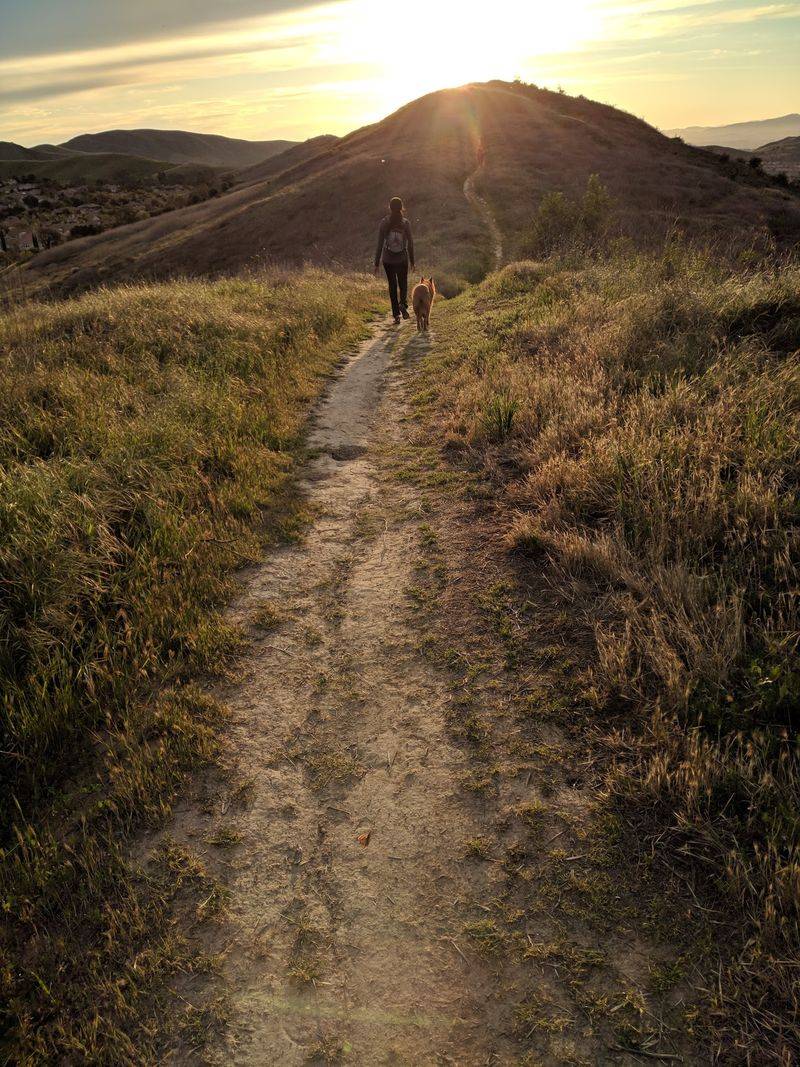
Context matters when talking about snake activity, and the numbers surrounding this particular season are hard to ignore.
By the end of April 2026, Ventura County had already recorded seven rattlesnake bites since mid-March, a pace that outstripped the county’s total of nine bites recorded across all of 2025.
That kind of jump in frequency signals something worth paying attention to across the region.
Other notable incidents in the same stretch included a fatal bite at Wildwood Regional Park in Thousand Oaks on March 14, 2026, and a bite on the Wendy Trail in Newbury Park on March 20, 2026.
These incidents spread across multiple communities serve as a reminder that the elevated risk is not isolated to one trail or one neighborhood.
Rattlesnakes are active across a wide range of habitats throughout Ventura County.
Understanding the broader pattern helps hikers make smarter decisions. A single incident can feel like bad luck, but a regional surge in bites points to environmental conditions that are genuinely pushing snakes into more frequent contact with people.
Staying informed about local wildlife alerts before heading out is a practical habit that costs nothing and could matter a great deal.
An Unusually Active Rattlesnake Season Has Put Hikers On Alert
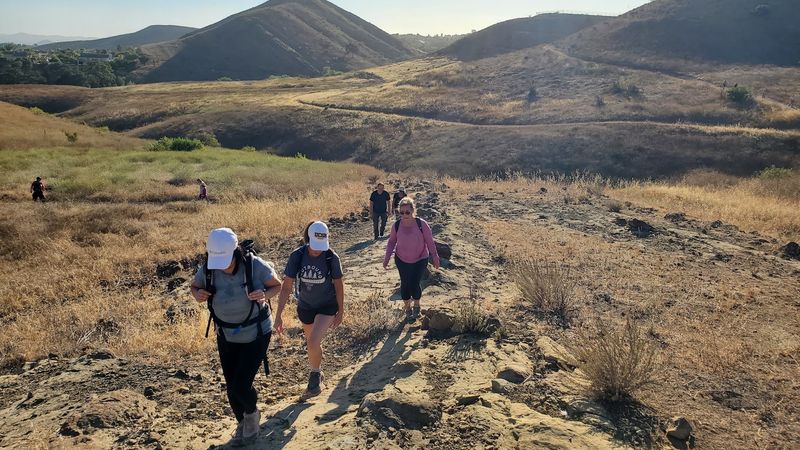
Rattlesnakes are native to Southern California and are a natural part of the ecosystem, but some years bring more activity than others.
The 2026 season has shaped up to be one of those years, with an unusually high number of encounters reported across the region relatively early in the calendar.
Peak rattlesnake activity in Southern California typically runs from April through October, so the season was already hitting hard right at its opening stretch.
A wet winter often sets the stage for a more active snake season by encouraging vegetation growth and boosting rodent populations.
More rodents mean more food for snakes, which draws them into areas where they come into contact with hikers more frequently.
Hikers who are accustomed to treating the trail casually may need to recalibrate their habits during seasons like this one.
Staying alert, moving at a pace that allows for careful observation, and resisting the urge to rush through rocky or brushy sections can meaningfully reduce the chance of a surprise encounter.
Warm Weather Can Bring Snakes Onto And Around The Trail
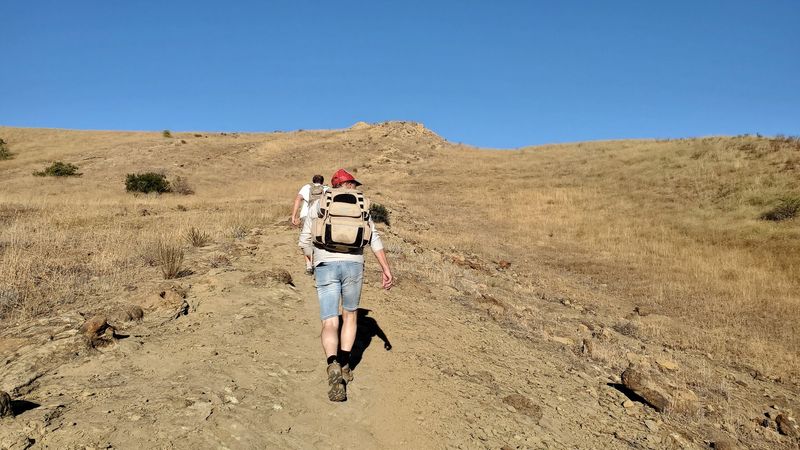
Rattlesnakes are cold-blooded, which means their body temperature depends entirely on their environment.
When the weather warms up, snakes become more active as they seek out heat sources to regulate their bodies.
Sunny trail surfaces, flat rocks, and open patches of ground can all become prime basking spots, putting snakes right where hikers tend to walk.
Warm days following a cool night can be particularly active periods, as snakes move quickly to absorb as much heat as possible before temperatures shift again.
Early morning hikes on warm spring days carry a different risk profile than a midday walk in cooler weather.
Trail conditions that feel pleasant to a hiker can feel ideal to a rattlesnake at the same time. Keeping that overlap in mind helps explain why encounters tend to increase as temperatures rise.
Wearing sturdy boots with ankle coverage and keeping eyes on the ground several feet ahead are habits that pay off during warm stretches.
Avoiding hikes at dusk or dawn, when snakes are also frequently active, adds another layer of practical protection.
Brushy Hillsides And Rocky Ground Give Snakes Plenty Of Cover
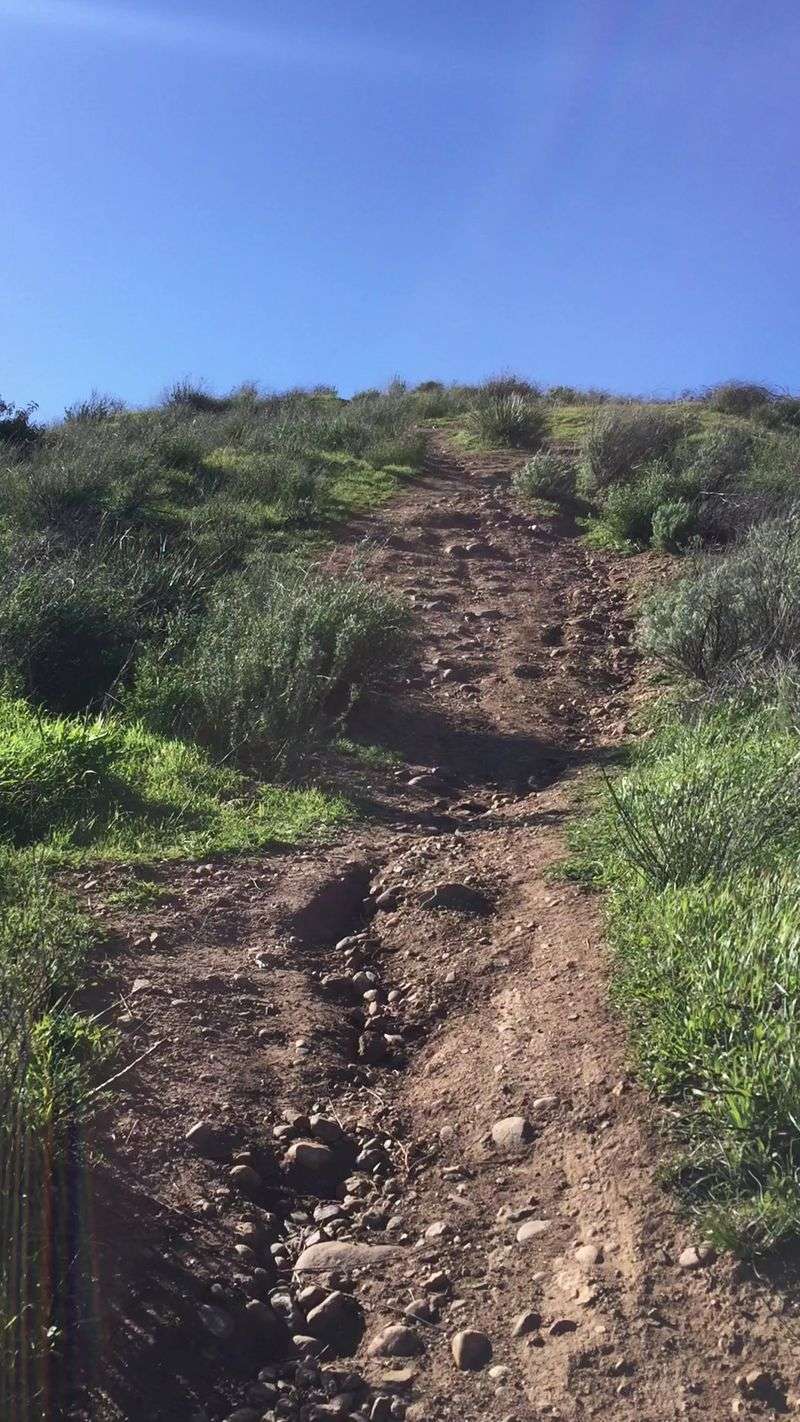
Long Canyon Trail winds through terrain that rattlesnakes find genuinely comfortable.
Rocky outcrops, dense grass, squirrel burrows, and thick chaparral all provide exactly the kind of cover and shelter that snakes use for resting, hunting, and hiding from predators.
The habitat is not incidentally snake-friendly; it is the kind of landscape where they have thrived for a very long time.
Hikers sometimes underestimate how well a rattlesnake can blend into its surroundings.
Patterned scales against dappled light and dry vegetation make a coiled snake remarkably easy to miss until someone steps very close.
Rocky sections of trail deserve extra attention because gaps between boulders and loose stones are common shelter spots.
Brushy hillsides on either side of the trail path are best left undisturbed. Cutting through tall grass or stepping off the marked path into dense vegetation dramatically increases the chances of an unexpected encounter.
Keeping to the center of the trail where visibility is clearest gives hikers the most reaction time if a snake is resting nearby.
Simple habits like these are especially valuable in terrain as naturally complex as the canyon landscape surrounding Long Canyon Trail in Simi Valley.
Nearby Trails Create Plenty Of Options For Exploring The Simi Hills
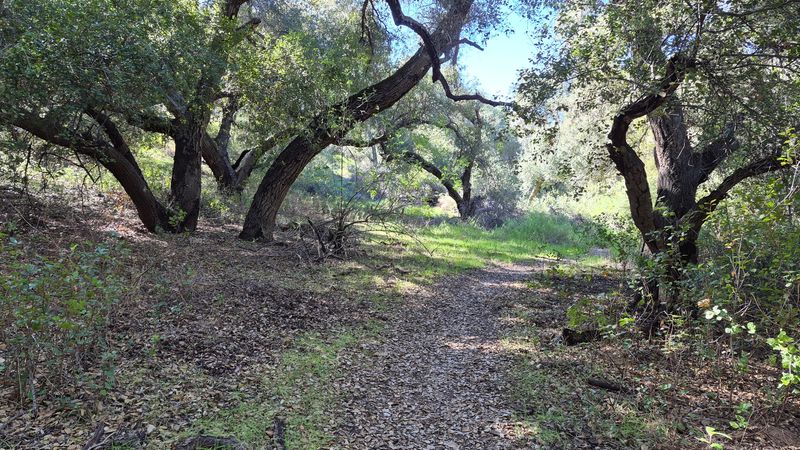
Long Canyon Trail does not exist in isolation.
Connections to the Oak Canyon Trail and the Montgomery Canyon Trail branch off from its eastern end, giving hikers the option to extend their outing or vary their route on return visits.
The Creekside Trail connects to the southern end of Long Canyon Trail and can be accessed from Challenger Park off Long Canyon Road, adding yet another entry point into the network.
The Canyon View Trail, accessible from Long Canyon Road, links up with the Wood Ranch Trail to create additional loop options.
Beyond the immediate Wood Ranch area, the broader Simi Hills encompass trails in Lang Ranch, Woodridge, and Oakbrook Regional Park, some of which connect further into Palo Comado and Cheeseboro Canyons.
Those longer connections feature jagged sandstone ridges and rockier sections that offer a different feel from the gentler canyon paths.
Having multiple trail options in one area is genuinely useful for hikers who visit regularly and want variety. It also means that on days when one section feels too exposed or crowded, alternate routes are available nearby.
Exploring the full trail network at a comfortable pace across several visits tends to reveal details that a single rushed outing would miss entirely.
A Rattlesnake Encounter Is A Reason To Give The Animal Plenty Of Space
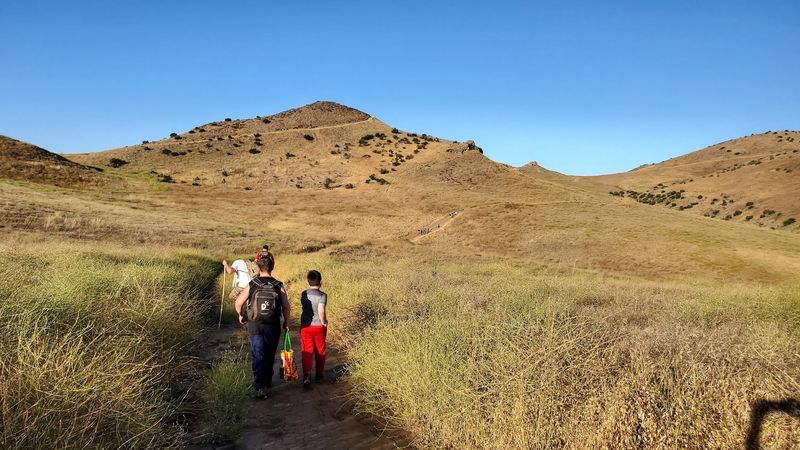
Spotting a rattlesnake on the trail is startling, but the response in that moment matters enormously. Remaining calm and backing away slowly without sudden movements is the right instinct.
Giving the snake room to retreat is almost always what it wants to do, since rattlesnakes generally prefer to avoid confrontation with large animals rather than engage with them.
A safe distance of at least six feet is generally recommended when a rattlesnake is spotted. Never attempt to handle, move, or disturb the snake, even if it appears to be injured.
A rattlesnake can still strike reflexively even after it has passed, and a snake that looks motionless may simply be conserving energy before moving on.
Trying to capture or relocate a rattlesnake is a job for trained professionals, not curious hikers. If a snake is blocking a trail section, waiting patiently for it to move on its own is the safest course.
Throwing rocks or prodding it with a stick dramatically increases the risk of a bite.
Alerting other hikers coming from the opposite direction is a considerate and practical step that helps prevent additional encounters with the same animal.
Knowing What To Do After A Bite Could Make A Serious Difference
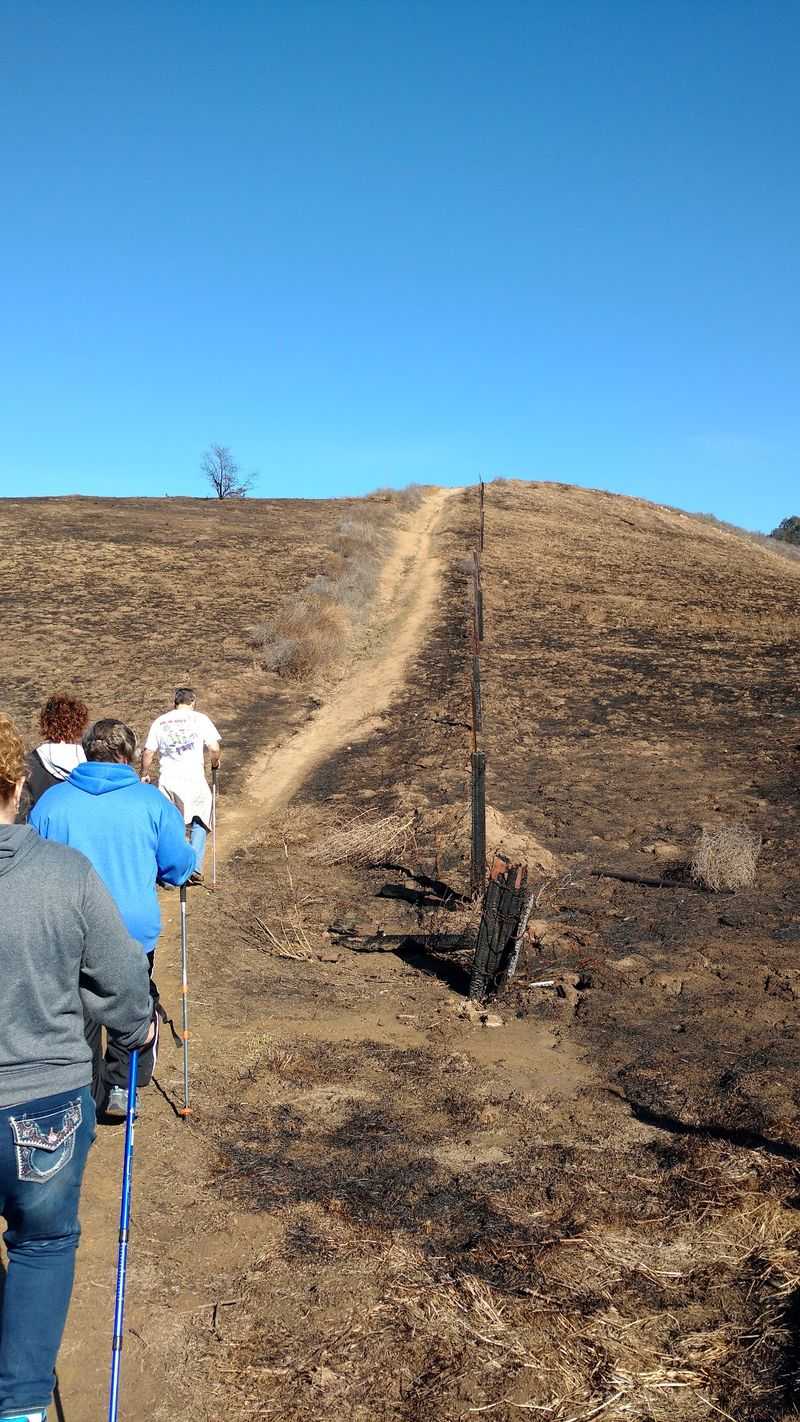
Speed and calm are the two most valuable assets in the minutes following a rattlesnake bite.
Calling 911 immediately is the first and most important step, and the California Poison Control System at 1-800-222-1222 can also provide guidance while help is on the way.
Keeping the bitten limb as still as possible and at or below heart level helps slow the spread of venom through the body.
Removing rings, watches, or tight clothing from the affected limb before swelling begins is an important early step.
Gently washing the wound with soap and water is appropriate if those supplies are available.
Beyond those basic measures, the priority is simply getting to a medical facility as quickly as possible for assessment and potential anti-venom treatment.
Several old first aid methods that were once commonly taught are now known to be harmful and must be avoided.
Cutting the wound, attempting to suck out venom, applying ice, using a tourniquet, or administering aspirin or ibuprofen can all cause additional tissue damage or complications.
Delaying treatment by attempting these methods wastes critical time. Anti-venom is the only effective treatment, and prompt access to it at a hospital is what determines the outcome of a rattlesnake bite.