This Tony-Winning California Theater Has Quietly Sent 37 Shows All The Way To Broadway
You may think you are just buying a ticket for a local night out. Then you learn that a show developed here could be headed somewhere much bigger.
That possibility gives every performance a little extra electricity.
You settle into your seat wondering whether the production in front of you is simply tonight’s entertainment or the early chapter of something that eventually lands on Broadway.
This California theater has built a remarkable reputation for turning ambitious new work into nationally recognized productions.
Pay attention to the details. The staging. The writing. The moment an audience reaction suddenly feels bigger than the room.
Part of the thrill is knowing you might be watching a future hit before most theatergoers have even heard its name.
Thirty-seven shows have already made that journey. So when the lights dim, resist treating the evening like an ordinary performance.
It Was Founded By Three Hollywood Stars In 1947

Few regional theaters can trace their origins back to a trio of genuine Hollywood celebrities, but La Jolla Playhouse can.
Back in 1947, three well-known film actors decided to build something meaningful, and the result was a theater that would eventually grow into one of the most influential performing arts institutions in the country.
The founders were Gregory Peck, Dorothy McGuire, and Mel Ferrer, all of whom were active in Hollywood at the time.
Their shared belief in live performance and the power of storytelling gave the Playhouse its original creative energy.
Starting as a seasonal operation, the theater attracted talent and audiences from across the region during those early years.
What began as a summer project eventually became something much larger in scope and ambition.
The decision to root the theater in the La Jolla area gave it a distinct coastal California identity that it has carried ever since.
That founding spirit, centered on artistic passion rather than commercial pressure, still shapes how the Playhouse approaches its work today.
Its Early Stages Attracted Some Seriously Famous Performers
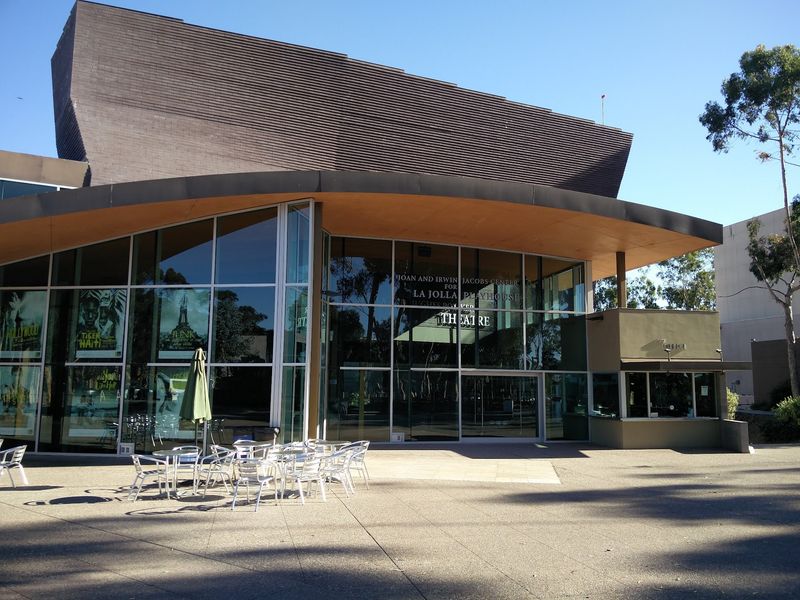
Right from the start, the Playhouse pulled in performers who were already household names.
The early productions featured talent like Groucho Marx, Vivian Vance, and Eve Arden, names that carried serious weight in American entertainment at the time.
Having that caliber of performer on a summer-stock stage in Southern California was genuinely unusual for the era.
The presence of such well-known faces helped establish the Playhouse as a place that took its work seriously.
Audiences who showed up expecting a modest regional production often found themselves watching performances that rivaled anything happening in major theatrical centers.
That reputation for quality took root early and proved remarkably durable.
For a theater that was still finding its footing, attracting famous performers also helped build community trust and excitement around live theater in the La Jolla area.
The energy from those early productions created a foundation of credibility that the Playhouse would continue to build on for decades.
The Theater Disappeared For More Than Two Decades
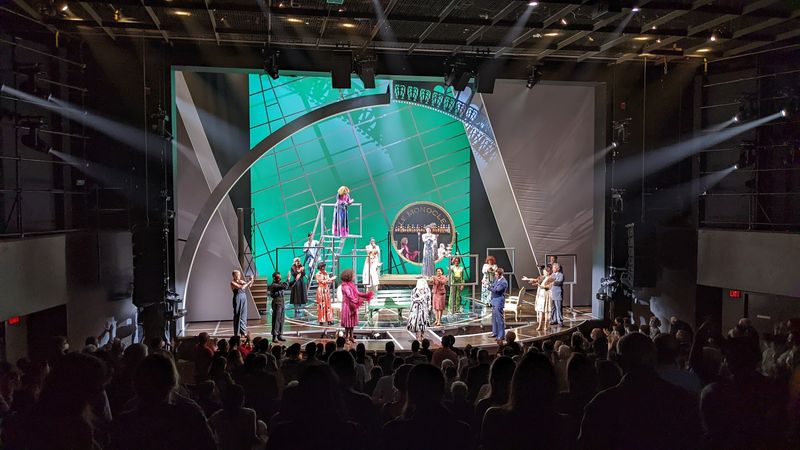
After more than a decade of performances, the Playhouse went quiet. The theater closed its doors in 1959 and remained on hiatus for over twenty years.
For a venue that had once hosted some of the biggest names in American entertainment, that extended silence was a striking turn of events.
The reasons behind the closure were tied to the practical realities of running a theater during that period, but the gap left a noticeable absence in the San Diego arts scene.
For more than two decades, the Playhouse existed more as a memory than an active institution.
The building went dark, the seasons stopped, and the creative momentum that had built up during the 1940s and 1950s simply paused.
Then in 1983, the Playhouse came back to life. The revival happened on the campus of the University of California, San Diego, giving the theater a new home and a new academic partnership that would shape its future identity.
The comeback was not just a reopening but a genuine reinvention, one that positioned the Playhouse for the remarkable run of success that followed in the decades ahead.
It Won A Tony Award Of Its Own In 1993
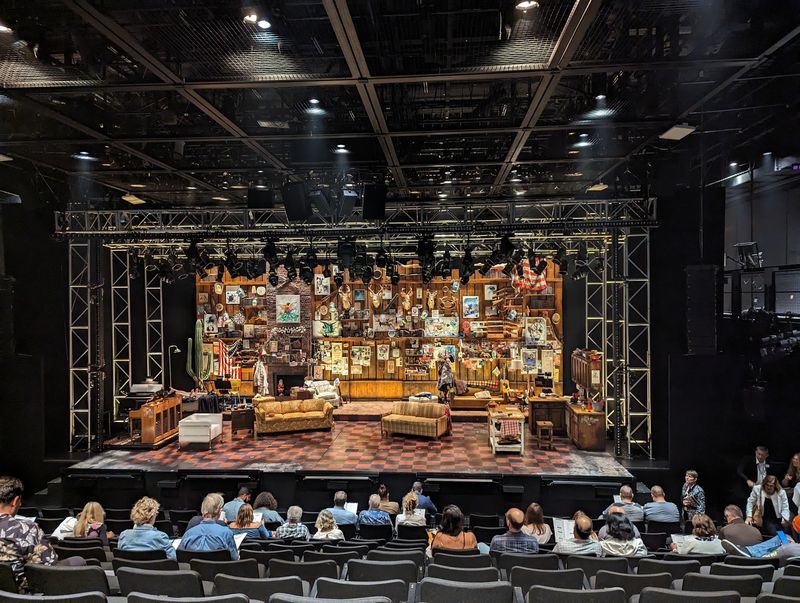
Sending shows to Broadway is one kind of achievement, but earning a Tony Award as an institution is something else entirely.
In 1993, La Jolla Playhouse received the Regional Theatre Tony Award, a recognition that placed it among the most respected performing arts organizations in the United States.
That honor acknowledged not just individual productions but the overall quality and impact of the theater’s work over time.
The Regional Theatre Tony is awarded by the American Theatre Wing and the Broadway League to a theater outside of New York that has made a significant contribution to the theatrical landscape.
Receiving it is a meaningful signal that a regional theater has risen above local relevance and is shaping the art form at a national level.
For La Jolla Playhouse, the timing felt appropriate given everything the institution had already accomplished since its 1983 revival.
Receiving that recognition in 1993 also coincided with a period of growing ambition at the Playhouse.
Productions were becoming more adventurous, and the pipeline to Broadway was beginning to take shape in a more intentional way.
The Tony Award served as both validation and momentum for the years that followed.
Thirty-Seven Productions Have Made The Jump To Broadway
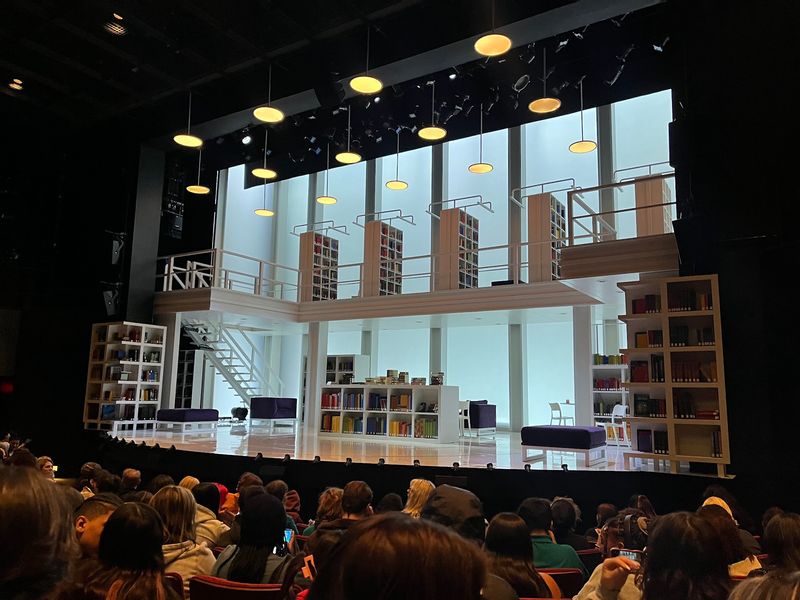
Thirty-seven productions making it from a regional theater to Broadway is a number that deserves a moment of appreciation.
Most regional theaters are thrilled to develop one or two Broadway transfers over the course of their history.
La Jolla Playhouse has done it 37 times, and those productions have collectively won 42 Tony Awards on Broadway. That kind of output reflects something more than luck or timing.
The Playhouse has built a reputation as a place where new work is developed with serious care, where directors and writers are given the space to push ideas further than they might elsewhere.
Productions that originate there tend to arrive on Broadway in strong shape because the development process at La Jolla is thorough and artistically rigorous.
For theatergoers visiting San Diego, that track record adds a layer of excitement to attending a show at the Playhouse.
There is always the possibility that the production on stage could be the next one headed to New York.
That sense of being in the room where something important is taking shape gives each performance an extra charge of energy that is hard to replicate anywhere else.
World Premieres Are A Huge Part Of What Happens Here
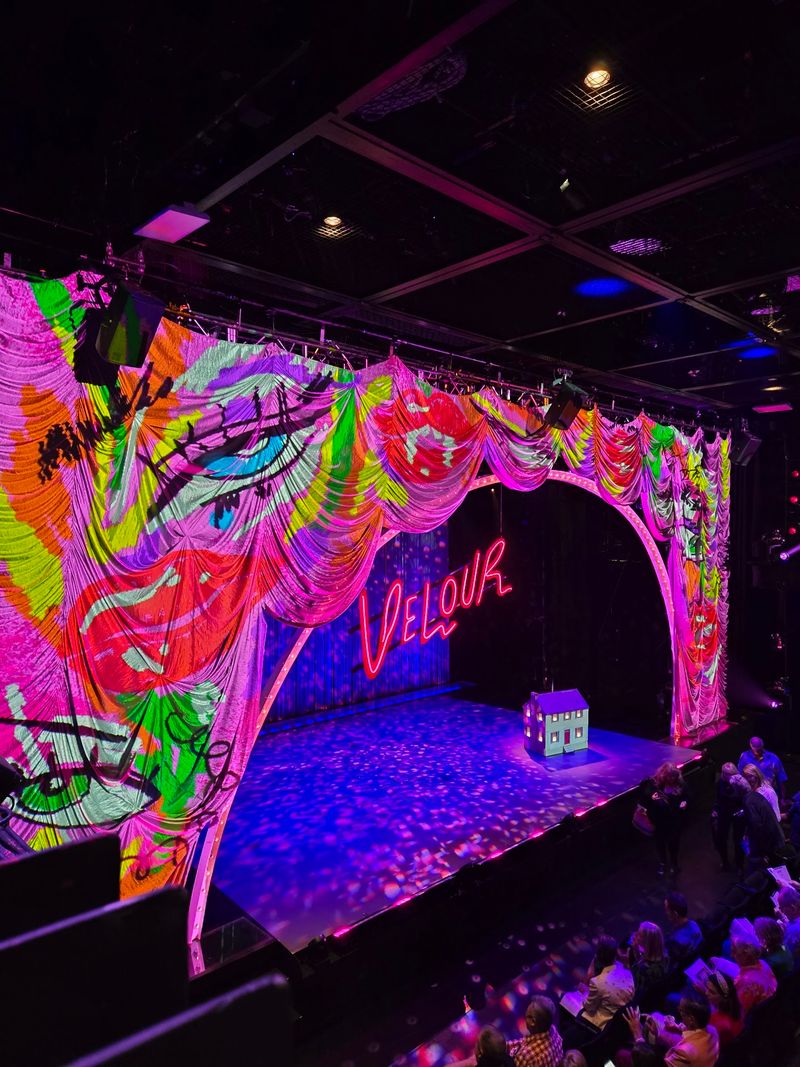
Beyond the Broadway transfers, the Playhouse has built an extraordinary record of developing entirely new work.
The institution reports more than 120 world premieres and over 70 commissioned works, numbers that reflect a deep commitment to original storytelling rather than simply staging familiar productions.
That focus on new work is central to the Playhouse’s identity and mission.
Commissioning a work means investing in a writer or creative team before a single word of the script is finished.
The Playhouse takes that risk repeatedly, trusting that the development process will yield something worth sharing with an audience.
That willingness to invest early in creative ideas has produced some of the most memorable productions in the theater’s history.
For audiences, attending a world premiere carries a particular kind of excitement. There are no advance reviews to consult, no cast recordings to preview, and no sense of what the critical consensus will be.
Visitors to La Jolla Playhouse who catch a world premiere are genuinely seeing something for the first time alongside everyone else in the building.
That shared sense of discovery is one of the more distinctive pleasures the theater consistently offers.
Some Performances Leave The Theater Completely
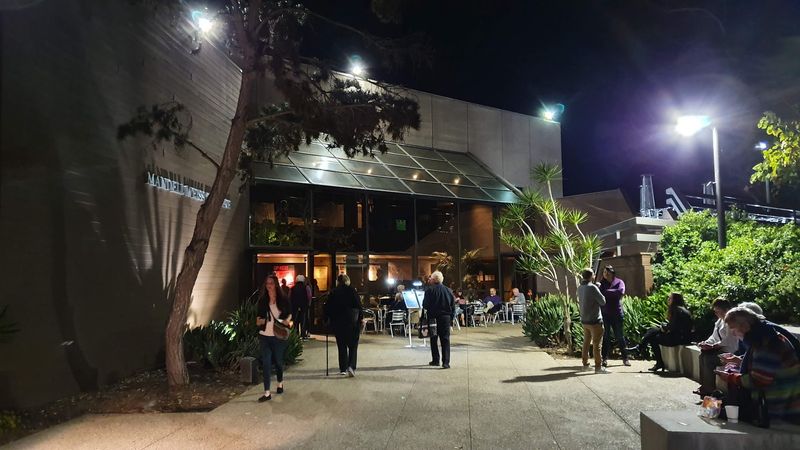
Not every production at La Jolla Playhouse happens inside a traditional theater building. The Without Walls program, often referred to as WOW, takes immersive productions into unconventional locations around the region.
Parks, parking structures, warehouses, and other unexpected spaces have all served as performance venues under the program’s umbrella.
The concept behind Without Walls is to expand what theater can be and where it can happen.
By removing the traditional stage-and-seats setup, productions created under the program invite audiences to experience storytelling in a more physically engaged way.
The relationship between performer and audience shifts when there is no clear boundary separating the two, and that shift tends to make performances feel more immediate and personal.
For visitors to San Diego who are curious about experimental or site-specific theater, the Without Walls program represents one of the more genuinely inventive offerings in the region.
Productions vary in scale and style, ranging from small and quiet experiences to large ensemble works that transform an entire outdoor space.
The Main Theater Is Surprisingly Intimate
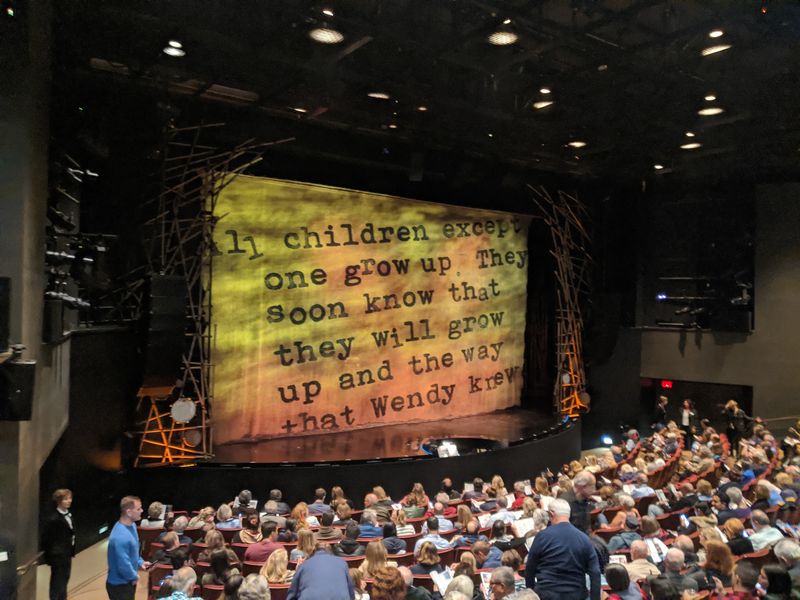
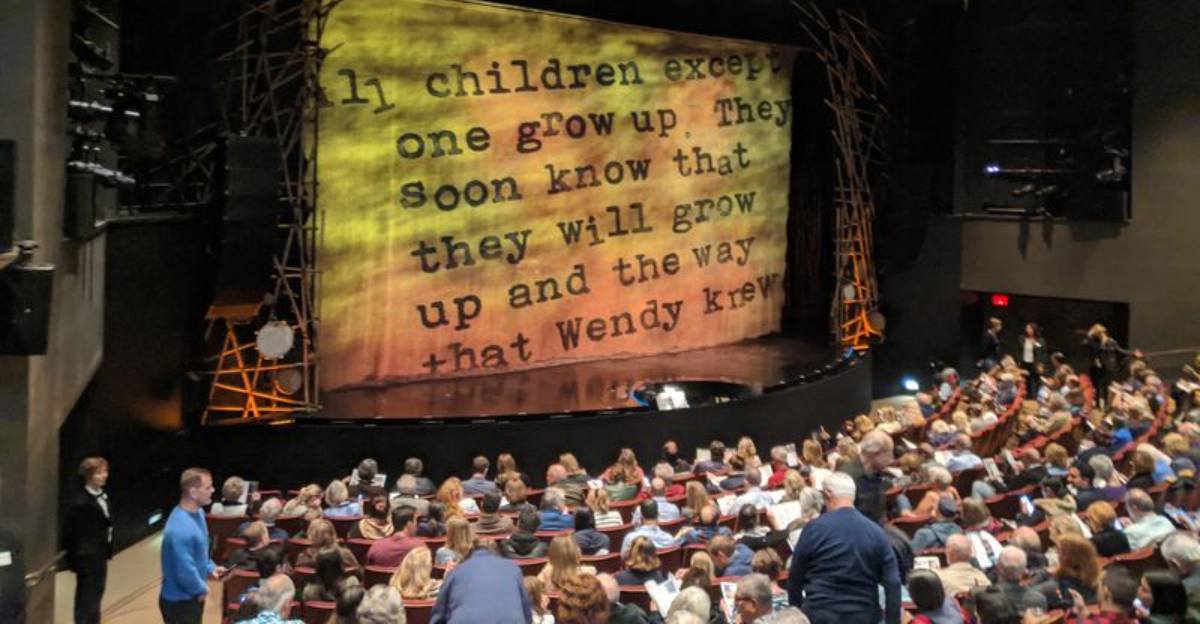
Sitting inside the Mandell Weiss Theatre, the Playhouse’s largest venue, tends to surprise first-time visitors.
The space seats 492 people in its standard configuration, which is considerably smaller than most Broadway houses.
For a theater with such a significant national reputation, the relatively compact scale creates an unexpectedly personal experience.
The venue is located at 2910 La Jolla Village Drive in La Jolla, California 92093, on the UC San Diego campus.
The proscenium arch format of the Mandell Weiss Theatre means that sightlines are generally strong throughout the house, and the limited distance between the stage and the back row keeps the energy of a live performance concentrated and focused.
Audiences tend to feel genuinely close to the action regardless of where their seats happen to be.
That intimacy has practical implications for productions that later move to Broadway, where houses are often two or three times larger.
A show developed in a 492-seat theater has to be calibrated differently than one built for a 1,200-seat house.
The fact that so many La Jolla productions have successfully made that transition speaks to the adaptability of the creative work being developed there.
Attending a show at the Mandell Weiss Theatre offers a chance to see potentially Broadway-bound work at very close range.