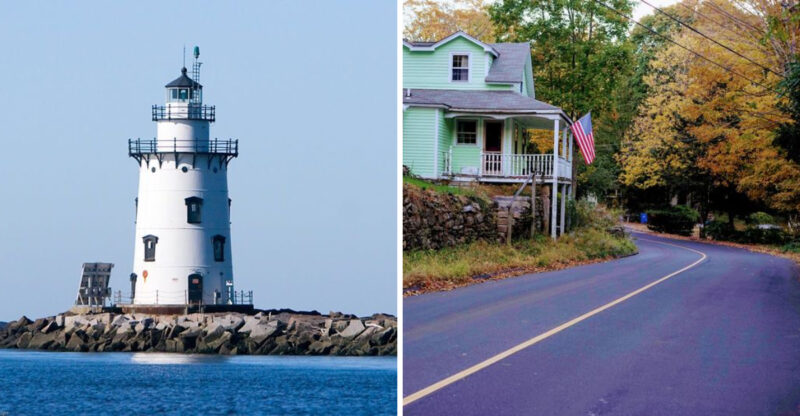
Even Locals Dread The Stressful Traffic In This Connecticut City
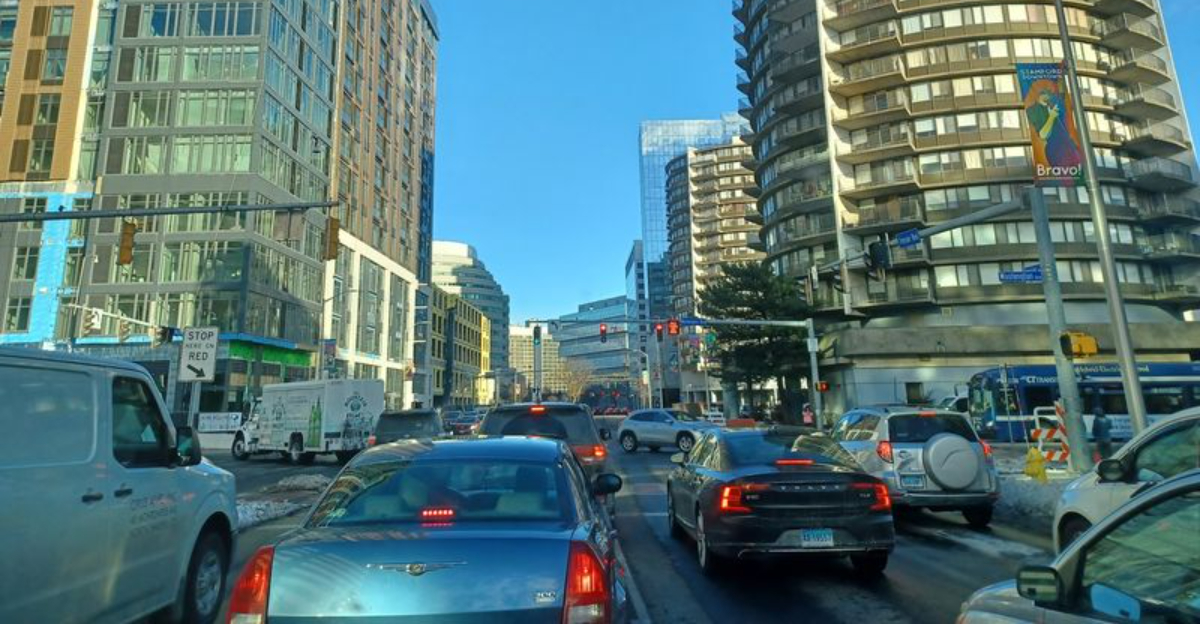
Nothing strengthens a community bond quite like collectively complaining about the same traffic light.
This Connecticut city has plenty going for it, but driving through at the wrong time can test even the calmest person. A short trip can suddenly feel much longer once brake lights start stacking up ahead.
Commuter traffic plays a big role. Busy roads and highway backups can make getting across town feel like a small tactical mission.
Locals know the routine. You leave with extra time, then somehow still end up staring at the same bumper for far too long.
The city is active and well connected, which is great until everybody decides to use those connections at once.
Patience helps. So does accepting that your carefully planned arrival time may now be more of a creative suggestion.
At least the traffic gives everyone something to talk about when they finally get there.
1. Traffic Has Become Part Of Daily Life Here
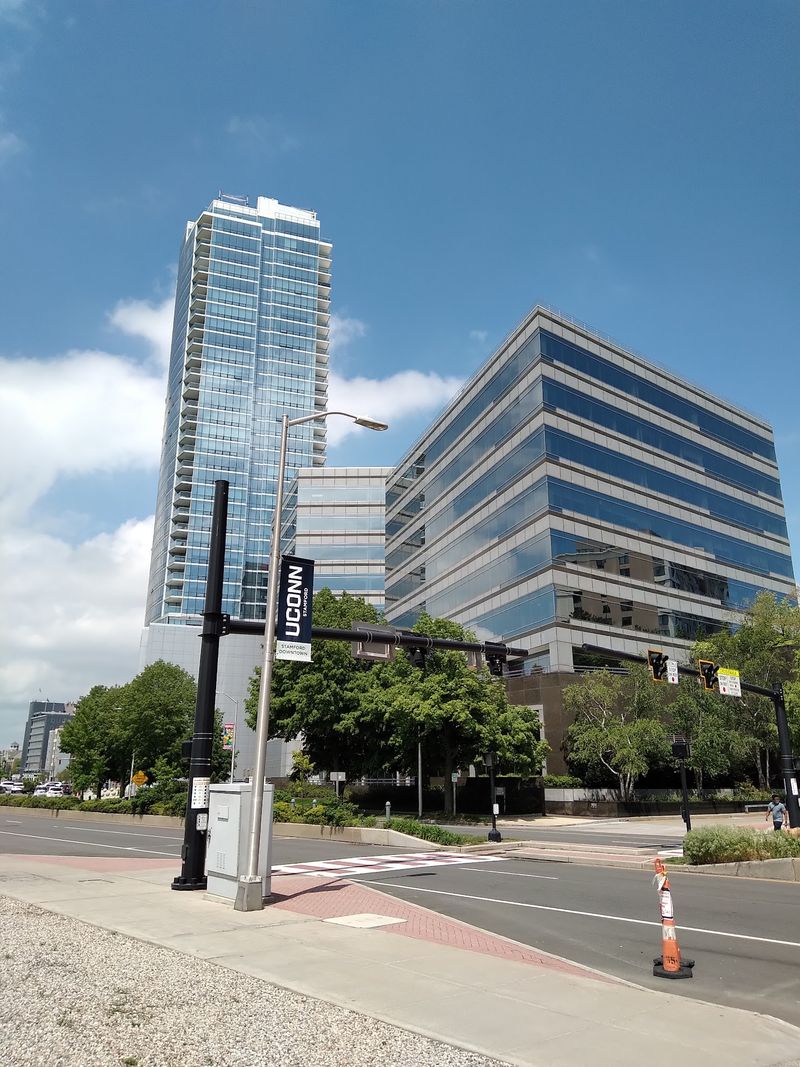
Sitting in a line of cars has slowly turned into a normal part of the daily routine for people living here.
The city has grown quickly, and its traffic tells a complicated story that touches commuters, local shops, and longtime residents alike. Many folks are starting to wonder what the area is trading away as new buildings keep going up.
Overbuilding, weak planning, and a wave of new residents are often pointed to as reasons the roads feel tighter.
Back in the years after World War II, the old downtown was rebuilt with huge six-lane and eight-lane roads that put car movement above everything else.
Narrow streets that once mixed trolley service, cars, and people walking were swapped out for fewer, more direct routes designed mainly for vehicles. That older design still shapes how traffic flows today, and it does not always match the number of cars now using the roads.
For anyone new to the area, planning trips around the heaviest hours can make daily life feel a lot smoother.
2. I-95 Creates Some Of The Biggest Headaches
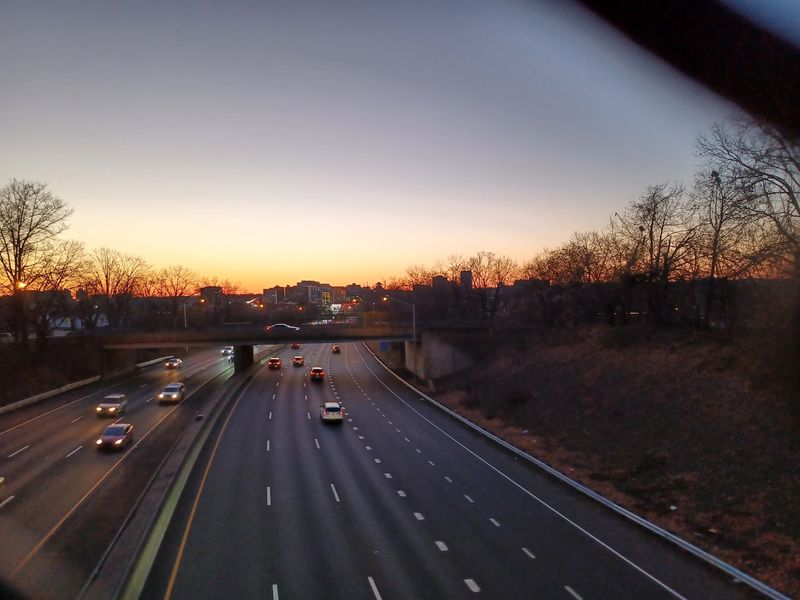
The single biggest source of frustration runs right through town in the form of Interstate 95. Roughly 120,000 vehicles pass through the area on this highway each day, so even a small slowdown can snowball into a major jam.
The southbound stretch through here was named the busiest interstate corridor in the entire country in 2024.
That corridor stretches from Westport through Norwalk, Darien, Stamford, and down to Greenwich. Because the road serves both local drivers and long-distance travelers, it carries local, regional, and interstate traffic all at once.
Morning trips can feel especially rough, and a weekday driver on the southbound stretch may lose around 150 hours to congestion over a year. Near exit 6 southbound, a tricky swing-merge forces entering and exiting cars to blend together, which often leads to full stops.
The Connecticut Department of Transportation is studying ways to improve safety and movement between Interchanges 7 through 9.
New auxiliary lanes between exits 6 and 7 are being built to give drivers more room and time to merge.
3. Congestion Jumped Sharply In Recent Years
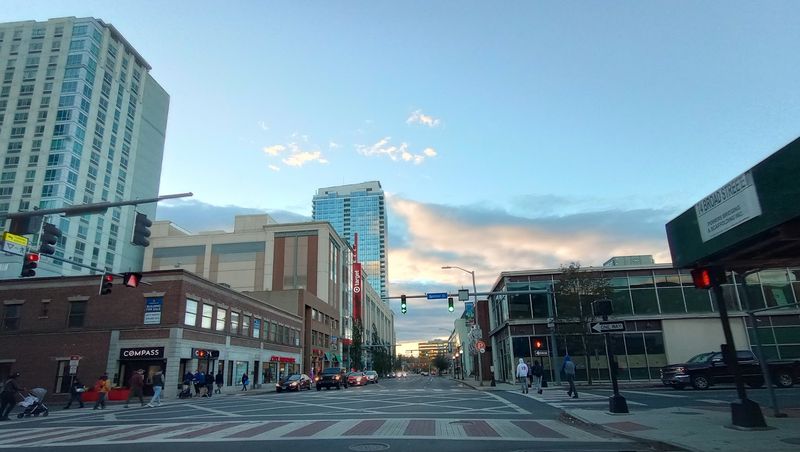
Delays have not just stayed steady around here, they have climbed noticeably in a short window of time.
A 2025 report shows a 13 percent rise in congestion compared to 2024, and a 33 percent jump when measured against 2023.
That kind of climb suggests the slowdowns are outpacing any road or traffic-management fixes being put in place. Hours lost in the urban area went from 40 in 2023 up to 47 in 2024, which works out to an 18 percent increase.
That figure marked the second-largest percentage jump in delays among 25 cities on the list.
Much of the country has bounced back to pre-COVID traffic levels, and two areas in the state now rank among the nation’s worst. Vehicle travel across the state fell by as much as 51 percent in April 2020 during the height of the pandemic.
By December of that year, it had rebounded to only 17 percent below the prior year’s volume.
Keeping an eye on these trends helps drivers set realistic expectations for how long a trip might really take.
4. Drivers Lost Dozens Of Hours To Traffic
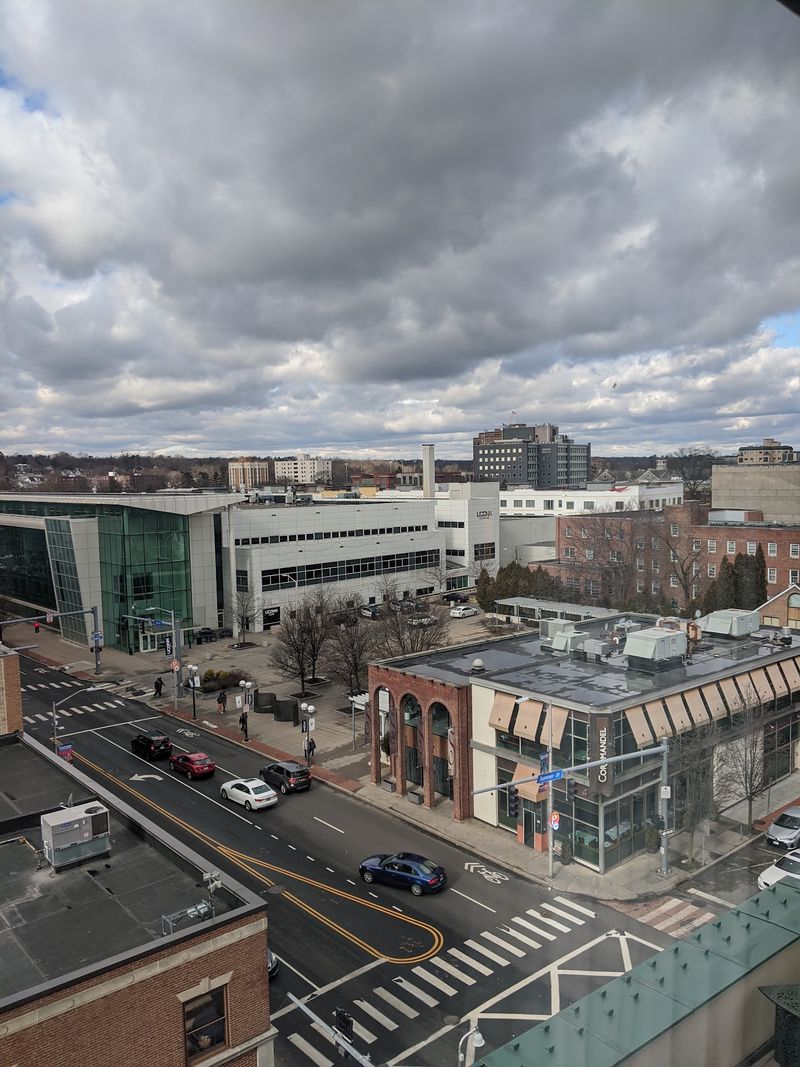
Traffic can quietly consume a surprising amount of the year, especially when the same slowdowns become part of an everyday commute. In Stamford, those delays added up to an average of 53 hours per driver during 2025, according to the INRIX Global Traffic Scorecard.
That placed the city 17th among the most congested urban areas in the country.
The financial impact was significant too. INRIX estimated that congestion cost each Stamford driver about $976 through lost time and additional fuel expenses.
Nationwide, the typical driver lost 49 hours and roughly $894, putting Stamford above both averages.
Other cities in the state fared somewhat better. New Haven drivers lost 31 hours at an estimated cost of $571, while Danbury motorists lost 34 hours and about $626.
Those numbers make small schedule changes feel more worthwhile. Leaving outside the busiest periods can help, while rail service offers another option for certain trips.
With congestion rising in many American cities during 2025, planning ahead can save more than a little frustration.
5. Rush Hour Can Change A Simple Cross-Town Trip
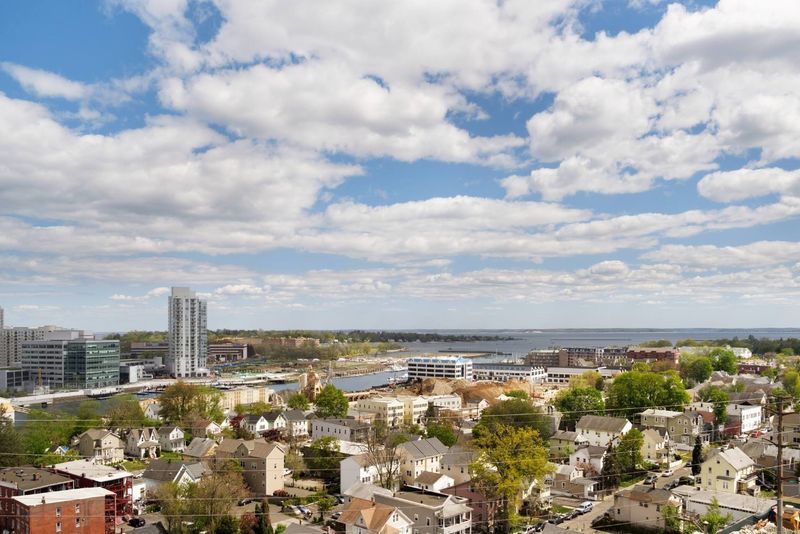
What counts as rush hour here stretches well beyond a quick window in the morning or evening. Southbound congestion can start around 6:30 AM and keep going for more than four hours.
That means big chunks of both the early day and the late afternoon see heavy, sluggish traffic. Along a roughly 24-mile stretch between Greenwich and New Haven, slowdowns can tack on about 20 extra minutes.
That is an increase of 70 to 80 percent over a delay-free trip, and those minutes pile up for daily commuters. A drive from Fairfield to Stamford might take as little as 15 minutes in light traffic, or close to an hour after 8 AM.
The trip home can also run about an hour between 4 PM and 7 PM. Both roads and trains stay busiest from 7 to 9 in the morning and 5 to 7 in the evening.
Even a short hop between the Bedford Street area and the train station can add 10 minutes each way, which totals 83 hours across 251 working days.
6. Downtown Growth Keeps More Cars On The Roads
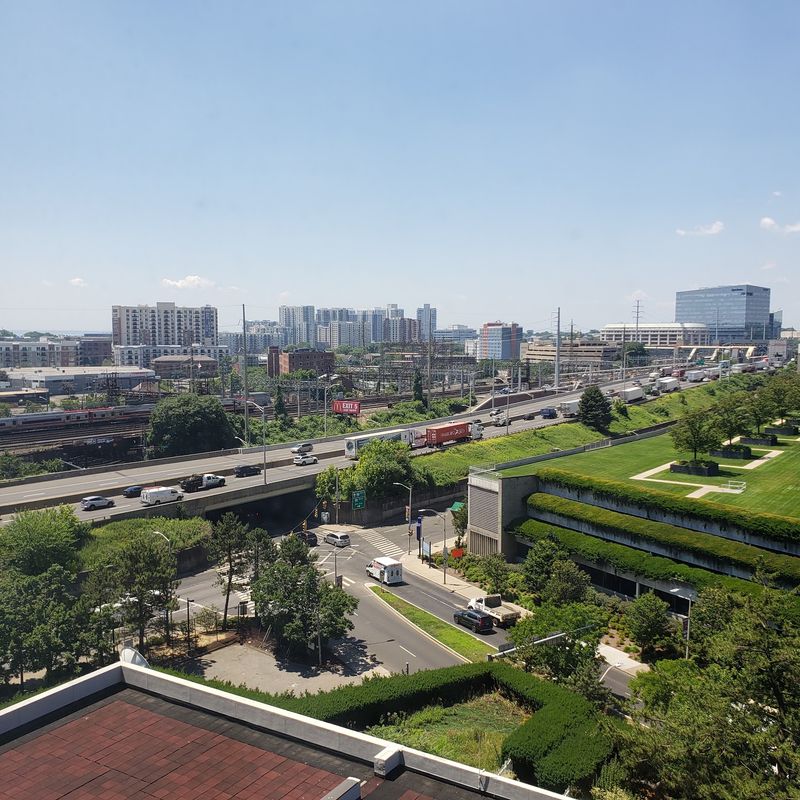
More people are choosing to live downtown, and that growth is changing how Stamford moves. New housing continues to rise near busy streets already handling heavy commuter traffic, adding another layer to the city’s long-running congestion challenge.
State transportation officials expect delays on I-95 through Stamford to worsen in coming decades without major improvements.
Development is not slowing down. The Coastline is under construction with 198 rental apartments planned in a 13-story building, along with 4,400 square feet of ground-floor retail space. Completion is expected in 2027.
Another major residential project is replacing the former Burlington Coat Factory building. Plans call for 280 apartments in a seven-story structure, with about 5,700 square feet of retail space.
The project also includes parking for residents and other users.
Stamford is also pursuing transit-oriented development and transportation improvements intended to reduce dependence on cars over time. The Coastline rises at 130 Broad Street, close to the center of downtown.
Growth alone does not guarantee heavier traffic, especially when homes sit close to transit and jobs. Still, adding hundreds of residents makes better transportation planning increasingly important.
7. Road Projects Add Another Layer Of Frustration
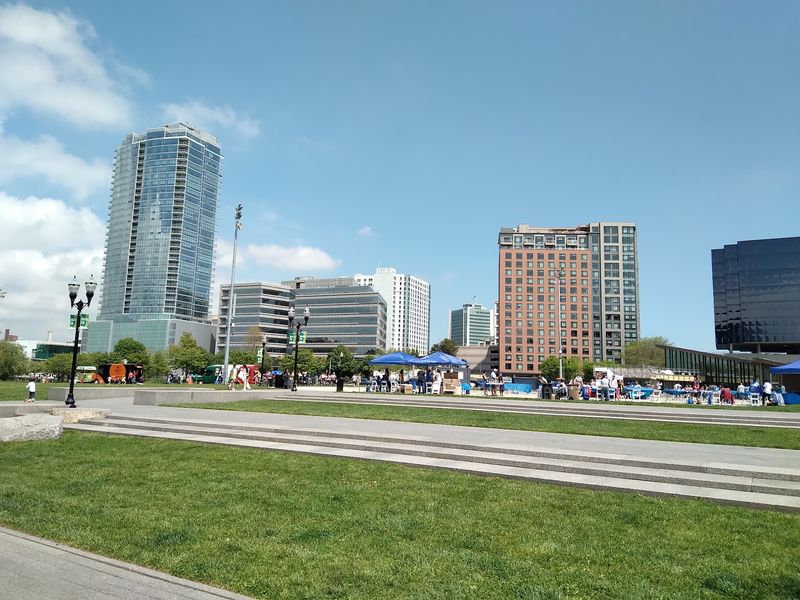
Even the fixes meant to help can create short-term headaches for drivers passing through. A weeklong paving project began in May 2026 on I-95 in both directions between exits 9 and 10 in Stamford and Darien, running nightly from 7 PM to 5 AM.
That work was expected to push extra traffic onto local roads during those hours.
The state transportation department is also studying I-95 between Interchanges 7 and 9, including plans to replace the bridge over the Metro-North Railroad and Myrtle Avenue. New auxiliary lanes between exits 6 and 7 aim to ease the tricky swing-merge near exit 6.
Replacing a failing bridge along the highway will likely spark several related projects, with ideas like an express lane, an elevated road, or a wider highway on the table.
Work is underway at the five-way intersection of Strawberry Hill Avenue, Grove Street, Prospect Street, Hoyt Street, and Hillandale Avenue, where drivers are told to expect delays.
The Bedford and Forest Pedestrian Safety and Plaza Project, started in October 2025 and due in summer 2026, adds signals and raised crosswalks to slow vehicles.
8. The City Is Now State’s Congestion Leader
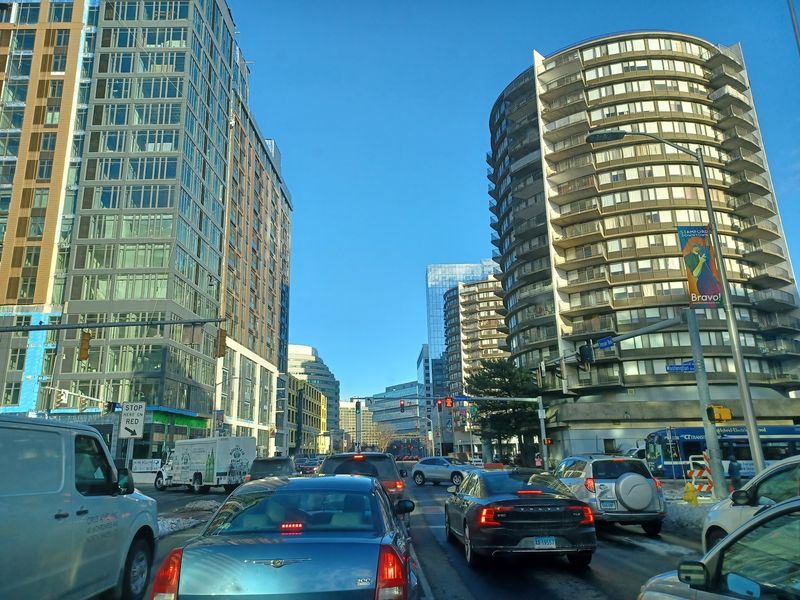
All of these pieces add up to one clear title nobody was hoping to earn. A 2025 report from INRIX ranks the city as the 63rd most congested in the world and the 17th most congested in the United States.
That makes it the most congested city in all of the state. Eight other towns in the state also landed on the INRIX list, though far lower down.
New Haven came in 278th globally and 49th nationally, while Danbury sat at 315th worldwide and 60th in the country. Hartford placed 328th globally and 66th nationally, and Bridgeport ranked 457th worldwide and 102nd in the U.S.
Farther down the list were Derby at 740th, Meriden at 745th, New London at 800th, and Waterbury at 802nd globally.
The southbound stretch of I-95 through the city was officially recognized as the busiest interstate corridor in the country in 2024.
For drivers here, the smartest move is often flexible timing, since a slightly earlier or later trip can save real minutes on the road.