This Serene New Mexico Attraction Lives Up To Its ‘Most Peaceful’ Reputation
Why do so many people journey to one tiny adobe church? That question alone makes this New Mexico landmark difficult to dismiss as another quick roadside stop.
Pilgrims have come here for generations, drawn by deep religious traditions and the famous blessed earth associated with the site.
Yet you do not need to arrive on a pilgrimage to understand that this place carries unusual significance.
The more you learn, the more a five-minute visit starts feeling inadequate. Its history, traditions, and surrounding village reward anyone willing to slow down and pay attention.
Come respectfully and give yourself more time than expected. The reason people keep returning becomes much clearer once you are here.
Where Quiet Begins
My first impression was sound, or rather the lack of it. Birds, a trickle of water, footsteps on gravel. That was about it.
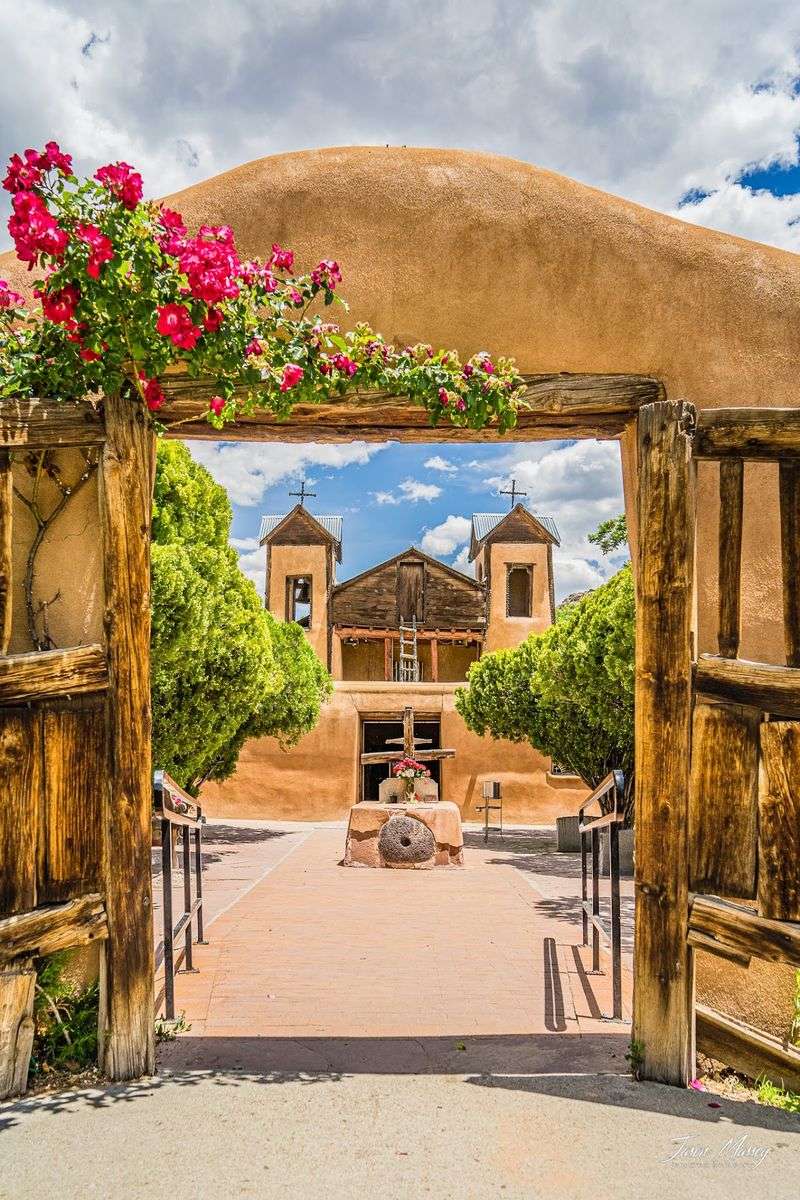
Santuario de Chimayo sits in a small valley village north of Santa Fe, in northern New Mexico. The mountains rise behind it, and the light here turns everything soft and golden.
Visitors often call it the most peaceful spot in the state, and I understand why. The compound holds two chapels, gardens, statues, a visitor center, and shops.
Nothing feels rushed. People wander slowly, speak softly, and pause without needing a reason.
Doors open at 9 AM and close at 5 PM, seven days a week. No tickets are needed, which surprised me for a site this famous.
I arrived shortly after opening on a weekday and had whole corners to myself. By late morning, tour groups began filtering in. You will find it at 15 Santuario Dr in Chimayo, roughly thirty miles from Santa Fe by car.
Give yourself more time than you think you need. I planned thirty minutes and stayed nearly two hours.
A Glowing Hillside Legend
Every good place has an origin story, and this one starts with a light in the dirt. Around 1810, a local man named Bernardo Abeyta noticed a strange glow on a hillside near the Santa Cruz River.
He dug at the spot and unearthed a large crucifix depicting Our Lord of Esquipulas, an image of a dark-skinned Christ. The relic was carried to a church in nearby Santa Cruz.
Then it disappeared and turned up again at the original hillside. That happened repeatedly, according to the story.
The community read the message clearly. The crucifix wanted to stay in Chimayo, so a small chapel was built right there.
That humble chapel eventually grew into the larger adobe structure standing today. I like knowing the church was shaped by a stubborn statue.
Long before any of that, Pueblo and Tewa communities considered this ground sacred. They tied the area to healing energies and named it Tsi-Mayoh, linked to sacred hills.
So the site carried spiritual weight for centuries before 1810. Faith simply layered onto faith here in northern New Mexico.
The Little Well Room
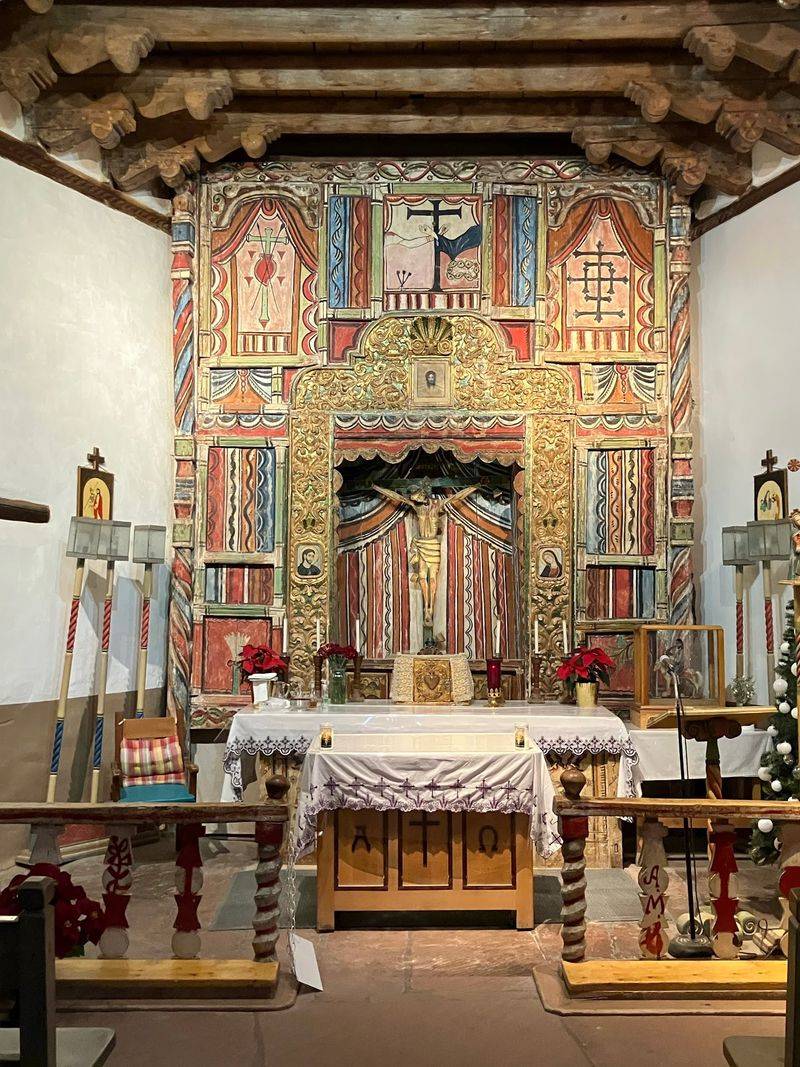
Tucked off the main sanctuary sits the room that made this shrine famous. Locals call it el pocito, meaning the little well.
A circular pit in the floor holds sandy earth known as tierra bendita, or holy dirt. Visitors kneel, scoop a handful, and carry it away.
Many believe the soil supports healing. Some mix it with water, others simply keep it in a pouch at home.
The gift shop sells small containers for a couple of dollars, or you can bring your own from home. I brought a tiny screw-top jar and felt very prepared.
The pit is refilled by the sanctuary, so do not worry about taking your share. Just be gentle and mindful of the line behind you.
Right beside it is a prayer room lined with crutches, walking aids, photographs, and handwritten notes. People leave them after journeys of hope.
I stood there longer than anywhere else in Santuario de Chimayo. The wall of ordinary objects says more than any plaque could.
One rule to remember: photography is not allowed inside the chapels. Cameras stay put away, which honestly helps the mood.
Walking Through Holy Week
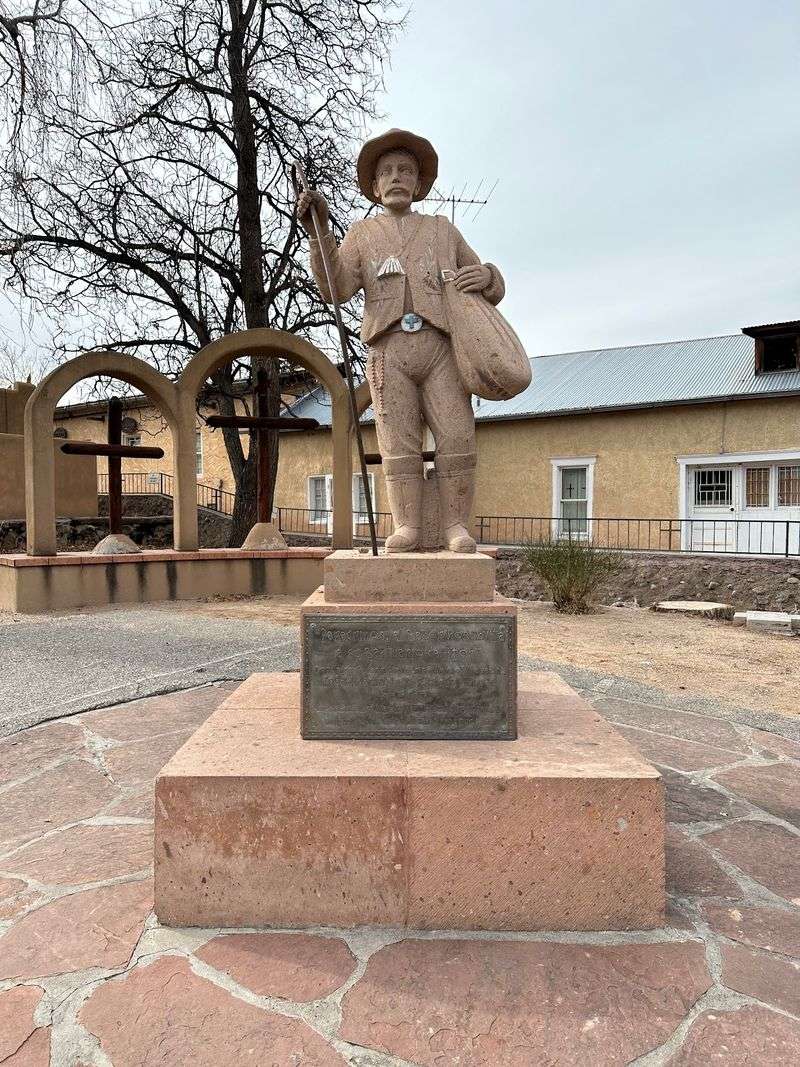
Imagine thirty thousand people walking toward one small church. That is Holy Week here, and it ranks among the largest Catholic pilgrimages in the United States.
Some pilgrims set out from Santa Fe, about thirty miles away. Others start near Albuquerque and cover more than ninety miles on foot. A few walk barefoot. Others carry tall wooden crosses the whole way as acts of devotion.
Neighbors along the routes hand out water and offer shade. The roadside turns into one long chain of encouragement.
Overall, hundreds of thousands of people visit the shrine each year. That number climbs sharply around Easter. I visited outside pilgrimage season and had space to breathe. Friends who came at Easter describe an energy that is hard to forget.
If you want the crowds and the shared purpose, aim for Holy Week. If you want stillness, late May works beautifully.
Weekends and holidays fill the parking areas fast either way. Weekday mornings remain my personal recommendation.
Whichever timing you pick, wear sturdy shoes. Even short walks around the compound involve slopes and gravel.
Adobe Walls, Carved Saints
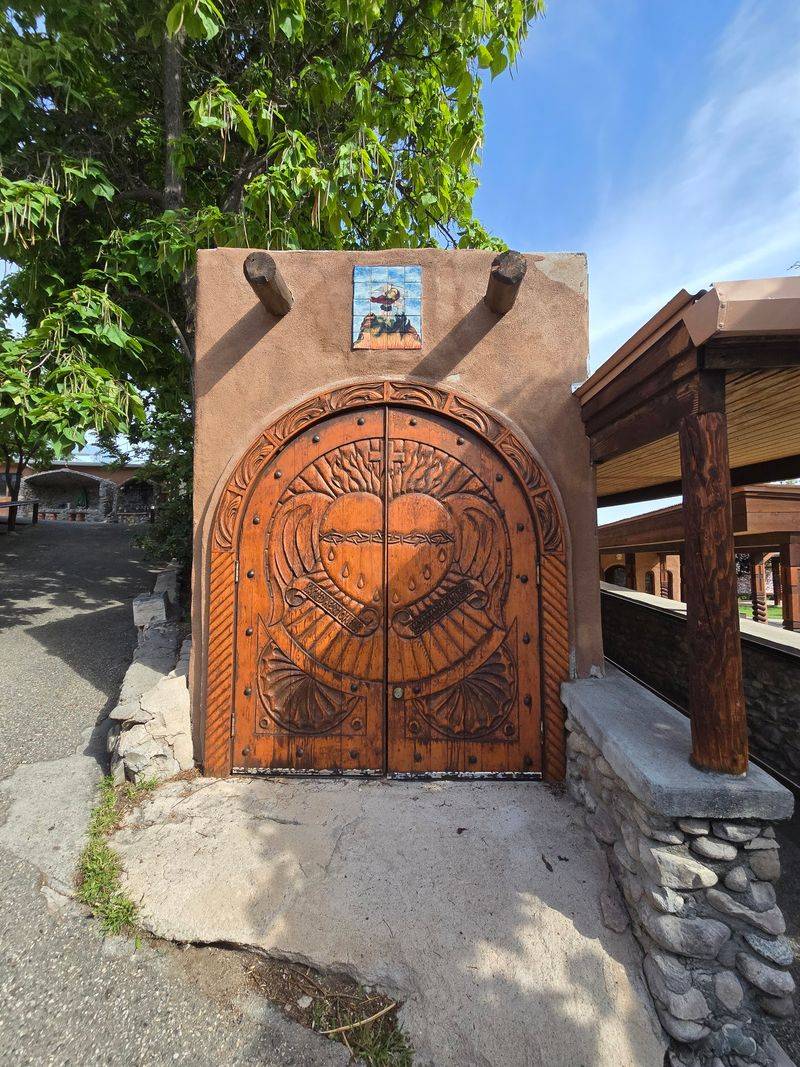
Thick walls do wonderful things to a hot afternoon. Some measure more than three feet across, and the temperature drops the moment you step inside.
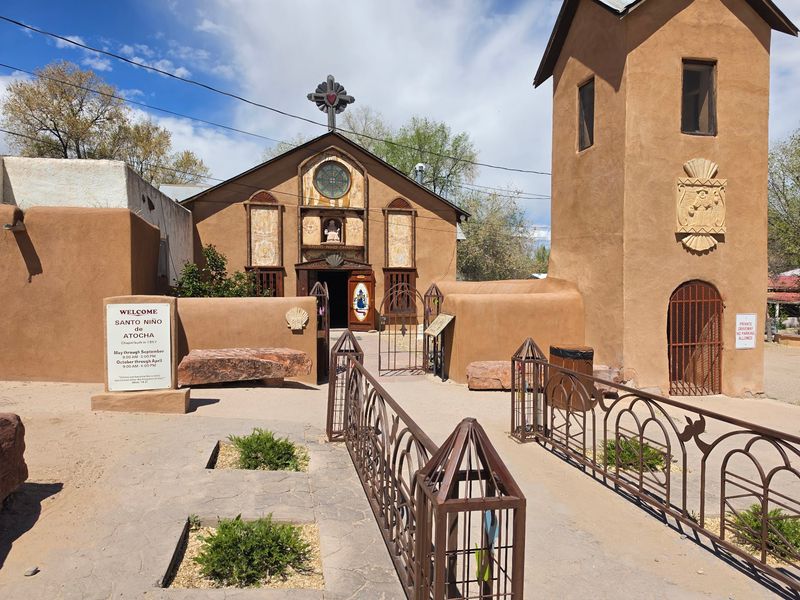
The church dates to 1816 and shows off Spanish Colonial design at its most grounded. Two front towers rise up, each capped with a belfry and a pointed cap.
The entrance doors were carved by a 19th-century artisan named Pedro Dominguez. Their detail rewards a slow look before you go in.
Inside, the nave holds 19th-century Hispanic religious folk art. Hand-carved wooden santos line the space alongside painted religious scenes.
Five decorated reredoses, or altarpieces, fill the interior. One sits directly behind the main altar, framing the miraculous crucifix of Our Lord of Esquipulas.
A timbered ceiling stretches overhead, and rough-plastered walls catch the candlelight. The whole room feels handmade rather than manufactured.
The mood in this chapel leans somber and reflective. Remember, no photos inside. I ended up sketching a saint in my notebook instead, badly but happily.
Children’s Shoes And Kindness
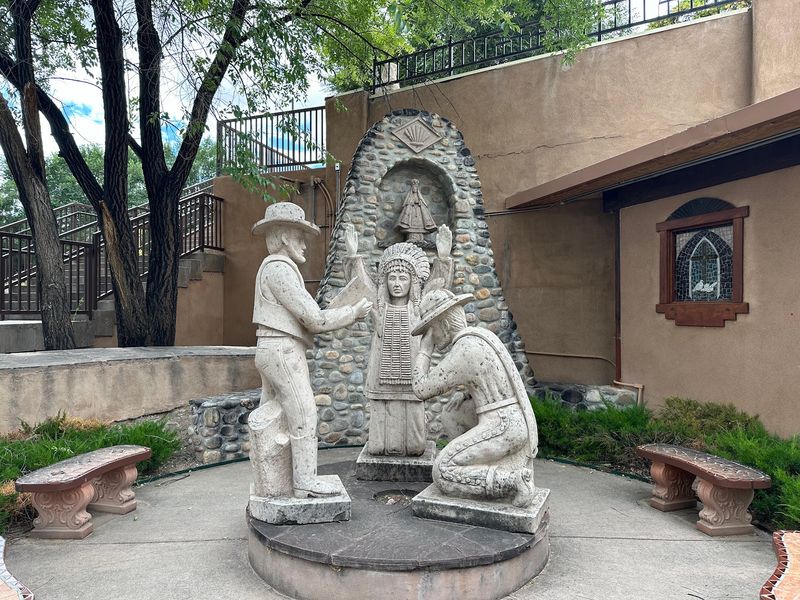
A short stroll from the main church stands a chapel dedicated to children. Built in 1857, it honors the Santo Nino de Atocha, or Holy Child of Atocha.
Walk in and you will notice shoes. Dozens and dozens of tiny pairs, left along the walls by visitors.
The tradition comes from a beloved legend. The Holy Child supposedly wore out his shoes traveling to bring food and water to prisoners.
So pilgrims leave replacements for his next journey. It is one of the sweetest customs I have encountered anywhere. The mood here differs sharply from the main sanctuary. Where one chapel feels somber, this one brims with symbols of life and joy.
The carvings deserve attention too, and fewer people wander through. I found the stillness here even deeper than in the main church.
History runs through this small building as well. After World War II, survivors of the Bataan Death March came here to give thanks.
Many visitors skip it entirely, rushing back to their cars. Do not make that mistake at Santuario de Chimayo.
Gardens, Stream, Stone Stations
My favorite five minutes involved no chapel at all. I sat on a bench beside the little stream and listened to water move.
The grounds are well kept and easy to explore. Paths wind past gardens, statues, and shaded spots perfect for pausing.
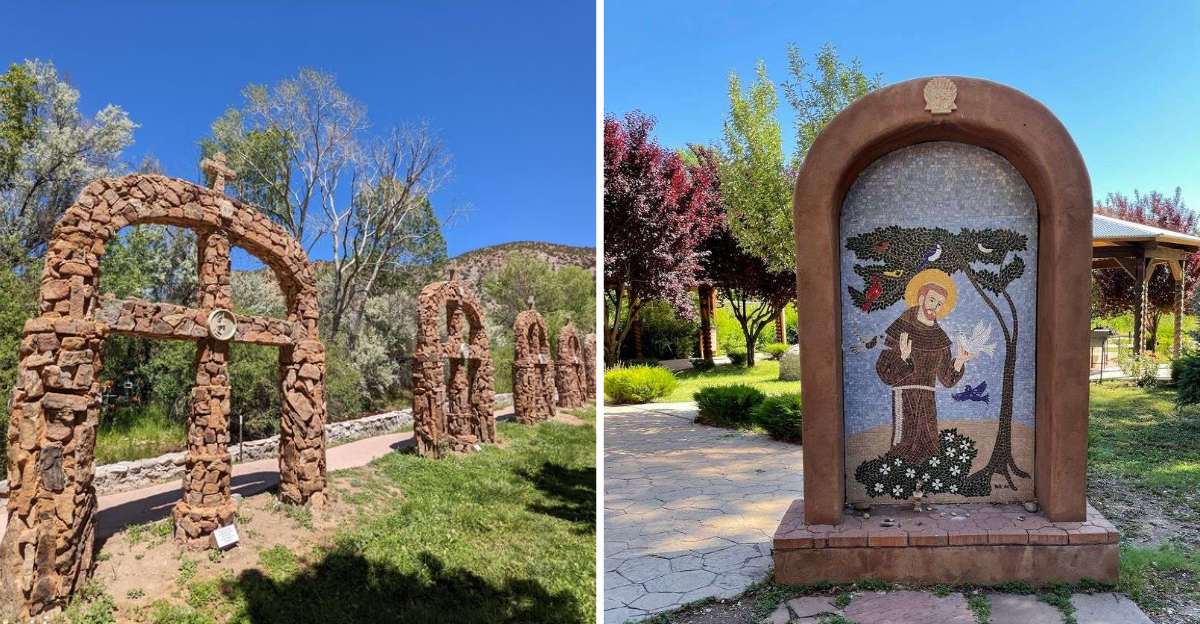
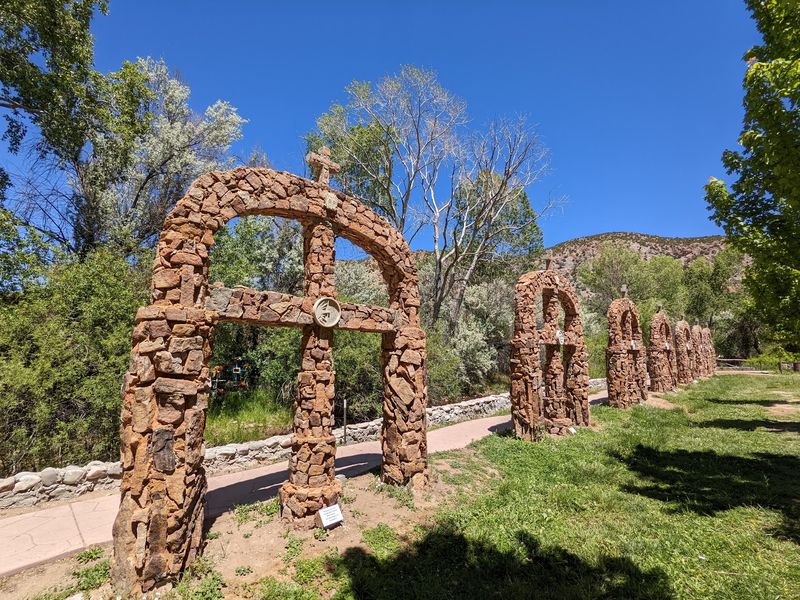
Fourteen stone relief carvings form the Stations of the Cross. They were installed relatively recently and follow a walking route across the property.
Prayer cards are often available to guide you through each station. Even visitors who are not religious tend to find the walk calming.
The shrine sits along the High Road to Taos, a scenic drive through northern New Mexico. Many travelers make this their first significant stop after leaving Santa Fe.
Old adobe homes, huge cottonwoods, and working farms fill the valley nearby. The drive alone justifies the trip.
Accessibility is better than I expected for such an old site. ADA access reaches the upper areas, including the chapels and the dirt room.
Bring a light jacket in spring and fall, since shade near the stream stays cool. Sunscreen matters year round.
Weavers, Chile, And Crafts
Hungry travelers, take note. The village around the shrine feeds you well and sends you home with something handmade.
Chimayo is famous for weaving, and generations of the Ortega and Trujillo families have kept the craft alive. Their shops display rugs, blankets, and textiles with bold regional patterns.
Watching a loom in motion made me appreciate every stitch. These designs carry centuries of local heritage.
Gift shops on the compound sell souvenirs, local artists’ work, and containers for holy dirt. I picked up a small carved piece and regretted nothing.
For food, Rancho de Chimayo serves Northern New Mexico cooking that people drive miles for. La Fonda near the shrine offers traditional plates too.
A tip worth repeating: midday brings long waits at the cafe. Eat early or late and skip the crowd entirely. Chimayo chile has serious regional fame. If you see it on a menu, order it and thank me later.
The area around Santuario de Chimayo rewards unhurried exploring. Roll the windows down and take the side roads.