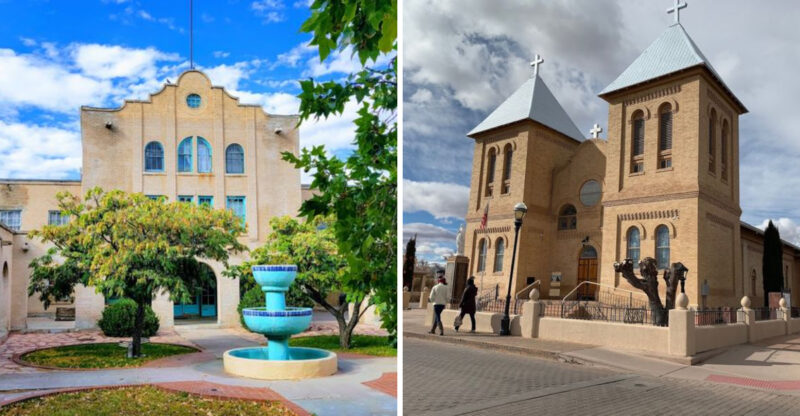
The High Desert Art Town In New Mexico With An Unbelievable Number Of Culinary Stars
I always thought New Mexico was just about wide open spaces and cool art.
Then I heard about this high desert town that’s packed with amazing chefs.
Seriously, you wouldn’t expect a place like this to have so many great places to eat.
It’s got that artsy vibe, sure, but the food scene is what really surprised me.
One minute you’re checking out a gallery, and the next you’re eating something you’d expect in a big city.
If you’re into art and food, this spot is kind of a dream.
Let’s talk about what makes it so special.
A City Built On History
Layers of time exist here. Every corner reveals a story from long ago.
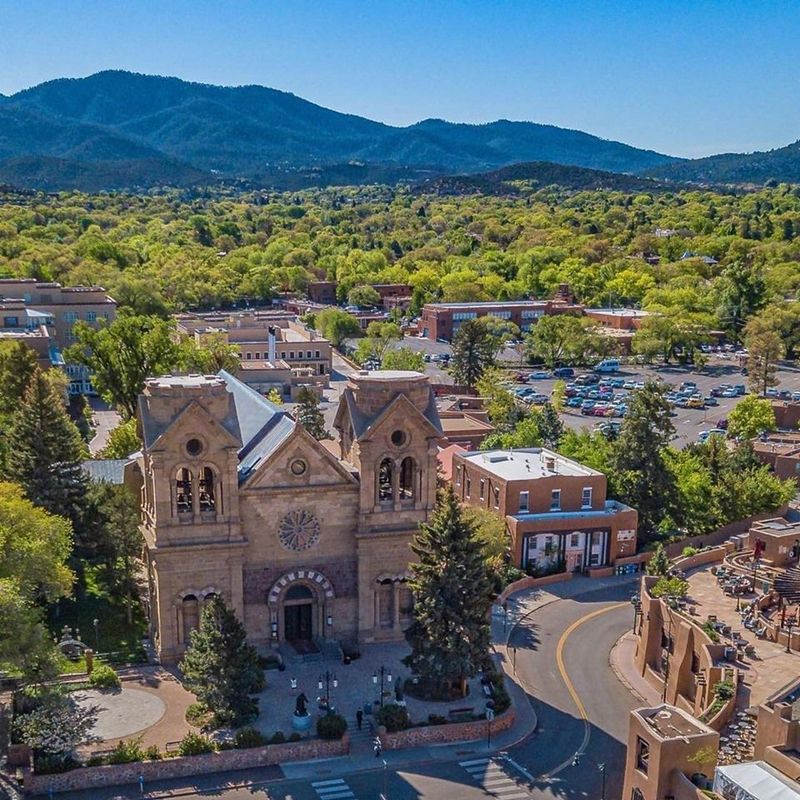
Finding oneself at the heart of the settlement provides an immediate sense of the past. Established as a Spanish colonial seat in 1610, this location is one of the oldest state capitals across the nation.
Such a distinction is quite significant for any municipality to maintain. Traversing the winding, narrow paths of the historic neighborhood brings you past adobe structures that have endured for centuries.
The experience feels profoundly moving as you observe the preserved craftsmanship. Can you believe this plaza has remained the social center for over four hundred years?
A majestic structure anchors the central square with a quiet sense of authority. This landmark, known as the Palace of the Governors, stands proudly at 105 West Palace Avenue.
It remains one of the most ancient public buildings in continuous use within the country today. Currently, it serves as the New Mexico History Museum, where various displays follow the local narrative.
Indigenous creators gather under the long porch of the palace. They offer handcrafted ornaments, clay vessels, and traditional items directly to those passing by.
This practice has persisted for many decades and serves as a premier cultural bridge. Every paving stone and carved entrance in this district shares a piece of the chronicle.
The Culinary Star Power
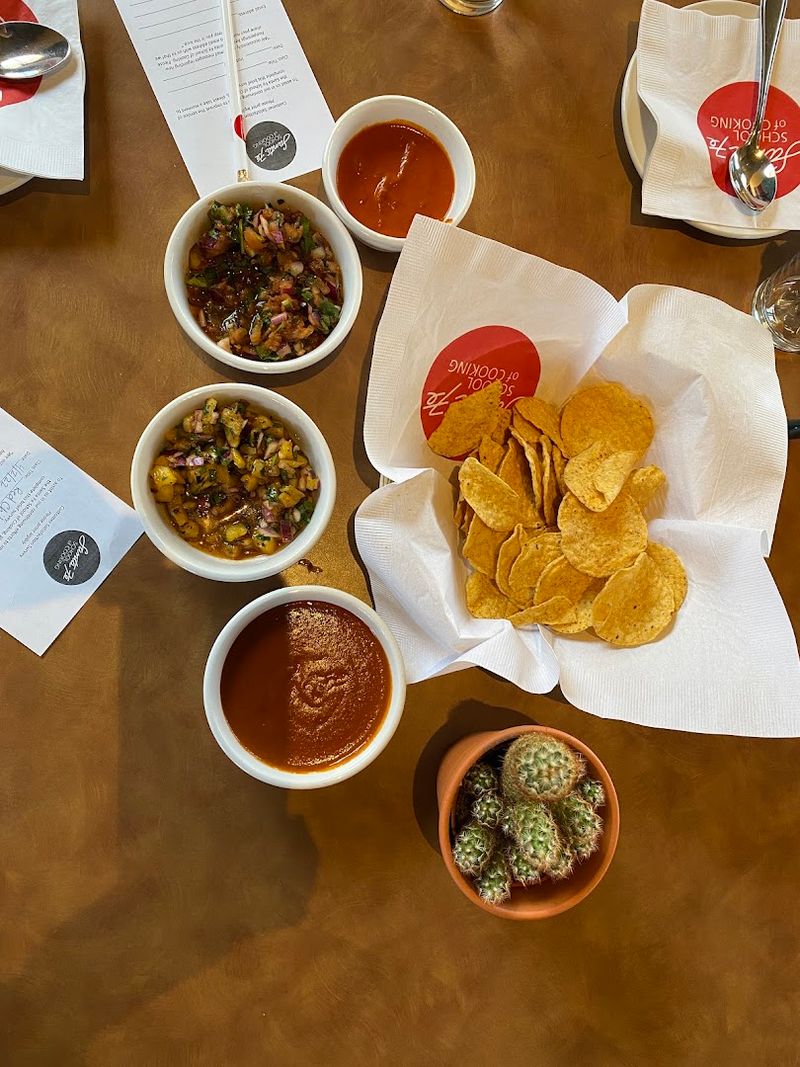
Food here is a serious matter. It is a fundamental part of the local identity.
This mountain municipality has quietly transformed into a premier dining destination. Statistics regarding the local kitchen talent support this reputation extensively.
The city possesses an incredible density of prestigious award nominees and culinary accolades. Such a concentration of talent is quite remarkable for a community of this size.
Regional kitchens do not merely serve meals. They narrate the saga of the high desert through every individual plate presented.
I was surprised by the complexity found in such traditional ingredients. The local fare draws from centuries of established customs.
Menu items frequently highlight roasted green pods, blue kernels, slow-cooked corn stew, and wild game. These components mirror the Indigenous and colonial ancestry of the territory.
You will likely not encounter this specific taste profile executed with such precision elsewhere. Certain establishments located near the main square or along the famous gallery street have secured national acclaim.
They offer inventive interpretations of Southwestern cooking methods. The dining landscape maintains a profound link to local cultivators and tribal food harvesters.
The reason the gastronomy feels so impactful is its rooted nature. Professionals in these kitchens are not pursuing fleeting fads.
Canyon Road’s Art World
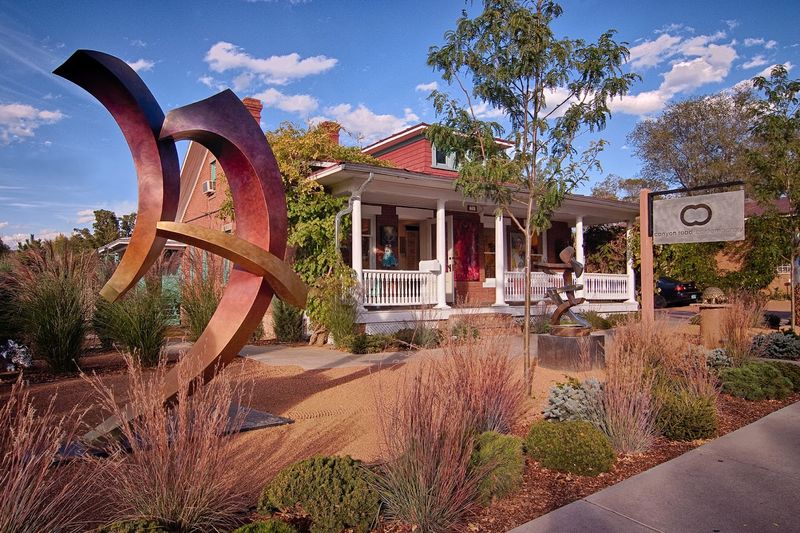
Creativity flows down this specific street. It is a place where imagination takes a physical form.
This narrow corridor lives up to its prestigious standing in the global creative market. Extending approximately half a mile through the eastern section of the town, the lane features dozens of galleries within a short walkable stretch.
This makes it one of the most concentrated art gallery districts in the United States. The high desert light has long enticed painters and photographers to this altitude.
This specific road is where that massive creative output is displayed and traded. Styles vary from ancestral clay work and woven textiles to modern non-objective paintings.
Even if you aren’t seeking a new acquisition, wandering this path is a journey of its own. Numerous galleries permit visitors to explore their hidden patios and gardens.
It is entirely acceptable to spend a whole afternoon drifting between different spaces without any obligation to purchase. The social gatherings held on Friday evenings attract large groups of residents and travelers.
People meander from one hall to another, appreciating the visual displays and the communal spirit. These events occur most weeks and provide an accessible way to engage with the creative pulse.
If you are an established collector or someone who simply enjoys aesthetics, this street has a way of calming your pace. It forces you to observe the environment with greater intention.
High Desert Landscape
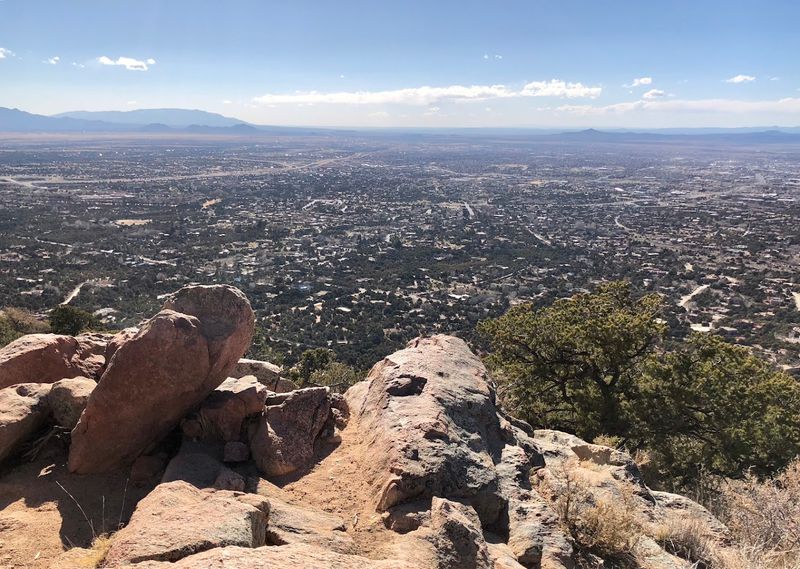
Nature dominates the horizon. The surroundings are among the most striking in the entire region.
The municipality rests within the lower slopes of the Sangre de Cristo range. These peaks represent the most southern portion of the massive Rocky Mountains.
At an elevation of approximately 7,200 feet, the altitude ensures refreshing summers. It also provides crisp autumn mornings and winters that blanket the nearby summits in white.
The terrain consists of hardy pine trees and low-growth forests. Red rock structures and expansive skies create a backdrop that appears almost infinite.
Sunrise and sunset events possess a theatrical intensity here. The mountains to the west frequently turn brilliant shades of rose and gold.
Pathways for exploration extend in every direction from the city limits. A nearby trail network offers well-kept routes through the foothills just minutes from the urban center.
For those seeking deeper immersion, the nearby wilderness areas provide rugged options for seasoned explorers. A mountain resort situated roughly sixteen miles from the city core operates a full winter sports zone.
It typically welcomes guests from late autumn through the early spring months. Can you believe the variety of terrain available within such a short drive?
The light at this elevation has a clarity that is hard to describe. This natural beauty is a major reason why people have been drawn to the area for centuries.
Pueblo Architecture Explained
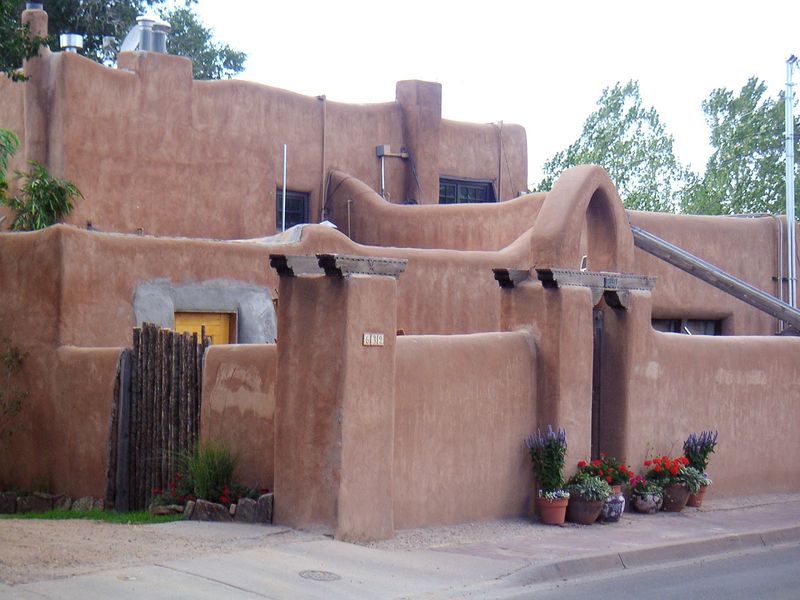
The buildings tell a story of unity. You quickly notice a consistent visual harmony across every street.
Strict design regulations ensure that all new structures and repairs follow specific traditional styles. This translates to soft-edged clay-colored walls and level rooftops.
Exposed wooden beams and natural tones allow the urban environment to blend into the surrounding desert. Even standard retail outlets and quick-service eateries must follow these aesthetic rules.
This keeps the visual character of the town incredibly cohesive. I was shocked to see even the most modern conveniences dressed in ancient styles.
It represents one of the oldest continuously inhabited villages on the continent. The city utilizes this living history as its primary architectural blueprint.
Using earth for construction is a functional choice as well as a stylistic one. The massive walls absorb solar warmth during the day.
They release that stored heat slowly during the cooler nights. This creates a natural climate control system suitable for extreme temperature shifts.
As you wander the neighborhoods, you begin to value how intentional this visual consistency is. It contributes significantly to a sense of place that is entirely unique.
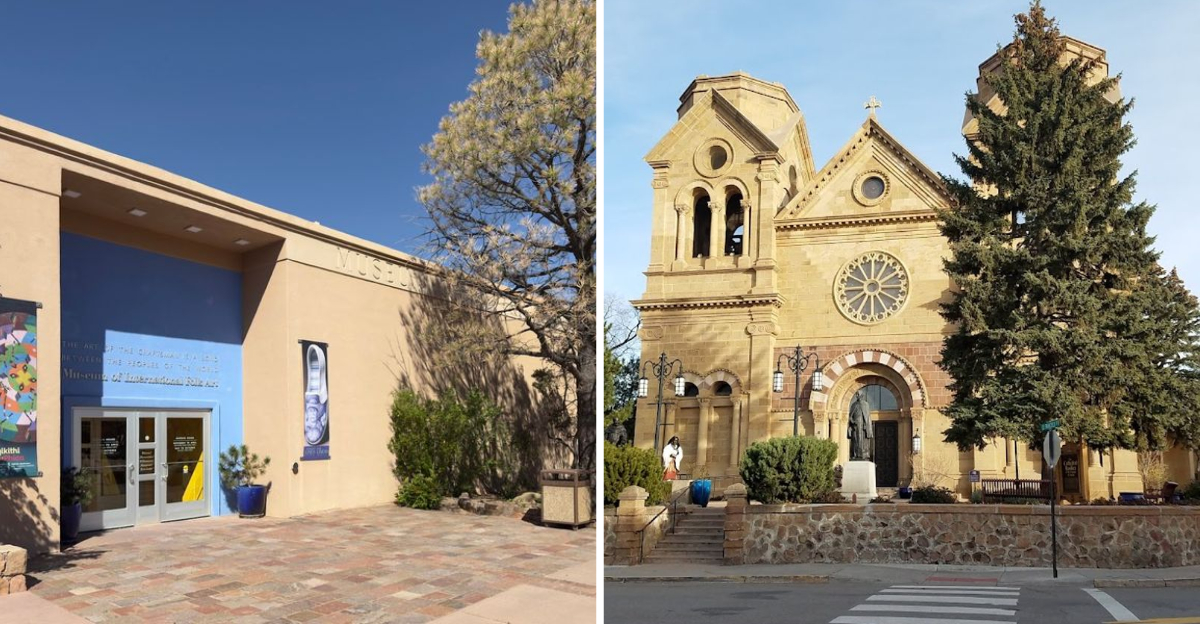
Museum Of International Folk Art
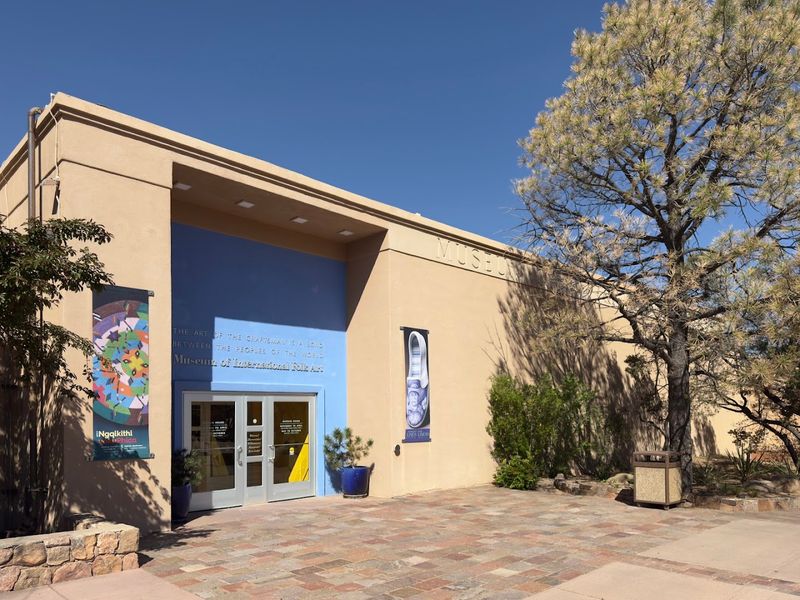
Culture is concentrated here. This small city offers an array of institutions that rivals much larger metropolises.
Visitors can easily access several world-class facilities within a short walk of the central plaza. Museum of International Folk Art, located at On Museum Hill, 706 Camino Lejo, Santa Fe, NM 87505, preserves a massive permanent collection of regional works.
It focuses on creators from the early twentieth century who moved to the area. The structure itself is a masterpiece of the local design style.
The facility houses some of the most extensive collections of her pieces anywhere. It successfully explains her deep connection to the local scenery that influenced her most famous paintings.
Other major institutions are situated on a dedicated hill just a short ride from the center. Together, they offer comprehensive looks at folk traditions and Indigenous artistry.
These collections are considered some of the finest in the country. Devoting a few days to visiting these halls provides a profound grasp of the cultural forces.
The sheer variety of human expression gathered here is impressive. It is easy to lose track of time while exploring these curated histories.
Each gallery adds a new layer to the overall narrative of the high desert. You leave with a much deeper appreciation for the local heritage.
Santa Fe Farmers Market
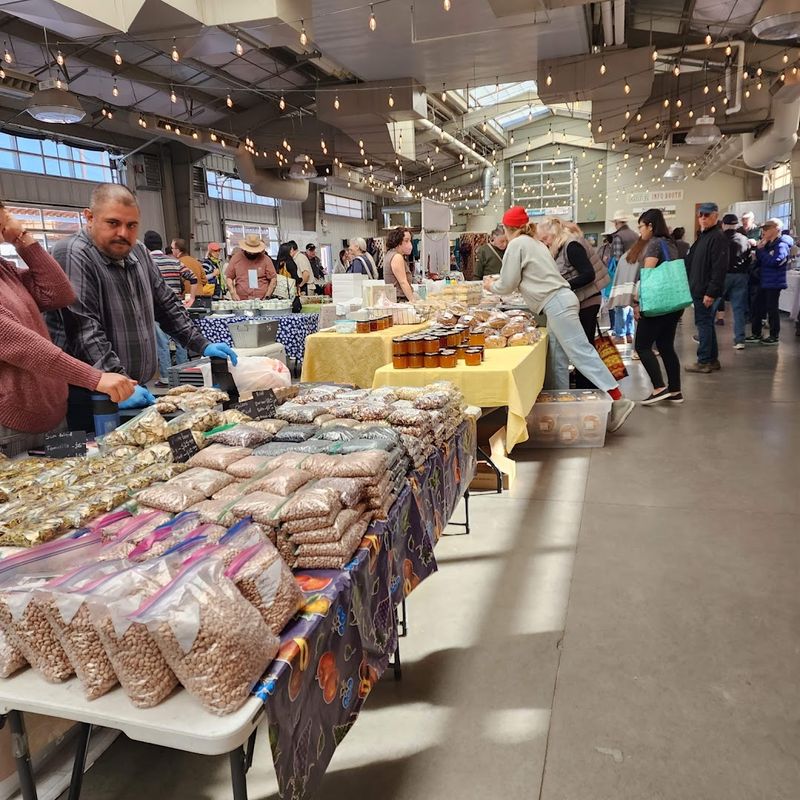
Saturdays possess a unique rhythm. The local railway neighborhood becomes a hub of activity as the sun rises.
A weekly gathering at the local market is a vital tradition for many residents. Operating throughout the entire year at 1607 Paseo de Peralta, this event is among the largest in the state.
It attracts hundreds of sellers offering everything from spicy pods and heritage grains to handmade soaps. What distinguishes this gathering is the rigid requirement for all participants.
Every item sold must be produced or grown within the boundaries of the state. Can you believe the freshness of the goods available in the middle of a desert?
The surrounding park and creative complex enhance the overall experience. Galleries and green spaces create a community environment that feels incredibly welcoming.
Mobile food kitchens set up alongside the produce tables, allowing for a long morning of exploration. Arriving early on a Saturday ensures the diverse selection of seasonal crops.
It also provides a front-row seat to one of the most authentic communal rituals. The atmosphere is filled with the scent of roasting peppers and fresh bread.
It is a place where you can meet the people who actually grow the food you eat. This direct connection makes every purchase feel more meaningful.
It is a true celebration of the local land and its bounty. This event showcases the resilience and variety of regional agriculture.
Practical Visitor Tips
Preparation is essential for success. Navigating a high-altitude environment requires a bit of foresight and care.
Adjusting to the elevation of 7,200 feet is the primary concern for newcomers. Drinking significant amounts of water and resting during the first day will help your system adapt.
It is wise to avoid heavy activity until you feel fully acclimated. The arid atmosphere causes moisture loss much quicker than people expect.
Carrying a reusable container for fluids is a very smart move. The sun is also much stronger at this height, so protection is necessary even on cooler days.
The ideal windows for a trip are late spring or the beginning of the autumn season. Summer often brings brief afternoon storms and the largest crowds of travelers.
Winter provides a more peaceful experience, frequently featuring beautiful snow on the nearby ridges. Finding a spot for a vehicle near the center can be difficult during peak hours.
Many of the most interesting sites are within walking distance of each other. Choosing a place to stay near the historic core eliminates the stress of daily navigation.
This destination rewards a slower pace of travel more than almost anywhere else. Allocating extra time to simply sit and observe the surroundings makes the journey much more fulfilling.
Taking the time to breathe and watch the light change is the best way to experience the magic. It is an invitation to slow down and appreciate the details of the high desert.