This Connecticut Animal Farm Lets You Feed Exotic Animals And Meet Everything From Zebras To Kangaroos
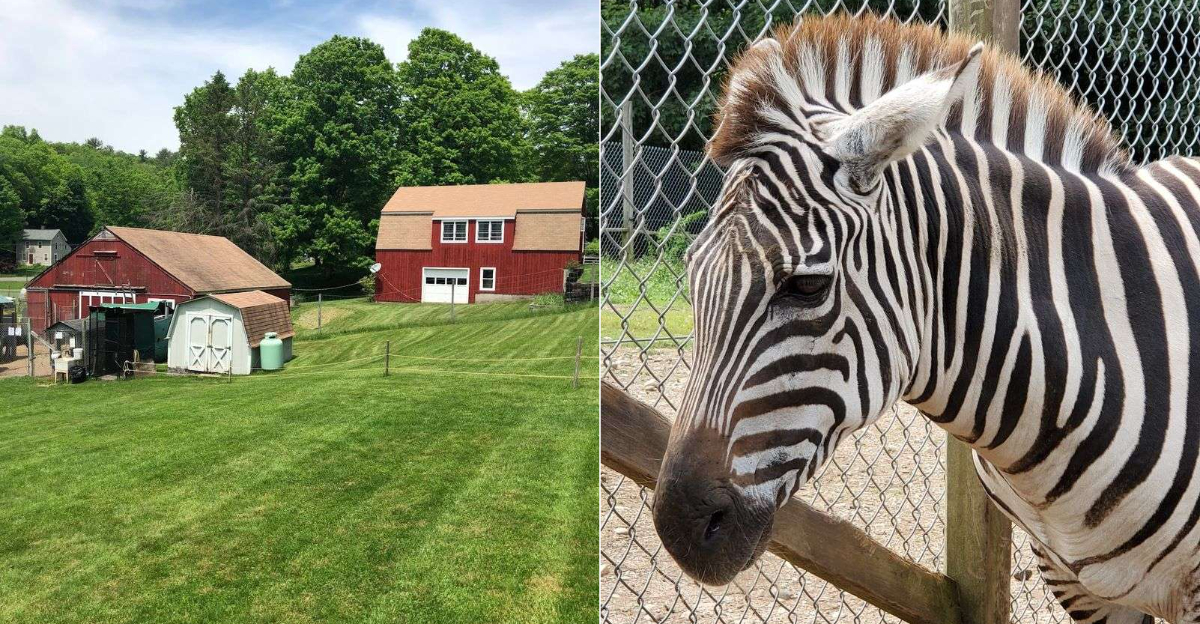
The first clue that this is not an ordinary farm comes when a zebra looks back at you like you are the one on display.
At this Connecticut animal farm, families can get close enough to make the visit feel wonderfully personal. Feeding time adds even more chaos, especially when a hungry face decides your cup looks far more interesting than everyone else’s.
The animal lineup keeps the day unpredictable without giving away every surprise before you arrive. One minute you are laughing at a familiar farm favorite.
The next, something far more exotic has completely stolen your attention.
How often does a simple afternoon out come with this many “wait, is that really here?” moments?
The farm stays casual, which makes it easy to enjoy the encounters without feeling like you are following a strict route.
Kids usually lock onto a favorite animal fast. Adults tend to do exactly the same thing, just with slightly more dignity.
1. The Farm Has Been Caring For Animals Since 1982
Four decades of farm life have left their mark here. Highwire Deer & Animal Farm has welcomed visitors since 1982, and that history still feels woven into the place.
The farm grew out of a genuine love for animals rather than a business plan, and the owners describe the residents as their animal family. Guests often notice how willing staff are to stop and explain where a particular animal came from or how old it is.
Because the same people have cared for these creatures over many years, the place has a lived-in feeling rather than a polished exhibit atmosphere. You are walking through someone’s working property, not a themed attraction.
That long timeline also means plenty of families have visited more than once, sometimes returning years later with children of their own. Reviews frequently mention repeat trips and friendly conversations with the owners.
If you enjoy asking questions, this is a good spot for it. A short chat by the fence often turns into a mini lesson about hybrids, feeding habits, or which goat recently had babies, and that personal touch is a big part of the appeal.
2. You Can Pet, Feed, And Meet The Animals Up Close
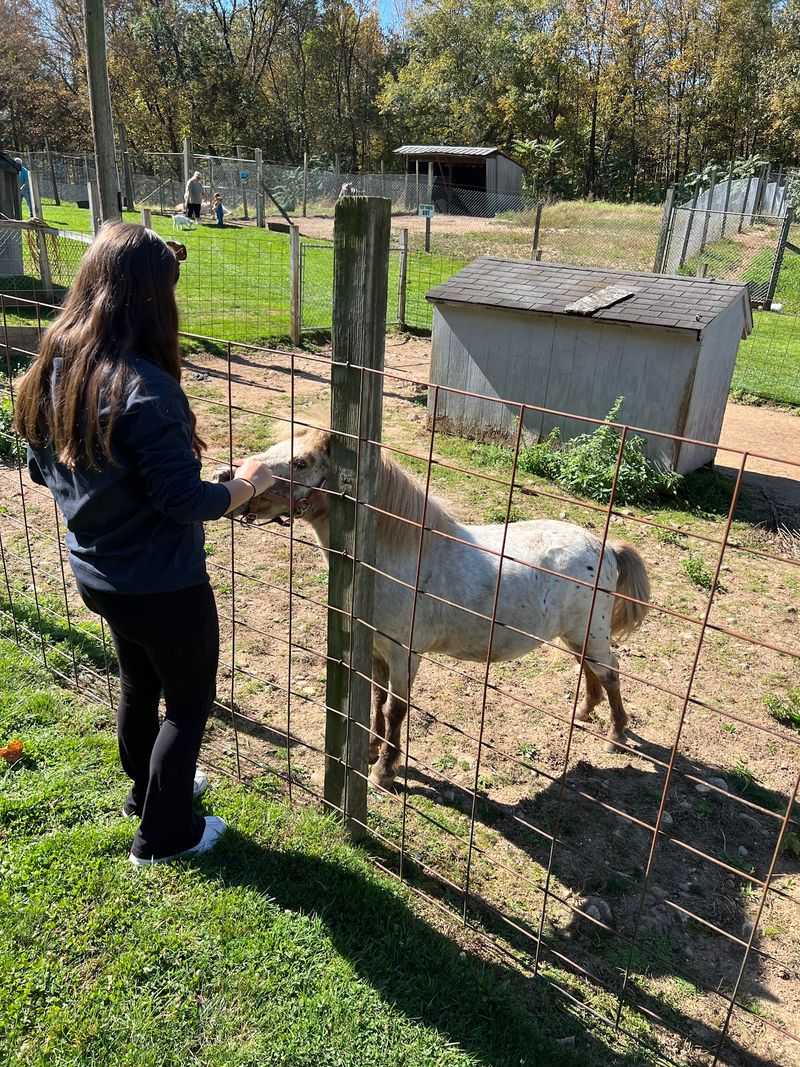
Hand feeding is the heart of a visit here. Rather than watching from a distance, you get to touch, pet, and feed a good number of the animals living on the property.
Goats and deer will take food straight from your palm, which is a small thrill the first time it happens. Animal feed is sold on site, and reviewers have mentioned receiving a cup to start with and paying a small amount for refills.
Signage is posted clearly around the grounds so you know which animals are fine to touch and which ones should be admired from behind the fence. Following those signs keeps both the animals and the visitors comfortable.
Hand washing stations and antibacterial gel are placed around the farm, which is a practical detail parents will appreciate after a round of feeding.
A word of advice with young children: the free-roaming goats can get enthusiastic when they smell grain, so hold the cup high and keep little ones close or lift them up while feeding.
Some visitors have even had a chance to sit with the younger goats, and a few have described one dozing off on their lap. That is the kind of moment people remember for years.
3. Visiting Hours Change With The Seasons
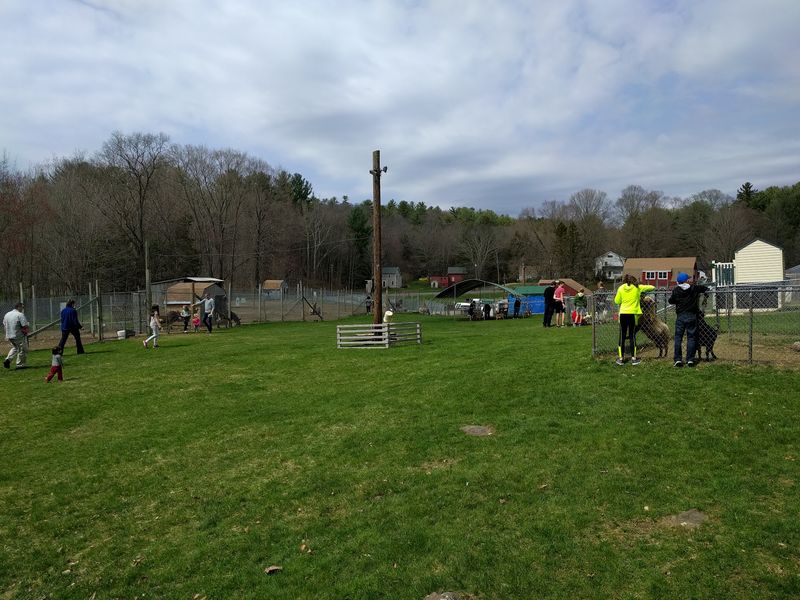
Planning matters more here than at a big year-round attraction, because the calendar shapes everything. Hours shift with the seasons and with the weather.
Through the warmer stretch, roughly May into September, the farm is generally open Tuesday through Sunday from 11 AM to 4 PM. Arriving before 3 PM is wise since the gates close at 4 PM and you will want time to walk the whole property.
Shoulder months work differently. In April and October the farm typically operates on weekends only, and October hours may run 11 AM to 4 PM on Saturday with a slightly earlier 3 PM close on Sunday.
The season usually wraps up in early November, so late fall visits need a little more checking ahead.
Operations are also weather permitting. Heavy rain or extreme heat can change plans, and a hot afternoon makes for a less comfortable walk anyway.
Calling ahead at (203) 263-4522 is the simplest way to confirm before you drive out, especially if you are coming from another part of the state.
Overcast, mild days tend to be the sweet spot. The animals are more active, the shade is welcome, and you can linger without anyone overheating.
4. Cash-Only Admission Keeps Things Simple
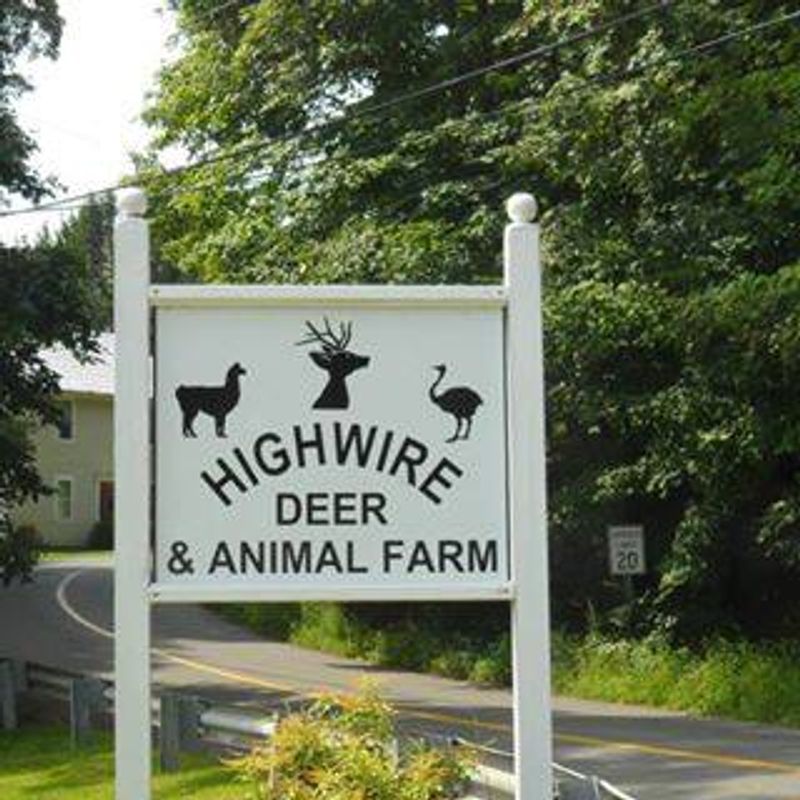
Bring bills. Admission runs on cash only, so a card will not get you through the gate no matter how convenient that would be.
Entry is $12.00 per person, and children under two years old get in free. There are no tiers or packages to sort through, which keeps arrival quick and easy.
The farm can be found at 68 Park Road in Woodbury, CT 06798, a quiet spot off the main road where the surrounding neighborhood has antique shops and small restaurants worth a stop before or after.
Plan a little extra cash beyond admission if you want feed refills, since those are also handled on site for a small amount per cup. A family of four feeding animals for an hour can go through several cups.
Once you are in, there is no rush. Visitors have noted that you can stay as long as you like during open hours, so the ticket covers a leisurely visit rather than a timed slot.
Benches near the parking area give you a place to eat a packed lunch, which makes the whole outing an easy, low-cost afternoon. Stop at an ATM before you arrive and you are set.
5. Zebras And Kangaroos Mix With Familiar Farm Animals
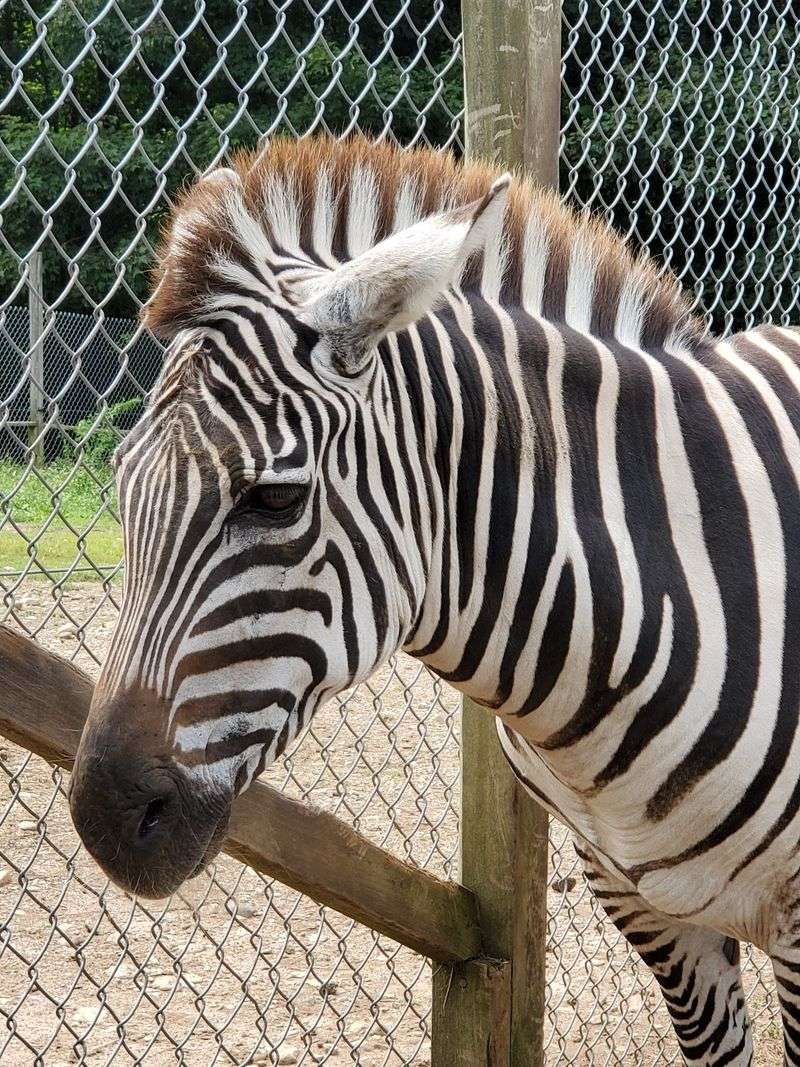
Zebras and kangaroos make the biggest first impression, especially because they appear alongside animals you would expect to see on a traditional family farm.
Deer, alpacas, donkeys, miniature horses, sheep, cows, chickens, turkeys, peacocks, bunnies, and goats all add to the unusually varied collection.
The more exotic residents stay inside large fenced areas with added barriers that allow visitors to watch them comfortably from a safe distance. Guests have also reported seeing animals such as lemurs and capybaras, adding another layer of surprise as you move around the property.
Closer encounters come from the farm animals. Goats often roam much more freely, wandering near visitors and turning an ordinary animal-viewing stop into something far more interactive.
That difference between carefully enclosed exotic species and curious barnyard animals gives each part of the visit its own character.
You might spend several minutes watching a zebra across its enclosure, then suddenly have a goat approaching from much closer range. The constantly changing mix keeps the experience lively without relying on one main attraction.
Bringing a camera with some zoom is useful for photographing animals kept farther behind the barriers. Weather can affect operating hours, so checking the current schedule before making the trip is worthwhile.
6. The Z-Donk Is One Of The Strangest Animals Here
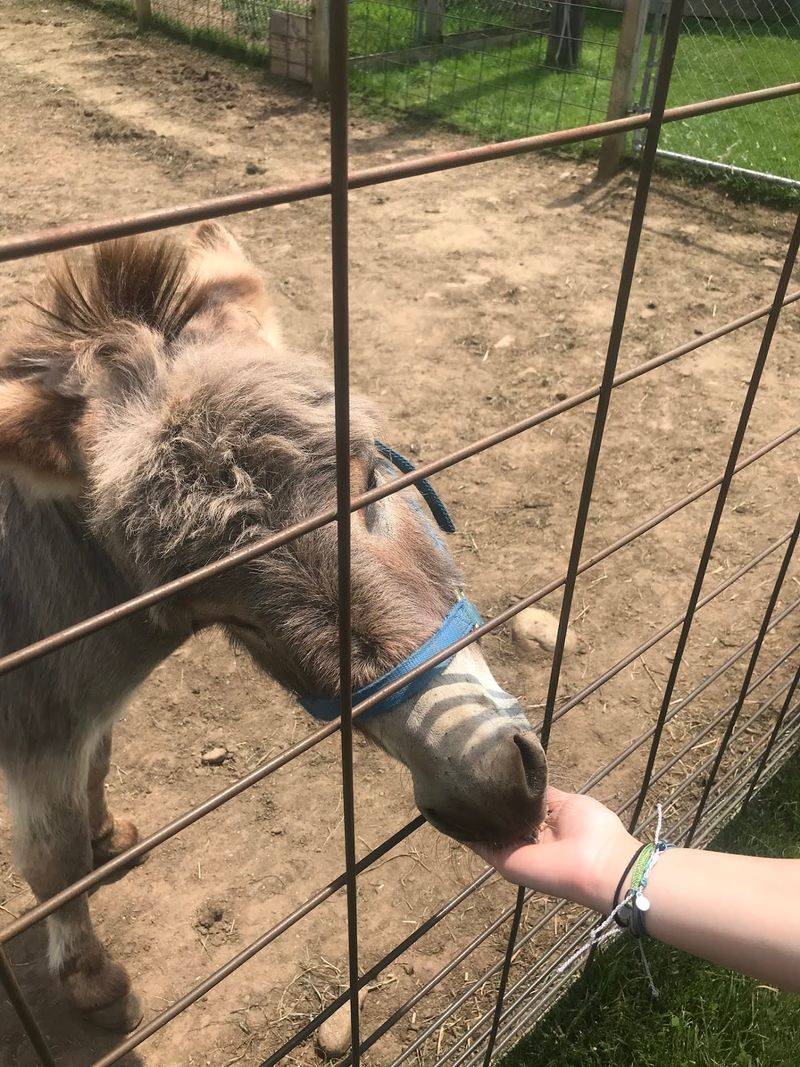
Half zebra, half donkey, entirely real. The zedonk, sometimes written as z-donk, may be the single most head-turning resident on the property.
This rare hybrid is the offspring of a female zebra and a male donkey, a pairing that almost never happens outside of unusual circumstances. The farm made local news in late July of 2012 when a zedonk was born there.
The zebra mother, called Sassy, produced a baby with a brown body and unmistakable black and white striped legs. Photos from that time show just how odd and charming the combination looks in person.
Hybrids like this cannot be planned or predicted, which is part of why they draw so much attention from visitors and news outlets alike. Seeing one in Connecticut, rather than in a documentary, feels genuinely unexpected.
The zedonk is kept in a large fenced enclosure with an additional safety fence, similar to the camel and zebra. Take your time at that section and look closely at the leg markings compared with the rest of the body.
It is a good conversation starter with kids, too, since it opens up questions about how animals are related and why certain traits show up where they do.
7. Camels, Deer, And Goats Can Come Surprisingly Close
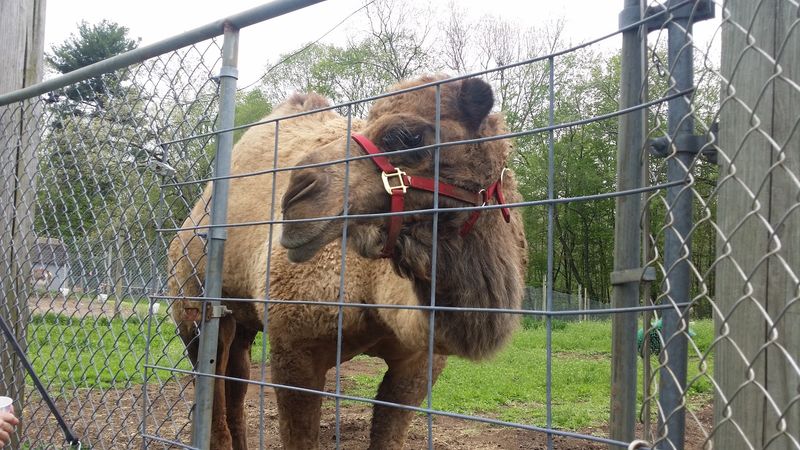
Distance is the first thing that surprises people. Animals you normally see across a moat at a zoo are right there, sometimes just an arm’s length beyond a rail.
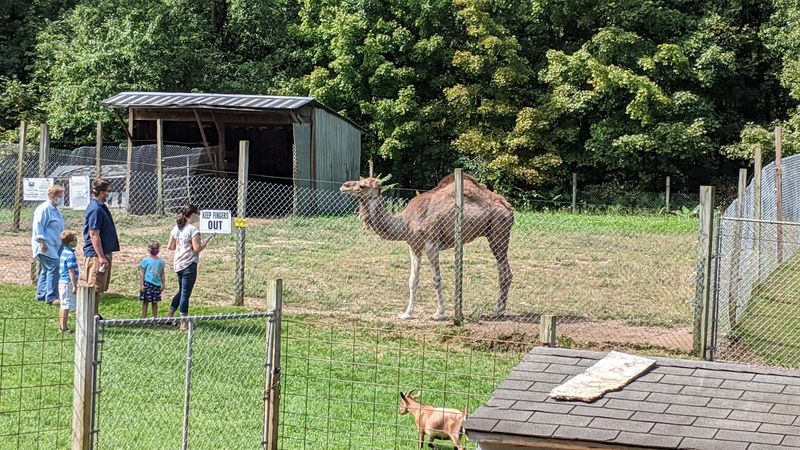
Camels stay inside secure, spacious fenced areas with a safety fence in front, but even from behind that barrier you get a real sense of their size and slow, deliberate movement.
Deer are much more approachable and readily take food from visitors’ hands. Their soft noses and careful nibbling make them a favorite with kids who are nervous about the pushier animals.
Then there are the goats, who roam freely and treat the pathways as their own. They will follow you, nudge your pockets, and generally make it clear that they know what a feed cup looks like.
Adults, keep an eye on toddlers when the herd gathers, since a group of eager goats can crowd in quickly. Holding a small child or standing between them and the animals solves it easily.
Peacocks add their own soundtrack, and a resident turtle has charmed a few young visitors as well.
Wear closed shoes you do not mind getting dusty, and leave loose bags zipped. Curious mouths investigate everything.
8. The Smaller Setting Makes Animal Encounters Feel More Personal
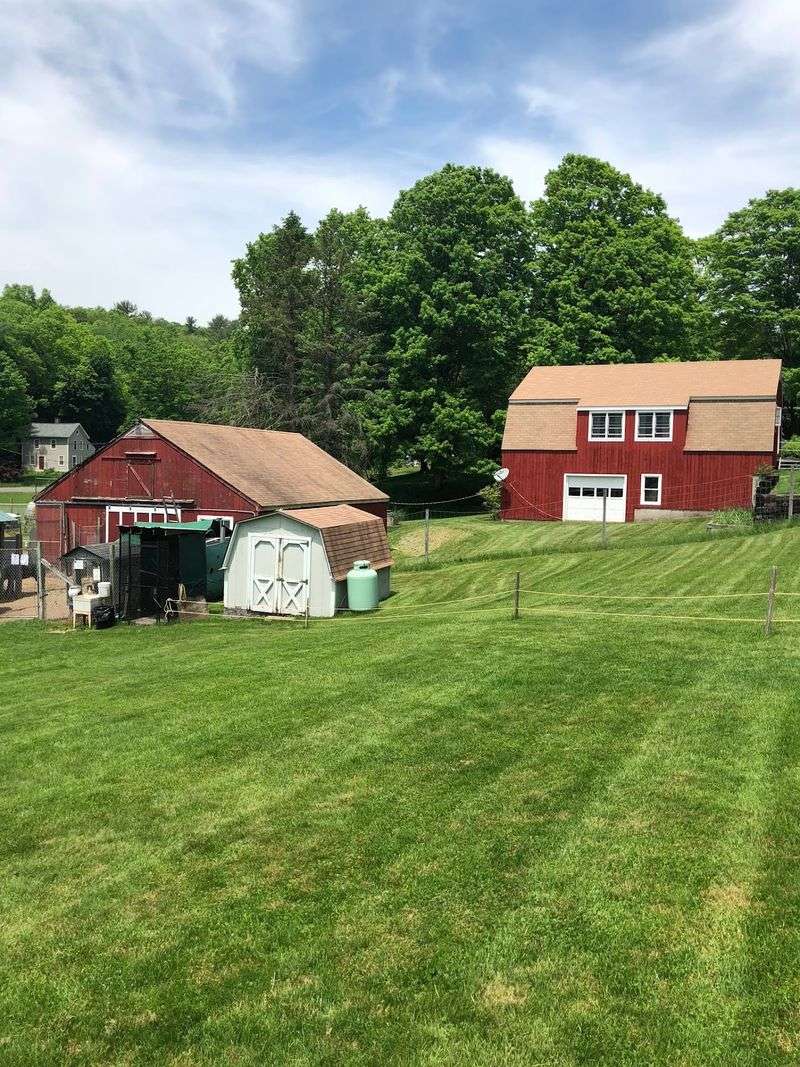
Sometimes small is the whole point. Spread across roughly five acres, this farm has earned the nickname the biggest little zoo in the state, and the scale is what makes it work.
You are not covering long loops or checking a map. The layout is compact enough that you can walk the property in under an hour, then circle back to whichever animals you liked most.
That size cuts down on the fatigue that big zoos create, particularly with strollers or short legs involved. Many families report spending about an hour and leaving satisfied rather than worn out.
Closeness is the trade-off in your favor. Instead of scanning a distant habitat, you are watching individual animals with distinct personalities, and staff can tell you about them by name.
Benches near the parking area invite a picnic lunch, and the grounds have been described by visitors as clean and well kept. The farm has also hosted children’s birthday parties.
Combine the trip with a stroll through Woodbury’s antique shops and you have a full, unhurried afternoon.
For anyone who prefers quiet, hands-on time with animals over crowds and queues, this modest little farm delivers something larger attractions rarely manage.