Nothing Feels Better Than Crossing The Connecticut River After A Long Trip Away
Coming home after a long trip has its own little signs. The roads start looking familiar.
Your shoulders finally relax. Then the water comes into view, and suddenly the whole journey feels real.
This Connecticut crossing carries a deep sense of homecoming.
The river has a way of making distance feel finished. Bridges stretch over broad water while town lights gather along the banks.
In summer, the surface catches the late-day sun and turns the final miles into something softer. Even a routine route can feel emotional after time away.
Maybe it is the view. Maybe it is the memory tied to it.
Either way, crossing that span can bring back family drives and quiet rides home. The moment is simple, but it lands differently when you have missed it.
By the time the far shore gets closer, the trip no longer feels like travel. It feels like being back where you belong.
1. A Familiar Crossing That Always Feels Like Home
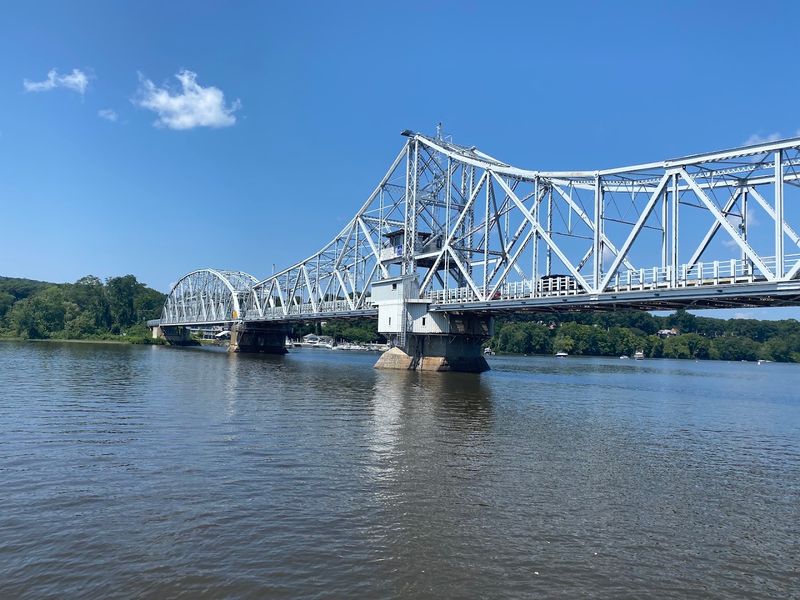
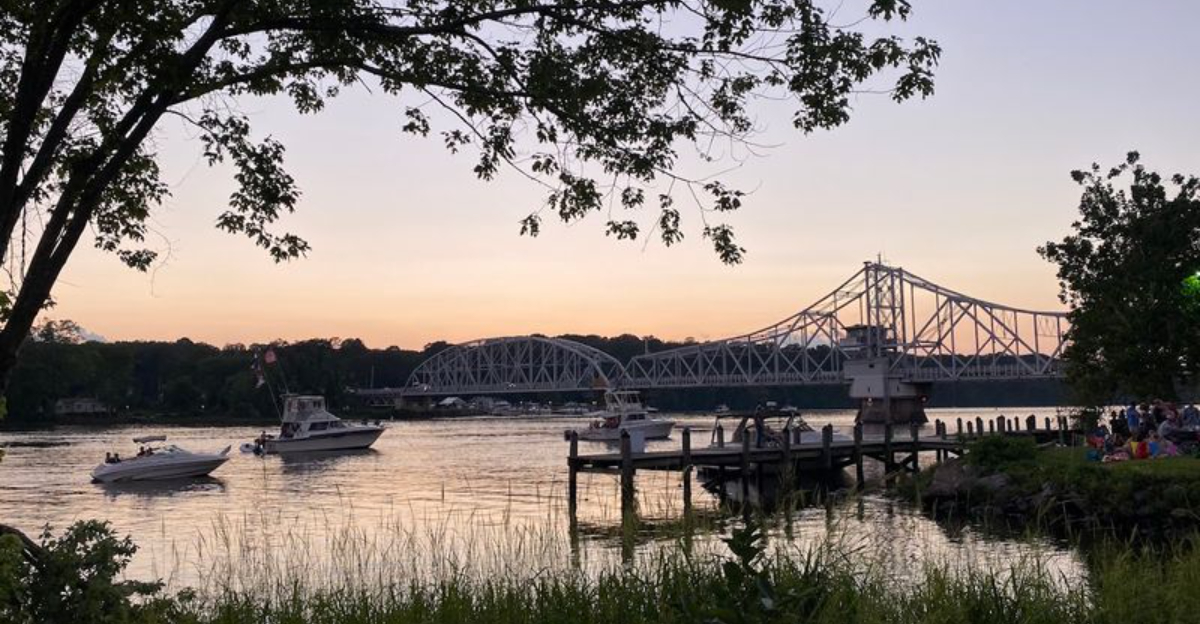
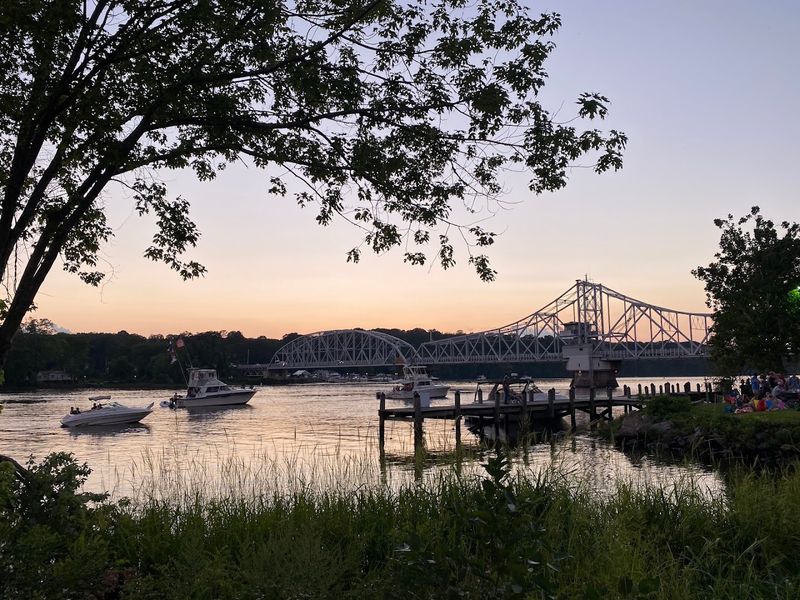
Some crossings do more than carry traffic, and the East Haddam Swing Bridge is one of them. Stretching across the Connecticut River between Haddam and East Haddam, this steel truss landmark has connected the two communities since opening in 1913.
At the time, it was celebrated as one of the world’s longest swing bridges of its type, and its bold profile still draws attention from the road and river alike.
Part of Route 82, the bridge remains an essential link for local travel. Its movable span rotates to create a passage for boats, turning an ordinary drive into a memorable display of century-old engineering.
A major rehabilitation completed in 2025 upgraded its mechanical and electrical systems, repaired structural elements, and added a new sidewalk while preserving its historic character.
The scenery adds another layer to the experience. Broad water, wooded hills, and changing seasonal colors frame every crossing, creating views that feel both familiar and cinematic.
For returning travelers, the sound of tires on the deck and the quick glimpse of the river below can signal that home is close once again. It is a brief journey, yet one filled with history, quiet movement, and a powerful sense of arrival.
2. River Views Bring Back Memories Of Past Road Trips
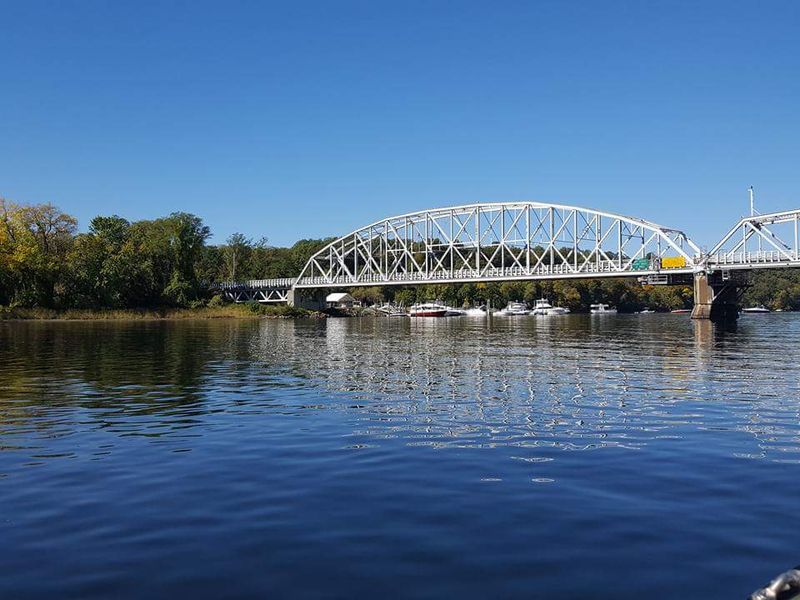
Road trips have a way of collecting moments, and the river tends to show up in many of them.
Stretches of the river visible from Route 9 or from elevated pullouts along the valley reveal water that shifts in color depending on the light, moving from silver in the morning to deep blue-gray by late afternoon.
These views do not demand attention so much as reward it when offered.
The Connecticut River Estuary and Ferry Landing State Park in Old Lyme provides one such rewarding vantage point. A boardwalk leads toward salt marshes and barrier islands where the river begins to widen and slow before meeting Long Island Sound.
The landscape here feels open and unhurried, with coastal birds moving low over the water and the distant horizon suggesting both arrival and departure at once.
Further north, the grounds of Gillette Castle State Park offer a dramatically elevated perspective of the river below, particularly striking during autumn when the surrounding trees shift into warm color.
Each of these views tends to summon something specific, a meal eaten at a rest stop years ago, a passenger who fell asleep before the bridge, or simply the feeling of being somewhere that mattered.
3. Historic Towns Make The Route Feel Timeless
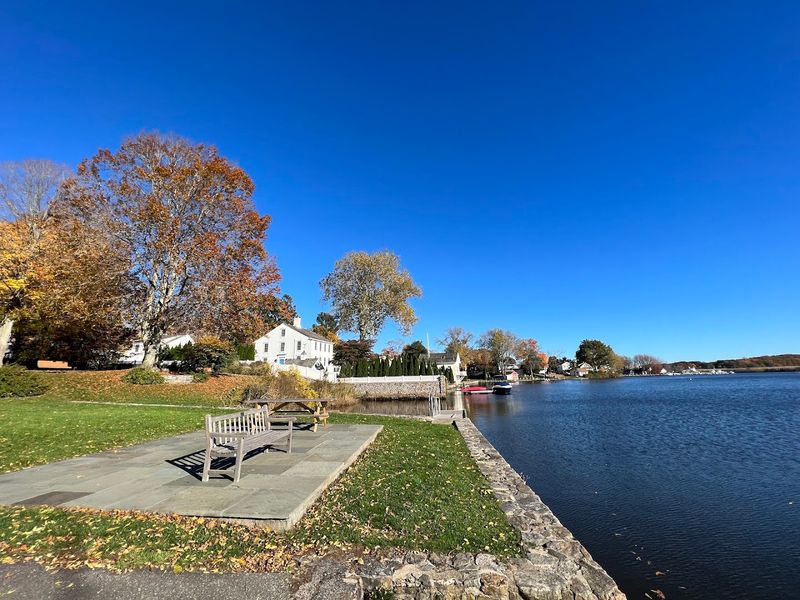
Driving along the river corridor means passing through towns that have not rushed to erase their past. Essex, situated near the river’s mouth, offers one of the most intact examples of early American riverfront architecture in the state.
Its narrow main street curves toward the water past buildings that date to the Federal and colonial eras, many of which now house small shops and inns that maintain a low-key, unhurried atmosphere.
The Connecticut River Museum sits on the historic waterfront at 67 Main Street, Essex, CT 06426, occupying a former 1878 steamboat warehouse.
Exhibits inside trace the region’s deep connection to navigation, shipbuilding, and river commerce, grounding visitors in the practical history of a waterway that once powered an entire economy.
Old Lyme adds a different layer to the route, recognized for its connection to American Impressionist painting and its well-preserved 18th-century streetscapes.
The Florence Griswold Museum, located at 96 Lyme Street, Old Lyme, CT 06371, anchors this legacy through its historic house, galleries, and riverfront grounds.
Traveling through these towns does not feel like a detour from the journey home; it feels like a reminder of why the region holds such a steady place in the memory of those who know it.
4. Hartford’s Skyline Signals The Journey Is Nearly Over
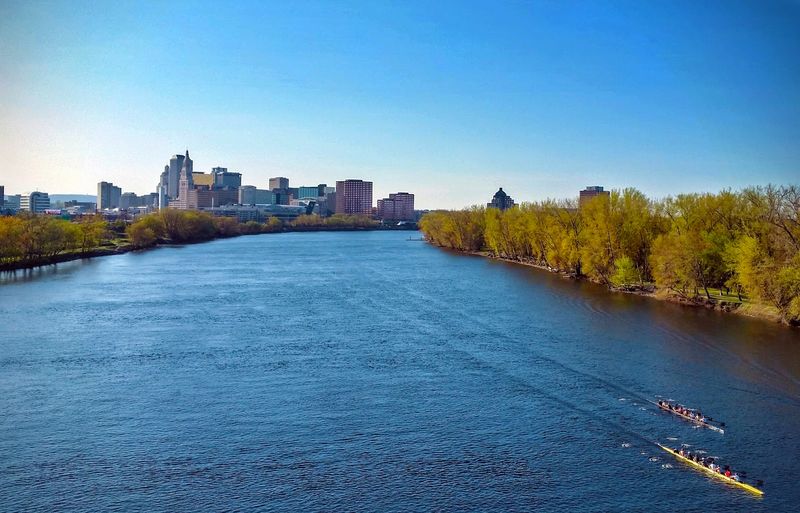
At a certain point along the river, the skyline of Hartford appears on the horizon and something shifts in the chest of a returning traveler.
The city’s profile, rising above the riverbanks and catching the light differently depending on the hour, functions as a reliable landmark that signals the final stretch of a long journey.
Hartford has stood along this river for centuries, and its presence still carries a kind of gravitational pull for those heading home.
From the riverfront parks and promenades in East Hartford, the view across the water toward downtown Hartford is particularly clear.
The Founders Bridge Promenade, connecting to Mortensen Riverfront Plaza, provides an open sightline toward the city’s varied architecture, including the blue-domed Colt Armory building and the dignified stone presence of the Connecticut State Capitol.
The interplay between the built environment and the moving river creates a visual rhythm that feels both dynamic and grounding. Hartford does not announce itself with fanfare from the river; it simply appears, steady and familiar, as if it has been waiting.
For anyone who has been away for a while, that skyline carries more meaning than any road sign, a quiet confirmation that home is now close enough to feel.
5. Scenic Bridges Turn The Final Miles Into A Homecoming
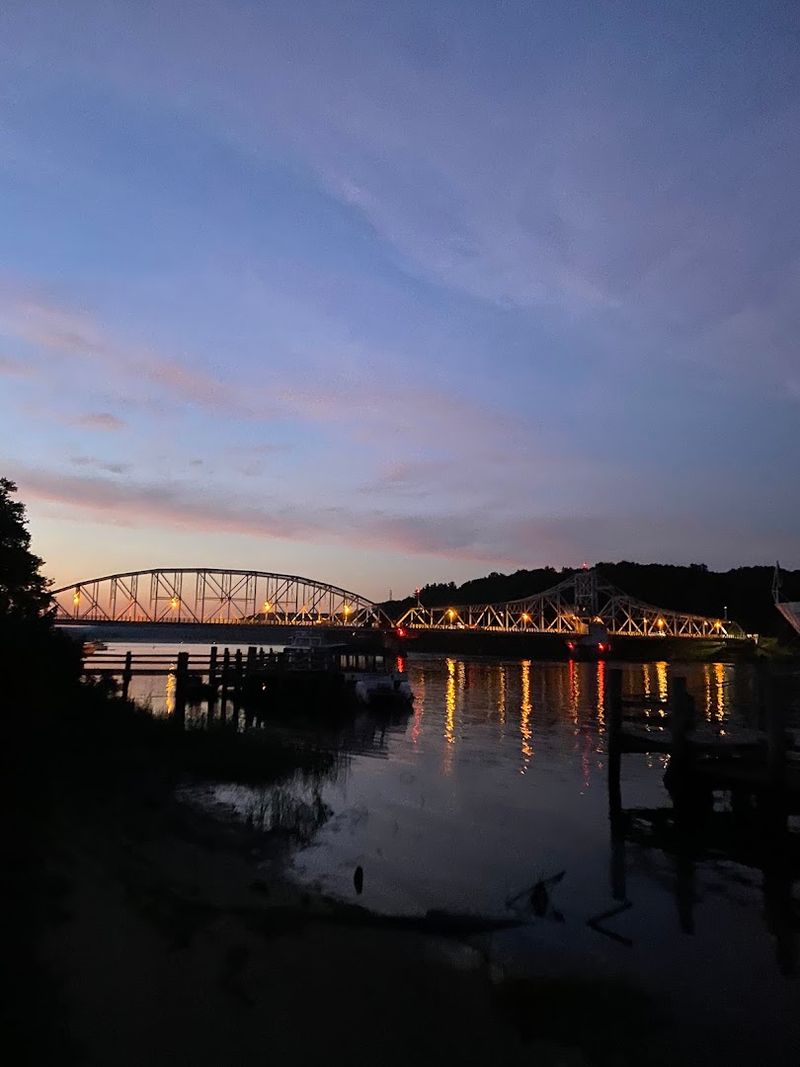
Bridges do more than carry traffic across water; they mark transitions. Along the river, several bridges serve this dual purpose with particular effectiveness, turning the final miles of a return trip into something that feels deliberate rather than routine.
Each structure has its own character, shaped by the era in which it was built and the landscape it spans.
The Bulkeley Bridge in Hartford, constructed between 1903 and 1908, is one of the longest stone arch bridges in the world, built from pink and gray granite across nine graceful arches.
Seen from the riverwalk below, it presents a stately and enduring image that connects the city’s past to its present in a very physical way.
Closer to the coast, the Raymond E. Baldwin Bridge carries Interstate 95 between Old Saybrook and Old Lyme, offering eight lanes of traffic and a pedestrian and bike path on its north side.
Completed in 1993, the bridge provides sweeping views of the river’s lower reaches and the coastal landscape beyond.
Crossing it while heading home, with the river spreading out below and the Sound visible in the distance, tends to feel like the final punctuation mark on a long trip, clear, wide, and quietly satisfying.
6. The Chester-Hadlyme Ferry Keeps An Old Tradition Alive
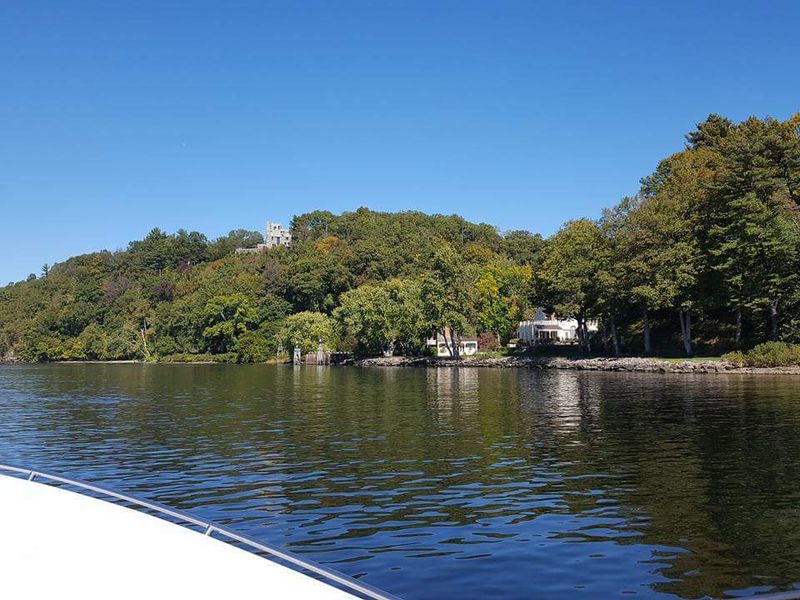
A river crossing feels entirely different when the road gives way to a ferry deck. Since 1769, the Chester-Hadlyme Ferry has carried travelers between Chester and Hadlyme, offering a brief journey that feels wonderfully removed from ordinary traffic.
The Selden III, launched in 1949, can transport eight or nine vehicles and as many as 49 passengers. With no fixed departure timetable, the vessel generally makes the trip on demand, gliding across the river in only a few minutes.
Gillette Castle rises above the eastern shoreline, giving passengers a memorable view as the ferry approaches Hadlyme.
Service runs seasonally from April 1 through November 30, weather and river conditions permitting. Weekday hours are 7 a.m. to 6:45 p.m., while weekend crossings operate from 10:30 a.m. to 5 p.m.
Vehicle fares are $5 on weekdays and $6 on weekends, and pedestrians and bicyclists pay $2.
The western landing is on Ferry Road in Chester, with the opposite dock in Hadlyme, part of Lyme. Even though the ride is short, the open water, wooded banks, and steady movement create a peaceful pause in the journey.
Choosing the ferry adds history, scenery, and a little adventure to an otherwise familiar drive back home.
7. Summer Light Shimmers Across The Water
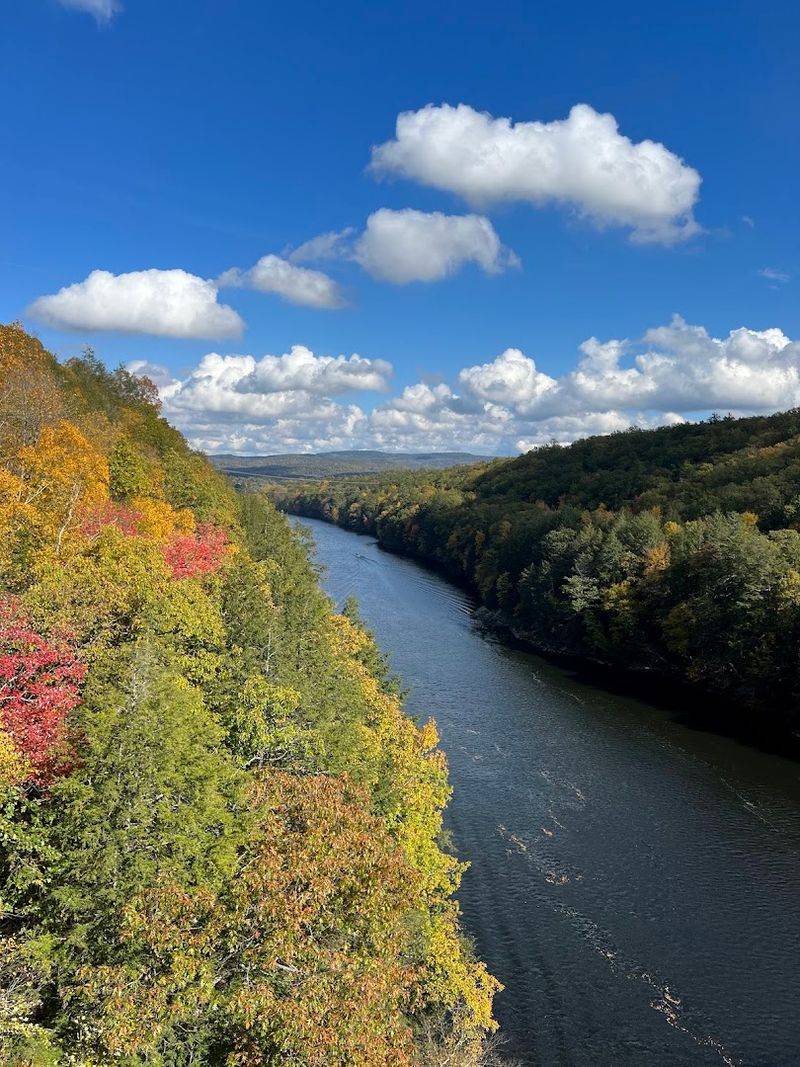
Summer along the river has a particular quality of light that is difficult to describe but easy to recognize. The sun hits the water at an angle that produces a constant shimmer, a slow, shifting brightness that makes the river look almost alive.
Combined with the deep green of the surrounding trees and the relative quiet of the riverbanks away from main roads, the effect is genuinely calming.
Along the lower river, particularly near the Connecticut River Estuary and Ferry Landing State Park in Old Lyme, the late afternoon light spreads across salt marshes and tidal flats in ways that reward patient observation.
Great blue herons move slowly through the shallows, and ospreys circle above with a kind of unhurried efficiency.
The sound of the water, the warmth of the air, and the visual richness of the scene combine to make even a brief stop feel restorative.
Kayakers and canoeists tend to make the most of summer conditions on the river, launching from various access points along the shoreline. The water moves gently in many sections, making it accessible for those who prefer a relaxed pace on the water.
Summer light on the river does not perform; it simply exists, steady and generous, offering the kind of beauty that returns travelers are especially primed to notice.
8. The River’s Path Leads Toward Long Island Sound
Every river has an ending, and the river meets its in a way that feels both gradual and significant.
As the river moves south through Old Saybrook and Old Lyme, its character shifts from an inland waterway to a tidal estuary, widening and slowing as freshwater mingles with the salt of Long Island Sound.
The landscape opens dramatically here, with dense woodlands giving way to broad coastal marshes and low barrier islands that stretch toward the horizon.
This transition zone is ecologically rich, recognized for its high-quality tidal wetlands and the diversity of birdlife that depends on them.
Ospreys, herons, and various shorebird species inhabit the estuary throughout the warmer months, and the area has drawn naturalists and birdwatchers for generations.
The shifting sandbars near the river’s mouth, built up by centuries of silt carried down from the north, historically made navigation here challenging enough that no major city developed at this junction.
The Connecticut River Museum in Essex, close to the river’s final miles, offers context for understanding this transition through exhibits on the river’s ecological and maritime history.
Standing near the river’s mouth and watching it open into the Sound is one of those rare geographic moments that feels both conclusive and expansive, a fitting end to a journey that began somewhere far upstream.