One Legendary Connecticut Pizzeria Is Serving Apizza That Locals Say Belongs Among The Best
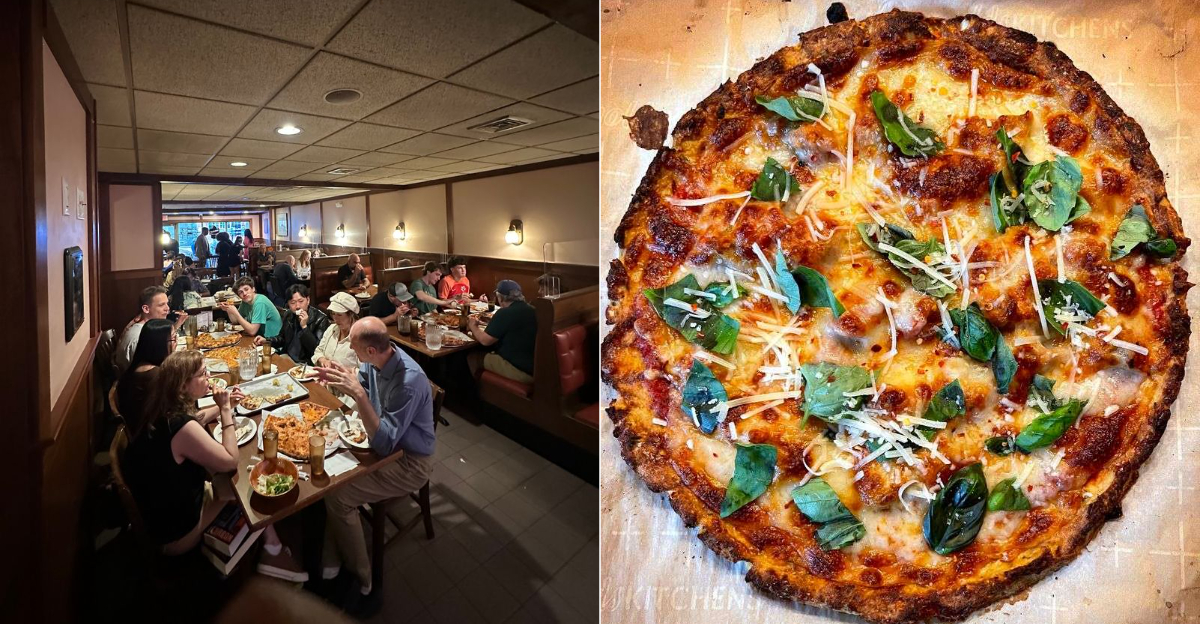
Pizza loyalty can get intense around here, and this place gives people plenty to argue about.
This Connecticut pizzeria has been feeding that debate for generations, especially when one blistered pie hits the table looking almost too good to share.
The crust brings that signature char people expect from classic apizza. It stays crisp at the edges without losing the chew that makes each bite so satisfying.
Locals are not shy about defending their favorite order either. That only adds to the excitement.
You can feel the history without the room turning into a museum. The focus stays exactly where hungry people want it, on hot pies coming out fast.
One bite can explain why the name keeps showing up in serious pizza conversations.
The real challenge is leaving without mentally ranking every slice you have ever eaten before this one.
1. A State Street Favorite Since 1934
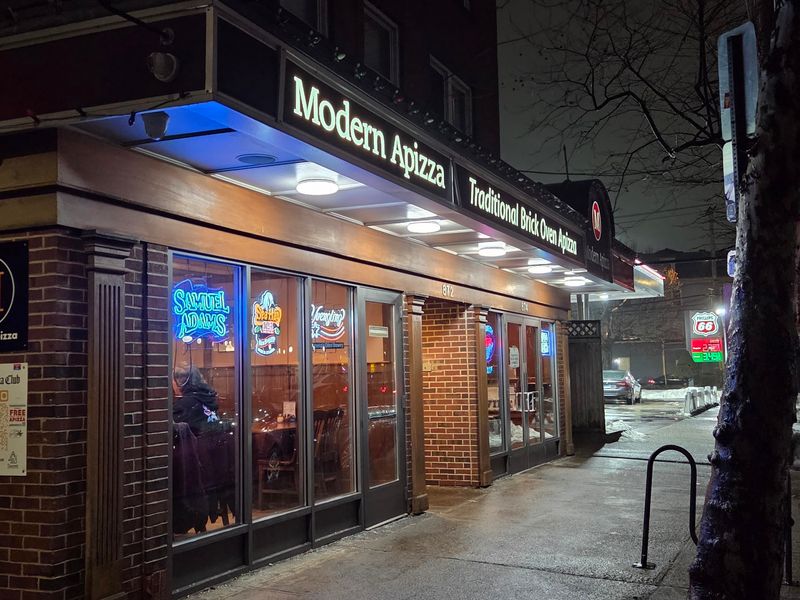
Nearly a century of pizza history can make a simple meal feel like part of something much bigger.
Since opening in 1934, Modern Apizza has grown from a neighborhood favorite into one of New Haven’s defining pizza destinations, while still keeping the casual energy that made locals embrace it in the first place.
Its story began under the name State Street Apizza, and the restaurant has remained closely tied to the same neighborhood ever since.
Travelers may arrive with carefully planned pizza itineraries, but the experience itself stays wonderfully straightforward: get in line, order your pie, and settle in for the kind of meal people have been repeating for generations.
The surrounding stretch of State Street feels like part of everyday New Haven rather than a polished tourist district, which suits the restaurant perfectly.
Current hours are Tuesday through Thursday from 10:30 a.m. to 9 p.m., Friday and Saturday until 10 p.m., and Sunday from 3 p.m. to 10 p.m. Mondays are closed.
The longtime home of Modern Apizza is 874 State Street in New Haven. If you are making a special trip, checking the schedule before leaving is smart.
Once you arrive, though, the routine is refreshingly uncomplicated. This is pizza history you can simply sit down and eat.
2. The Modern Name Came From A Neighborhood Connection
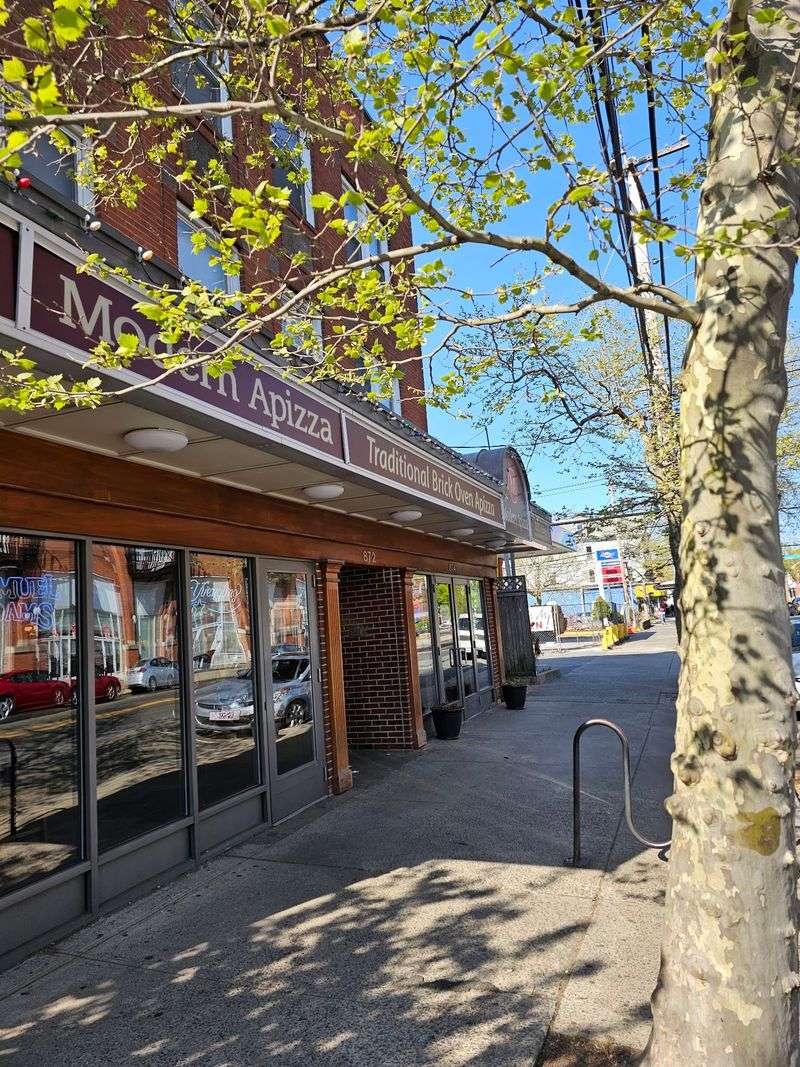
Names usually come from founders or family. This one came from a pharmacist next door.
The pizzeria first went by Tony’s Apizza or State Street Apizza, connected to founder Tony Tolli. In 1944 the lease changed hands when Louis Persano took over, and a new name suddenly became necessary.
A Polish American neighbor, John Wozniak of Humphrey Pharmacy, suggested calling it Modern. The word captured the idea of a fresh start under new ownership, and it stuck so firmly that eight decades later nobody thinks twice about it.
There is a small irony worth appreciating. A name chosen to signal newness now stands for tradition, and few things in New Haven feel less trendy or more comfortably old-fashioned than this dining room.
The story also says something about how the place fits into its neighborhood. A pharmacist naming a pizzeria is the kind of exchange that happens between people who see each other every day and actually talk.
Visitors sometimes assume the name refers to a style of cooking or a recent renovation. It refers to neither.
It is simply a neighborly suggestion from 1944 that outlasted almost everything else on the block.
3. Decades Of Local History Still Fill The Building
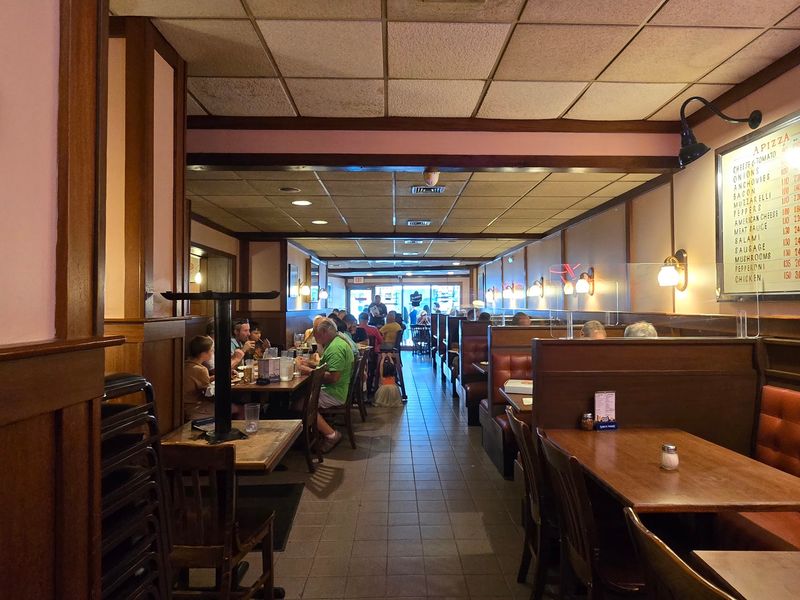
Walk the length of the dining room and you are basically reading a scrapbook. Old photographs and framed articles line the walls, marking moments from decades of business.
One of the best pieces on display is an original sign believed to date from the 1950s. It lists prices from another era and even older spellings of menu items, which makes it a small, unintentional museum label.
The building’s cooking history is layered too. An original coke-fired brick oven baked the earliest pies, and it was converted to oil-fired operation around 1967 after coke production in the region stopped.
Growth brought more changes. In 1992 the dining area and kitchen were expanded, and a second oil-fired brick oven joined the first to handle demand.
Recognition has come from beyond the walls as well. The pizzeria’s story is featured as part of the Pronounced Ah-Beetz exhibit at the New Haven Museum, which documents the city’s pizza heritage.
If you enjoy this kind of detail, give yourself a few extra minutes before or after eating. Guests have been known to photograph the oven, and staff are generally happy to let curious visitors take a look.
4. The Dining Room Keeps Its Classic Neighborhood Feel
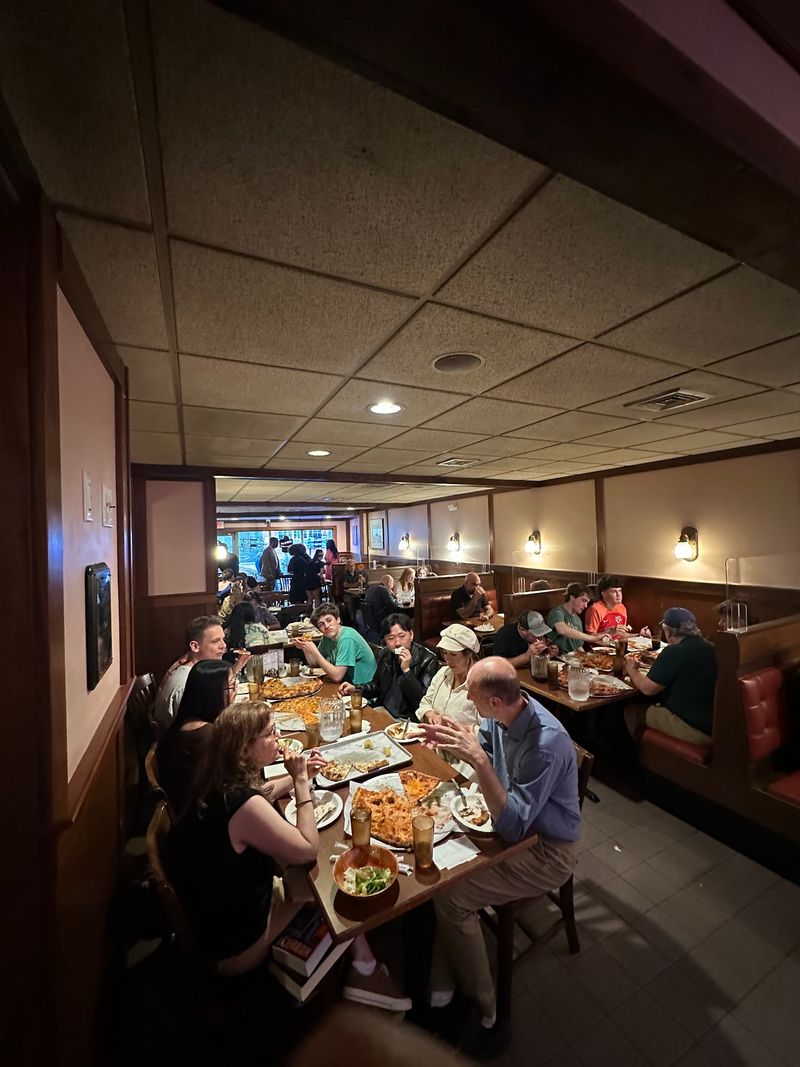
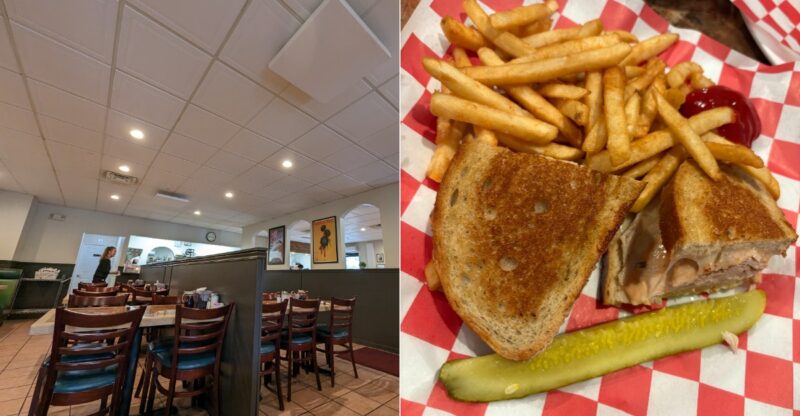
Red booths, checkerboard floors, low light. The room does not chase style because it already has one.
The dining area runs long and narrow, with rows of booths that fill up steadily through the evening. Padded seating gives it a slightly more comfortable feel than some of the city’s older pizza rooms, without stripping away the old-school Italian American character.
Noise levels rise as the place fills, but the sound is the friendly kind: conversation, plates landing, the occasional cheer when a pie arrives. Nobody is whispering, and nobody needs to.
Pacing tends to feel efficient once you are seated. Service moves quickly because the kitchen is built for volume, and reviewers frequently describe the staff as attentive and quick on their feet.
The setting works for a range of visits. Families with kids fit comfortably in the booths, solo travelers on a pizza pilgrimage do not feel out of place, and small groups can share a large pie without ceremony.
Memorabilia on the walls gives you something to look at while you wait for the oven to do its work. It is a casual room, unfussy and warm, and that is exactly why people keep choosing it.
5. Oil-Fired Brick Ovens Give The Apizza Its Famous Char
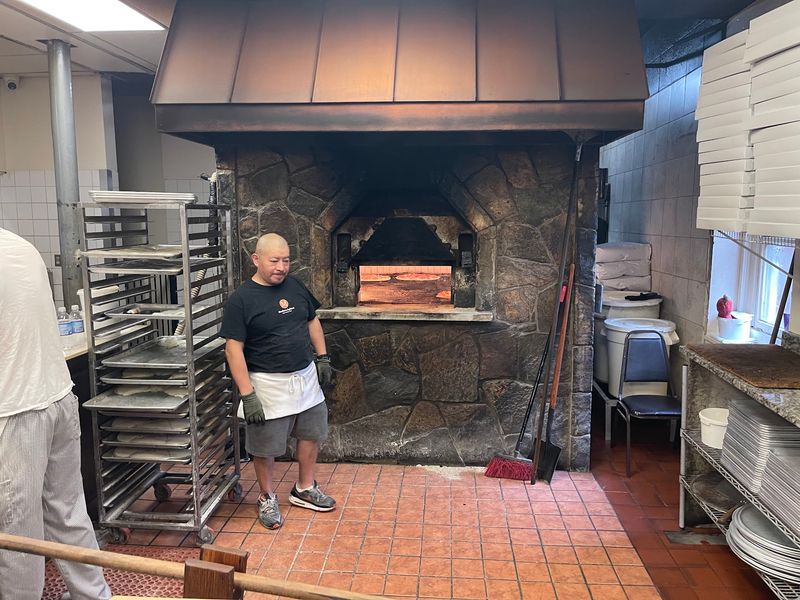
Here is the technical heart of the whole operation. While several famous New Haven pizzerias bake over coal, this kitchen uses oil-fired brick ovens, and the difference shows up in every slice.
The switch happened in 1967, when the original coke-fired oven was converted to oil after coke production in the area ended. A second oil-fired brick oven followed in 1992 as demand climbed.
Those ovens run extremely hot, often above 600 degrees Fahrenheit. That kind of dry, intense heat cooks a thin pie fast, setting the crust before it can turn soft or heavy.
The result is the texture people travel for: thin, crisp on the bottom, chewy in the right places, with deliberate charring around the rim. That char is not a mistake or an overcooked accident.
It is a signature of New Haven apizza, adding smoky depth that lingers after the last bite.
Because brick ovens have hot spots and human timing, pies can vary slightly from one to the next. Some come out crispier, some softer, and regulars consider that natural variation part of the charm rather than a flaw.
If you get a chance to peek at the oven, take it.
6. Classic Pies Keep The Menu Grounded In Tradition
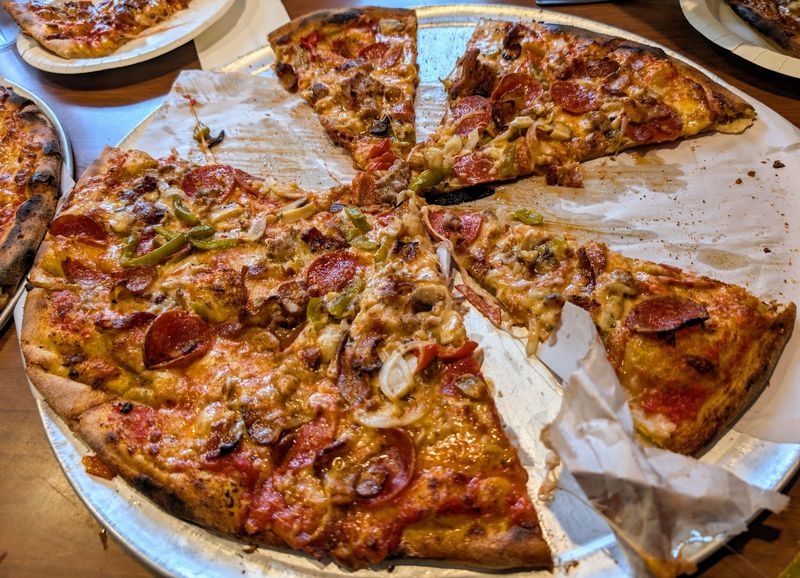
Order a plain here and you may be surprised by what arrives. Following New Haven custom, plain apizza comes without mozzarella unless you ask for it, letting the sauce and crust carry the whole show.
Prefer cheese? The mozzarella pie is a menu staple, made with whole-milk mozzarella applied with a light hand so it supports the sauce instead of burying it, often finished with a dusting of sharp Pecorino Romano.
The dough starts from a long-fermented starter, which gives the crust a subtle tangy depth. Sauce is built from hand-crushed Italian tomatoes seasoned simply with salt and oregano, so the natural sweetness comes through clearly.
Specialty pies have earned their own followings. Clams Casino combines clams, bacon, and red peppers, while the Italian Bomb piles on bacon, sausage, pepperoni, mushrooms, onions, peppers, and garlic for something considerably heartier.
Other frequently mentioned favorites among guests include eggplant, meatball, cherry pepper, and the veggie bomb, along with garlic bread as a starter.
Gluten-free crusts are available, which widens the door for diners who otherwise miss out on this style. Foxon Park soda, a regional favorite, shows up on many tables alongside the pies.
7. Long Lines Show Just How Loyal The Fans Are
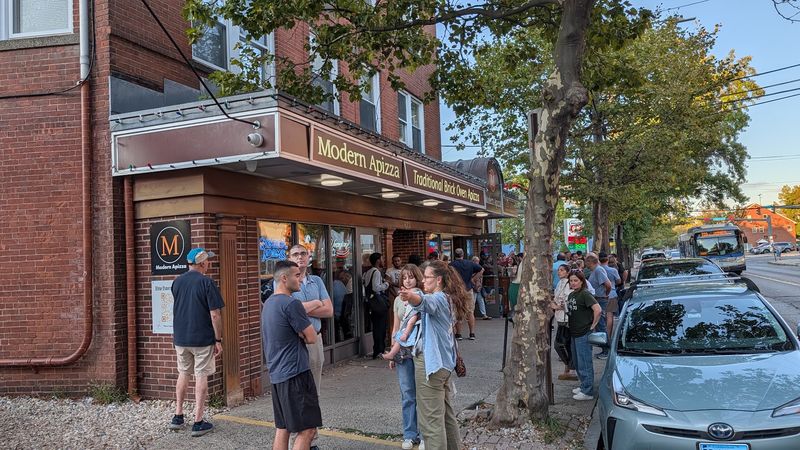
A line outside the door is the most reliable review this pizzeria gets. Reservations are not taken, so you put your name down and wait your turn like everyone else.
Typical waits often land in the 20 to 30 minute range during busier stretches, though the exact number depends entirely on the day and hour. Some guests report being seated in about 15 minutes on a weekday afternoon.
Weekend demand can run several times greater than the dining room can hold, which explains why the phone for takeout orders is frequently busy. Locals have adapted, and many simply place orders in person while they wait nearby.
Practical timing helps enormously. Arriving early, right around opening, or aiming for an off-peak afternoon slot noticeably shortens the wait, and going before the dinner rush also makes street parking easier to find.
The waiting area itself is small, so patience is worth packing. Guests have mentioned drinks available outside during busy periods, which keeps the queue moving comfortably.
What stands out is how few people seem to mind. With a 4.6-star average across more than 6,000 reviews, the consensus is that the wait ends well.
8. Generations Of Regulars Keep Coming Back For More
Some families have been eating here since their grandparents were the ones ordering. That kind of continuity is rare, and it is the real story behind the reputation.
Parents bring children, those children grow up and bring their own, and the pies taste familiar every time. Consistency is the quiet skill that makes multigenerational loyalty possible.
Lifelong Connecticut residents who have tried nearly every pizzeria in New Haven frequently name this one as their steady pick. Visitors from Boston, Colorado, and well beyond describe planning trips around a single meal, and more than a few return within the same week.
National attention has come, but the daily rhythm still feels local. Servers move with practiced efficiency, the ovens keep their pace, and the room fills with the same easy noise it has produced for decades.
Guests often mention the staff by name in their comments, and the general impression is of a crew that works hard under pressure and stays friendly doing it.
What all of this adds up to is more than a good meal. Modern Apizza has become part of family traditions, birthday plans, and homecoming stops, which is how a pizzeria turns into an institution and stays one.