9 Unique Indiana Museums That Deserve More Attention
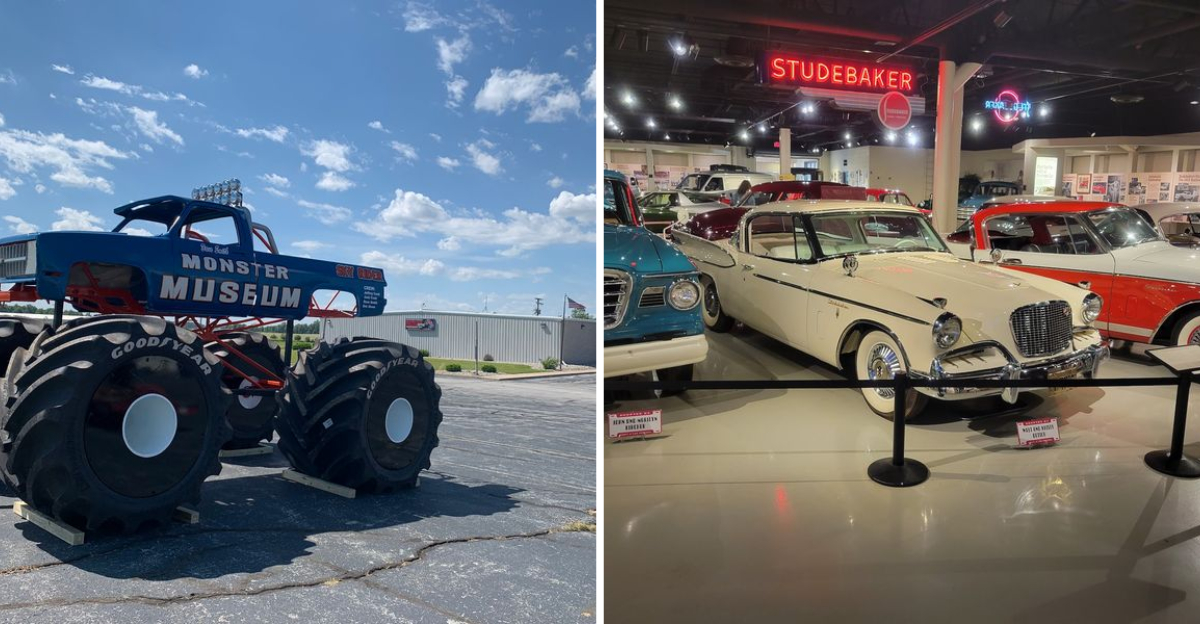
Superheroes and monster trucks on the same museum road trip? Indiana, you have my attention!
Add unusual medical history, rare automobiles, aviation stories, glasswork, and other unexpected collections, and the usual museum afternoon suddenly sounds painfully predictable.
These stops prove fascinating exhibits do not need blockbuster crowds to deserve a detour. Better yet, each place chases a completely different obsession.
One visit might get wonderfully nerdy, while the next introduces a piece of local history you never knew existed.
Who would have thought museum hopping could get this strange?
Charge the phone and keep the itinerary flexible, since several of these overlooked stops could easily steal more time than planned.
1. Hall Of Heroes Superhero Museum, Elkhart
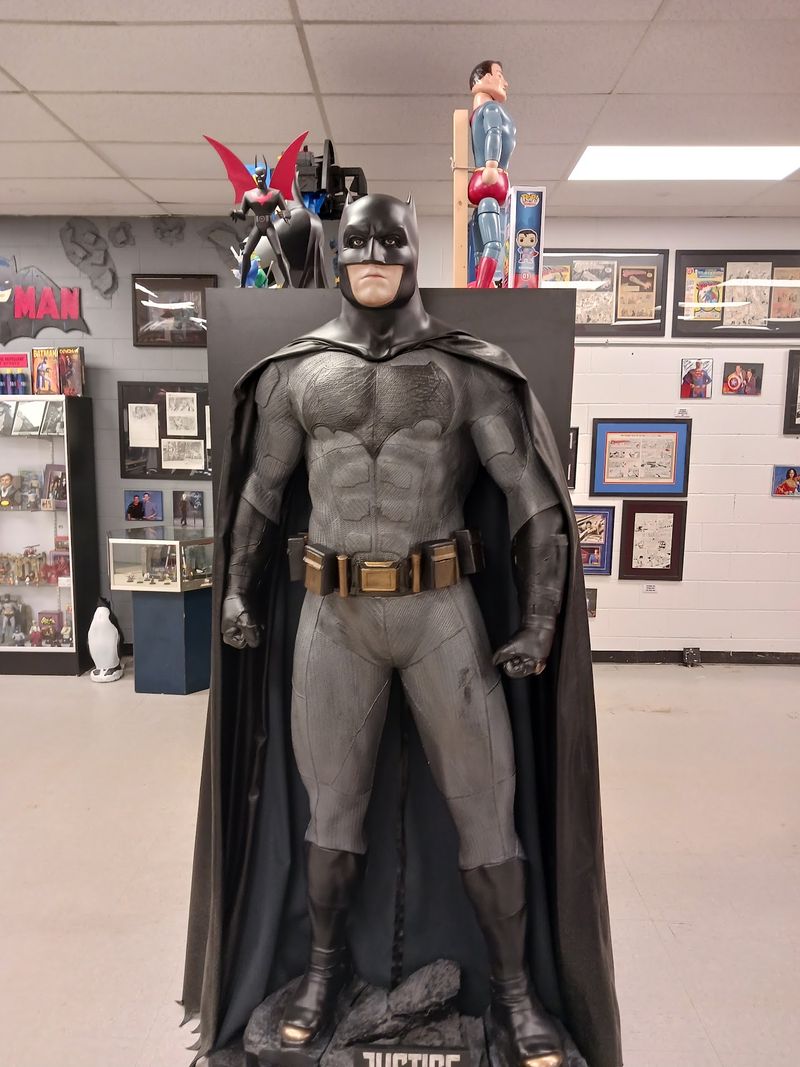
There is an actual Bat Cave tucked into northern Indiana. The building even looks like a comic book fortress from the curb.
Inside, more than 60,000 comics and collectibles fill two floors of pure fandom. Costumes, movie props, and vintage toys crowd the shelves in the best way. Fans of Marvel and DC will find plenty to argue about happily.
The founder started collecting as a kid and never stopped growing the stash. That personal touch shows in handwritten notes and quirky display choices. Nothing here feels corporate or overly polished, and that is the charm.
Kids gravitate to the life-size statues and the replica vehicles parked indoors. Older guests often freeze in front of Silver Age comic covers they remember. Photo opportunities appear around nearly every corner, so keep your phone handy.
Plan roughly an hour, or double that if your group reads every caption. Weekday mornings tend to be quietest, which helps with unhurried browsing. Parking sits right out front, an easy win on a family road trip.
Superhero fans should ask staff about rotating additions, since new pieces arrive regularly. Conversations here often turn into mini history lessons about comic publishing.
You may leave knowing which artist drew your favorite cover.
Find it at 1915 Cassopolis St, Elkhart, an easy detour off the toll road. Combine it with lunch downtown for a solid half day plan. Cape is optional, but grinning on the way out is basically guaranteed.
2. Indiana Medical History Museum, Indianapolis
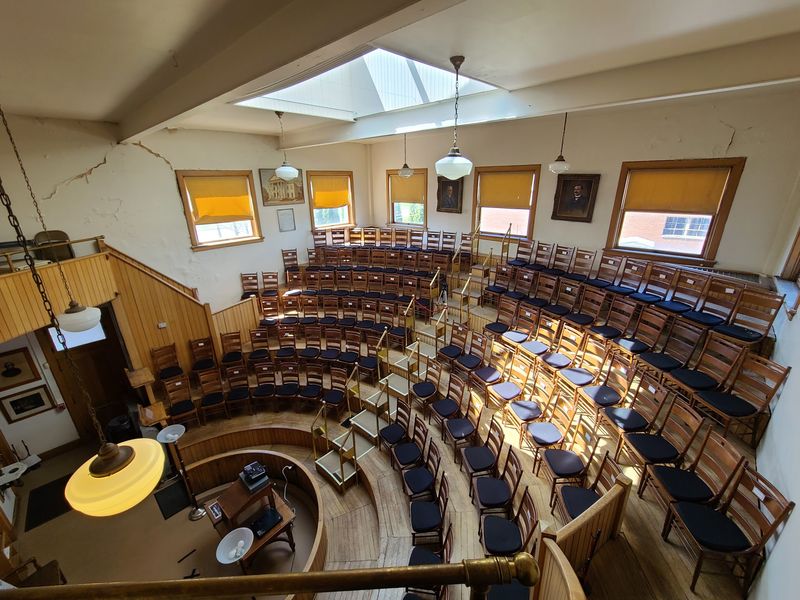
Let’s be real for a second, most historic buildings do not include a 19th century autopsy amphitheater. Here the original wooden benches still face the front of the room.
Built in 1896, the structure served as a pathology building for a state hospital. Everything sits nearly untouched, from specimen jars to teaching charts. Sunlight pours through tall windows onto original laboratory tables.
Guided tours lead through the anatomical museum, chemistry lab, and photography room. Guides explain how doctors studied illness long before modern scanners existed. Their storytelling keeps heavy topics respectful and surprisingly easy to follow.
Science students often take notes, while curious travelers simply stare at the equipment. Antique microscopes and brass instruments line cabinets with beautiful old labels. The details make late Victorian medicine feel oddly close.
Outdoors, a medicinal plant garden grows herbs once used as treatments. Volunteers tend it carefully, and spring blooms make the grounds worth a slow loop. Benches nearby give you a quiet minute to process the tour.
Tours run on a schedule, so check hours before you drive over. Photography rules apply in certain rooms, and staff will explain them upfront. Comfortable shoes help, since floors are original and stairs are steep.
The address is 3270 Kirkbride Way, Indianapolis, west of downtown near the White River. Pair it with a park stroll afterward for balance. Few tours will stick in your memory this stubbornly, and that is a compliment.
3. Auburn Cord Duesenberg Automobile Museum, Auburn
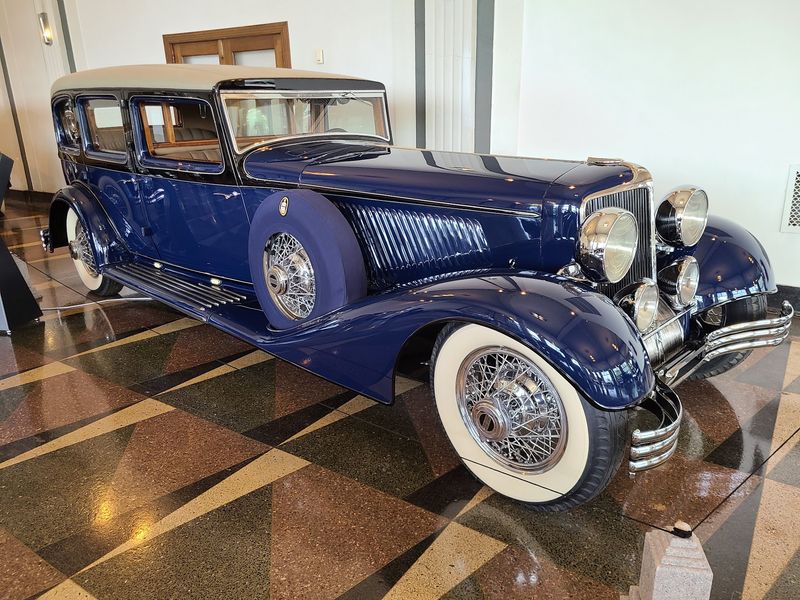
Art Deco terrazzo floors reflect chrome like still water. The building once served as headquarters for a luxury car company in the 1930s.
Designers sold million dollar dreams from this very lobby. Original light fixtures and wood paneling remain in place.
Roughly 120 vehicles fill multiple galleries across three floors. Duesenberg models steal attention with towering hoods and hand shaped bodywork. Cord cars show off front wheel drive engineering that was decades ahead.
Exhibits also trace how Indiana factories shaped American car culture. Photographs, blueprints, and factory tools sit beside the finished machines. Gearheads and design lovers both find something to obsess over.
Labor Day weekend brings a festival that fills Auburn with classic vehicles. Streets buzz with engines, auctions, and parades during those days. Quieter winter afternoons let you study details without crowds nearby.
Allow two hours minimum, and longer if you read every placard carefully. The gift shop stocks model cars that make excellent souvenirs. Elevators help families with strollers reach the upper galleries easily.
Head to 1600 Wayne St, Auburn, just north of Fort Wayne off Interstate 69. Several other car collections sit within a short drive, making a themed day simple.
Walk out and every modern sedan on the lot will suddenly look boring.
4. James Dean Gallery, Fairmount
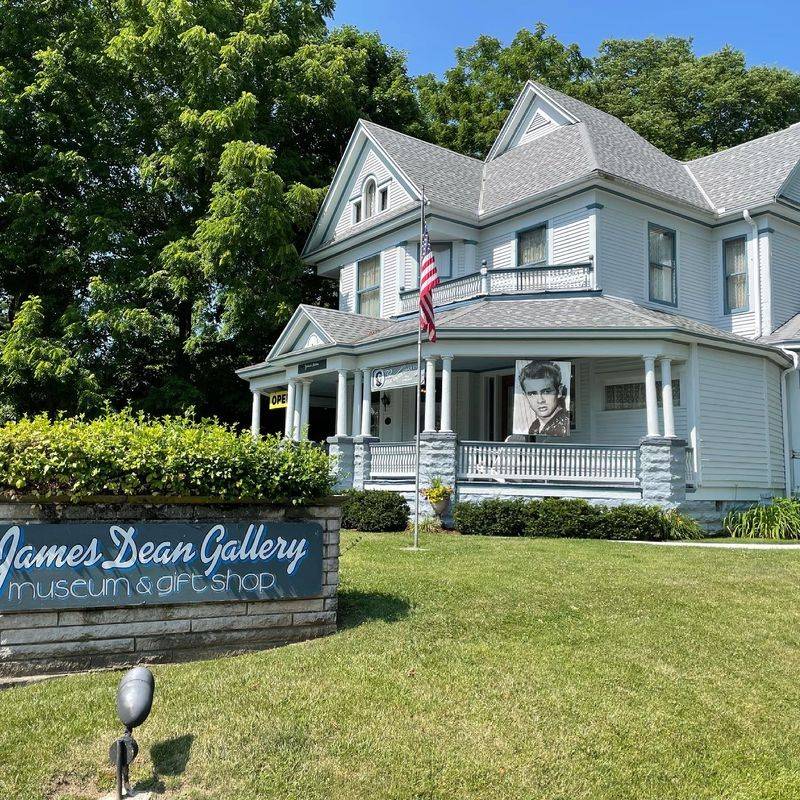
One of Hollywood’s biggest 1950s stars grew up surrounded by Indiana farmland. His hometown still celebrates him every single year.
The James Dean Gallery in Fairmount holds thousands of items connected to the actor. High school yearbooks, report cards, and family photographs anchor the collection.
Movie posters from around the world cover the walls in bright rows.
Film buffs come for props and rare publicity stills from three famous features. Casual travelers usually get hooked by the small town details instead. Seeing his teenage drawings makes the fame feel unexpectedly human.
Fairmount itself stays tiny, with a few blocks of shops and quiet streets. His high school and family farm sit nearby for those who want the full loop. Locals happily point you toward each landmark.
September brings a festival that draws fans and vintage cars from many states. Sidewalks fill with music, food stands, and lookalike contests. Off season stops feel peaceful and give staff time to chat.
Displays change as new donations arrive, so repeat trips reveal fresh material. Bring cash for the shop, which sells prints and memorabilia. An hour usually covers the gallery comfortably.
You will find it at 425 N Main St, Fairmount, roughly halfway between Indianapolis and Fort Wayne. Country roads getting there are scenic in early autumn.
Somewhere between the yearbooks and the posters, a rebel becomes a real teenager again.
5. Dunkirk Glass Museum, Dunkirk
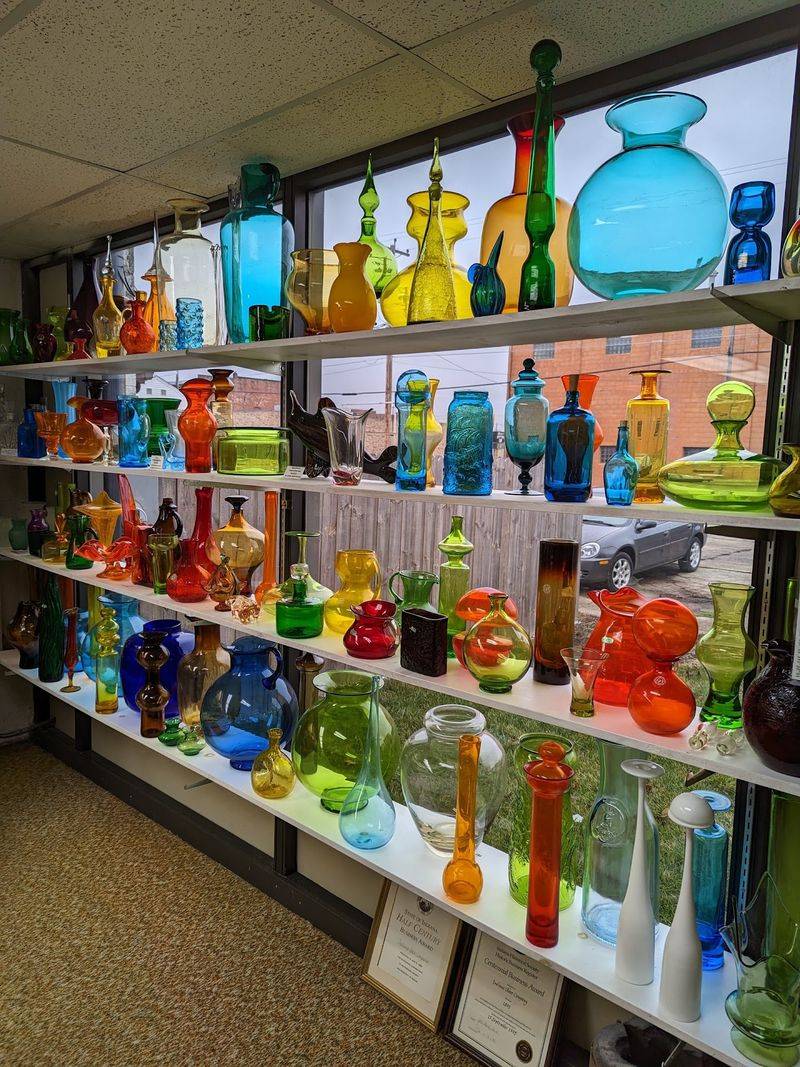
Sunlight through 6,000 pieces of colored glass does something magical to a room. Colors bounce across the floor like scattered candy.
Dunkirk once earned the nickname Glass Capital thanks to nearby natural gas fields. Factories boomed here in the late 1800s and shaped the whole town.
Local pride runs deep, and the collection proves it.
Cases hold pressed glass, carnival glass, cut crystal, and delicate blown pieces. Some items came from more than 100 different American factories. Patterns range from fussy Victorian designs to sleek mid century shapes.
Exhibits explain how workers shaped molten glass using molds and long blowpipes. Old factory photographs show the heat and skill involved. Learning the process changes how you look at every bowl afterward.
Collectors arrive hunting specific patterns and often leave with new leads. Newcomers just enjoy the rainbow effect and the surprising variety. Volunteers know the stories behind the rarest items on display.
Hours are limited and seasonal, so calling ahead saves disappointment. The town hosts Glass Days each summer, adding demonstrations and community events. Give yourself about 45 minutes for a relaxed walk through.
The building stands at 309 S Franklin St, Dunkirk, northeast of Muncie. Small town cafes nearby handle lunch without much fuss.
Fragile, forgotten, and quietly dazzling, this collection shines brighter than its attendance numbers suggest.
6. Eugene V. Debs Museum, Terre Haute
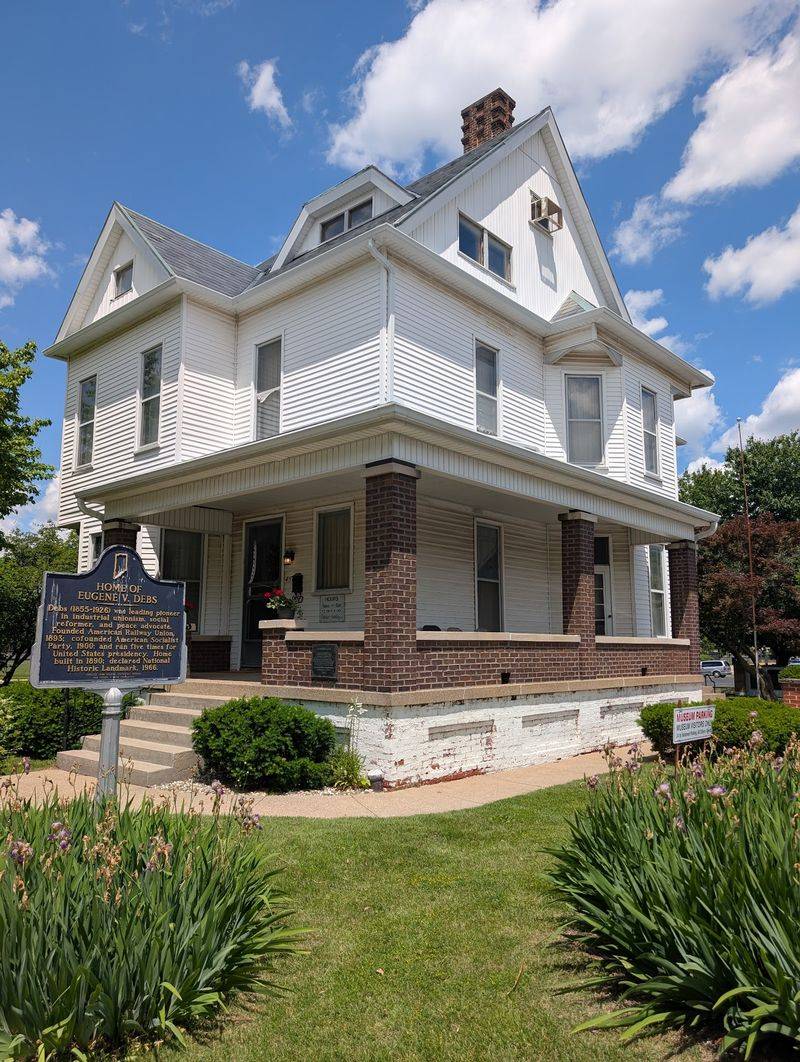
A five time presidential candidate once lived in this ordinary looking house. Neighbors still walk past it every day.
Built in 1890, the home belonged to a labor leader who helped organize American railroad workers. Rooms sit restored with period furniture and family belongings. Wooden floors creak in a satisfying, historic way.
Upstairs, a striking mural wraps the attic walls with scenes from labor history. Artists painted it in the 1970s, and the colors still hit hard. Banners, buttons, and campaign materials fill nearby cases.
Guides explain how union movements changed workdays, wages, and child labor rules. Complicated politics get explained in plain, patient language. Students often connect it to lessons from social studies class.
The property sits near Indiana State University, so parking is usually simple. National Historic Landmark status protects the structure and its contents. Tours are typically free, though donations keep the doors open.
Hours can be short, so confirming ahead makes the trip smoother. Allow about an hour, plus extra time for questions. Photographs are generally welcome in most rooms.
Look for 451 N 8th St, Terre Haute, close to the western edge of the state. Downtown restaurants sit a few blocks away for an easy meal after.
Small house, enormous story, and a reminder that history often starts on a quiet street.
7. International Monster Truck Museum And Hall Of Fame, Butler
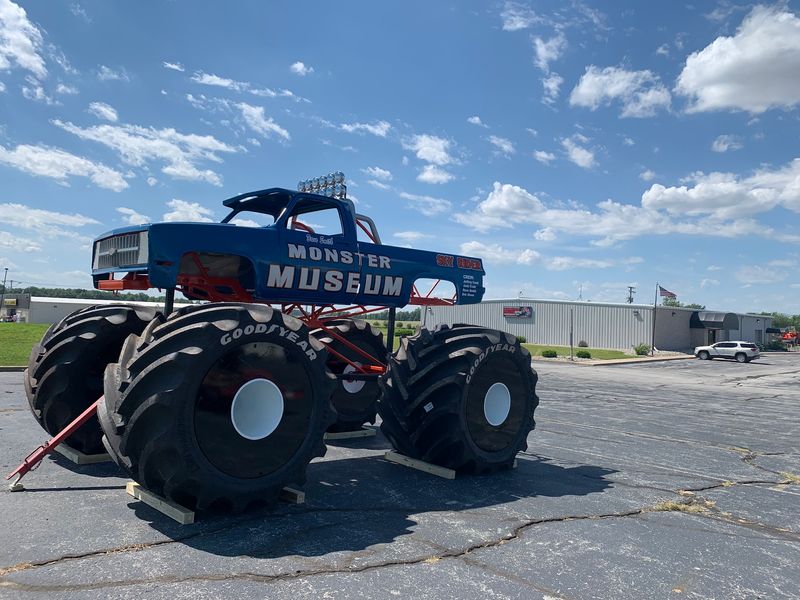
Are you seeing what I’m seeing? Tires taller than most adults parked indoors?
The scale hits you immediately.
Butler hosts the International Monster Truck Museum and Hall of Fame in a former farm equipment building. Retired trucks, engines, and massive wheels crowd the space.
Custom paint jobs look even louder up close.
Exhibits trace the sport from 1970s pickup experiments to arena spectacles. Trophies, helmets, and driver suits fill display cases along the walls. Old programs and photographs show how quickly crowds grew.
The Hall of Fame honors drivers, builders, and mechanics who shaped the industry. Plaques explain each contribution without drowning you in jargon. Fans of loud machinery will linger far longer than expected.
Kids love climbing opportunities and photo moments beside the giant tires. Adults tend to geek out over suspension setups and engine specs. Volunteers share behind the scenes stories from competition days.
Hours vary by season, so a quick call before driving out is smart. Annual events bring trucks, drivers, and demonstrations to town. Merchandise here makes for genuinely unusual souvenirs.
The museum sits at 541 W Main St, Butler, in the northeastern corner of the state. Auburn’s car galleries are a short hop away for a full motorsports day.
Nobody expects rural Indiana to guard monster truck history, yet here it proudly sits.
8. Wilbur Wright Birthplace And Museum, Hagerstown
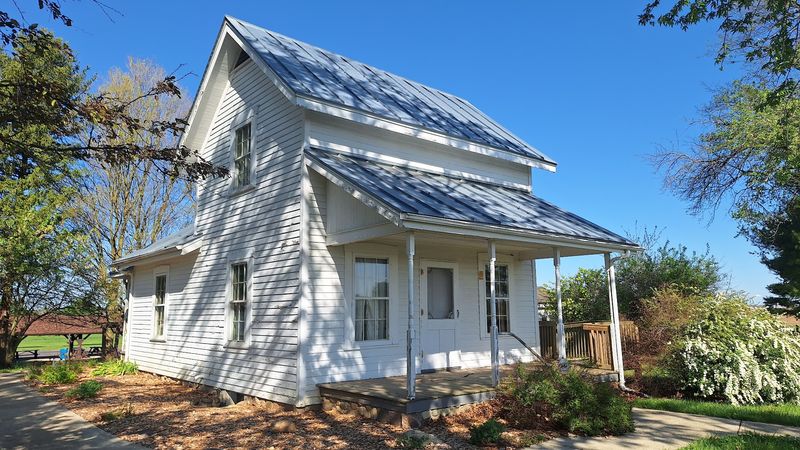
Just imagine for a second the man who cracked powered flight starting life in a plain farmhouse. No runway, no hangar, only farm fields.
Wilbur Wright was born in 1867 in this small home near Hagerstown. The reconstructed house sits on the original land, furnished with period pieces. Simple rooms show how modest rural life truly was.
A nearby museum building holds aviation exhibits and a full size flyer replica. Wooden frames and fabric wings reveal how fragile early aircraft really were. Bicycle shop tools nod to the brothers’ first business.
Displays trace family history, letters, and the long road toward controlled flight. Interpreters explain wind tunnel tests in language anyone can follow. Suddenly the leap from workshop to sky makes sense.
Grounds include picnic tables and open lawn, handy for families with restless kids. Spring and fall bring pleasant weather for wandering outside. Photographers appreciate the uncluttered rural backdrop.
An annual celebration each April marks his birthday with activities and demonstrations. Regular hours are seasonal, so verify before making the drive. Budget about 90 minutes for house and exhibits combined.
The address reads 1525 N County Rd 750 E, Hagerstown, in eastern Indiana. Country roads getting there are quiet and pleasantly scenic.
Stand in that yard, look up, and the whole story of flight suddenly feels personal.
9. Studebaker National Museum, South Bend
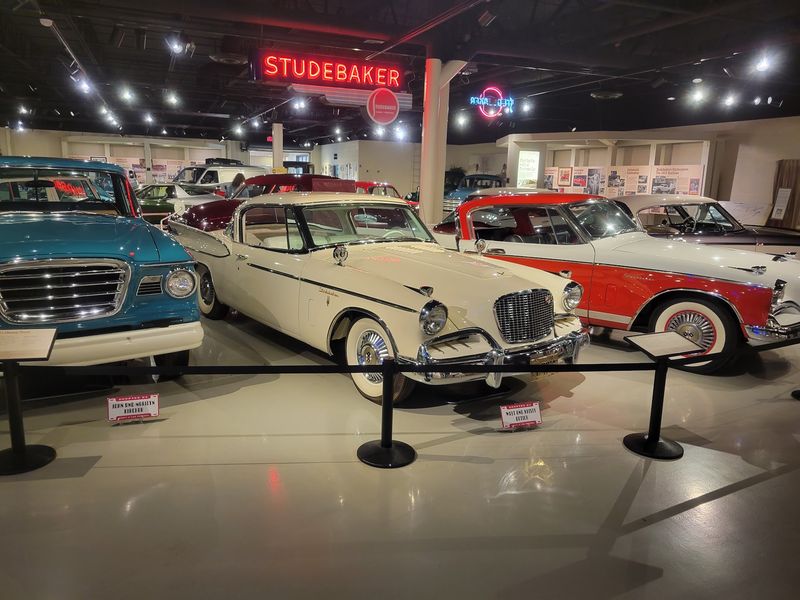
Wagons and rocket shaped cars sharing one building sounds unlikely until you walk the galleries. Both belong to the same company story.
South Bend’s Studebaker National Museum covers a firm that started building wagons in 1852. Later it produced cars, trucks, and military vehicles for decades. Three levels hold roughly 120 vehicles.
Carriages used by American presidents anchor the lower level collection. Nearby, sleek 1950s and 1960s models show wild design experiments. The Avanti still looks like it escaped from the future.
Archives hold company records, blueprints, and advertising art from many eras. Researchers request documents, while casual travelers enjoy the bold vintage posters. Local history exhibits explain how the factory shaped the whole city.
Military vehicles, including wartime trucks, reveal a lesser known side of production. Interactive stations keep younger family members entertained between galleries. Staff answer questions with obvious enthusiasm.
The building connects to a history museum next door, so combo tickets stretch your time. Two to three hours works well for both. Parking is on site and free, which simplifies planning.
Locate it at 201 Chapin St, South Bend, near downtown and Notre Dame. Restaurants nearby make lunch or dinner easy to arrange.
Leaving here, you understand why a whole city still talks about a car company.