10 Hidden Islands In Georgia That Deserve A Spot On Your Bucket List
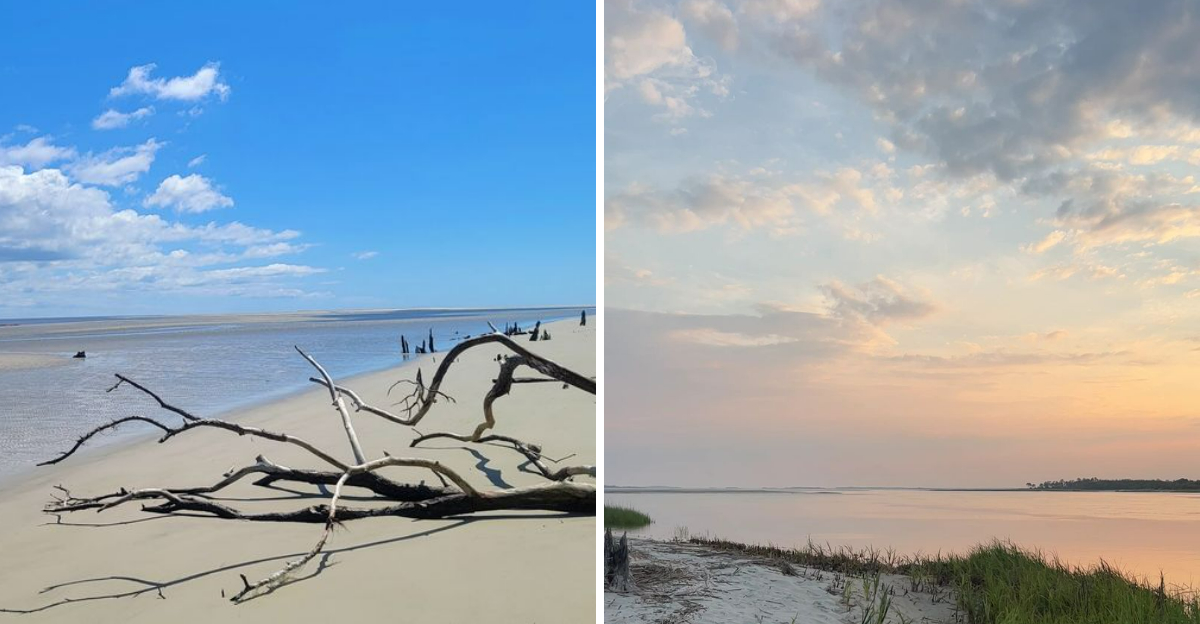
A dolphin surfaced right beside our boat, and everyone on board went silent for a second. That small moment made me realize this trip was going to be different than I expected.
I had boarded a ferry with no real plan, just curiosity about where the water would take me. Marsh grass stretched out in every direction, gold and endless, with barely another boat in sight.
Someone next to me mentioned this coast holds dozens of islands most visitors never think to visit. I laughed, thinking they were exaggerating.
They weren’t. Georgia keeps a whole string of these quiet places scattered along its coastline, each one holding its own story and its own kind of silence.
I stepped off that ferry with sand in my shoes and a list already forming in my head. Georgia was just getting started with me.
1. Cumberland Island National Seashore
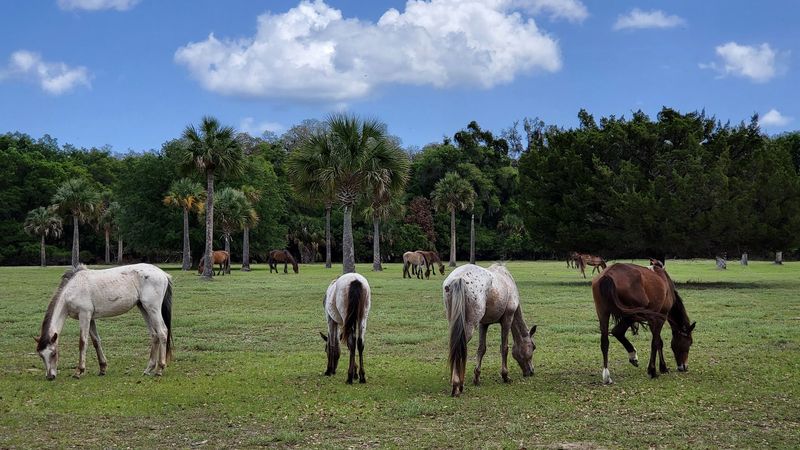
Wild horses wander freely along these shores, and nobody herds them anywhere. Seeing one graze beside crumbling brick walls is a strange and wonderful thing.
The island stays undeveloped by design, so there are no shops or paved roads. A 45-minute ferry ride from St. Marys is the only way across for most visitors.
Book that ferry early, and I mean up to six months ahead. Popular dates vanish quickly, especially in spring and fall.
Maritime forests here are ancient, with twisted live oaks forming shady tunnels. Salt marshes stretch out behind them in every direction.
Armadillos rustle through the leaf litter, and wild turkeys strut across the trails. Bring binoculars and a slow pace.
Camping ranges from developed sites at Sea Camp to remote wilderness spots. Permits are required for every overnight stay, no exceptions.
The Dungeness Ruins once belonged to the Carnegie family. Ranger-led walking tours share the stories behind those tall empty windows.
For a broader look, the Lands and Legacy Tour travels by van. It stops at cultural and historic landmarks across the island.
Ferries leave from 113 St Marys St W, St Marys, GA 31558. Cars stay behind on the mainland.
2. Sapelo Island National Estuarine Research Reserve
Culture and coastline meet in a way that few places manage. Gullah/Geechee heritage shapes daily life on this island, not just its museums.
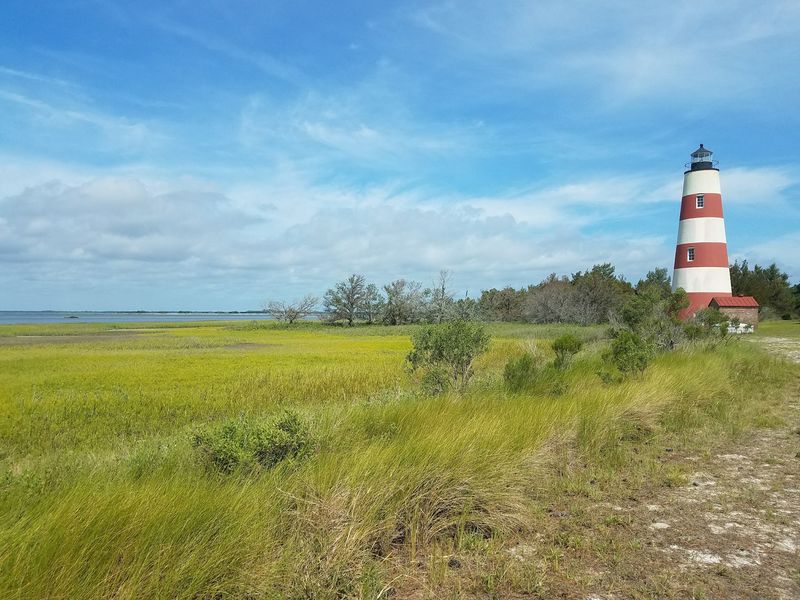
The lighthouse dates back to 1820 and is the oldest surviving coastal lighthouse in Georgia.
Getting here means catching a ferry from Meridian, about eight miles northeast of Darien. Reservations are essential, so call before you drive out.
Both public and private tours are available. Each one covers different ground, so ask which fits your interests.
Hog Hammock is a living community, not a re-creation. Its place on the National Register of Historic Places says plenty.
Many tours stop at the University of Georgia Marine Institute. The historic Reynolds Mansion often appears on the route too.
Beaches out here stay pristine because crowds simply never form. Different ecosystems sit side by side, from dunes to dense woods.
Eagles circle overhead and alligators sun themselves in freshwater ponds. Keep a respectful distance from both.
The visitor center and ferry dock sit at 1 Long Tabby Rd, Sapelo Island, GA 31327. A quick phone call ahead saves a wasted trip.
3. The Lodge On Little St. Simons Island
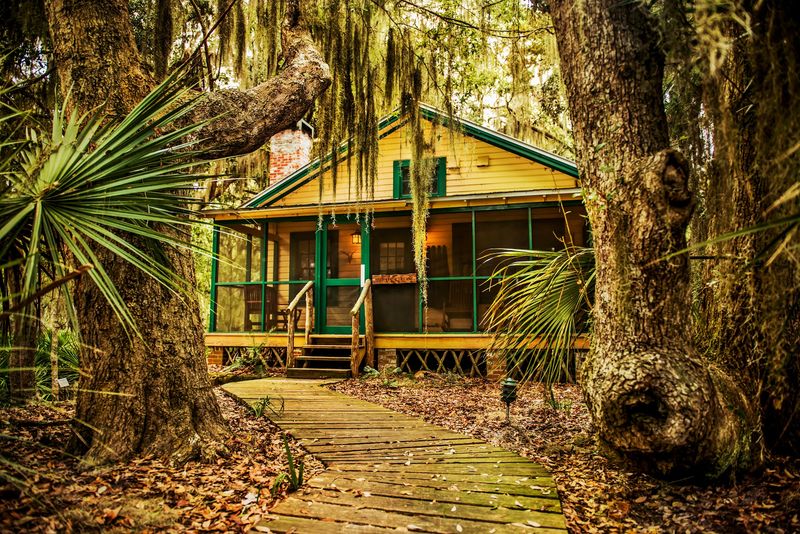
Only thirty-two guests are allowed on the island at any time. That number alone tells you what kind of quiet to expect.
Boats are the sole way in, and the trip begins at Hampton River Marina. Advance reservations are required, no walk-ups.
Seven miles of beach stretch out with no footprints but your own. Shorebirds and seashells make up most of the traffic.
Naturalists lead excursions for birdwatching and kayaking through tidal creeks. They know where the herons hide.
Maritime forests cover much of the interior, sheltering all sorts of wildlife. Trails wind through palmetto and oak.
Guests can also strike out alone on foot or by beach bike. The lodge supplies the gear, which keeps packing simple.
Stays are all-inclusive, and the kitchen leans hard into farm-to-table cooking. Meals feel unhurried and generous.
By the second morning, the mainland starts to feel very far away. That is the whole point.
The boat launch is at 1000 Hampton River Club Marina Dr, St Simons Island, GA 31522. Plan your arrival window carefully.
4. Ossabaw Island
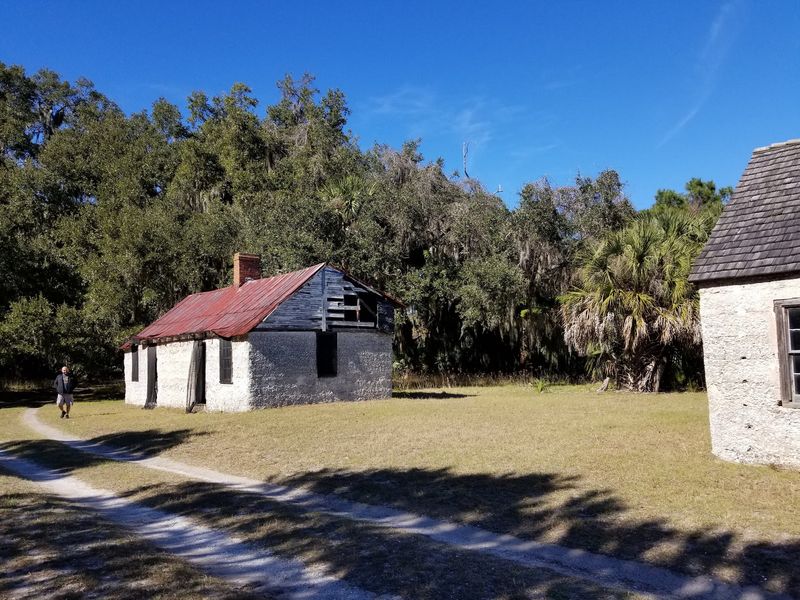
Here sits the first and largest Heritage Preserve in this part of the state. Preservation, not development, drives every decision made here.
The island covers roughly 26,000 acres of varied terrain. Maritime forests, freshwater ponds, and sprawling marshlands all share the space.
Access to the interior stays carefully controlled. The Ossabaw Island Foundation arranges occasional public and group tours.
Day trips often include a walking tour of the North End Plantation. Restored tabby cabins built by enslaved Africans stand there still.
Specialized programs go deeper than a standard tour. Archaeology workshops, coastal ecology sessions, and indigo dyeing classes appear on the calendar.
Ossabaw Island is state-owned, and access is carefully controlled under its Heritage Preserve rules.
That means a boat trip can land you on sand legally, with no tour booked. Just stay where the water reaches.
Tabby, by the way, is a building material made from oyster shells and lime. Coastal builders used it for centuries.
The foundation office is at 13040 Abercorn St Ste 20, Savannah, GA 31419. Contact them to sort out your visit.
5. Wassaw Island
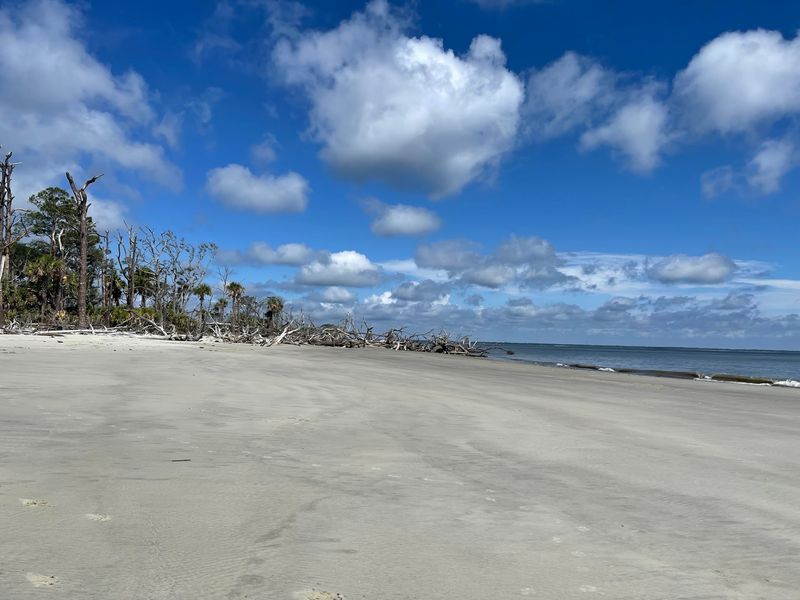
Ten thousand acres of barrier island, and not a single building to spoil the view. National Wildlife Refuge status keeps it that way.
Boats and kayaks are the only transportation. Day use is all that is permitted, and camping is not allowed.
Migratory birds treat the island as a critical rest stop. Loggerhead sea turtles nest along its beaches in warm months.
Deserted stretches of sand run for miles with driftwood scattered across them. It is the kind of beach that photographs beautifully.
Alligators, deer, and a long list of birds live here year-round. Watch quietly and you will spot more.
Designated trails welcome hikers and cyclists. Only the ocean-side portion of the refuge is open to the public, so respect the signs.
Launching is easiest from nearby marinas. Isle of Hope and Skidaway Island both work well as starting points.
No street address exists for the island itself, which feels appropriate. Look for boat access near Savannah, GA 31411.
Pack water, sunscreen, and a tide chart before you push off. Timing matters more than you might think.
6. Blackbeard Island
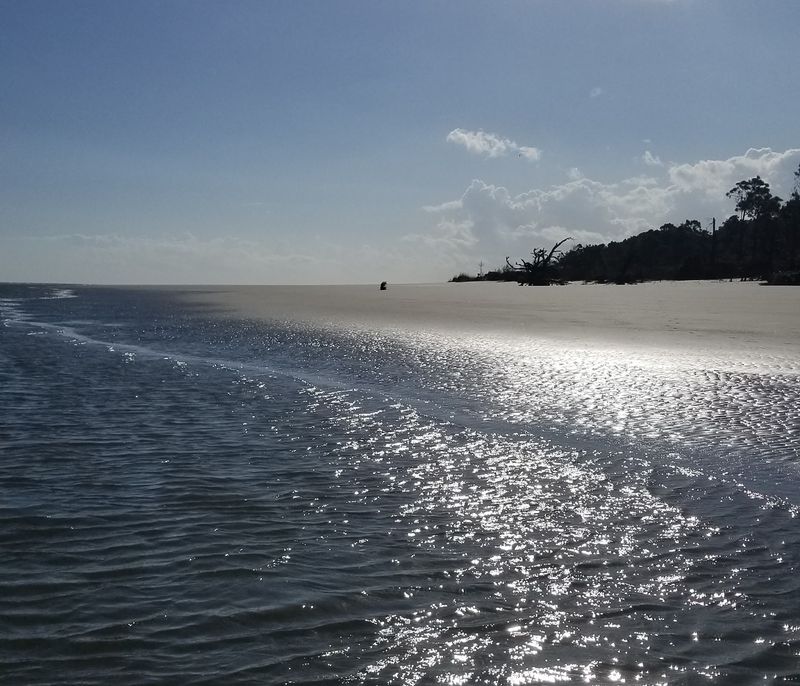
The name promises pirates, but the reality is a working wildlife refuge. Remote hardly covers how removed this place feels.
Some of the oldest managed archery deer hunts in the Refuge System happen here. They take place twice a year, three days each time.
Boat access is the only option, with no ferry service at all. Visitors arrange their own transportation and study tide tables closely.
Get the tide wrong and you will find yourself waiting hours in a creek. Locals plan around the water, not the clock.
Wildlife thrives because human presence stays minimal. The island functions as habitat first and destination second.
Forest, marsh, and beach all exist in an undisturbed state. That combination is increasingly rare along this coast.
Birders and photographers find plenty to work with from the water. Patience pays off more than distance covered.
Refuge management handles permits and current conditions. Rules can shift with nesting seasons, so verify before going.
The refuge complex office sits at 1000 Business Center Dr Ste 10, Savannah, GA 31405. Call ahead and plan your boat trip properly.
7. Little Tybee Island
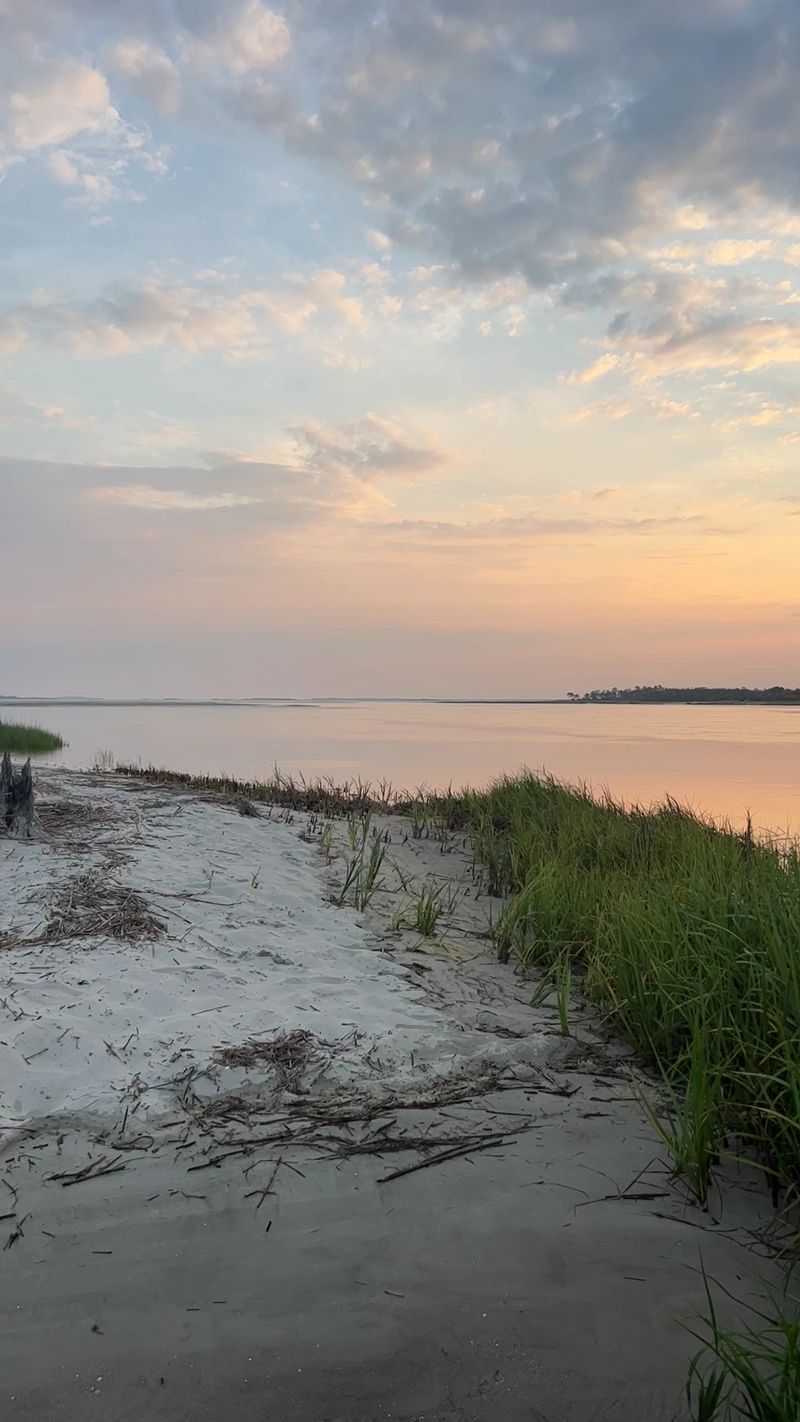
Funny thing about the name: this island is actually twice as large as its developed neighbor. Nobody lives there, either.
Getting across means boat, kayak, or jet ski. No permit or reservation is needed, which is refreshingly simple.
The shoreline stays pristine because there is nothing to build near it. Coastal salt marshes back the beaches with tall green grass.
Birdwatchers do very well here. Beachcombers do even better, since shells go uncollected for days.
Camping is allowed and completely free. Rustic is the honest description, so bring every single thing you need.
That includes drinking water, shade, and trash bags. Whatever you carry in has to come back out with you.
Sunrise over the water is worth the awkward sleep on sand. Coffee tastes better with no one else around.
Kayak rentals and guided paddles are available from nearby outfitters. First-timers should go with a guide.
Lazaretto Creek boat ramp is the usual launch point, found at 1000 US-80, Tybee Island, GA 31328. Check the tide before you shove off.
8. St. Catherines Island
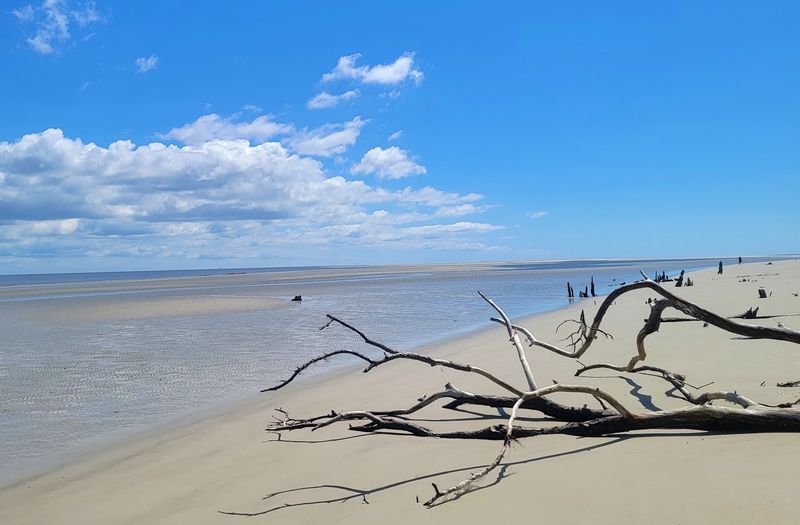
Research and conservation run this island, not tourism. That makes it one of the least visited spots along the coast.
History here reaches back into early colonial disputes. Ownership was eventually granted to Mary Musgrove, a figure central to that era.
Public access is highly restricted today. All visits must be hosted through the St. Catherines Island Foundation.
Occasionally special tours or educational programs open up. Partner organizations usually handle those arrangements.
Protecting the ecosystem remains the island’s main job. Numerous species and archaeological sites depend on that protection.
Archaeologists have studied the island for decades because layers of the past sit undisturbed. That is exactly why casual visits are limited.
Even without walk-in access, the island shapes regional conservation. Its research findings ripple out to other coastal projects.
Think of it as a bucket list entry you plan around, watching for rare public opportunities. Patience is part of the deal.
Administrative inquiries go to 182 Camellia Rd, Midway, GA 31320. Ask about upcoming public events or educational openings.
Keep expectations realistic and your curiosity intact. Some places earn respect by staying closed.
9. Colonels Island
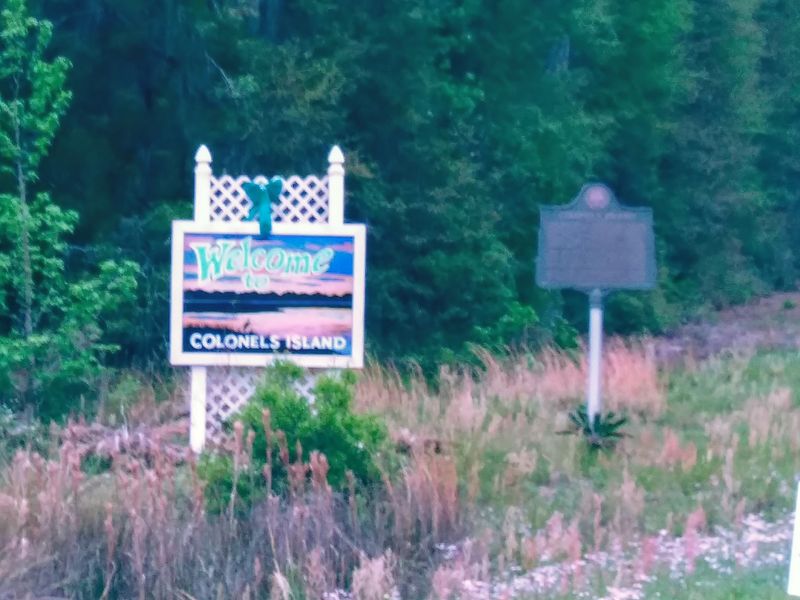
Before the current name, people called this place Bermuda Island. The change came from the many colonels who established plantations here.
Agriculture shaped the island’s role in the antebellum economy. Rice and indigo were the leading cash crops.
Historical markers spell out that complicated past. Reading them slowly is worth the stop.
Long before Europeans arrived, the Guale Indian Kingdom lived on this land. Their history runs deep through the area.
Today a small, remote community calls the island home. Residents reach the island by local roads connecting it with the Midway area.
There is something odd and pleasing about driving a federal highway to its final foot. The road just stops.
Old plantation sites remain part of the landscape. Learning their legacies gives the quiet a different weight.
Expect no visitor center and no gift shop. What you get instead is a genuinely unhurried glimpse of history.
Colonels Island sits in Darien, GA 31320. Follow the markers and keep your voice down out of respect for residents.
Pair it with a stop in nearby Darien for a full afternoon. The drive itself is scenic.
10. Cockspur Island
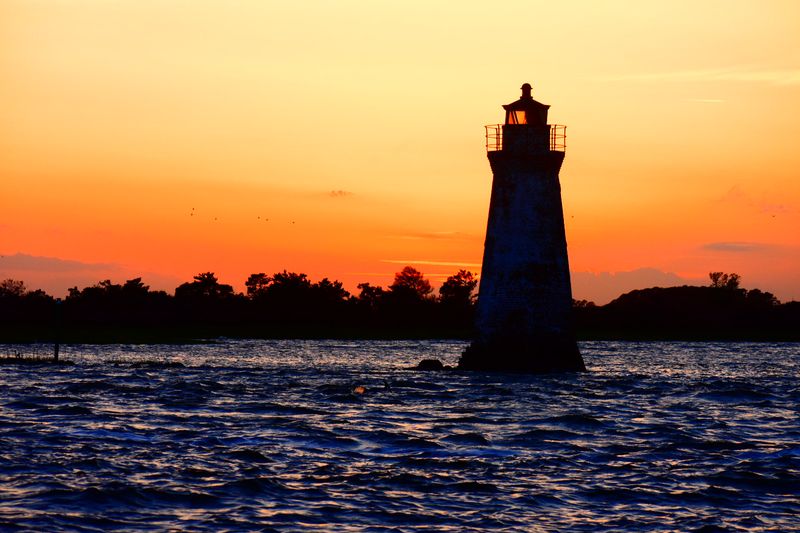
Small island, big history. Fort Pulaski National Monument stands right here, and the walls still tell a story worth exploring.
Built in 1856, the brick lighthouse marks the South Channel. It once guided ships toward a very busy port.
Touring the fort takes you through thick masonry corridors and up onto the ramparts. Ranger programs fill in the fascinating details.
Walking the grounds, you can picture the daily life of soldiers stationed along the coast. The engineering used to construct these walls influenced fort design for generations afterward.
Views across the surrounding waterways are genuinely lovely. Freighters still slide past on their way inland.
Trails and marsh overlooks make this good for nature lovers too. Birders often linger longer than history buffs.
Facilities include parking, restrooms, and a visitor center. That makes it an easy half-day trip.
Reach the island at 101 Fort Pulaski Rd, Savannah, GA 31410. Wear comfortable shoes for the brick and gravel.
It is the most accessible stop on this list. Start here if boats make you nervous.
The surrounding marshland adds another layer worth slowing down for. Herons and egrets wade through the shallows while dolphins occasionally surface just offshore.
Photographers show up early to catch soft morning light across the water. Bring a picnic if you want to stretch the visit into a full afternoon.
Benches near the water make a perfect spot to sit and watch boat traffic drift by. History and scenery share the same footprint here, which is rare to find in one easy stop.