This Connecticut Town Where Even The Warmest Summer Months Average Below 75 Degrees
Summer heat loses some of its swagger in this quiet corner of the state.
High in the hills, this Connecticut town has long been known for cooler summer weather, with even the warmest months averaging below 75 degrees.
That difference can feel especially welcome when lower elevations are dealing with heavier heat. Mornings invite an extra cup of coffee outside, while afternoons often feel comfortable enough for an unhurried walk through town.
The landscape helps set the mood. Wooded roads climb gradually through the hills, and evenings tend to bring another noticeable drop in temperature.
There is no giant resort scene waiting here. That is exactly the appeal.
You can spend the day exploring nearby trails, then settle into an evening when a light layer may actually come in handy.
For anyone tired of building summer plans around air-conditioning, this place offers a gentler alternative.
Sometimes the best warm-weather luxury is simply stepping outside and feeling comfortable there.
1. Cooler Summer Days In The Northwest Hills
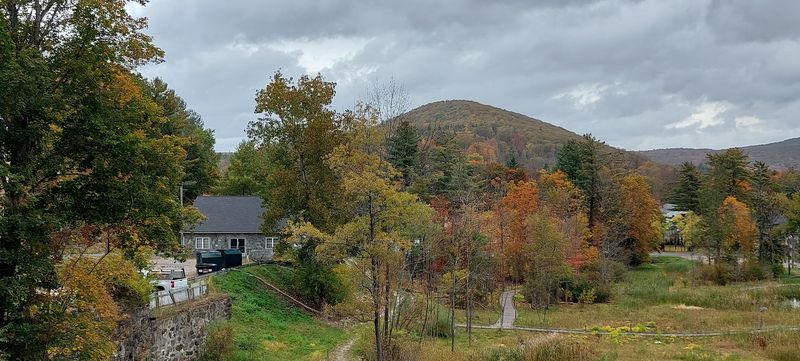
Ask a longtime resident of the Litchfield Hills which town feels coolest in July, and Norfolk comes up fast. The town sits in the Northwest Hills at roughly 1,230 feet above sea level, high enough to genuinely change how summer feels.
People have called it the Icebox of the state for generations.
The numbers back up the nickname. Average daily highs in July, usually the hottest month across the state, land near 78.7 degrees, while June averages a mild 76.
Those readings describe a humid continental climate with warm summers rather than punishing ones.
For travelers, the difference shows up in small, practical ways. A midday walk does not feel like a chore, a car parked in the sun stays tolerable, and a noon picnic still sounds appealing rather than ambitious.
Pack a light long-sleeve shirt even in July, because a breeze crossing the hills can make shade feel genuinely brisk. Anyone driving up from the shoreline or the Farmington Valley tends to notice the shift in the final few miles, as the road climbs and the forest closes in around it.
Summer arrives here, just with the volume turned down. On paper it is a modest change.
In person, it is the whole reason people come.
2. It Still Gets Its Share Of Summer Heat
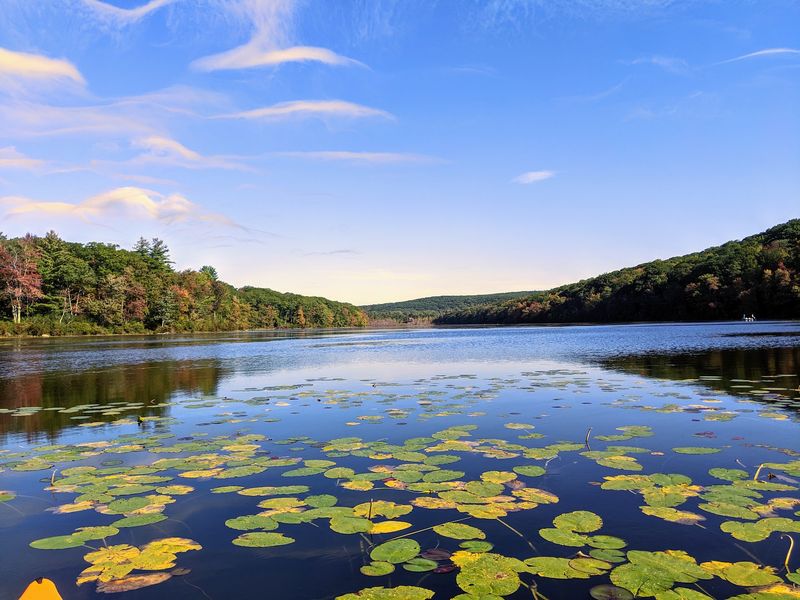
Nobody should arrive expecting Norfolk to feel cool every single hour of summer. Warm afternoons still happen, especially during stretches of humid weather, but they are generally balanced by the town’s higher elevation and cooler overall pattern.
That is part of what makes summer here feel different from many lower parts of Connecticut. Even when the day warms up, mornings can start pleasantly mild, and temperatures often become more comfortable again as evening approaches.
The wooded surroundings help too. Shaded roads and forested trails give visitors plenty of ways to stay outdoors without spending the entire day exposed to direct sun.
It is still worth checking the forecast before heading out. Bring water for longer walks, save more strenuous hikes for earlier in the day when needed, and keep a light layer nearby for later.
Humidity can occasionally make a warmer afternoon feel heavier than expected, but Norfolk is hardly known for relentless summer heat.
The town’s appeal comes from that balance. Summer is still unmistakably summer, just softened by elevation, shade, and cooler nights that make spending time outside feel easier than it does in many other parts of the state.
3. Evenings Cool Down Faster Up Here
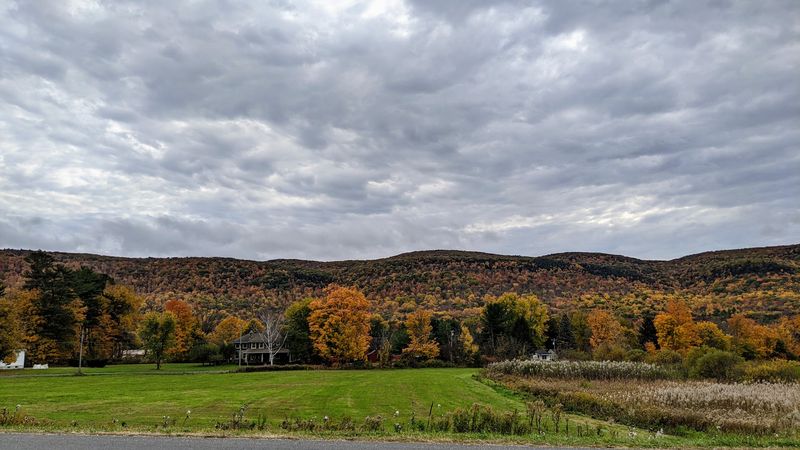
The best part of a Norfolk summer might happen after dinner. Once the sun slips behind the ridgelines, the air changes quickly, and a thin cotton shirt stops feeling like enough.
Average July lows settle around 59.5 degrees, and June nights average close to 56. Elevation and an inland position, far from the moderating influence of Long Island Sound, let daytime heat escape upward instead of lingering until morning.
Hartford, by comparison, averages July lows near 66 degrees. That gap matters a lot when you are trying to fall asleep.
So pack a fleece or a light sweater even for an August trip. Porch conversations run long in this town, and many nights are cool enough that open windows do the work air conditioning does elsewhere.
Campers and anyone staying in an older inn or rental should expect real chill by two in the morning, which makes a warmer sleeping layer a smart addition to the bag.
Evening also happens to be the prettiest hour in Norfolk. Mist collects in low fields, crickets take over the soundtrack, and the temperature drop feels less like weather and more like a reward for the day’s walking.
Take an after-dinner stroll and the nickname explains itself.
4. Shady Streets Make Hot Afternoons Easier
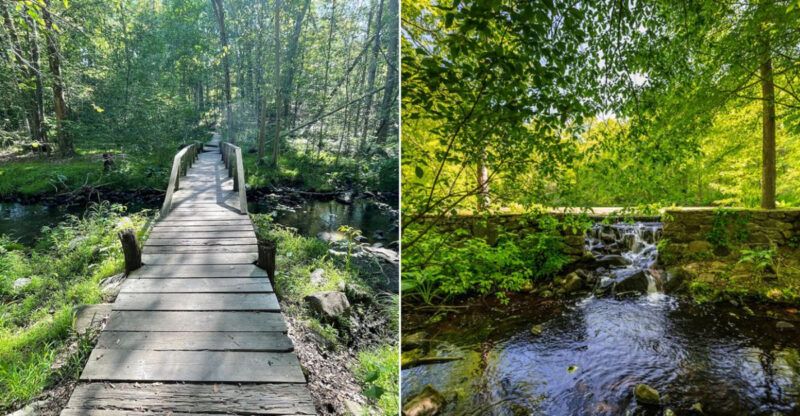
Tall trees do a great deal of quiet work in Norfolk. Forests cover much of the surrounding hills, creating welcome shade along trails, back roads, and many of the town’s outdoor spaces.
Norfolk is home to three state park properties, giving visitors several easy ways to spend time beneath the trees.
Haystack Mountain State Park follows wooded terrain toward its well-known stone tower, while Dennis Hill State Park combines forested paths with open viewpoints and picnic areas.
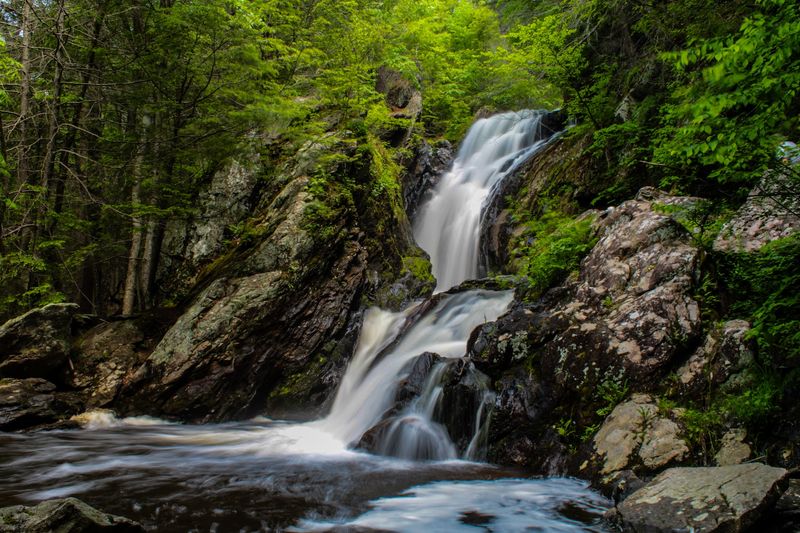
Campbell Falls State Park Reserve adds another shaded escape, with woodland trails leading toward its namesake waterfall near the Massachusetts border.
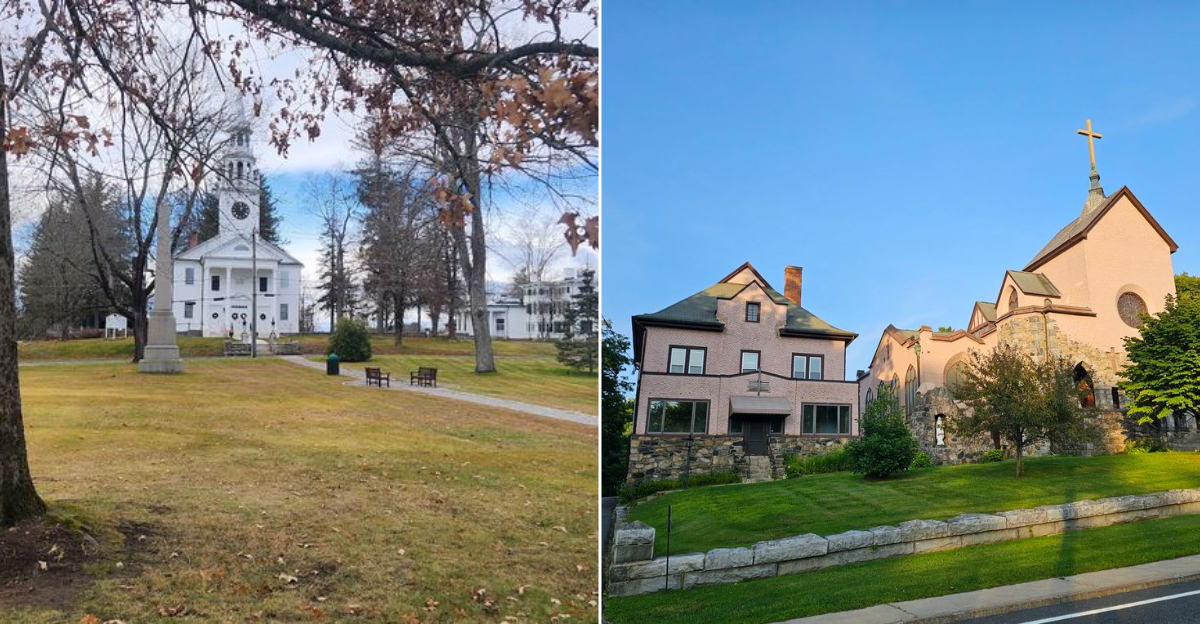
Closer to the village center, the town green and nearby public spaces offer places to slow down between outings.
When temperatures climb, choosing a wooded trail can make an afternoon outdoors noticeably more comfortable. Tree cover provides relief from direct sun, although summer humidity can still make longer walks feel warm.
Bug spray is useful during damp stretches, and carrying water remains important even on cooler days. Norfolk’s abundant forest cover does not eliminate summer heat, but it gives visitors plenty of shaded options when the sun is strongest.
5. Hartford Usually Feels Much Hotter
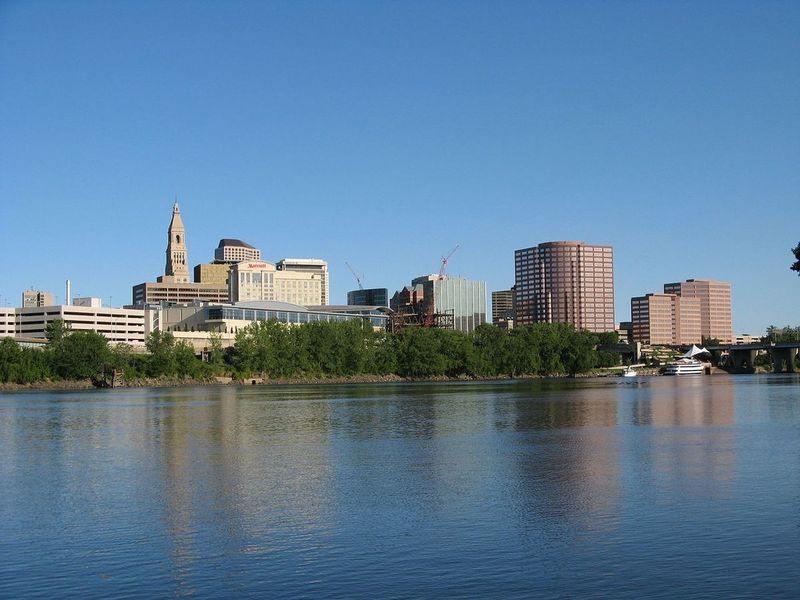
Drive southeast toward Hartford and the summer math changes in a hurry.
The capital’s hottest stretch, around late July, brings average daily highs near 84 degrees, with average lows near 66. Set that against Norfolk’s average July high of about 78.7 degrees and the difference runs more than five degrees.
Some comparisons of West Hartford against Norfolk show average highs running six to seven degrees warmer from June straight through September.
City surfaces widen the gap in ways the averages only partly capture. Asphalt, rooftops, and parking lots absorb heat and release it slowly, while Norfolk’s forest cover does close to the opposite.
Statewide trends make the contrast more interesting still. Connecticut has warmed by roughly 2 to 3 degrees over the past century, and hotter summer stretches have grown more common across the Northeast.
For anyone planning a heat escape without leaving the state, that is genuinely useful information. About an hour of driving from the Hartford area can hand you a cooler afternoon, a shaded trail, and a night that actually feels like sleeping weather.
Pack accordingly, because the same calendar day can feel like two different seasons depending on which end of that drive you happen to be standing on.
6. Outdoor Plans Stay Comfortable Longer
Long hikes are far easier when you are not racing the thermometer.
Norfolk’s milder afternoons stretch the usable part of a summer day, which changes everything for hiking, cycling, and unhurried picnics.
Haystack Mountain State Park, reached from Rte. 272, Norfolk, CT 06058, draws walkers toward a stone tower at the summit by way of a park road and a rugged trail, with wide views waiting at the top.
Dennis Hill delivers open summit scenery plus shaded spots for lunch, and Campbell Falls State Park Reserve adds falling water and cool, damp forest air to the mix.
Anyone who prefers flat water over elevation gain can head to Wood Creek Pond for boating and fishing. The Norfolk Land Trust also maintains a network of trails used for hiking in summer and skiing once the snow arrives.
Sturdy shoes matter more than fancy gear on these routes, since rocky sections and tree roots show up regularly. Carry water anyway, even on a 74-degree afternoon, because climbing still asks something of you.
The real luxury is timing. You do not have to start at dawn to avoid the worst heat here, which means a mid-morning breakfast and a two o’clock summit are both perfectly reasonable choices.
7. Summer Has A Different Pace In Norfolk
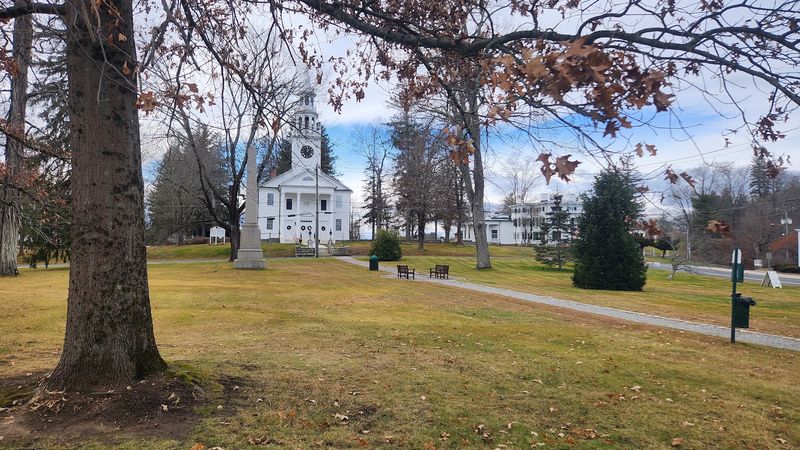
Some towns hum in July. Norfolk hushes.
With about 1,588 residents counted in the 2020 census, this Litchfield County town in the Northwest Hills Planning Region stays small on purpose, surrounded by forest and hill country rather than shopping plazas.
The pace follows the temperature. Days unfold slowly, conversations stretch out, and the choice between joining a local gathering or finding a quiet spot alone feels equally available.
Music gives the season its heartbeat. The Norfolk Chamber Music Festival brings performances to town through the summer months, adding a cultural pull to a place better known for trees and cool air.
Visitors often describe the same reaction after arriving: relief. Escaping heavy heat changes how a weekend feels, and people frequently mention how restorative a couple of days up here can be.
Plan light if you go. Two or three unhurried activities fill a Norfolk day nicely, and the village center is compact enough to explore on foot without a schedule.
Weekends bring more activity than weekdays, so a Tuesday visit feels especially peaceful. However you time it, the town rewards a slower approach, which is exactly what its climate seems designed to encourage.