This Gentle 4.5-Mile Connecticut Hike Leads Straight To A Scenic Waterfall
Sometimes a walk feels better when the destination gives you a reason to keep going.
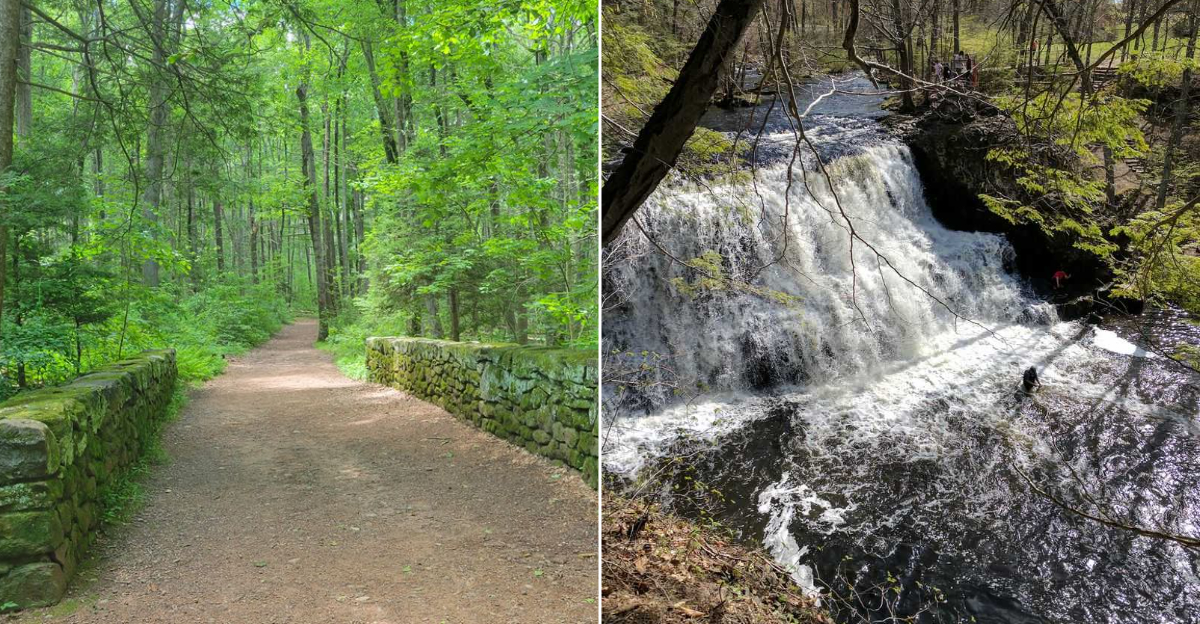
This route does exactly that, easing through the woods before revealing a waterfall at the end. A Connecticut hike with this gentle of a profile is a nice change when you want scenery without a punishing climb.
The trail stays approachable for most of the way, which keeps the outing feeling relaxed instead of technical. There is enough distance to make the day feel satisfying, but not so much that the return starts sounding like a bad idea.
The waterfall adds the real reward. After a steady walk beneath the trees, the sound of rushing water starts to creep in before the view fully opens up.
That little buildup makes the finish feel even better.
You get a proper trail day, a scenic payoff, and legs that are still speaking to you afterward.
1. Four And A Half Miles Through The Woods
What sounds better than a waterfall hike that does not demand an all-day commitment? At Wadsworth Falls State Park, you can stretch your legs, chase two cascades, and still have energy left for the rest of the day.
The park offers about 4.5 miles of hiking and biking trails, with routes that can be combined into an easygoing outing through woods, broad paths, and gentle changes in elevation.
Most sections feel approachable rather than strenuous, so the walk works well when you want scenery without a punishing climb.
Much of the trail system follows wide corridors that make conversation easy and leave room for different kinds of visitors. Hikers share the paths with runners, cyclists, families, and leashed dogs, while the generous width keeps the experience from feeling cramped.
The landscape also carries history. The property once belonged to Colonel Clarence Wadsworth, whose estate helped shape the park that visitors explore today.
Give yourself a couple of hours if you plan to pause at the falls, take photos, or stop for a snack. There is no reason to hurry here.
The best part is having time to wander, listen to the water, and enjoy the route at your own pace.
2. A Peaceful Start Beneath The Trees
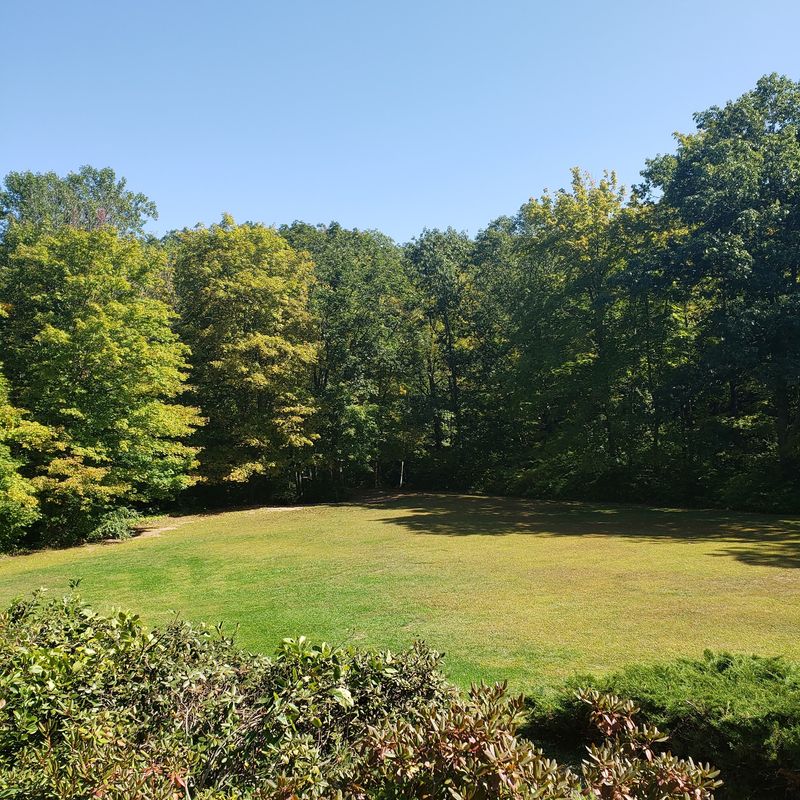
Most versions of this hike start at the main lot off Wadsworth Street. Picnic tables and open grass make the trailhead feel easygoing from the start.
The park’s main entrance sits at 721 Wadsworth St, Middletown, CT 06457, and there is usually plenty of parking early in the day.
From there, the first few minutes involve a stream crossing, and you get to choose your mood. A plain bridge does the job efficiently, while a small covered bridge nearby has become one of the most photographed features in the park.
Once past the water, the orange-blazed main trail opens into a broad, obvious path that heads straight into the woods. It is the sort of beginning that requires no navigation skill whatsoever, which makes it forgiving for first-timers and reassuring for parents.
Traffic noise fades quickly. Within a few hundred yards, the loudest sounds are usually leaves overhead, birds, and the faint suggestion of moving water somewhere ahead.
A quick tip: visit early on warm weekends. The lot and picnic areas fill as the afternoon goes on, and the trails feel noticeably more spacious in the morning.
3. River Views Along The Way
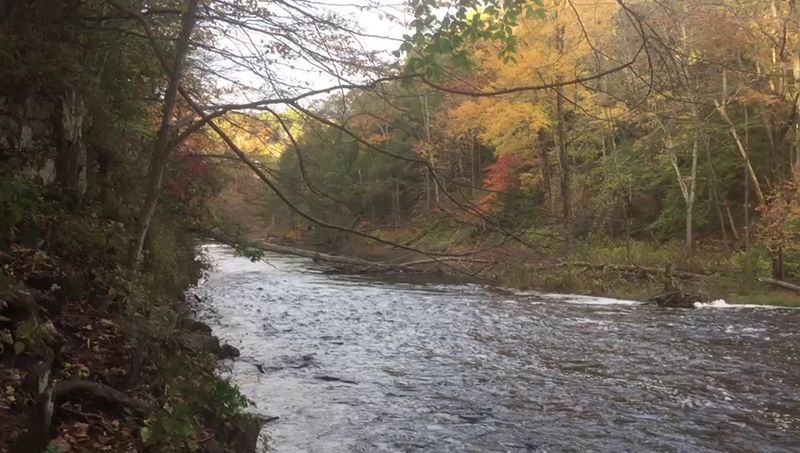
The Coginchaug River is the quiet co-star of this hike. Trails run parallel to it for long stretches, so you get repeated glimpses of moving water through the trees rather than one single reveal at the end.
Those riverside sections change character with the seasons. After spring rain or a wet stretch in summer, the current runs fast and loud enough to hear well before you see it, while drier weeks leave calmer pools and exposed stones along the banks.
Vegetation crowds the edges, which is part of the appeal. Ferns, mossy rocks, and leaning trees frame the water, and the temperature near the river often feels a couple of degrees cooler than the open picnic areas.
Sound is a big part of the experience here. The steady rush of the Coginchaug fills in behind footsteps and conversation, and it builds anticipation because you know exactly where all that water is heading.
Bring a small towel or extra socks if you are hiking with kids. River access points are tempting, and little feet find puddles and shallow edges with impressive accuracy.
Photographers, take note: overcast days soften the light on the water beautifully.
4. Big Falls As The Main Attraction
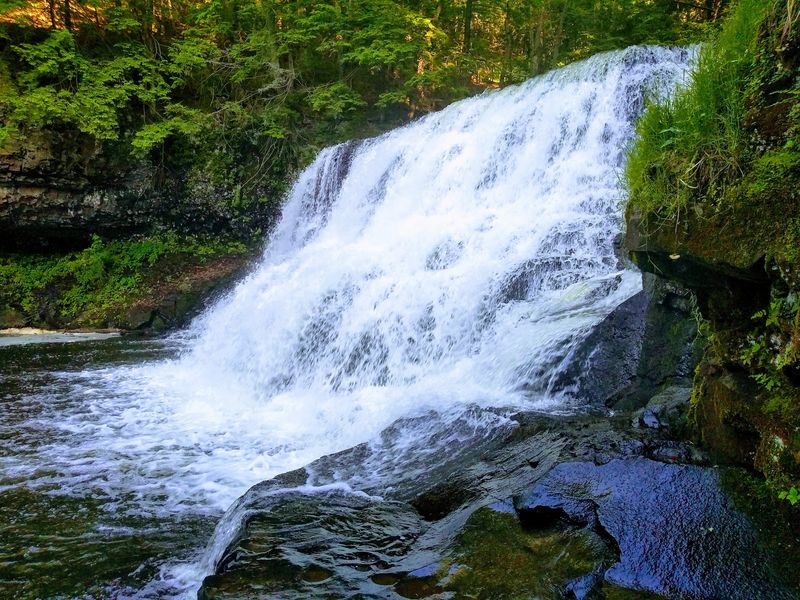
Big Falls is the reason most people drive to this corner of Connecticut, and it earns the attention. The Coginchaug River spreads across roughly 52 feet of rock and drops about 30 feet over a shelf of Hampden basalt, creating a broad, blocky curtain rather than a narrow chute.
Volume is what makes it memorable. When the river is running high, the whole ledge goes white and the roar carries a surprising distance through the woods.
Accessibility is the other pleasant surprise. A separate parking area on Cherry Hill Road in Rockfall puts visitors within a very short, nearly level walk of the falls, which means grandparents, strollers, and anyone with limited mobility can still enjoy the headline view.
There are two ways to take it in. An overlook platform gives you the wide, top-down perspective, while a path down toward the base puts you close enough to feel cool spray on your arms on a hot afternoon.
One rule deserves respect: swimming is not permitted at Big Falls. The current and rock ledges make it a place to look rather than wade, and the posted signs are there for good reason.
5. Little Falls Worth The Extra Stop
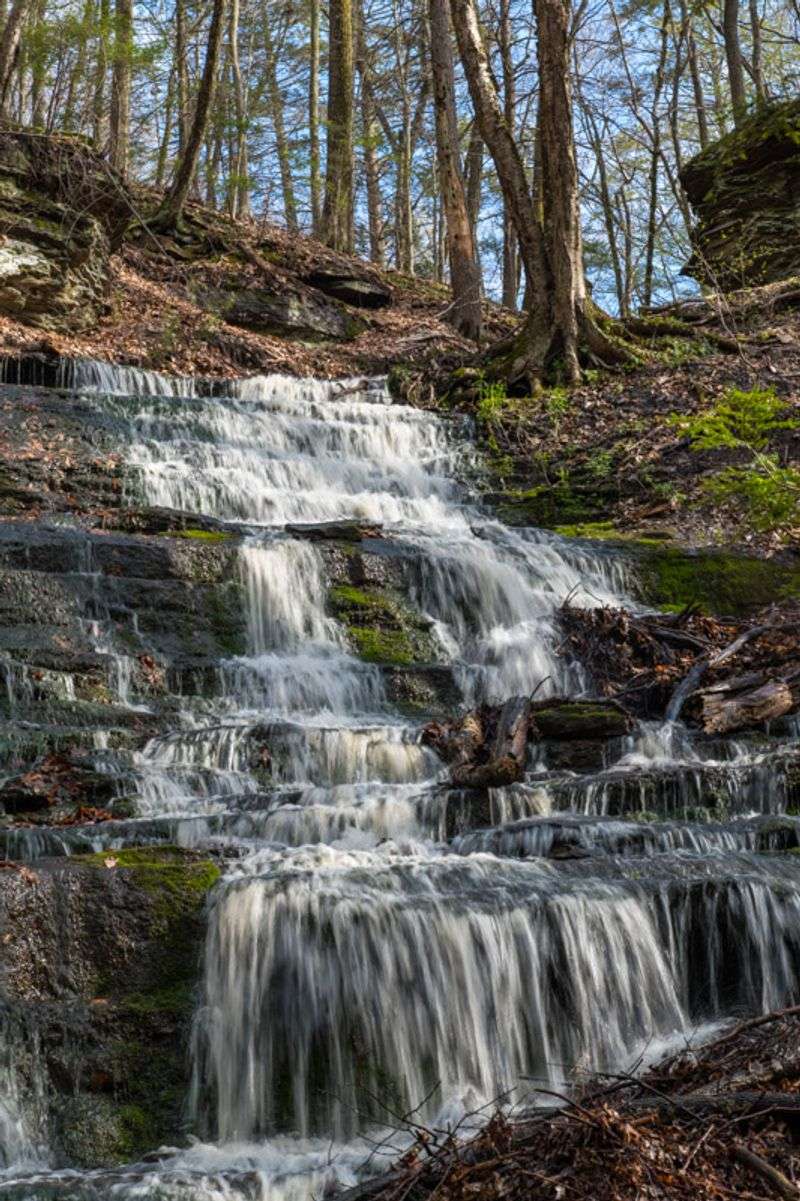
Here is the fun twist that surprises almost everyone: Little Falls is actually taller than Big Falls. Set along Wadsworth Brook, it descends roughly 40 feet over an outcrop of sandstone known as Portland arkose, which ranks it among the higher waterfalls in the state.
The name refers to water volume, not height. Wadsworth Brook carries far less flow than the Coginchaug River, so instead of a thundering sheet you get a delicate staircase of cascades stepping down layered rock.
Flow varies a great deal. After heavy rain or during spring melt, the cascade looks lush and lively, while late-summer dry spells can reduce it to a trickle over the ledges.
Getting there means committing to a bit more walking, usually a detour of about half a mile to a mile and a half from the main path along the blue-blazed trail. Many hikers reach it in roughly fifteen to twenty minutes from the junction.
The reward is atmosphere. A nearby stone bridge, quiet forest, and far fewer people make this the more contemplative of the two stops, and it is often the one visitors talk about afterward.
6. Footbridges, Forest Paths, And Rocky Stretches
Variety keeps this hike from feeling like a treadmill. Long portions follow the old carriage roads, packed earth and dirt that are wide, well used, and easy on the ankles.
Then the trail changes its mind. Closer to Little Falls, the blue-blazed sections narrow, tilt uphill, and scatter loose rocks and exposed roots underfoot, and a few spots may call for careful rock hopping across small streams.
Mud is worth planning around. After rain, low-lying stretches hold water for a while, so waterproof footwear or shoes with real tread will make the walk considerably more comfortable.
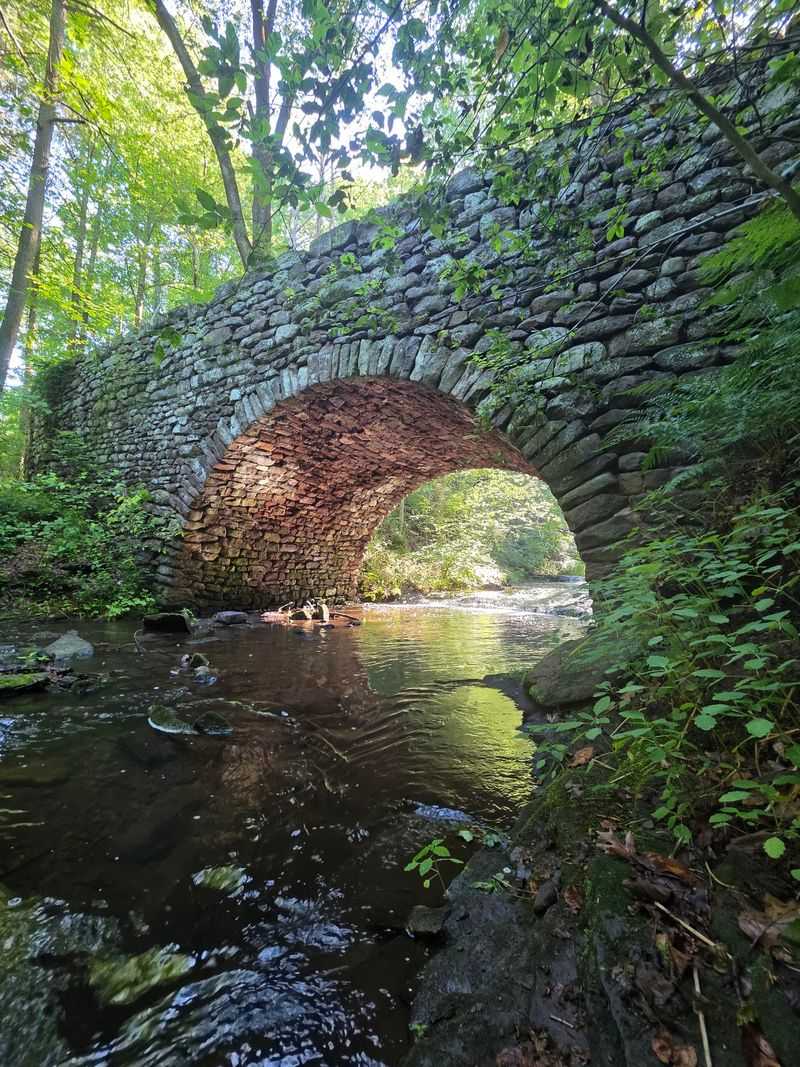
The built features are half the charm. Between the covered bridge near the trailhead and an old stone span deeper in the woods, the park quietly reminds you that this land was designed and cared for long before it became public.
Navigation is mostly straightforward, though some junctions where trail colors split can be briefly confusing. Snapping a photo of the posted trail map at the parking area is a simple habit that saves guesswork later, and keeping your phone charged is smart practice on any longer loop.
Take your time on the rougher pitches. They are short.
7. Plenty Of Shade For An August Hike
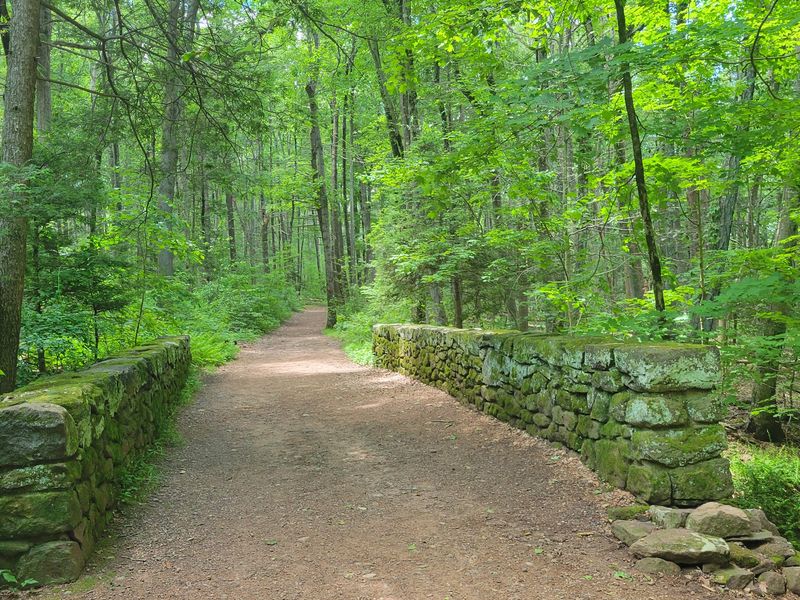
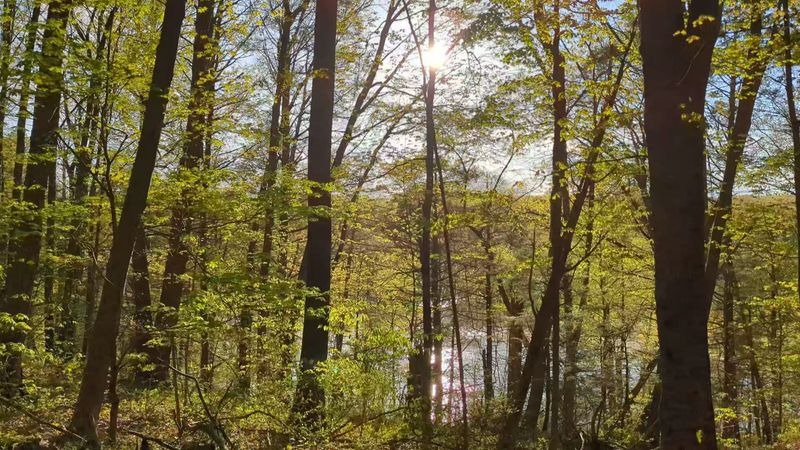
Summer hikers know the drill: heat, humidity, and the search for shade. Wadsworth Falls delivers on that last part generously, because the park is heavily wooded with mature hemlocks, beech, and oak that close overhead across much of the trail system.
The difference in comfort is real. Under that canopy, sunlight arrives in scattered patches instead of a steady glare, and the air along the shaded stretches and near the water tends to feel cooler than the open picnic lawns.
Visitors frequently describe the deep woods and shaded picnic tables as naturally air-conditioned, which is exactly why August works better here than it does on exposed ridge hikes. You can walk longer without feeling wrung out.
A few practical notes for warm months. Bug spray is worth carrying, since shaded, damp forest is prime mosquito territory in midsummer, and water bottles matter even when you are not baking in the sun.
Crowds also follow the heat. Warm weekends bring picnickers, grillers, and families in numbers, so an early start gives you cooler air and quieter trails at the same time.
Autumn, for what it is worth, turns the same canopy gold and rust.
8. A Scenic Finish Beside The Waterfall
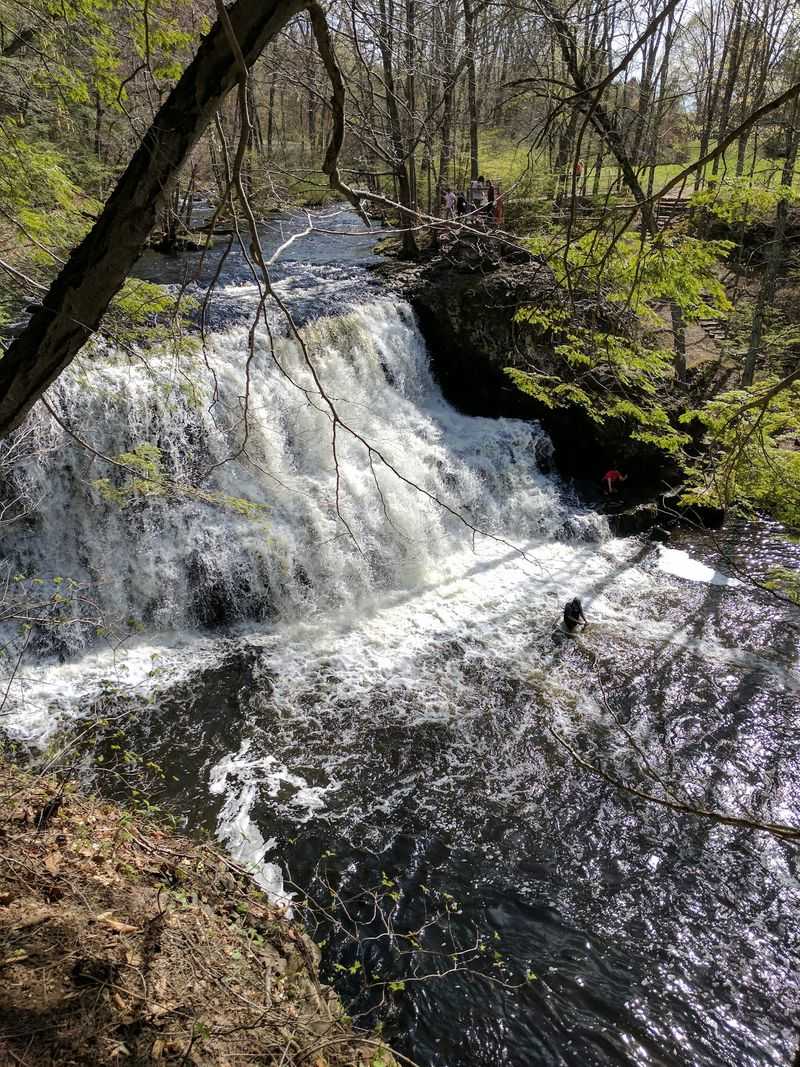
Endings matter, and this one is генuinely satisfying. Whether you finish at Big Falls with its broad basalt ledge or at the stepped cascades of Little Falls, the last stretch of the hike puts you within arm’s reach of moving water.
At Big Falls, stairs lead down toward the foot of the drop. Standing there, with mist drifting off the rocks and the sound filling the little gorge, is the moment most people remember from the day.
The overlook offers a completely different picture. From above, you see the full 52-foot width of the river spilling over the shelf, which photographs well and requires almost no effort to reach.
Little Falls closes things out more softly. The glen feels enclosed and hushed, and after the walk in, the payoff has the quality of a small private discovery.
Practical wrap-up: allow time to sit before heading back. Picnic tables near the entrance make a good landing spot, restrooms and portable facilities are available by the parking area, and the park is welcoming to dogs and families alike.
Come once and you will likely return in a different season, just to see how the water behaves.