This Connecticut Sanctuary Gives More Than 250 Rescued Animals A Safe Place To Live
Some animals arrive carrying histories that make the safe, ordinary moments feel unexpectedly powerful. More than 250 rescued animals now have room to simply live without wondering what comes next.
At this Connecticut sanctuary, that means quiet days filled with care, familiar routines, and people determined to give every resident the life they deserve. The number alone is striking, but the individual faces are what make the story stick.
Each resident has its own personality. Some are curious immediately, while others need more time before trust begins to show.
That is when the sanctuary stops feeling like a statistic and starts feeling deeply personal. It is difficult not to wonder what each animal experienced before arriving here or how different life looks now.
More than 250 stories continue unfolding on the same farm, and every peaceful day adds another chapter worth knowing.
1. Hundreds Of Rescued Animals Now Call This Farm Home
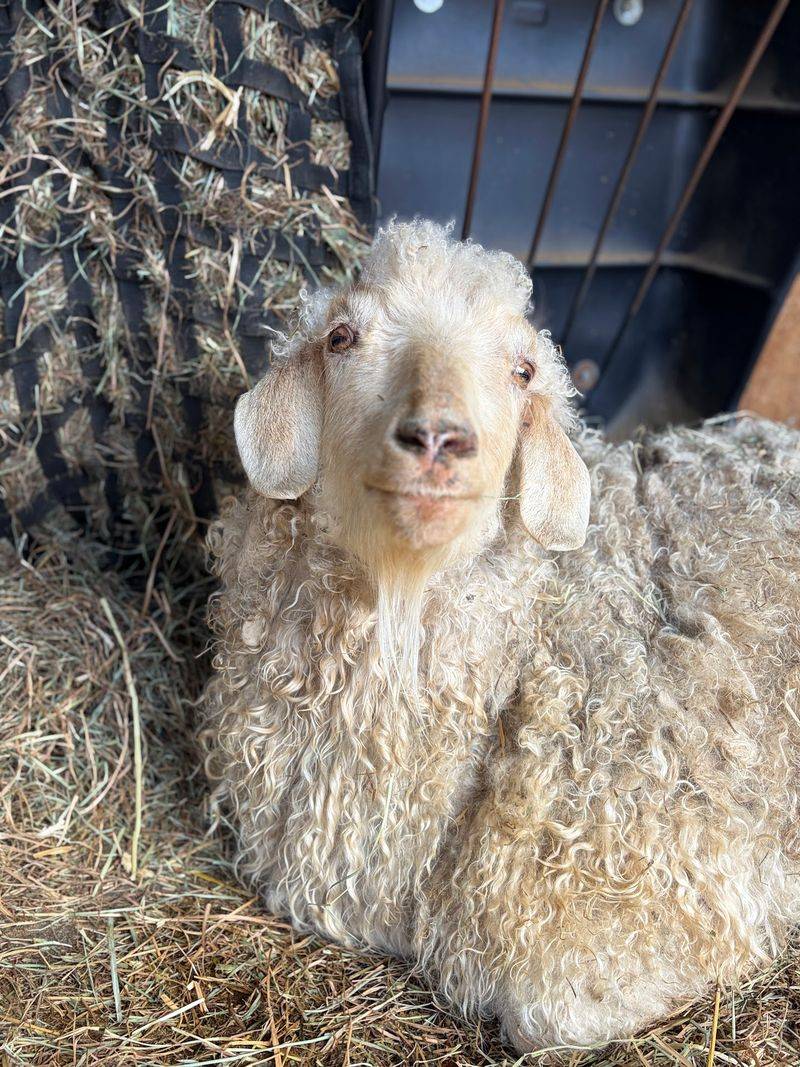
The farm has its own soundtrack. A goat may call from the fence while chickens scratch nearby and pigs settle into the grass.
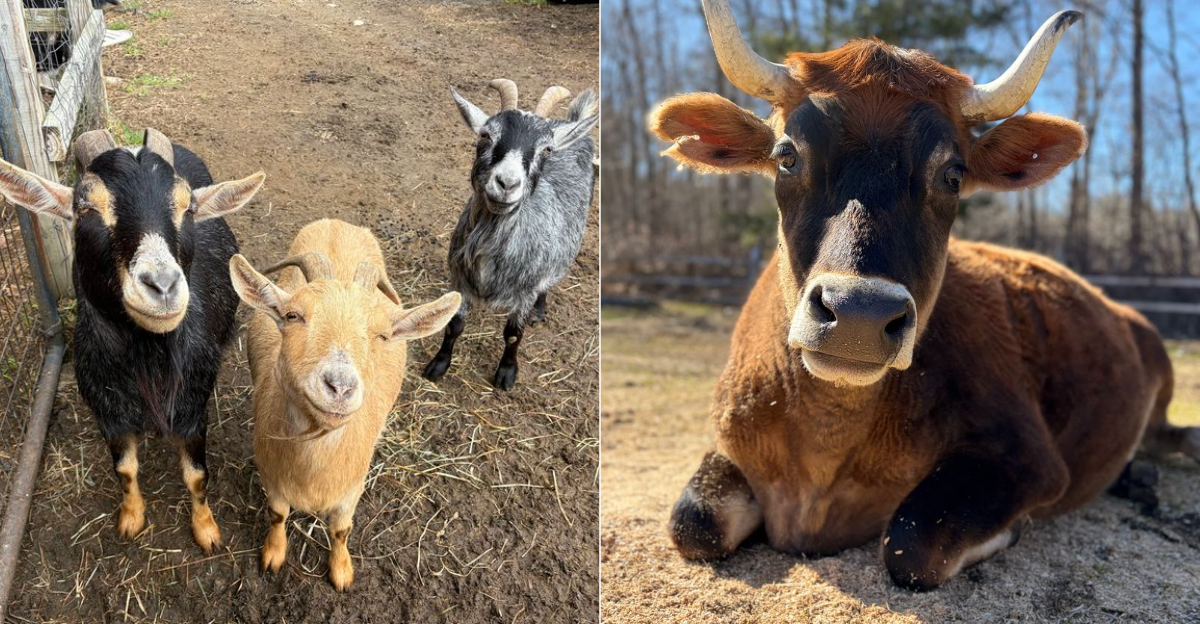
Hundreds of rescued animals now call this sanctuary home, and the mix goes well beyond the animals most people expect to meet on a farm. Sheep share the property with alpacas and miniature horses, while smaller residents range from rabbits to reptiles.
The variety makes every visit feel a little unpredictable.
What matters most is the life each animal has here now. Many arrived after difficult circumstances and needed time, steady care, or a safe place to settle.
Once comfortable, their days become refreshingly simple. They eat meals suited to their needs, receive veterinary attention when necessary, and have space to rest or explore at their own pace.
That calmer rhythm is easy to notice around the property. Residents develop distinct routines and personalities, giving the sanctuary much more character than its size alone suggests.
The Riley Farm Rescue focuses on rehabilitation and lifelong sanctuary, so animals are not treated as temporary guests. They get a permanent home where comfort comes first.
Spend a little time watching them relax, and the whole mission starts to make sense.
2. The Quiet Countryside Gives Them Room To Settle In
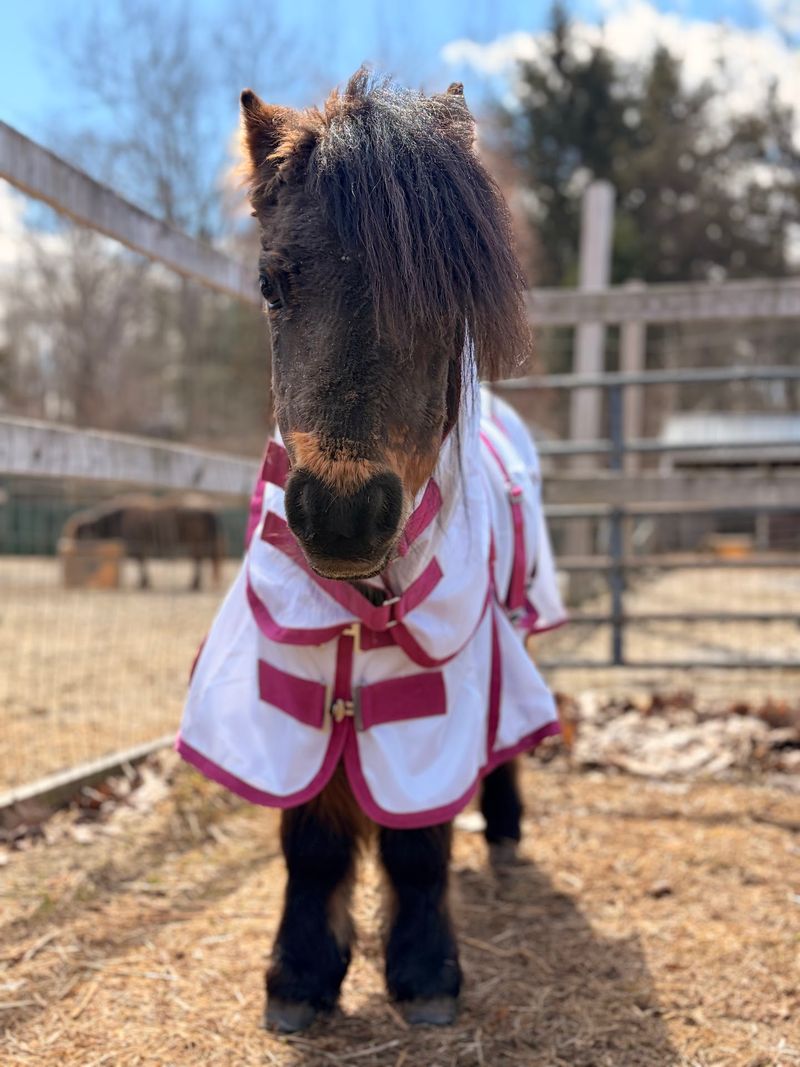
Quiet comes naturally out here. Even the animals seem to notice.
The sanctuary spreads across roughly 26 acres in Canterbury, where open pasture and wooded edges give rescued residents room to settle into their own routines. That space matters because animals arriving from stressful situations do not all adjust at the same pace.
Some prefer distance at first, while others grow curious much sooner.
Life on the farm changes noticeably with the weather. Spring can turn paths muddy, while summer brings longer hours outdoors and plenty of shade-seeking.
When autumn arrives, the surrounding trees add color around the fields. Winter shifts the focus toward warm bedding and careful shelter checks.
That slower setting suits the sanctuary’s mission well. Animals can rest without constant noise or pressure, and visitors get a clearer sense of how relaxed farm life can feel when comfort comes first.
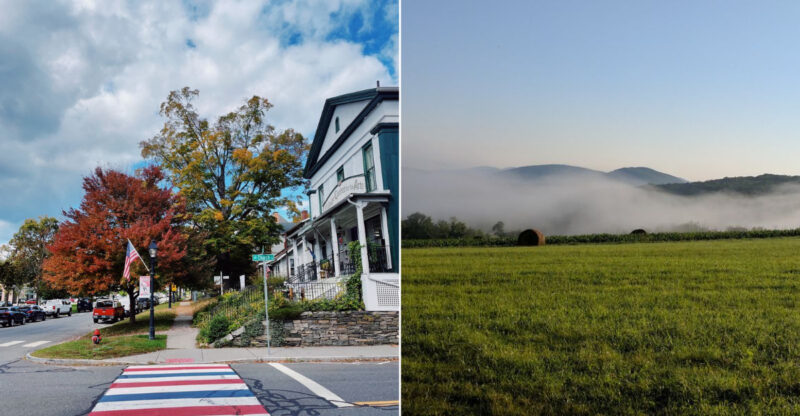
The property is part of eastern Connecticut’s Quiet Corner, where country roads and farmland shape the landscape. Visits and events take place at 13 Barstow Road, Canterbury, CT 06331.
Uneven ground makes sturdy closed shoes a smart choice. Dress for the forecast, then leave room to enjoy how peaceful the farm feels once the road noise fades.
3. More Than 250 Animals Live Across The Sanctuary
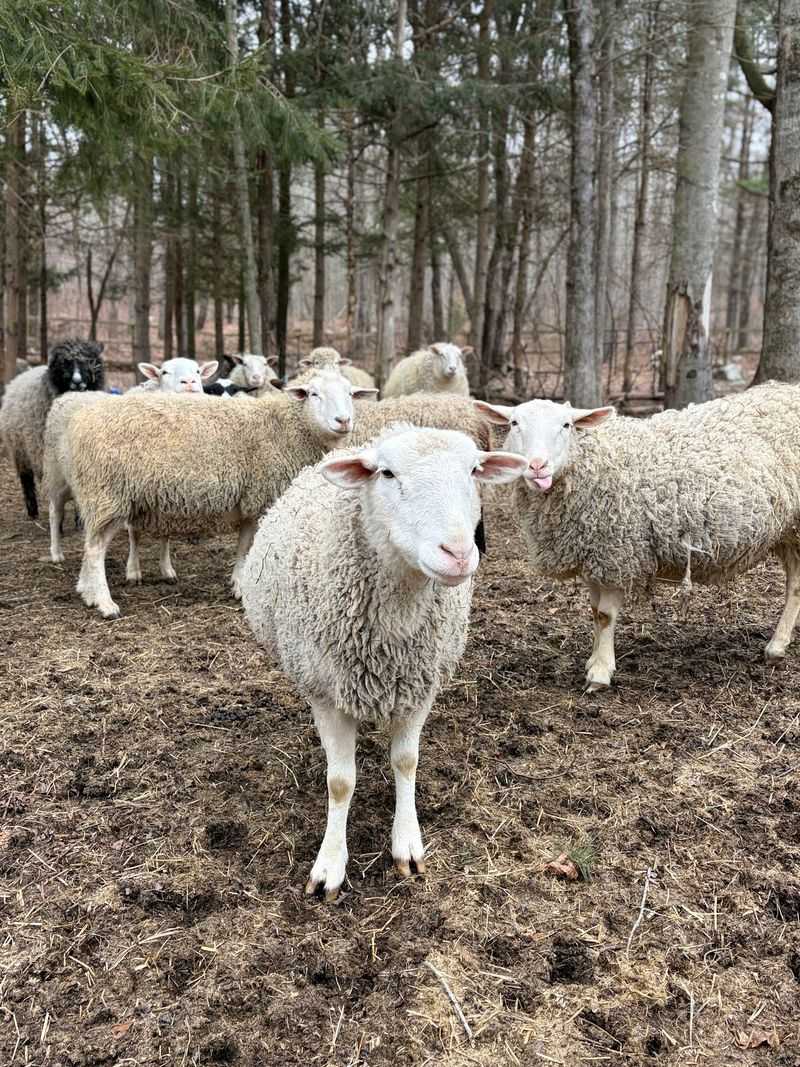
Two hundred fifty is a number that sounds abstract until you start walking the property and realize the variety behind it.
Birds alone make up a considerable share. Chickens, ducks, geese, turkeys, pigeons, peacocks, and parakeets all live here, each with different housing needs, different diets, and very different opinions about visitors.
Then come the small mammals. Rabbits, guinea pigs, and chinchillas require careful temperature control and specialized food, and they are often the animals people least expect to find on a farm sanctuary.
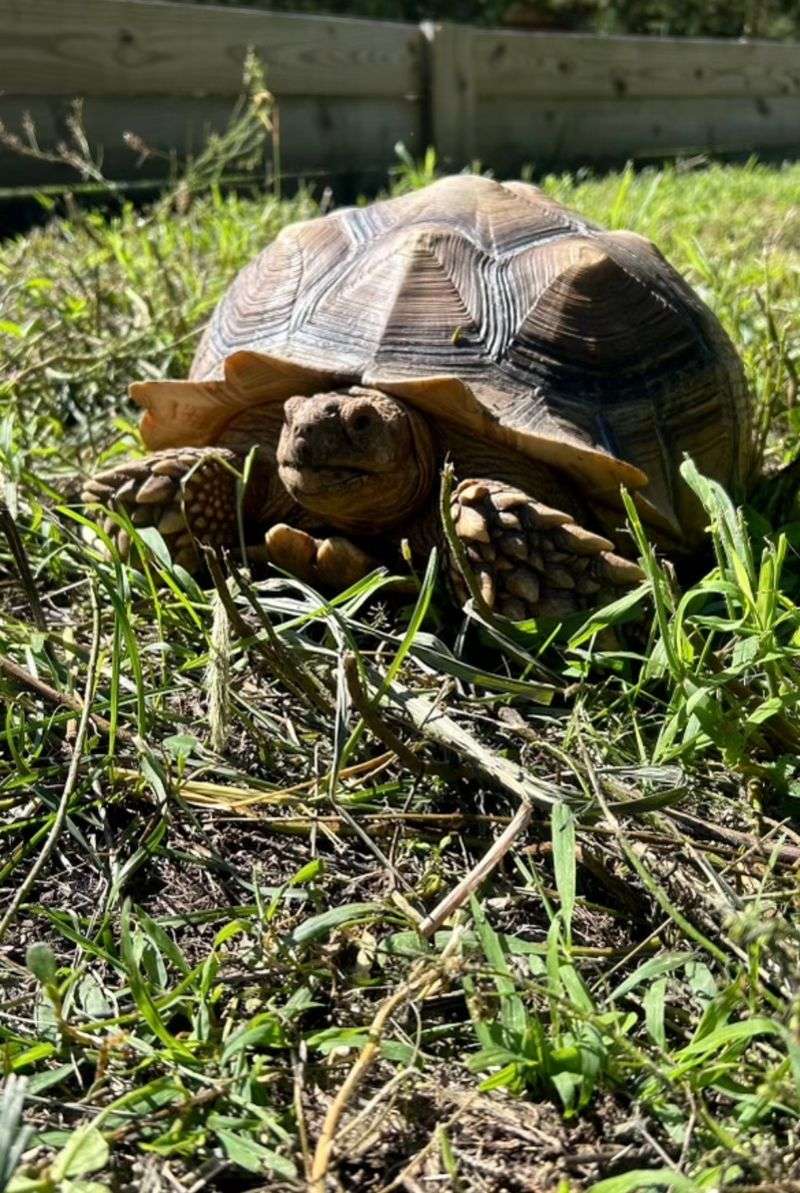
Reptiles and tortoises add another layer of complexity, since they need heat sources, correct humidity, and long-term commitment. Tortoises in particular can outlive the humans caring for them, which makes a lifelong sanctuary promise a serious one.
On the larger end, cows, pigs, sheep, goats, mini horses, alpacas, and emus occupy pastures and barns across the acreage.
Managing all of that takes structure. Feeding schedules, medical records, seasonal shelter adjustments, and daily checks keep the operation running, supported by staff and a committed volunteer base.
What comes through during a visit is individuality. Some residents seek attention immediately, others observe from a distance, and the caregivers clearly know which is which.
4. Volunteers Help Keep Daily Sanctuary Life Running Smoothly
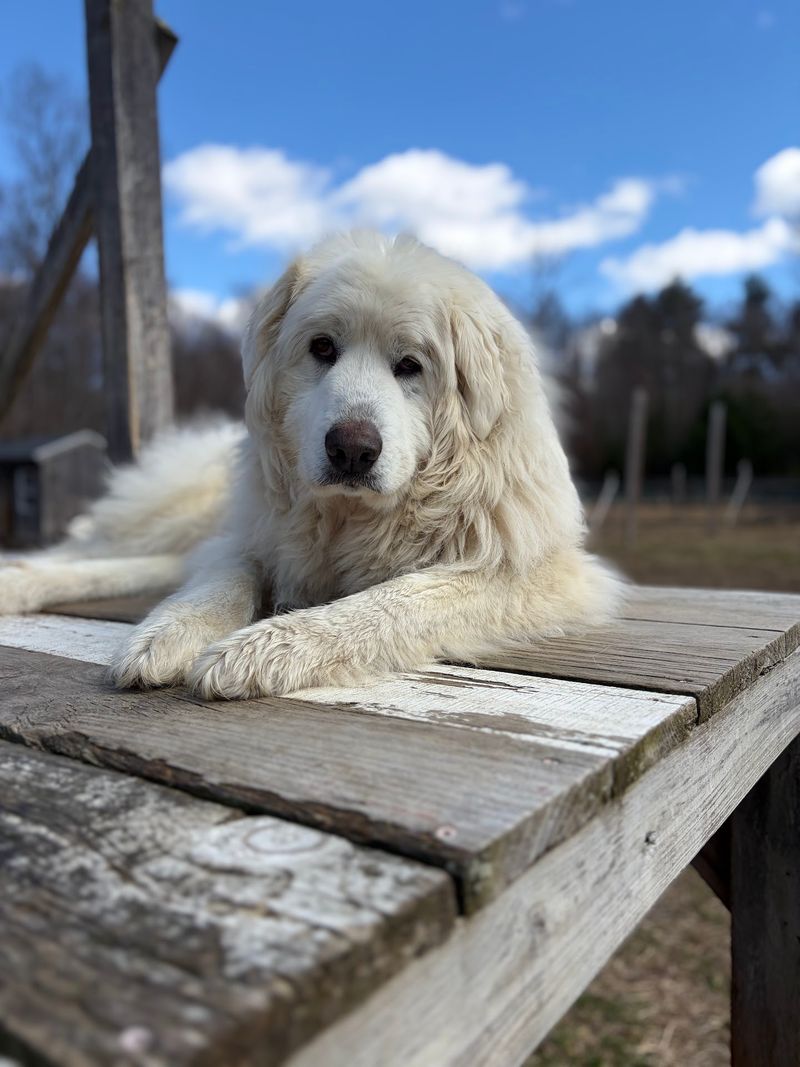
A sanctuary with more than 250 residents depends on more than good intentions. The Riley Farm Rescue says volunteers play an important role in keeping its rescued animals healthy and comfortable, especially when it comes to the routine work that keeps living spaces clean.
Weekend volunteer shifts currently focus mainly on cleaning and general upkeep. Tasks can include cleaning stalls and enclosures, refreshing animal spaces, tidying barns, and helping maintain the sanctuary overall.
That work may not be the flashiest part of animal rescue, but it supports the conditions residents rely on every day. Clean bedding, orderly enclosures, and well-maintained barns all contribute to a safer, more comfortable environment.
The sanctuary accepts volunteer applications through its website, giving supporters a way to contribute time as well as money. Its main site also notes that volunteers may help either alongside animals or with operational tasks, depending on the role.
For a rescue built around lifelong care, that steady human support matters. Feeding and medical treatment are essential, but so is the less visible work required to keep a large sanctuary running smoothly week after week, through every season of the year.
5. Emus Add An Unexpected Sight Around The Grounds
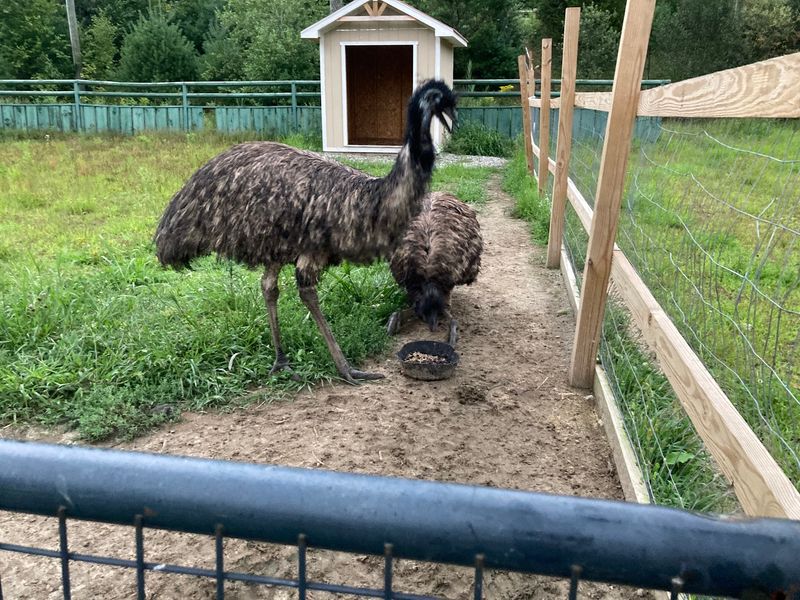
Nobody drives into rural parts of the state expecting to meet an emu. Then one strides past the fence, all long legs and shaggy feathers, and the whole visit takes a turn.
Emus are large flightless birds native to Australia, and they can stand taller than most adults. Their walk is deliberate and surprisingly graceful, covering ground with very little apparent effort.
Their presence at the sanctuary says something about the organization’s approach. Rescue requests do not always involve familiar farm animals, and taking in unusual species means learning entirely new care requirements from scratch.
That includes appropriate fencing, shelter suited to a bird of that size, and a diet that keeps them healthy through New England winters. None of it is standard barnyard practice.
Watching an emu is genuinely entertaining. They are curious, they investigate anything shiny or new, and they tilt their heads at visitors with what looks a lot like mild judgment.
Guests are asked to keep a respectful distance and follow whatever guidance the tour leader offers, since large birds deserve space and calm handling.
For many visitors, the emus become the story they retell later, the moment that turned a farm tour into something memorable and a bit unexpected.
6. The Rescue Became A Nonprofit Back In 2017
Every organization has an origin story, and this one starts with chickens.
Around 2015, bringing home pet chickens sparked a shift in thinking about animals, their capacity to feel, and how they are commonly treated. That realization grew into advocacy, and advocacy grew into a rescue operation.
By June 2017, the effort was formally incorporated as a 501(c)(3) nonprofit organization, giving it the structure needed to accept donations, build a volunteer program, and plan for the long haul.
Nonprofit status changed what was possible. Sponsorship programs, organized fundraising, and accountable record keeping all became part of daily operations rather than side projects.
Growth since then has been steady rather than sudden. Volunteers show up week after week, sponsors help cover the cost of individual animals, and paid staff handle the responsibilities that require consistency.
People who have volunteered here for years often mention how thoughtfully that expansion has been handled, with attention to whether each new animal has the right environment before arriving.
Starting from a small flock and reaching more than 250 residents in under a decade is a considerable jump. It also explains why community support remains such a visible part of how the sanctuary describes itself.
7. Lifelong Sanctuary Is Central To The Mission
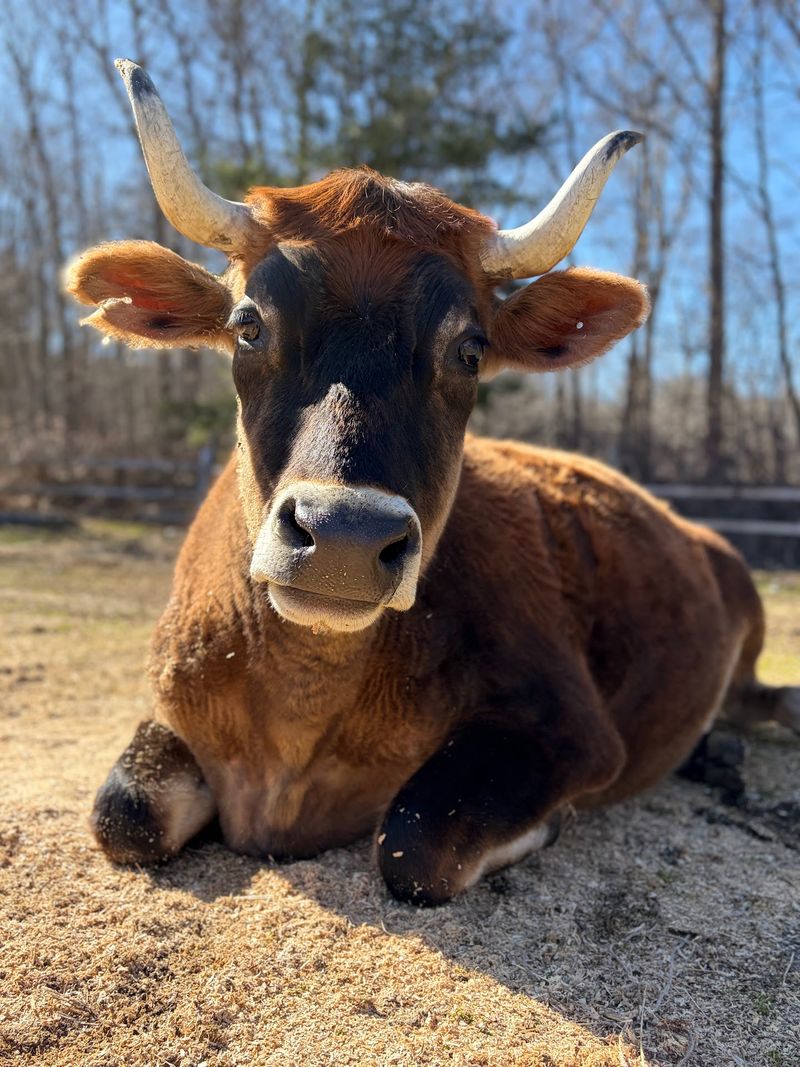
Here is the promise that shapes everything else: animals who arrive at this sanctuary stay for life.
No adoptions out, no rehoming, no working roles. Residents are not used for food, labor, rides, or entertainment, and that policy holds across every species on the property.
Practically speaking, lifelong care means budgeting for decades. Shelter, species-appropriate food, fresh water, veterinary treatment, and companionship all continue as animals age and their needs change.
Older residents often require the most attention. Joint problems, dental issues, and mobility limits mean softer bedding, adjusted diets, and closer daily monitoring.
Freedom matters just as much as medicine. Animals here are able to roam, socialize, and behave naturally, which is exactly what many of them were denied before arriving.
The mission reaches beyond the fence line too. Educational programs and special events raise awareness about neglect and cruelty, and the organization openly advocates a vegan, cruelty-free lifestyle as part of its philosophy.
That value system shows up in visitor guidelines, which ask guests to respect the animals through their food choices while on site.
Longtime supporters frequently say the same thing in different words: the animals genuinely come first, and every decision seems built around that idea.
8. Tours Let Visitors Meet The Residents Up Close
Booking a tour is the best way to actually experience this place, and the format is refreshingly personal.
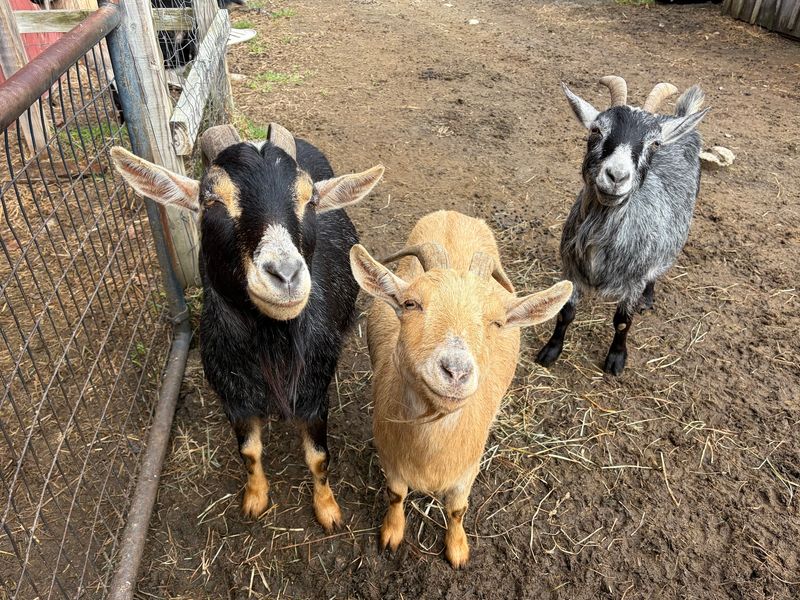
Private sanctuary tours run about two hours, giving guests time to meet sheep, goats, steer, alpacas, pigs, reptiles, and many of the other residents without feeling rushed from stop to stop.
Guides share individual histories along the way. Hearing how a specific animal arrived, and what recovery looked like, changes how you see the pasture in front of you.
An optional add-on extends the visit with an hour at the gazebo for a meal or snacks. Guests choosing that option are asked to bring only vegan food, out of respect for the animals living there.
Overnight options exist too. Certain accommodations on the property include a private tour as part of the stay, and guests are asked not to cook meat while on site.
Can’t make the drive? Virtual experiences offer a look at daily life at the rescue from wherever you happen to be.
A few practical notes: wear shoes you don’t mind getting dirty, bring water in warm months, and arrange visits in advance since tours are private rather than drop-in.