For $22, You Can Join A Real Paranormal Investigation At This Abandoned Kentucky Hospital
Twenty two dollars does not buy much these days. It gets you a sandwich and a drink if you are careful.
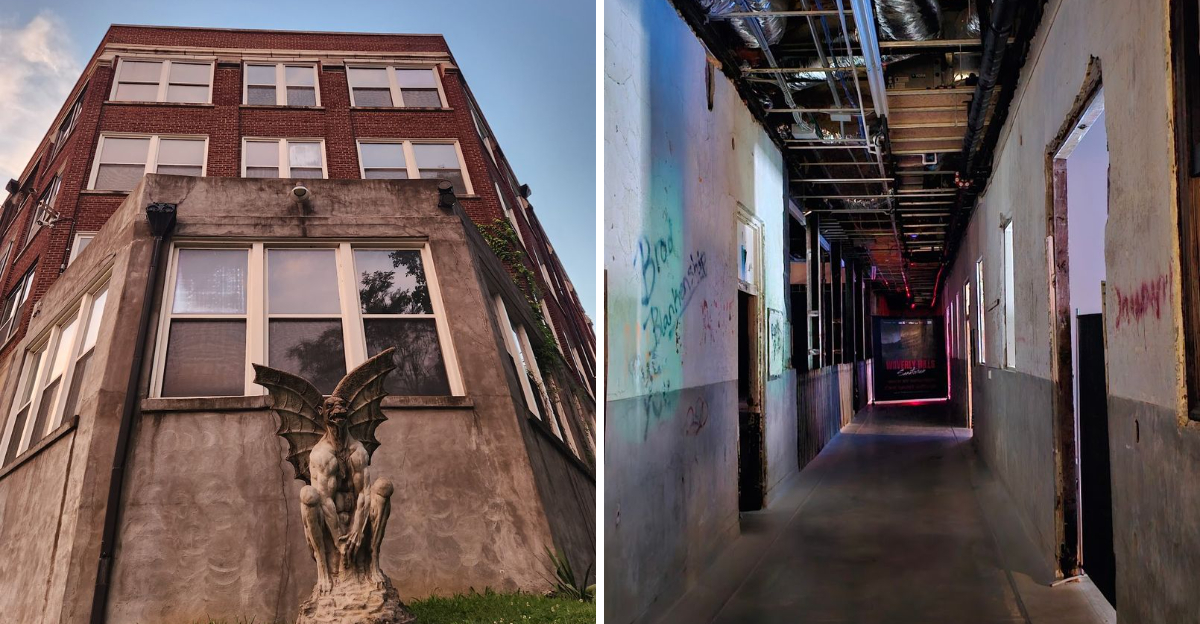
In Kentucky it can also get you five floors of an abandoned hospital after dark. The building opened over a century ago to treat tuberculosis patients.
Thousands of people died inside it. Ghost hunting shows have been dragging cameras through it for twenty years.
You have probably seen the footage without knowing where it was filmed. Here is the part that surprises people.
You do not need a television crew or a permit to get in. You just need a reservation and the nerve to keep going.
There is a tunnel they used to move bodies out of the building. Your guide will let you look down it.
Whether or not you hear anything is between you and the dark. Bring a jacket and a healthy sense of doubt.
The Sanatorium Itself
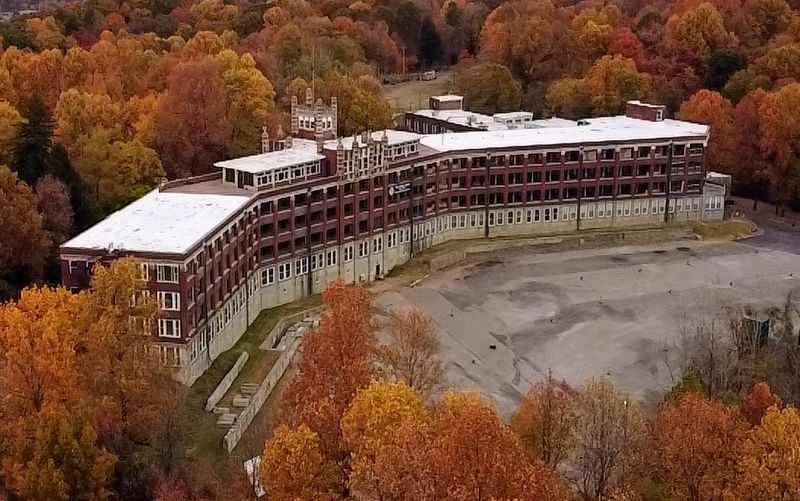
The Waverly Hills Sanatorium looks like a brick castle that lost its way in Kentucky.
The property opened in 1910 as a small wooden building for patients who needed fresh air. The huge structure visitors tour today opened in 1926.
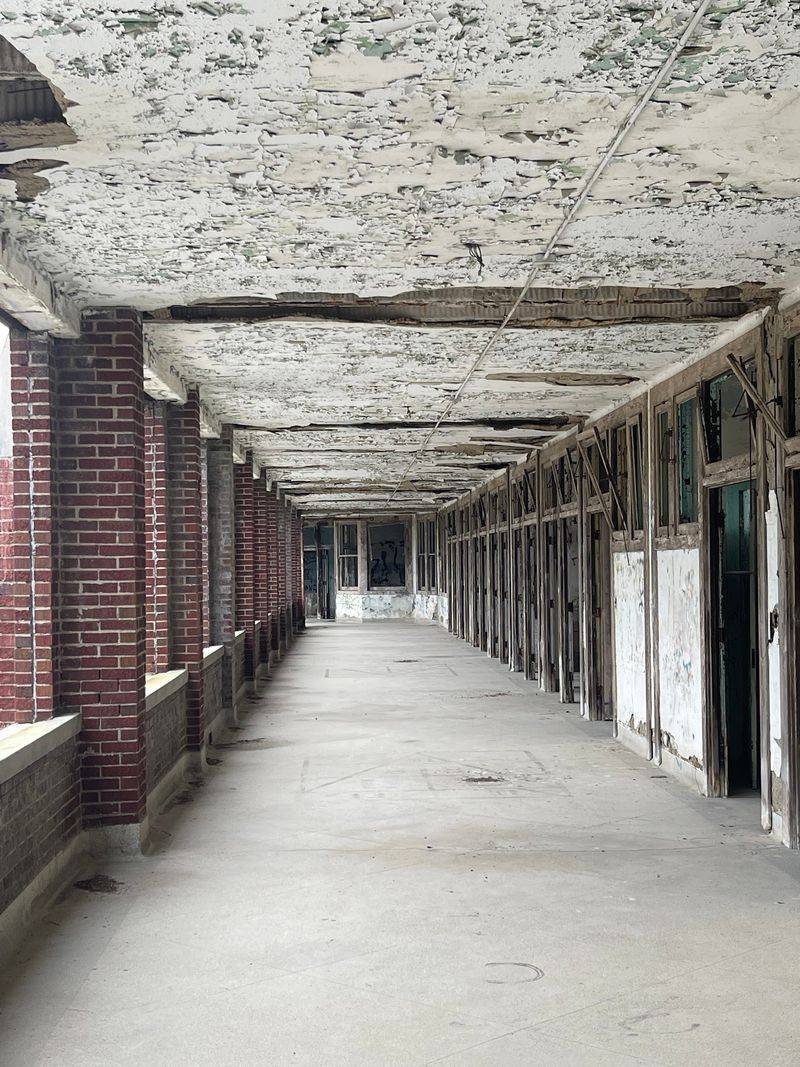
Five floors stretch across the ridge, with open porches built to catch sunlight and breeze. Doctors believed cool air and long rest helped lungs heal.
Medical use ended in 1961, and the building later served as a geriatric center until 1981. It sat empty for two decades after that.
Tina and Charlie Mattingly bought the property in 2001 and started repairs. Tour money now funds that restoration, one window and beam at a time.
The result is one of the most talked about buildings in the state. Television crews, photographers, and curious families all show up for a look.
I expected something small and forgettable. Instead I stood in front of hundreds of feet of brick and arched windows.
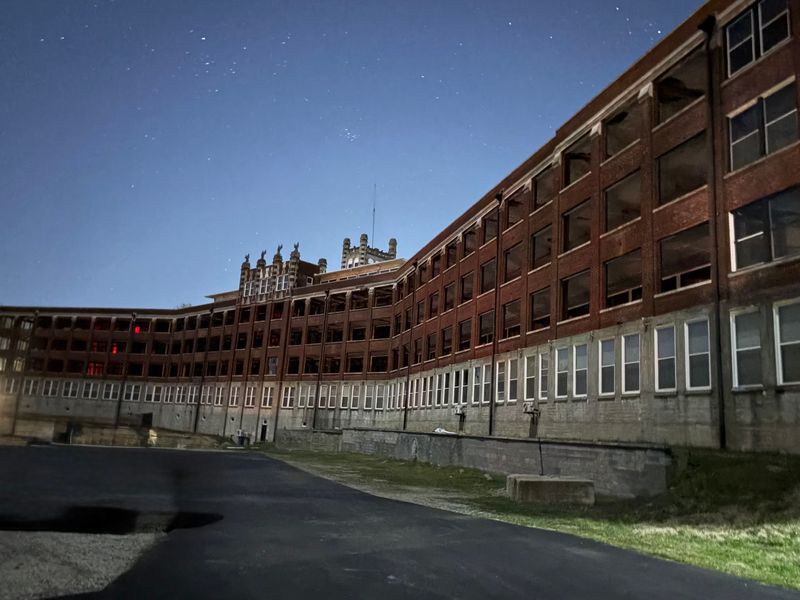
The place at 4400 Paralee Dr, Louisville, Kentucky feels enormous once you step into the main corridor. Sound travels far, and flashlight beams never quite reach the end.
Bring curiosity more than nerve. Even skeptics leave with a few good photos and a longer list of questions.
What Twenty-Two Dollars Buys You On A Friday Night
Twenty-two dollars in Louisville buys movie popcorn or a decent sandwich. It also buys a guided walk through one of the country’s most famous old hospitals.
The shorter public tours run in the evening and last around two hours. A guide leads your group through selected floors and shares the building’s history.
Prices and schedules shift by season, so check the official Waverly Hills website first. Popular dates sell out quickly.
Groups stay together for most of the walk, with time to look around at each stop. Guides answer questions and point out details you would miss alone.
You get real access, not a costumed attraction with actors jumping out. Nothing is staged, which is exactly why people love it.
Ticket money goes straight into the restoration fund. Your entry fee helps replace roofing, glass, and stonework on a 1926 landmark.
Two hours inside a Kentucky icon for that price is a bargain by any measure. Parking sits right on the property.
Bring a little cash for the gift shop if you want a shirt. Small souvenirs support the same repair work.
Reserve online rather than showing up hopeful. Walk-up spots are rare on busy weekends.
Arrive about fifteen minutes early for check in. Guides start on time, and latecomers miss the opening story.
Reserving A Spot Is Half The Adventure
Tickets here move like concert seats in October. Fall dates often fill weeks ahead, and Saturdays vanish first.
Booking happens online through the official Waverly Hills page. Pick your date, pay, and save the confirmation on your phone.
Spring and summer nights are easier to grab and usually quieter. Smaller groups mean more time in each room.
Weeknight tours, when offered, feel calmer than weekend crowds. You hear the guide better and linger a little longer.
Directions can trick you, since the entrance road climbs behind a residential neighborhood. Follow the posted signs instead of guessing.
Give yourself extra travel time from downtown Louisville. The drive runs about twenty minutes without traffic.
Read the age and rules page before you buy. Different tours have different requirements, and staff enforce them.
Groups of friends should book together in one order. Splitting orders sometimes splits you into separate tour times.
Screenshot your ticket in case cell service dips on the hill. Signal can be spotty near the building.
One more tip: pick a dry night if you can. Rain makes the grounds slick and the stairs busy.
Weather refunds are not guaranteed, so plan around the forecast. Tours generally run rain or shine.
Boots, Layers, And A Flashlight You Trust
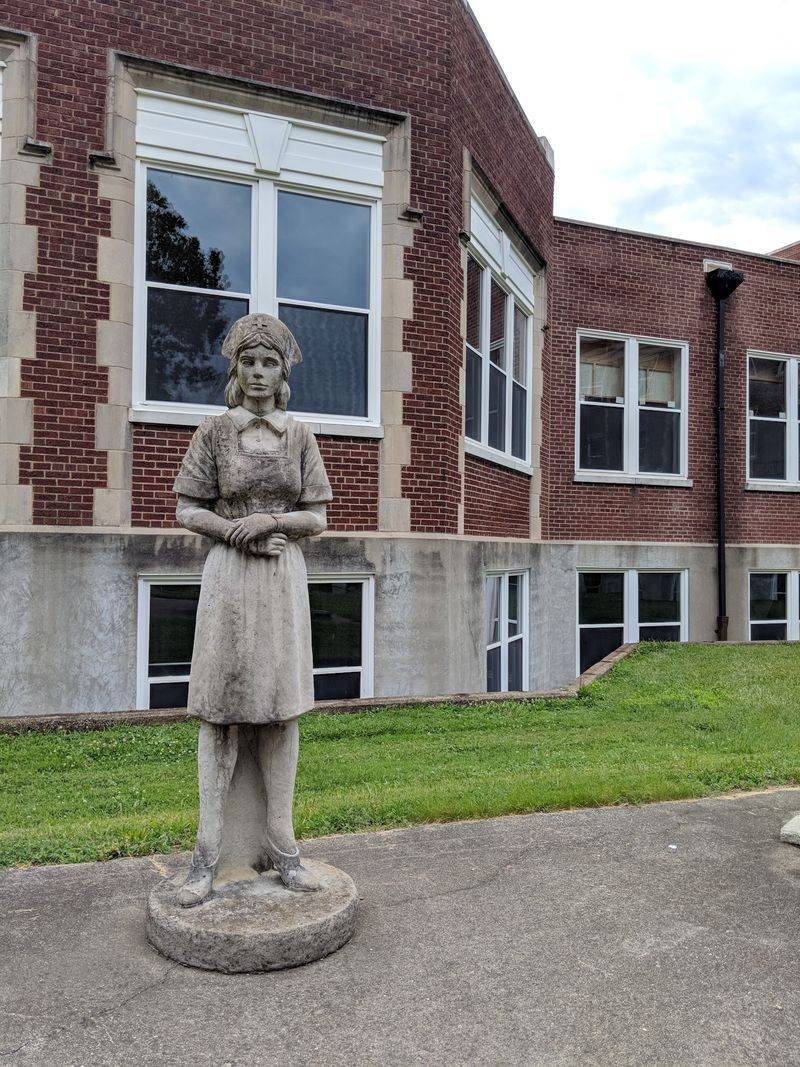
My first mistake was wearing sneakers with worn soles. The floors inside are concrete, gritty, and uneven in places.
Closed toe shoes with real grip make the whole night easier. Ankle support helps on the stairwells.
Temperature inside swings with the season and rarely matches the parking lot. Layers beat one heavy coat.
Summer nights bring humidity and mosquitoes along the outer porches. Bug spray earns its space in your bag.
Winter tours get genuinely cold since there is no heat. Gloves, a hat, and thick socks are smart.
Bring a flashlight with fresh batteries, plus a small backup. Phone lights drain fast and dim quickly.
Red lens flashlights help your eyes adjust between dark rooms. Many regulars swear by them.
Pack light overall, because you carry everything you bring. A small sling bag works better than a backpack.
Skip the tripod unless your tour allows it. Ask staff first rather than hauling it up the hill.
Water is worth the weight on warm nights. Two hours of walking adds up faster than expected.
Leave anything valuable in the car. Dust settles on everything, including camera lenses.
One last note: charge everything before you leave home. Outlets are not part of the experience.
The Fifth Floor Solarium And Its Wide Kentucky Views
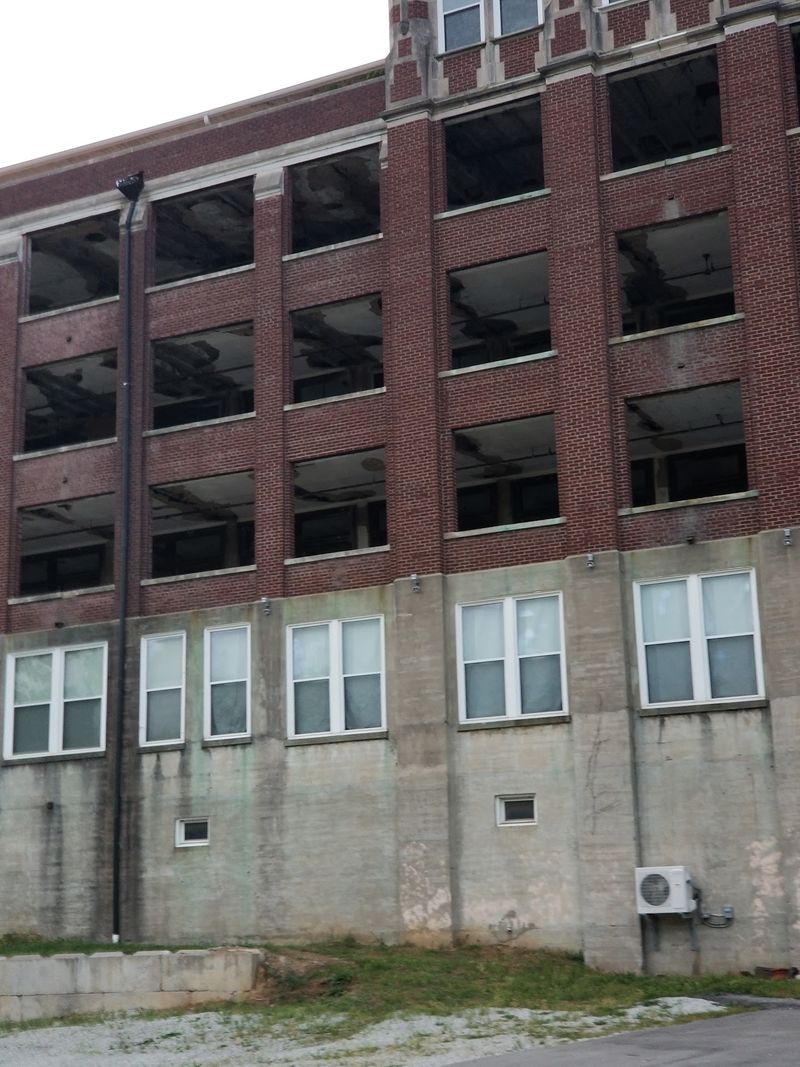
The best view in the building sits at the very top. The fifth floor solarium opens toward miles of Louisville treetops.
Nurses once wheeled patients out here for sunlight and fresh air. Wide open porches were the whole medical idea.
Screens and windows have long since gone, so wind moves straight through. On breezy nights the sound carries down the halls.
Guides usually save this floor for later in the tour. Standing there at dusk is genuinely beautiful.
Room 502 sits nearby and gets the most attention from visitors. Stories about it have circulated for decades.
Guides share the documented history and separate it from rumor. That honesty is part of why the tours feel credible.
Photographers love the arched openings and peeling paint textures. Long exposures work well if your camera allows them.
Watch your step near the edges and follow the marked path. Staff keep visitors away from unstable spots.
Sunset timing changes the mood completely up there. Orange light on old brick beats any filter.
Take a minute to just stand quietly. The height, the breeze, and the silence stick with you.
Bring a light jacket even in July for this floor. Wind at the top runs cooler than ground level.
The Hillside Tunnel Everybody Asks About
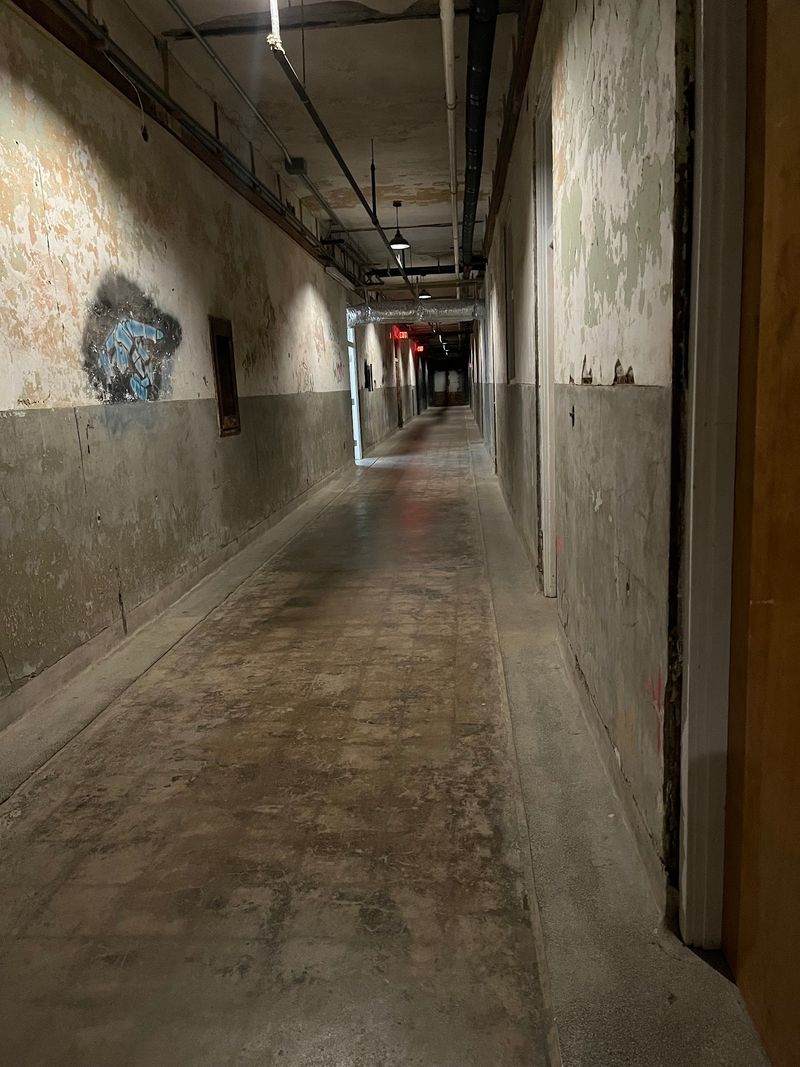
Ask any guide about the tunnel and watch them smile. It runs roughly 500 feet down the steep hillside.
Steps line one side and a flat rail track lines the other. Supplies and equipment moved up that slope daily.
Workers hauled coal, food, and gear from the road below. The hill is far too steep for an easy walk.
Inside, the air feels cooler and sound behaves strangely. Voices bounce and stretch along the concrete.
Access depends on conditions, so it is not promised on every tour. Water and debris sometimes close it.
Ask at check in whether the tunnel is open that night. Guides will tell you straight.
The walk down is easier than the climb back up. Pace yourself and use the handrail.
Flashlights matter here more than anywhere else. There is no natural light in the middle stretch.
Photos come out best with a wide lens and a steady hand. Those long lines look dramatic on camera.
Even folks who shrug at ghost stories enjoy this part. It is engineering history you can walk through.
Comfortable shoes pay off here more than anywhere. The surface is damp and uneven in spots.
A 1926 Landmark Getting A Second Life
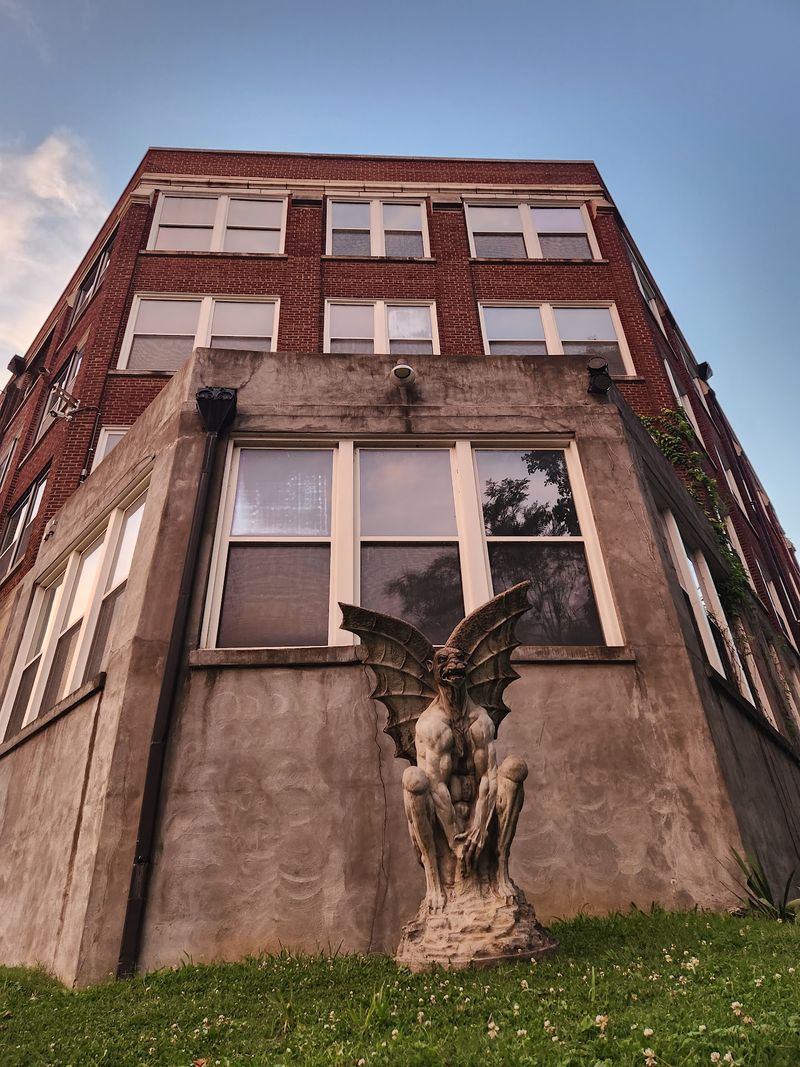
Restoration here is not a quick makeover. Owners have worked on the building steadily since 2001.
Windows, roofing, masonry, and stairwells all sit on the list. Progress happens as funding allows.
Ticket sales and gift shop purchases feed that fund directly. Every visitor becomes a small donor.
Volunteers pitch in on cleanup days and repair projects. Many come back season after season.
The 1926 design shows off Collegiate Gothic touches in brick and stone. Arched openings repeat across the long facade.
Look for the original tile work and terrazzo details near the entrance. Craftsmanship like that is rare now.
Plans have included turning parts of the property into a hotel and event space. Big ideas, slow timeline.
Louisville locals treat the building as a landmark, not a curiosity. School groups and history buffs visit too.
The property earned a spot on the National Register of Historic Places. That listing recognizes its design and history.
Ask your guide what changed since last year. They love pointing out fresh repairs.
Bring patience for a building this size. Work on 1926 brickwork takes years, not weekends.
Seeing progress in person adds weight to the visit. You are helping keep a landmark standing.
Overnight Investigations For The Serious Crowd
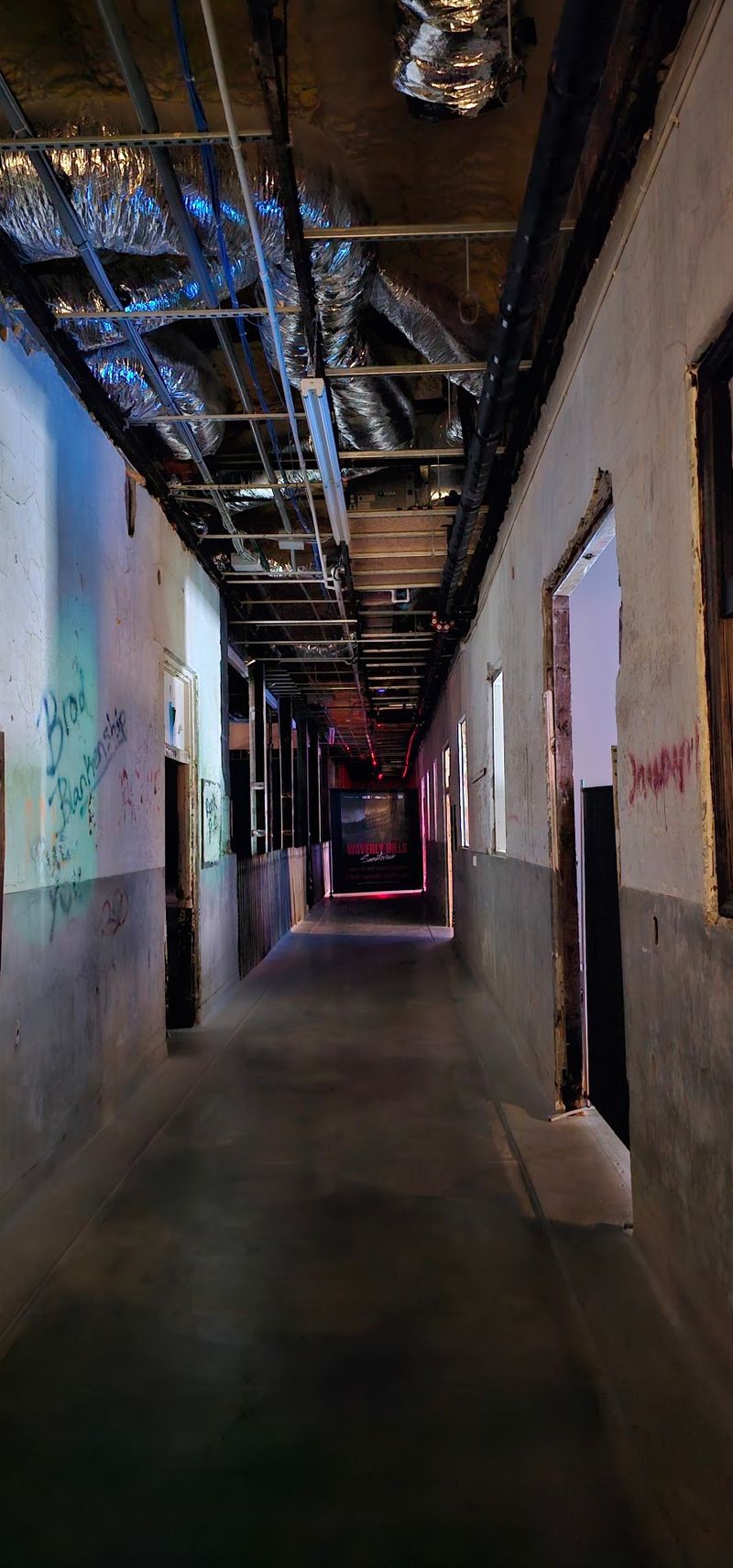
Two hours is plenty for most people. Others want the whole night, and Waverly Hills accommodates them.
Longer sessions run from evening into the early morning hours. Costs climb well above the twenty-two dollar tour.
Private group bookings are also available for teams and clubs. Those fill the calendar months in advance.
Overnight visitors get more freedom to sit, wait, and record. Patience is the main skill involved.
Most investigators bring recorders, cameras, and simple temperature meters. Fancy gear is optional.
Snacks and a folding chair make the small hours easier. Long stretches of quiet are the norm.
Age limits apply on the late sessions, so read the rules first. Staff check identification at the gate.
Sleep plans matter too. Book a Louisville hotel nearby rather than driving home exhausted.
Television shows have filmed here, including major ghost hunting series. That exposure keeps demand high.
Guides remain on site all night for safety and questions. You are never wandering alone.
Phone photos rarely capture the scale of these halls. A real camera with a wide lens does better.
Dress for a temperature drop after midnight. Concrete holds the chill longer than you expect.
Whether you leave convinced or amused, the night is memorable. Few buildings hand you a story like that.