11 Kentucky Communities Where Data Centers Are Sparking Big Conversations
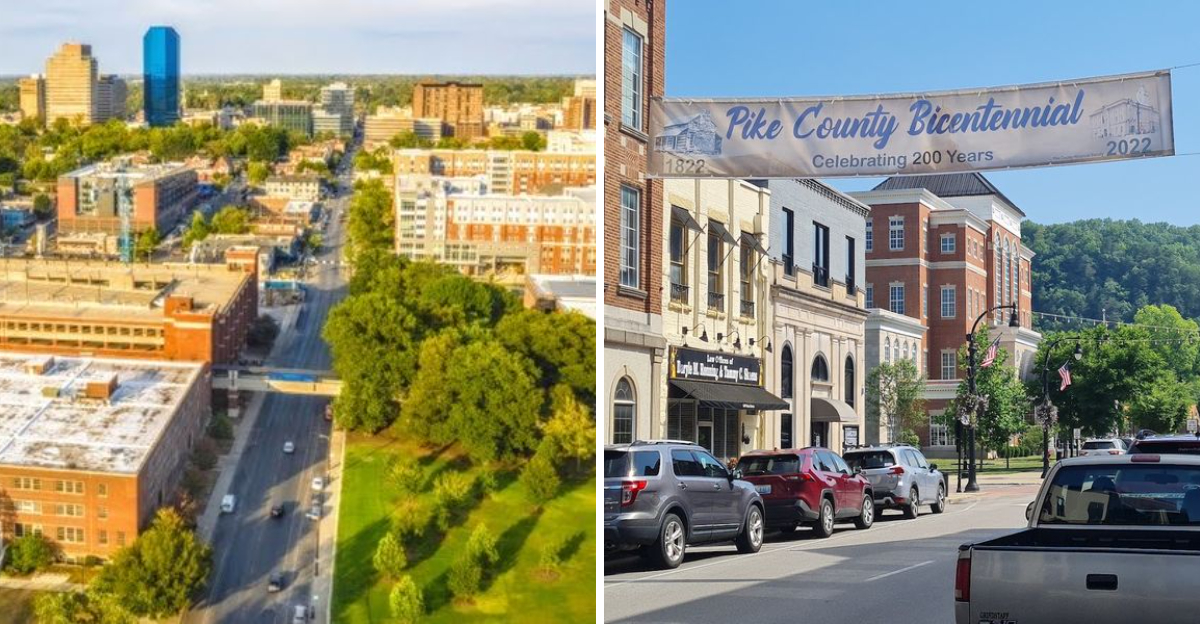
You probably never expected to have opinions about server racks. Then the rezoning notice showed up in your county.
Data centers are landing across Kentucky, and they are bringing questions with them. The buildings themselves are unremarkable.
They are long, windowless, and quiet from the road. What happens around them is the interesting part.
Some towns see jobs and tax revenue that could fund a new school. Others see water use, power demand, and farmland that does not come back.
Both sides show up to the same meeting. The conversations get long and occasionally loud.
County commissioners are reading utility contracts they never trained for. Neighbors are comparing notes on substations.
None of these communities asked to become case studies in what the next decade looks like. They got the assignment anyway.
Here are places in Kentucky where the discussion is happening right now, and what each one is weighing.
1. Hawesville (Hancock County)

Hawesville sits quietly along the Ohio River, but lately it has been anything but quiet. Hancock County has drawn attention from data center developers eyeing its industrial infrastructure.
The area already hosts heavy industry, making it attractive for power-hungry facilities.
The county has existing high-voltage transmission lines nearby. That kind of electrical access is a major draw for data center operators.
Local officials have been weighing economic benefits against community concerns.
Residents want to know what a large data center means for water resources. The Ohio River is close, and cooling systems can require enormous amounts of water.
Those questions are shaping local policy discussions in real time.
Hancock County is small, with a population under 10,000. A large facility could significantly change the local economy.
That possibility excites some and worries others in equal measure.
Community meetings have drawn bigger crowds than usual. People want answers about noise, traffic, and long-term environmental impact.
Hawesville is a town learning to ask the right questions at exactly the right moment.
2. Franklin (Simpson County)
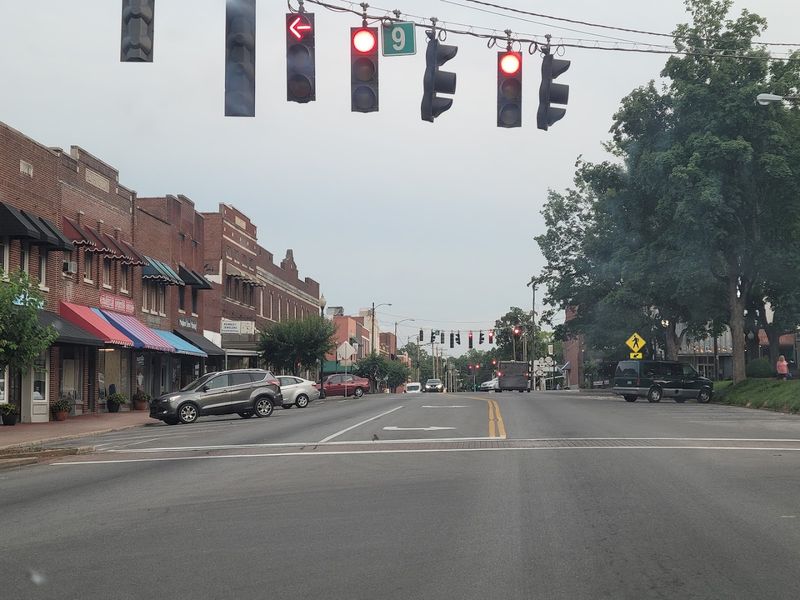
Franklin is a small city in Simpson County near the Tennessee border. It has been on the radar for data center interest, partly because of its location along major transportation corridors.
Proximity to Interstate 65 makes logistics straightforward.
Simpson County officials have been open to economic development conversations. Data centers promise construction jobs and long-term tax revenue.
For a smaller community, those numbers can be genuinely significant.
Still, residents have raised fair questions. Large facilities require stable, abundant electricity.
Local utility infrastructure would need upgrades, and someone has to pay for that.
Franklin has a tight-knit community feel. Major industrial development always stirs debate in places like this.
People want growth, but they also want to protect what makes their town worth living in.
The conversations happening in Franklin reflect a broader Kentucky pattern. Communities are weighing short-term investment against long-term responsibility.
Franklin is doing that work carefully and publicly, which is exactly how it should go.
3. La Grange (Oldham County)
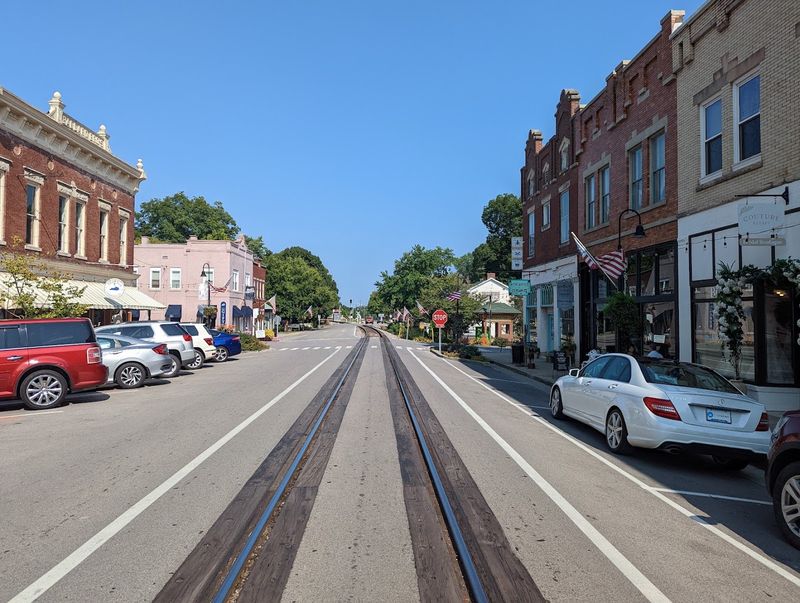
La Grange is best known for its famous railroad track running right down the middle of Main Street. Now it is becoming known for something else entirely.
Oldham County has attracted data center interest thanks to its suburban growth and proximity to Louisville.
The county is one of the fastest-growing in Kentucky. That growth brings infrastructure investment, which data center operators find appealing.
Reliable power and fiber connectivity are increasingly available here.
Oldham County residents tend to be engaged and vocal. When development proposals surface, people show up to meetings and ask detailed questions.
That civic energy has shaped how local officials approach data center discussions.
Some residents worry about large facilities changing the suburban character of the area. Others see data centers as cleaner alternatives to traditional heavy industry.
The debate is nuanced and ongoing.
La Grange sits about 25 miles northeast of Louisville on US-42. Its combination of location, infrastructure, and growth makes it a logical target for developers.
How the community responds will set an important precedent for Oldham County’s future.
4. Cave City (Barren County)
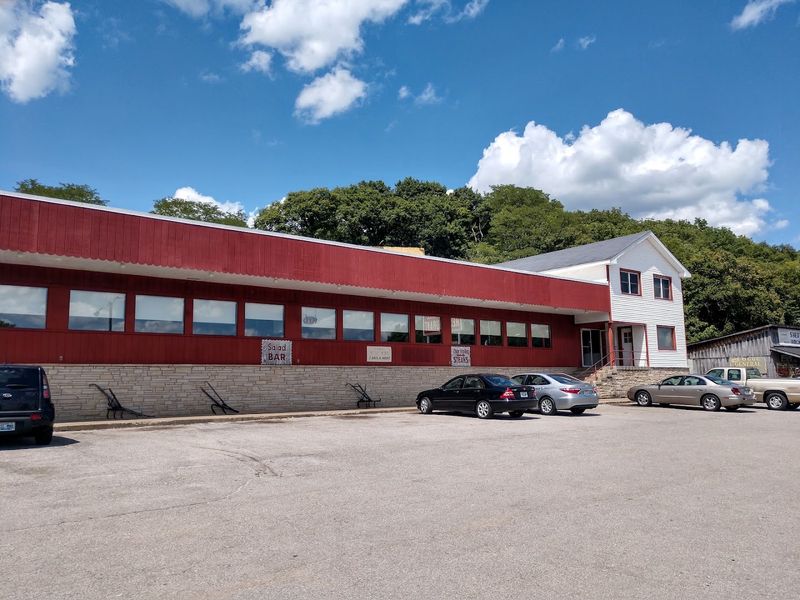
This place is famous for Mammoth Cave National Park, one of the longest cave systems on Earth. Lately, though, conversations underground have moved aboveground.
Barren County has appeared in data center development discussions, raising eyebrows in a tourism-dependent community.
The area’s electrical infrastructure and land availability make it interesting to developers. Large parcels of affordable land are easier to find here than in urban markets.
That matters enormously when you are planning a facility that covers hundreds of thousands of square feet.
Tourism is the backbone of Cave City’s economy. Residents naturally wonder how large industrial facilities might affect the area’s appeal.
Protecting the brand of a national park neighbor is a real concern.
Barren County officials have been thoughtful in their responses. They want economic diversification but not at the cost of what makes the region distinctive.
That balance is genuinely difficult to strike.
Cave City sits along Interstate 65, giving it strong logistical advantages. Whether data center development fits alongside its natural heritage is the question locals are actively debating.
It is a conversation worth watching closely.
5. Carrollton (Carroll County)
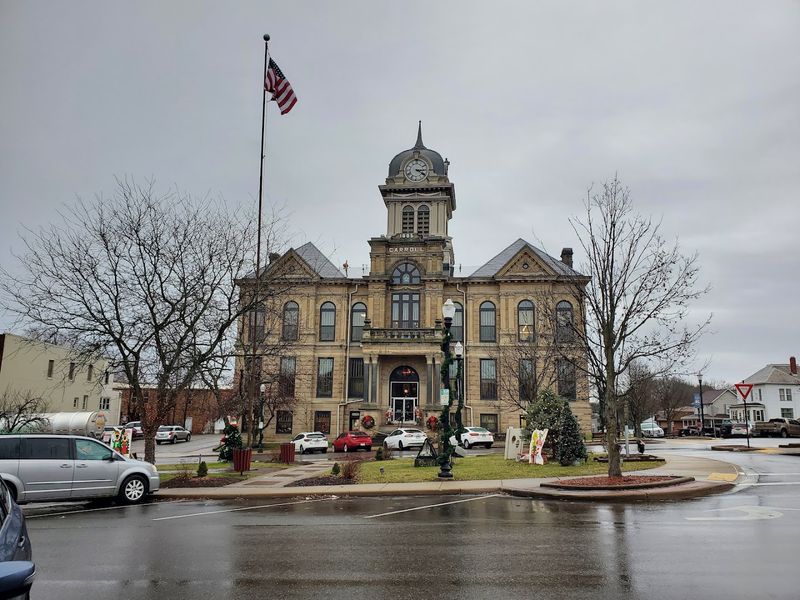
It sits where the Kentucky River meets the Ohio River. That geography has always made it a place of strategic importance.
Now it is drawing a different kind of strategic interest from data center developers.
Carroll County has existing industrial infrastructure from its history as a manufacturing hub. That foundation is attractive to operators who need reliable power and strong connectivity.
The area also benefits from interstate access via I-71.
Local leaders have been open about their interest in economic diversification. Carroll County has faced the same challenges many small Kentucky counties have, including population shifts and changing industries.
A data center campus could change that trajectory.
Residents near proposed sites have raised questions about water usage from the nearby rivers. Environmental groups have also paid attention.
Those concerns are legitimate and deserve honest answers from developers and officials alike.
Carrollton is located about 50 miles northeast of Louisville. Its river access, land availability, and infrastructure make it a compelling candidate.
The community is at a genuine crossroads, and the decisions made now will matter for decades to come.
6. Ashland And Catlettsburg Area (Boyd County)

The Ashland and Catlettsburg area has become one of Kentucky’s most closely watched locations for data center development.
A proposed project known as the Muskie Data Campus has sparked significant public discussion about what large-scale technology investment could mean for Boyd County.
Supporters point to the potential for new jobs, expanded tax revenue, and the chance to diversify the region’s economy beyond its traditional industrial base.
The site’s existing infrastructure, access to high-capacity electric transmission, and proximity to major transportation routes make it an attractive option for developers looking to build modern data facilities.
At the same time, many residents have voiced questions about the project’s long-term impact.
Public meetings have drawn large crowds, with community members asking about electricity demand, water use, noise, and how such a large development could affect nearby neighborhoods.
Local officials have emphasized that those concerns deserve careful consideration before any final decisions are made.
The proposal has become one of the most prominent examples of how Kentucky communities are weighing the opportunities and challenges that come with the rapid growth of the data center industry.
Whether the project ultimately moves forward or changes through the approval process, the conversations happening in Boyd County are already shaping how other Kentucky communities approach similar proposals.
7. Harrodsburg (Mercer County)
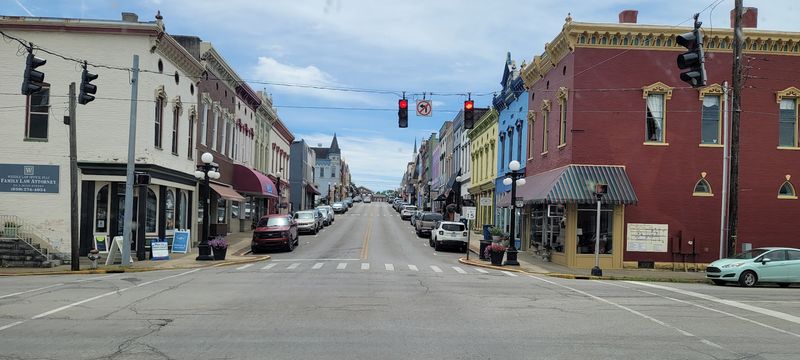
Harrodsburg is Kentucky’s oldest city, founded in 1774. History runs deep here, and so does community pride.
That pride is front and center as Mercer County navigates conversations about data center development.
Mercer County has land, relatively affordable electricity rates, and a location in central Kentucky that gives it geographic flexibility. Those factors attract developer interest.
Harrodsburg’s industrial park has been part of the conversation.
Residents are protective of the city’s historic character. Harrodsburg draws visitors to Old Fort Harrod State Park and its rich Revolutionary War-era heritage.
Large-scale industrial development raises real questions about visual and environmental impact.
Local officials have tried to balance openness to investment with community values. Zoning discussions and public hearings have drawn engaged crowds.
People here know their history and want to shape their future with equal intention.
Harrodsburg sits about 33 miles southwest of Lexington on US-127. Its central location is an advantage, and its strong civic identity means any development proposal gets serious scrutiny.
That scrutiny is a feature, not a flaw, of how this community operates.
8. Pikeville (Pike County)
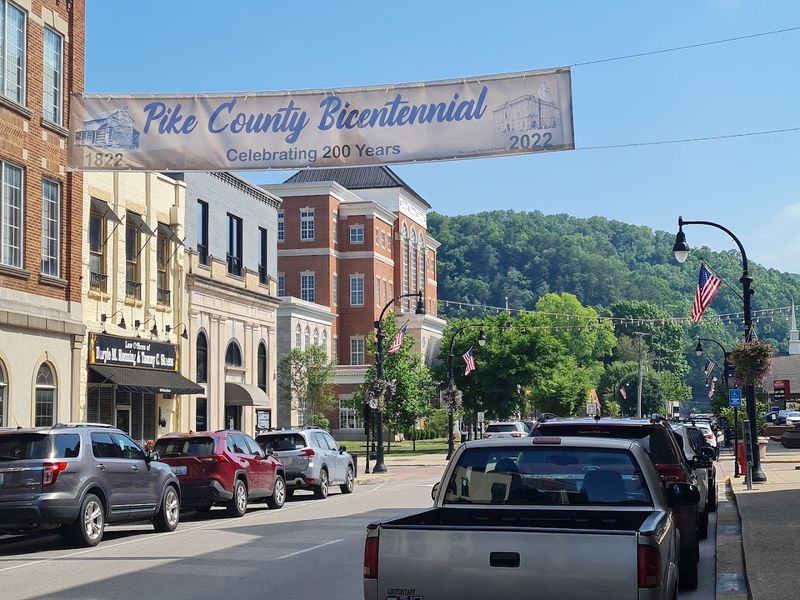
Pikeville punches well above its weight for a city of about 7,000 people. It is the economic center of eastern Kentucky’s coalfields region.
Now, as that region seeks new economic chapters, data centers have entered the conversation.
Pike County has significant electrical infrastructure built to serve the energy demands of coal mining and processing. That existing capacity is a real advantage for data center operators who need enormous, consistent power supplies.
Repurposing that infrastructure is an appealing concept.
Pikeville has already shown it can attract major investment. The city completed a massive highway rerouting project that reshaped its entire downtown area.
That kind of bold infrastructure thinking signals a community willing to make big moves.
Data center developers looking at eastern Kentucky see potential in reclaimed mine lands and existing power lines. Pikeville sits at the center of those conversations for Pike County.
Local economic development groups are actively engaged.
The city is located along US-23 and US-119. Its combination of infrastructure legacy, civic ambition, and regional economic need makes it a compelling case study.
Pikeville is watching the data center trend with genuine interest and strategic focus.
9. Calvert City (Marshall County)
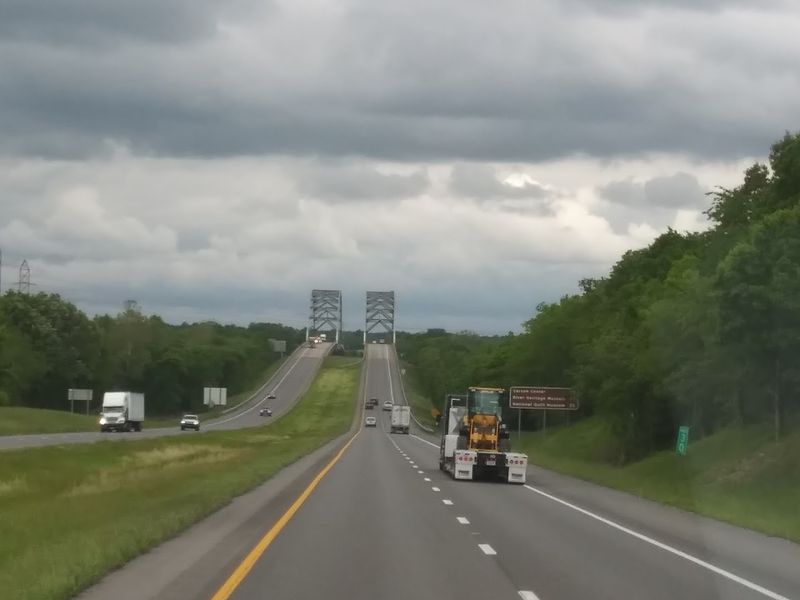
It is already one of the most industrially dense small towns in Kentucky. Marshall County hosts a significant chemical manufacturing cluster along the Tennessee Valley Authority power grid.
That grid access is a major reason data center developers are paying attention.
TVA power is known for its reliability and competitive pricing. For data centers, which run 24 hours a day every day of the year, those qualities are essential.
Calvert City’s existing industrial zoning also simplifies the development approval process.
The community has experience living alongside large industrial operations. That familiarity shapes how residents evaluate new proposals.
They ask specific, informed questions about emissions, water use, and emergency protocols.
Marshall County officials have been engaged in economic development discussions that include data center possibilities. The proximity to Kentucky Lake and Lake Barkley adds another dimension.
Water availability for cooling systems is a real factor in site selection.
Calvert City is located off US-62 near Paducah in western Kentucky. Its industrial heritage, TVA power access, and water proximity create a genuinely attractive package for data center operators.
The community is experienced enough to negotiate from a position of knowledge.
10. Louisville (Jefferson County)

This town does not need much introduction. As Kentucky’s largest city, it already has the infrastructure, workforce, and connectivity that data center operators prioritize.
Jefferson County has seen growing interest from major technology companies scouting locations.
The city’s fiber network, electrical grid, and access to multiple interstate highways make it a natural fit. Louisville also has a growing tech sector, which means local talent pipelines are developing.
That combination is rare and valuable.
Louisville’s Ohio River waterfront and its position as a logistics hub add further appeal. Companies like Amazon and UPS already have enormous operations here.
Where logistics infrastructure exists, data infrastructure often follows.
Community conversations in Louisville around data centers are more sophisticated than in smaller towns. Advocacy groups, environmental organizations, and neighborhood associations all participate in the process.
That level of civic engagement shapes outcomes meaningfully.
Jefferson County covers a large geographic area with varied land use options. Some proposed sites are in industrial corridors, others near suburban zones.
Louisville is navigating those distinctions carefully as it positions itself for the next wave of technology investment.
11. Lexington (Fayette County)
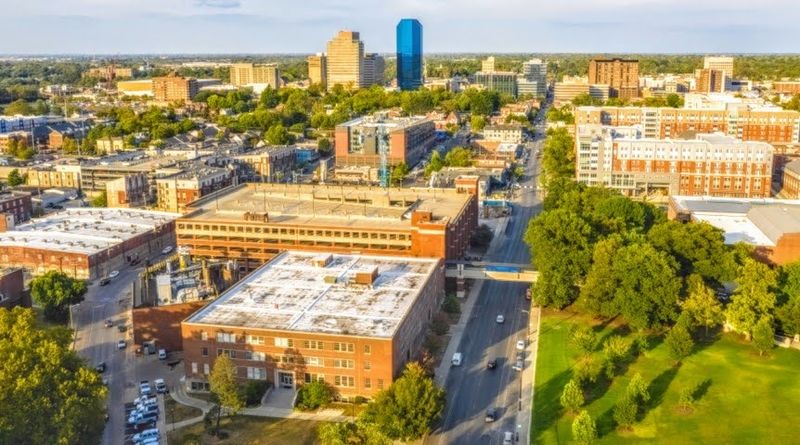
Lexington is Kentucky’s second-largest city and home to the University of Kentucky. That university connection matters more than people might expect.
Research institutions create demand for data infrastructure, and they also produce the technical graduates that data centers need to hire.
Fayette County has strong fiber connectivity and a growing technology sector. Companies in biotech, equine science, and logistics already rely on robust digital infrastructure here.
Data center developers see that existing ecosystem as a foundation to build on.
The Bluegrass region’s rolling farmland creates an interesting tension. Some proposed sites sit near agricultural land that residents and conservationists want to protect.
Land use debates in Fayette County are serious and well-attended.
Lexington’s urban service boundary has long been a tool for managing growth. Data center proposals that push against that boundary generate real policy discussions.
Local government takes those boundaries seriously, and so do voters.
The city sits at the intersection of I-64 and I-75, giving it excellent regional connectivity. Lexington is a city that knows what it is and is deliberate about what it wants to become.
Data center conversations here are thoughtful, detailed, and genuinely consequential for Kentucky’s future.