Wander Through A Real-Life Ghost Town At This Abandoned Kentucky Mining Camp
Most towns fill up with traffic, noise, and leaf blowers. This one emptied out many decades ago and never looked back.
Picture an old coal mining camp at the bottom of a Kentucky river gorge. Families once lived, worked, and gossiped here, until the mine shut down for good.
Today, the quiet is so thick you can almost hear the past whispering. Simple frames outline where homes and gathering places once stood.
Step inside one, and you might hear recorded voices of former residents sharing their stories. It’s history with goosebumps included at no extra charge.
You can drive in or arrive by scenic train. Either way, it feels a bit like time travel.
The river and towering bluffs make the setting almost too pretty to be spooky. Still, the shadows get a little dramatic once the sun dips low.
Bring a camera and a friend who loves a good ghost story.
Meet The Town That Coal Built
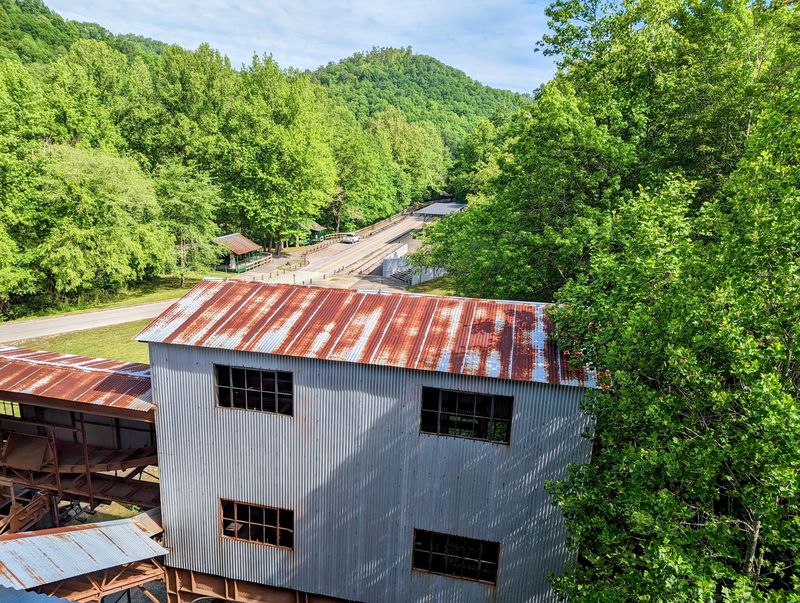
Most ghost towns come with tumbleweeds, but this one comes with a river view. Blue Heron Mining Community, also called Mine 18, sits deep in a Kentucky gorge.
The camp is now an outdoor museum run by the National Park Service. It sits inside the Big South Fork National River and Recreation Area.
Coal work here ran from the early 1900s until 1962. After that, the families moved on and the buildings slowly disappeared.
Today, the park has rebuilt the town in a clever way. You stroll paved paths past open frames that show where life once happened.
Visitors give the site a strong rating, and it is easy to see why. The setting is green, peaceful, and full of stories.
Plan for about one to three hours if you want to see everything. Add more time if hiking calls your name.
Bring water and wear comfy shoes for the hills. Some paths climb steeply, though they stay paved the whole way.
Cell service is almost zero out here. Download your maps before you leave town, or you may meet the trees more closely than planned.
The drive in has steep, winding stretches. Take it slow and enjoy the forest scenery as you go.
Steel Skeletons With A Story To Tell
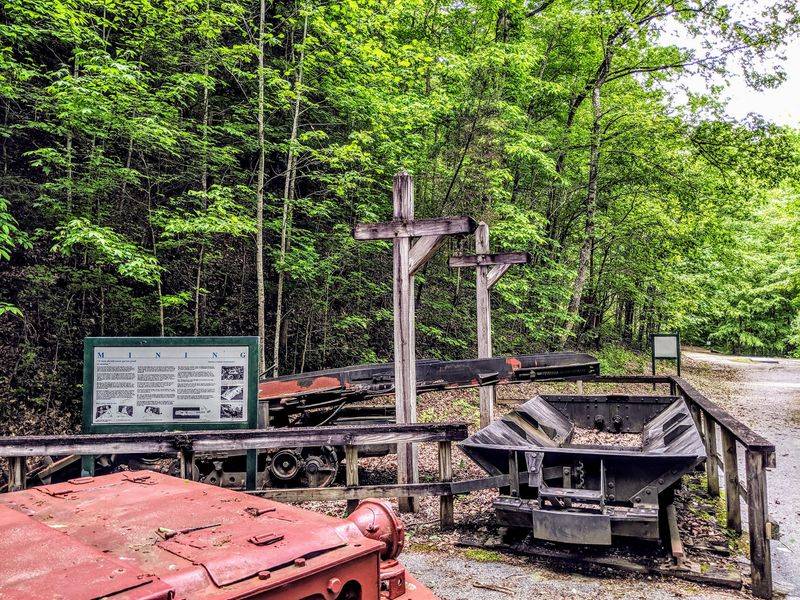
Houses without walls sound like a builder’s bad day. At Blue Heron, they are the whole point.
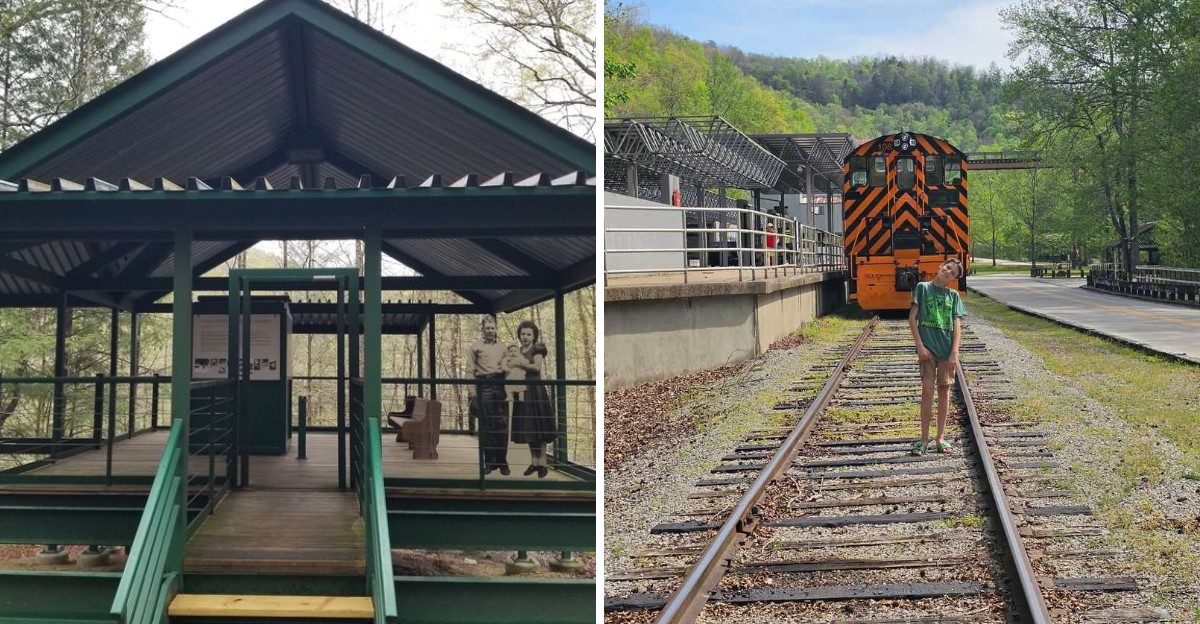
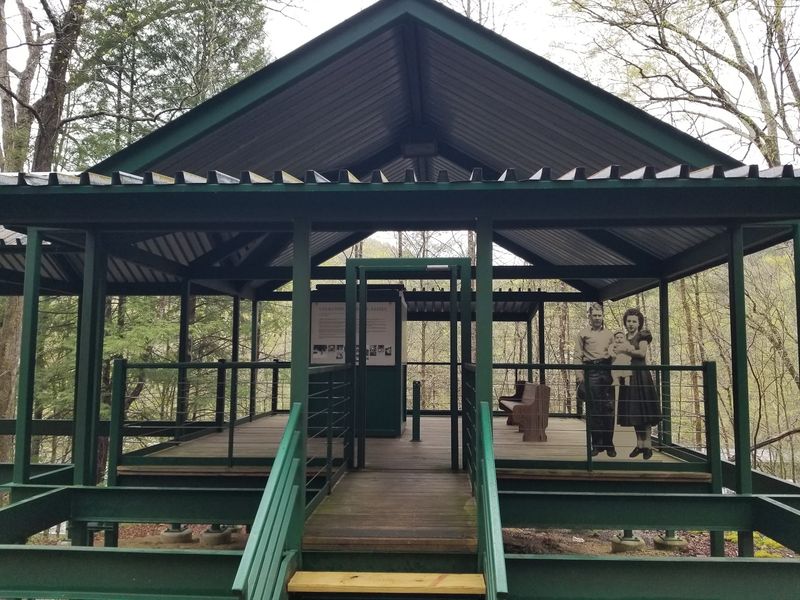
None of the original buildings survive today. So the park put up open steel frames, called ghost structures, right where buildings once stood.
Each frame shows the outline of a home, store, or church. You can stand inside and picture the rooms around you.
The effect is simple but powerful. Your imagination fills in the walls, the windows, and the chatter.
Some frames hold flat cutouts of people from the old days. When the grounds are quiet, those figures add a slightly spooky feel.
That eerie touch is part of the fun. It truly feels like a town paused in the middle of a normal day.
Signs at each stop explain what the building was used for. Read them slowly, because small details make the picture come alive.
Kids often treat the frames like a puzzle. Which one was the school?
Where did the families shop?
Bring a camera for this part. The frames look striking against the trees, especially when the light slants through in the late afternoon.
Fall color makes the scene even better. Orange leaves behind gray steel make a photo worth framing.
Press A Button, Hear A Neighbor
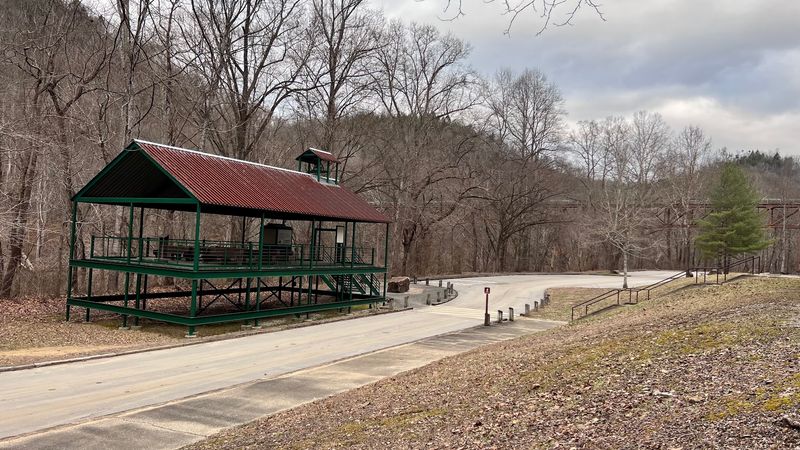
Push a button and the past starts chatting. That is the magic trick waiting inside many of the ghost structures.
Each audio station plays recordings of real former residents. They talk about work, school, church, and everyday life in the camp.
Their voices carry warm accents and honest memories. You hear about chores, friendships, and the small joys of a close community.
Benches sit near many stations, so take a seat. Listening feels a bit like visiting with a grandparent on a porch.
Not every button works every day. If one stays silent, move along to the next stop and come back later.
The recordings turn the frames into real places. A bare steel outline suddenly becomes somebody’s kitchen or classroom.
Families love this part because it keeps kids engaged. Hearing a real person beats reading a long sign any day.
Junior Ranger activities also use some of the audio. Ask a ranger for the booklet if you have young explorers with you.
Give yourself time here. Rushing past the stations means missing the heart of the whole visit.
Many visitors say the voices stay with them on the drive home. That quiet echo is the best souvenir around.
The Tipple Towers Over Everything
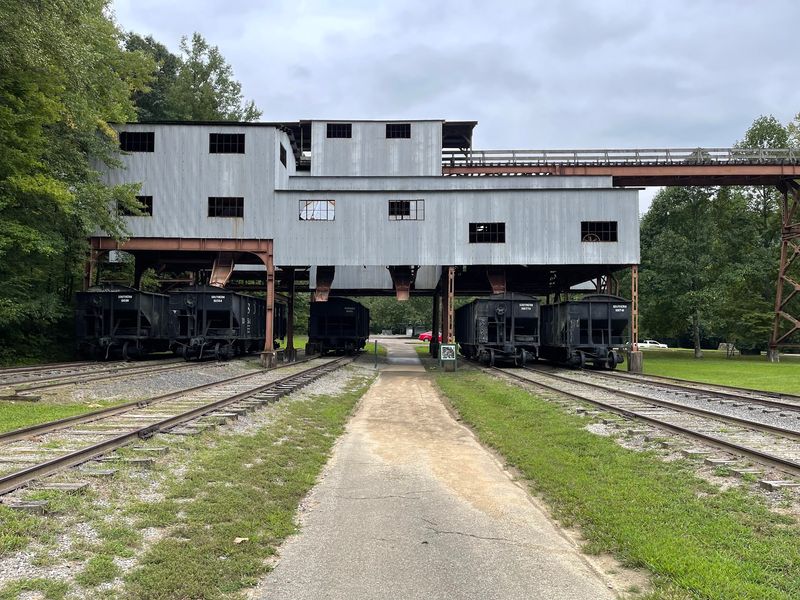
Big, gray, and impossible to ignore, the tipple steals every skyline photo. It was the working heart of the old mine.
Coal rolled out of the mine and dropped into a hopper. From there, conveyor belts carried it along.
Shakers and screens sorted the coal by size. Then it was loaded onto railroad cars waiting below.
Think of it as a giant sorting machine. Every lump had a place to go.
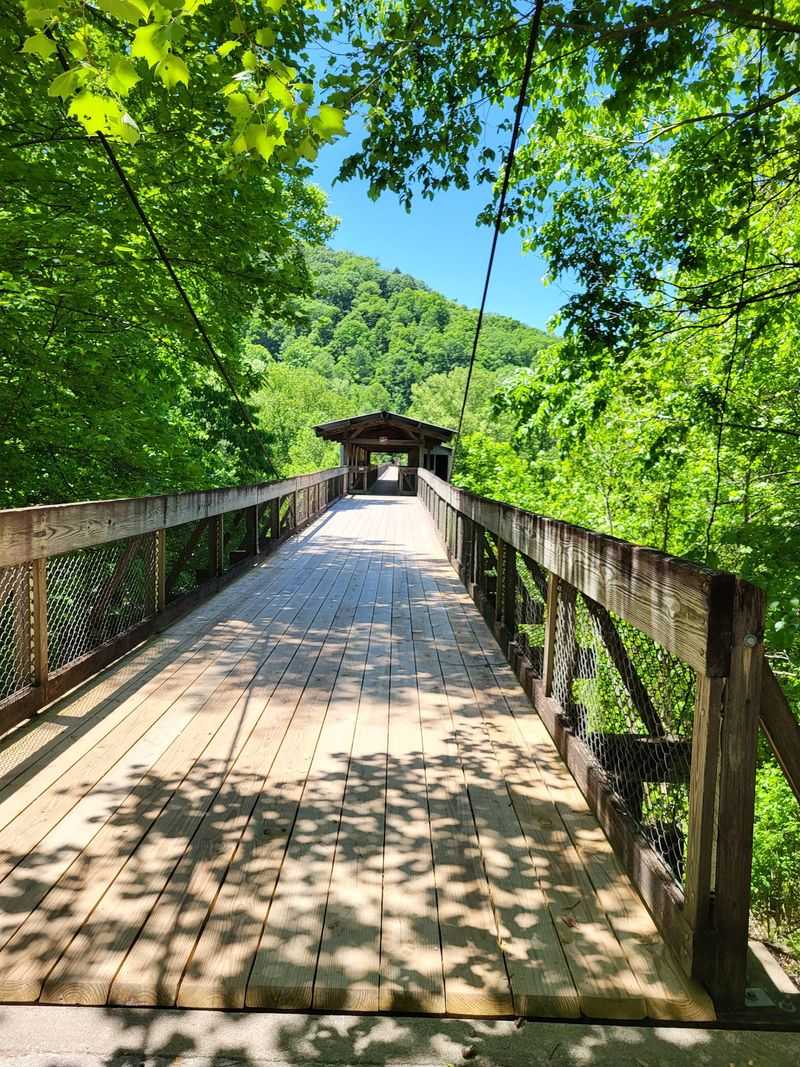
The tipple connects to a long bridge across the Big South Fork River. When open, you can walk out over the water.
The views from up there are wide and dramatic. Cliffs, trees, and river spread out in every direction.
If heights make your knees wobble, take it slowly or skip it. The bridge sits very high above the river.
The bridge has closed at times for repairs. Check with the park before you go if walking it matters to you.
Look for wildlife from the edges. Visitors have spotted bald eagles perched in the trees nearby.
Small bits of coal still turn up along the paths. Look, but leave them for the next curious visitor.
A Company Town From Top To Bottom
Picture a town where your boss also owned your house, your store, and your road. That was daily life at Blue Heron.
The Stearns Coal and Lumber Company ran nearly everything here. Families rented company homes and used company services.
The camp had a company store, a schoolhouse, and a church. There was also a bathhouse and a superintendent’s house.
Hundreds of people lived in this isolated spot. The gorge kept them tucked away from bigger towns.
Workers were often paid in scrip instead of regular cash. Scrip could only be spent at the company store.
That store sold groceries, clothes, and household goods. It was the busiest spot in camp most days.
Today, the ghost frames help you map out this tiny world. You can trace a family’s whole day in a short walk.
Start at the store and imagine the shelves. Then wander to the school and picture a noisy classroom.
The layout shows how tightly the town fit together. Everything sat within easy walking distance.
It is a neat way to learn how coal towns worked across Appalachia. Blue Heron makes that history easy to see and feel.
All Aboard For The Scenic Route
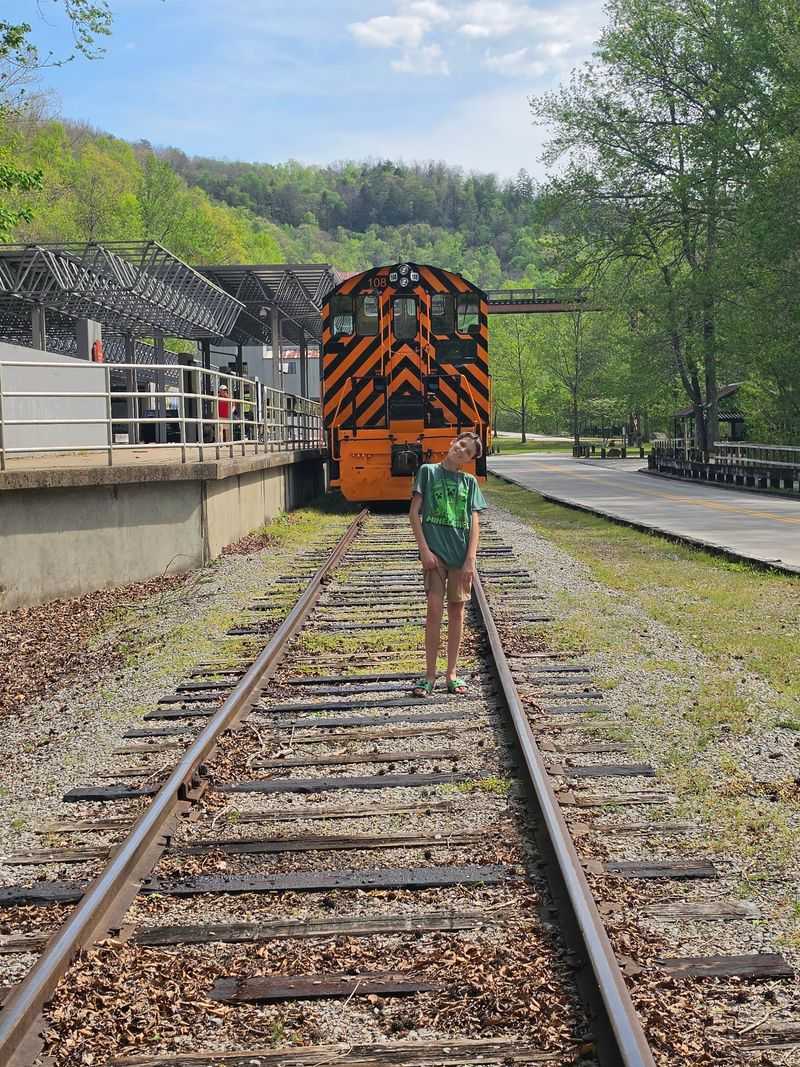
Why drive when a train can do the work? The Big South Fork Scenic Railway offers a fun way in.
The ride departs from the town of Stearns. It takes about 45 minutes to reach Blue Heron.
The train follows the old Kentucky and Tennessee Railway line. Coal trains once rolled along these same tracks.
Out the window, you get forest, rock walls, and gorge views. It is a relaxing ride with plenty to see.
The train schedule is seasonal, so plan ahead. Check the railway website before you set your heart on it.
Tickets cost more than gas for some families. If the budget is tight, driving in works just fine.
Riding does add a special touch to the trip. You arrive the way coal and workers once did.
Kids usually love the rumble and whistle. Grown-ups tend to enjoy the slow pace and quiet scenery.
Once you arrive, you get time to explore the camp. Keep an eye on the clock so you catch the ride back.
Fall trips are especially pretty. The trees light up in reds and golds along the whole route.
Picnic Tables, Grills, And Shady Spots
History makes you hungry, and Blue Heron plans for that. Shady picnic tables wait near the main area.
A few grills are available too. Bring your own food and cook up a simple lunch with a view.
A seasonal concession stand opens during busier months. When it is closed, a packed cooler saves the day.
Sandwiches, fruit, and cold drinks are easy wins. You will want energy for the hills ahead.
Clean restrooms sit near the concession area. Some are heated and cooled, which is a nice bonus out here.
The bookstore and gift shop open seasonally as well. Look there for books on local history and park souvenirs.
National park fans can ask about passport stamps. Rangers are known for being friendly and helpful.
Here is a sweet surprise: visiting the camp is free. That leaves more room in the budget for snacks.
The shade makes summer picnics comfortable. Breezes from the river help keep things pleasant.
Pack out your trash before leaving. Keeping the site clean helps everyone enjoy it next time.
Trails, Overlooks, And River Adventures
The ghost town is just the warm-up act. Big South Fork stretches out around it with miles of trails.
Paths weave through rocky gorges and forested plateaus. Some leave right from Blue Heron and cross the bridge.
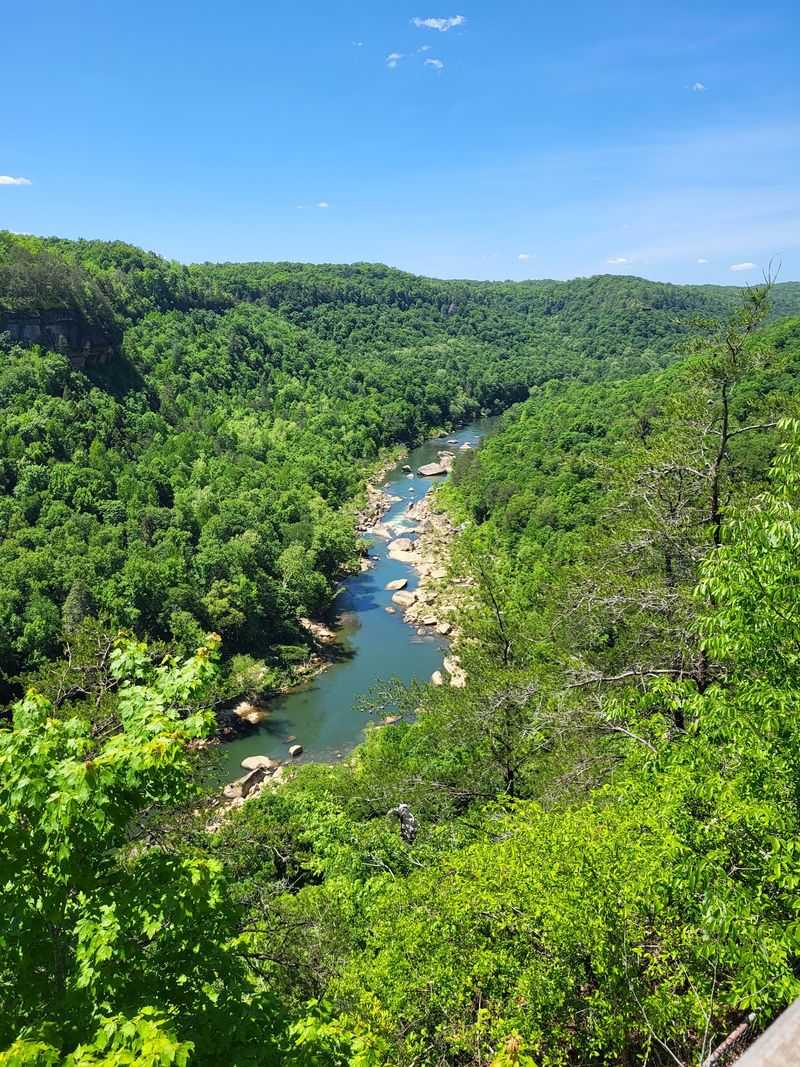
Devil’s Jump Overlook sits nearby. It gives you a sweeping look down at the river below.
The name sounds dramatic, and the view lives up to it. Bring your camera and a steady hand.
Paddlers can explore the Big South Fork River too. Check water levels and safety tips before heading out.
Bandy Creek Campground offers a base for longer stays. Rangers there can point you toward great routes.
Hikes range from short strolls to long day trips. Pick one that matches your legs and your snack supply.
Spring and fall bring cooler air and pretty colors. Summer brings thick green shade along many paths.
You might spot birds, deer, or even an eagle. Move quietly and keep your eyes up.
By the end of the day, the camp’s stories and the park’s beauty blend together. That mix is what makes this corner of Kentucky so memorable.