This Nebraska River Adventure Lets You Kayak Or Tube To The State’s Tallest Waterfall
A river trip gets better when the finish line has a waterfall, right?
The float starts with current, sunshine, and that easy summer rhythm only a tube or kayak can create. Then the day adds a real payoff.
A short stop leads to a boardwalk. The sound of falling water gets louder. The whole adventure feels bigger than a lazy river plan.
Nebraska saves one of its best summer surprises for people willing to meet it by water.
This is not a rushed sightseeing stop. The fun is in the mix. Paddle for a while. Drift when the current allows it.
Pull over near the park. Then walk toward the tallest waterfall in the state and let the cool spray do the bragging.
The setting feels wild without making the trip feel impossible. Water, cliffs, trees, and open sky all work together.
By the end, the float feels less like a simple outing and more like a full Nebraska summer story.
Paddle Or Float Along The Niobrara National Scenic River
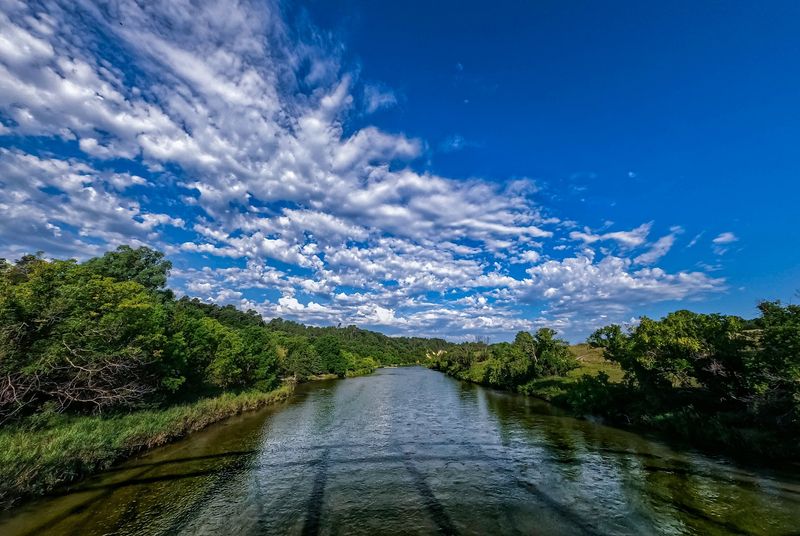
Few rivers in the country offer such an easygoing yet visually rewarding float as the Niobrara National Scenic River near Valentine, Nebraska.
Recognized as one of the top ten rivers for canoeing in the United States, the Niobrara moves at a comfortable pace, typically averaging three to seven miles per hour with depths ranging from about 18 to 24 inches.
That combination makes it genuinely accessible to first-time paddlers and families with younger kids.
Tubing is the most laid-back option, letting visitors drift along while taking in the sandstone bluffs and smaller side waterfalls that trickle into the main channel.
Kayaks and canoes allow for a bit more control and are popular among those who want to stop and explore along the way.
The scenery shifts steadily as the river bends, keeping the experience visually engaging throughout.
Spring and fall tend to bring quieter conditions on the water, while summer weekends attract larger crowds. Weekday floats during peak season could offer a more relaxed atmosphere.
The river corridor itself is federally protected, which means the landscape remains largely undeveloped and genuinely wild-feeling from the water.
Use Smith Falls State Park As Your River Landing Point
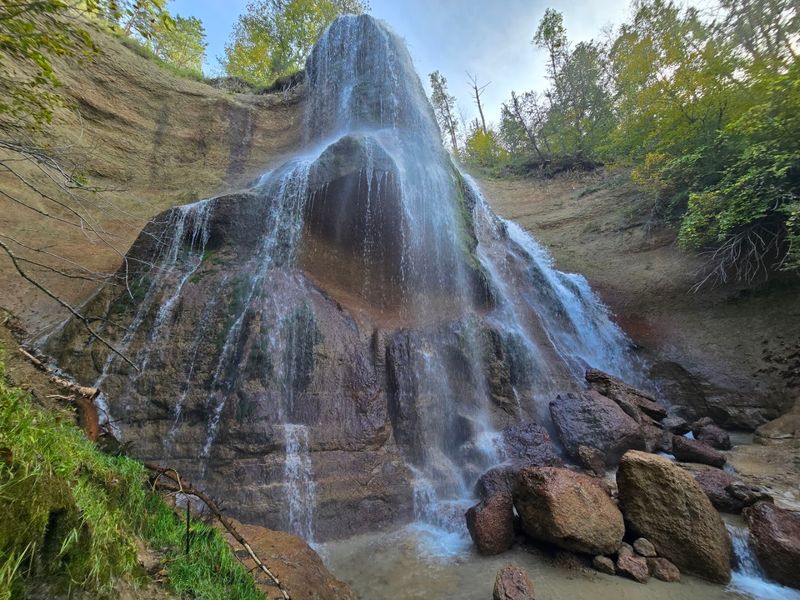
Positioned roughly 12 to 18 miles east of Valentine along a gravel road, Smith Falls State Park serves as one of the most popular take-out points for Niobrara River floaters.
The park covers approximately 250 acres and sits on both sides of the river, with the Smith Falls Landing located on the south bank providing direct access for those finishing a float trip.
A Nebraska state park entry permit is required for all vehicles and can be purchased at the entrance or through Nebraska Game and Parks offices statewide.
During peak season from Memorial Day to Labor Day, the park office operates extended hours, generally opening at 8 AM and staying open until 10 PM on weekdays and 11 PM on weekend nights.
One practical note worth keeping in mind: the gravel access road can become difficult to navigate after significant rainfall, and vehicles without four-wheel drive may want to wait a few hours for conditions to improve before heading in.
Leave The Water For A Short Walk To The Waterfall
Stepping off the river and onto dry land at Smith Falls State Park marks the beginning of a short but satisfying walk to one of Nebraska’s most striking natural features.
From the south-side landing, the waterfall is only about 300 yards away, making the journey accessible even for those who have already spent hours on the water.
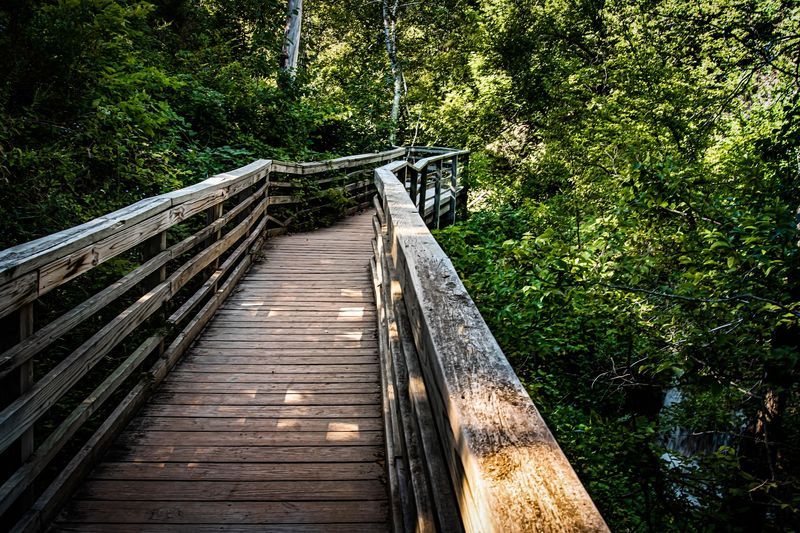
The route starts on a gravel path that gradually transitions into a wooden boardwalk as the trail enters the canyon.
That shift in surface underfoot signals a shift in atmosphere too, as the air grows noticeably cooler and the sound of the falls begins to carry through the trees.
Light filters differently in the canyon than it does out on the open river, giving the walk a distinctly sheltered, immersive quality.
The full round trip from the landing to the falls and back covers roughly one mile, which most visitors find comfortable at a relaxed pace.
Those arriving from the north side of the river use the historic pedestrian bridge as their starting point instead, adding a bit of extra scenery to the approach.
Either way, the walk itself builds anticipation gradually rather than delivering the falls all at once.
See Nebraska’s Tallest Waterfall Up Close
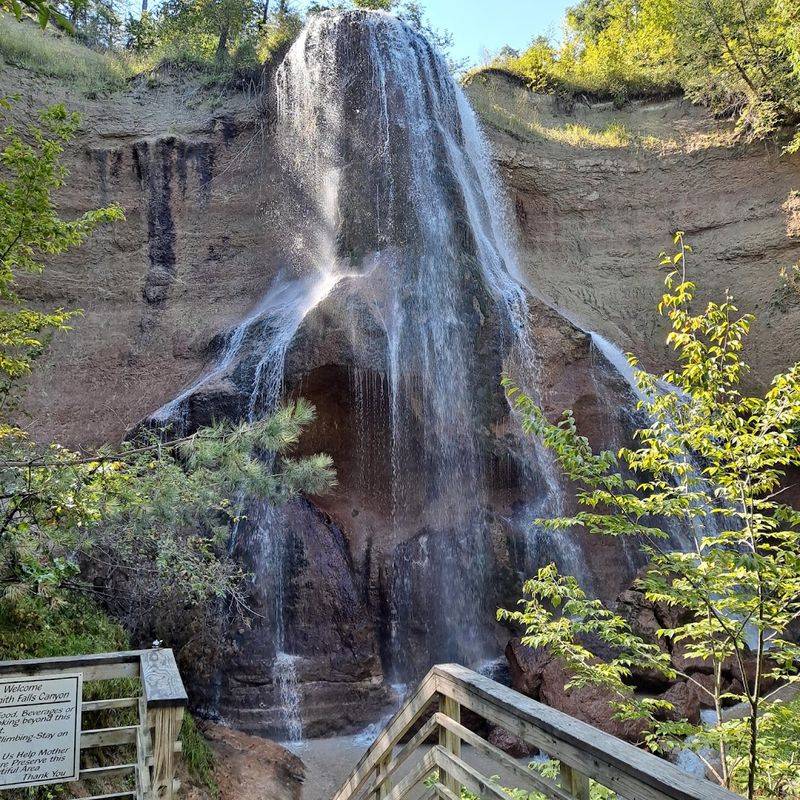
Standing at the base of Smith Falls delivers the kind of quiet surprise that sticks with visitors long after they leave.
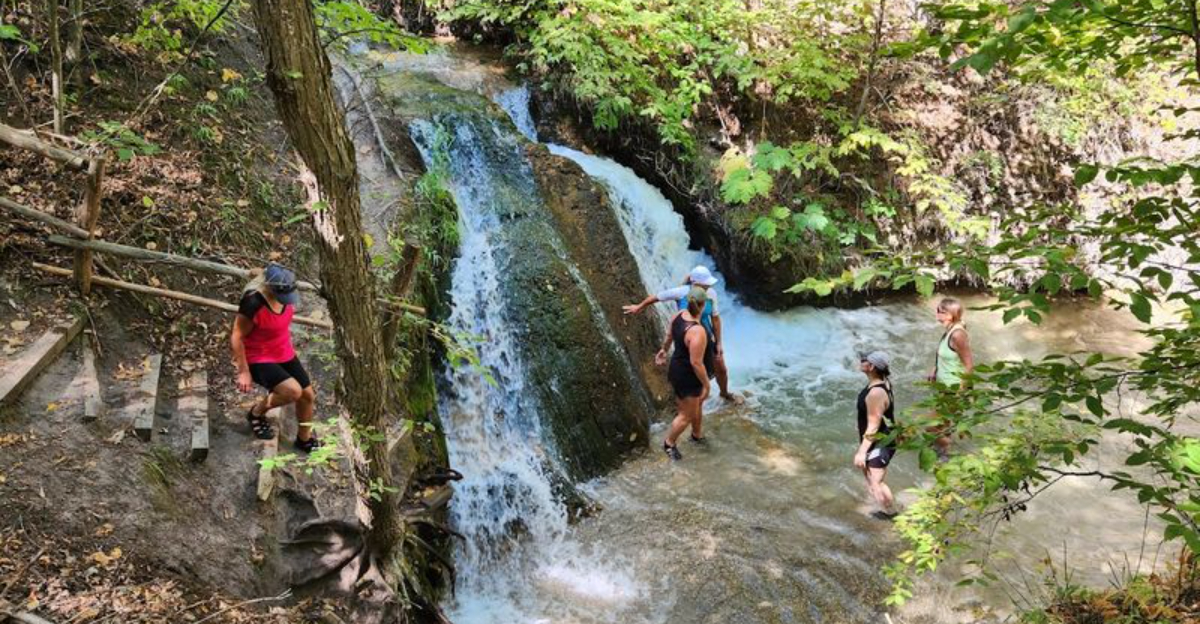
The falls drop somewhere between 63 and 70 feet through a narrow canyon, fed entirely by a natural spring rather than surface runoff, which means they flow consistently year-round regardless of seasonal rainfall.
The water hits a brownish pool at the bottom, and on warmer days the mist that drifts outward from the base provides an immediate and welcome cooldown.
Stairs lead down to the pool level, and some visitors choose to wade in or stand close enough to feel the spray directly on their skin.
The surrounding canyon walls are draped in moisture-loving vegetation that thrives in the cool microclimate the falls create.
Visiting during a hot summer afternoon tends to make the temperature contrast inside the canyon feel especially dramatic compared to the open plains just minutes away.
The falls are genuinely impressive without any need for embellishment, and the spring-fed consistency means there is no bad season to visit.
Those who arrive expecting a modest trickle are typically caught off guard by the scale and sound of the water in person.
Arrange A Kayak, Canoe, Or Tube Trip With A Local Outfitter
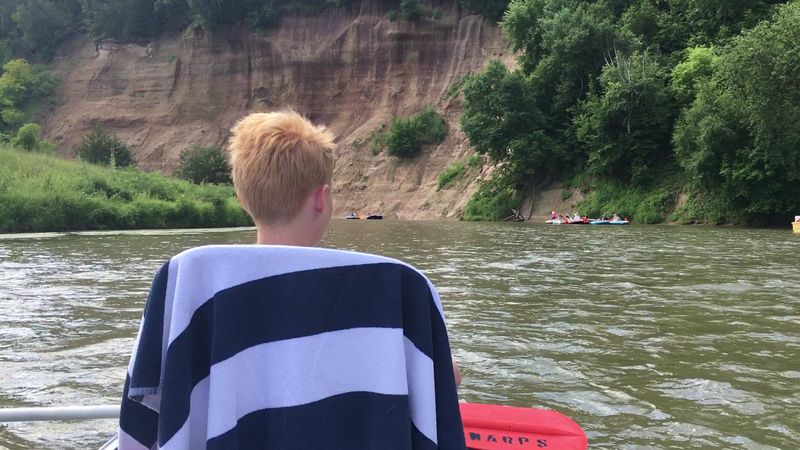
Planning a self-guided float on the Niobrara River is possible, but working with a local outfitter simplifies the logistics considerably.
Several businesses based in and around Valentine and Sparks specialize in river trips and have been operating on the Niobrara for decades, building up practical knowledge of conditions, routes, and timing.
Outfitters such as Little Outlaw Canoe, Tube and Kayak Rentals, Dryland Aquatics, and Brewers Canoers and Tubers typically provide all necessary equipment including paddles, life vests, and cooler straps for tubes.
Shuttle services are a standard part of the package, transporting guests to upstream launch points and picking them up at designated take-out locations, including Smith Falls State Park.
That shuttle arrangement removes the logistical puzzle of returning to a starting point after the float.
Most outfitters operate from mid-May through mid-September, aligning with the primary floating season.
Booking in advance is strongly recommended for summer weekends, as popular time slots and equipment can fill up quickly.
Calling ahead or checking outfitter websites before a trip helps confirm current availability, pricing, and any seasonal conditions that might affect the float experience that particular day.
Cross The Historic Bridge Over The Niobrara River
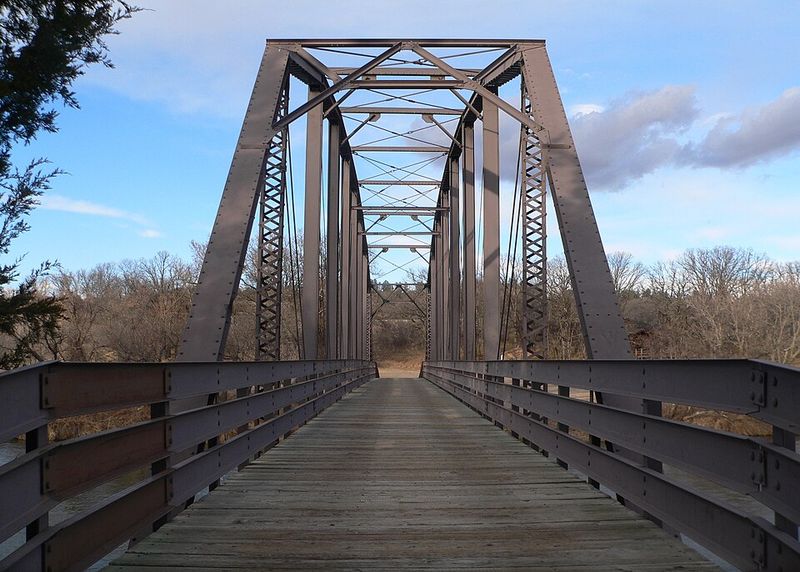
Getting to the waterfall from the north side of the park means crossing a pedestrian bridge with a genuinely interesting backstory.
The 160-foot steel truss structure now serving as a foot crossing at Smith Falls State Park is actually the reconfigured Verdigre Bridge.
The Niobrara stretches out in both directions, and depending on the time of day, the light on the water can shift from bright and reflective to soft and shadowed within the same hour.
The bridge itself feels solid and well-maintained underfoot.
Crossing from the north side adds a small but memorable moment to the overall visit, a brief pause above the river before descending into the canyon.
The new bridgeway is fully open to the public and ADA accessible from the bridge to the falls, making it a practical and scenic entry point for visitors of varying mobility levels.
Follow The Accessible Boardwalk Into Smith Falls Canyon
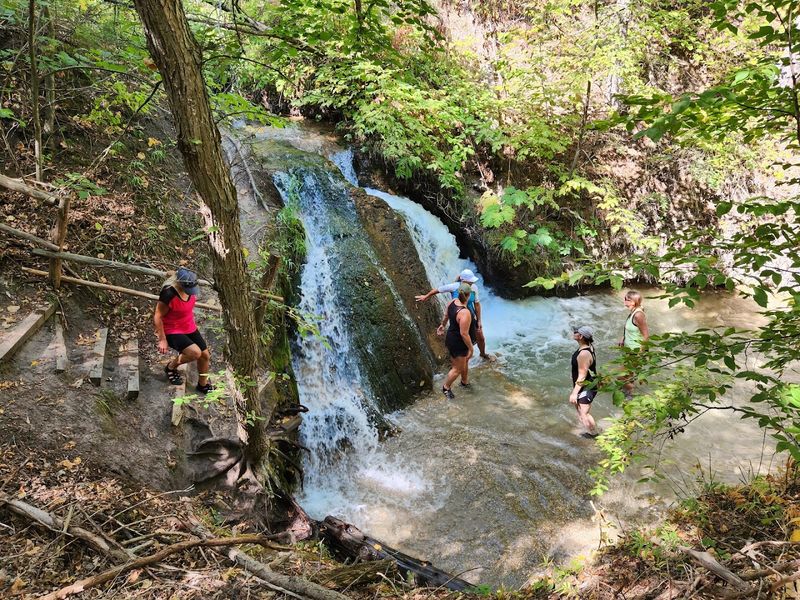
Once across the bridge, a wooden boardwalk takes over as the primary route into the canyon, and the design of that walkway reflects genuine care for both the environment and the visitor experience.
The boardwalk hugs the natural contours of the land rather than cutting a straight line through the terrain, which means the falls reveal themselves gradually as the path bends and dips through the trees.
That gradual reveal is part of what makes the approach feel rewarding rather than transactional.
The boardwalk also plays an important ecological role by keeping foot traffic off the canyon floor, which is home to a sensitive and easily damaged ecosystem.
Without the defined path, erosion and compaction from visitors could cause serious long-term harm to the plant communities that make this canyon unusual.
Accessibility along this route is a meaningful feature of the park.
The path from the bridge to the falls is designed to accommodate visitors with varying mobility needs, and the smooth boardwalk surface makes the journey manageable for those who might struggle on rougher terrain.
Families with strollers, older visitors, and those using mobility aids can all reach the waterfall without needing to navigate uneven ground, which broadens who gets to experience the falls firsthand.
Camp Beside The River After The Float
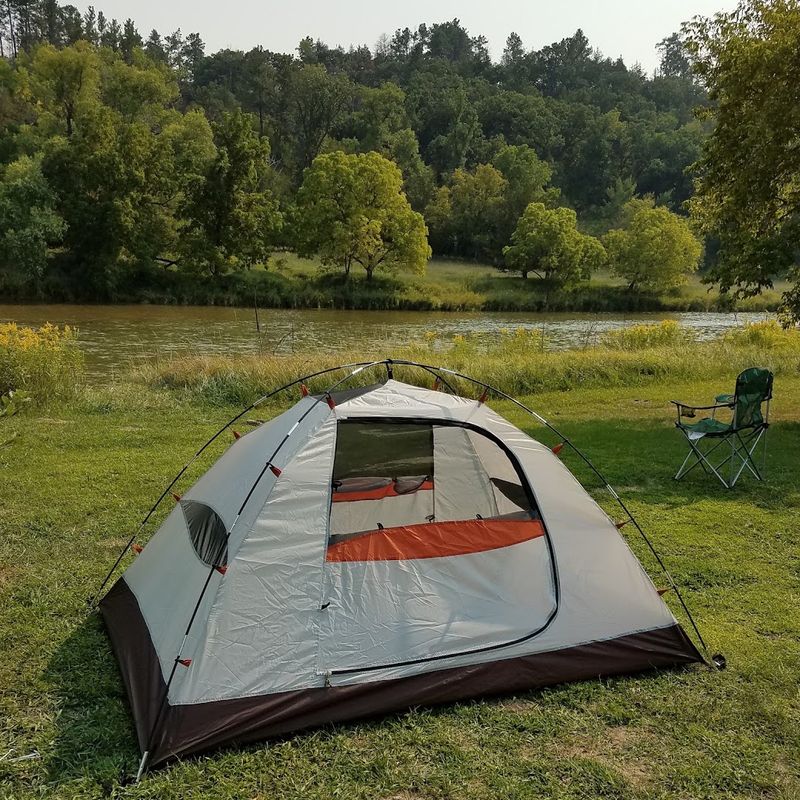
Ending a day on the river by simply staying put at Smith Falls State Park is one of the more satisfying ways to extend the experience.
The campground sits directly beside the Niobrara River, and the sound of moving water carries through the campsites in a way that makes falling asleep feel effortless after a full day outdoors.
The park offers 52 campsites divided between East and West loops, with most designed for tent camping. The East campground accommodates up to eight people per site, making it suitable for group trips.
Smaller pop-up campers may fit in certain areas, but full-size RVs are generally not well-suited to the campground layout or the access road conditions, particularly after rain.
Facilities include restrooms, pay showers, and a small concession stand for basic supplies.
Reservations can be made up to a year in advance through Nebraska Game and Parks, and booking early is strongly advisable for summer weekends and holiday periods when the campground tends to fill.
Arriving without a reservation on a busy weekend could mean finding no available sites, so planning ahead makes a real practical difference.
Waking up to birdsong and river sounds after a night at the campground tends to feel like a reward well-earned.