This Century-Old California Lake Resort Still Offers An Affordable Escape In The Sierra
A century of summers has a way of stripping a getaway down to what actually matters.
Cool mountain air. A lake nearby. Somewhere comfortable to sleep. Enough quiet to make checking the time feel unnecessary.
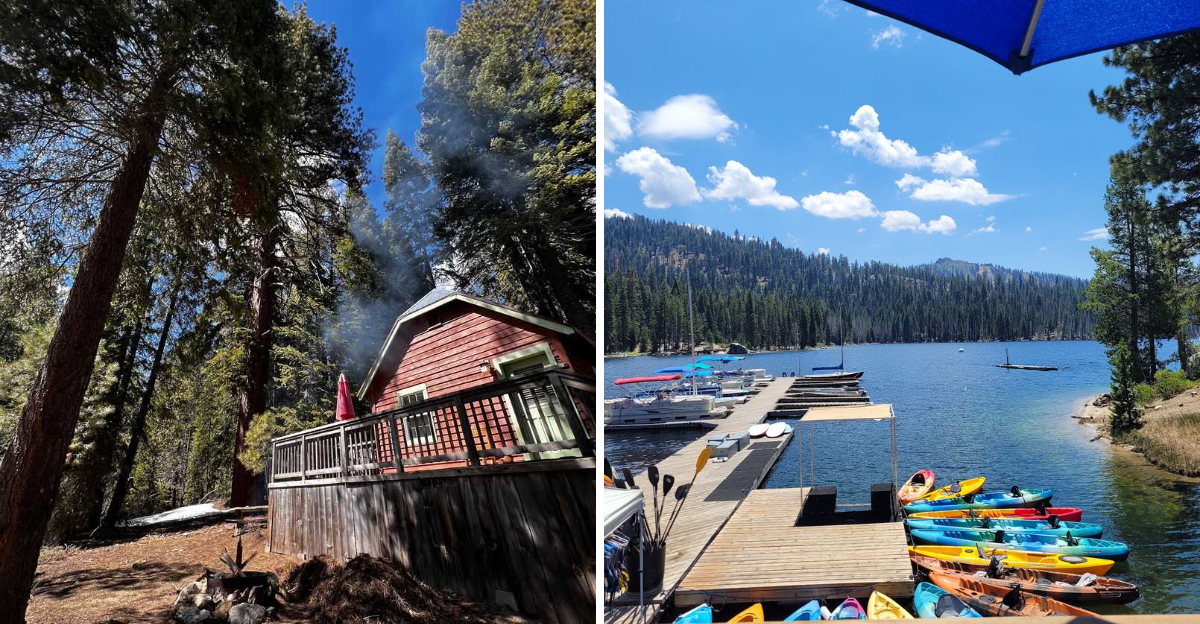
This California mountain resort has spent more than a century giving travelers a simple, laid-back place to stay near Huntington Lake.
You do not come here for flashy resort theater. You come to wake up near the water, spend the day outside, and let the mountains dictate the pace.
Maybe that means fishing before breakfast. Or perhaps it means reading on the porch until somebody finally suggests doing something.
The affordable part matters too, especially in a state where scenic escapes can become expensive very quickly.
So keep the plans simple. Pack layers. Bring a few easy meals. Leave room for a slow morning and an even slower evening. A place that has lasted this long clearly figured something out.
A Resort Born Alongside The Big Creek Hydroelectric Project In 1922
Construction crews needed somewhere to sleep, eat, and heal long before tourists ever showed up here.
The property dates to 1922, when an engineer named on the historic record built the general store, a hotel, and several of the earliest cabins during the Big Creek hydroelectric project.
Those buildings served a very practical purpose at the time. Workers stringing power lines and pouring dam concrete needed a place to rest, and the hotel doubled as a medical facility for the men on the job.
That working-camp origin still shows in the layout of the property today.
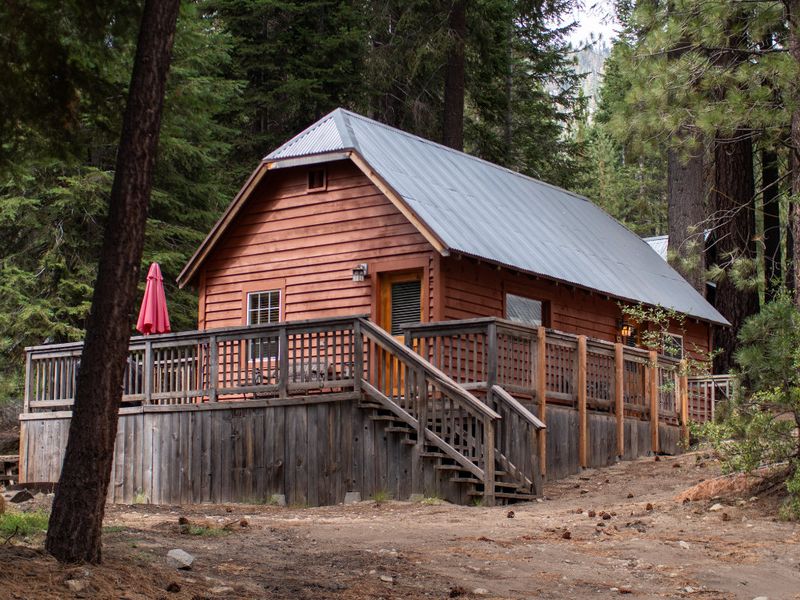
Buildings are spread out under the trees rather than arranged around a manicured lawn, and the general store remains a central gathering point for guests picking up supplies or keys.
Understanding the history helps set expectations before arrival.
The resort is old, and while renovations have modernized much of the lodging, the character leans rustic and lived-in rather than sleek.
Guests who appreciate weathered wood, uneven ground, and a sense of continuity with the past usually enjoy it most. A century of continuous use in a high mountain environment is not a small thing.
Snow loads, freeze cycles, and short seasons wear buildings down quickly at this elevation, so the fact that structures from the 1920s still stand says something about how they were built.
Renovated Cabins That Skip The Luxury-Resort Price Tag
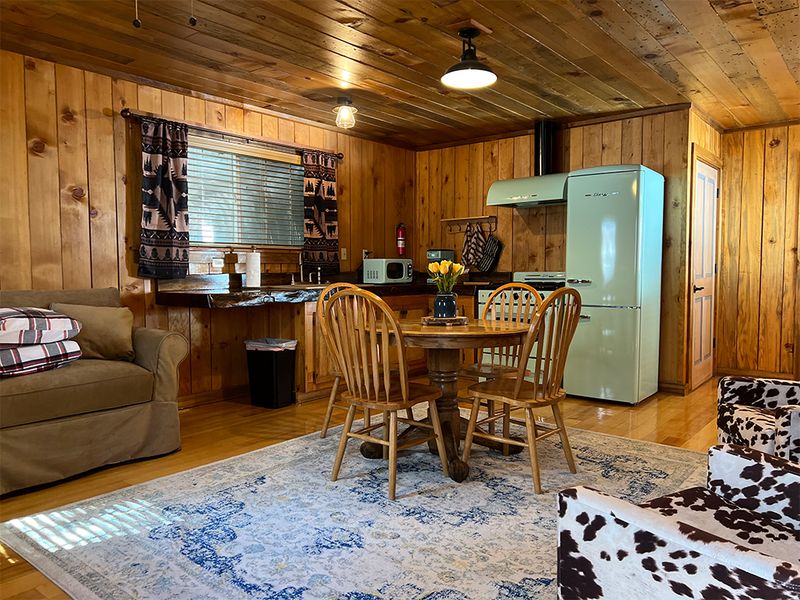
Cabin shopping in the Sierra can get expensive fast, which is what makes the rates here worth a closer look.
Lodging is spread across several cabin types, and reservations can be arranged through the property at 61953 Huntington Lake Rd, Lakeshore, CA 93634.
Compact log cabins sit at the lower end of the range, while larger units offer more space for groups.
Published rates place the L-Series log cabins between $179.95 and $209.95 per night.
A-Series cabins start around $244.95 for Sunday through Thursday stays, with Friday and Saturday nights listed at $294.95.
Rates can change, so confirming current pricing at booking is always the safer approach.
Renovation work has been ongoing under recent ownership, and guests have noted updated interiors with retro-style appliances such as vintage-look refrigerators and microwaves.
Gas heaters keep cabins warm on cold nights, which matters a great deal at this elevation even in summer. Expect comfortable and clean rather than polished and modern.
Booking ahead is wise during summer weekends and ski season, since the cabin count is limited.
Arriving before the general store closes also makes check-in smoother, since keys are handled there.
Anyone planning a late arrival should call ahead and confirm the process rather than assume someone will be waiting.
Mornings At Nearly 7,000 Feet Above Sea Level
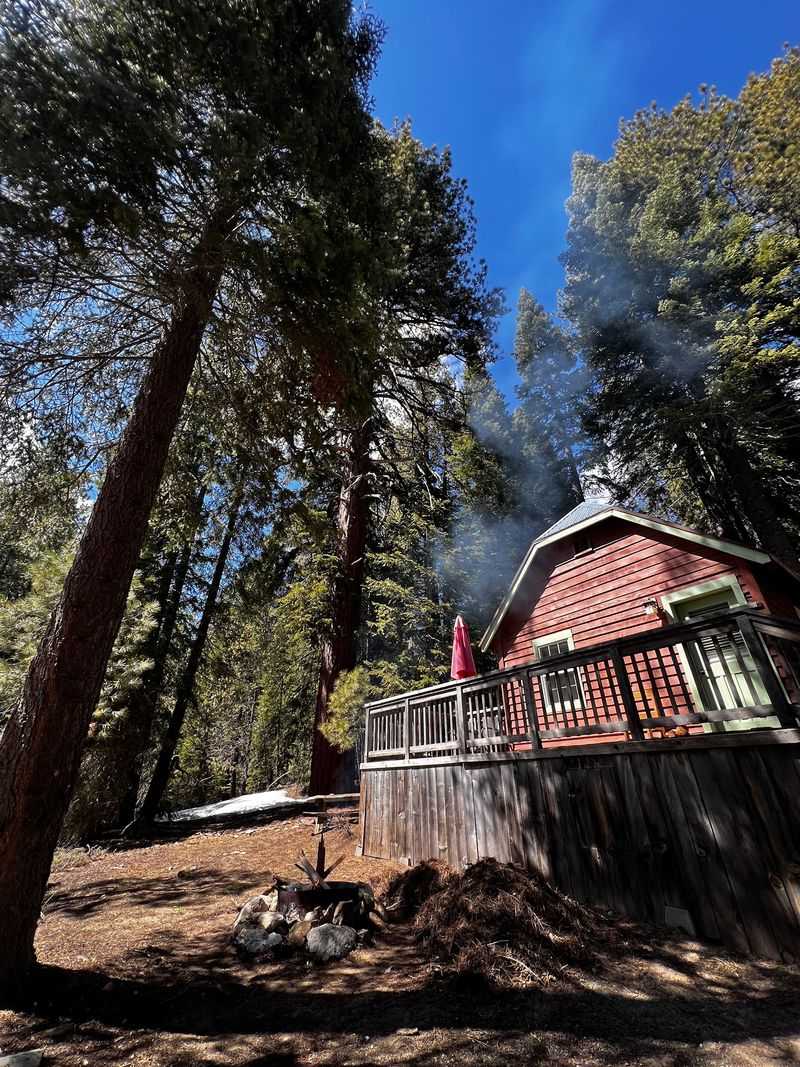
Cold air at dawn is the first clue that this is genuine high country.
Huntington Lake rests at roughly 6,950 feet inside the Sierra National Forest, which puts it well above the foothill reservoirs most California visitors know. The elevation changes almost everything about how a stay feels.
Summer afternoons stay milder than the valley below, and nighttime temperatures can drop sharply even in July. Packing layers is not optional here, and a warm jacket earns its place in the bag regardless of the forecast.
Altitude also affects how bodies respond. Visitors coming up from sea level may notice shortness of breath, mild headaches, or quicker fatigue during the first day.
Drinking extra water, taking the first afternoon slow, and saving strenuous hikes for day two are simple ways to adjust.
Sun exposure intensifies at this height as well. Sunscreen, a hat, and sunglasses matter more than they would at a lowland lake, especially with sunlight reflecting off open water.
The payoff comes in the quality of the surroundings. Air feels crisp and clean, the pine scent is strong, and nights bring an impressive amount of visible stars because there is very little light pollution nearby.
Deer occasionally wander through the property in the early hours, which many guests count among the memorable parts of the trip.
Kayaks And Sailboats Available Right By The Shoreline
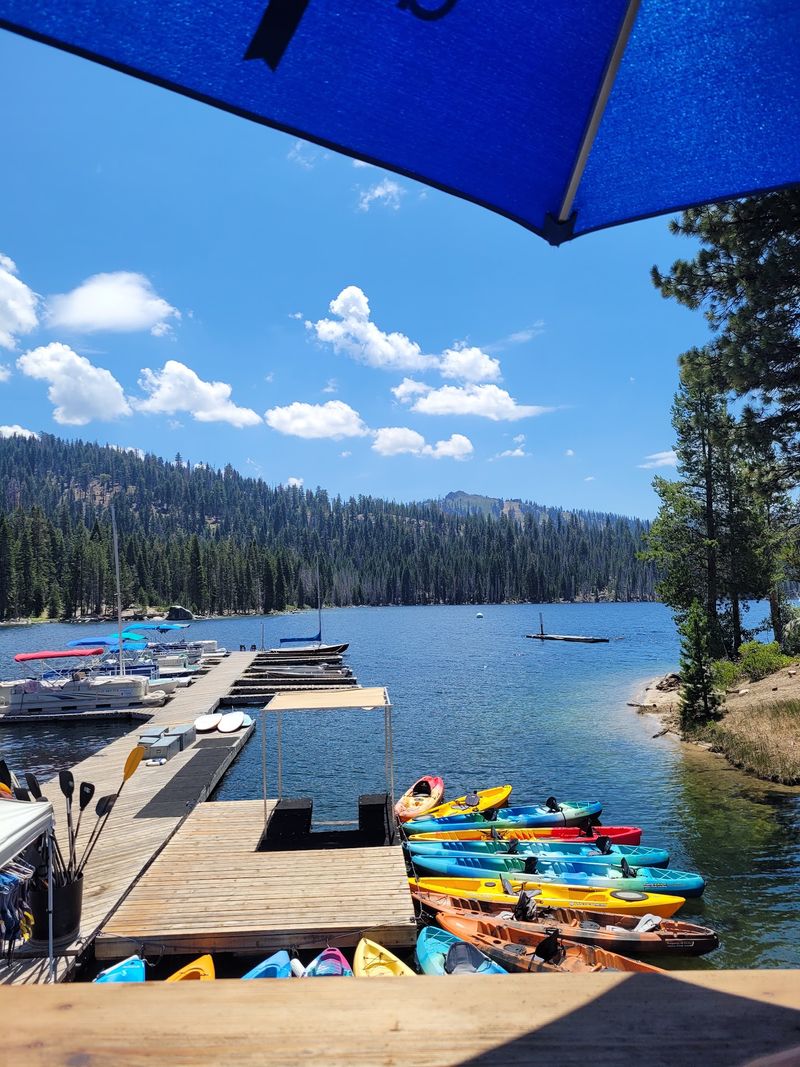
Hauling watercraft up a winding mountain road is not everyone’s idea of a good time.
The marina at the resort advertises rentals that can include kayaks, sailboats, sailboards, paddle boats, and rafts, which removes the need to bring gear from home.
Availability depends on the season and on lake levels, so calling ahead saves disappointment.
Rental inventory tends to be strongest during the core summer months when conditions are most reliable. Early season and late season visits may find fewer options on the water.
Beginners often do best in the morning hours. Winds on this lake build as the day goes on, and a calm surface makes learning to paddle or sail far less stressful for first-timers.
Families with children frequently choose paddle boats or a stable kayak for a short outing close to shore. Life jackets and cold water awareness deserve real attention here.
Mountain reservoir temperatures stay low even in August, and an unexpected swim can be genuinely uncomfortable.
Dressing for the water rather than the air temperature is a habit experienced paddlers follow. Renting also works nicely as a way to test the lake before committing to a bigger boating trip.
A couple of hours in a kayak gives a real sense of the shoreline, the wind patterns, and whether a future visit should include a personal boat.
Sailing Winds That Made This Lake Famous
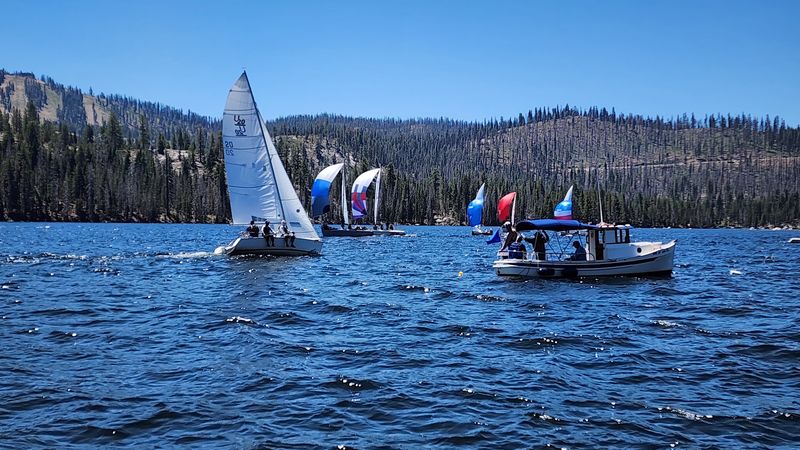
Sailors across California know this lake for one reason above all others: the wind shows up almost every summer day.
Prevailing westerly breezes sweep across the water, often beginning around mid-morning and building through the afternoon.
Consistency like that is rare, and it turned Huntington Lake into a gathering spot for the sailing community decades ago.
The resort keeps that tradition alive by hosting summer regattas, which are frequently held during July and August. Race weekends bring a different energy to the shoreline.
Catamarans and dinghies line the beach, spectators gather to watch starts, and the property fills with people who have been coming back for years.
Visitors who are not sailing can still enjoy the show from shore. Anyone hoping to catch a regatta should check the schedule before booking, since dates shift from year to year.
Lodging fills faster during those weekends, so reserving early is the smart move. Newer sailors sometimes underestimate how strong the afternoon wind can get.
Small craft handling improves with experience, and starting in the calmer morning hours is a sensible way to build confidence before conditions strengthen.
For photographers, the combination of bright sails, dark green forest, and granite ridges makes for striking images, especially in the late afternoon light when the lake is at its liveliest.
Forest Trails Leading Toward Kaiser Wilderness
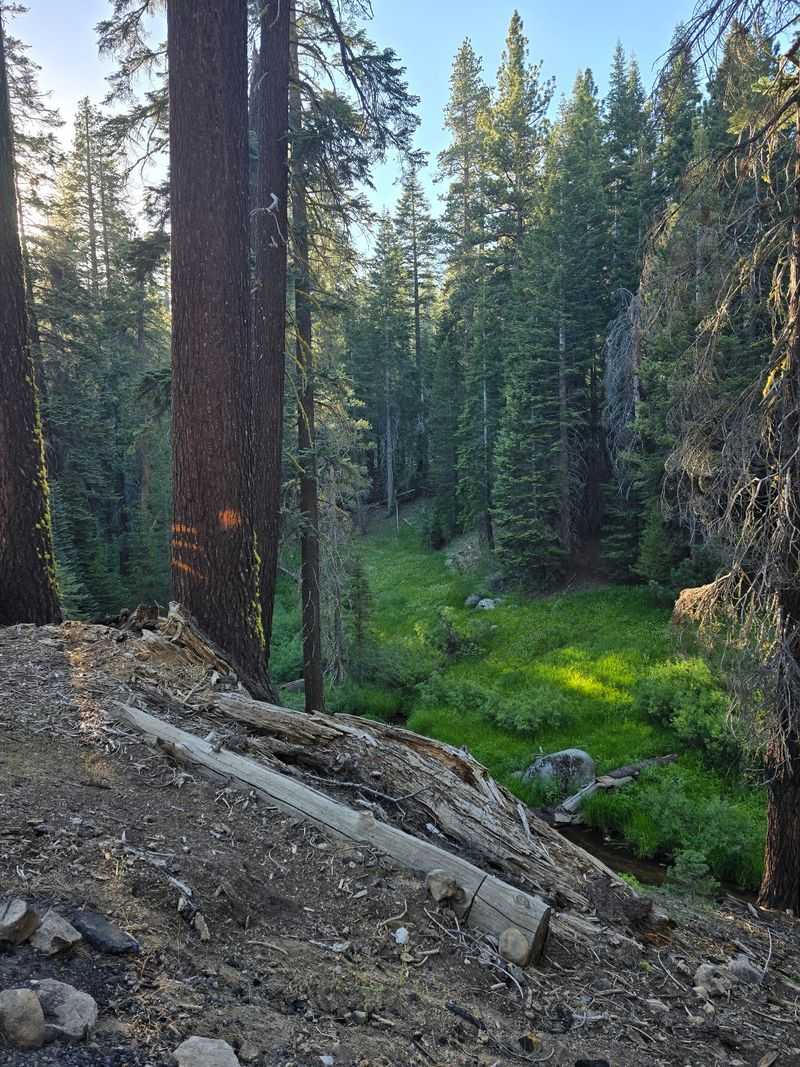
Not every day at a lake has to be spent on the water.
Hiking and mountain biking rank among the warm-weather activities promoted around the resort, and the surrounding Sierra National Forest holds a wide variety of routes.
Options range from easy lakeside walks to demanding climbs that head up into the Kaiser Wilderness.
Shorter trails near the shoreline suit families and anyone still adjusting to the altitude. Longer routes gain elevation quickly and reward the effort with wide views across the basin.
Trail conditions depend heavily on the calendar. Snow can linger at higher elevations well into early summer, and some routes stay wet or partially blocked longer than expected after heavy winters.
Asking about current conditions before setting out avoids surprises.
Standard mountain hiking preparation applies. Carrying more water than seems necessary, wearing real hiking shoes, and starting early to avoid afternoon thunderstorms are all sensible habits at this elevation.
Cell service in the forest can be unreliable, so a paper map or downloaded offline map is a good backup.
Mountain bikers will find forest roads and trails in the area, though difficulty varies widely.
Riders should scout their route in advance rather than improvising, since loose granite and steep grades can turn a casual ride into a serious workout without much warning.
Snow Season Turns The Property Into A Winter Base Camp
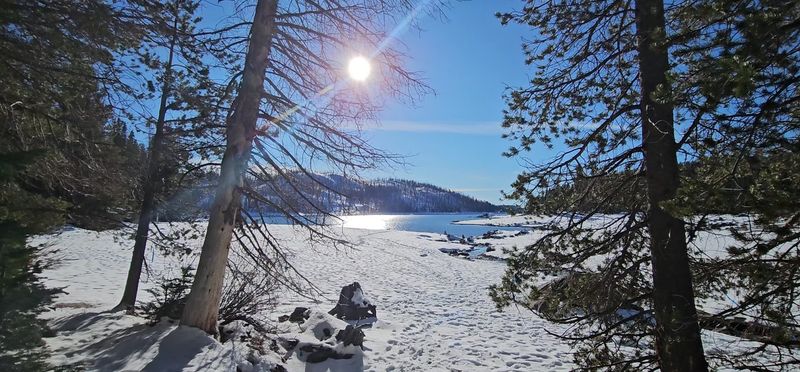
Everything about the place shifts once the snow starts stacking up.
Winter activities promoted in the surrounding area include snowshoeing, Nordic skiing, sledding, snowmobiling, and downhill skiing at nearby China Peak Mountain Resort.
Being close to the ski area makes the cabins a practical lodging choice for skiers and snowboarders.
Returning to a warm cabin after a day on the slopes beats a long drive back down the mountain, especially when roads are icy.
Winter visits require more planning than summer ones. Tire chains are often necessary, and mountain storms in this part of the Sierra can drop enormous amounts of snow in a short span.
Checking road conditions and weather forecasts before leaving home is essential rather than optional.
Parking arrangements may change during heavy snow, since plowed space near individual cabins is not always available.
Flexibility helps, and so does packing boots, warm layers, and a headlamp for moving around the property after dark.
A Sno-Park permit may be required for many winter recreation activities in the area, and permits can be obtained at the general store on site. Picking one up before heading out saves a return trip.
Quiet is the main reward of a winter stay. Snow muffles sound, crowds thin out midweek, and the forest takes on a stillness that summer visitors never get to experience.
A Comeback Story Spanning More Than A Century
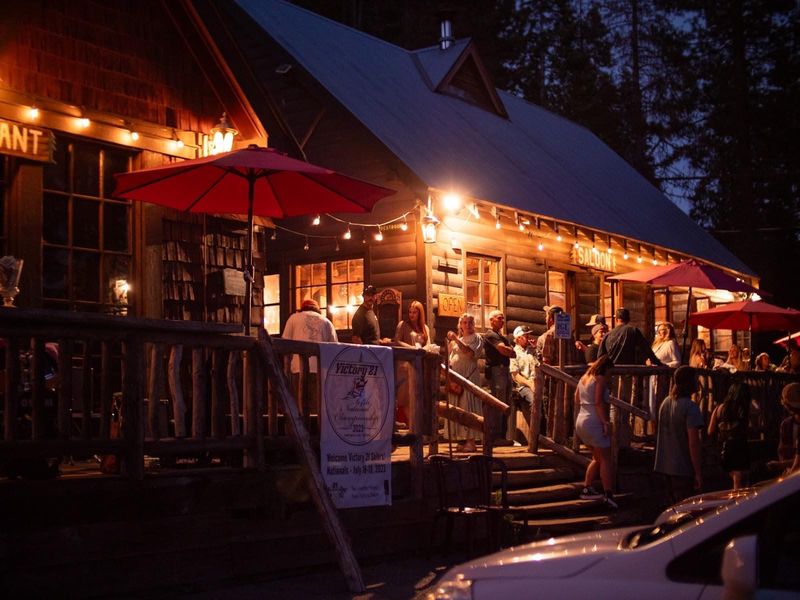
Plenty of old mountain resorts disappeared during the twentieth century, and this one nearly joined them.
Operations ended and the property entered bankruptcy at the close of the 1984 summer season.
By Labor Day weekend of 1987, the buildings sat boarded up with no clear future.
A couple purchased the resort from the trustee and reopened it in the early spring of 1988, pulling it back from the edge. That revival kept the 1922 structures standing and the tradition of summer visitors alive.
Ownership changed hands again in 2022, when new owners took over and began another round of improvements.
Renovated cabins, an updated general store, and continued work around the property reflect that ongoing effort.
Construction and repairs have been part of recent seasons, so guests may notice active projects during a visit. Knowing that history helps frame expectations honestly.
A property this old, at this elevation, requires constant maintenance, and improvements happen in stages rather than all at once. Some areas feel freshly updated while others still show their age.
What has not changed is the reason people keep coming back.
The lake, the pines, the cool nights, and the sense of stepping into a place with real history behind it remain the draw, just as they were for the families who first arrived here more than a hundred years ago.