This Kentucky Mountaintop Has Free Roaming Horses And Nobody Talks About It
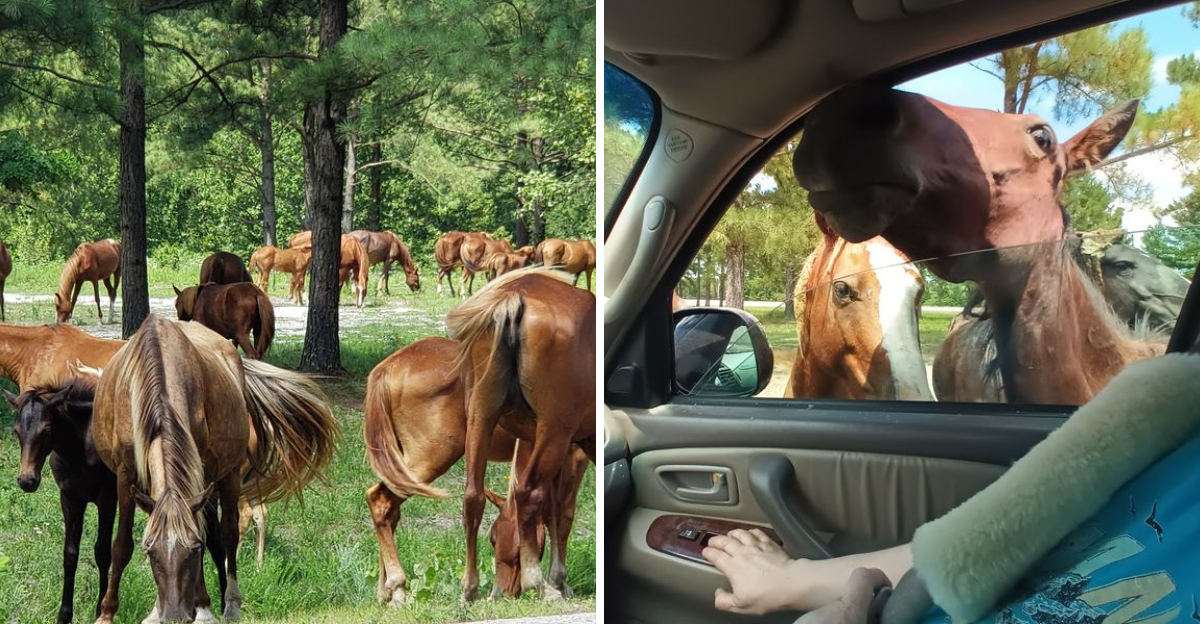
You have probably heard of the ponies on Assateague Island. You have probably not heard about Kentucky.
There are horses up here that answer to nobody. They live on old coal land in the eastern mountains.
The mining companies flattened those ridges decades ago. Then they planted grass to heal the ground.
The horses noticed the grass before anyone else did. They have been grazing up there for around thirty years.
You can drive right up and see them. There is no gate, no ticket and no gift shop.
What there is instead is a dirt road and some luck. Some mornings you find a dozen of them.
Some mornings you find only evidence that they were there. The whole thing feels like a secret nobody bothered to keep.
Kentucky has the horse capital of the world down in Lexington. Meanwhile the most interesting horses are three hours east.
The Road That Climbs Into Elk Country
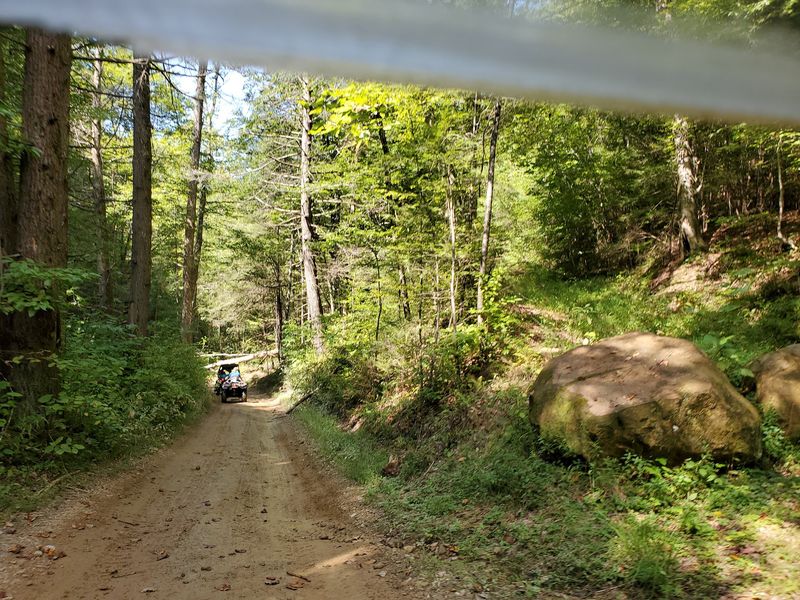
South Fork Elk View does not look like much from the bottom. Then it climbs, and the trees fall away behind you.
The road runs across a reclaimed mine bench in Breathitt County. Grass covers ground that once looked very different.
Locals call this general area the South Fork elk viewing country. The nickname fits, since elk and horses share the same open ridges.
Gravel makes up most of the surface. Expect washboard sections, loose rock, and a few soft spots after rain.
A high-clearance vehicle helps a lot here. Small cars can make parts of it, but slowly and carefully.
Drive it in daylight your first time. Landmarks look identical in the dark, and turnarounds are limited.
Take your time on blind curves. Coal trucks, ATVs, and animals all use the same narrow lanes.
South Fork Elk View is located off KY 1098 near Jackson in Breathitt County.
Horses Grazing Where You Least Expect Them
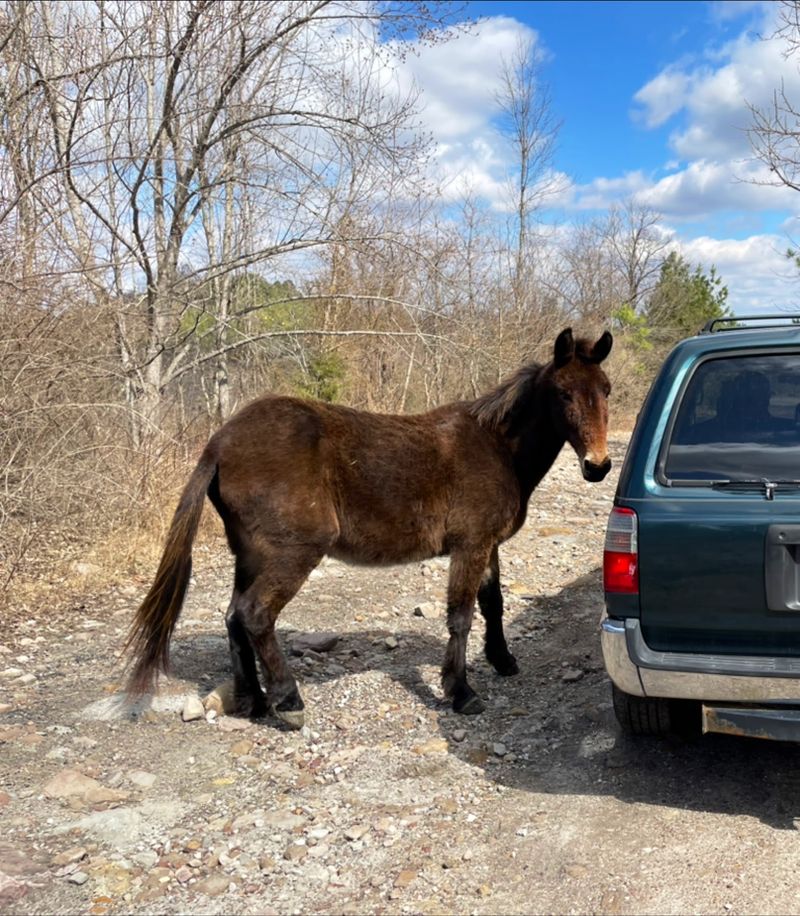
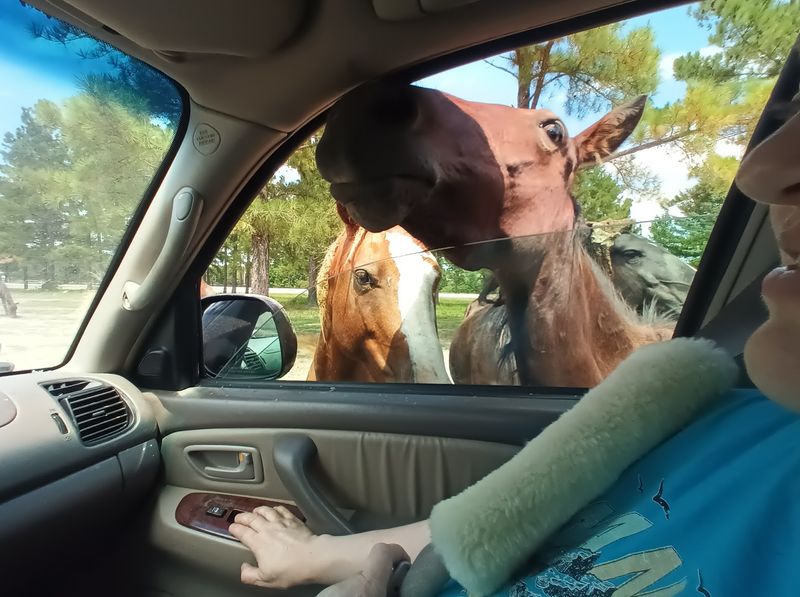
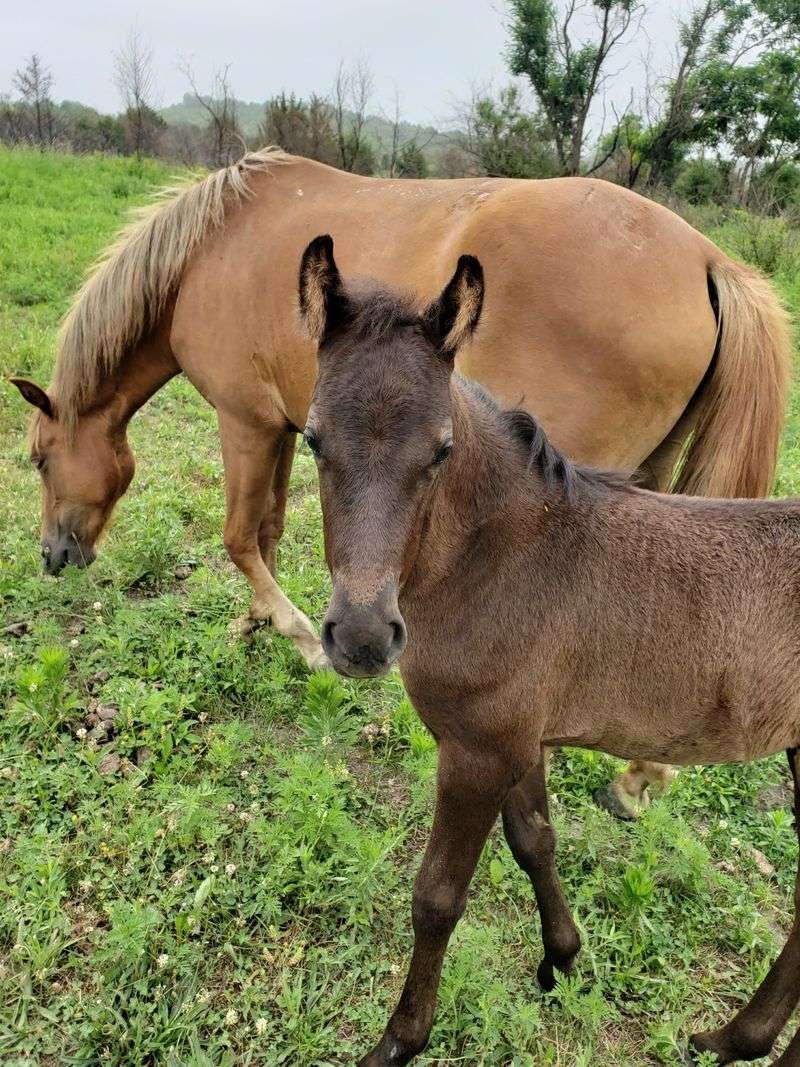
The first horse appeared beside my window like it owned the ridge. It glanced up, chewed, and went back to grass.
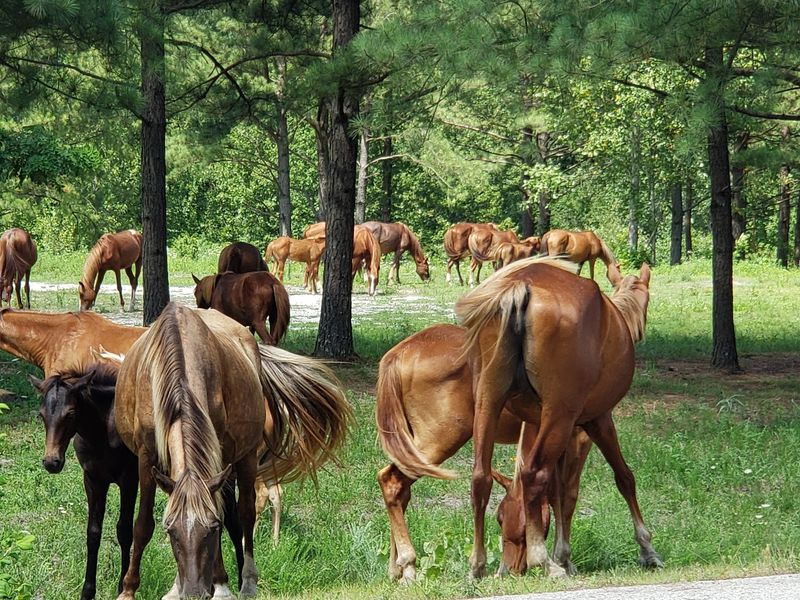
Free roaming horses live across several reclaimed mine sites in Eastern Kentucky. The wide grasslands give them room and food.
They are not truly wild in the western sense. Many descend from horses turned out on open land years ago.
Small bands move together, usually a few mares and young ones. A watchful adult often stands slightly apart.
Colors vary more than I expected. I counted bays, a paint, and one stubby chestnut with a wild mane.
Keep your distance and stay in or near your vehicle. Hooves move fast, and these animals are not pets.
Feeding them causes real problems. Horses that learn to approach cars end up standing in the road.
Morning and evening bring the best activity. Midday heat sends many of them toward shade and treelines.
Watching them graze against an open sky feels strangely peaceful. Nobody rushes, including the horses.
Elk Sightings That Steal The Show
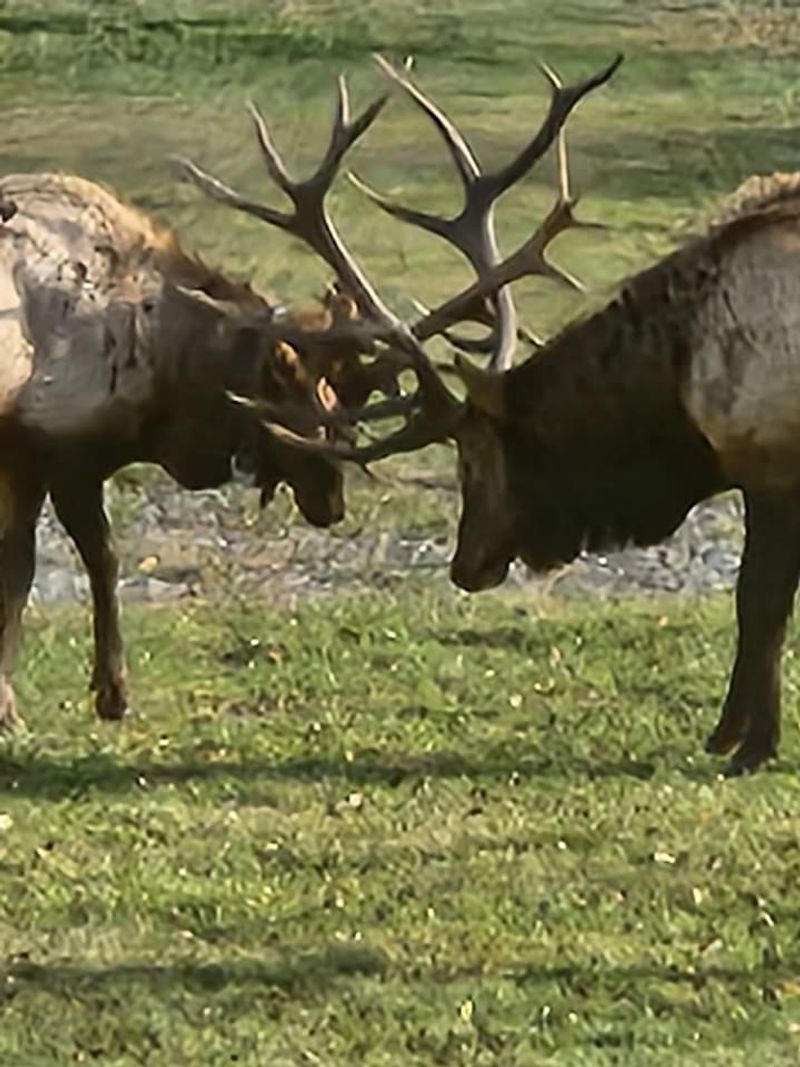
Horses may greet you first, but elk own the headlines here. Kentucky holds the largest elk herd east of the Mississippi.
Breathitt County sits inside the state’s elk restoration zone. Reclaimed mine land turned out to be ideal habitat.
Bulls carry heavy antlers by late summer. Cows and calves usually travel in larger, looser groups.
Autumn brings the bugling season. That high, eerie call carries across the ridges and raises every hair on your arms.
Binoculars change the whole trip. Many elk graze several hundred yards out, far past comfortable phone camera range.
Stay quiet and patient near open fields. Engines and slammed doors clear a meadow in seconds.
Dawn and dusk deliver the highest odds. I saw nothing at noon and eleven animals before sunset.
Never approach a bull, especially in fall. They are large, fast, and completely unbothered by your camera plans.
Seeing elk in Appalachia still feels unlikely. That surprise is exactly what makes the drive worth it.
Views That Run Ridge After Ridge
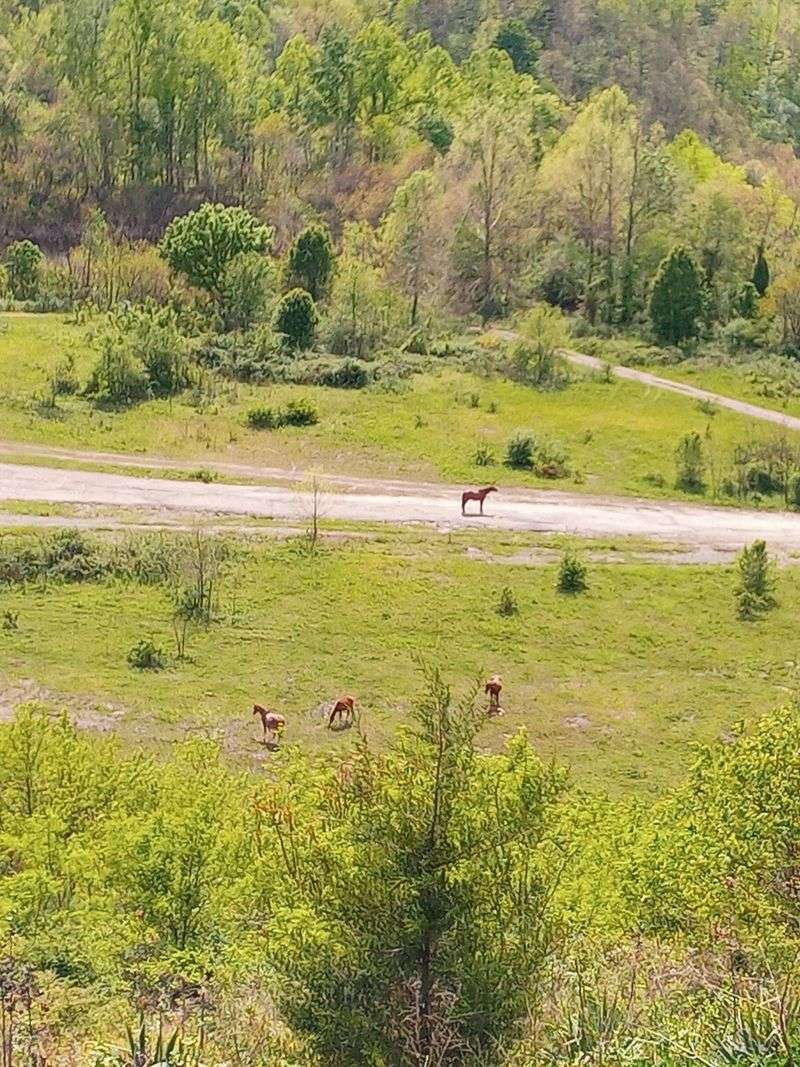
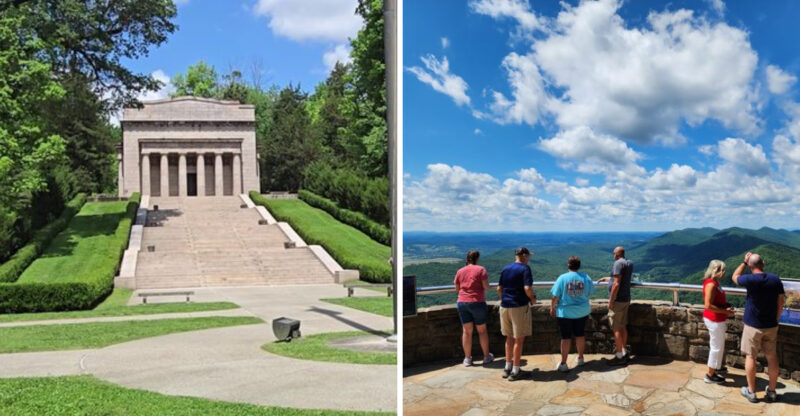
Nothing prepares you for the moment the horizon opens up. Ridges stack behind ridges until they fade to pale blue.
The overlook areas sit high above the surrounding valleys. Open mine benches removed the trees that usually block the view.
Morning fog fills the hollows below like slow water. Ridgetops float above it in thin lines.
Sunset turns the grass orange and the far hills purple. I stayed twenty minutes longer than planned.
Weather changes quickly at this elevation. Bring a jacket even when the valley feels warm.
Wind moves constantly across the open ground. Hats disappear, so hold onto yours.
Photographers should shoot wide and low. Including the grass in the frame gives the ridges real depth.
Clear days after rain offer the sharpest visibility. Haze settles in during humid summer afternoons.
Stargazing works well here too. Light pollution stays minimal, and the sky feels enormous.
Pull fully off the road before stopping. Other drivers need room, and the shoulders are narrow.
Grasslands Built On Old Mine Land
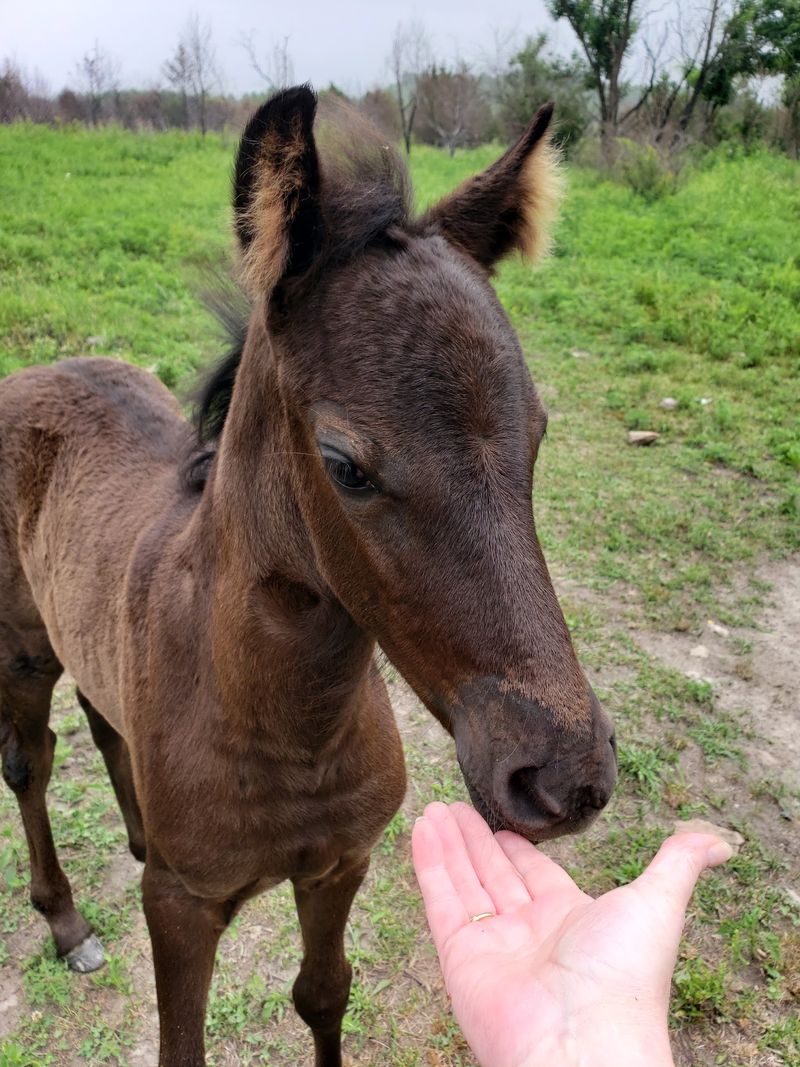
Grass this wide open does not happen naturally in Appalachia. The mountaintop meadows here came from surface mining and reclamation.
After mining ended, crews graded the land and seeded it. Grasses and legumes took hold across the benches.
Wildlife moved in fast. Open forage suits elk, deer, turkey, and the roaming horses equally well.
The result looks almost like prairie sitting on top of a mountain. It surprises everyone the first time.
Young trees creep back in along the edges. Given decades, the forest will reclaim much of it.
Soil remains rocky and thin in places. Wildflowers still manage to bloom through the summer months.
Songbirds use the grass heavily. I heard meadowlarks in a spot where no meadow should exist.
Some sections remain private property. Watch for posted signs and respect every one of them.
Stay on established roads and pull-offs. Ruts damage the grass and trap vehicles fast.
Understanding the history makes the landscape more interesting, not less. It is a mountain with a second life.
Best Times Of Year To Make The Trip
Timing matters more than luck out here. Each season changes what you see and how easy the road feels.
Spring brings green grass and new calves and foals. Mud also arrives, so tires need decent tread.
Summer offers long daylight and wildflowers. Animals hide from midday heat, so aim early or late.
Fall is the standout season. Elk bugling, cool air, and hardwood color all land at once.
Late September through October usually peaks for activity. Weekends bring more visitors, so weekdays feel calmer.
Winter turns quiet and stark. Snow and ice make steep gravel genuinely difficult, so many people skip it.
Rain complicates everything. Give the road a day or two to dry after heavy storms.
Fog can settle thick without notice. Low gear and low speed solve most of it.
Hunting seasons overlap parts of the year. Wearing bright colors is a simple, smart choice.
Check the forecast the morning you go. Mountaintop weather rarely matches the valley below.
What To Pack Before You Head Up
Preparation turns a rough drive into an easy one. There are no stores, restrooms, or gas pumps on the ridge.
Binoculars top the list. Wildlife usually keeps a comfortable distance from vehicles.
Bring more water than you think you need. Wind and sun dry you out quickly up high.
Pack snacks that travel well. Sandwiches, fruit, and nuts handle a bumpy gravel road fine.
A paper map or offline map saves headaches. Signal drops without any pattern.
Check your spare tire before leaving town. Sharp rock finds weak sidewalls easily.
Layers work better than one heavy coat. Temperatures swing several degrees between valley and ridge.
Sturdy shoes help at pull-offs. Grass hides loose rock and old ruts.
Carry a trash bag and take everything back out. The area stays clean because visitors keep it that way.
Tell someone your route and rough return time. Simple step, real peace of mind.
Local Manners That Keep The Place Special
Quiet places stay quiet because people treat them well. That rule holds strongly on this ridge.
Cemetery access matters here. The road serves families visiting graves, so yield and keep noise down.
Private property borders public routes in several spots. Signs mean exactly what they say.
Gates left open cause real trouble. If you find one closed, leave it closed.
Wave at oncoming drivers. It is standard practice on mountain roads, and it costs nothing.
Pull over to let locals pass. They know the turns better and often drive them daily.
Keep dogs leashed and close. Loose dogs and grazing horses make a poor combination.
Avoid blocking narrow sections while photographing. Two minutes of parking can trap someone behind you.
Pack out every wrapper and bottle. Litter is the fastest way to close access anywhere.
Word of mouth built this spot’s reputation slowly. Visiting respectfully keeps it open for the next curious traveler.