10 Cool Places To Visit In Texas That Feel Like A Quick Trip To Another Country
Leave the passport in the drawer, and keep the car keys handy.
Texas can deliver hints of Germany, Spain, Poland, Croatia, and other cultures without requiring an airport departure board.
Architecture, food, community traditions, and historic landmarks give these destinations identities shaped by influences far beyond state lines.
What does that mean? Well, one weekend can feel completely different from the next.
Grab pastries in a German-influenced town, explore global architecture elsewhere, then chase another cultural surprise down the highway.
Who needs one theme for an entire road trip? Pick the place that sparks your curiosity first.
The fun comes from seeing just how far a tank of gas can make you feel transported.
1. Fredericksburg, Gillespie County
Order a pretzel here and nobody blinks at the German pronunciation. That is because German was the main language in town well into the 1940s.
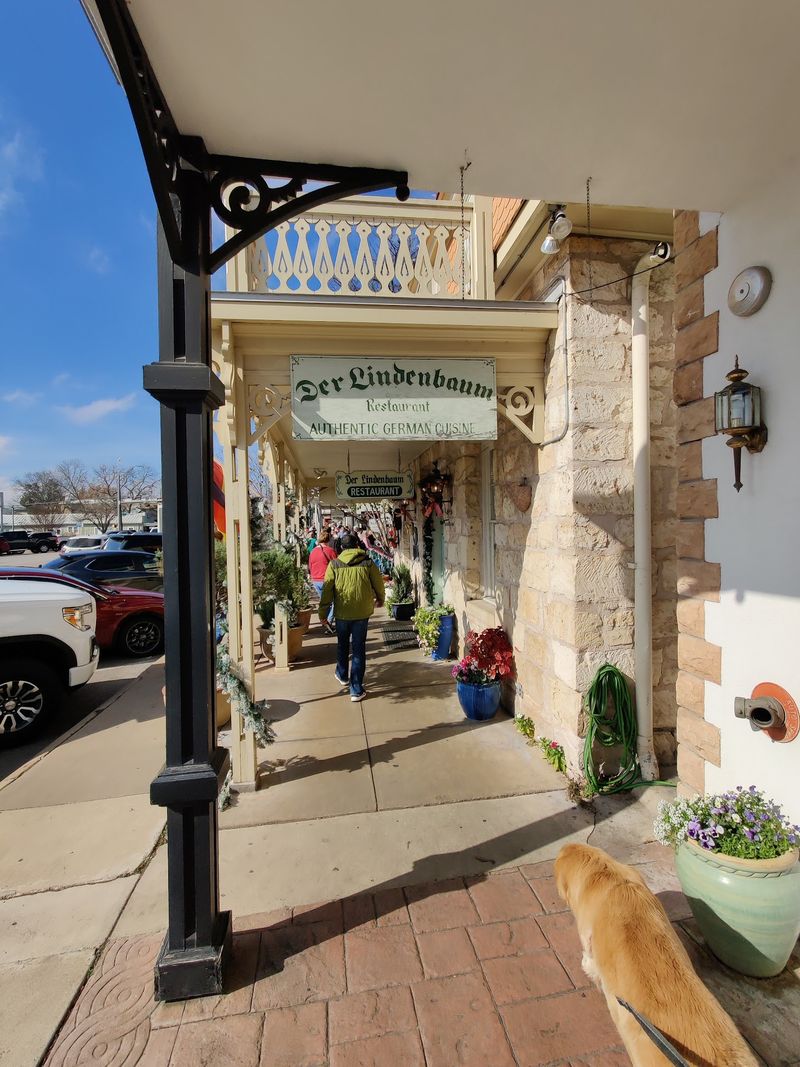
Fredericksburg was founded by German immigrants back in 1846. The heritage still shows up in the buildings, the food, and the calendar of festivals.
Main Street shows off traditional Fachwerk-style architecture with exposed timber framing. The octagonal Vereins Kirche stands as a replica of the community’s first church and meeting hall.
Look for the small Sunday Houses tucked along side streets. Rural settlers once stayed in them during weekend trips into town.
Biergartens serve bratwurst, sauerkraut, and warm pretzels without much fuss. Bakeries lean hard into strudel and other old-country sweets.
Autumn brings Oktoberfest with brass bands and folk dancing. December brings Weihnachtsmarkt, a Christmas market with lights strung across the square.
Spring is another smart time to come. Wildflowers blanket the surrounding Hill Country roads in April.
Wineries and peach stands line the highways just outside town. Many stay open through the warmer months.
Weekends get busy, so arriving early helps with parking. Weekdays are quieter if you want unhurried shopping.
Fredericksburg sits about 70 miles from San Antonio. Bring stretchy pants and a curiosity about accordions, and this Hill Country town will take care of the rest.
2. Castroville, Medina County
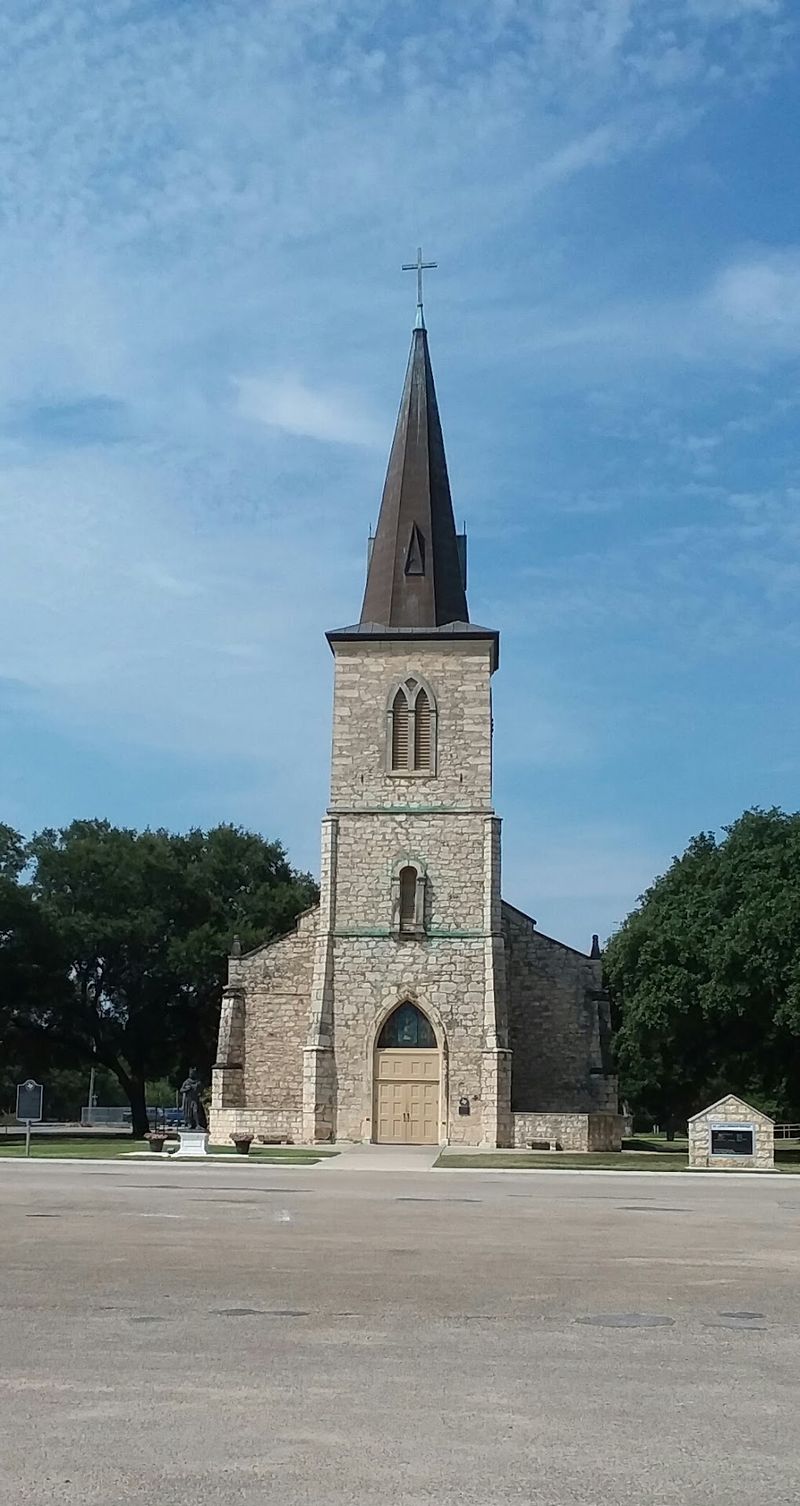
Cards on the table, I did not expect northeastern France in Medina County. Yet the roofs gave it away immediately.
Castroville earned the nickname Little Alsace of Texas for good reason. French Alsatian immigrants settled the area in the 1840s and built what they knew.
Cottages here have steep-sloped roofs and flat stucco walls. Wooden shutters and planter boxes finish the look.
A self-guided walking tour covers more than 50 historic buildings. Signs explain who lived where and when.
The showstopper is Steinbach Haus. That stone house was originally built in Walbach, France, in the 1600s.
Workers took it apart piece by piece and shipped it across the Atlantic. It was reassembled in this state and now serves as a tourism and cultural center.
Local bakeries keep Alsatian recipes alive. Haby’s Alsatian Bakery turns out French bread, croissants, and fruit-filled stollen.
Go in the morning if you want the best pastry selection. Popular items sell out by midday.
The Medina River runs along the edge of town with shaded picnic areas. It pairs nicely with a bakery bag on your lap.
Castroville sits roughly 25 miles west of San Antonio. Small, quiet, and quietly French, this little town rewards anyone willing to slow down and read the architecture.
3. Adriatica Village, McKinney
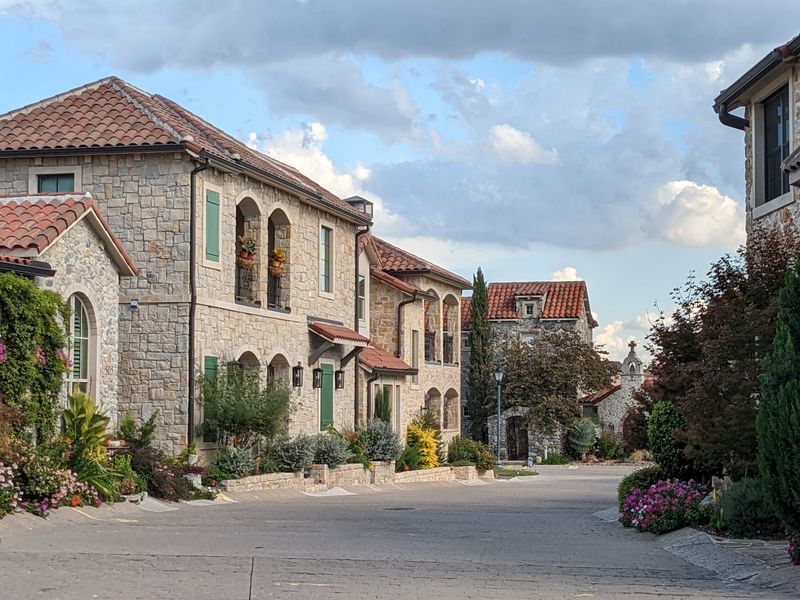
Have you given any thought to Croatia without the transatlantic flight? North Texas quietly built its own version.
Adriatica Village in McKinney was modeled directly after Dubrovnik, Croatia. The result is a waterfront pocket of Mediterranean architecture.
Stone and stucco buildings crowd around a central body of water. Terracotta-toned roofs complete the coastal illusion.
A bell tower rises above the rooflines. A stone bridge and a small chapel sit nearby.
Shops line the water’s edge with boutiques worth browsing slowly. Restaurants set tables outside when the weather cooperates.
Evenings are the sweet spot for a stroll. Lights reflect off the water and the crowds thin out.
The development mixes homes, retail, and office space in one walkable layout. That blend keeps it feeling occupied rather than staged.
Photographers show up often, especially in spring. Soft light and blooming planters help every shot.
Parking is free and usually easy to find. Comfortable shoes help since the paths curve and climb slightly.
Plan an hour or two, then head into downtown McKinney for more shopping. The two pair well in one afternoon.
You will find it at 6601 Mediterranean Dr, McKinney, TX 75070.
For a stretch of Adriatic calm parked inside the Dallas suburbs, this one punches far above its size.
4. Mission San José, San Antonio
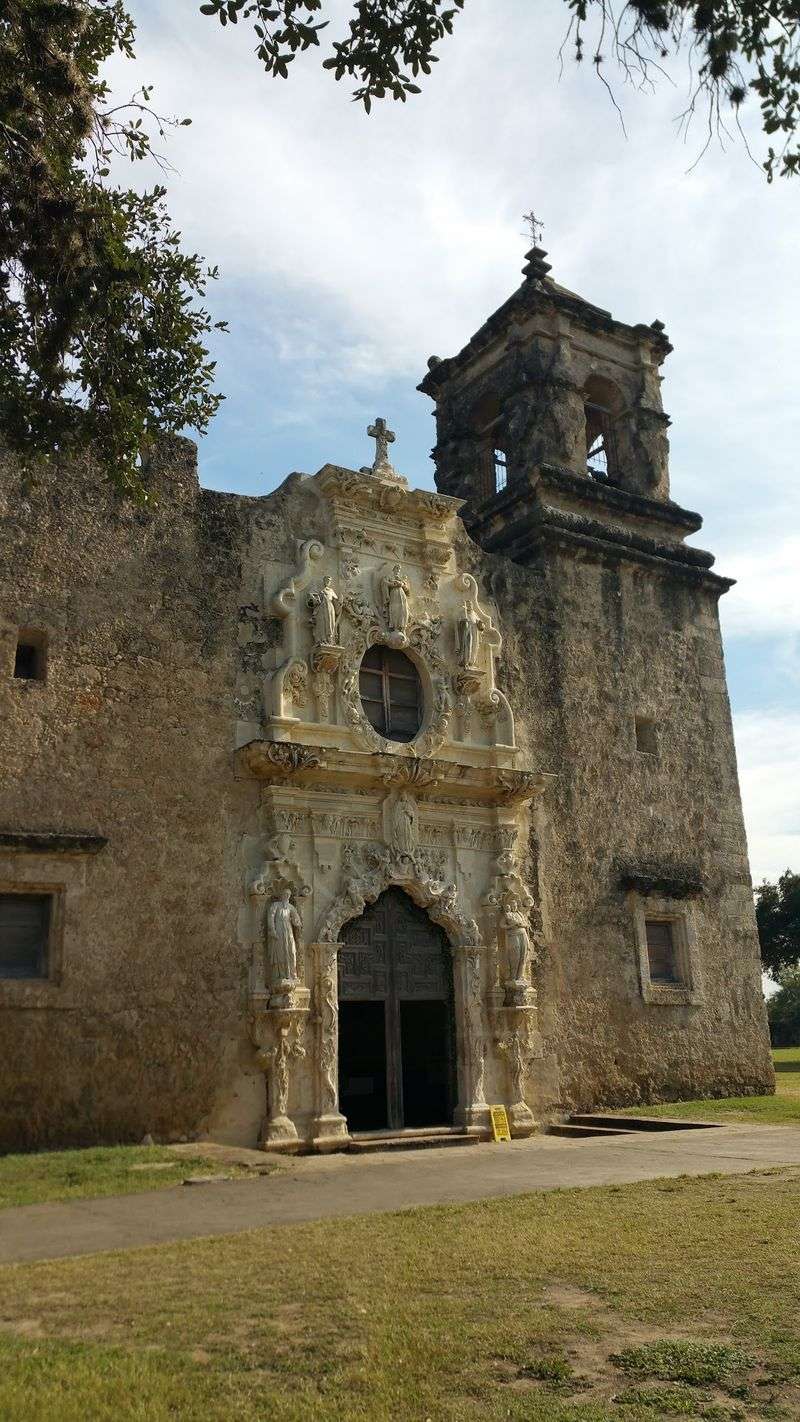
Not every Spanish colonial landmark sits in Spain. Some sit in South Texas.
Mission San José in San Antonio carries the nickname Queen of the Missions. Its scale earned that title honestly.
Founders established it in 1720 as a self-sustaining community. Indigenous residents lived, farmed, and worked inside its walls.
Thick defensive walls and a massive granary still stand. Both show how seriously the community took protection and food storage.
Stone carvings across the church front reward a close look. The famous Rose Window remains a premier example of Spanish Colonial ornamentation.
Nobody knows for certain who sculpted it. The mystery only adds to the appeal.
The mission belongs to the San Antonio Missions UNESCO World Heritage Site. It also remains an active Catholic parish with Sunday masses.
Rangers lead free talks throughout the day. Their stories fill in details the plaques skip.
Mornings bring cooler air and softer shadows for photos. Summer afternoons get seriously warm, so water matters.
Cyclists can connect several missions along the paved river trail. That route makes a full day out of it.
Find it at 6701 San Jose Dr, San Antonio. Centuries of stonework, faith, and daily life sit waiting behind those gates, no plane ticket required.
5. BAPS Shri Swaminarayan Mandir, Stafford
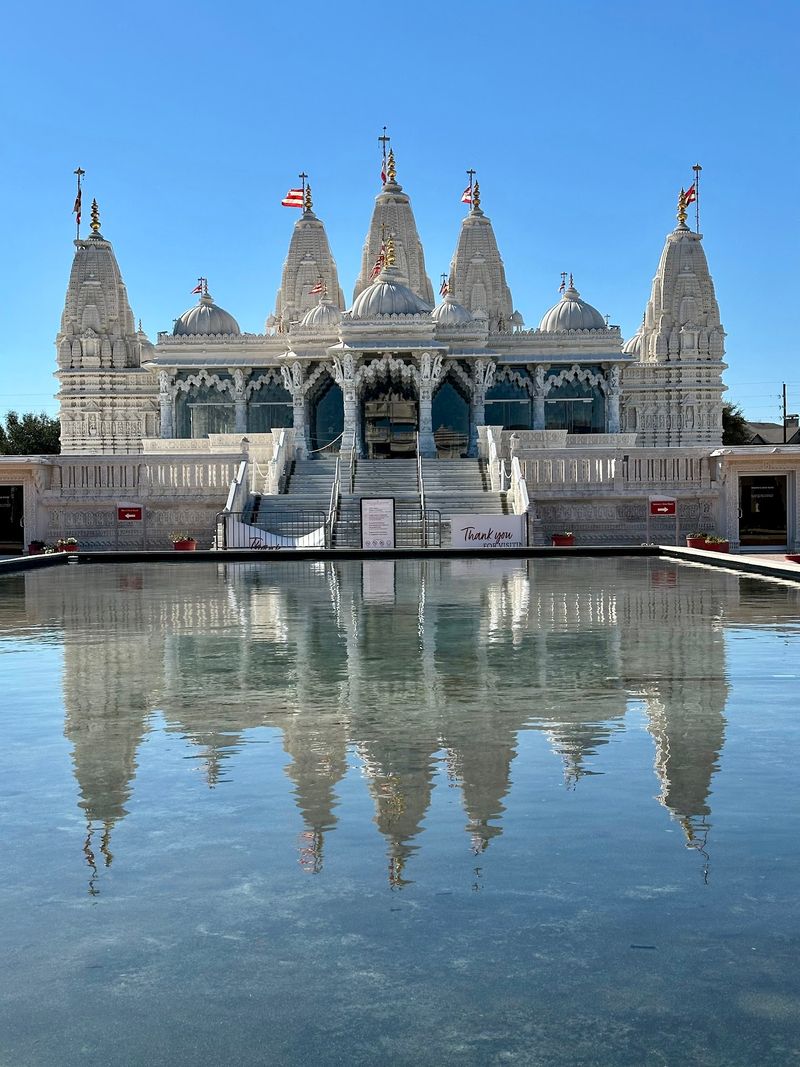
Thirty-three thousand hand-carved stones. That number alone should make you rethink a Houston-area day trip.
BAPS Shri Swaminarayan Mandir in Stafford is a traditional Hindu house of worship. Builders followed ancient Indian architectural scriptures down to the details.
Stone was quarried in Turkey and Italy. It traveled to India for carving, then crossed the ocean again.
Hundreds of volunteers assembled the pieces on site. Every column, arch, and dome fits together without shortcuts.
The exterior draws frequent comparisons to the Taj Mahal. Multiple domes and lacy stonework explain why.
Guests are welcome to walk the grounds and enter the main areas. Quiet contemplation is part of the experience.
Dress conservatively, meaning shoulders and knees covered. Shoes come off before you step inside.
Photography rules differ between the grounds and the interior. Ask at the entrance so you stay respectful.
Evening lighting makes the carvings pop dramatically. Festival nights bring music, decoration, and crowds.
A small cafeteria on site serves vegetarian Indian food. It makes a satisfying finish to the walk.
The address is 1150 Brand Ln, Stafford. Few structures in this state demand this much patience from their makers, and even fewer reward quiet attention so generously.
6. Caddo Lake, Uncertain
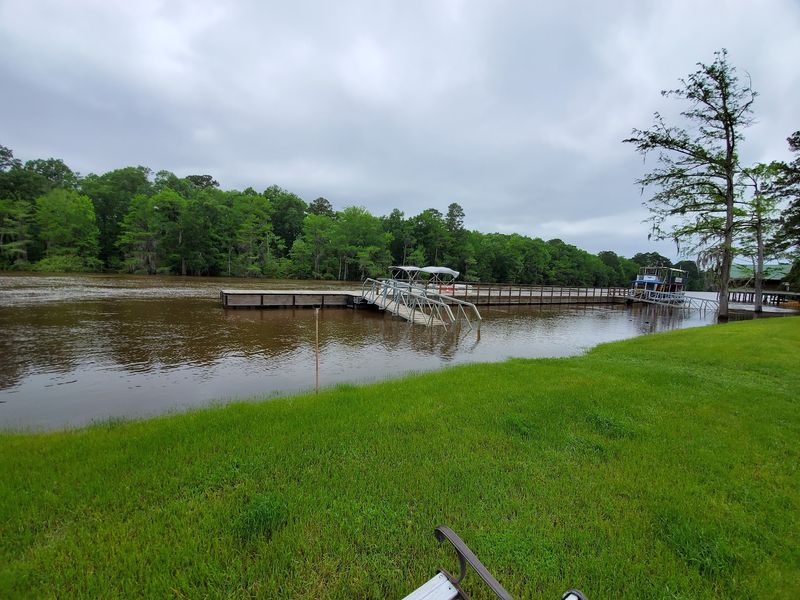
East Texas hides a swamp maze that belongs in a nature documentary. Morning fog does most of the heavy lifting.
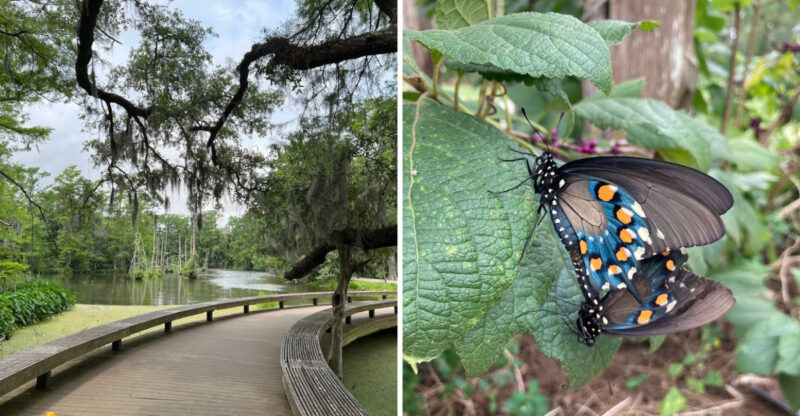
Caddo Lake near the town of Uncertain spreads across the Texas and Louisiana line. Bald cypress trees rise straight out of the water.
Spanish moss hangs from nearly every branch. The effect turns dawn paddles into something otherworldly.
Kayaks and canoes are the best way to explore. Marked paddling trails wind through slow bayous and wetlands.
Getting lost is a real possibility out there. A guide or a GPS unit is smart for first-timers.
Wildlife stays busy year-round. Alligators sun themselves while herons, egrets, and woodpeckers patrol the shallows.
The lake holds recognition as a Wetland of International Importance. Its biodiversity is unusual even by the state’s standards.
Spring and fall bring the most comfortable temperatures. Summer means humidity plus a serious mosquito committee, so pack repellent.
Cabins built by the Civilian Conservation Corps sit inside the state park. Camping and fishing round out the options.
Base yourself at Caddo Lake State Park, 245 Park Rd 2, Uncertain. Paddle out before sunrise once, and that gray, mossy quiet will follow you home for years.
7. Marfa, Presidio County
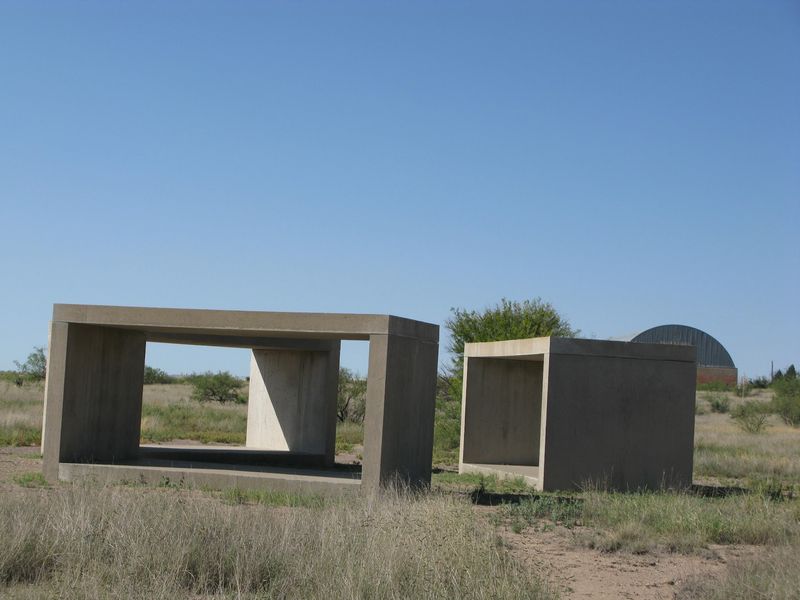
Cattle country turned contemporary art capital. That sentence should not work, and yet here we are.
Marfa sits in remote Presidio County, deep in West Texas high desert. Ranching built it, and minimalist art rebuilt its reputation.
Artist Donald Judd moved out here in the 1970s. He founded the Chinati Foundation on a former army post.
Judd’s concrete and aluminum works stretch across open fields. Dan Flavin’s fluorescent light installations fill converted barracks buildings.
Tours run on set schedules and often sell out. Booking well ahead saves disappointment.
Ballroom Marfa adds rotating exhibitions, performances, and film screenings. Smaller galleries pop up along the quiet streets.
The Chihuahuan Desert supplies the backdrop for all of it. Big skies and sharp light make the art land differently.
Many travelers drive out at night hoping for the Marfa Lights. A viewing area east of town gives you a fair shot.
Restaurants and shops keep irregular hours here. Check before you count on dinner. Cool months are far more pleasant for wandering.
Nights get chilly, so pack layers.
Marfa is a long haul from anywhere, and that is part of the point. Come for the installations, stay for the strange desert hush that settles in after dark.
8. El Paso, El Paso County
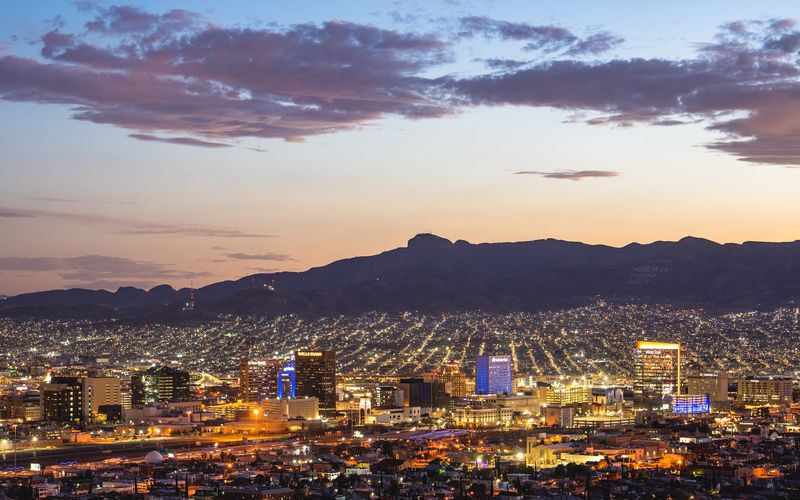
Two languages, two flags, one skyline. The westernmost corner of Texas plays by its own rules.
El Paso sits directly on the United States and Mexico border. That location shapes the food, the festivals, and the daily rhythm.
Spanish colonial history runs deep here. Some missions along the historic Mission Trail date back to the 1600s.
Adobe-style buildings dot neighborhoods across the city. Their thick walls handle desert heat far better than modern glass.
Spanish and English mix freely in conversation. Signs, radio stations, and menus all reflect that blend.
Día de los Muertos brings a parade and festival each autumn. Costumes, music, and marigolds take over the streets.
The food scene leans deliciously binational. Street tacos, enchiladas, gorditas, and green chile show up everywhere.
The Franklin Mountains cut right through the city limits. Hiking trails there deliver enormous desert views.
Ride the Wyler Aerial Tramway or drive Scenic Drive for the overlook. On clear days you can see into two states and Mexico.
Murals cover walls in the Segundo Barrio and Lincoln Park areas. They tell local history without a single plaque.
El Paso anchors the downtown core. Spend a weekend here and the border stops feeling like a line and starts feeling like a conversation.
9. Dublin, Erath County
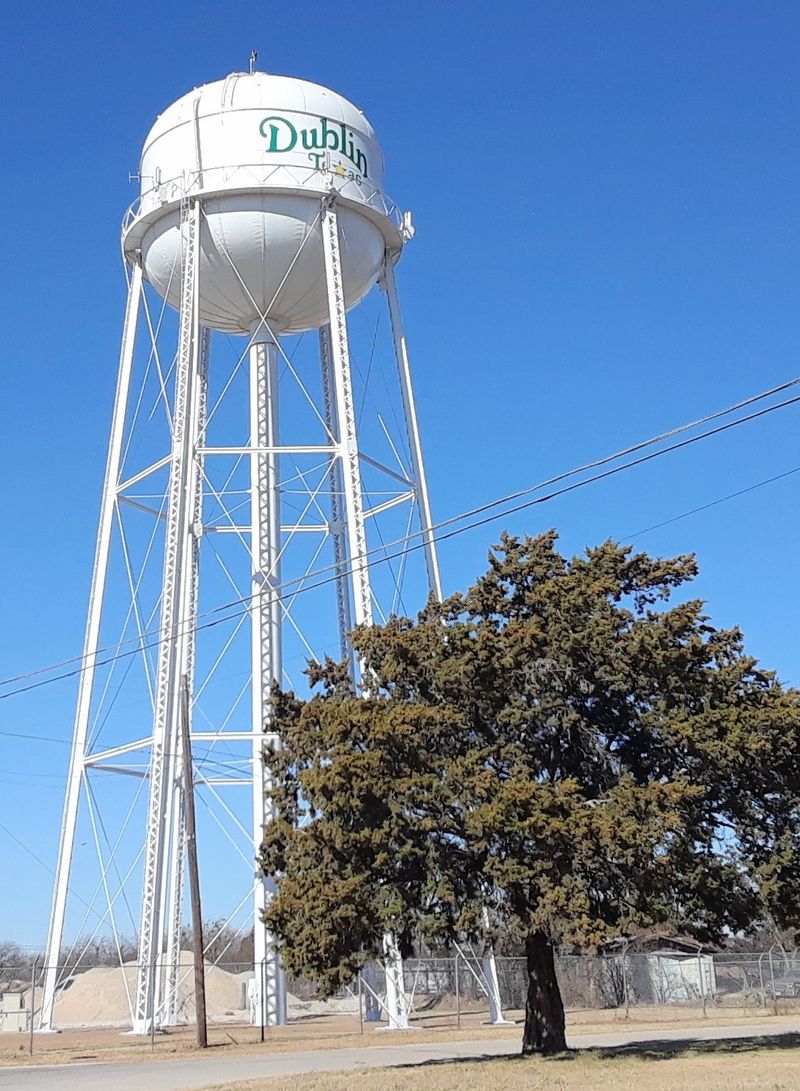
Green shamrocks painted on a Texas sidewalk feel wonderfully out of place. Then you learn the town leaned into it officially.
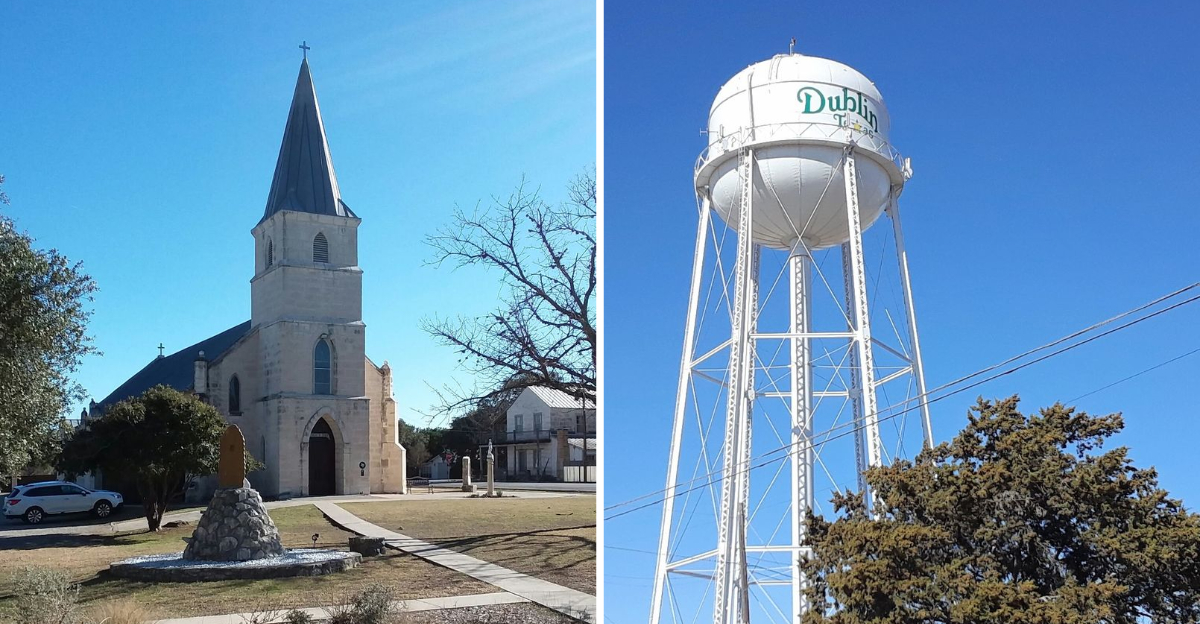
Dublin, south of Fort Worth in Erath County, calls itself the Irish Capital of Texas. The governor made the title official in 2005.
Celtic touches show up on storefronts and street corners. Irish-themed pubs anchor the downtown blocks.
March brings the big annual St. Patrick’s Day celebration. Parades and kilted bagpipers march through the small streets.
Things Celtic sells artisan goods from Ireland, Scotland, and Wales. Wool, jewelry, and pottery fill the shelves.
Local history goes well beyond the Irish theme. The Dublin Rodeo Heritage Museum covers the town’s serious rodeo past.
Dublin Bottling Works opened in 1891. It stands as the oldest soda bottling plant in Texas.
That same facility was the first to bottle Dr Pepper. The museum and tours have closed, though the retail shop continues selling their cane-sugar sodas.
The soda shop pours flavors you rarely see elsewhere. Retro glass bottles make good souvenirs.
Everything sits within a few walkable blocks. A half day covers the highlights comfortably.
Dublin makes an easy detour off Highway 377. Bagpipes, bull riding, and bottled soda history in one tiny town is a combination you will not forget.
10. Bandera, Bandera County
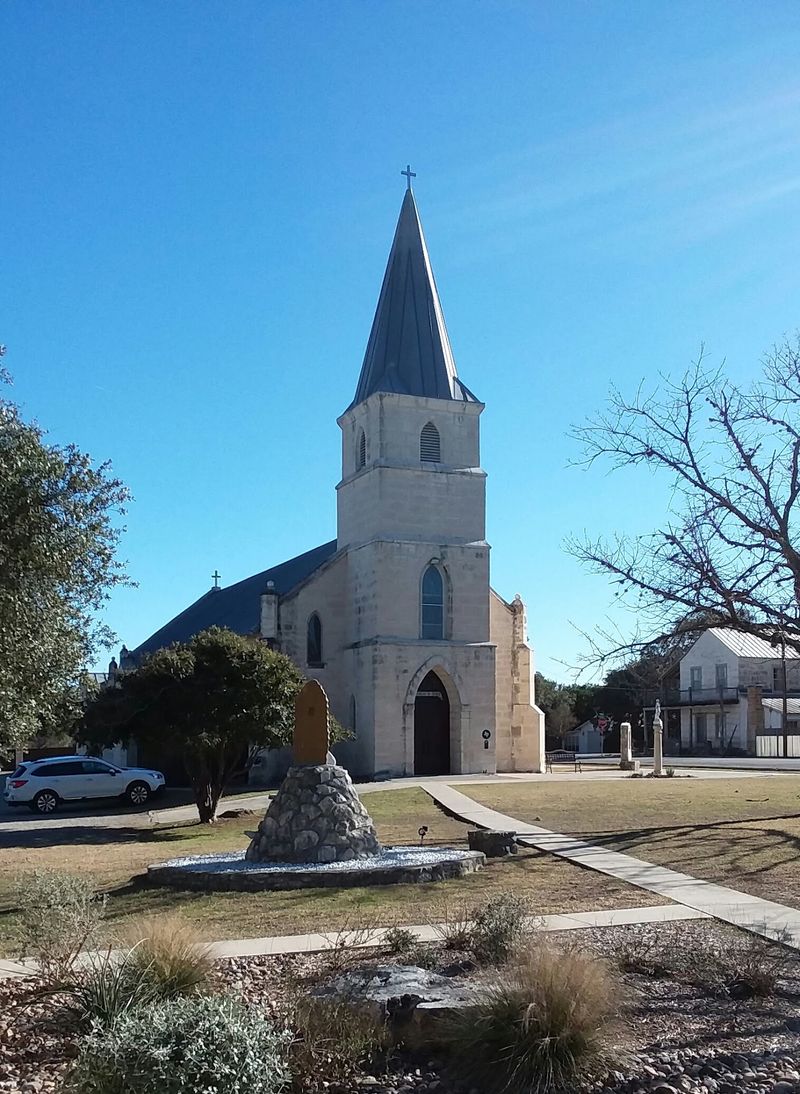
Polish surnames on Hill Country headstones caught me completely off guard. Cowboy country had a second story hiding underneath.
Bandera goes by the Cowboy Capital of the World. It also holds some of the deepest Polish roots in Texas.
Settlers from Silesia arrived in the 1850s. They founded St. Stanislaus Catholic Church in 1855.
That church ranks as the second oldest Polish Catholic church in the country. Its stonework still anchors the neighborhood.
The Catholic Cemetery reveals family names carried over from Europe. Some inscriptions appear in Polish.
An annual Polish Country Fair keeps the traditions in motion. Food, music, and dancing fill the day.
The cowboy side never faded either. Bandera served as a staging ground for great cattle drives.
Dude ranches ring the town and welcome overnight guests. Horseback rides, campfire cooking, and trail lessons come standard.
Rodeos run through the warmer months. Riders sometimes clip down Main Street on horseback.
The Medina River offers tubing and swimming holes nearby. State parks add hiking with hilltop views.
Bandera sits about an hour northwest of San Antonio. Boots, bratwurst-adjacent pierogi, and a rodeo arena share one small town, and somehow it all makes perfect sense.