This Idaho State Fair Brings A Centuries-Old Shoshone-Bannock Racing Tradition To Life
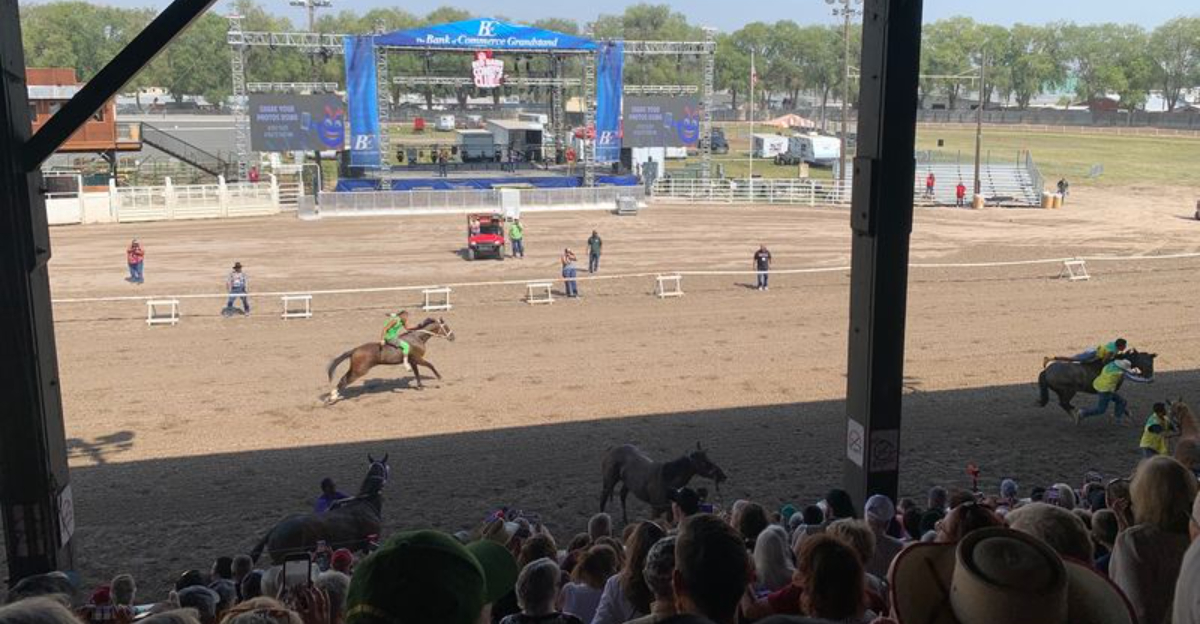
The grandstand gets loud fast when three horses, one rider, and absolutely no room for hesitation hit the track.
Mark September 6, 7, 10, 11, and 12, 2026, because that is when this high-speed tradition takes over a fairground in eastern Idaho.
Riders thunder around the course bareback, changing horses at full speed while several thousand spectators suddenly remember they have been holding their breath.
Generations of Shoshone-Bannock tradition are packed into every lap, but nothing about the experience feels stuck in the past. It is fast, fiercely competitive, and almost impossible to watch casually.
Five minutes earlier, you may have been debating which fair snack deserved your money.
Now somebody is flying past on horseback and your funnel cake has been completely forgotten. Bring a hat. Keeping it on your head is another matter.
Watch Riders Change Horses At Full Speed
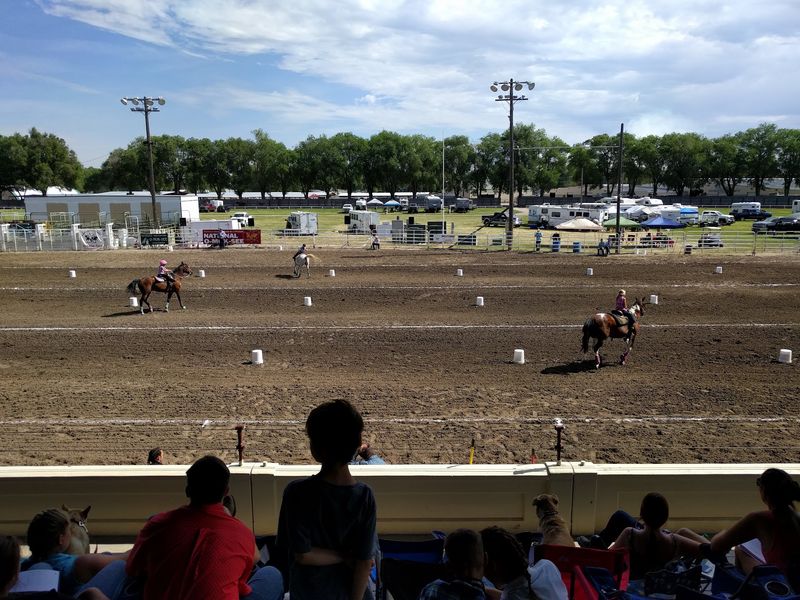
Picture a rider with no saddle, no stirrups, and no hesitation, sprinting a full lap of dirt before flinging himself onto a completely different horse.
That single move is the beating heart of Indian Relay, and it happens right in front of the grandstands where everybody can see it.
Each team runs with four people: one rider, two holders who steady the waiting horses, and a catcher, often called a mugger, who grabs the incoming horse before it can bolt down the track.
The exchange takes only a few seconds. Balance, timing, and nerve all have to line up perfectly, because horses reach speeds above 40 miles per hour and several teams swap mounts at the same moment.
Watch the holders instead of the riders once in a while. Their job looks calm from a distance, yet keeping an eager racehorse still while another one thunders toward it takes serious strength.
You will notice the crowd goes quiet just before contact, then erupts the instant a rider lands cleanly.
Feel The Grandstand Energy Build As Each Team Charges Into The Exchange
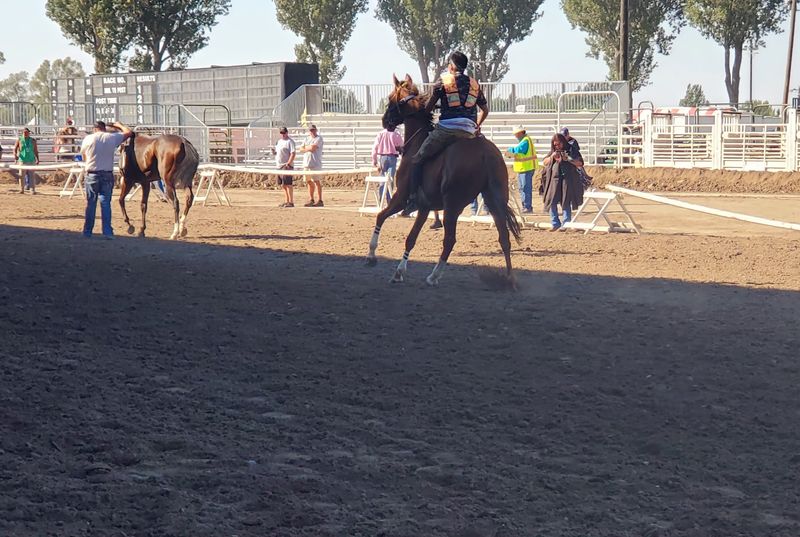
Sound arrives before sight. You hear hooves drumming the far turn, then the rumble grows until the whole grandstand seems to lean forward at once.
Dust drifts across the rail. Announcers call team names over the speakers, children stand on bench seats, and hats come off as riders sweep into the exchange zone where a race can be won or lost in an eyeblink.
Holders plant their feet and brace. Muggers step into the path of an incoming horse with a confidence that seems almost impossible from the seats above.
The energy here differs from a rodeo or a concert. It is community energy, full of families who have followed certain teams for years and greet riders by first name.
Sit high enough to see the whole oval, or grab a spot near the exchange for the raw, close-up version with grit on your sunglasses.
Either way, expect goosebumps when several teams hit the swap together and the crowd roars as one.
Learn Why Shoshone-Bannock Horse Culture Runs So Deep Here
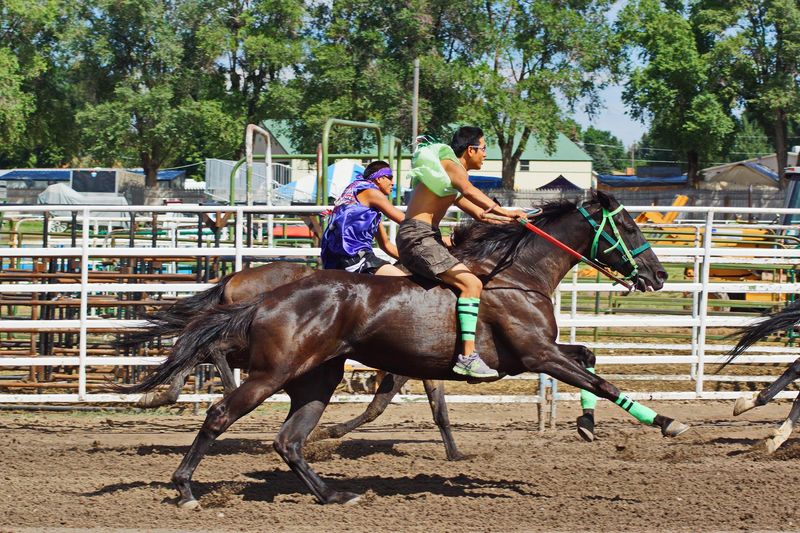
Oral traditions and archaeological evidence both show Shoshone and Bannock people living across these valleys and plateaus for that span of time.
Trade networks reaching south to tribes such as the Comanche brought horses north, and everything changed. Hunting grounds widened, camps moved farther, and families gained mobility that reshaped their seasons.
The area around the Fort Hall Indian Reservation is recognized as the birthplace and continuing stronghold of relay racing. Teams from here have shaped the sport’s rules, style, and standards for decades.
Reverence sits at the center of it all. Riders speak of trust, healing, and respect between horse and human rather than simple ownership.
The annual Shoshone-Bannock Festival keeps that thread strong, standing among the most meaningful gatherings on the relay calendar.
If you talk with team members near the barns, ask about their horses’ lineage. Many can trace bloodlines through their families the way others trace heirlooms, and those stories stay with you longer than the finish times.
You Can See A Centuries-Old Tradition Play Out Right In Front Of You
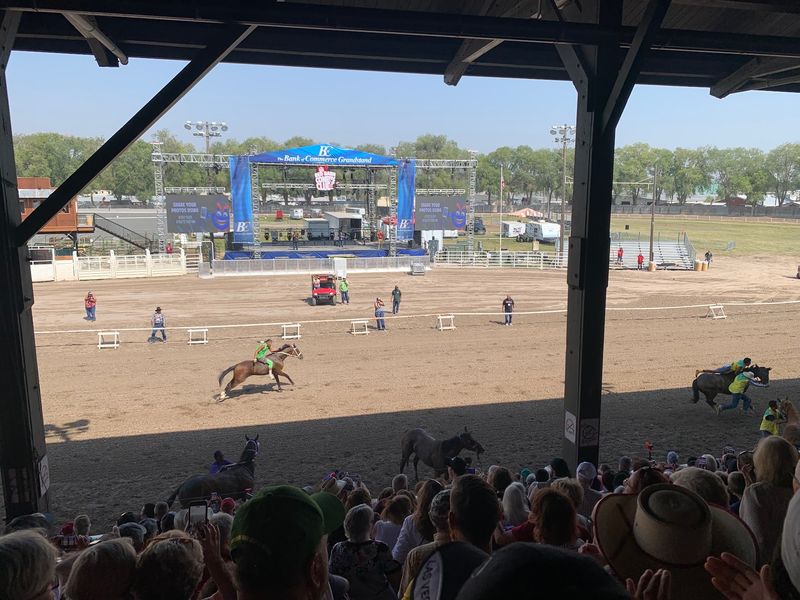
Long before grandstands and loudspeakers, horses reshaped daily life across the high desert and river valleys of southern Idaho.
Spanish colonists reintroduced horses to North America in the early 1500s, and by the 1700s Shoshone communities had woven them fully into travel, hunting, and trade.
The Bannock moved east in the early 1700s, joining the Shoshone and adopting horse culture of their own. Together they blended mountain traditions with a Plains way of life that horses suddenly made possible.
Some accounts trace relay-style racing back more than 500 years, with the Fort Hall Indian Reservation standing as its home ground.
Look closely at the animals during warmups. Hand-painted markings, ribbons, and beadwork are not decoration for the crowd, they carry meaning tied to family, honor, and history.
Horses also signaled wealth, leadership, and standing within these communities, which explains why every race still feels like something bigger than a competition.
Watching from the stands, you are seeing heritage in motion rather than a reenactment.
See Teams Compete For One Of The Biggest Relay Titles Of The Season
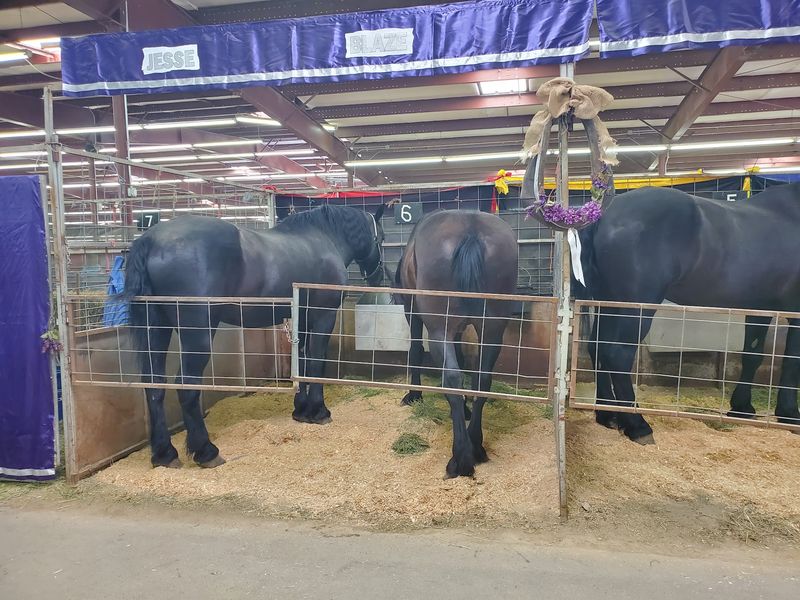
Think of it as the championship series of the relay world. Elite teams train all summer across the Intermountain West with this one weekend in Blackfoot circled on the calendar.
The prize purse climbs past $50,000, and championship jackets carry a value no amount of money matches. Winning riders wear them for years as proof of what their team accomplished.
Divisions cover men, women, youth, and junior competitors, which means you will watch teenagers execute the same daring exchanges the veterans do. That structure keeps the tradition rolling into the next generation.
Heats narrow the field over multiple days, so the racing tightens as the weekend goes on. By the final runs, the margin between teams can come down to one clean handoff.
Names, colors, and horse markings help you track favorites between rounds. Pick a team early and follow them through the bracket for a far more gripping afternoon.
Strength, speed, and family pride all ride together in these finals.
Arrive Early If You Want A Good View Of The Fastest Exchanges
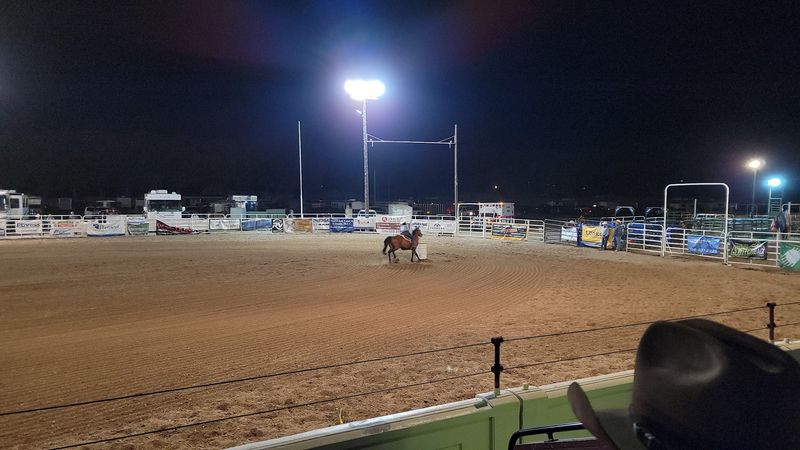
Good seats disappear fast on race days, and the best ones sit directly across from the exchange zone. Races typically begin around midday, so getting through the gates well before then pays off.
The fairgrounds sit at 97 Park Street, Blackfoot, ID 83221, an easy stop just off the interstate between Pocatello and Idaho Falls. Parking fills in waves, with nearby private lots often running a few dollars per vehicle.
Check the official fair schedule at funatthefair.com before you go, since relay events run on select days only. The 2026 fair dates fall on September 4 through 12.
Bring sunscreen, a wide-brimmed hat, and a refillable water bottle. Afternoons on the track side of the grounds get hot and shade is limited in the open stands.
Accessible parking and visitor assistance are available, and staff at the gates can point you toward the quickest route to the grandstand.
Cash still helps at some booths, so tuck a few bills in your pocket.
Pair The Races With A Full Day At The State Fair
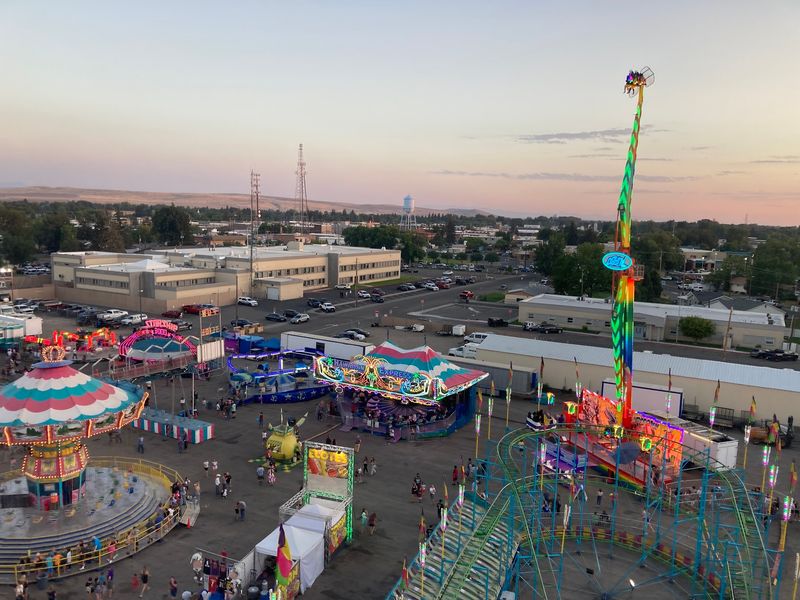
The smell of grilled onions carries a long way, and it usually leads to The Prime Steer, a fair fixture with 50 years of griddle work behind it. Their signature burger arrives stacked with grilled onions, tomato, pickles, ham, and cheese, and the fries come from the region’s famous potatoes.
Prime rib, bacon-wrapped sirloin burgers, BBQ roast beef, and hot dogs round out the menu. Save room for tiger ears, the crisp, sugar-dusted pastry regulars refuse to skip.
Between races, wander the livestock barns where kids can meet calves, goats, and rabbits, and sometimes try milking a cow.
Cultural programming deepens the day. A Tepee Village hosts demonstrations of bannock making, beading, and leatherwork, while the Indigenous Artisans Market offers handmade jewelry and craftwork straight from the makers.
Home arts halls, photography displays, and a free petting zoo fill the gaps nicely.
Weekday mornings feel calmest, with shorter food lines and cooler temperatures for exploring the grounds.
Leave With A Completely Different Idea Of What Horse Racing Can Look Like
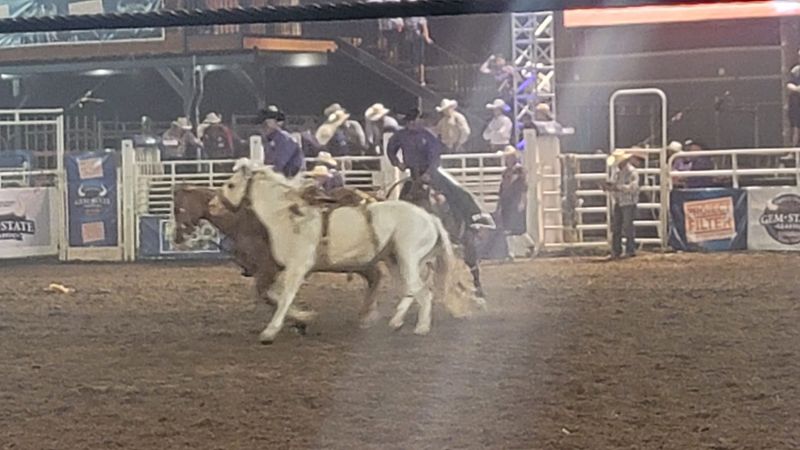
Most of us picture silks, saddles, and a photo finish when we think of horse racing. Relay rewrites that picture entirely.
What unfolds on the Blackfoot track blends flat-out speed with rodeo-level athleticism and a depth of cultural meaning you rarely find at a sporting event.
Riders control powerful animals bareback, then trade mounts mid-race while the ground shakes.
Teamwork carries as much weight as talent. One slow grab, one stumble in the exchange, and the fastest horse in the field cannot save the run.
Drive home and you will likely replay the same three seconds over and over: the leap, the landing, the surge back into the turn.
The sport keeps gaining attention through documentaries and national coverage, yet nothing compares to feeling the dust settle on your arms in person.
More than a race, it is a celebration of Shoshone-Bannock horsemanship and a bond between people and animals stretching back centuries. Idaho hands visitors few experiences this genuine, and this one sticks.