This Tiny Nebraska City Just Took First Place For The Best-Tasting Water In The State
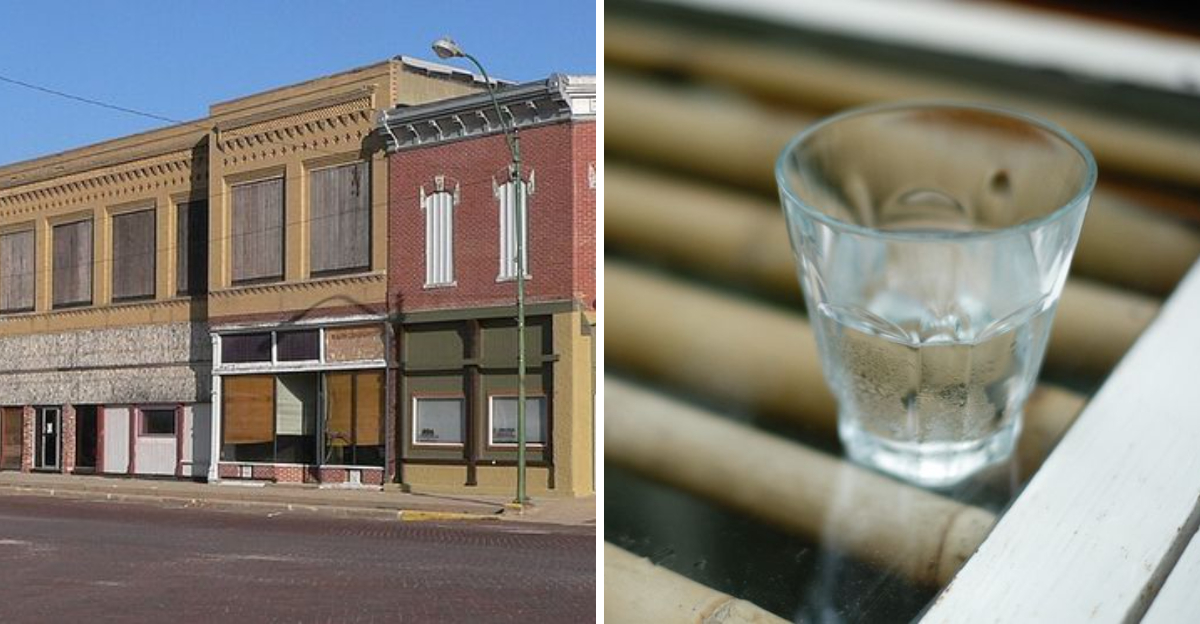
Imagine winning statewide bragging rights for something that comes straight out of the tap. That is exactly what happened here.
At the 2026 Nebraska Rural Water Association conference, municipal water samples were judged on qualities including clarity, aroma, taste, mouthfeel, and finish.
When the results were announced, this tiny city came out on top.
Nebraska’s best-tasting drinking water for 2026 is officially coming from one remarkably small community.
There is something wonderfully unexpected about that distinction.
No elaborate recipe. No secret ingredient. Just fill a glass, take a sip, and decide whether your taste buds agree with the judges.
For once, bringing home a souvenir could be as easy as filling your water bottle.
The Tiny Nebraska City That Just Beat The Entire State
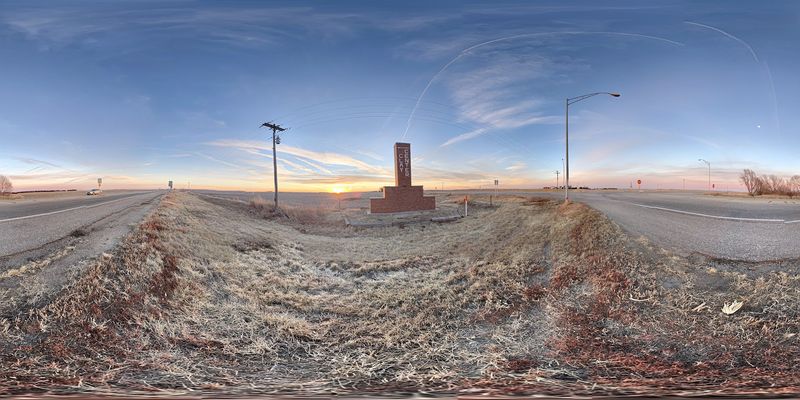
Fewer than 1,000 people live here, and yet the whole state just got beaten in a taste test.
The 2020 census counted 735 residents in Clay Center, while the 2010 count listed 760 people. Current estimates place the number somewhat higher, around 800.
Land area comes in at roughly 0.72 square miles, which means a person can walk from one edge of town to the other in a short stretch of time.
Scale matters when thinking about what happened. Nebraska has hundreds of public water systems, including those serving Omaha, Lincoln, Grand Island, and Kearney.
A community this compact finishing first says something about the water beneath the ground and the people who manage the system day after day.
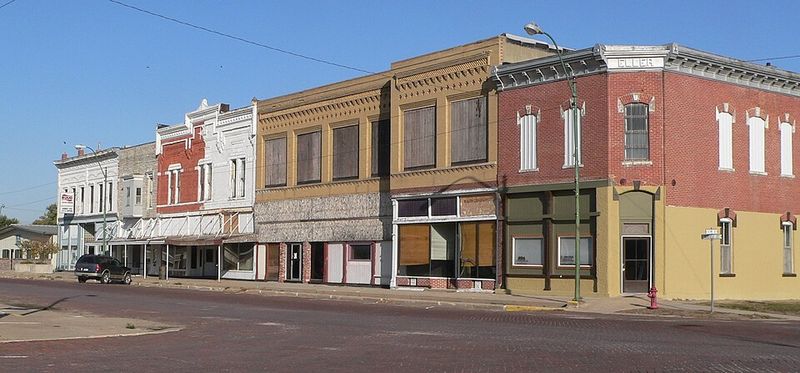
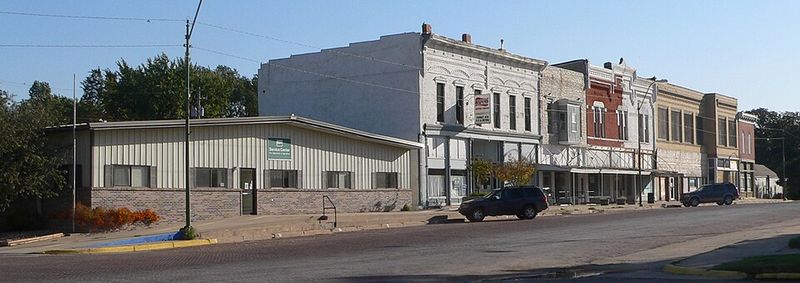
Visitors who stop by will notice how quickly the town reveals itself. Streets are wide and easy to navigate, traffic is light on most days, and the county courthouse anchors the center of activity.
There are no long walks between points of interest, which makes the place friendly for anyone traveling with kids or older family members.
Small does not mean forgettable. The award turned a quiet county seat into a name people across Nebraska now recognize, and that shift happened without any change to the town itself.
See How Clay Center Took First Place For Nebraska’s Best-Tasting Water
Winning happened indoors, at a professional gathering rather than a county fair booth.
The result came during the Nebraska Rural Water Association Annual Conference, held March 9 through 11, 2026 in Kearney.
Water operators, board members, and utility staff from across the state attend the event each year, and the taste competition is one of its most talked-about moments.
Communities were invited to submit samples for judging alongside the training sessions and exhibits.
Kearney serves as a practical host city because of its location along Interstate 80, which keeps travel reasonable for operators coming from every direction.
The conference runs across three days, so the schedule leaves room for both technical work and lighter events like the tasting. Announcing a winner in front of that crowd carries real weight.
The people in the room understand what goes into keeping a public system running, from testing schedules to well maintenance, and recognition from peers lands differently than a casual compliment.
For a town the size of Clay Center, sending a sample to Kearney meant standing next to systems with far bigger budgets and staff counts.
Finishing first in that setting is the part of the story worth repeating, and it explains why word spread so quickly afterward across Clay County and beyond.
Discover What The Judges Were Actually Looking For In Each Glass
Four judges sat down with the samples, and their scoring sheets covered more than personal preference.
Appearance came first, with clear and bright water scoring best. Aroma followed, and the goal there was simple: no noticeable smell at all.
Taste carried heavy weight, judged on whether the water came across as clean and refreshing rather than flat or off. Mouthfeel is the category most people never think about.
Judges looked for a light sensation instead of a heavy or coating one, which is the kind of difference a person notices only when comparing samples side by side.
Aftertaste rounded out the scoring, and the ideal result was an impression that left a person wanting another sip.
Breaking water down into five separate qualities turns a casual sip into something closer to a technical review.
Minerals, dissolved solids, and natural chemistry all shape how each of those categories reads on a scoring sheet.
Anyone can try a version of this at home by pouring two waters into identical glasses and comparing them without labels.
The exercise makes the judging criteria much easier to understand and shows how much variation exists between sources.
Clay Center scored well enough across all five to finish ahead of the field, which is not a small thing.
The Winning Sample Came Straight From A Municipal Well Before Treatment
Here is the detail that makes the whole story more interesting: nothing had been added yet.
Each participating community submitted a one-gallon sample, and the rules called for water collected from a municipal well before any treatment processes were applied.
No adjustments, no polishing, no final filtration step. What the judges tasted was essentially the water as it came out of the ground.
That requirement changes how the award should be read.
Rather than measuring how well a plant finishes its product, the competition highlights the natural character of the source itself. A winning sample points to the aquifer as much as the utility.
Collecting a sample properly still takes care. Clean containers, correct handling, and prompt delivery all matter, because contamination or long delays could easily affect aroma and taste before judging even begins.
Residents who fill a glass at the kitchen sink are drinking treated water, which meets state and federal standards.
The untreated sample simply shows what the starting point looks like, and in this case the starting point was strong enough to win statewide.
Groundwater from this part of Nebraska has a reputation for consistency, and the pre-treatment rule let that consistency speak for itself in front of four judges with detailed scoring sheets.
Clay Center’s Water Comes From Beneath The Nebraska Ground
Everything about the award traces back to what sits below the cornfields.
Nebraska drinking-water records identify the public system serving Clay Center as groundwater-sourced.
Groundwater is simply water stored beneath the surface of the earth, filling the spaces between sand, gravel, and rock, and it supplies wells and springs.
In Clay County, that groundwater comes entirely from precipitation.
Rain and melting snow fall on the county or nearby land, then move slowly downward through soil until reaching the water table and joining the larger body of water below.
Nebraska holds a large supply of high-quality groundwater, most of it within the High Plains Aquifer. The aquifer spreads beneath eight central states, and roughly 90 percent of Nebraska sits above it.
Farms, small towns, and cities across the region all draw from the same broad resource.
Slow filtration through layers of soil is part of why the water tastes the way it does. The journey takes time, and along the way natural minerals dissolve into the water at levels that judges apparently found pleasant.
Understanding the source adds context to the win. The award recognizes a natural system that has been quietly working underground for a very long time, plus the local effort required to draw from it responsibly.
The Victory Was Big Enough To Reach The Nebraska Legislature

Not many water systems get a mention in the state legislative record.
Legislative Resolution 502 officially congratulated Clay Center for earning the 2026 Best Tasting Drinking Water award.
The resolution was adopted on April 17, which lined up with the scheduled end of the Nebraska Legislature’s 2026 session.
Resolutions of this kind are formal statements rather than laws. They put recognition into the public record, and they carry the signature of a body representing the entire state.
For a community of a few hundred people, that kind of acknowledgment is rare.
The timing near the end of session is worth noting. Legislative calendars fill quickly in the final weeks, so taking floor time for a congratulatory resolution shows the win registered well beyond Clay County lines.
Local pride is one thing, and statewide acknowledgment is another. Utility staff, city officials, and residents all share in the credit, since maintaining a public water system depends on steady routine work rather than a single dramatic moment.
Anyone curious about the wording can look up LR502 through the Nebraska Legislature’s public records, which are available online.
Reading the resolution is a small but satisfying way to see how a taste test in Kearney ended up documented in the halls of state government in Lincoln.
Winning Nebraska Was Only The First Round
First place at home turned out to be a doorway rather than a finish line.
Reporting from Clay County News in March 2026 noted that the state win advances the community toward the national level of competition.
Winners from various states gather for that contest, and the next one is expected sometime in 2027.
Moving up a level means facing samples from systems all across the country, each one already the best in its own state.
The judging follows the same general idea, comparing appearance, aroma, taste, mouthfeel, and aftertaste, though the field is far broader.
Waiting until 2027 gives the town time to prepare and enjoy the current title.
Nothing about the water needs to change, since the sample comes from a municipal well, but the attention that follows a national appearance can be significant for a place this size.
National contests like this one tend to draw press coverage and curiosity from people who collect unusual travel reasons. A town winning best water in the country would earn a spot on plenty of road trip lists.
For now, the state title stands on its own. The possibility of more recognition simply keeps the story going, and there is something appealing about a small county seat heading into a national round.
There Is Much More To This Tiny County Seat Than Its Famous Water
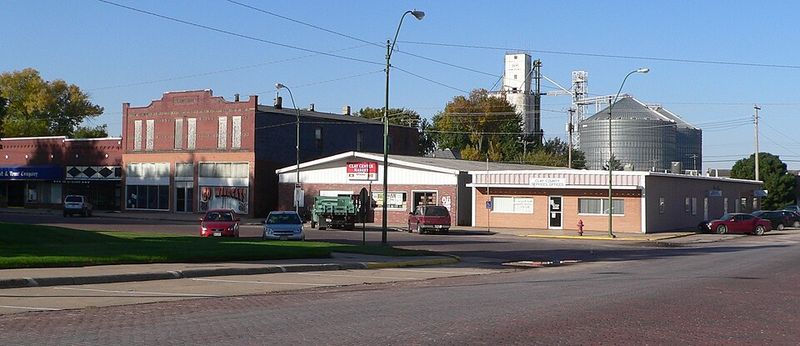
Long before any water award, this town held an important job in Clay County.
Serving as the county seat means courthouse business, county offices, and public records all run from here. That role keeps steady daily activity in a place that might otherwise feel purely residential.
Getting here is straightforward for travelers. The city sits about 25 miles south of Interstate 80, and roughly 90 miles southwest of Lincoln, so a detour fits reasonably into a cross-state drive without adding a full day.
History runs deeper than the population suggests. The community was first established in 1873 under the name Marshall, then re-platted and renamed Clay Center in 1878 because of its central position within the county.
The name honors Henry Clay, a well-known statesman from Kentucky.
County seat status arrived in 1879 following a contested election with Sutton, a nearby town that wanted the designation for itself.
Local elections over county seats were common across the plains during that era, and the outcomes still shape which towns have courthouses today.
Visitors who enjoy old county architecture and quiet main streets will find enough here for an unhurried stop.
Pair the courthouse area with a look at surrounding farmland, and the drive starts to feel worthwhile on its own terms.