This Quiet Georgia Lake Deserves A Visit Before Fall Colors Take Over
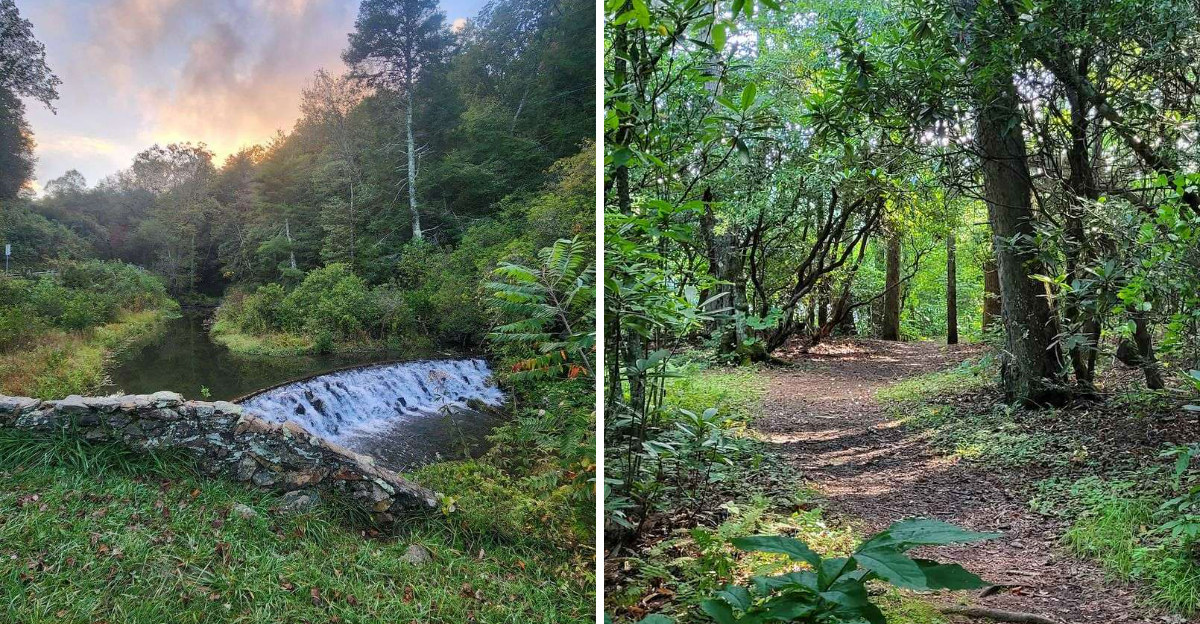
Some places make you work for them. I took a wrong turn twice before the trees finally opened up and revealed still water framed by green ridges.
My phone lost signal somewhere along the way, and honestly, that felt right. I planned to stay twenty minutes.
I stayed until the sun dropped behind the mountains. Georgia hides more than its share of quiet corners like this one, spots that never make it onto anyone’s must-see list.
Late summer is the sweet spot for a visit. The crowds have not arrived yet, and the water still holds that deep, calm color before autumn changes everything.
I keep coming back before the season shifts and the secret gets out. Georgia rewards people who take the long way around, and this lake is proof.
A Mountain Lake Built By Hand In The 1930s
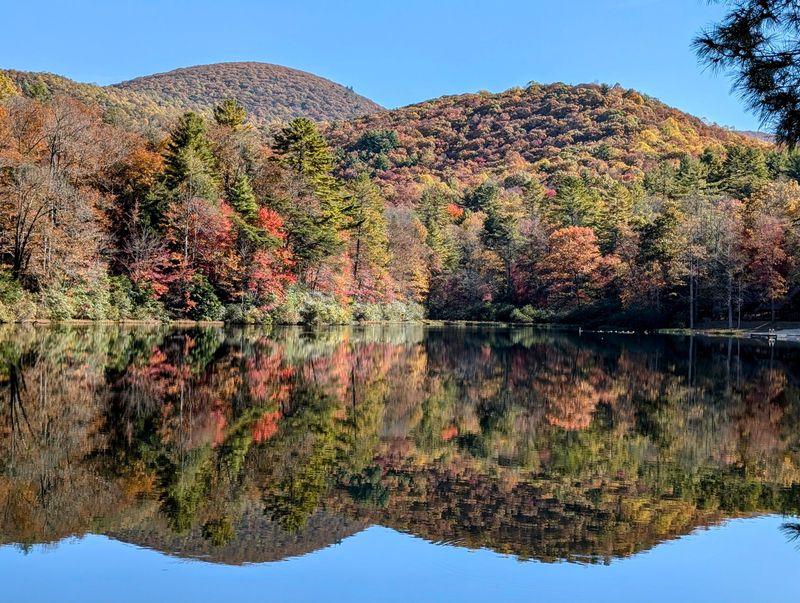
Eighteen acres of water sitting high in a mountain valley does not happen by accident. Crews from the Civilian Conservation Corps shaped this lake back in the 1930s.
The result is one of the highest altitude lakes in Georgia. It also forms the headwaters of Cooper Creek, which feels fitting for a place this quiet.
What surprised me most was the scale. The water is small enough to see across, yet big enough to feel like a real destination.
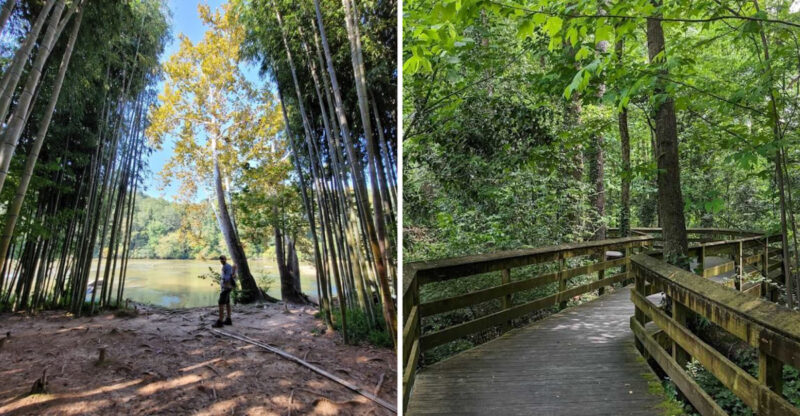
Forested ridges wrap the shoreline on every side. Hardwoods and pines climb the slopes, with dogwood and rhododendron filling the spaces between.
Because the lake sits inside the Chattahoochee-Oconee National Forest, development stops at the tree line. No houses, no docks lined with boats, no noise beyond the water.
Atlanta sits roughly 80 miles away, which makes the drive very doable. The last stretch of road climbs enough to make your ears pop.
Handmade history usually shows its age in a charming way. Historic stonework, mature forest shade, and the peaceful lake still reflect the area’s CCC-era origins.
You will find it at 439 Lake Winfield Scott, Suches, GA 30572.
Paddling Without An Engine Racing Past You
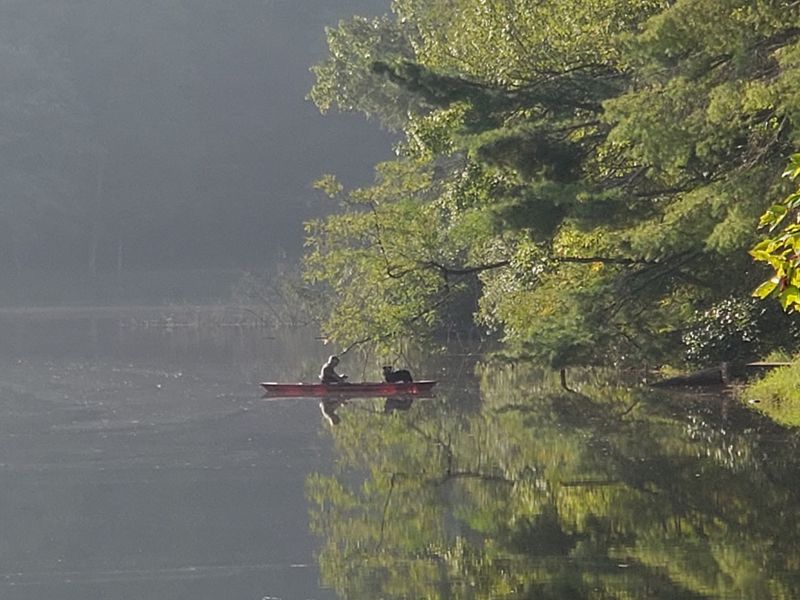
Gas motors are not allowed here, and that single rule changes everything. The loudest thing on the water is usually a paddle blade.
Hand-powered boats and electric motors are welcome. Kayaks, canoes, and small johnboats fit the scale of this water perfectly.
A boat ramp makes launching simple. There is no waiting line of trailers, which is rare for a summer weekend anywhere in Georgia.
Morning is the best time to be out there. The surface goes glassy, and the reflection of the ridges looks almost painted on.
Circling the whole shoreline takes very little effort. You can drift, look down through clear water, and still be back before lunch.
Bring your own boat if you can. Renting is not the point of this place, and self-reliance is part of its charm.
Wind rarely builds up much on a lake this size. Beginners often feel comfortable here, which makes it a good first paddle for kids.
Quiet water has a way of slowing your pulse. I paddled for twenty minutes and forgot I had a phone in my dry bag, which was useless anyway.
Where Trout And Bass Never Forget A Face
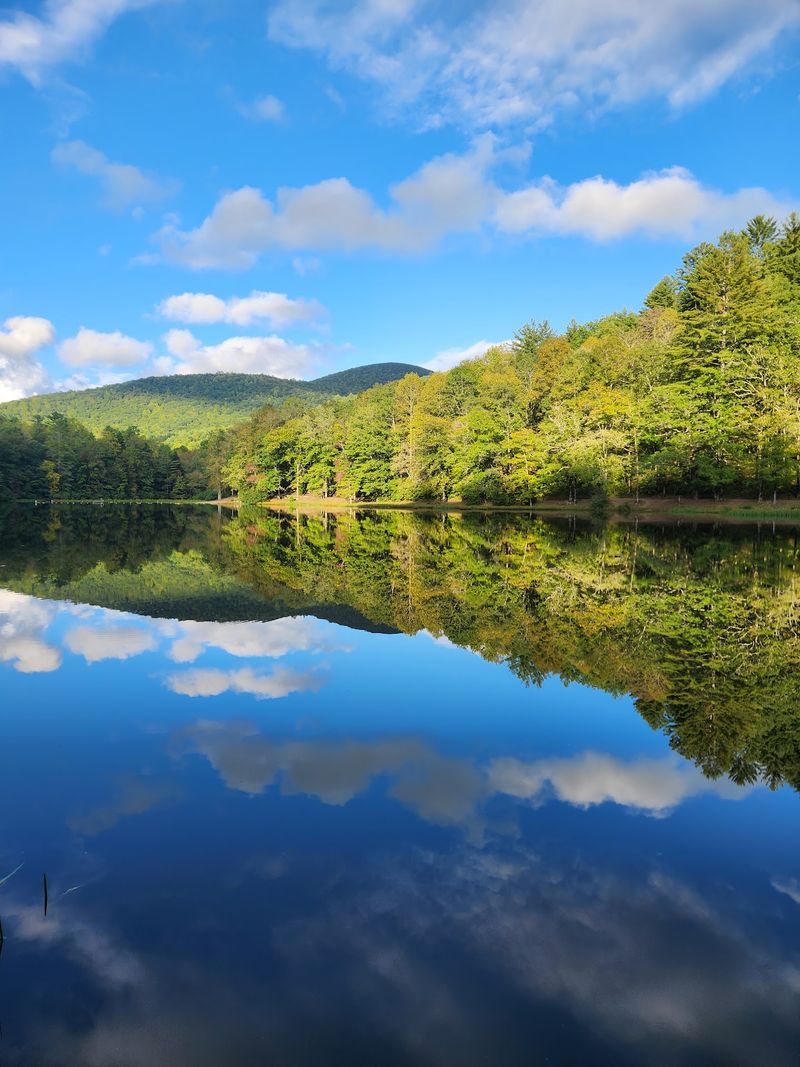
Fish here have seen a lot of lures. Anglers regularly pull in trout, catfish, bass, bream, and yellow perch.
The Georgia Department of Natural Resources stocks trout during spring. That keeps the population healthy in a lake this compact.
An accessible fishing dock gives shore anglers a real shot. You do not need a boat to have a good afternoon.
A valid Georgia fishing license is required before you cast. Buy it online ahead of time, since cell service disappears near the water.
Live bait tends to work well for trout in these clear conditions. Simple setups often beat flashy tackle here.
Because the lake is small, pressure is real. Patience matters more than gear, and early mornings usually reward the people who show up first.
Spring-fed water stays cool, which trout appreciate through the warmer months. That cool temperature is part of why the fishery works at this elevation.
Bring a chair and low expectations for volume. What you get instead is a peaceful morning with mountains reflected in your line, which is a fair trade.
An Easy Loop That Circles The Whole Shoreline
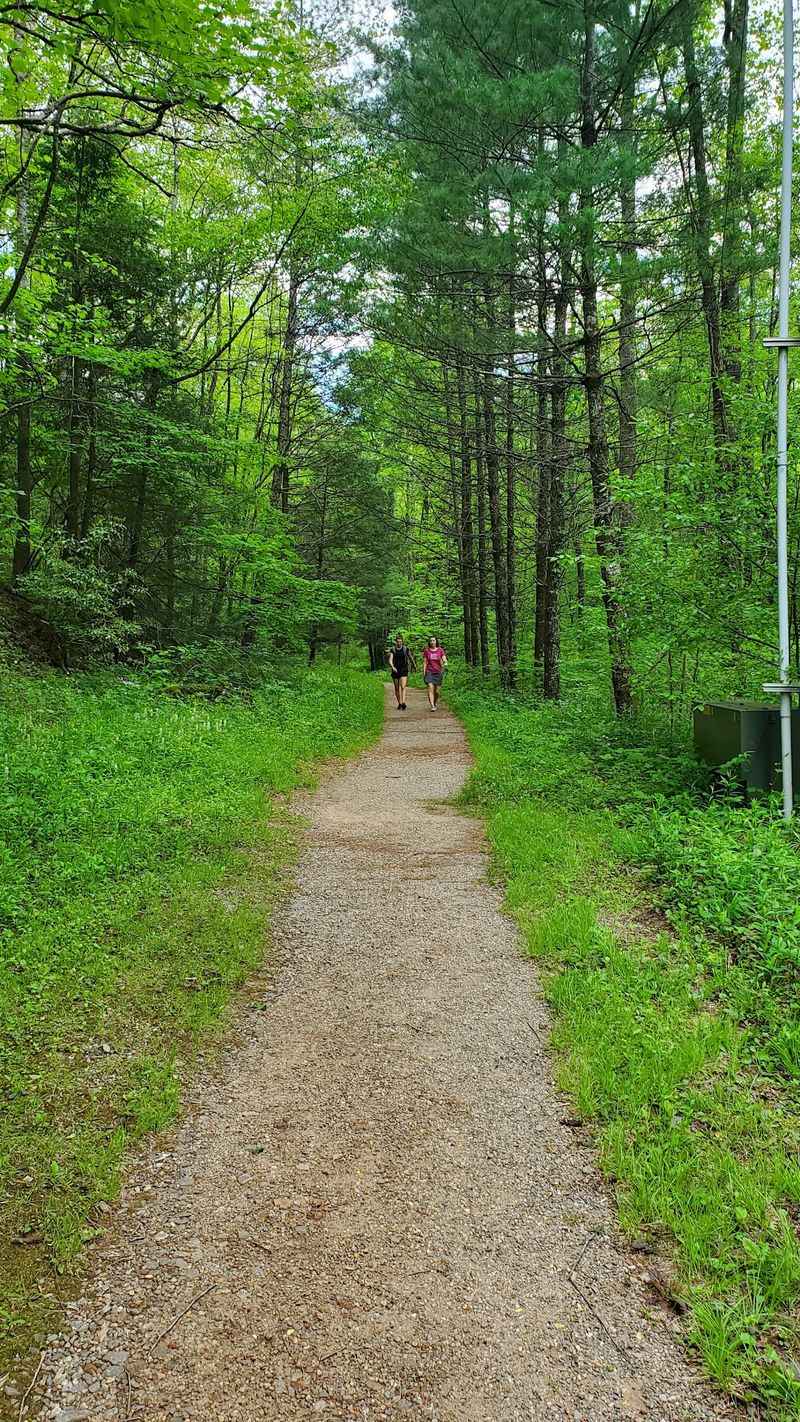
Not every hike needs to be an achievement. A 0.4-mile path hugs the shoreline and takes only a few minutes to walk.
Families with small kids love this loop. Strollers can struggle in spots, but little legs handle it fine.
Footbridges cross small streams along the way. Water sounds follow you for most of the walk, which is oddly relaxing.
Rhododendron thickets crowd parts of the trail. In warmer months the leaves form a green tunnel that keeps the sun off your neck.
Benches and open shoreline spots invite you to stop. I sat for ten minutes and watched a heron work the shallows.
Trail markings are limited, but you cannot really get lost with water on one side. Bring a downloaded map anyway for the longer routes.
Doing the loop twice makes a nice warmup before a bigger hike. It also works as a post-dinner stroll from the campground.
Short trails often get dismissed. Around here, the payoff comes from the views, not the mileage, and the ridges do most of the work.
Trails That Connect Straight To The Appalachian Trail
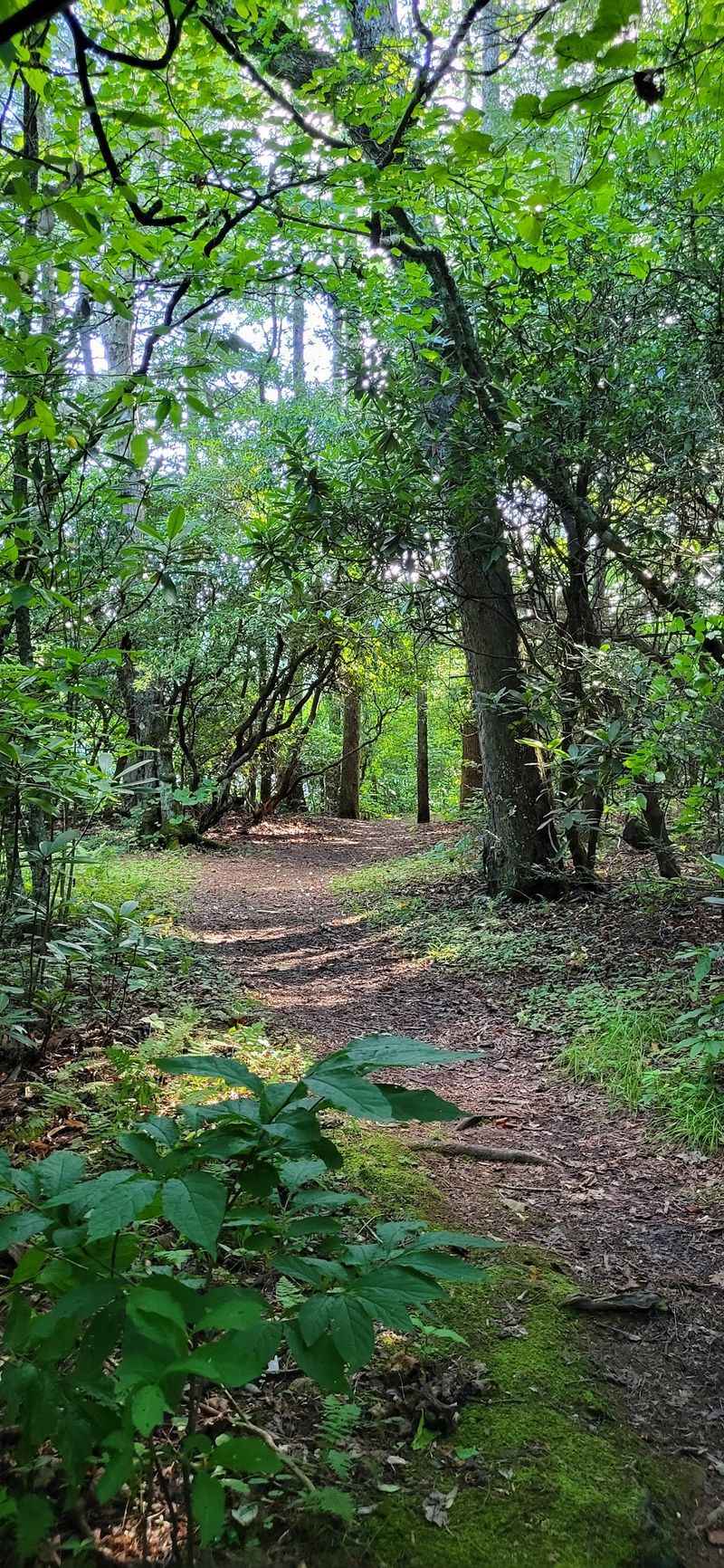
Serious hikers have a secret about this valley. Two trails climb from the lake and tie directly into the Appalachian Trail.
Jarrard Gap Trail and Slaughter Creek Trail do the heavy lifting. Both gain elevation steadily through thick hardwood forest.
From the AT junctions, Blood Mountain sits within reach. Plenty of hikers use the lake as a launching point for that summit.
Day hikes and overnight trips both work from here. The parking area makes a practical base camp for either plan.
Signage along the routes is thin in places. Download your map before arriving, since the signal drops out well before the trailhead.
Water crossings appear on the Slaughter Creek side. Waterproof shoes are helpful after heavy rain.
Elevation sneaks up on you. The climbs are steady rather than brutal, but the altitude here is higher than most Georgia hikes.
Turning a lakeside afternoon into a mountain summit is a rare option. Few small recreation areas offer that kind of range within a single parking lot.
Camping Where The Loudest Sound Is A Creek
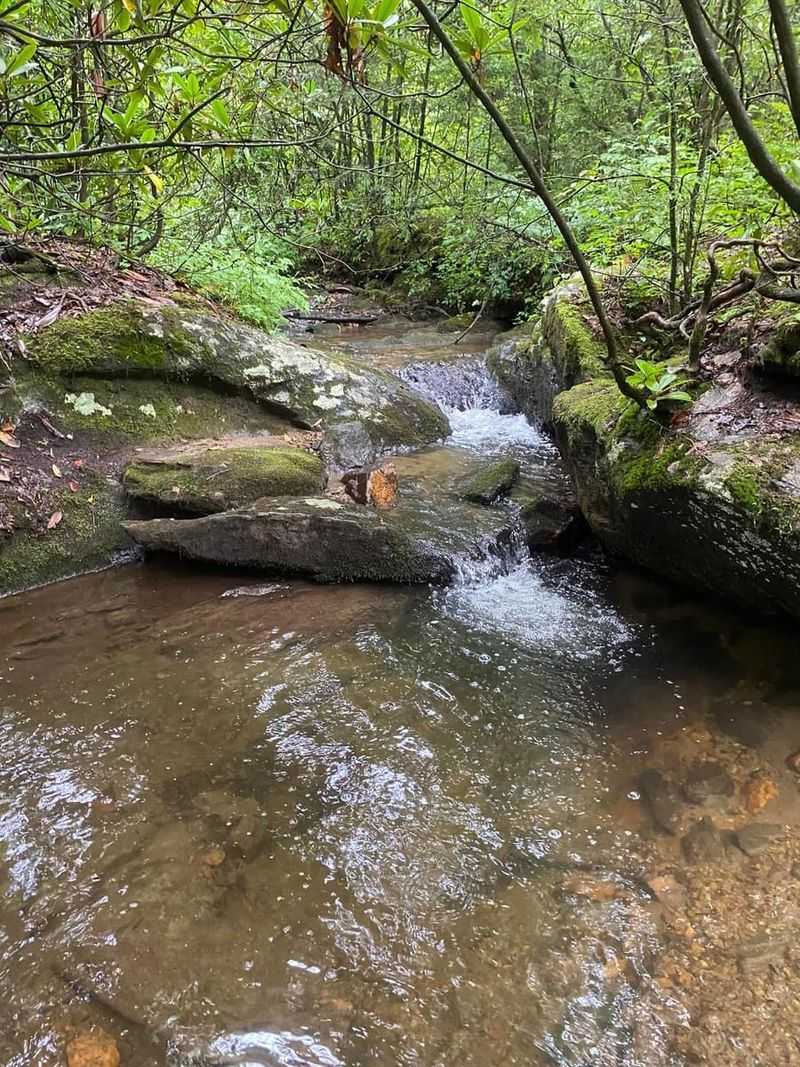
Thirty-one campsites sit under tall trees near the water. Tents and RVs both fit, and some sites include water and electric hookups.
Showers and restrooms are available at the campground. Picnic tables and grills come standard, which makes cooking simple.
There is no dump station on site. Vogel State Park nearby handles that need, so plan your route accordingly.
Operating dates and winter services can change, so check the campground’s current schedule before planning an off-season stay.
Campsites feel roomy rather than stacked together. Mountain streams run through parts of the area, adding steady background noise at night.
Reservations are smart during peak weekends. Late August through mid-September tends to be calmer than October.
Bring extra drinking water regardless of the season. Mountain weather shifts fast, so pack layers even in summer.
Black bears live in these mountains, so store food properly. Following bear-safe practices keeps both you and the wildlife out of trouble.
Waking up to fog lifting off the lake is worth the drive. Coffee tastes better at elevation, and I will stand by that claim.
A Two-Story Cabin For People Who Like Real Beds
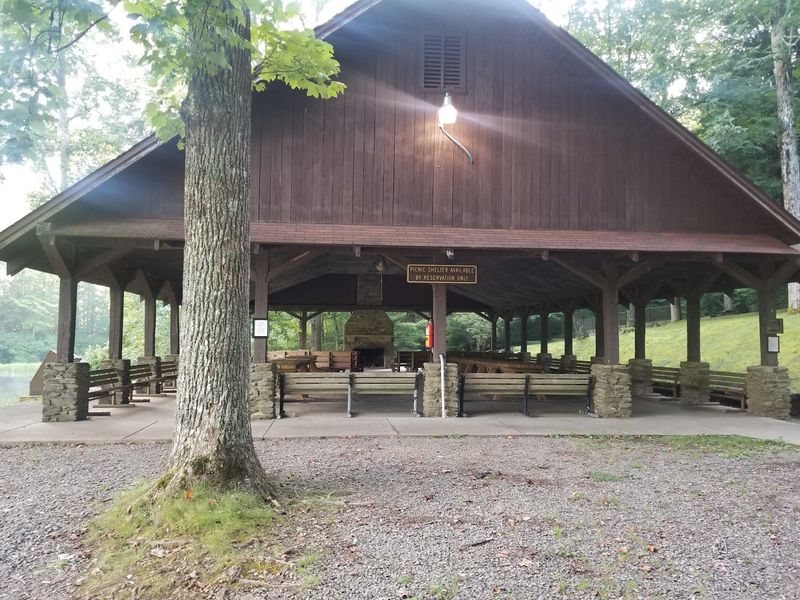
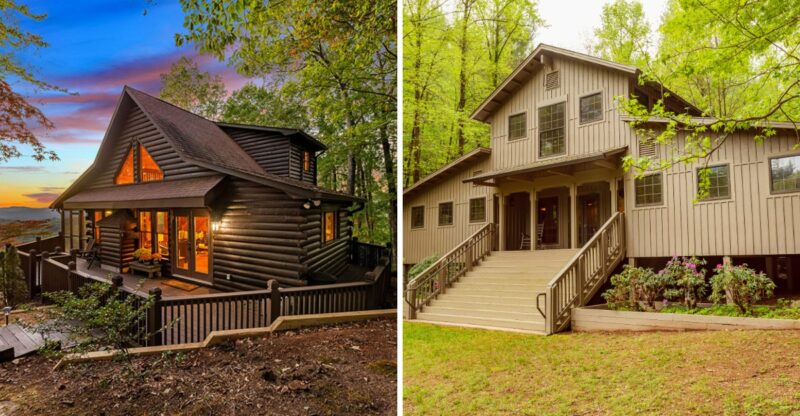
Sleeping bags are not for everyone, and that is fine. A rental cabin at the recreation area handles the comfort crowd.
The two-story building sleeps roughly 10 to 12 guests. That makes it workable for extended families or a group of friends.
Electricity, running water, and kitchen appliances come included. You can cook a real dinner instead of boiling water over a camp stove.
Group trips get easier with this setup. One cabin plus a few nearby campsites covers everyone’s preferences.
Booking early matters, since there is only one. Fall weekends fill up quickly once the color reports start circulating.
Bring your own linens and supplies as you would for most forest service rentals. Confirm details when you reserve.
The location keeps you close to the water and the trailheads. You can hike in the morning and be back for lunch without driving.
Rain days feel less painful with a roof and a kitchen. A board game, a window view of the ridges, and nobody checking email sounds pretty good to me.
Where Deer And Turkey Rule The Woods
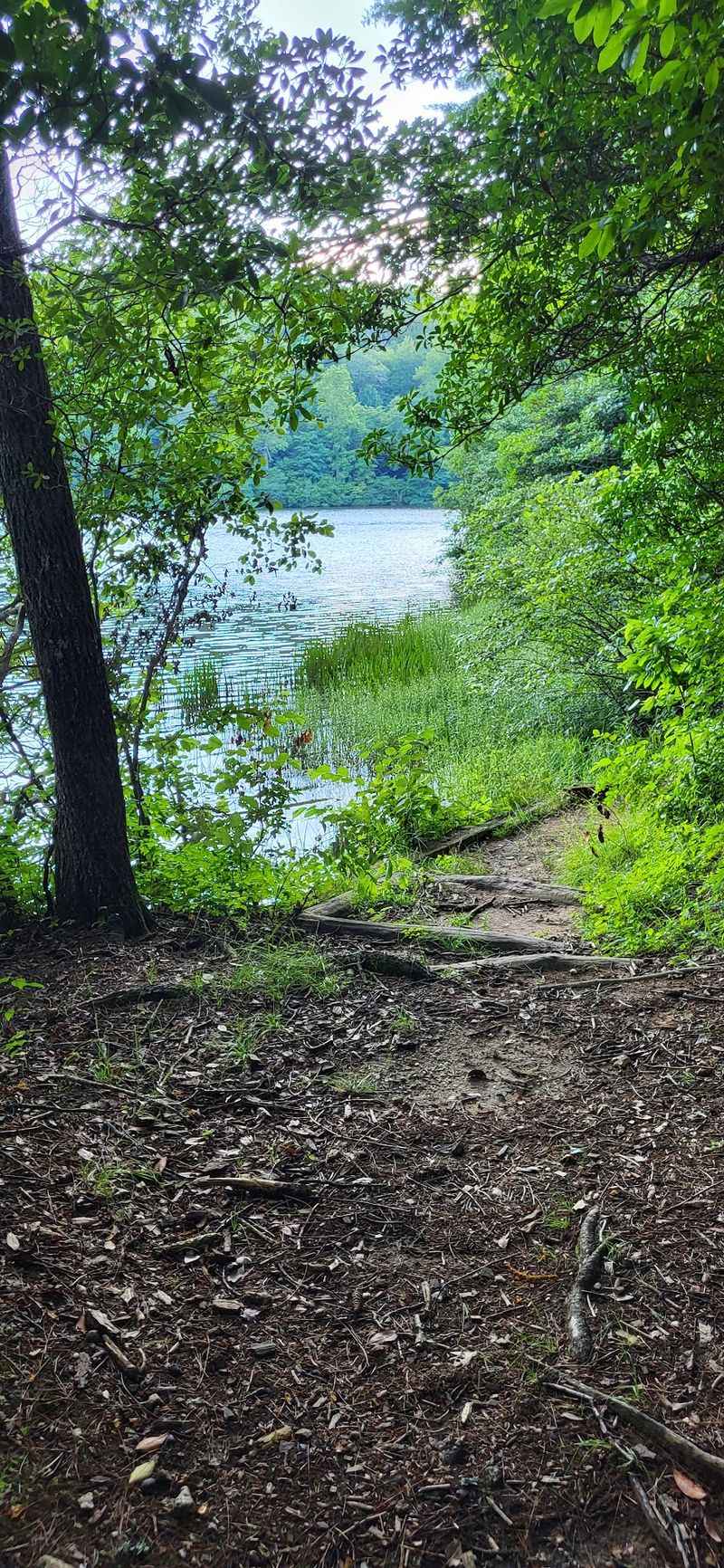
Wildlife shows up when people stop making noise. Deer and wild turkey move through these woods regularly.
Grouse and songbirds fill in the rest of the soundtrack. Birders do well here, especially in early morning hours.
Black bears live throughout these mountains too. Sightings happen, so keep food secured and give any animal plenty of space.
Plant life is just as interesting. Dogwood, rhododendron, and spring wildflowers create real variety along the trails.
Towering hardwoods and pines dominate the ridges. Yellow birch, maple, and sourwood all grow in the higher elevations.
Binoculars earn their spot in your bag. So does a quiet approach, since sudden movement clears the shoreline fast.
Dawn and dusk are the productive windows. Sitting still near the water for fifteen minutes usually produces something worth seeing.
Aquatic life is visible too, thanks to clear spring-fed water. On calm days, the lake can reflect the surrounding forest with impressive clarity.
Watching a turkey cross a trail beats scrolling a phone screen. Considering there is no signal out here, the forest wins by default.
Why Late Summer Beats Peak Leaf Season
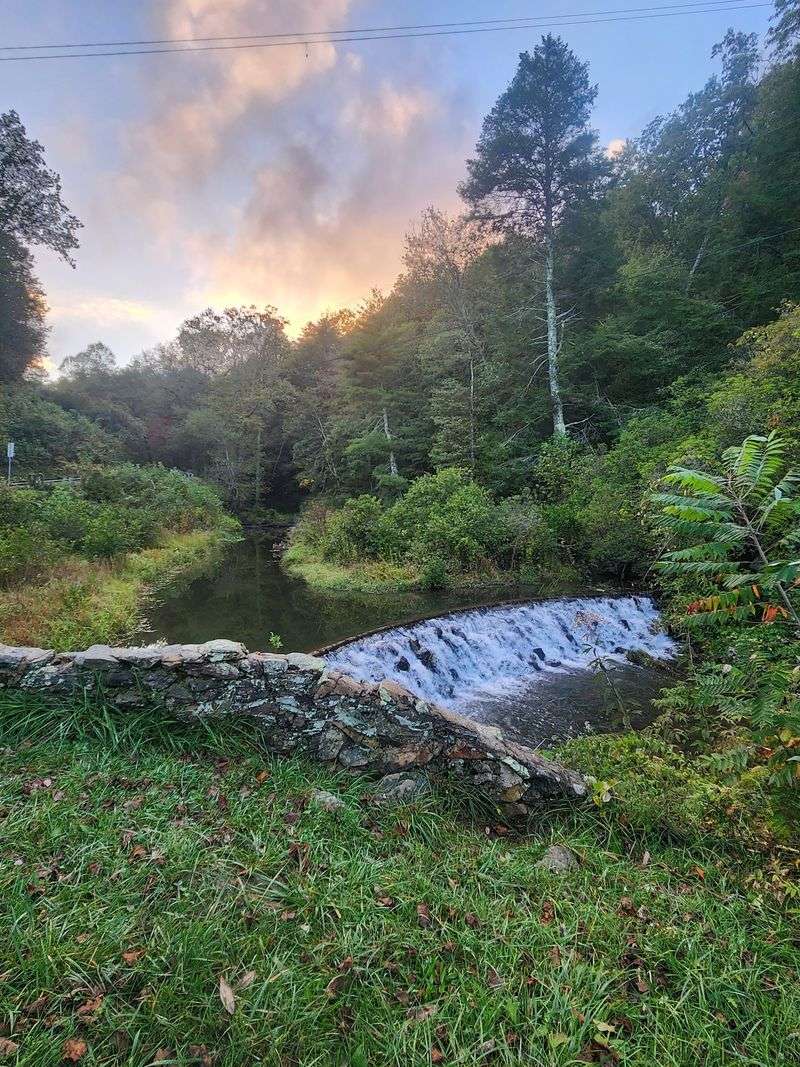
Everyone shows up in October. Late August through mid-September is when this valley is at its most pleasant.
Mornings turn crisp at this elevation while the canopy stays deep green. You get cool air without the traffic.
Higher elevations generally reach peak color earlier than the lowlands, often around late October, although timing varies with the weather.
Visiting before that shift means empty trails. Parking is easy, campsites are available, and the shoreline belongs to whoever wakes up first.
Water temperatures stay comfortable through early fall. Paddling and fishing both work well during this window.
Cell service is essentially nonexistent in the area. Closest signal sits several miles away, so tell someone your plans before heading out.
Fill your gas tank in advance. Mountain roads and limited services make preparation worthwhile.
Photographers still get plenty here. Green reflections and morning fog photograph beautifully without a single red leaf involved.
Coming early feels like getting the place before the rush. By the time the colors arrive, you will already know exactly where to park.