A Connecticut Pond That Nearly Vanished And Locals Are Worried About What Happens Next
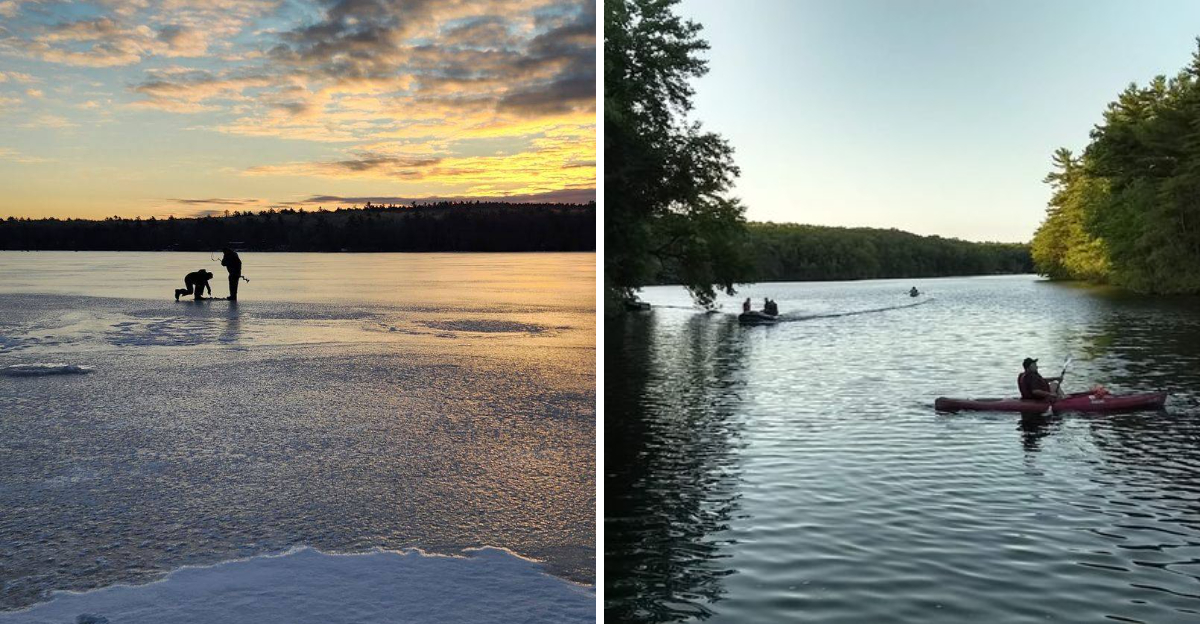
Imagine buying a house on the water. You rebuild it slowly, and you learn which corner of the dock catches the morning sun.
Then one autumn the water starts leaving. It did not happen overnight, but it happened steadily, until the boat sat on dry ground.
That is what happened in Connecticut. The pond behind those homes has dropped about twelve feet since last October.
The reason is a two hundred year old dam that started showing signs it could fail. Opening the outlet relieved the pressure, which was the responsible thing to do.
The trouble is what comes next. One proposal would shrink a hundred and twenty acre pond to under thirty two.
More than a thousand people have signed their names against it. Everyone agrees the dam needs fixing.
Nobody agrees on what the pond should look like afterward. The fight over that answer is only getting started.
The Pond That Hides In Plain Sight
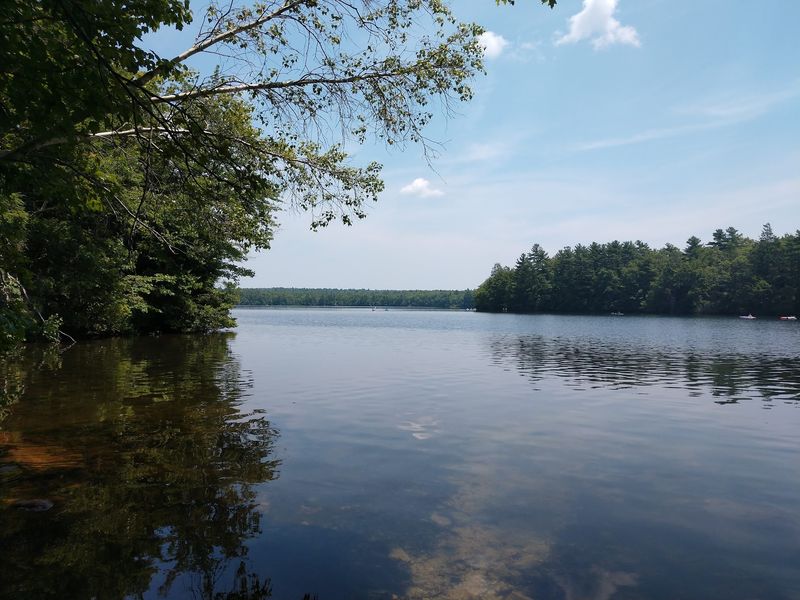
Killingly Pond State Park sits quietly on the Connecticut and Rhode Island border, and most drivers pass it without noticing. The water shows up suddenly, framed by pine and oak.
My first visit started with doubt. The road narrowed, gravel crunched, and I checked my phone twice before the pond finally appeared.
That gap between fame and quality is exactly what makes it interesting.
There is no visitor center here. No snack stand, no playground, no gift shop selling magnets shaped like fish.
What you get instead is water clear enough to see the bottom near shore. Several visitors mention that clarity again and again in their reviews.
Parking is limited to a few pull-off spaces, so timing beats luck. Weekday mornings tend to be the calmest stretch.
You can reach the park at Dayville, Connecticut.
Why Locals Keep Talking About The Dam
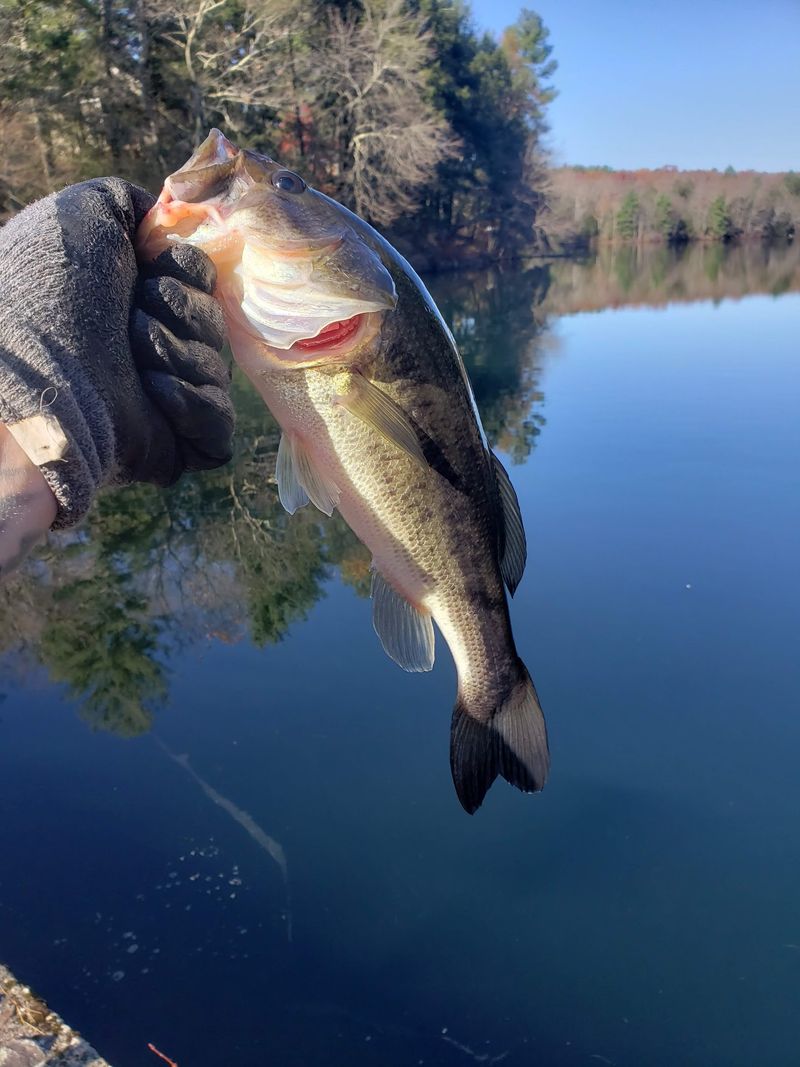
Conversation around this pond keeps circling back to one structure. The dam holds the water level, and people notice when anything about it changes.
One recent reviewer asked openly whether the dam had been damaged. Another described heavy trucks crossing it over the years.
I am not an engineer, and I won’t pretend to diagnose anything. But the concern is real, and it comes from people who have visited this spot for decades.
Dams shape ponds in obvious ways. Raise or lower the water even slightly and shorelines shift, launch ramps change, and fishing spots move.
That is why regulars watch it so closely. Their favorite swimming rock or casting point depends entirely on that water line staying steady.
Some argue for removal so fish can move freely upstream. Others want the pond exactly as it is, because it has been that way their whole lives.
Both sides love the same water. They just picture different futures for it.
If you want facts rather than rumors, the Connecticut DEEP website is the place to check. The park page lives under the state’s list of other parks and forests.
Clear Water Worth The Drive
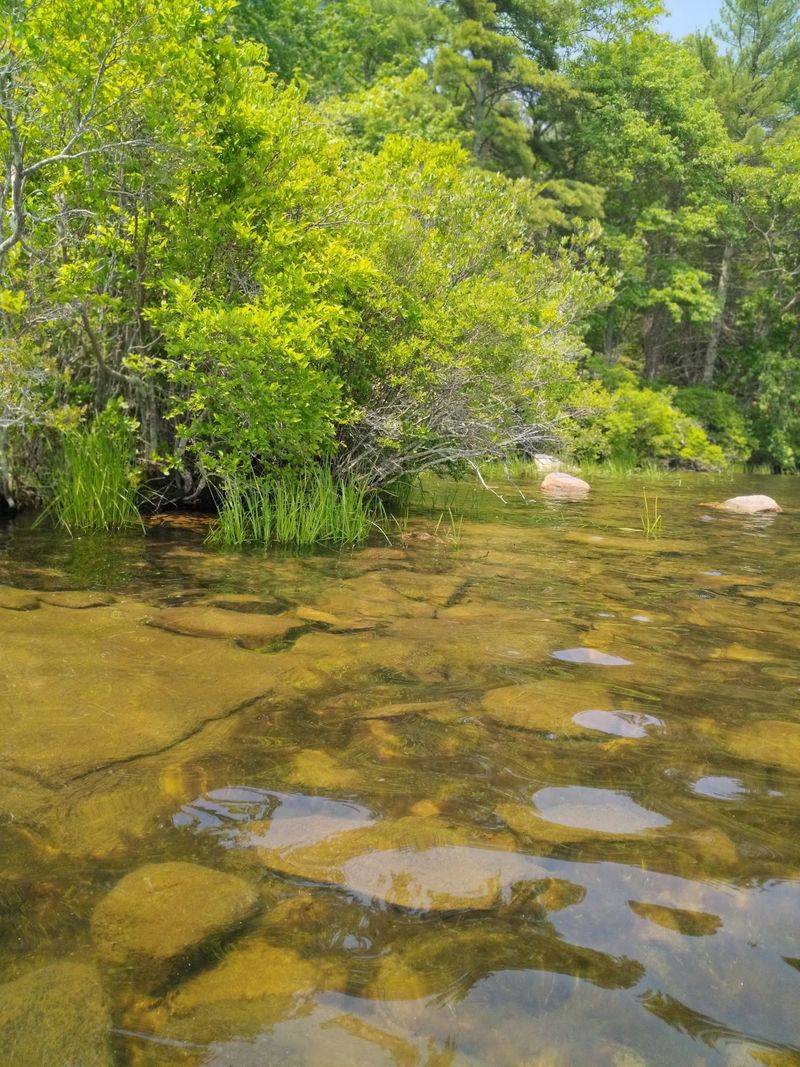
Clarity is the headline here, and it is not exaggerated. Nine separate reviewers mentioned clean water, which is unusual for any small pond.
Standing at the edge, I watched sunlight reach the sandy bottom. Small fish drifted through the light like slow confetti.
Northeastern Connecticut has plenty of ponds ringed by houses and docks. Killingly Pond feels different because the tree line runs almost unbroken.
Fewer lawns means less runoff, and less runoff usually means clearer water. Nature does the filtering when people leave room for it.
That clarity also makes the place fragile. One recent reviewer raised concerns about water quality, which is worth watching over time.
Nobody wants to see algae take over a pond like this. Clear water is easy to lose and slow to recover.
Simple habits help more than people expect. Carry out every wrapper, skip the soap, and rinse gear before launching from another lake.
Invasive plants hitchhike on boats and trailers all the time. A two minute rinse protects something that took centuries to form.
Bring polarized sunglasses if you have them. They cut the glare and reveal a whole underwater landscape.
Fishing Here Follows Its Own Clock
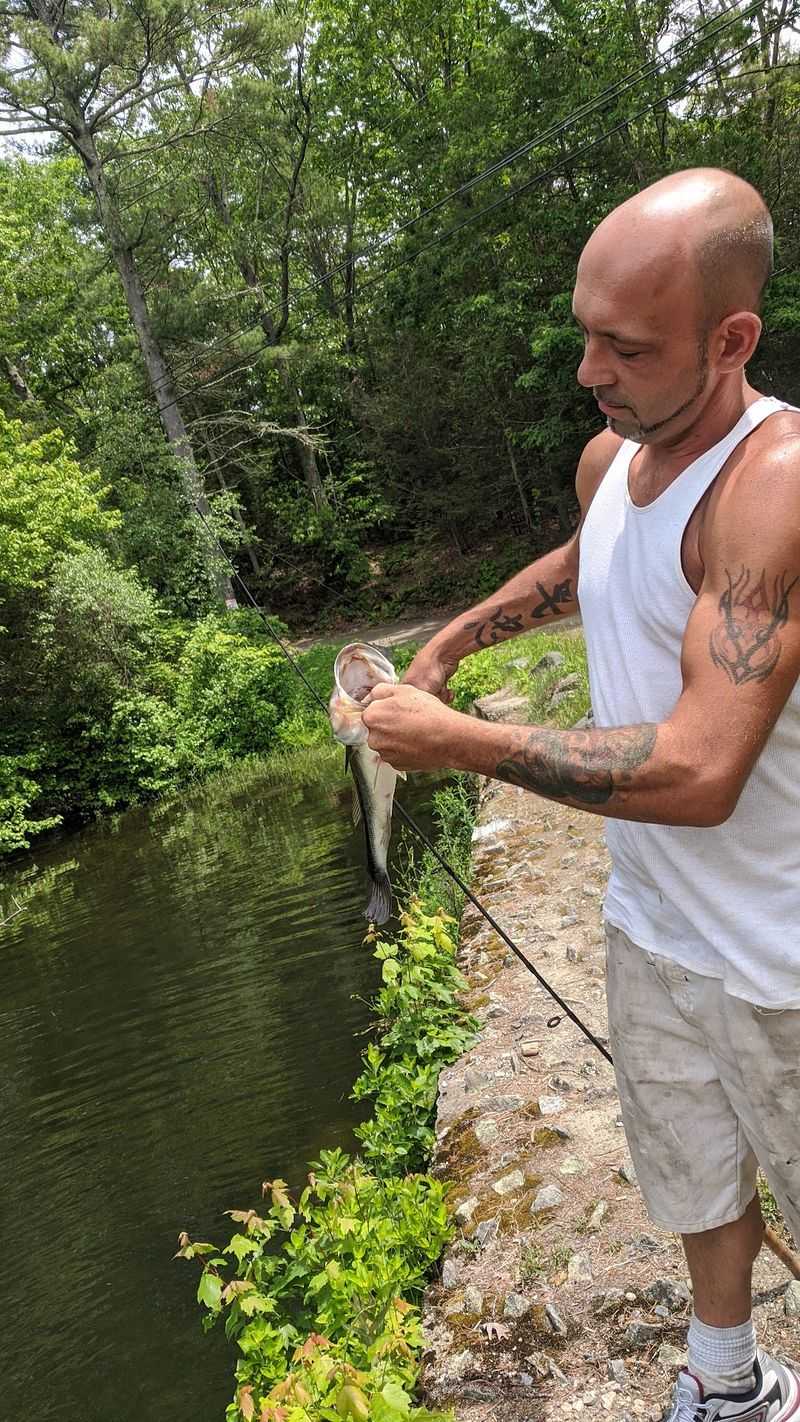
Eighteen reviewers mentioned fishing, which makes it the most talked about activity at this pond. Anglers clearly consider it worth the drive.
One regular shared something odd. The bite here picks up between noon and two, not at sunrise like most ponds.
That flips normal fishing advice on its head. Morning runs slow, and the afternoon brings the bigger catches, according to people who fish it often.
Shore access works well along parts of the pond. A short trail circles a section of the water, mostly serving anglers looking for open casting room.
Here is the detail that surprises visitors most. This pond sits on the state line, and fishing license reciprocity applies between Connecticut and Rhode Island.
That means one license covers either side of the water. Very few spots in New England offer that convenience.
Always confirm current rules before you cast. Regulations change, and the DEEP website posts updates each season.
Families do well here too. Several reviewers described bringing kids and grandkids for easy afternoons on the bank.
Pack shade, water, and patience. There is no store nearby to rescue you.
Paddling Season On A Motor-Free Pond
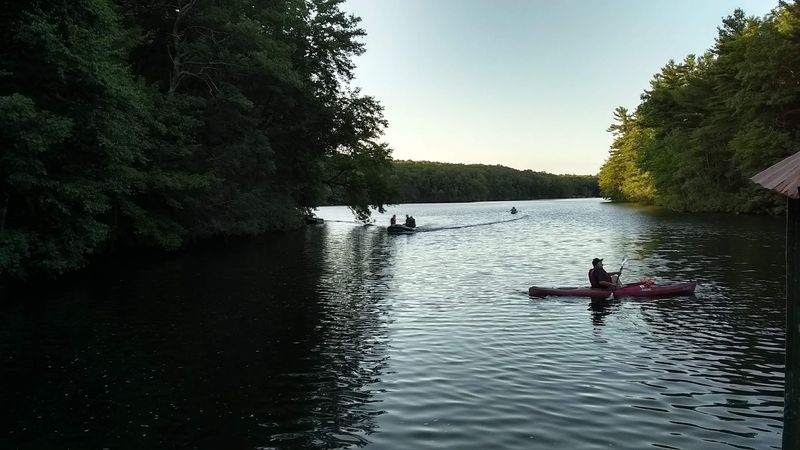
Nine reviewers brought up kayaking, and once you see the water you understand why. No gas motors are allowed, so the surface stays glassy.
Silence changes everything on a paddle. You hear the paddle drip, birds in the pines, and not much else.
The boat launch sits off Pond Road and handles small craft well. Kayaks, canoes, and paddleboards slide in without trouble.
Trailering something bigger is another story. One reviewer with a twelve foot boat called the launch narrow, and swimmers nearby complicated things further.
Plan for a tight fit and a short wait. Early arrivals get the smoothest experience by a wide margin.
Wildlife rewards patient paddlers. Someone spotted a bald eagle here, which is a solid trade for an early alarm.
Wear a life vest, even on calm water. Small ponds still deserve respect, especially with kids aboard.
Weather shifts fast in open water. Check the forecast, and head back if the wind starts pushing whitecaps across the surface.
Bring a dry bag for phones and keys. Wet pockets ruin an otherwise perfect morning.
Trails, Signs, And A Little Confusion
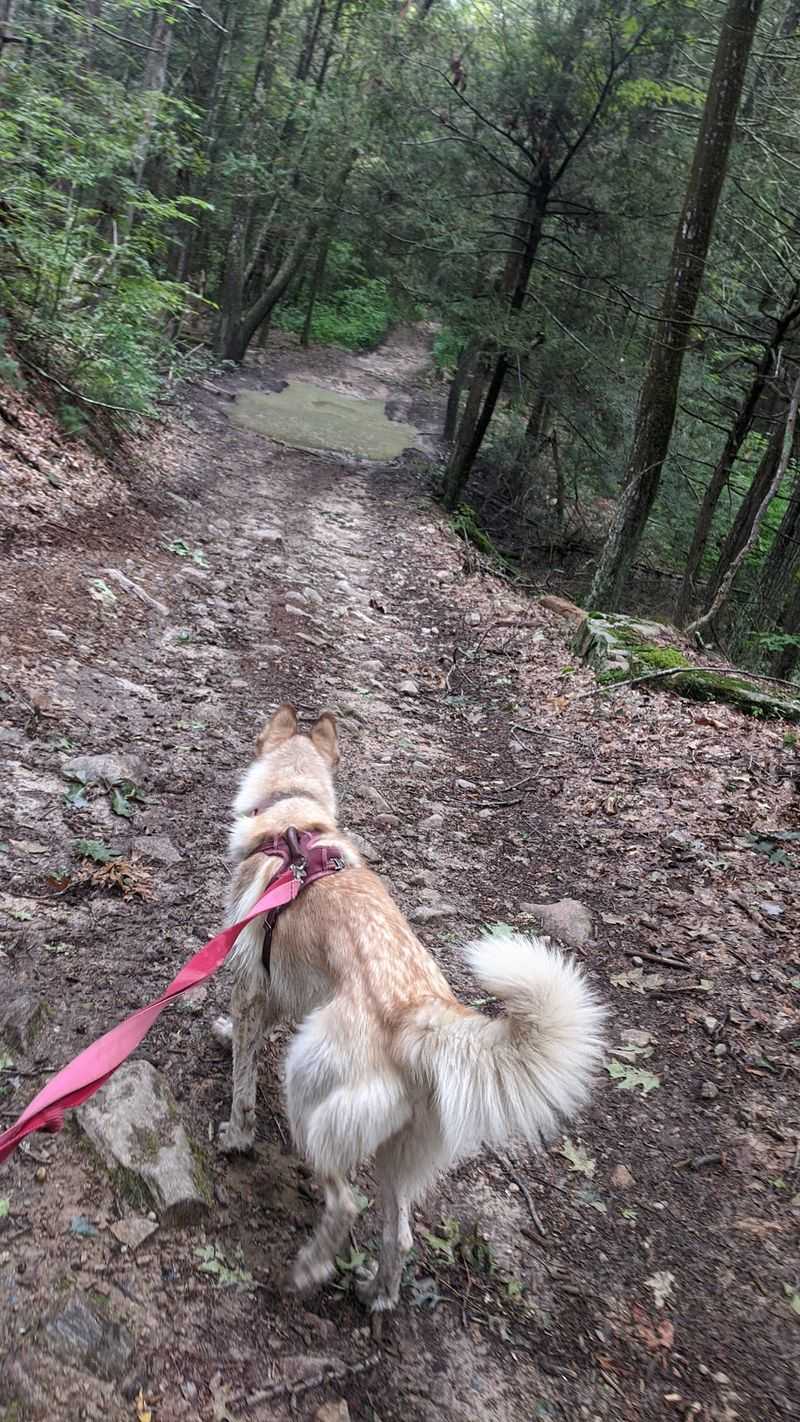
Navigation is the weak spot here, and honesty helps more than hype. One visitor followed a map app straight to a private driveway.
Another spent twenty minutes hunting for parking. Trail markings were nowhere to be found.
So arrive with a plan. Look up the DEEP page beforehand and note the Pond Road launch as your landmark.
The North-South Trail passes through this area, connecting into Rhode Island. Much of that stretch runs along dirt roads rather than woodland footpaths.
Reviewers describe it as the only portion of that trail reaching Connecticut. Hikers chasing long-distance routes find that detail meaningful.
A shorter path loops around part of the shoreline. It mostly exists to give anglers access, not to deliver scenic overlooks.
Private property signs appear in several places, and they mean what they say. Respecting them keeps access open for everyone who comes later.
Wear boots with grip. Roots and damp leaves make certain sections slick after rain.
Download an offline map before leaving home. Cell service out here is unreliable at best.
Morning Calm Versus Afternoon Crowds
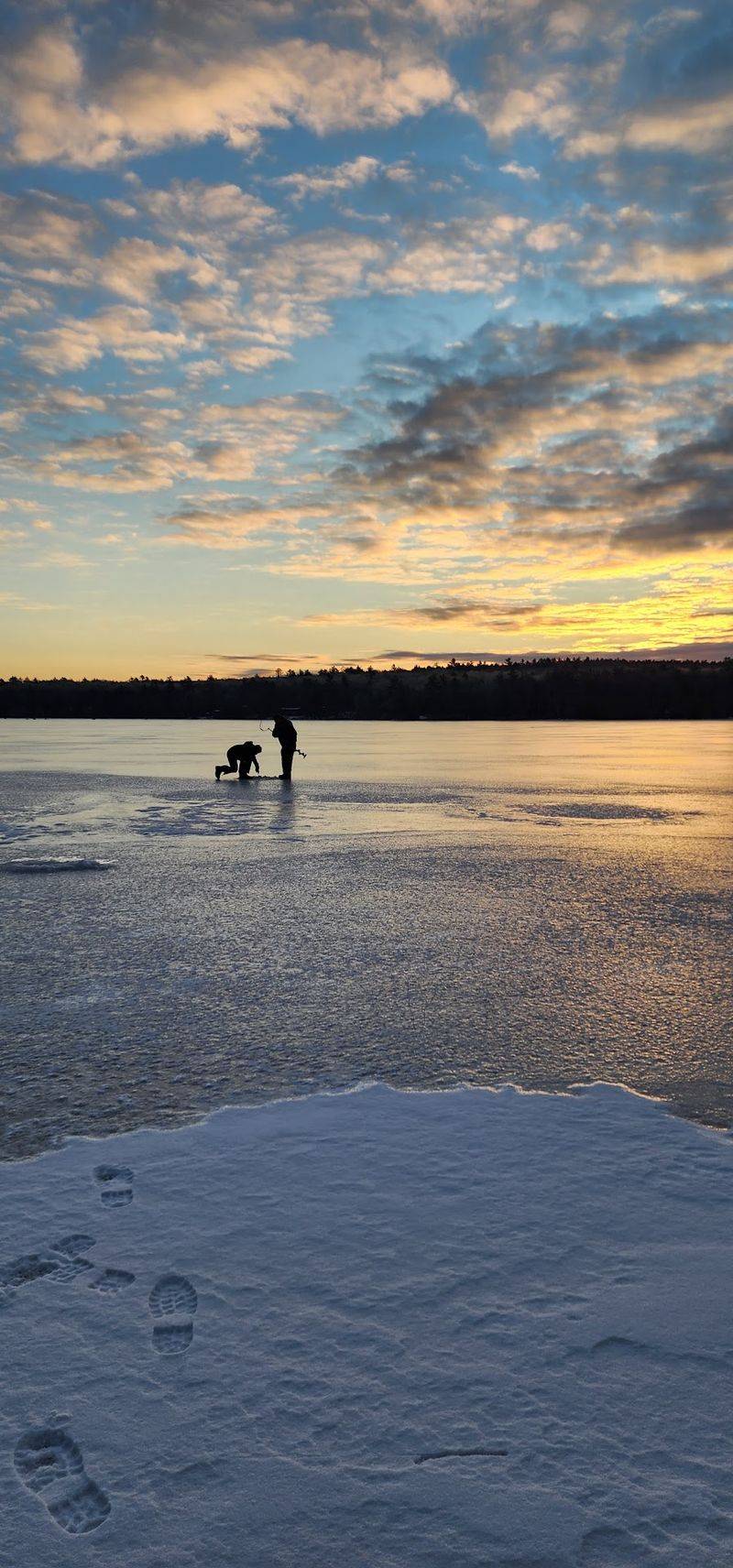
Timing decides what kind of visit you get. Reviewers describe peaceful mornings and much busier afternoons at the same pond.
One visitor put it simply. Come early for rest, because crowds gather later in the day.
My own early trip felt almost private. Mist sat on the water, and two herons worked the shallows without hurrying.
By eleven, cars filled the pull-offs. The mood shifted from quiet to social, which some people prefer.
Neither version is wrong. But knowing the difference lets you choose the experience you actually want.
Weekdays beat weekends by a wide margin. September and early October bring cool air, thinner crowds, and strong color along the shoreline.
Litter shows up when crowds do, and reviewers have called that out loudly. Carrying a spare bag costs nothing and helps a lot.
Sound carries across open water more than people realize. Keeping music low is an easy courtesy here.
Gates open at 7 AM daily. Setting an alarm is the cheapest upgrade available.
What Comes Next For This Quiet Water
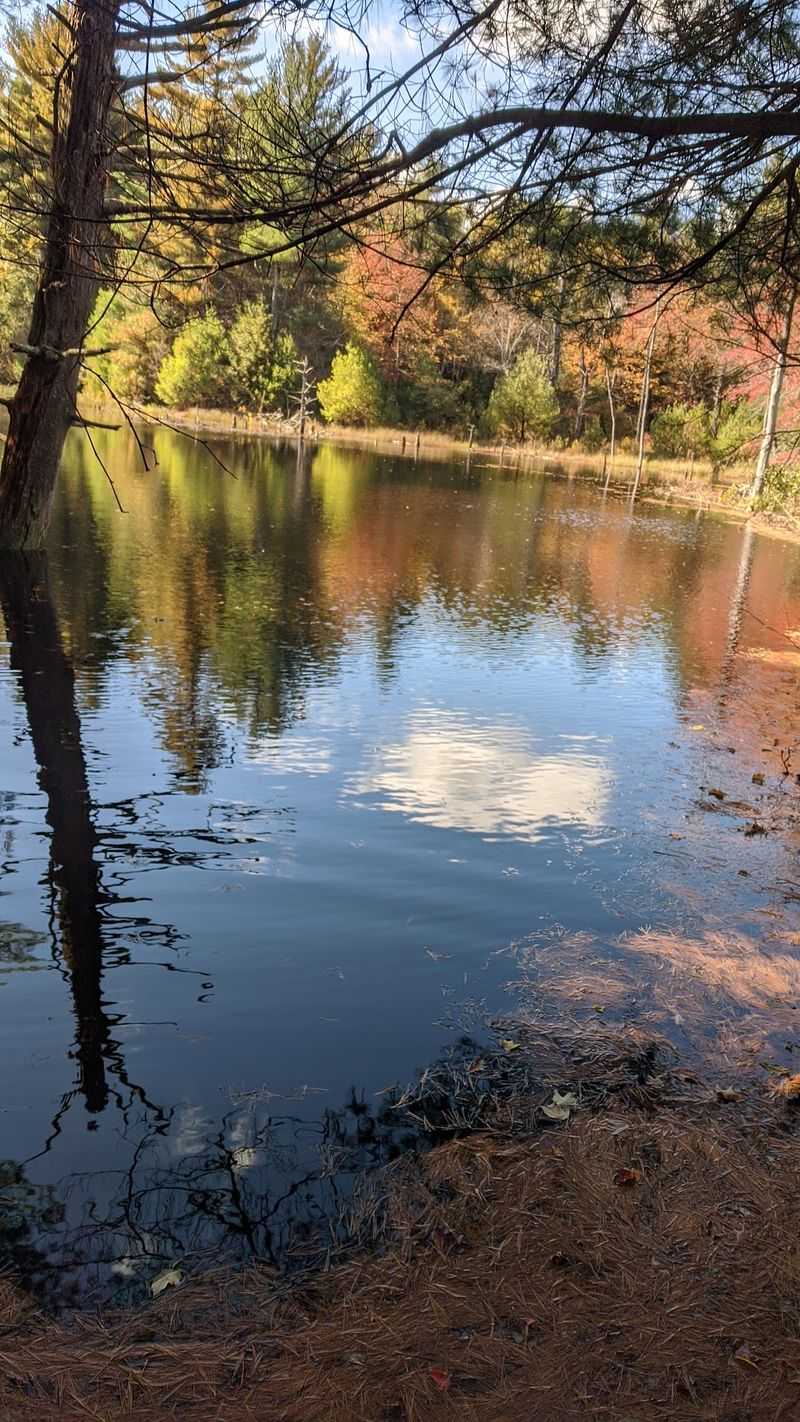
Uncertainty is part of the story now. Between dam questions, parking limits, and posted signs, regulars wonder how access will look in five years.
Some rules have tightened already. Reviewers mention parking tickets and restricted areas near certain sections.
Change is not automatically bad. Clear rules often protect a place from being loved into ruin.
One reviewer even noted the park’s odd status, saying record-keeping felt inconsistent. That kind of confusion makes planning harder for everyone.
The good news is that the pond itself remains beautiful. Clean water, healthy fish, and eagles overhead say plenty about its condition.
Visitors shape the outcome more than they think. Respectful behavior today builds the case for keeping access open tomorrow.
Park only where permitted, honor private property, and take your trash home. Small choices add up across thousands of visits.
Go see it while the water still runs clear. Places like this reward the people who show up quietly and leave no trace behind.